Category
page 1Echinoderm orders

Comatulida
Comatulida is an order of crinoids. Members of this order are known as feather stars and mostly do not have a stalk as adults. The oral surface with the mouth is facing upwards and is surrounded by five, often divided rays with feathery pinnules. Comatulids live on the seabed and on reefs in tropical and temperate waters.
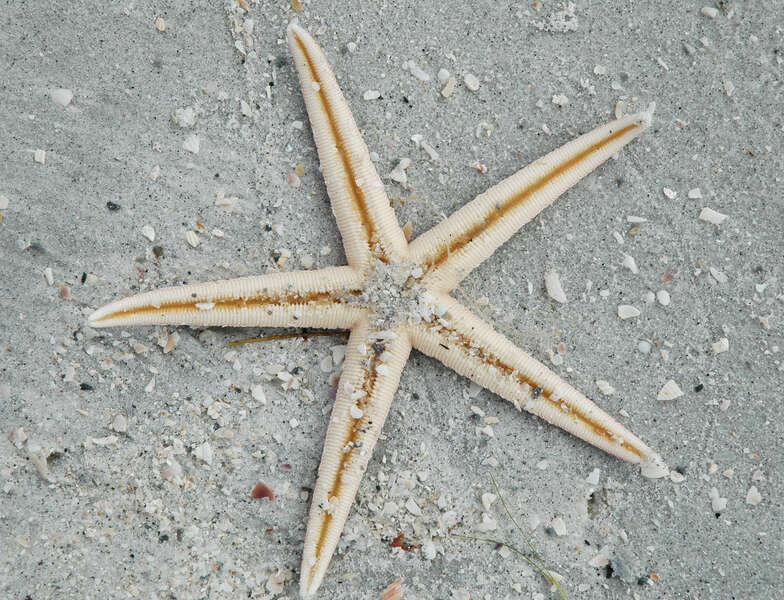
Paxillosida
The Paxillosida are a large order of sea stars.

Apodida
Apodida is an order of littoral to deep-sea, largely infaunal holothurians, sea cucumbers. This order comprises three families, 32 genera and about 270 known species, called apodids, "without feet".
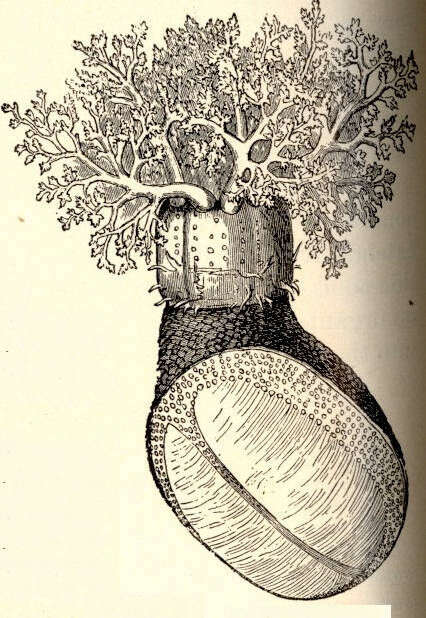
Dendrochirotida
Dendrochirotida are an order of sea cucumbers. Members of this order have branched tentacles and are suspension feeders. Examples include Thyonella and Cucumaria.
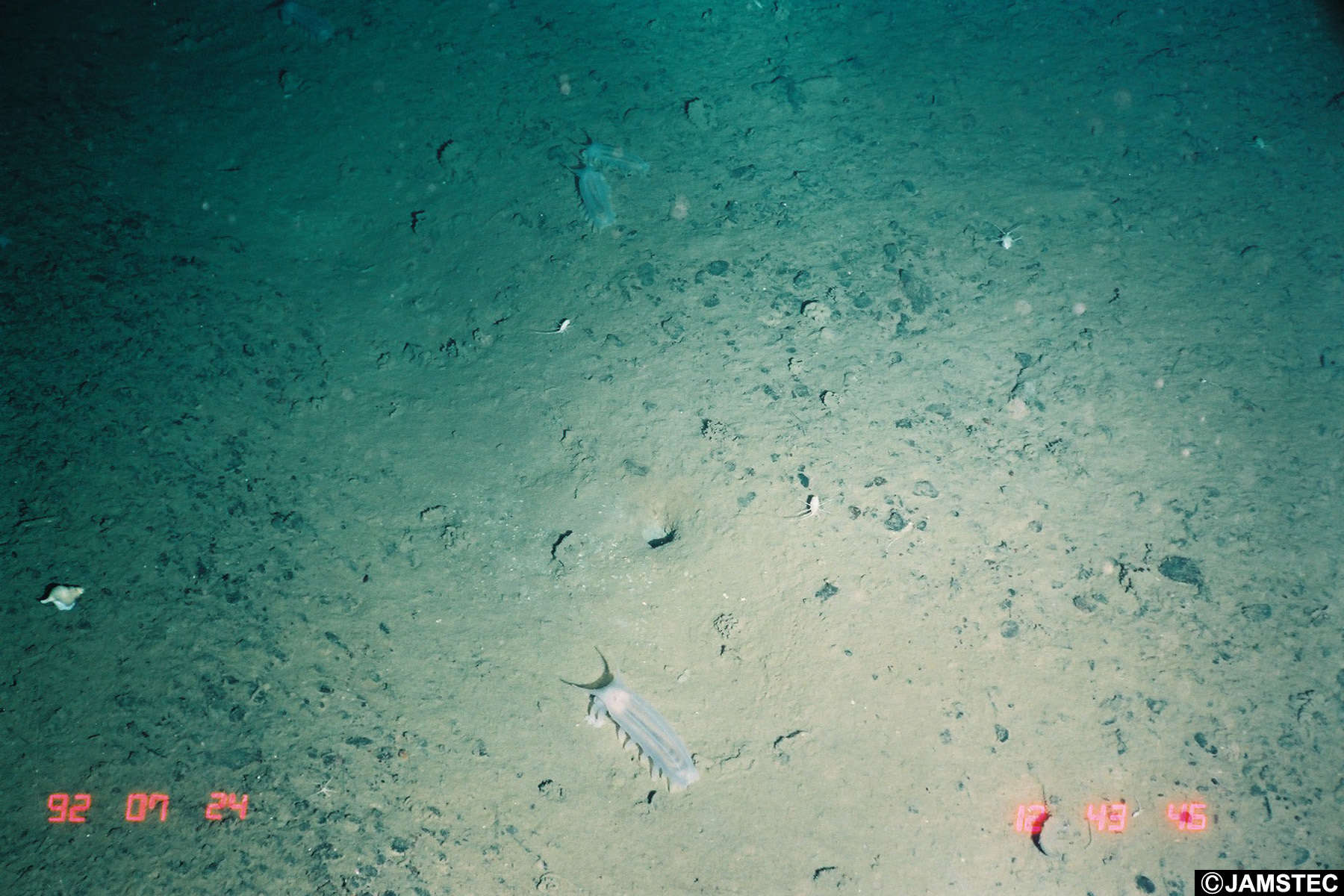
Elasipodida
Elasipodida is an order of sea cucumbers. They have numerous appendages, including conical papillae and leaf-like tentacles. Although many species are benthic, a number are pelagic, and may have their appendages modified to form sails or fins. Most members of the order inhabit deep-sea environments, such as the species of the genus Enypniastes.
Spinulosida
The Spinulosida are an order of sea stars containing at least 120 species in seven genera and one family.

Cidaroida
Cidaroida, also known as pencil urchins, is an order of primitive sea urchins, the only living order of the subclass Perischoechinoidea. All other orders of this subclass, which were even more primitive than the living forms, became extinct during the Mesozoic.

Velatida
The Velatida are an order of sea stars containing about 200 species in five families. These sea stars normally have thick bodies with large discs.

Molpadida
Molpadida is an order of sea cucumbers. The body shape is fusiform and unlike other sea cucumbers, their hind body is narrowed to form a distinct tail. Although they possess tentacles around the mouth derived from the water vascular system, they have no true tube feet, and are therefore believed to be related to the Apodida.
Paracrinoid
Paracrinoidea is an extinct class of blastozoan echinoderms. They lived in shallow seas during the Early Ordovician through the Early Silurian. While blastozoans are usually characterized by types of respiratory structures present, it is not clear what types of respiratory structures paracrinoids likely had. Despite the taxon's name, the paracrinoids are not closely related to crinoids.
Cassiduloida
Cassiduloida is an order of sea urchins. The group was extremely diverse with many families and species during the Mesozoic, but today, only seven extant species remain.

Isocrinida
Isocrinida is an order of sea lilies which contains four families.
Arbacioida
Arbacioida are an order of sea urchins, consisting of a single extant family, the Arbaciidae. They are distinguished from other sea urchins by the presence of five separate plates around the anus. Unlike their close relatives, the Salenioida, all of the tubercles on their tests are of similar size.

Echinothurioida
The Echinothurioida are an order of sea urchins in the class Echinoidea. Echinothurioids are distinguished from other sea urchins by the combination of a flexible test and hollow spines. The membrane around the mouth contains only simple plates, in contrast to the more complex mouth parts of their close relatives, the Diadematoida. They are nearly all deepsea dwellers.

Camarodonta
The Camarodonta are an order of globular sea urchins in the class Echinoidea. The fossil record shows that camarodonts have been in existence since the Lower Cretaceous.
Holectypoida
The Holectypoida are an order of sea urchins related to the sand dollars. The order consists of just two living genera, but was once more diverse.
Phrynophiurida
The Phrynophiurida (formerly called Euryalae) are an order of brittle stars containing the basket stars.
Cyrtocrinida
Cyrtocrinida is an order of sea lilies which contains two suborders and three families.
Persiculida
Persiculida is an order of sea cucumbers. Taxa within the order Persiculida were previously classified in an order called Aspidochirotida, which was determined to be polyphyletic in 2017.
Ophioscolecida
Ophioscolecida is an order of echinoderms belonging to the class Ophiuroidea.
Phymosomatoida
The Phymosomatoida are an order of sea urchins, found in Europe, North America, North Africa and the Middle East.
Notomyotida
REDIRECT Benthopectinidae
Stomopneustoida
Stomopneustoida is an order of echinoderms belonging to the class Echinoidea.
Somasteroidea
The Somasteroidea, or Stomasteroidea, is an extinct order of asterozoan echinoderms first defined in 1951 by W. K. Spencer. Their first appearance in the fossil record was in the Early Ordovician (Tremadocian) and they had become extinct by the Late Devonian (Famennian). They are similar to the asteroids in that their bodies are flattened dorsoventrally and they have five petaloid arms with broad bases. The ambulacral plates in somasteroids are simple and unspecialized, and the arms were thought to be not flexible and were unable to assist in feeding, but the oral mouth parts were more complex

Amphilepidida
Amphilepidida is an order of echinoderms belonging to the class Ophiuroidea.
Bourgueticrinida
Bourgueticrinida is an order of crinoids that typically live deep in the ocean. Members of this order are attached to the seabed by a slender stalk and are known as sea lilies. While other groups of crinoids flourished during the Permian, bourgueticrinids along with other extant orders did not appear until the Triassic, following a mass extinction event in which nearly all crinoids died out.

Ophiacanthida
Ophiacanthida is an order of echinoderms belonging to the class Ophiuroidea.
Pedinoida
Pedinoida is an order of sea urchins, containing the family Pedinidae with a single living genus, Caenopedina. The group was much more diverse during the Mesozoic, and represents the oldest surviving order of euechinoid sea urchins.
Salenioida
The Salenioida are an order of sea urchins.
Millericrinida
Millericrinida is an order of articulate crinoids that originated in the Anisian (Middle Triassic).
Hyocrinida
REDIRECT Hyocrinidae