Category
page 1Endemic birds of Australia
Emu
thumb|call of a female emu at the ZOOM Erlebniswelt Gelsenkirchen in [[Germany ]]
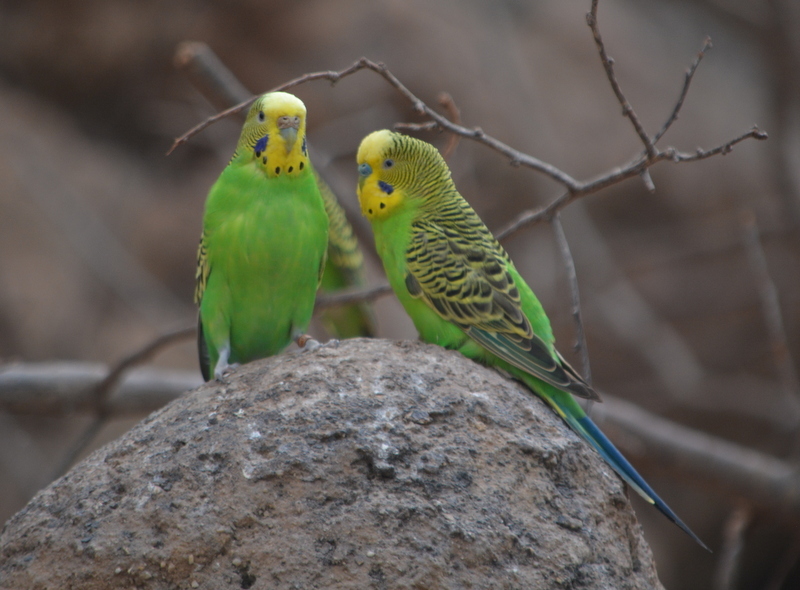
Budgerigar
The budgerigar ( ; Melopsittacus undulatus), also known as the common parakeet, shell parakeet or budgie ( ), is a small, long-tailed, seed-eating parrot native to Australia. Naturally, the species is green and yellow with black, scalloped markings on the nape, back, and wings. Budgies are bred in captivity with colouring of blues, whites, yellows, greys, and even with small crests. Juveniles and chicks are monomorphic (the sexes are visually indistinguishable), while adults are told apart by their cere colouring and their behaviour.
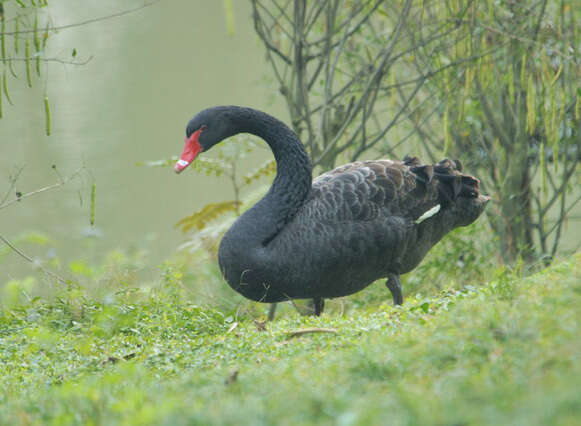
Black Swan
species of bird

Cockatiel
The cockatiel (; Nymphicus hollandicus), also known as the weero/weiro or quarrion, is a medium-sized
parrot that is a member of its own branch of the cockatoo family endemic to Australia. They are prized as exotic household pets and companion parrots throughout the world and are relatively easy to breed compared to other parrots. As a caged bird, cockatiels are second in popularity only to the budgerigar.

Menura
A lyrebird is either of two species of ground-dwelling Australian birds that compose the genus Menura, and the family Menuridae. They are most notable for their ability to mimic a variety of natural and artificial sounds from their environment and for the striking beauty of the male bird's huge tail when it is fanned out in courtship display. Lyrebirds have unique plumes of neutral-coloured tailfeathers and are among Australia's best-known native birds.
Galah
The galah (; Eolophus roseicapilla), less commonly known as the pink and grey cockatoo, galah cockatoo or rose-breasted cockatoo, is an Australian species of cockatoo and the only member of the genus Eolophus. The galah is adapted to a wide variety of modified and unmodified habitats and is one of Australia's most abundant and widespread bird species. The species is endemic to mainland Australia. It was introduced to Tasmania, where it is now widespread, in the mid-20th century and much more recently to New Zealand.

Laughing Kookaburra
species of bird

Freckled Duck
species of bird
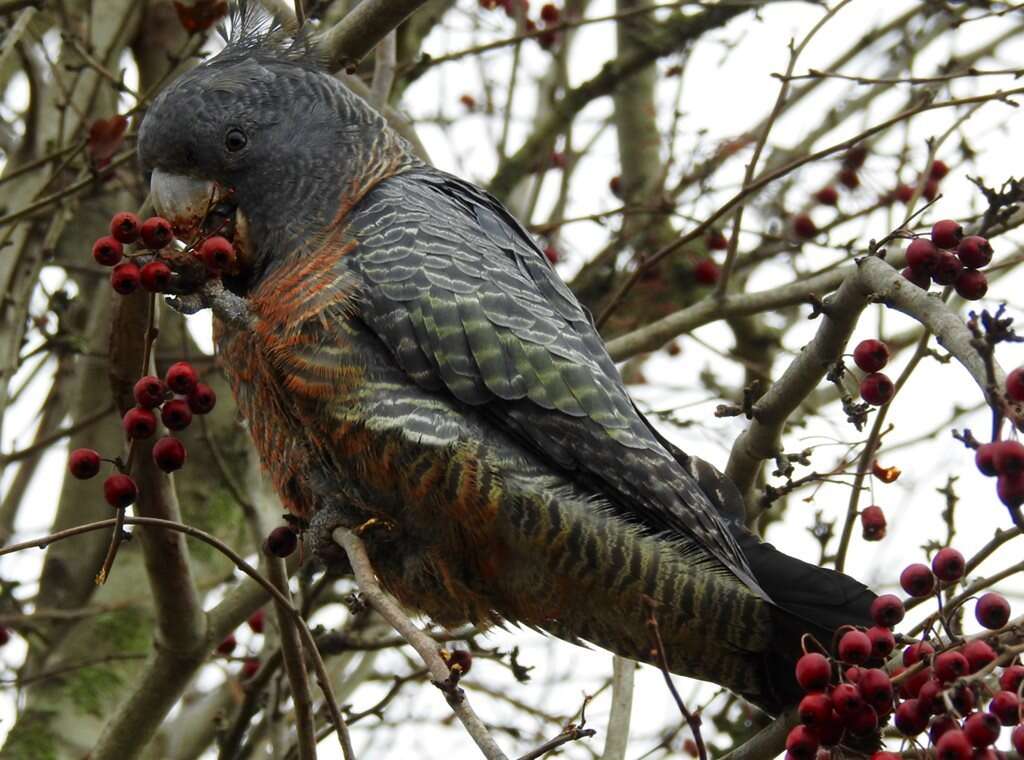
Gang-gang Cockatoo
species of bird

Lophochroa leadbeateri
species of bird endemic to Australia

Red-tailed Black Cockatoo
species of bird

Superb Lyrebird
species of bird

Yellow-tailed Black Cockatoo
species of bird

Black-shouldered Kite
species of bird

Australian Brushturkey
species of bird
Plains-wanderer
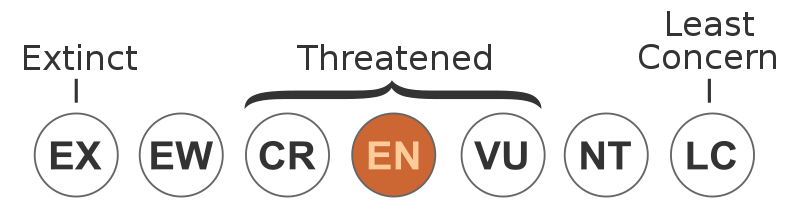
The plains-wanderer (Pedionomus torquatus) is an atypical species of wading bird, the only representative of family Pedionomidae and genus Pedionomus. It is endemic to Australia. Its historic range included much of eastern Australia, including Victoria, New South Wales, South Australia and the Northern Territory, but in recent years, it has become endangered with remaining known populations concentrated in the Riverina region of New South Wales and western Queensland.
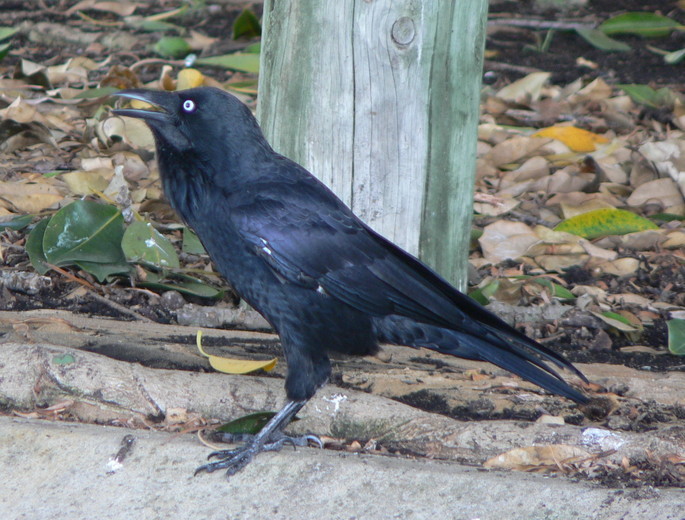
Australian Raven
species of passerine bird in the crow family
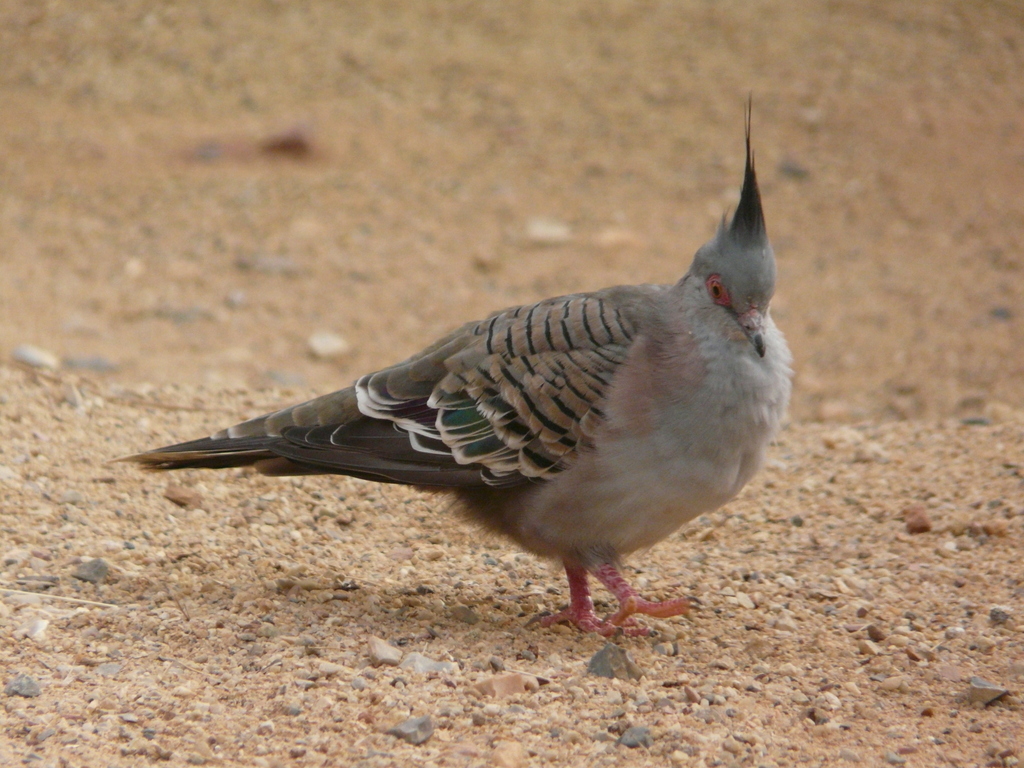
Crested Pigeon
species of bird

superb fairywren
species of bird

Glossy Black Cockatoo
species of bird

Yellow-billed Spoonbill
species of bird
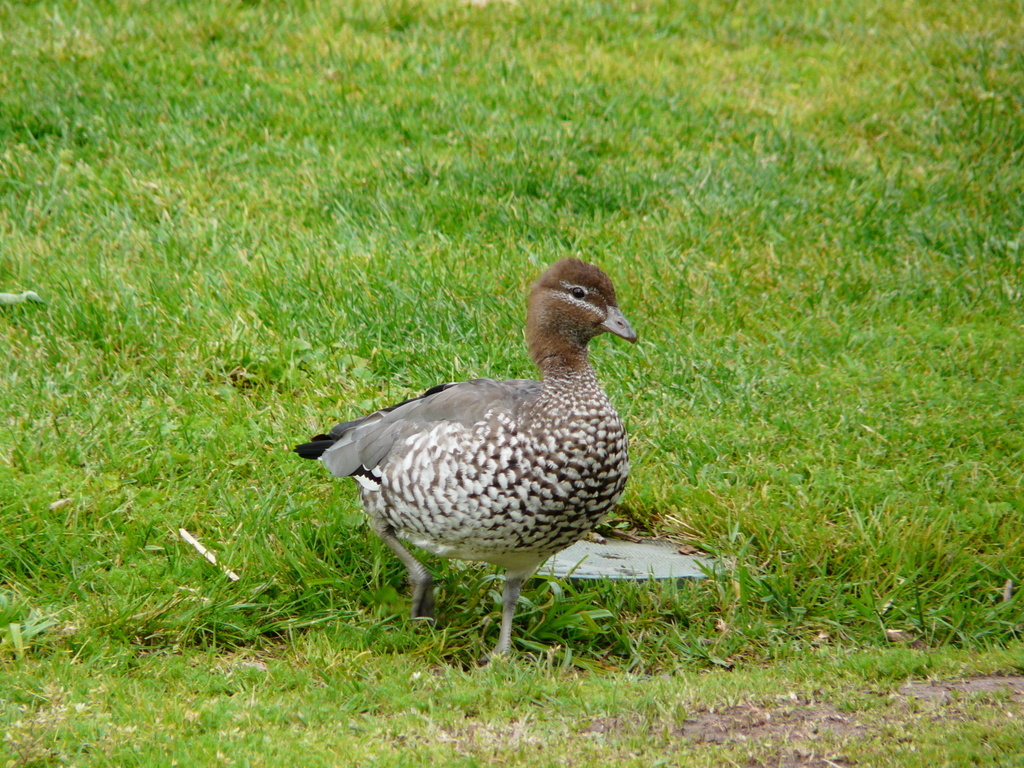
Australian Wood Duck
species of bird
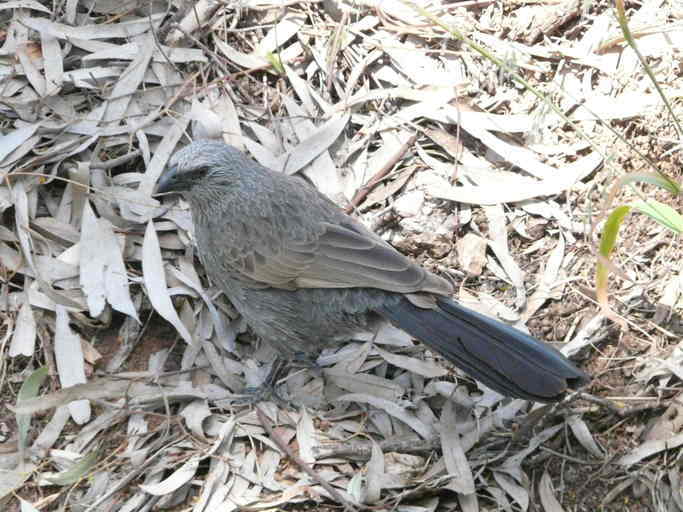
Australian mudnester
family of birds

Banded Stilt
species of bird

Dromaius
Dromaius (from Ancient Greek δρομαῖος; "swift one", "runner") is a genus of ratite present in Australia. There is one extant species, Dromaius novaehollandiae, commonly known as the emu.

White-necked Heron
species of bird

Long-billed Corella
species of bird
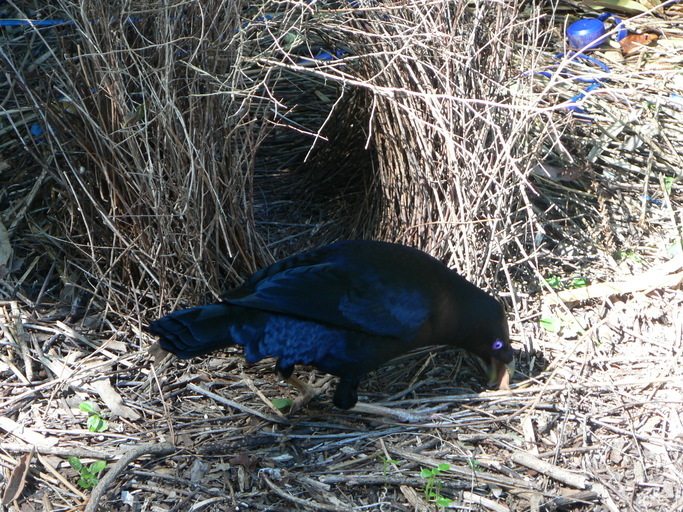
Satin Bowerbird
species of bird

Diamond Dove
species of bird
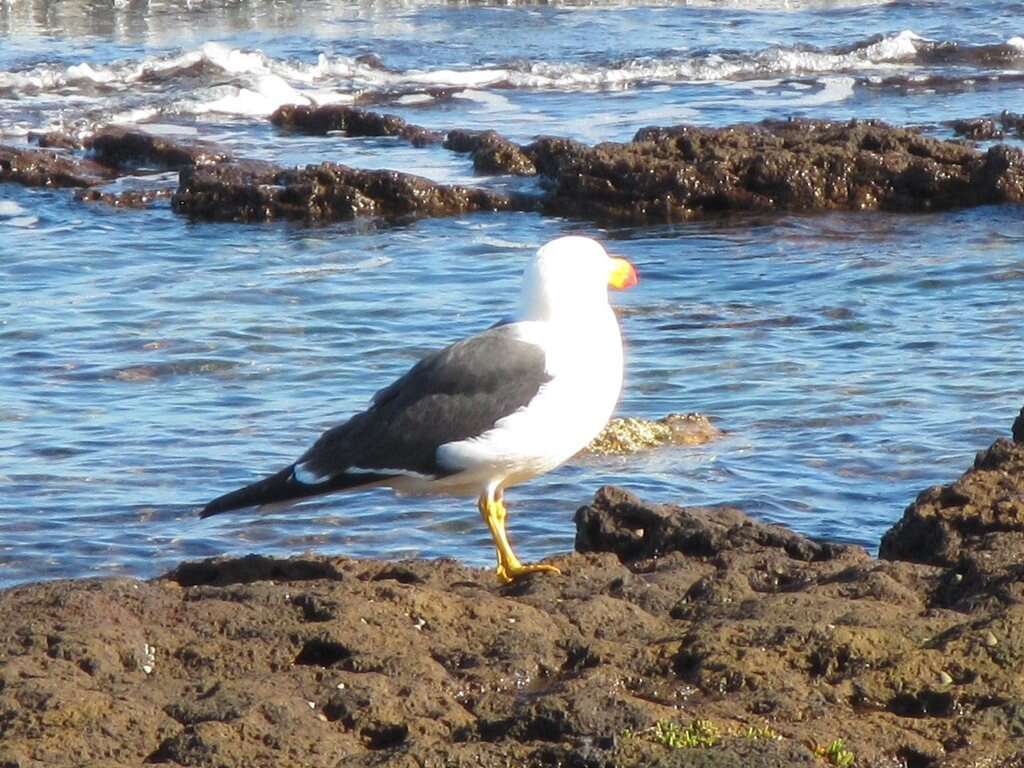
Pacific Gull
species of bird

Platycercus
Rosellas are in a genus that consists of six species and nineteen subspecies.
These colourful parrots from Australia are in the genus Platycercus.
Platycercus means "broad-tailed" or "flat-tailed", reflecting a feature common to the rosellas and other members of the broad-tailed parrot tribe. Their diet is mainly seeds and fruit.

Wonga Pigeon
species of bird

Pezoporus occidentalis
species of bird
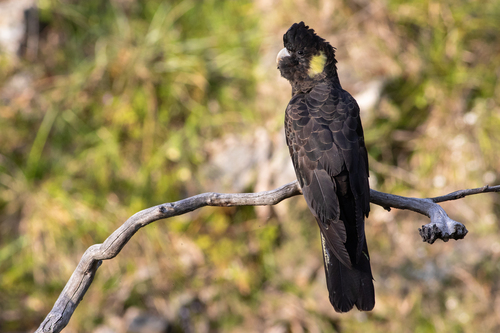
Calyptorhynchus
Described by French naturalist Anselme Gaëtan Desmarest in 1826, the genus Calyptorhynchus has two species of cockatoos. They are all mostly black in colour, and the taxa may be differentiated partly by size and partly by small areas of red, grey, and yellow plumage, especially in the tail feathers. Studies based on the mitochondrial DNA 12S gene fragment suggested that other sexually dichromatic species, the gang-gang cockatoo and the cockatiel may be the closest living relatives of Calyptorhynchus. However, subsequent studies, including more genes confirm the morphological taxonomy with the

Malleefowl
The malleefowl (Leipoa ocellata) is a stocky ground-dwelling Australian bird about the size of a domestic chicken (to which it is distantly related). It is notable for the large nesting mounds constructed by the males and lack of parental care after the chicks hatch. It is the only living representative of the genus Leipoa, though the extinct giant malleefowl was a close relative.

Splendid Fairywren
species of bird

Red-rumped Parrot
species of bird

Australian King Parrot
species of bird

White-headed Pigeon
species of bird
Neophema chrysogaster
species of bird

Australian Ringneck
species of bird

Rainbow Pitta
species of bird

Tawny Frogmouth
species of bird

Pink-eared Duck
species of bird

Blue-billed Duck
species of bird

Taeniopygia bichenovii
species of bird

Forest Raven
species of bird
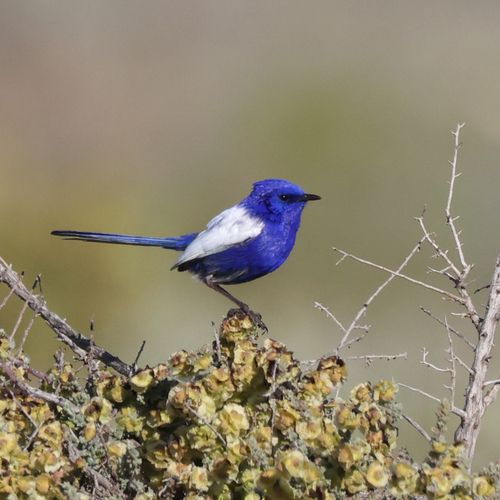
White-winged Fairywren
Australian species of bird

Manorina melanocephala
species of bird
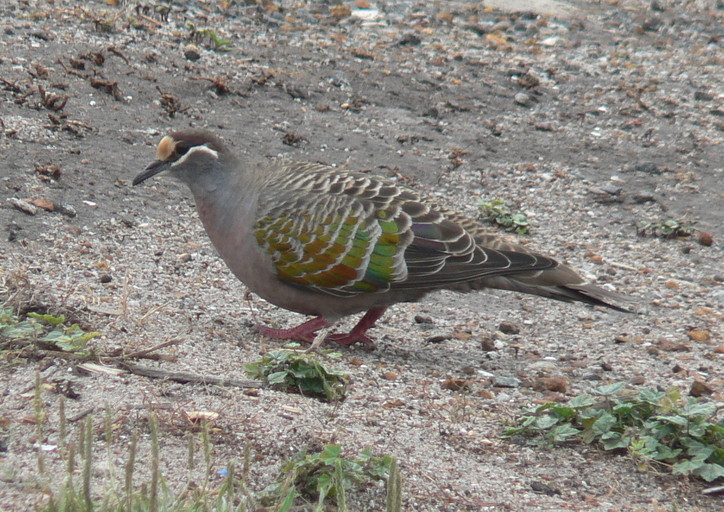
Common Bronzewing
species of bird

Little Raven
species of bird

Topknot Pigeon
species of bird

Musk Duck
species of bird

Red-necked Avocet
species of bird

Albert's Lyrebird
species of bird
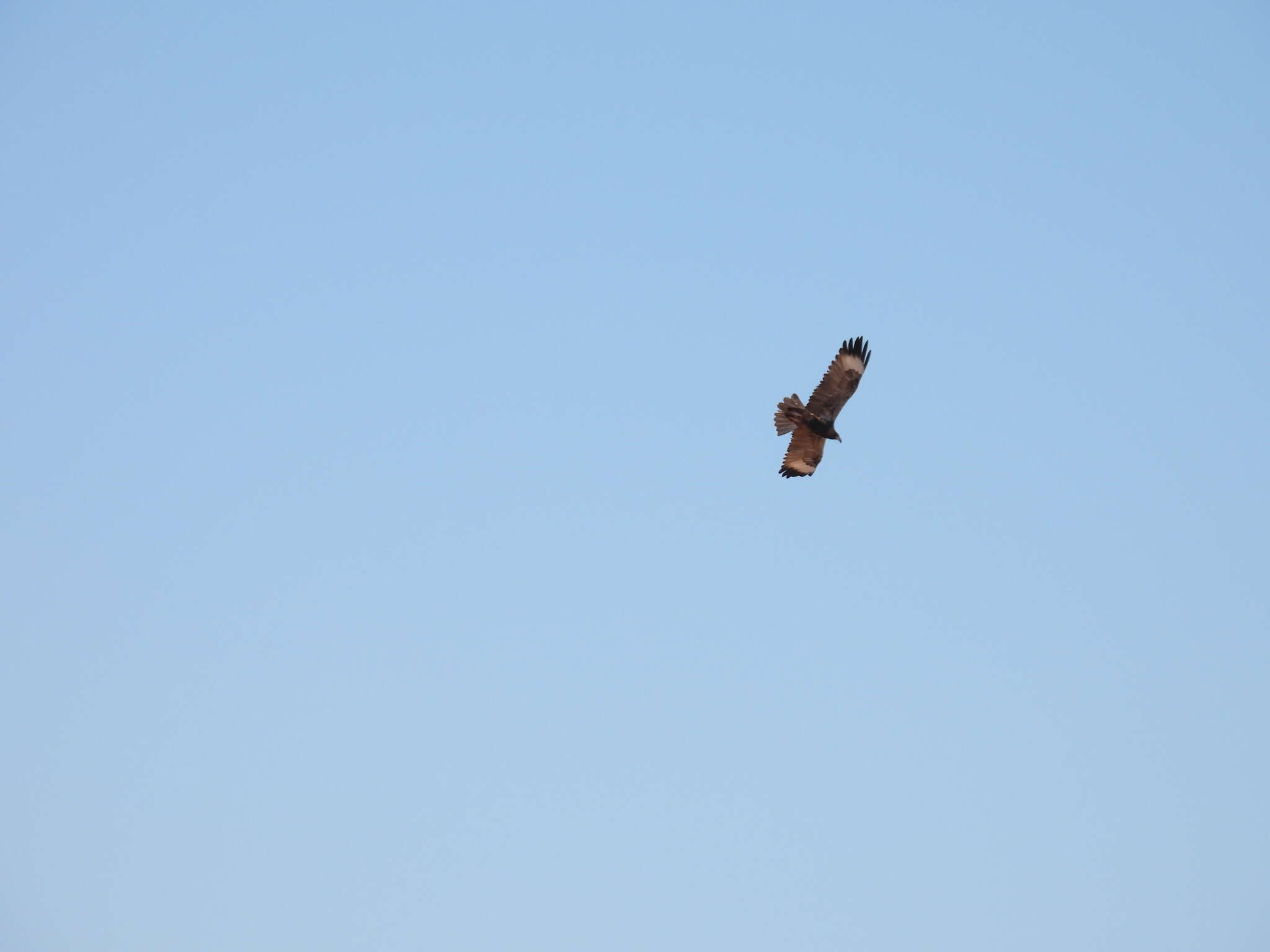
Hamirostra melanosternon
species of bird

Bourke's Parrot
species of bird

Turquoise Parrot
species of bird
.jpg)
Pardalotus
Pardalotes or peep-wrens are a family, Pardalotidae, of very small, brightly coloured birds native to Australia, with short tails, strong legs, and stubby blunt beaks. This family is composed of four species in one genus, Pardalotus, and several subspecies. The name derives from a Greek word meaning "spotted". The family once contained several other species now split into the family Acanthizidae.

Hoary-headed Grebe
species of bird