Category
page 1Endosymbiotic events

algae
Algae ( , ; : alga ) are any of a large and diverse group of photosynthetic organisms. It excludes the land plants (embryophytes). Such organisms range from microscopic unicellular microalgae (including cyanobacteria and phytoplankton) to seaweeds, multicellular macroalgae which may grow up to in length. Most algae are aquatic (especially marine), and some form cohesive colonies. Freshwater algae include Charophyta such as the filamentous Spirogyra and the grasslike stoneworts. Most algae are planktons carried passively by water, although some macroalgae have holdfasts for anchorage.

mitochondrion
A mitochondrion () is an organelle found in the cells of most eukaryotes, such as animals, plants and fungi. Mitochondria have a double membrane structure and use aerobic respiration to generate adenosine triphosphate (ATP), which is used throughout the cell as a source of chemical energy. They were discovered by Albert von Kölliker in 1857 in the voluntary muscles of insects. The term mitochondrion, meaning a thread-like granule, was coined by Carl Benda in 1898. The mitochondrion is popularly nicknamed the "powerhouse of the cell", a phrase popularized by Philip Siekevitz in a 1957 Scientifi
.svg)
chloroplast
thumb|upright=1.35|Structure of a typical higher-plant chloroplast. The green chlorophyll is contained in stacks of disk-like [[thylakoids.]]
thumb|upright=1.35|Chloroplasts, containing thylakoids, visible in the cells of Rosulabryum capillare, a type of [[moss]]
A chloroplast ( ) is a type of organelle known as a plastid that conducts photosynthesis mostly in plant and algal cells. Chloroplasts have a high concentration of chlorophyll pigments which capture the energy from sunlight and convert it to chemical energy and release oxygen. The chemical energy created is then used to make sugar and

plastid
thumb|Plant cells with visible chloroplasts

Dinoflagellata
The dinoflagellates (), also called dinophytes, are a monophyletic group of single-celled eukaryotes constituting the phylum Dinoflagellata and are usually considered protists. Dinoflagellates are mostly marine plankton, but they are also common in freshwater habitats. Their populations vary with sea surface temperature, salinity, and depth. Many dinoflagellates are photosynthetic, but a large fraction of these are in fact mixotrophic, combining photosynthesis with ingestion of prey (phagotrophy and myzocytosis).

Wolbachia
Wolbachia is a genus of gram-negative bacteria infecting many species of arthropods and filarial nematodes. The relationship between Wolbachia and its hosts ranges from parasitism through benign symbiosis up to obligate mutualism. It is one of the most common parasitic microbes of arthropods, and is possibly the most widespread reproductive parasite bacterium in the biosphere. Its interactions with hosts are complex and highly diverse across the various species in which it is found. Some host species cannot reproduce, or even survive, absent internal Wolbachia colonies. One study concluded tha

symbiogenesis
thumb|upright=2.2|In the theory of symbiogenesis, a merger of an archaean and an aerobic bacterium created the eukaryotes, with aerobic mitochondria; a second merger added [[chloroplasts, creating the green plants. The original theory by Lynn Margulis proposed an additional preliminary merger, but this is poorly supported and not now generally believed.]]
Symbiogenesis (endosymbiotic theory, or serial endosymbiotic theory) is the leading evolutionary theory of the origin of eukaryotic cells from prokaryotic organisms. The theory holds that mitochondria, plastids such as chloroplasts, and possi

kleptoplasty
thumb |upright=1.2 |A digestive tubule cell of the sea slug Elysia clarki, packed with chloroplasts taken from green algae.
C = [[chloroplast,
N = cell nucleus.
Electron micrograph: scale bar is 3 μm.]]

endosymbiont
thumb|200px|A representation of the endosymbiotic theory
Parakaryon myojinensis
Parakaryon myojinensis, also known as the Myojin parakaryote, is a highly unusual species of single-celled organism known only from a single specimen, described in 2012. It has features of both prokaryotes and eukaryotes but is apparently distinct from either group, making it unique among organisms discovered thus far. It is the sole species in the genus Parakaryon. It is part of the domain Parakarya.

nucleomorph
thumb|Diagram of a four membraned plastid containing a nucleomorph
Nucleomorphs are small, vestigial eukaryotic nuclei found between the inner and outer pairs of membranes in certain plastids. They are thought to be vestiges of red and green algal nuclei that were engulfed by a larger eukaryote. Because the nucleomorph lies between two sets of membranes, nucleomorphs support the endosymbiotic theory and are evidence that the plastids containing them are complex plastids. Having two sets of membranes indicate that the plastid, a prokaryote, was engulfed by a eukaryote, an alga, which was then e

Mixotricha paradoxa
Mixotricha paradoxa is a species of protozoan that lives inside the gut of the Australian termite species Mastotermes darwiniensis.
apicoplast
An apicoplast is a derived non-photosynthetic plastid found in most Apicomplexa, including Toxoplasma gondii, and Plasmodium falciparum and other Plasmodium spp. (parasites causing malaria), but not in others such as Cryptosporidium. It originated from algae through secondary endosymbiosis; there is debate as to whether this was a green or red alga. The apicoplast is surrounded by four membranes within the outermost part of the endomembrane system. The apicoplast hosts important metabolic pathways like fatty acid synthesis, isoprenoid precursor synthesis and parts of the heme biosynthetic path

Hatena arenicola
species of Cryptophyceae
viral eukaryogenesis
hypothesis that the eukaryotic cell nucleus evolved from a large DNA virus in a form of endosymbiosis within a methanogenic archaeon
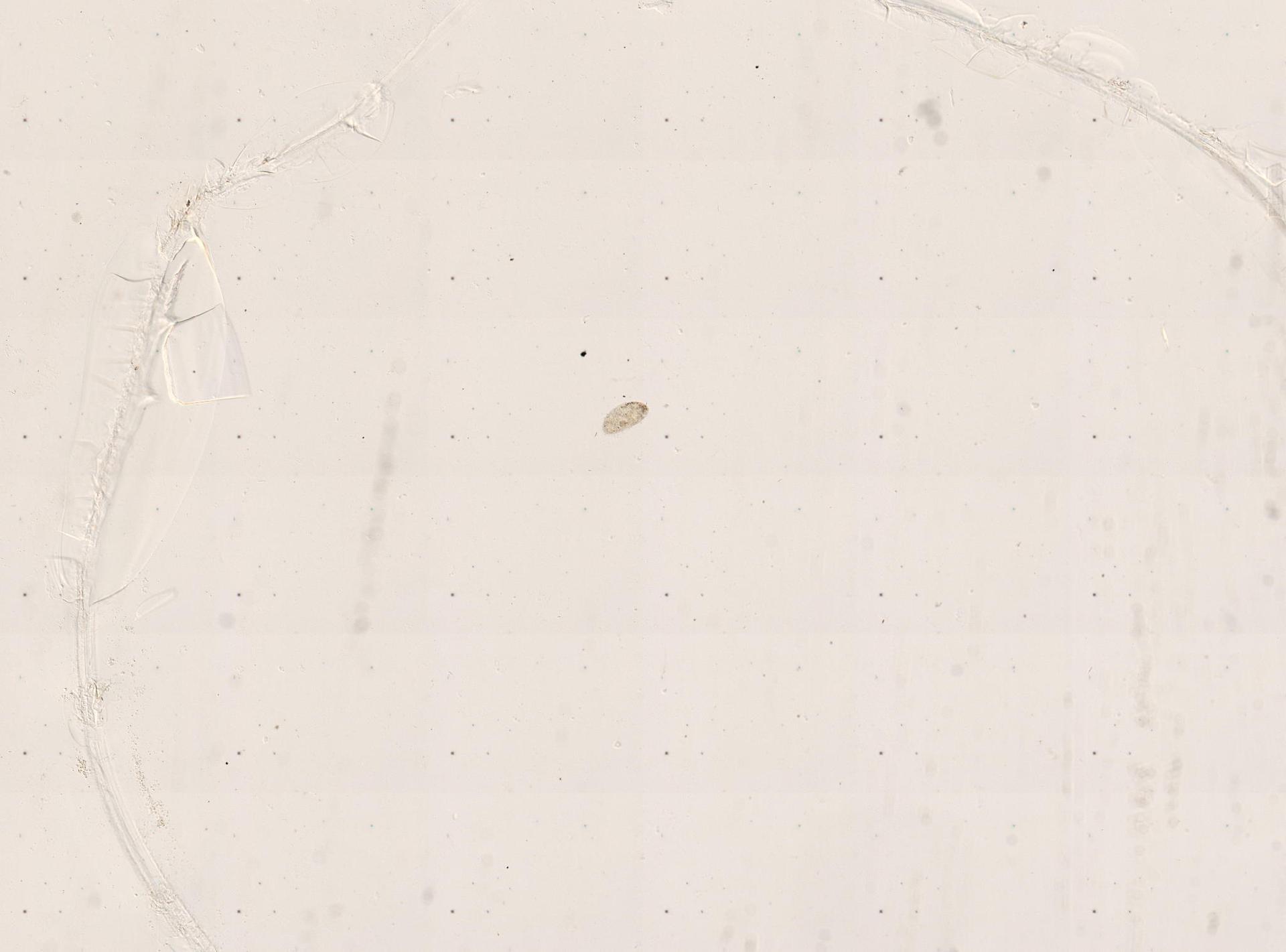
Paramecium bursaria
species of unicellular ciliate
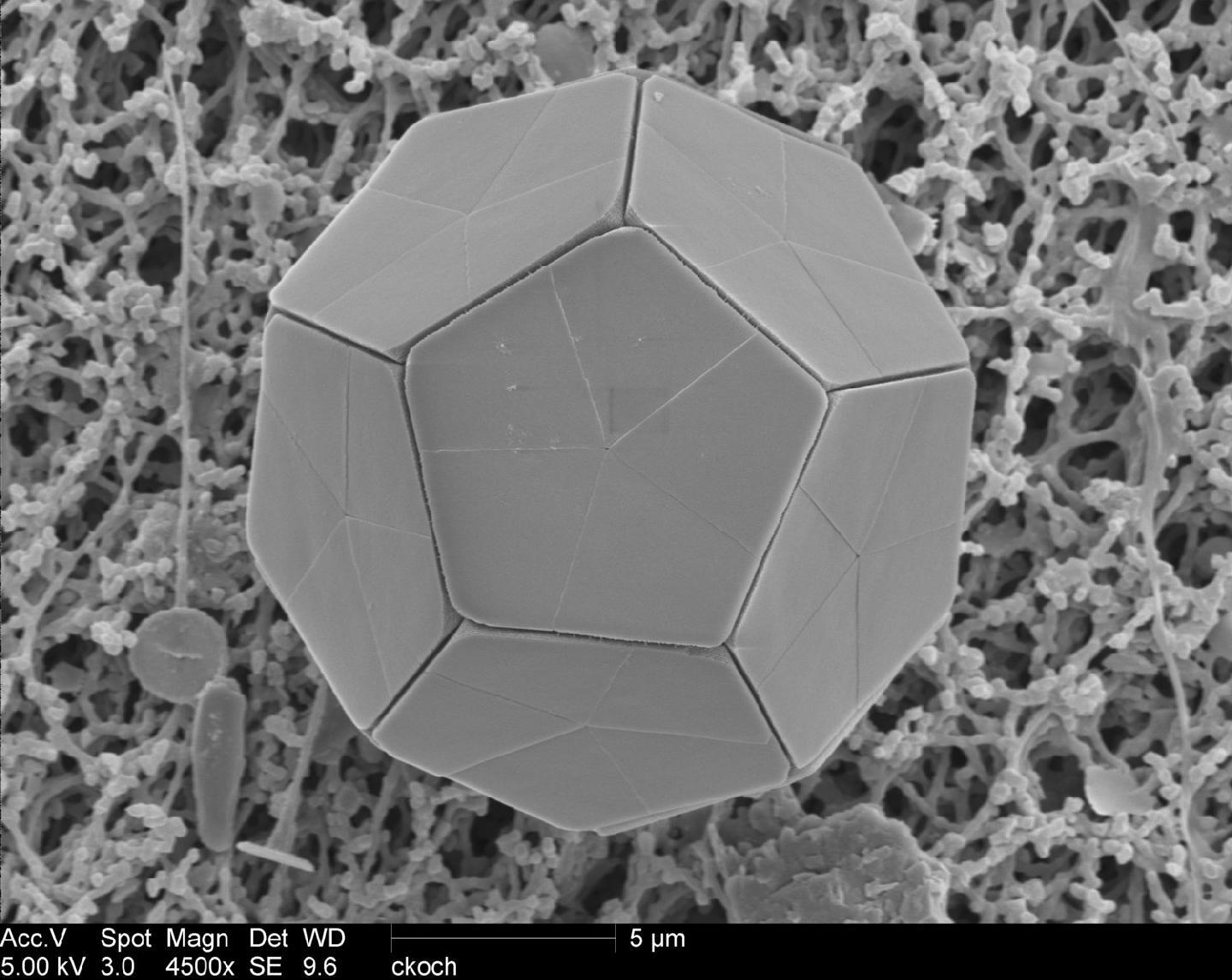
Braarudosphaera bigelowii
species of alga
Paulinella
Paulinella is a genus of amoeboid protists with at least twelve species of freshwater and marine euglyphids. Like many other euglyphids, it is covered by rows of siliceous scales, and use filose pseudopods to crawl over the substrate of the benthic zone. Species within the group can be distinguished by features like the overall shell dimensions, the number of vertical scale rows (3–5), the number of scales per row (7–14) and the number of oral scales.
eukaryogenesis
thumb|upright=1.35|LUCA and LECA: the origins of the Eukaryote|eukaryotes. The point of fusion (marked "?") below LECA is the FECA, the first eukaryotic common ancestor, some 2.2 billion years ago. Much earlier, some 4 billion years ago, the LUCA gave rise to the two domains of prokaryotes, the [[bacteria and the archaea. After the LECA, some 2 billion years ago, the eukaryotes diversified into a crown group, which gave rise to animals, plants, fungi, and protists.]]
Mesodinium chamaeleon
species of ciliate protist
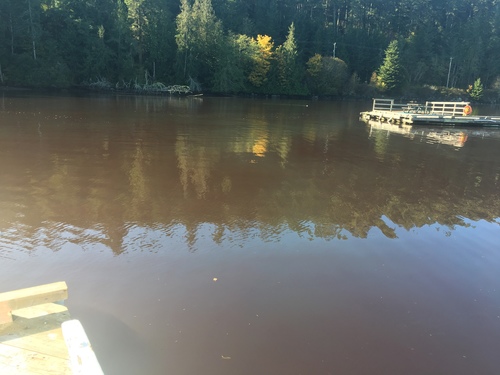
Mesodinium rubrum
species of protist
Strigomonas culicis
species of flagellated trypanosomatids