Category
page 1Epic poets

Johann Wolfgang von Goethe
German writer, artist, natural scientist and politician (1749–1832)

Dante Alighieri
Florentine poet, writer, and philosopher (c. 1265–1321)

Victor Hugo
French novelist, poet, dramatist and politician (1802–1885)
.jpg)
Virgil
Publius Vergilius Maro (; 15 October 70 BC21 September 19 BC), usually called Virgil or Vergil ( ) in English, was an ancient Roman poet of the Augustan period. He composed three of the most famous poems in Latin literature: the Eclogues (or Bucolics), the Georgics, and the epic Aeneid. Some minor poems, collected in the Appendix Vergiliana, were attributed to him in ancient times, but modern scholars regard these as spurious, with the possible exception of some short pieces.

Edgar Allan Poe
Edgar Allan Poe was an American writer, poet, editor, and literary critic who is best known for his poetry and short stories, particularly his tales involving mystery and the macabre. He is widely regarded as one of the central figures of Romanticism and Gothic fiction in the United States and of early American literature. Poe was one of the country's first successful practitioners of the short story, and is generally considered to be one of the pioneers of the detective fiction genre. In addition, he is credited with contributing significantly to the emergence of science fiction. He is the first well-known American writer to earn a living exclusively through writing, which resulted in a financially difficult life and career.

Lord Byron
English Romantic poet and lyricist (1788–1824)

Ovid
Publius Ovidius Naso (; 20 March 43 BC – AD 17/18), known in English as Ovid ( ), was a Roman poet who lived during the reign of Augustus. He was a younger contemporary of Virgil and Horace, with whom he is often ranked as one of the three canonical poets of Latin literature. The Imperial scholar Quintilian considered him the last of the Latin love elegists. Although Ovid enjoyed enormous popularity during his lifetime, the emperor Augustus exiled him to Tomis, the capital of the newly organised province of Moesia, on the Black Sea, where he remained for the last nine or ten years of his life.

Kalidasa
Kālidāsa (, "Servant of Kali"; 4th–5th century CE) was a Classical Sanskrit author who is often considered ancient India's greatest poet and playwright. His plays and poetry are primarily based on Hindu Puranas and philosophy. His surviving works consist of three plays, two epic poems and two shorter poems.
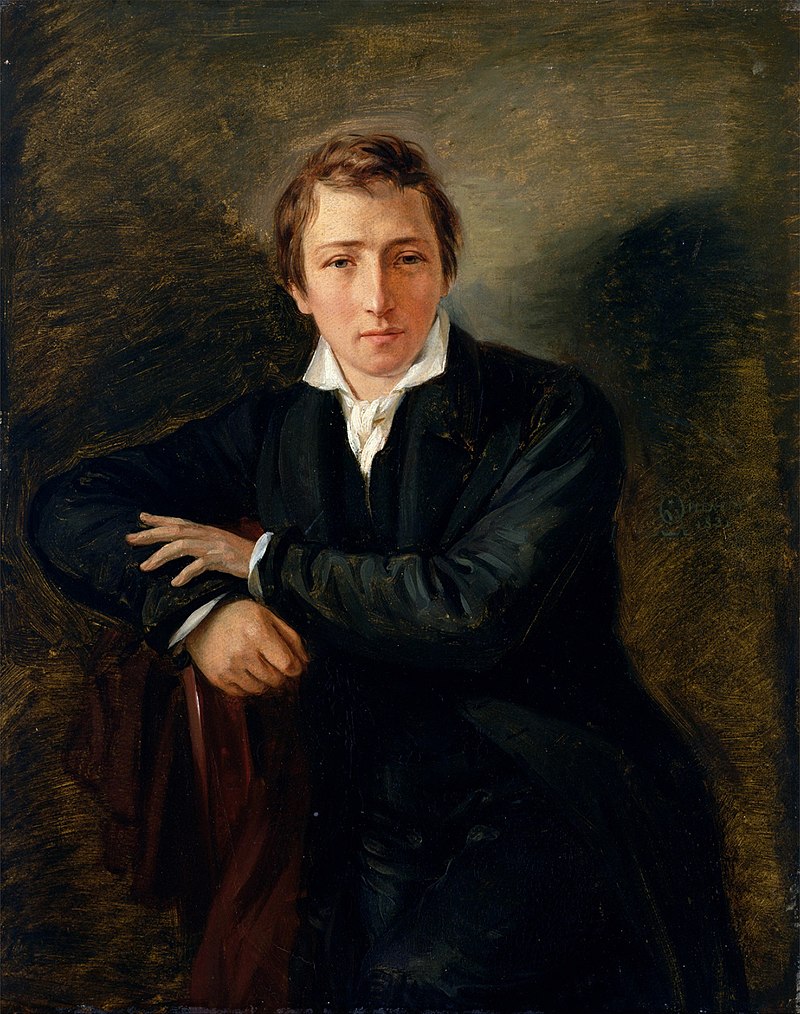
Heinrich Heine
German poet, writer and literary critic (1797–1856)

William Blake
English poet and artist (1757–1827)
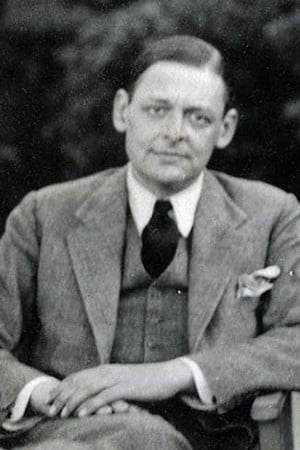
T. S. Eliot
US-British poet (1888–1965)

John Milton
English poet and civil servant (1608–1674)

John Keats
English Romantic poet (1795–1821)

Percy Bysshe Shelley
British Romantic poet (1792–1822)
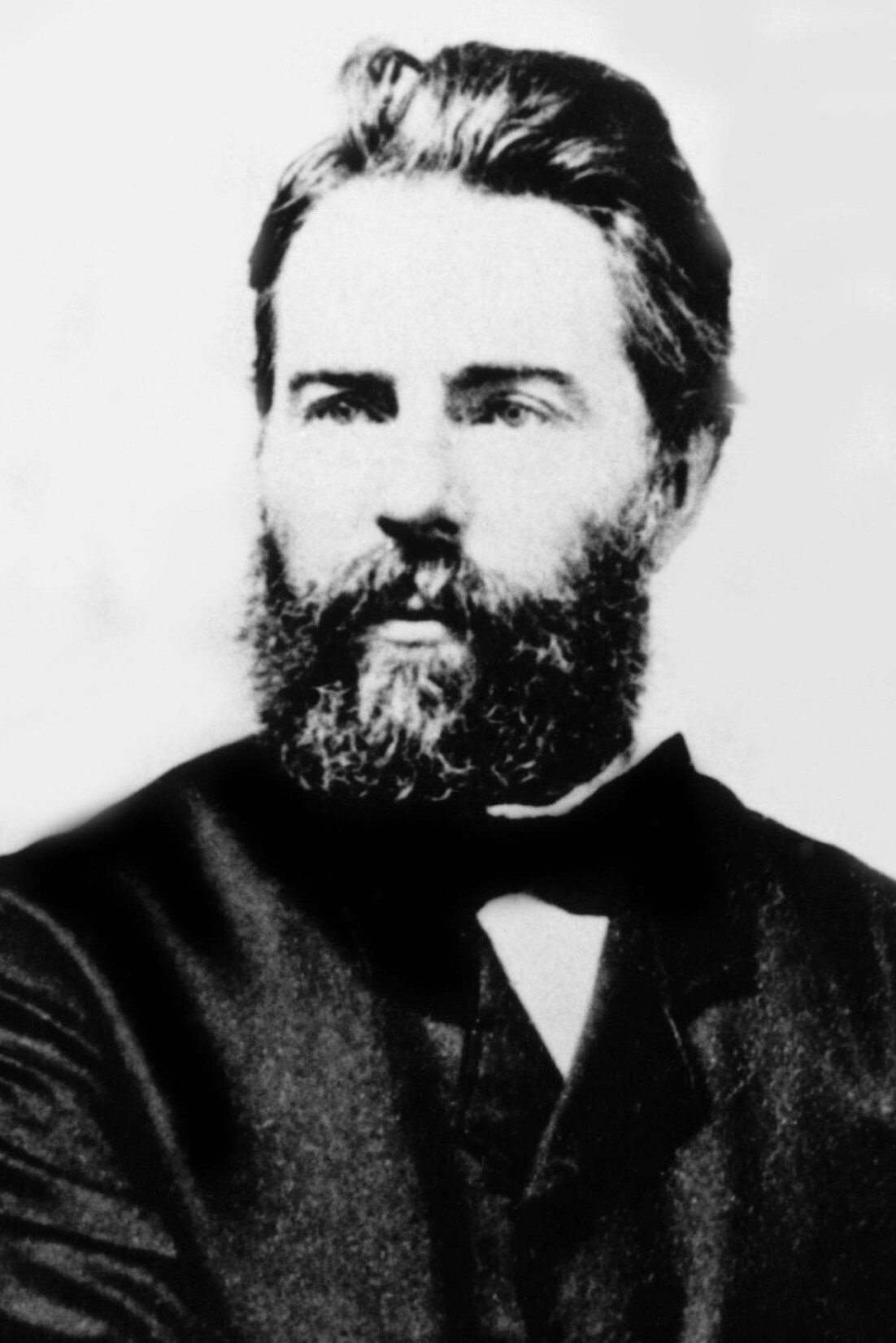
Herman Melville
American writer and poet (1819–1891)

Ferdowsi
thumb|Statue of Ferdowsi in Tus by Abolhassan Sadighi
Abolqasem Mansour bin Hassan Tusi (940–1025), better known by his pen name Ferdowsi, was a Persian poet and the author of Shahnameh ("Book of Kings"), which is one of the world's longest epic poems created by a single poet, and the greatest epic of Persian-speaking countries. Ferdowsi is celebrated as one of the most influential figures of Persian literature and one of the greatest in the history of literature.

Lucretius
Titus Lucretius Carus ( ; ; – October 15, 55 BC) was a Roman poet and philosopher. His only known work is the philosophical poem De rerum natura, a didactic work about the tenets and philosophy of Epicureanism, which usually is translated into English as On the Nature of Things—and somewhat less often as On the Nature of the Universe.
Very little is known about Lucretius's life; the only certainty is that he was either a friend or client of Gaius Memmius, to whom the poem was addressed and dedicated. De rerum natura was a considerable influence on the Augustan poets, particularly Virgil
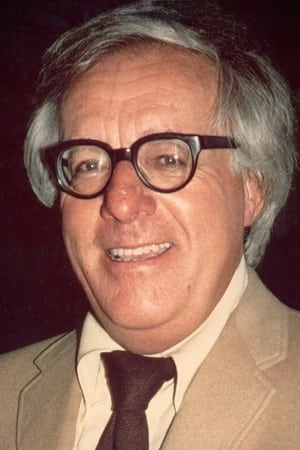
Ray Bradbury
American author and screenwriter (1920–2012)

Henry Wadsworth Longfellow
American poet and educator (1807–1882)

Luís de Camões
16th-century Portuguese poet
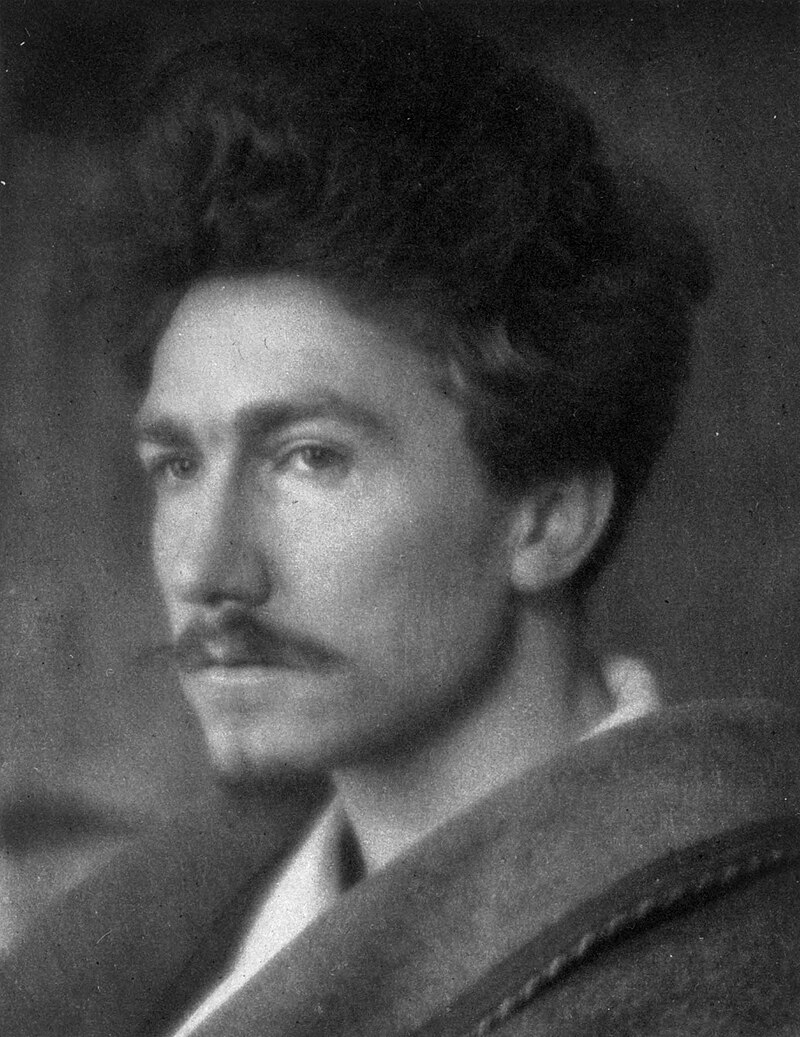
Ezra Pound
American poet and critic (1885–1972)

Sándor Petőfi
Hungarian poet and liberal revolutionary (1823–1849)

Derek Walcott
Saint Lucian–Trinidadian poet and playwright (1930–2017)

Shota Rustaveli
Georgian poet

Ludovico Ariosto
Italian poet (1474–1533)

Elizabeth Barrett Browning
English poet (1806–1861)
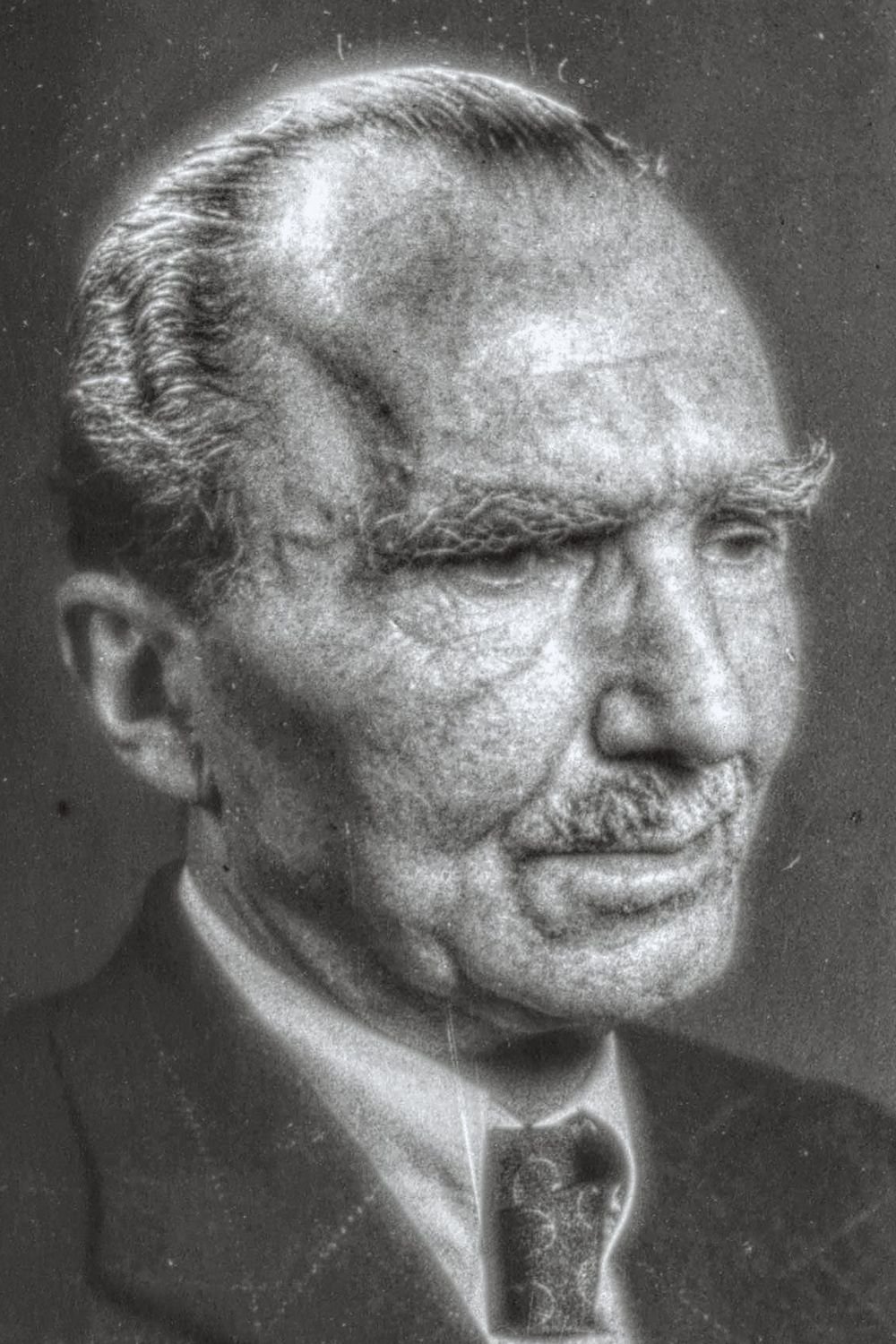
Nikos Kazantzakis
Greek writer, poet and philosopher (1883-1957)

Lucan
Marcus Annaeus Lucanus (3 November AD 39 – 30 April AD 65), better known in English as Lucan (), was a Roman poet, born in Corduba, Hispania Baetica (present-day Córdoba, Spain). He is regarded as one of the outstanding figures of the Imperial Latin period, known in particular for his epic Pharsalia. His youth and speed of composition set him apart from other poets.

Vyāsa
Vyasa (; , ) is a rishi (sage) with a prominent role in most Hindu traditions. He is also known as Veda Vyasa (, ) or Krishna Dvaipayana (, ). Traditionally regarded as the author of the epic Mahābhārata, Vyasa also plays a prominent role as a character. He is also regarded by the Hindu traditions to be the compiler of the mantras of the Vedas into four texts, as well as the author of the eighteen Purāṇas and the Brahma Sutras.

John Bunyan
English Christian writer and preacher (1628-1688)

Valmiki
Valmiki (; , ) was a legendary poet who is celebrated as the traditional author of the epic Ramayana, based on the attribution in the text itself. He is revered as Ādi Kavi (), the first poet, author of Ramayana, the first epic poem.

William Morris
British textile artist, author, and socialist (1834-1896)

Edmund Spenser
English poet (c. 1552 – 1599)

Tulsidas
Rambola (; 11 August 1511 – 30 July 1623), popularly known as Goswami Tulsīdās (), was a Vaishnava (Ramanandi) Hindu saint, devotee (भक्त) and poet, renowned for his devotion to the deity Rama. He wrote several popular works in Sanskrit, Awadhi, and Braj Bhasha, but is best known as the author of the Hanuman Chalisa and of the epic Ramcharitmanas, a retelling of the Sanskrit Ramayana, based on Rama's life, in the vernacular Awadhi language.
%2C%20Ennio%20Dante%20e%20Omero.jpg)
Ennius
Quintus Ennius (; ) was a writer and poet who lived during the Roman Republic. He is often considered the father of Roman poetry. He was born in the small town of Rudiae, located near modern Lecce (ancient Calabria, today Salento), a town founded by the Messapians, and could speak Greek as well as Latin and Oscan (his native language). Although only fragments of his works survive, his influence in Latin literature was significant, particularly in his use of Greek literary models.

William Carlos Williams
American poet (1883-1963)

Publius Papinius Statius
Publius Papinius Statius (Greek: Πόπλιος Παπίνιος Στάτιος, Poblios Papinios Statios; , ; – ) was a Latin poet of the 1st century CE. His surviving poetry includes an epic in twelve books, the Thebaid; a collection of occasional poetry, the Silvae; and an unfinished epic, the Achilleid. He is also known for his appearance as a guide in the Purgatory section of Dante's epic poem, the Divine Comedy.

Wolfram von Eschenbach
German knight and poet (1170–1220)

Friedrich Reinhold Kreutzwald
Estonian writer, author of the national epic Kalevipoeg (1803–1882)

János Arany
Hungarian poet, journalist, writer and translator (1817–1882)

Petar II Petrović-Njegoš
Prince-Bishop of Montenegro

Gaius Valerius Flaccus
1st-century Roman poet and writer

Matteo Maria Boiardo
Italian writer

Gottfried von Strassburg
medieval German poet

José Hernández
Argentine writer (1834-1886)

Marko Marulić
Croatian national poet and European humanist

Nguyễn Du
Vietnamese poet (1765-1820)

Ivan Gundulić
Croatian baroque poet from the Republic of Ragusa

Edwin Arnold
English poet and journalist (1832–1904)

Nikola VII Zrinski
Croatian military commander (1620-1664)

Laxmi Prasad Devkota
Nepali poet (1909-1959)

Ivan Mažuranić
Croatian writer and politician (1814-1890)

Charles J. Guiteau
Charles Julius Guiteau was an American office seeker who assassinated 20th United States president James A. Garfield in 1881. A failed lawyer suffering from mental illness, Guiteau delusionally believed he had played a major role in Garfield's election victory, for which he should have been rewarded with a consulship. Guiteau felt frustrated and offended by the Garfield administration's rejections of his applications to serve in Vienna or Paris to such a degree that he shot Garfield in Washington, D.C. on July 2, 1881. Garfield died on September 19 from infections related to the wounds. Caught immediately after shooting Garfield, Guiteau was tried, convicted, and publicly executed by hanging on June 30, 1882.
Ramdhari Singh Dinkar
Indian hindi poet, essayis (1908-1974)
Giannina Braschi
Puerto Rican writer
Sunthorn Phu
Thai nobleman and poet

Benoît de Sainte-Maure
12th-century French poet
Joel Barlow
American poet, diplomat, politician and businessman (1754–1812)
Gonçalves Dias
Brazilian poet and dramatist (1823–1864)
Haldhar Nag
Indian poet