Category
page 1Epiphytic orchids
.jpg)
Dendrobium
Dendrobium is a genus of mostly epiphytic and lithophytic orchids in the family Orchidaceae. It is a very large genus, containing more than 1,800 species that are found in diverse habitats throughout much of south, east and southeast Asia, including China, Japan, India, the Philippines, Indonesia, Australia, New Guinea, Vietnam and many of the islands of the Pacific. Orchids in this genus have roots that creep over the surface of trees or rocks, rarely having their roots in soil. Up to six leaves develop in a tuft at the tip of a shoot and from one to a large number of flowers are arranged alo

Phalaenopsis
Phalaenopsis (), also known as moth orchids, is a genus of about seventy species of plants in the family Orchidaceae. Orchids in this genus are monopodial epiphytes or lithophytes with long, coarse roots, short, leafy stems and long-lasting, flat flowers arranged in a flowering stem that often branches near the end. Orchids in this genus are native to Asia, New Guinea, and Australia, but mostly occur in Indonesia and the Philippines.

Bulbophyllum
Bulbophyllum is a genus of mostly epiphytic and lithophytic orchids in the family Orchidaceae. It is the largest genus in the orchid family and one of the largest genera of flowering plants with more than 2,000 species, exceeded in number only by Astragalus. These orchids are found in diverse habitats throughout most of the warmer parts of the world including Africa, southern Asia, Latin America, the West Indies, and various islands in the Indian and Pacific Oceans. Orchids in this genus have thread-like or fibrous roots that creep over the surface of trees or rocks or hang from branches. The
.jpg)
Cymbidium
Cymbidium , commonly known as boat orchids, is a genus of evergreen flowering plants in the orchid family Orchidaceae. Orchids in this genus are epiphytic, lithophytic, terrestrial or rarely leafless saprophytic herbs usually with pseudobulbs. There are usually between three and twelve leaves arranged in two ranks on each pseudobulb or shoot and lasting for several years. From one to a large number of flowers are arranged on an unbranched flowering stem arising from the base of the pseudobulb. The sepals and petals are all free from and similar to each other. The labellum is significantly diff

Vanda
Vanda, abbreviated in the horticultural trade as V., is a genus in the orchid family, Orchidaceae. There are 90 species, and the genus is commonly cultivated for the marketplace. This genus and its allies are considered to be among the most specifically adapted of all orchids within the Orchidaceae. The genus is highly prized in horticulture for its showy, fragrant, long-lasting, and intensely colorful flowers. Vanda species are widespread across East Asia, Southeast Asia, and New Guinea, with a few species extending into Queensland and some of the islands of the western Pacific.

Oncidium
Oncidium is a genus of about 370 species of orchid in the family Orchidaceae. It is distributed across tropical and subtropical America from Mexico, Central America and the West Indies to northern Argentina, with one species (O. ensatum) extending into Florida. Common names for plants in this genus include dancing-lady orchid.

Epidendrum
Epidendrum , abbreviated Epi in the horticultural trade, is a large neotropical genus of the orchid family. With more than 1,500 species, some authors describe it as a mega-genus. The genus name (from Greek επί, epi and δένδρον, dendron, "upon trees") refers to its epiphytic growth habit.

Laelia
Laelia is a small genus of 25 species in the orchid family (Orchidaceae). Laelia species are found in areas of subtropical or temperate climate in Central and South America, but mostly in Mexico. Laelia is abbreviated L. in the horticultural trade.

Coelogyne
Coelogyne is a genus of about 600 species, of sympodial epiphytes from the family Orchidaceae, distributed across India, China, Indonesia and the Fiji islands, with the main centers in Borneo, Sumatra and the Himalayas. They can be found from tropical lowland forests to montane rainforests. A few species grow as terrestrials or even as lithophytes in open, humid habitats.

Dendrobium nobile
species of plant

Brassia
Brassia is a genus of orchids classified in the subtribe Oncidiinae. It is native to Mexico, Central America, the West Indies, and northern South America, with one species (B. caudata) extending into Florida.

Brassavola
Brassavola is a genus of 21 orchids (family Orchidaceae). They were named in 1813 by the Scottish botanist Robert Brown. The name comes from the Italian nobleman and physician Antonio Musa Brassavola. This genus is abbreviated B. in trade journals.
.jpg)
Masdevallia
Masdevallia, abbreviated Masd in horticultural trade, is a large genus of flowering plants of the Pleurothallidinae, a subtribe of the orchid family (Orchidaceae). There are over 500 species, grouped into several subgenera. The genus is named for Jose Masdevall (?-1801), a physician and botanist in the court of Charles III of Spain.

Phalaenopsis amabilis
species of plant
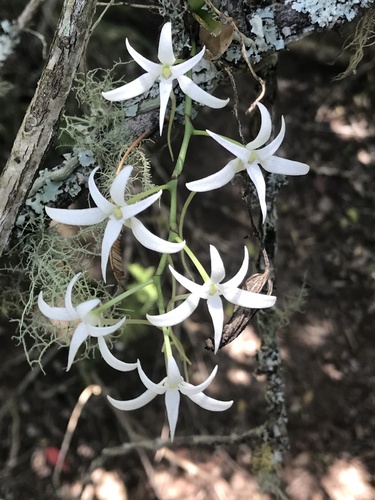
Angraecum
Angraecum, also known as comet orchid, is a genus of the family Orchidaceae native to tropical and South Africa, as well as Sri Lanka. It contains 223 species.
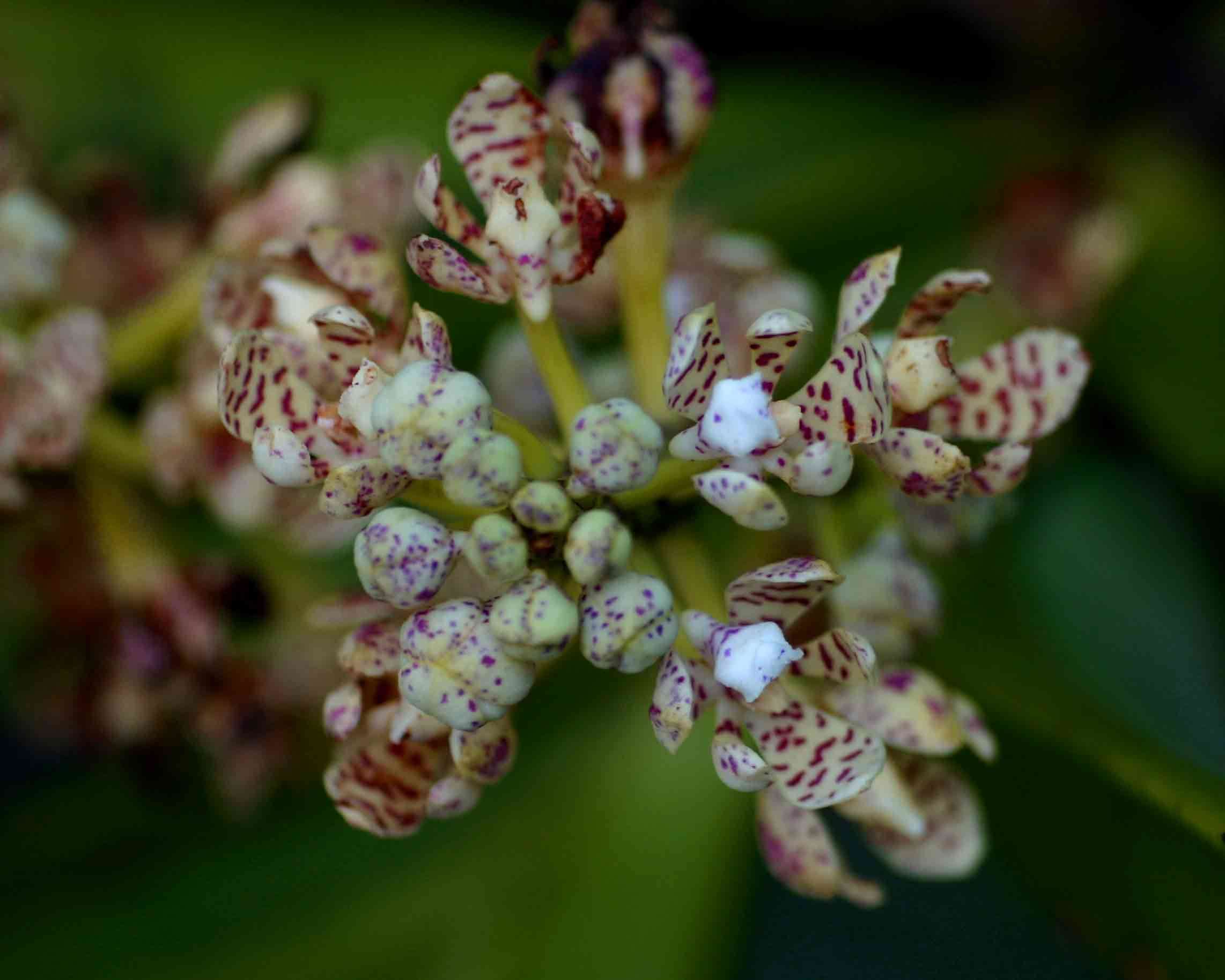
Acampe
Acampe, abbreviated as Acp in horticultural trade, is a genus of monopodial, epiphytic vandaceous species of orchids, distributed from tropical Asia from India, eastwards to China and southwards to Malaysia, and the Philippines as well as from tropical Africa, Madagascar and islands of the Indian Ocean. The name Acampe was derived from the Greek word akampas, meaning "rigid", referring to the small, brittle, inflexible flowers.
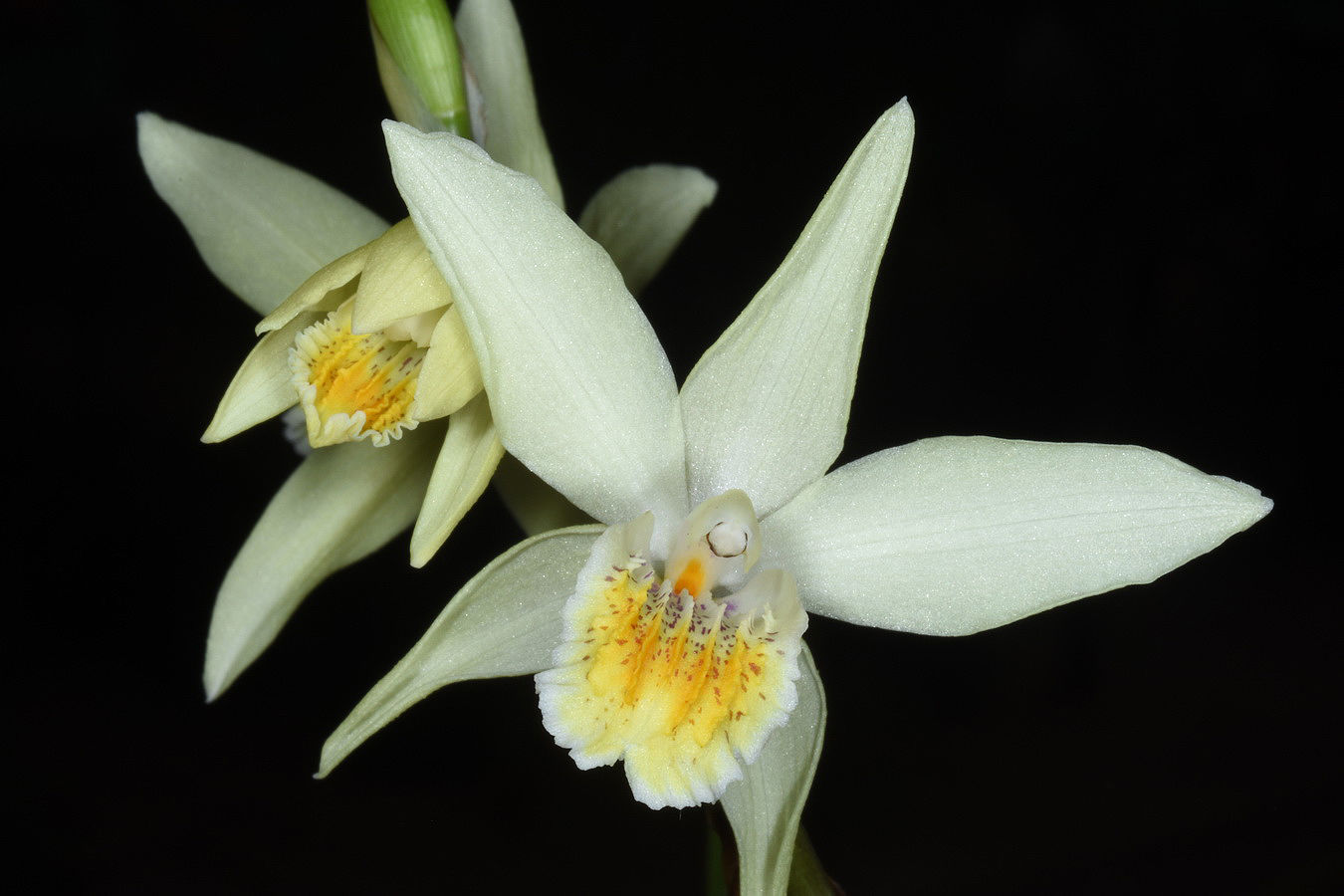
Bletilla
Bletilla, commonly named the urn orchid, is a temperate, terrestrial genus of orchids. The genus currently contains five recognized species distributed through China, Japan, Taiwan, south to Vietnam, Thailand and Myanmar. The name is actually a diminutive of Bletia because of the resemblance between the two genera even though Bletia is a New World genus. The genera Jimensia Raf. and Polytoma Lour. ex are generally included into Bletilla. This genus is abbreviated Ble in trade journals.
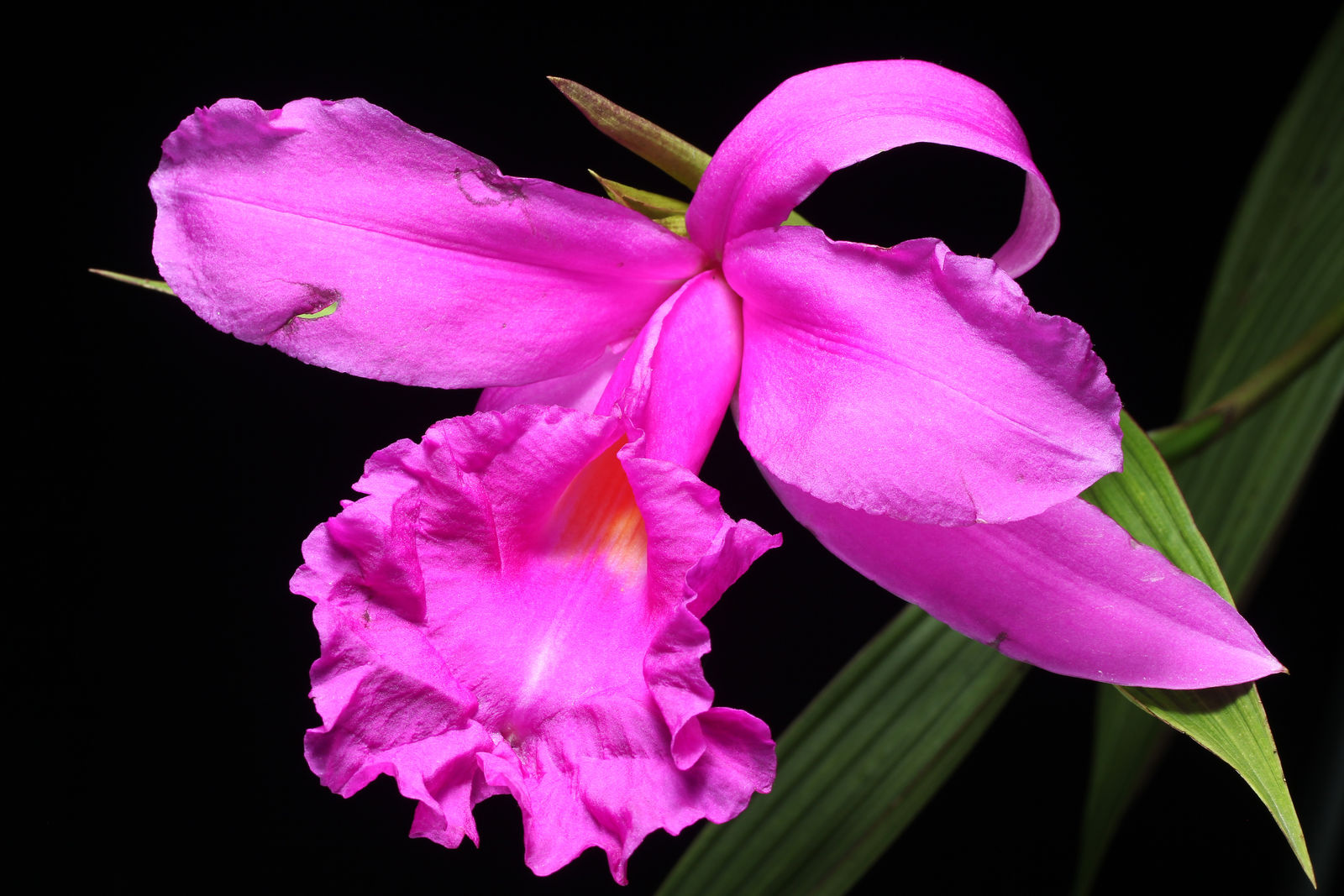
Sobralia
Sobralia is a genus of orchids native to Mexico, Central and South America. The plants are more commonly terrestrial, but are also found growing epiphytically, in wet forests from sea level to about 8,800 ft. The genus was named for Dr. Francisco Sobral, a Spanish botanist. The genus is abbreviated Sob in trade journals.
Aerangis
Aerangis, abbreviated as Aergs in horticultural trade, is a genus of the Orchid family (Orchidaceae). The name of this genus has been derived from the Greek words 'aer' (air) and 'angos' (urn), referring to the form of the lip. It is the type genus of the subtribe Aerangidinae, which has recently been subsumed in the subtribe Angraecinae. Approximately 50 species in this genus are known mostly from tropical Africa, but also from the Comoro Islands, Madagascar and Sri Lanka.
aerial root
root which grows above the ground

Dracula
genus of plants
.jpg)
Phragmipedium
Phragmipedium is a genus of the Orchid family (Orchidaceae) (Subfamily Cypripedioideae) and the only genus comprised in the tribe Phragmipedieae and subtribe Phragmipediinae. The name of the genus is derived from the Greek phragma, which means "division", and pedium, which means "slipper" (referring to the pouch). It is abbreviated 'Phrag' in trade journals.

Zygopetalum
Zygopetalum (abbreviated Z.) is a genus of the orchid family (Orchidaceae). This genus consists of fourteen currently recognized species.

Tulip orchids
Anguloa, commonly known as tulip orchids, is a small orchid genus closely related to Lycaste. Its abbreviation in horticulture is Ang. This genus was described by José Antonio Pavón and Hipólito Ruiz López in 1798. They named it in honor of Francisco de Angulo, Director-General of Mines of Spain.
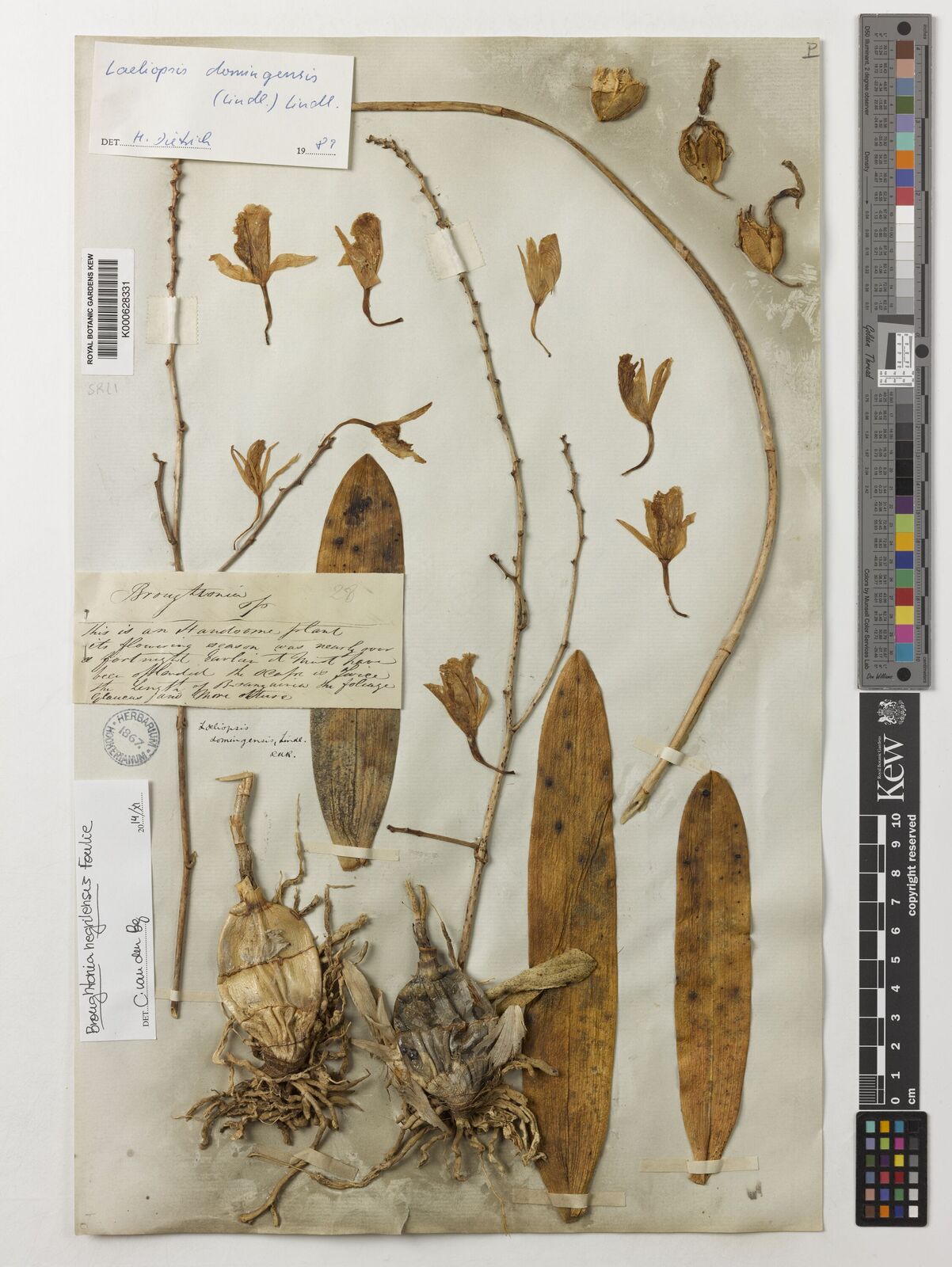
Broughtonia
genus of plants

Stanhopea
Stanhopea is a genus of the orchid family (Orchidaceae) from Central and South America. The abbreviation used in horticultural trade is Stan. The genus is named for Philip Henry Stanhope, 4th Earl Stanhope (1781–1855), who was the president of the Medico-Botanical Society of London in 1829–1837. It comprises 55 species and 5 natural hybrids. The orchids in the genus are mostly epiphytic (growing on other plants), but occasionally terrestrial. They can be found in damp forests from Mexico to Trinidad to northwestern Argentina. Their ovate pseudobulbs carry from the top one long, plicate, ellipt
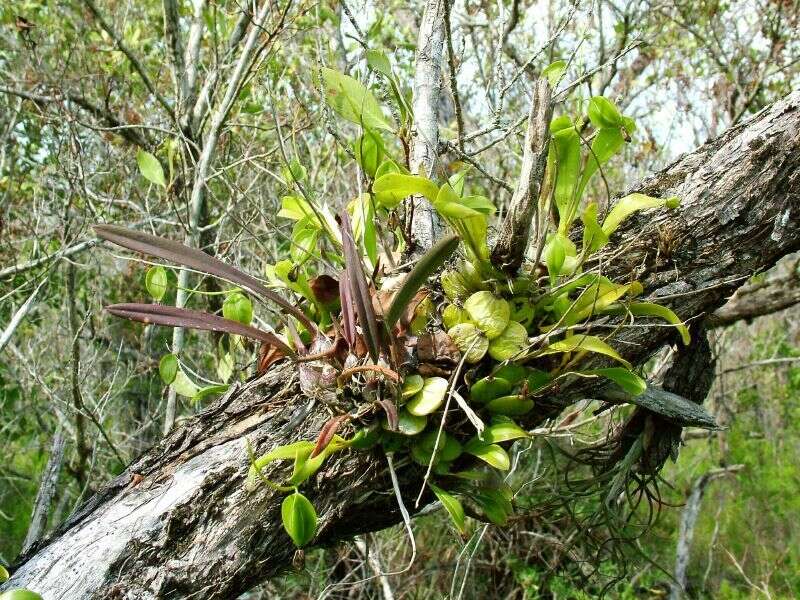
Encyclia
Encyclia is also a Greek term for the Codex Encyclius

Gongora
Gongora, abbreviated Gga in horticultural trade, is a member of the orchid family (Orchidaceae). It consists of 65 species known from Central America, Trinidad, and tropical South America, with most species found in Colombia. They grow across a wide geographical range, from wet forests at sea level, to mountainous regions in the Andes, as high as 1,800 m.
.jpg)
Acineta
thumb|Acineta chrysantha

Cyrtopodium
Cyrtopodium, often abbreviated Cyrt in horticulture, is a genus of more than 40 species of epiphytic and terrestrial orchids found from Florida and Mexico through Argentina. Cyrtopodium is the only genus in the monotypic subtribe Cyrtopodiinae.

Miltonia
Miltonia, abbreviated Milt. in the horticultural trade, is an orchid genus comprising twelve epiphyte species and eight natural hybrids. The miltonias are exclusively inhabitants of Brazil, except for one species whose range extends from Brazil into the northeast of Argentina and the east of Paraguay.
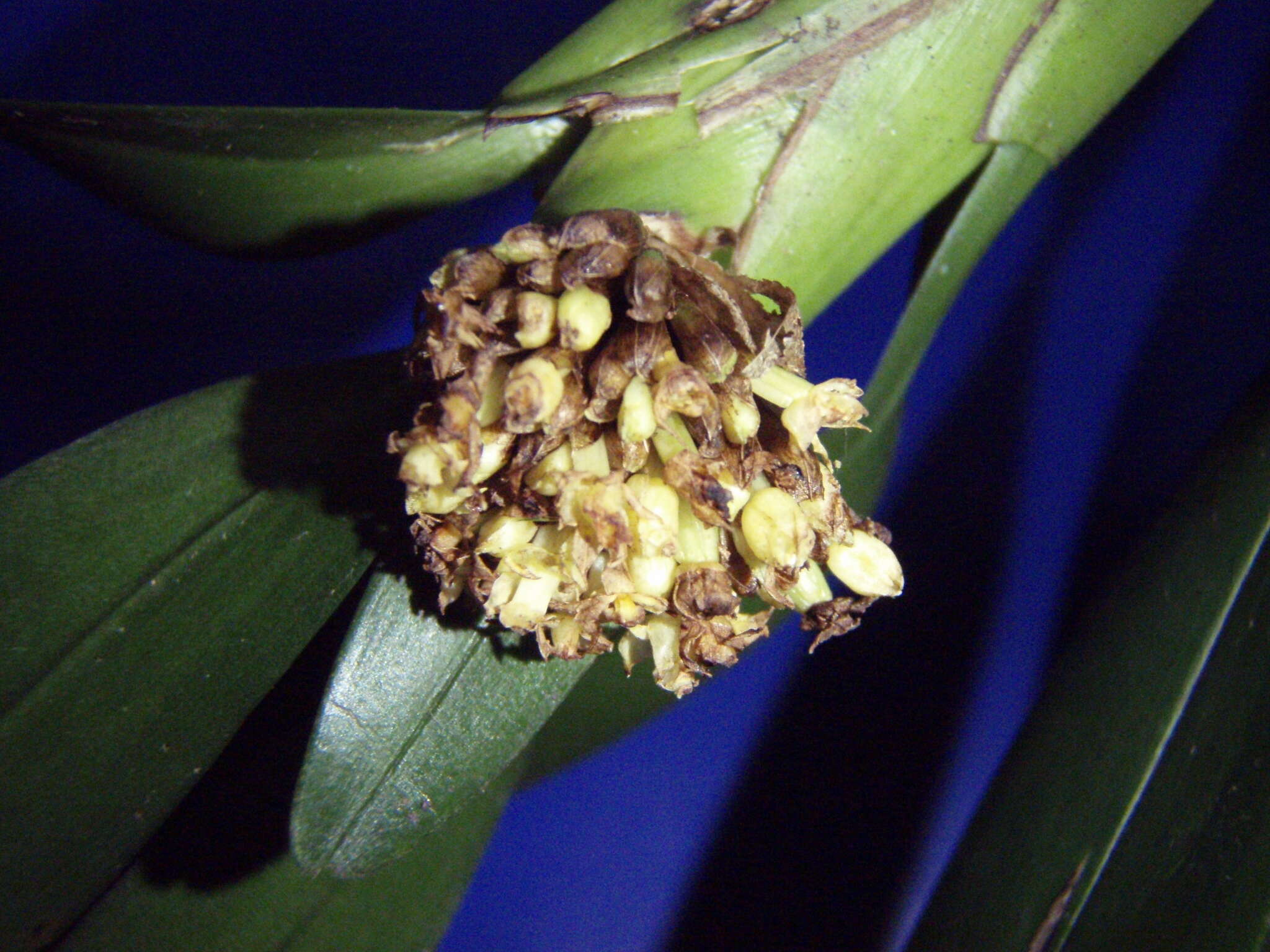
Agrostophyllum
Agrostophyllum is a genus with about ninety species from the orchid family (Orchidaceae). The genus name is derived from the Greek words ("grass") and ("leaf"), referring to the grass-like appearance of the leaves of some species.

Giant orchid
species of plant

Caularthron
Caularthron Raf. (1837), abbreviated Cau. in the horticultural trade, is a genus of orchids with 4 species. They are epiphytic orchids with specialized hollow pseudobulbs that house ants. The genus is exclusively found in the tropical regions of southern Mexico, Central America, the West Indies, and northern South America.

Dendrochilum
__NOTOC__

Ancistrochilus
Ancistrochilus is a genus of the orchid family (Orchidaceae), comprising only 2 species.
==Description==
These two species are cool to hot growing orchids, found from tropical West Africa to Tanzania and Uganda. They grow on tree trunks and large branches at elevations between 500 and 1100 m.

Chysis
Chysis is a genus of orchids (family Orchidaceae), consisting of 10 currently accepted species (as of May 2014) which originate in the region from Mexico to Peru. Only two or three of these are commonly found in cultivation. The genus is abbreviated Chy in trade journals.
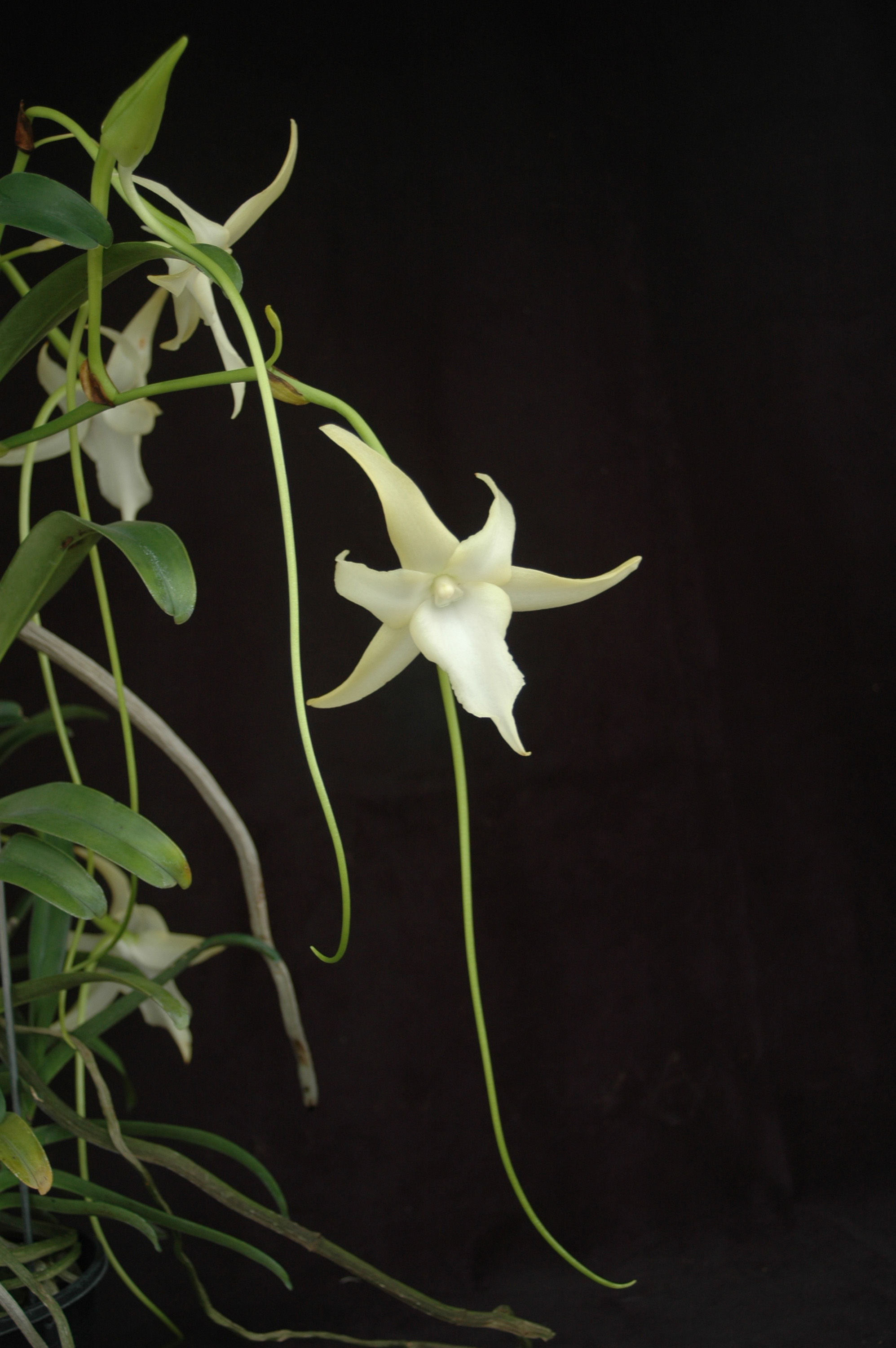
Angraecum sesquipedale
species of plant
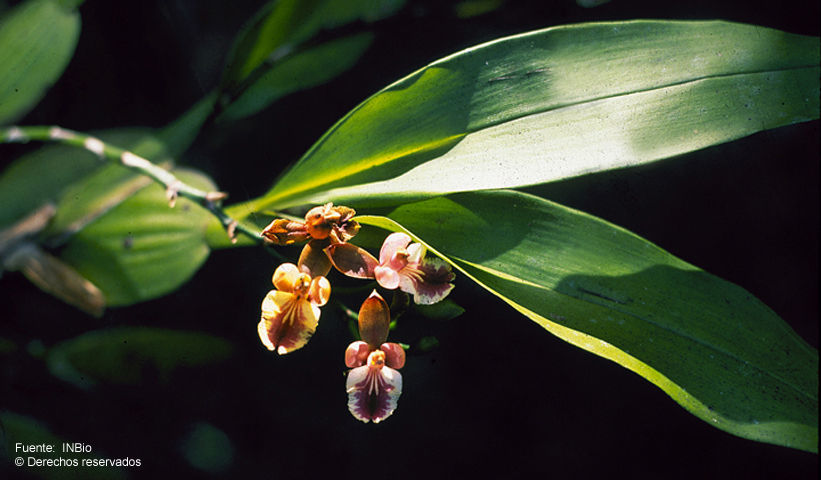
Aspasia
genus of plants
%20-%20pl%201.jpg)
Trichocentrum
Trichocentrum, often abbreviated Trctm in horticulture, is a genus in the orchid family, Orchidaceae. Dancinglady orchid is a common name for plants in this genus. It was described by Stephan Ladislaus Endlicher and Eduard Friedrich Poeppig in 1836. This genus alone makes up the monogeneric Trichocentrum alliance, a quite distinct lineage of the subtribe Oncidiinae.
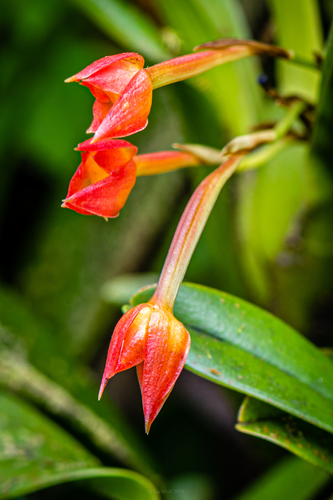
Maxillaria
Maxillaria, abbreviated as Max in the horticultural trade, is a large genus of orchids (family Orchidaceae). This is a diverse genus, with very different morphological forms. Their characteristics can vary widely.
They are commonly called spider orchids, flame orchids or tiger orchids. Their scientific name is derived from the Latin word maxilla, meaning jawbone, reflecting on the column and the base of the lip of some species, that may evoke a protruding jaw.

Aganisia
Aganisia is a small South American genus in the orchid family (Orchidaceae), subfamily Epidendroideae.

Peristeria elata
species of plant

Dendrophylax lindenii
species of plant

Bifrenaria
Bifrenaria, abbreviated Bif. in horticultural trade, is a genus of plants in family Orchidaceae. It contains 20 species found in Panama, Trinidad and South America. There are no known uses for them, but their abundant, and at first glance artificial, flowers, make them favorites of orchid growers.
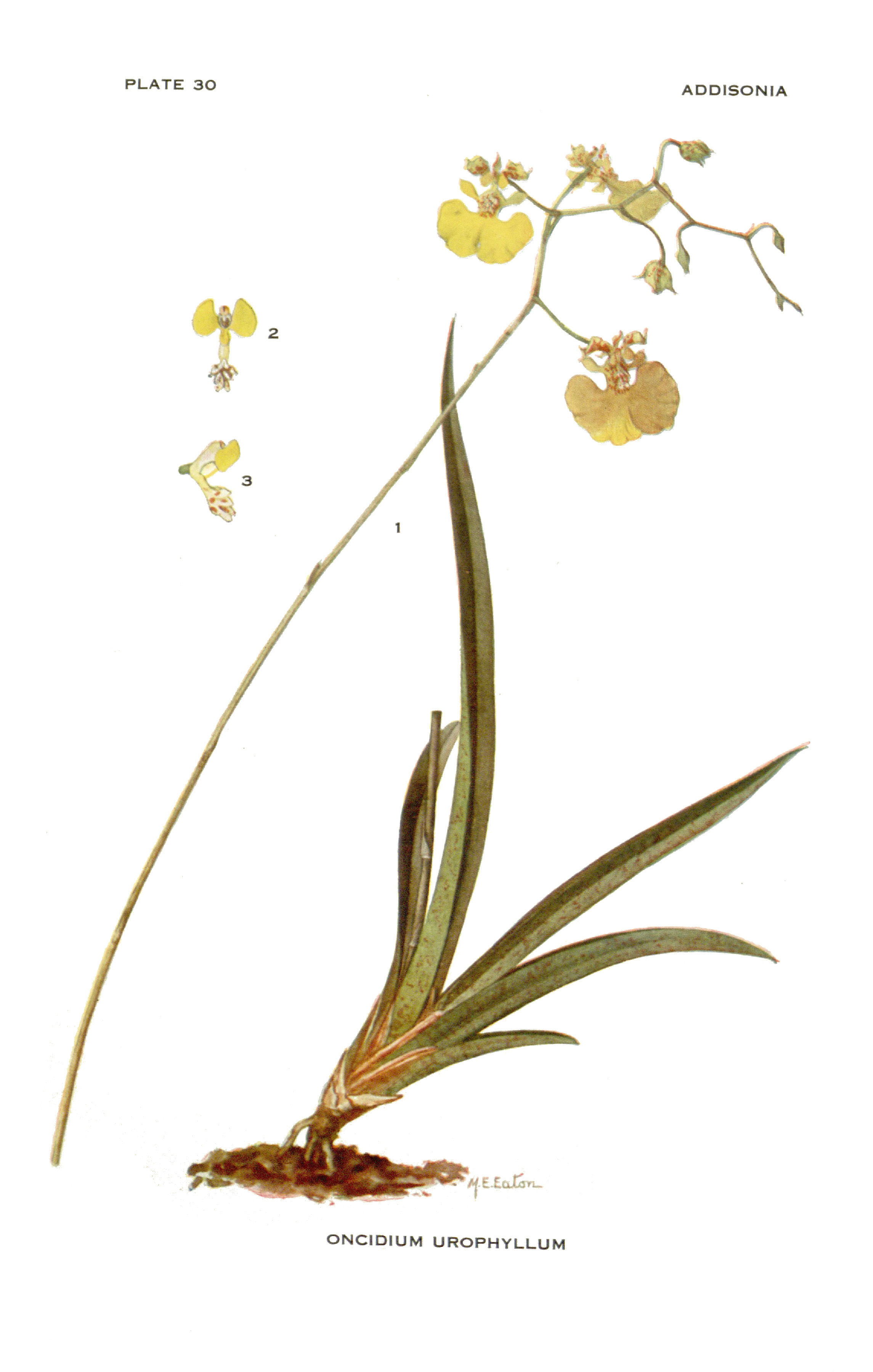
Tolumnia
genus of plants

Restrepia
Restrepia, abbreviated Rstp in horticultural trade, is a small genus of 50 species in the orchid family (Orchidaceae), closely related to Pleurothallis. Named in honor of Don Jose Restrepo, it tends to be more showy than most other Pleurothallids. They are found primarily at higher altitudes in the cool, damp montane forests of the Andes and Venezuela, with some into Central America up to southern Mexico.

Cattleya trianae
species of plant

Isabelia
Isabelia is an orchid genus formed by three tiny species and one natural hybrid, spread from the Northeast of Brazil to Argentina, which are closely related to the genus Constantia. During more than a century Isabelia was a genus formed by just one species, however, around 1968, it was merged with genus Neolauchea, also unispecific. In 2001, a third genus was added to it, Sophronitella. The genus name is abbreviated Isa. in cultivation.

Coelogyne cristata
species of plant

Stelis
Stelis, or leach orchids, are a large genus of orchids, with 1339 accepted species. The generic name Stelis is the Greek word for 'mistletoe', referring to the epiphytic habit of these species. These mainly epiphytic (rarely lithophytic) plants are widely distributed throughout much of South America, Central America, Mexico, the West Indies and Florida.
Stelis is abbreviated Ste. in the horticultural trade.
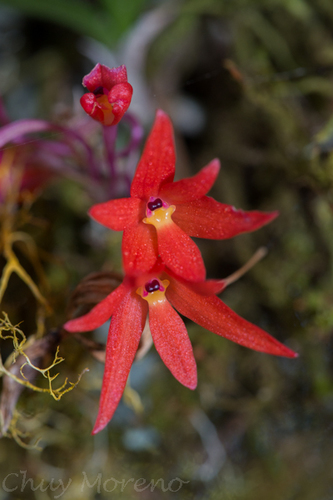
Alamania
Alamania punicea is a species of epiphytic orchids and the only species of the genus Alamania. It is endemic to Mexico and has two recognized varieties:
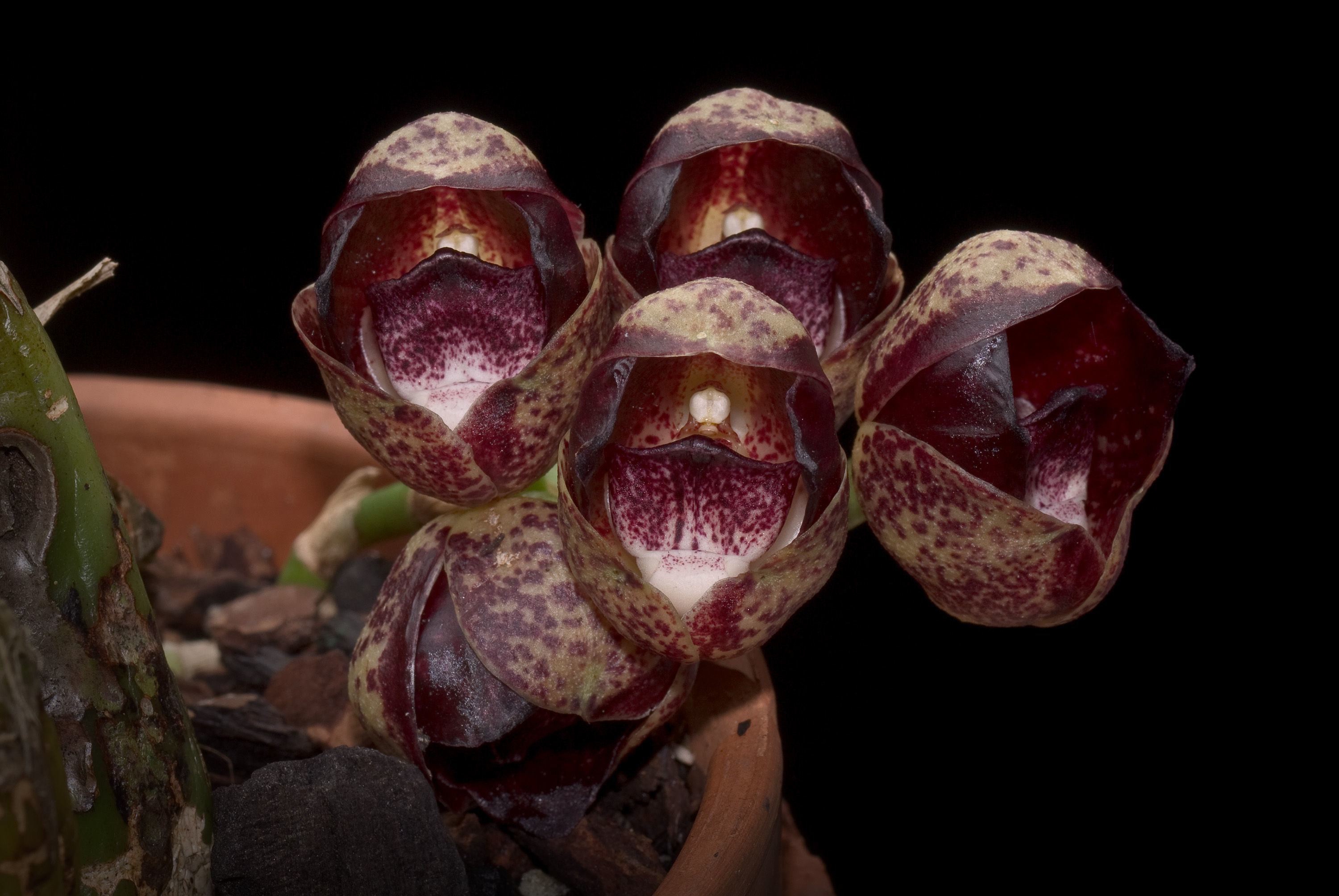
Peristeria
genus of plants
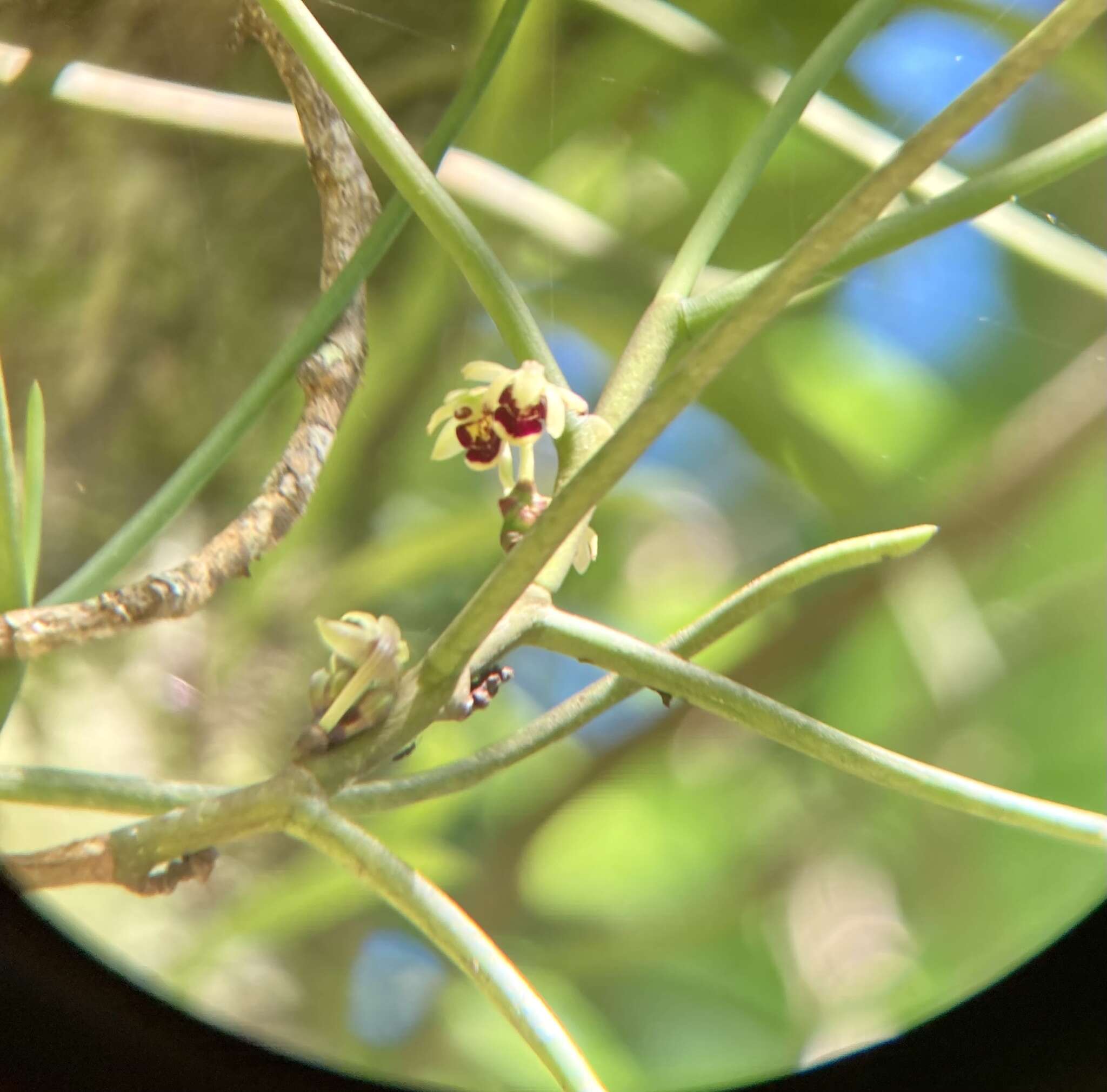
Luisia
Luisia, commonly known as velvet orchids or 钗子股属 (chai zi gu shu), is a genus of epiphytic or lithophytic orchids in family Orchidaceae. Plants in this genus have flattened roots, long leafy stems, narrow, thick, leathery leaves and short-lived flowers that open sporadically. There are about 54 species found from tropical and subtropical Asia to the Western Pacific.
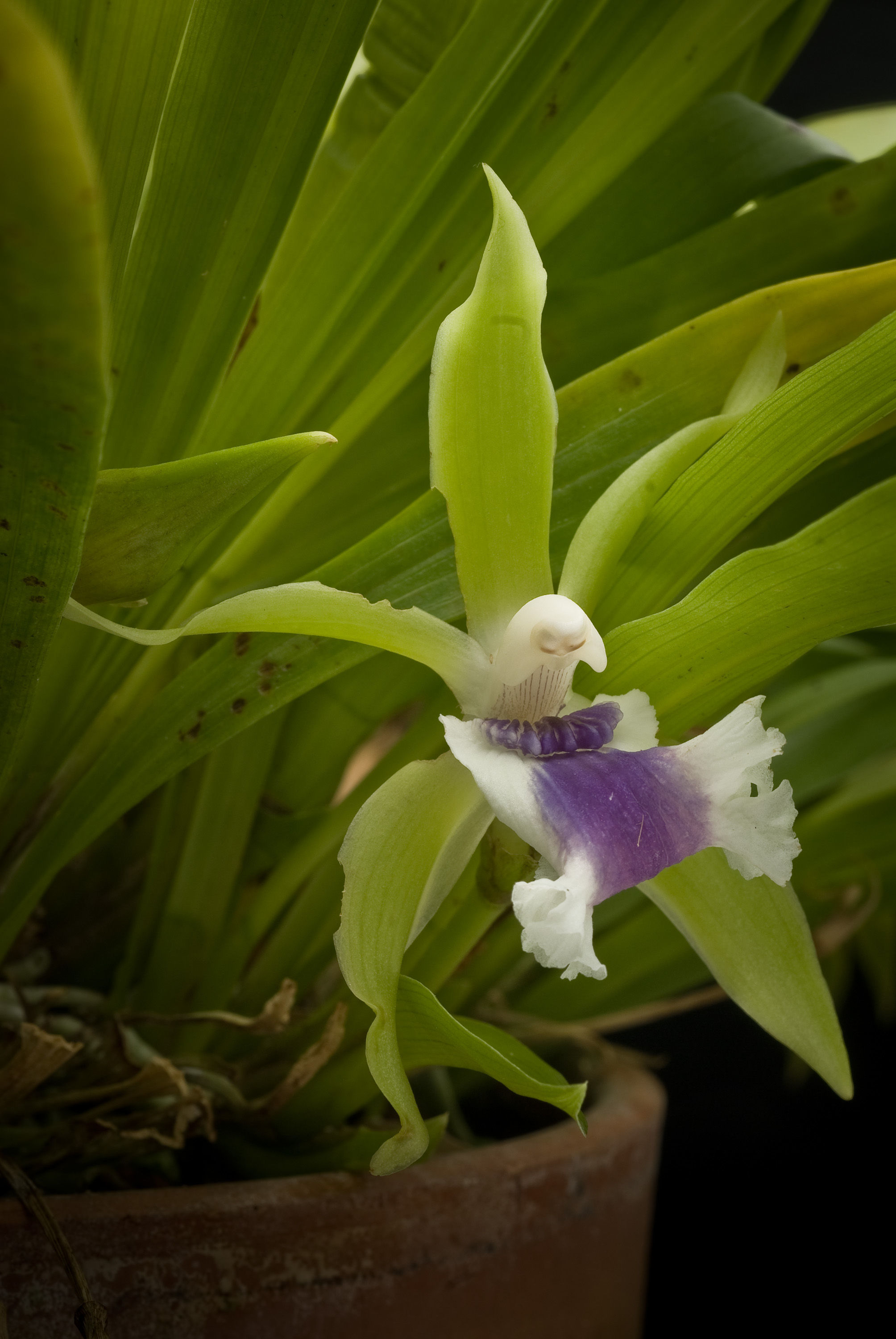
Cochleanthes
The genus Cochleanthes is made up of 4 species of orchids native to Mexico, Central America, the West Indies and South America. The name Cochleanthes refers to the shape of the flower (in Greek, cochlos means "shell" and anthos means "flower").

Stenia
The grass moth genus Stenia is probably a junior synonym of Dolicharthria; see there.
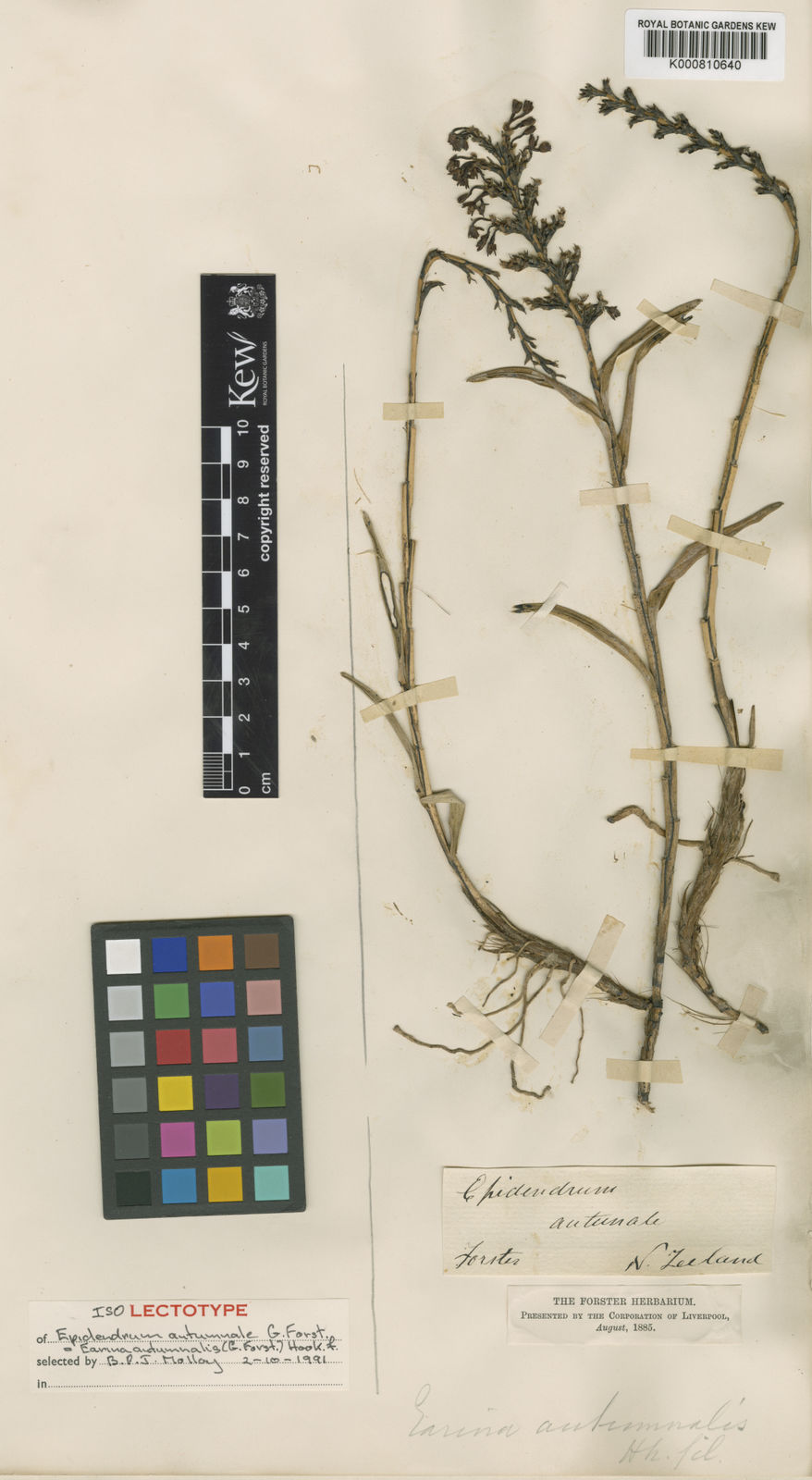
Earina
Earina is a genus of orchids (family Orchidaceae). At the present time (June 2014), 7 species are recognized, native to various islands in the Pacific Ocean.

Guarianthe
Guarianthe, abbreviated Gur. in the horticultural trade, is a small genus of epiphytic orchids, growing in wet forests in Mexico, Central America, Colombia, Venezuela and Trinidad. It was separated from the bifoliate Cattleyas in 2003, based on phylogenetic studies of nuclear DNA sequence data.
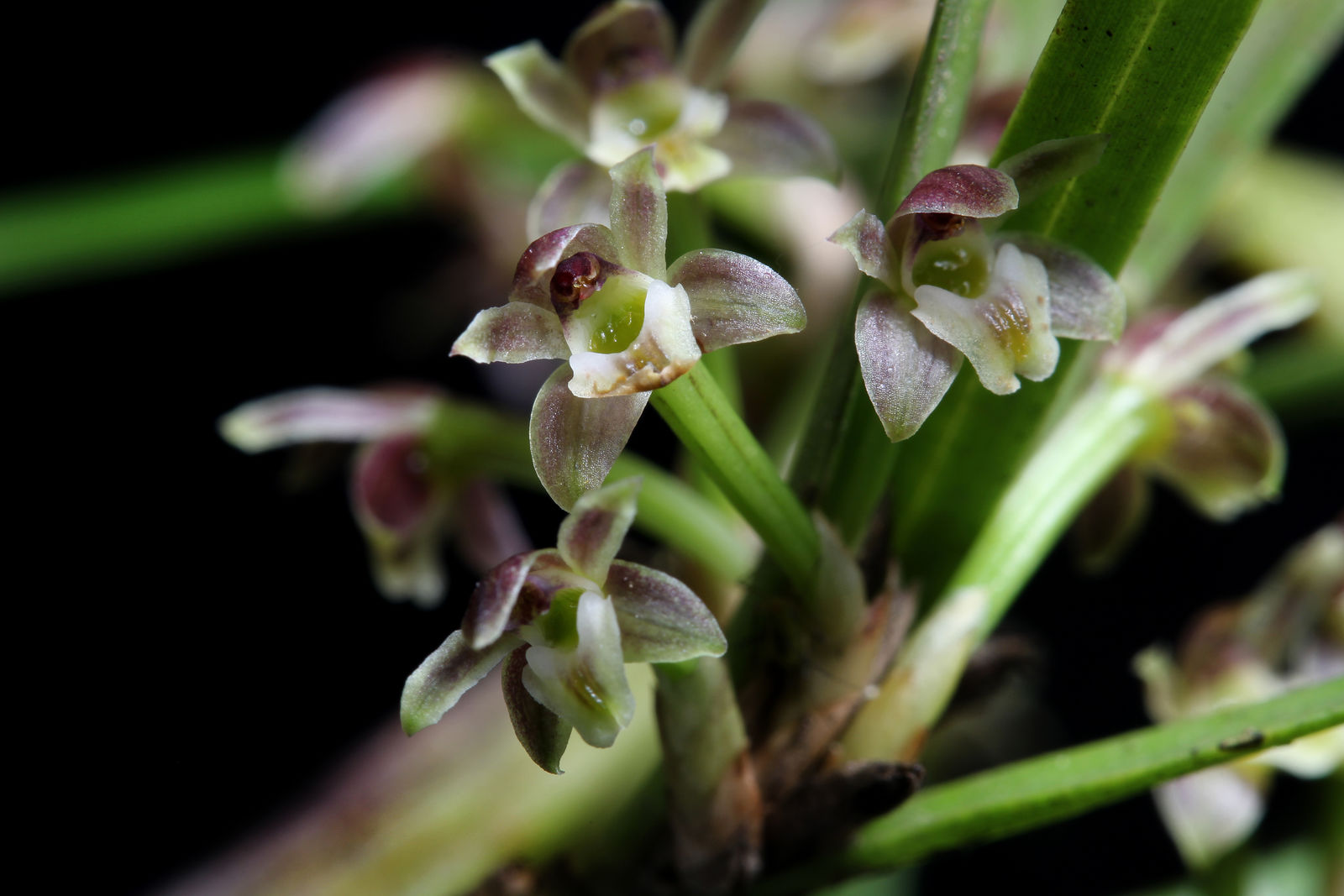
Scaphyglottis
Scaphyglottis (abbreviated Scgl.) is a genus of orchids native to Mexico, Central America, northern South America and parts of the Caribbean. The current concept of this genus is the result of combining several genera which have been described at various times. The concept is characterized by the growth habit: not only are new pseudobulbs added at the base of the old ones (as is typical of sympodial orchids), but new pseudobulbs also grow at the apices of the old ones. Many species are quite similar and difficult to distinguish, but some are clearly distinct. A few have showy colors. The genus
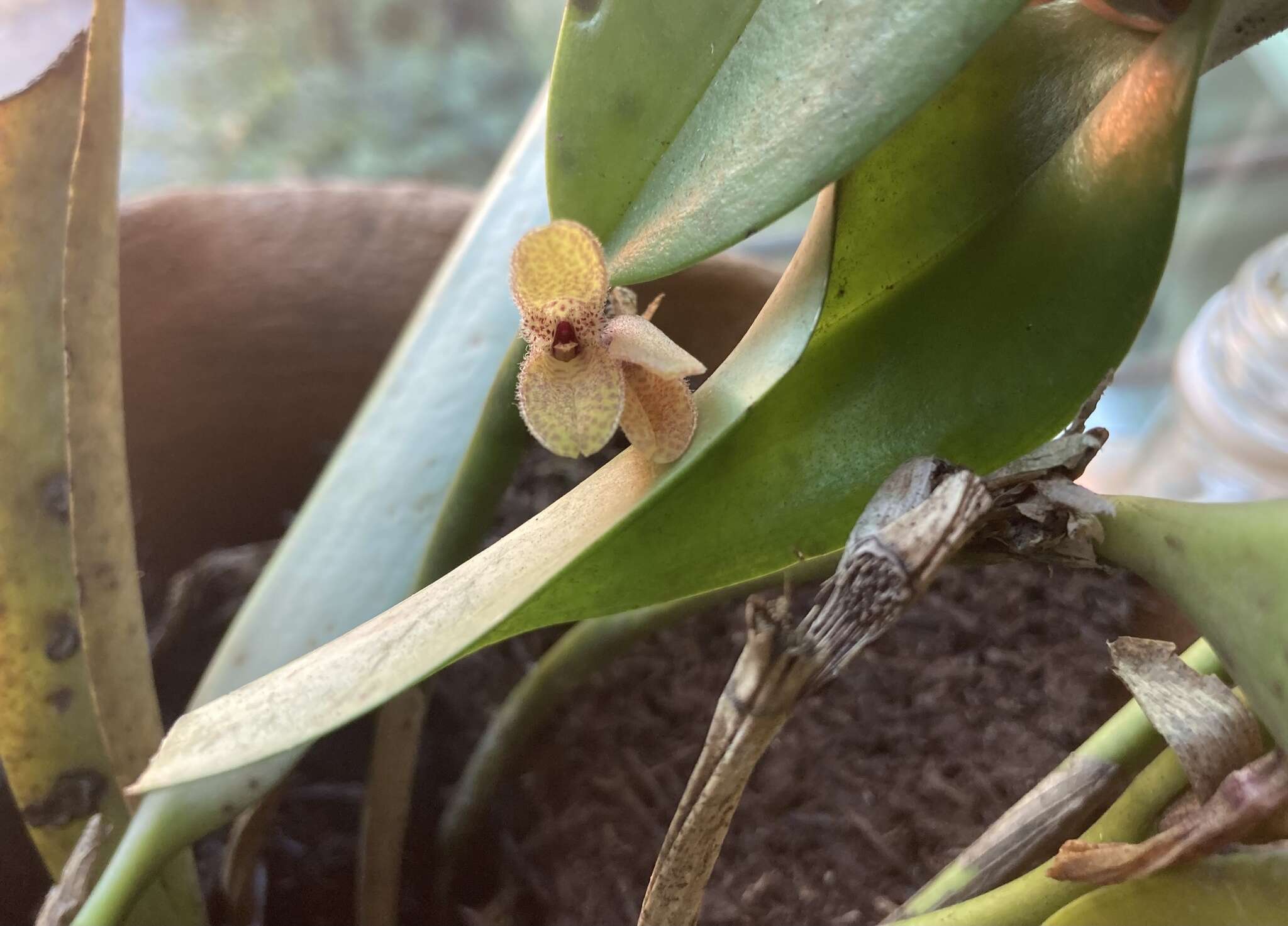
Restrepiella
Restrepiella is a genus of orchid native to Mexico, Colombia, Florida and Central America.