Category
page 1Ergogenic aids

caffeine
Caffeine is a central nervous system (CNS) stimulant of the methylxanthine class and is the most commonly consumed psychoactive substance globally. It is mainly used for its eugeroic (wakefulness promoting), ergogenic (physical performance-enhancing), or nootropic (cognitive-enhancing) properties; it is also used recreationally or in social settings. Caffeine acts by blocking the binding of adenosine at a number of adenosine receptor types, inhibiting the centrally depressant effects of adenosine and enhancing the release of acetylcholine. Caffeine has a three-dimensional structure similar to
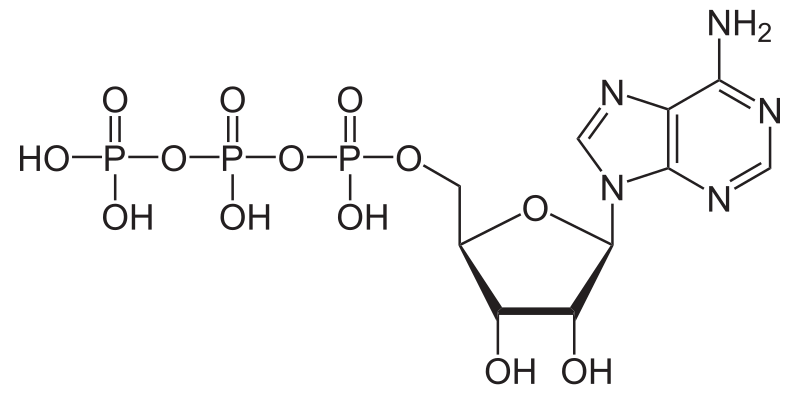
adenosine triphosphate
the energy-carrying molecule in living cells

DL-amphetamine
Amphetamine is a central nervous system (CNS) stimulant that is used in the treatment of attention deficit hyperactivity disorder (ADHD) and narcolepsy; it is also used to treat binge eating disorder in the form of lisdexamfetamine. Historically, it has been used to treat nasal congestion and depression. Amphetamine is also used as an athletic performance enhancer and cognitive enhancer, and recreationally as an aphrodisiac and euphoriant. It is a prescription drug in many countries, and unauthorized possession and distribution of amphetamine are often tightly controlled due to the significant

creatine
thumb|Creatine monohydrate powder

(−)-ephedrine

methylphenidate
Methylphenidate, sold under the brand name Ritalin and Concerta, among others, is a central nervous system (CNS) stimulant used in the treatment of attention deficit hyperactivity disorder (ADHD) and narcolepsy. It may be taken by mouth or applied to the skin, and different formulations have varying durations of effect. For ADHD, the effectiveness of methylphenidate is comparable to atomoxetine but modestly lower than amphetamine. However, methylphenidate is preferred as a first-line treatment in children, while amphetamine is preferred in adults. Methylphenidate reduces core ADHD symptoms and

bupropion
Bupropion, formerly called amfebutamone, and sold under the brand name Wellbutrin among others, is an atypical antidepressant that is indicated in the treatment of major depressive disorder and seasonal affective disorder and to support smoking cessation. A norepinephrine–dopamine reuptake inhibitor (NDRI), it is also popular as an add-on medication in the cases of "incomplete response" to the first-line selective serotonin reuptake inhibitor (SSRI) antidepressant. Bupropion has several features that distinguish it from other antidepressants: It does not usually cause sexual dysfunction, it is
ephedrine%20enantiomers.svg)
(+)-pseudoephedrine

dextroamphetamine
Dextroamphetamine is a central nervous system (CNS) stimulant and enantiomer of amphetamine that is used in the treatment of attention deficit hyperactivity disorder (ADHD) and narcolepsy. It is also used illicitly to enhance cognitive and athletic performance, and recreationally as an aphrodisiac and euphoriant. Dextroamphetamine is generally regarded as the prototypical stimulant.

β-alanine
β-Alanine ('''beta-alanine) is a naturally occurring beta amino acid. Beta amino acids are amino acids in which the amino group is attached to the β-carbon atom (i.e. the carbon atom two carbon atoms away from the carboxylate group) instead of the more usual α-carbon atom for alanine (α-alanine). The IUPAC name for β-alanine is 3-aminopropanoic acid'''. Unlike its counterpart α-alanine, β-alanine has no stereocenter.

lisdexamfetamine
Lisdexamfetamine, sold under the brand names Vyvanse (, ) and Elvanse among others, is a stimulant medication that is used as a treatment for attention deficit hyperactivity disorder (ADHD) in both children and adults, and for moderate-to-severe binge eating disorder in adults. A prodrug of dextroamphetamine, lisdexamfetamine is taken by mouth. Its effects generally begin within 90 minutes and last for up to 14 hours.

(±)-norephedrine
Phenylpropanolamine (PPA), sold under many brand names, is a sympathomimetic agent used as a decongestant and appetite suppressant. It was once common in prescription and over-the-counter cough and cold preparations. The medication is taken orally.
Adderall
Adderall is the brand name of a fixed-dose combination medication used for the treatment of attention deficit hyperactivity disorder (ADHD) and narcolepsy. It is also used as an athletic performance enhancer, cognitive enhancer, appetite suppressant, and recreationally as a euphoriant. Such uses are illegal in many countries. It is a central nervous system (CNS) stimulant of the phenethylamine class. It contains the amphetamines dextroamphetamine saccharate, amphetamine aspartate, dextroamphetamine sulfate, and amphetamine sulfate. It is taken by mouth.
beta-hydroxy beta-methylbutyric acid
chemical compound
performance-enhancing substance
agents that improve performance at activities such as athletics, mental endurance, work and resistance to stress
N-methylephedrin
Methylephedrine, sold under the brand name Metheph among others, is a sympathomimetic medication described as an antiasthmatic agent and used to treat coughing and nasal congestion. It is reported to be used in various over-the-counter cough and cold preparations throughout the world, including Japan.
oxilofrine
Oxilofrine, sold under the brand names Carnigen and Suprifen among others, is a sympathomimetic medication which has been used as an antihypotensive agent and cough suppressant. It is taken by mouth.
octodrine
Octodrine, also known as dimethylhexylamine (DMHA) and sold under the brand name Vaporpac among others, is a sympathomimetic and stimulant medication that was formerly used in the treatment of hypotension (low blood pressure).