Category
page 1Eumycetozoa genera
Physarum
Physarum is the largest genus of mycetozoan slime molds in the family Physaraceae. They typically thrive in cool, dark, and humid environments, including the bark of trees (often where moss is present), dead twigs, rotting logs covered with moss, leaf litter, and moist forest soils. The name Physarum comes from the Greek word φυσα (physa), which means “blister” or “bubble”, referring to the bubble-like appearance of its sporangia.

Ceratiomyxa
Ceratiomyxa is a genus of plasmodial slime mould within the Eumycetozoa, first described by Pier Antonio Micheli. They are widely distributed and commonly found on decaying wood.

Fuligo
Fuligo is a widespread genus of plasmodial slime mold in the family Physaraceae. These organisms are protozoans rather than fungi, but for historical reasons are sometimes treated as part of mycology.

Dictyostelium
thumb|Dictyostelium aggregations on a culture plate
thumb|Dictyostelium colony in process of aggregation
thumb|Pseudoplasmodium or "slug" of a Dictyostelium
thumb|Single amoeboid cell of Dictyostelium, showing the contractile vacuole
Stemonitis
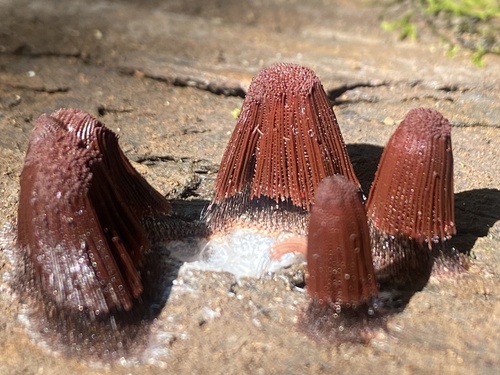
Stemonitis is a distinctive genus of slime moulds found throughout the world (except Antarctica). They are characterised by the tall brown sporangia, supported on slender stalks, which grow in clusters on rotting wood. The genus was first described by German botanist Johann Gottlieb Gleditsch in 1753. A 2014 estimate suggests that there are 18 species in the genus. Identification within the genus is difficult, and can only be performed with confidence using a microscope or by DNA sequencing. A fossil specimen (in Burmese amber) is known from the mid-Cretaceous (99 ma).
Trichia
Trichia is a genus of slime molds in the family Trichiaceae. , there are 34 species in the genus.
Cribraria
Cribraria is a genus of slime molds from the group of Myxogastria. It comprises about 30 species, some of which are extremely difficult to distinguish.
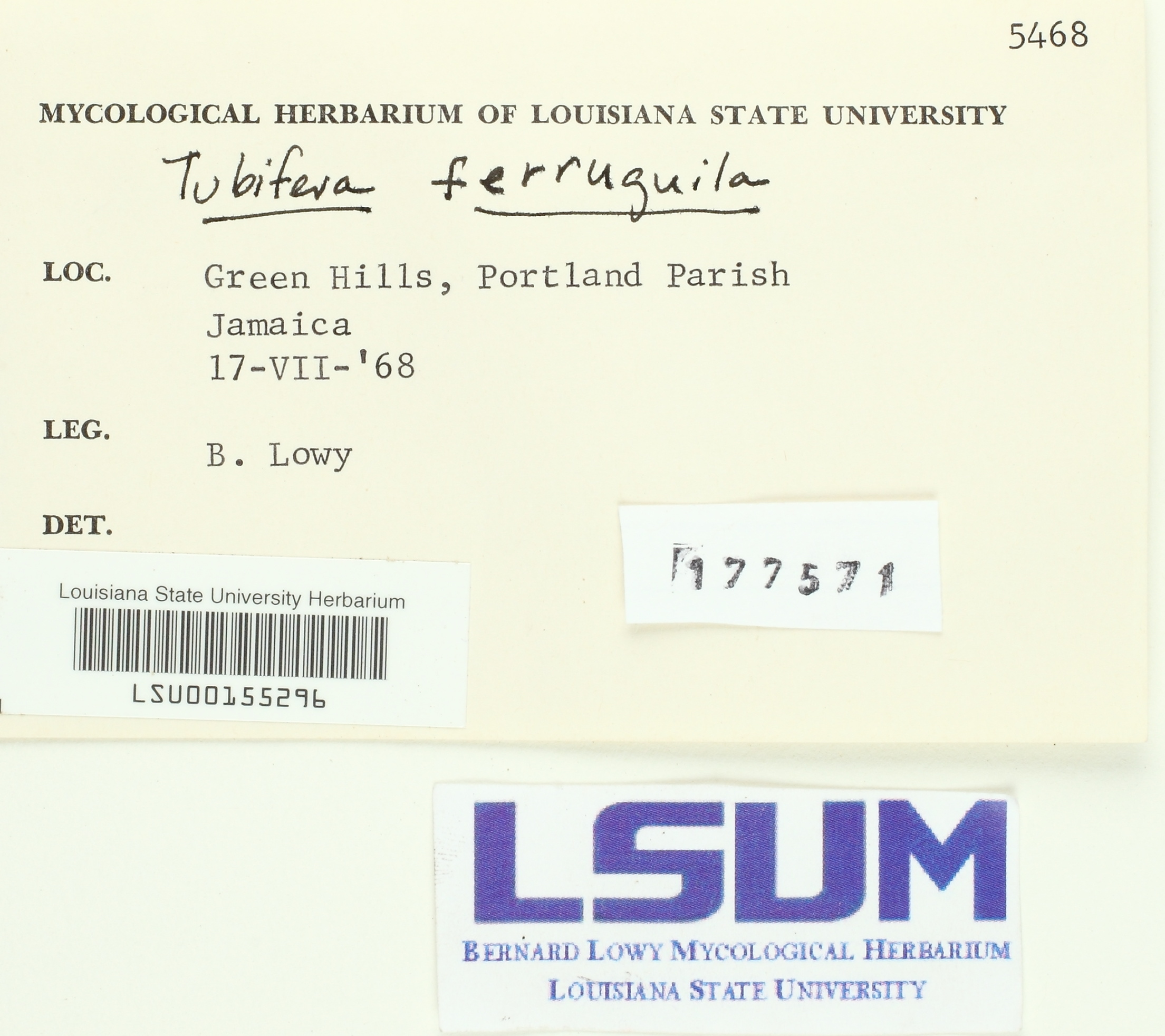
Tubifera
Tubifera is a genus of slime moulds from the subclass Myxogastria. The genus comprises 12 species.
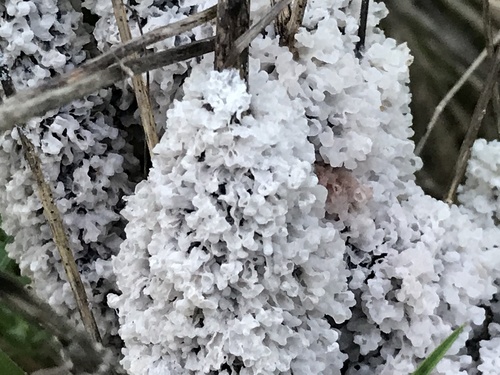
Didymium
genus of slime mould
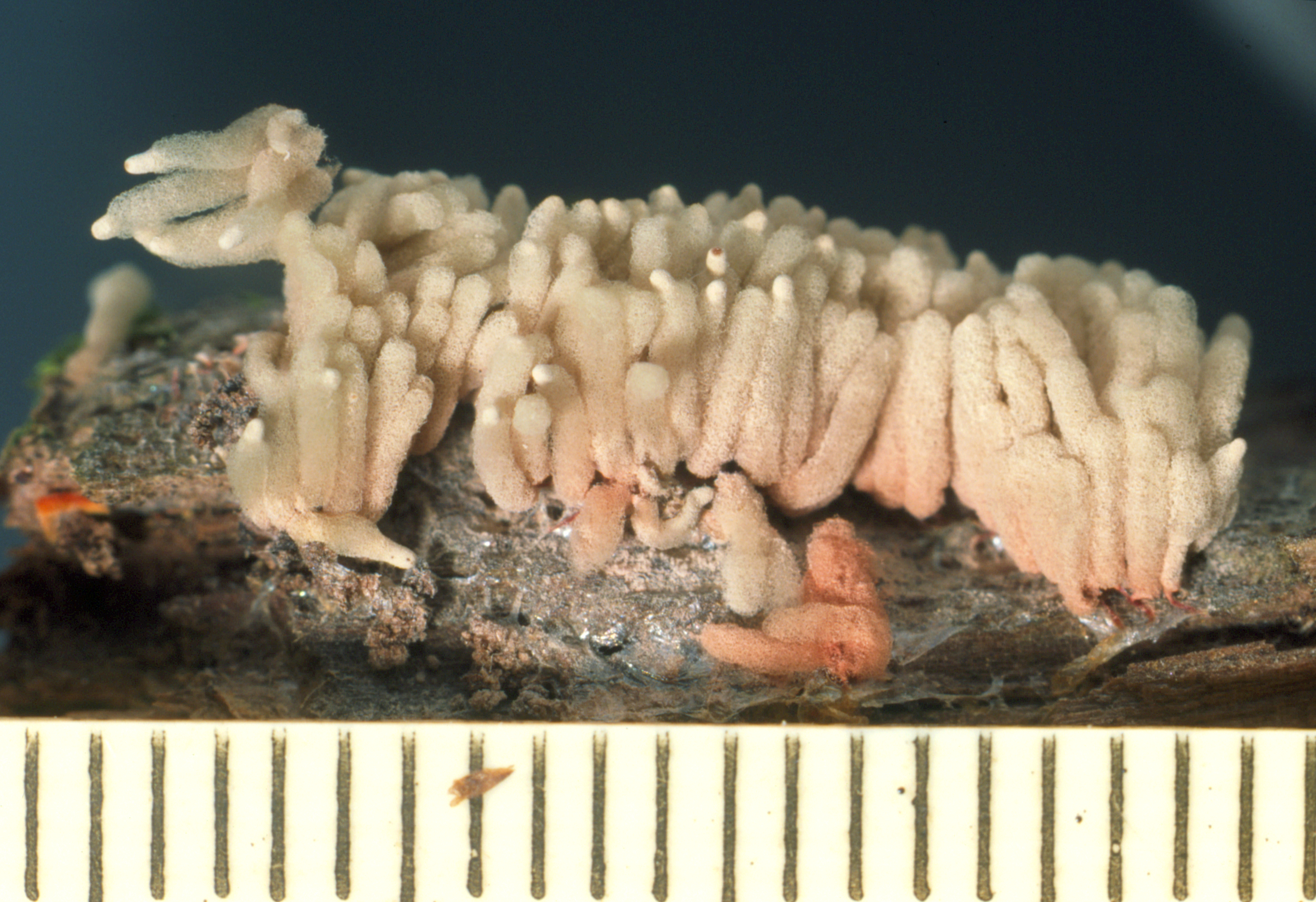
Arcyria
Arcyria is a genus of Amoebozoa in the family Arcyriaceae. It includes the species Arcyria ferruginea .
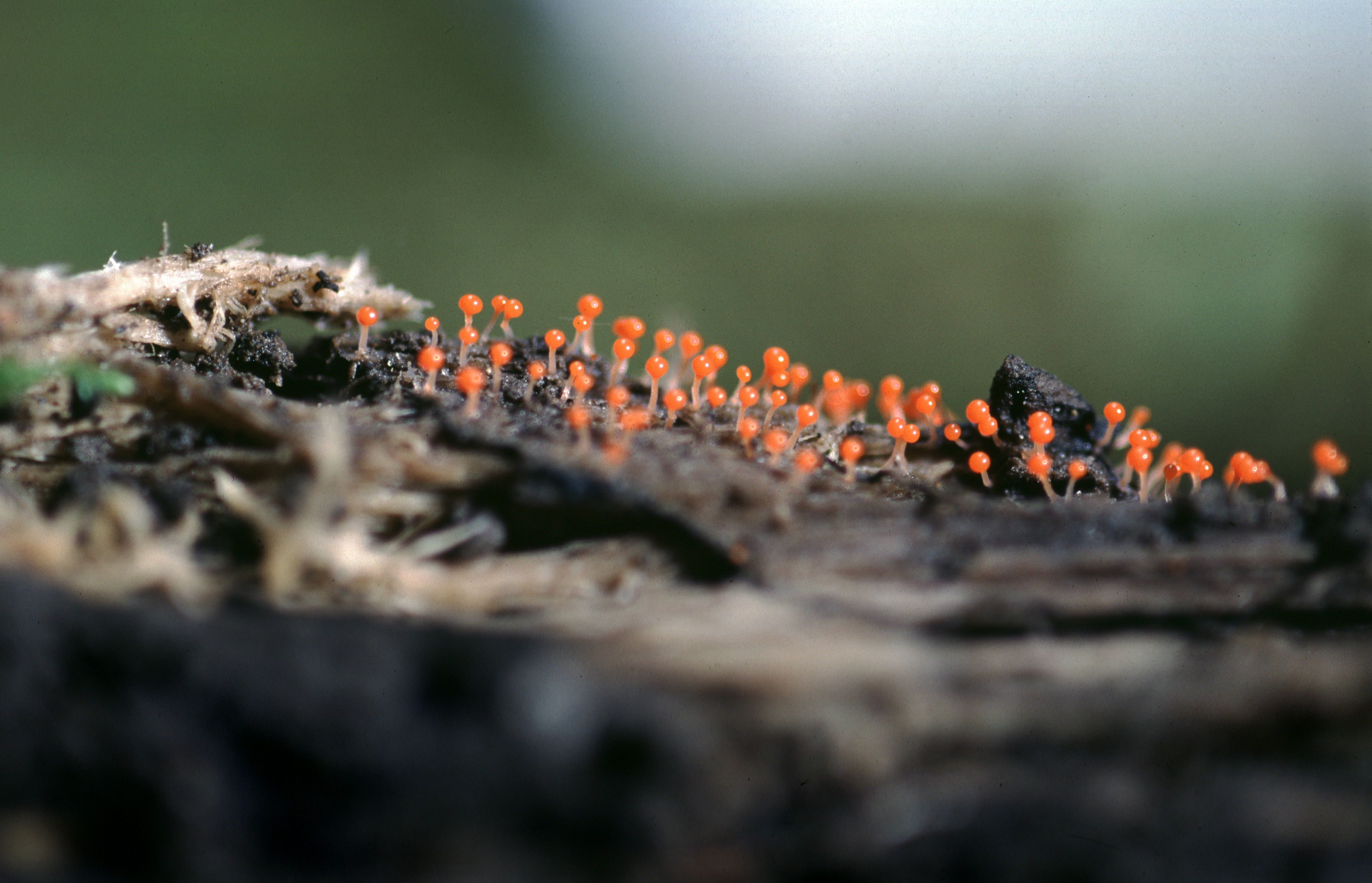
Hemitrichia
Hemitrichia is a genus of slime molds, of the family Trichiaceae, found within the order Trichiida. It was first described by Josef Rostafinski in 1873 and remains a well-defined genus of the slime molds. Hemitrichia species exhibit either plasmodiocarp or sporangium fruiting bodies, both of which are well-known and recognizable slime molds seen on multiple continents. This genus includes species such as H. serpula (known as the pretzel slime mold) and H. decipiens (known as salmon-eggs), both of which are widespread.
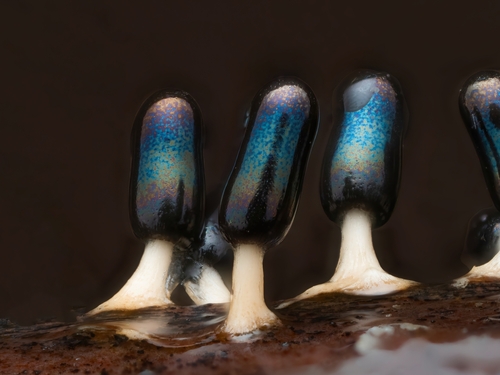
Diachea
Diachea is a genus of slime molds belonging to the family Didymiaceae. The genus was first described in 1825 by Elias Magnus Fries.
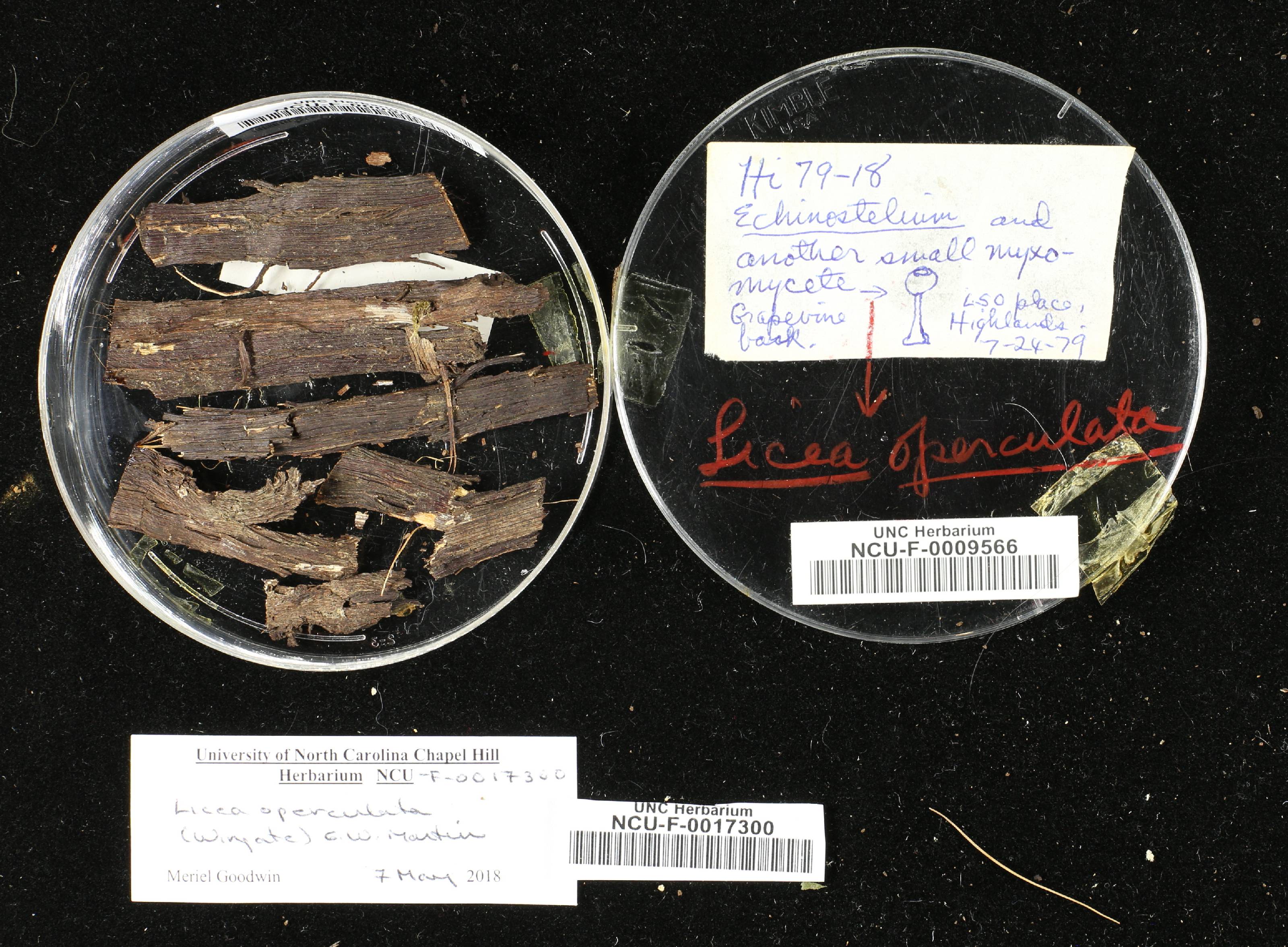
Echinostelium
Echinostelium is a genus of slime mould, and the only genus in the monotypic family Echinosteliaceae, or Echinosteliidae. It was discovered by Heinrich Anton de Bary in 1855, apparently near Frankfurt am Main. Some species of Echinostelium have a sexual life cycle; others have been shown to be asexual. The plasmodium can divide vegetatively, in a process called plasmotomy, to distinguish it from true cell division.

Badhamia
Badhamia is a genus of slime molds in the family Physaraceae. It was circumscribed by English naturalist Miles Joseph Berkeley in 1853. The widespread genus contains about 30 species.

Comatricha
Comatricha is a genus of slime molds in the family Amaurochaetaceae. As of 2015, Index Fungorum includes 39 species in the genus.
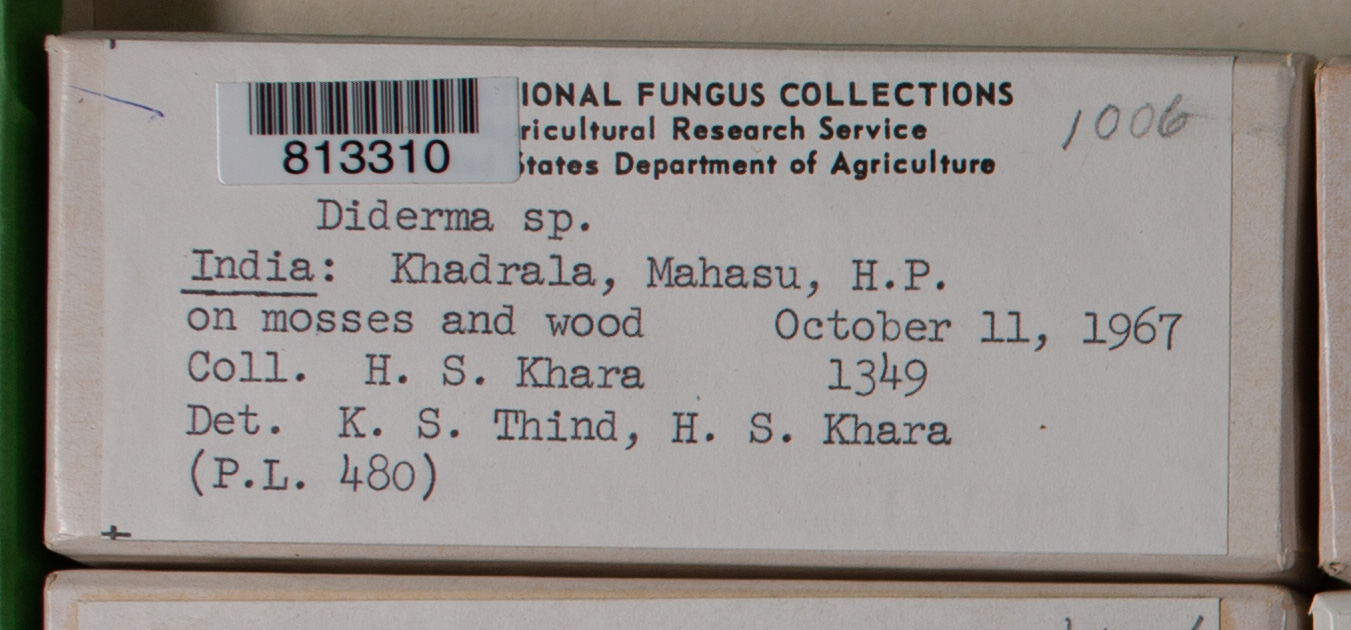
Diderma
Diderma is a genus of slime molds in the family Didymiaceae. The genus was first described by Christiaan Hendrik Persoon in 1794, and the type species is Diderma globosum.
Lamproderma
Lamproderma is a genus of slime molds in the family Lamprodermataceae. As of 2015, there are 46 species in the genus.
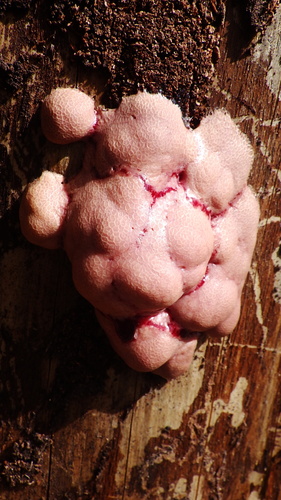
Amaurochaete
Amaurochaete is a genus of slime molds in the family Amaurochaetaceae. As of 2015, there are four species in the genus.
Metatrichia
genus of slime molds
Craterium
Craterium is a genus of slime molds belonging to the family Physaraceae. The genus has a cosmopolitan distribution.

Leocarpus
Leocarpus is a genus of slime moulds belonging to the family Physaraceae. The genus has a cosmopolitan distribution.
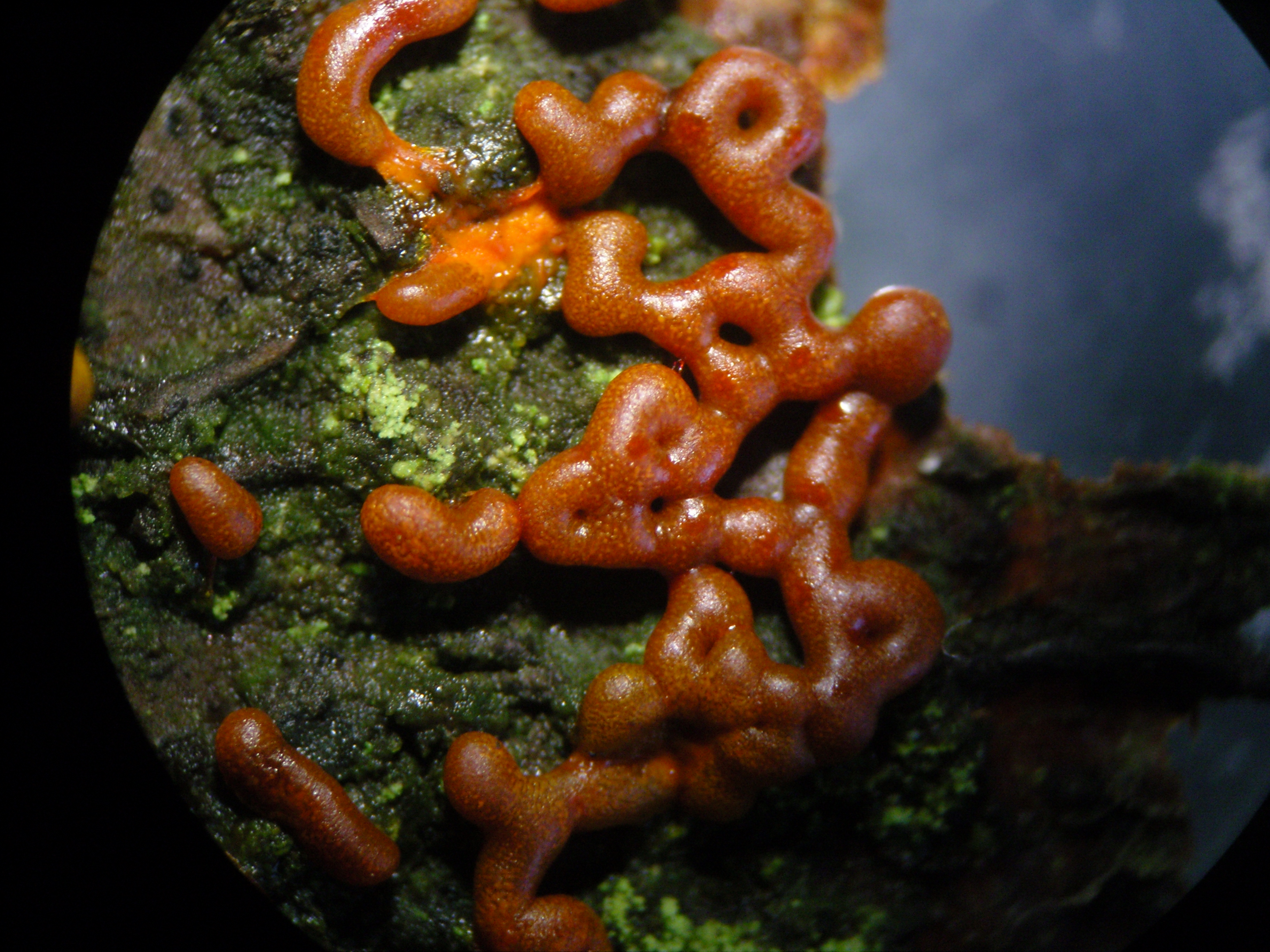
Willkommlangea reticulata
Willkommlangea reticulata is a slime mold species from the order Physarales and the only species of the genus Willkommlangea. It is common worldwide, but rare in Europe. The tropics are possibly the main area of habitat.
Macbrideola
Macbrideola is a genus of Amoebozoa in the family Stemonitidaceae. As of 2015, there are 17 species in the genus.
Lepidoderma
genus of slime mould
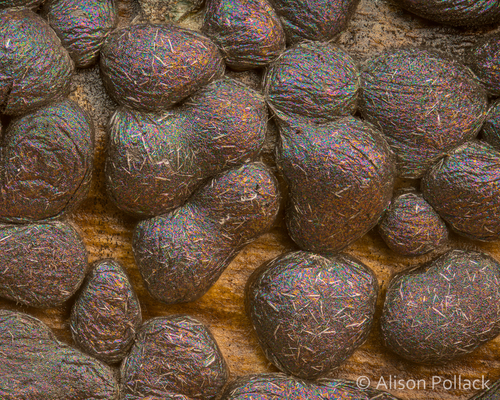
Diacheopsis
Diacheopsis is a genus of slime molds in the family Lamprodermataceae. , there are 16 species in the genus.
Enteridium
Enteridium is a genus of slime molds belonging to the family Dianemataceae. It was formerly included in the Reticulariaceae and in some sources is listed as a synonym of Reticularia Bulliard, 1788, however recent work confirms it as a separate genus and removes it from that family (and the latter's containing order) and places it in the order Trichiales, family Dianemataceae.
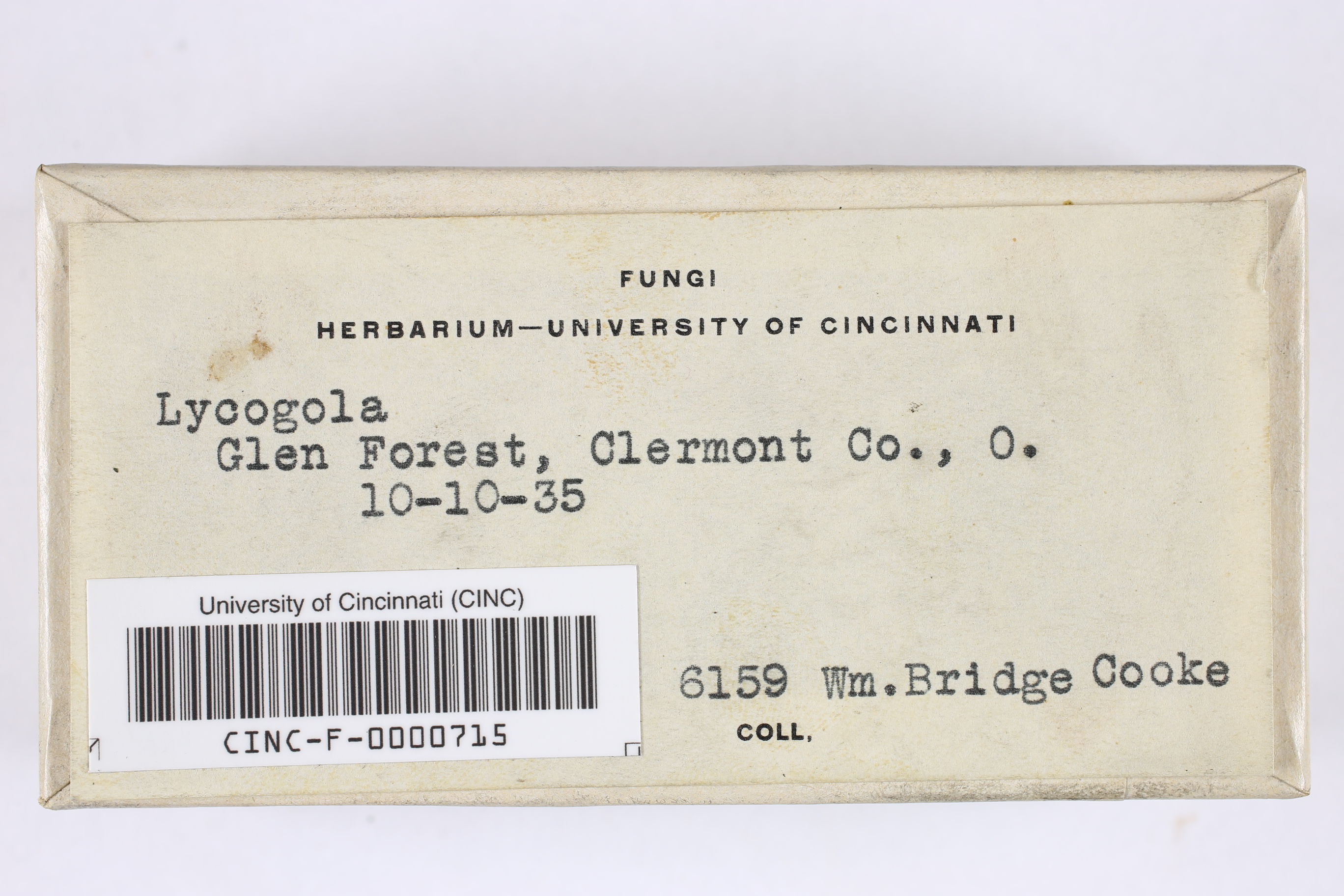
Lycogala
Lycogala is a genus of Amoebozoa, including the species Lycogala epidendrum. The genus has a cosmopolitan distribution and contains at least 43 known species, with many still undescribed.

Enerthenema
Enerthenema is a genus of slime molds in the family Amaurochaetaceae. As of 2015, there are four species in the genus.
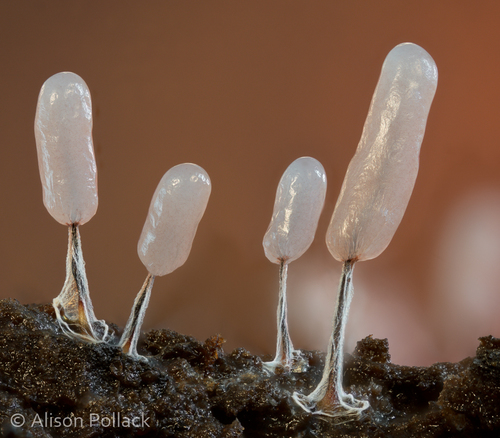
Stemonitopsis
Stemonitopsis is a genus of slime molds in the family Amaurochaetaceae. First circumscribed by Dutch botanist Elly Nannenga-Bremekamp in 1967 as a subgenus of Comatricha, she later elevated the grouping to generic status in 1975. The type species is Stemonitopsis hyperopta, which was originally described by Charles Meylan in 1919 as Stemonitis hyperopta.
Symphytocarpus
Symphytocarpus is a genus of slime molds in the family Stemonitidaceae. , there are nine species in the genus.
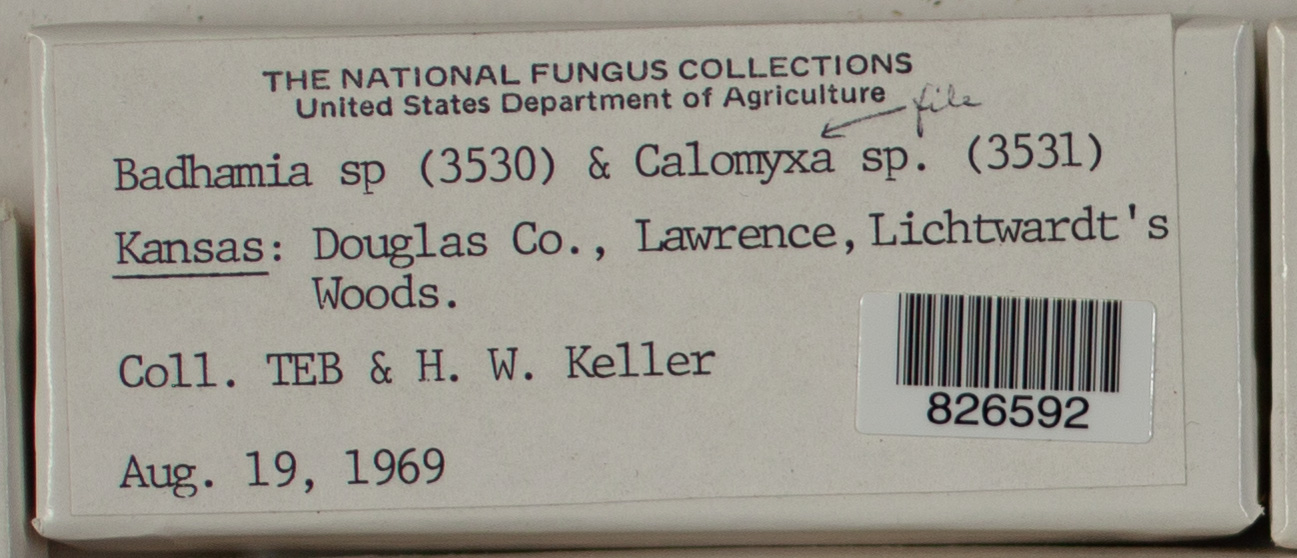
Calomyxa
Calomyxa is a genus of slime molds belonging to the family Dianemataceae. It was first described in 1916 by Fr. Julius Nieuwland
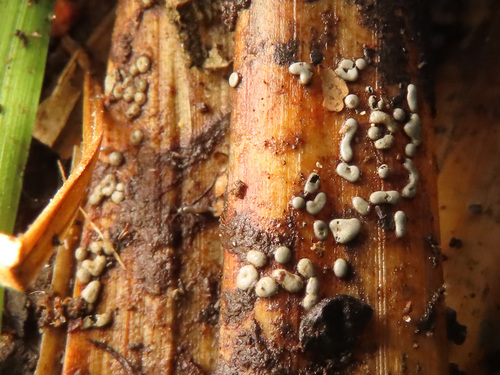
Licea
Licea is a genus of slime molds belonging to the family Liceidae.