Category
page 1Eurotiomycetes genera

Penicillium
Penicillium () is a genus of ascomycetous fungi that is part of the mycobiome of many species and is of major importance in the natural environment, in food spoilage, and in food and drug production.
Aspergillus
Aspergillus () is a genus consisting of several hundred mold species found in various climates worldwide.
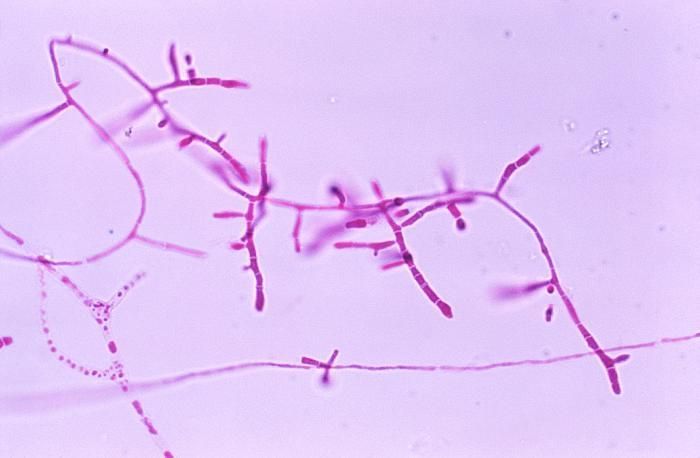
Trichophyton
Trichophyton is a genus of fungus, which includes the parasitic varieties that cause tinea, including athlete's foot, ringworm, jock itch, and similar infections of the nail, beard, skin and scalp. Trichophyton fungi are molds characterized by the development of both smooth-walled macro- and microconidia. Macroconidia are mostly borne laterally directly on the hyphae or on short pedicels, and are thin- or thick-walled, clavate to fusiform, and range from 4 to 8 by 8 to 50 μm in size. Macroconidia are few or absent in many species. Microconidia are spherical, pyriform to clavate or of irregular
%20Microculture.jpg)
Microsporum
thumb|Microsporum gypseum

Verrucaria
Verrucaria is a genus of lichenized (lichen-forming) fungi in the family Verrucariaceae. These lichens form crust-like growths on rocks, particularly limestone and other calcareous surfaces, though some species also grow on siliceous rock or occasionally on bark and soil. The genus includes both terrestrial species found in dry environments and marine species that can survive periodic flooding or permanent submersion in coastal and freshwater habitats. With about 150 accepted species worldwide, Verrucaria represents a challenging taxonomic group due to overlapping physical characteristics and
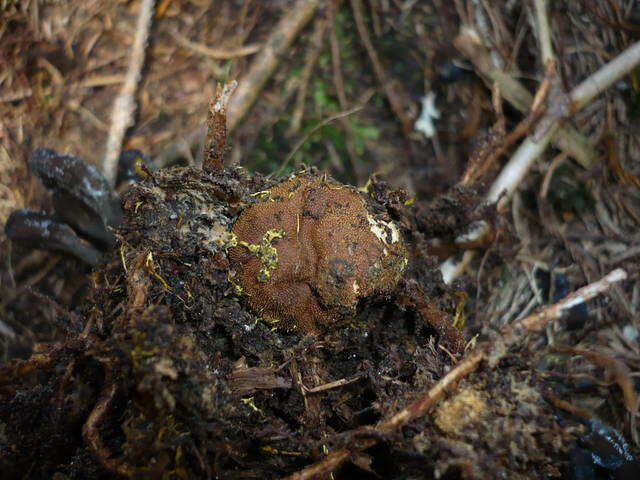
Elaphomyces
Elaphomyces (‘deer truffles’) is a genus of hypogeous fungi in the family Elaphomycetaceae. The widespread genus contains 25 truffle-like species. Elaphomyces is one of the most important ectomycorrhizal fungal genera in temperate and subarctic forest ecosystems. E. asperulus, E. granulatus, and E. muricatus were found to accumulate arsenic (12–660 mg/kg in dry mass); the composition of organoarsenicals is very unusual, with methylarsonic acid and trimethylarsine oxide as major As compounds.
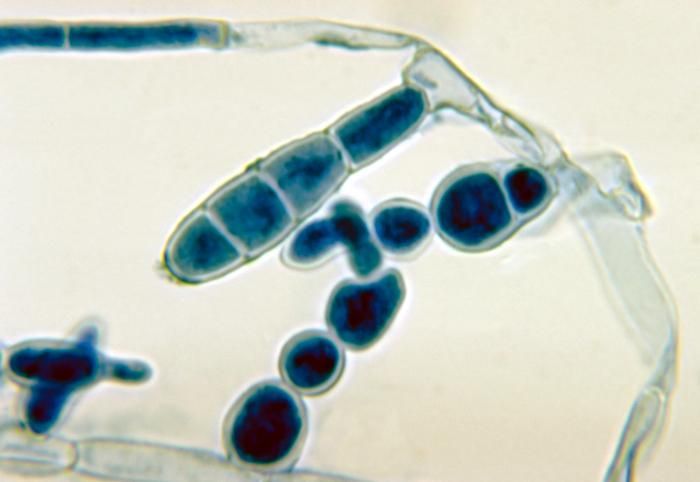
Epidermophyton
Epidermophyton is a genus of fungus causing superficial and cutaneous mycoses, including E. floccosum, and causes tinea corporis (ringworm), tinea cruris (jock itch), tinea pedis (athlete's foot), and tinea unguium (fungal infection of the nail bed).

Dermatocarpon
Dermatocarpon is a genus of lichens in the family Verrucariaceae. Members of the genus are commonly called stippleback lichens because they have fruiting structures called perithecia that are flask-shaped structures embedded in the nonfruiting body (thallus), with a hole in the top to release spores, causing an appearance of being covered with small black dots. Its species are told apart chiefly by spore size, the colour and texture of the lower surface, and whether the gives a bloom.
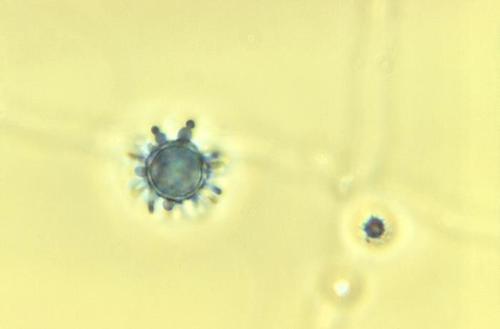
Histoplasma
Histoplasma is a genus of fungi in the order Onygenales. Species are known human pathogens producing yeast-like states under pathogenic conditions. They are the causative agents of histoplasmosis in humans and epizootic lymphangitis in horses.
Paecilomyces
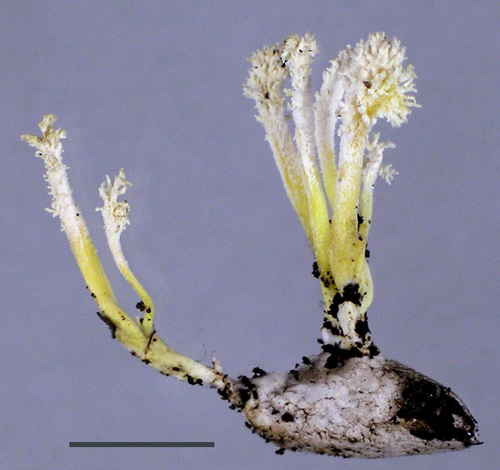
Paecilomyces is a genus of fungi. A number of species in this genus are plant pathogens.

Endocarpon
Endocarpon is a genus of saxicolous (rock-dwelling), squamulose lichens in the family Verrucariaceae. It comprises 23 species. The genus is characterised by its enclosed fruiting bodies (perithecia) embedded within the scales and its compartmentalised spores. Species in this genus typically grow on rocks, often in areas that experience periodic moisture.

Coccidioides
Coccidioides is a genus of dimorphic ascomycetes in the family Onygenaceae. Member species are the cause of coccidioidomycosis, also known as San Joaquin Valley fever, an infectious fungal disease largely confined to the Western Hemisphere and endemic in the Southwestern United States. The host acquires the disease by respiratory inhalation of spores disseminated in their natural habitat. The causative agents of coccidioidomycosis are Coccidioides immitis and Coccidioides posadasii. Both C. immitis and C. posadasii are indistinguishable during laboratory testing and commonly referred
Onygena
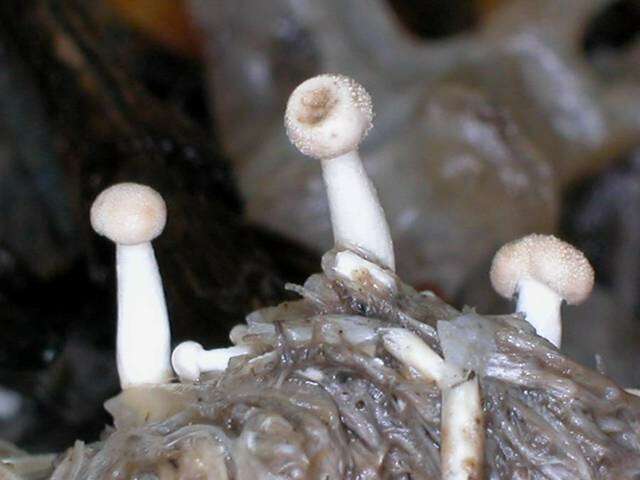
Onygena is the type genus of the fungal family Onygenaceae. The genus contains five species found in North America and Europe that grow on bones and feathers.

Pyrenula
Pyrenula is a genus of lichen-forming fungi in the family Pyrenulaceae. The genus has a widespread distribution, especially in tropical regions, and contains about 200 species. Most species grow on bark in moist, shaded habitats, especially in tropical regions. They usually form thin crusts on the surface and produce small black spore-bearing structures that are partly embedded in the lichen body. Research has shown that some species names in Pyrenula were once applied too broadly, and that the boundaries of the genus itself may still need refinement.

Agonimia
Agonimia is a genus of lichen-forming fungi in the family Verrucariaceae. These lichens typically form crusts made of tiny grain-like clumps or small scale-like fragments on tree bark and rocks, with some species developing delicate leaf-like structures up to 5 mm across. The genus includes about 22 species found worldwide, characterized by their black flask-shaped reproductive structures and distinctive brick-patterned ascospores.

Chaenothecopsis
Chaenothecopsis is a genus of about 40 species of pin lichens in the family Mycocaliciaceae.
Capronia
Capronia is a genus of fungi in the family Herpotrichiellaceae. It has about 80 species.
Gymnoascus
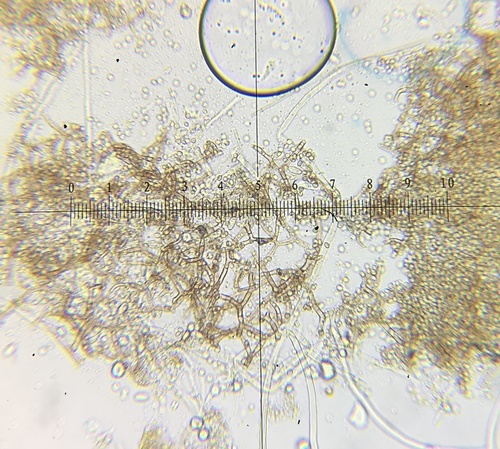
Gymnoascus is a genus of fungi within the Gymnoascaceae family. The genus, widely distributed in northern temperate areas, contains eight species.

Catapyrenium
Catapyrenium is a genus of squamulose lichens in the family Verrucariaceae. These small lichens grow as clusters of tiny scales ( that lie flat against rocks and soil, often in dry or disturbed habitats. The genus includes about 18 species found worldwide, particularly in arid and semi-arid regions where they help stabilize soil surfaces.
Monascus
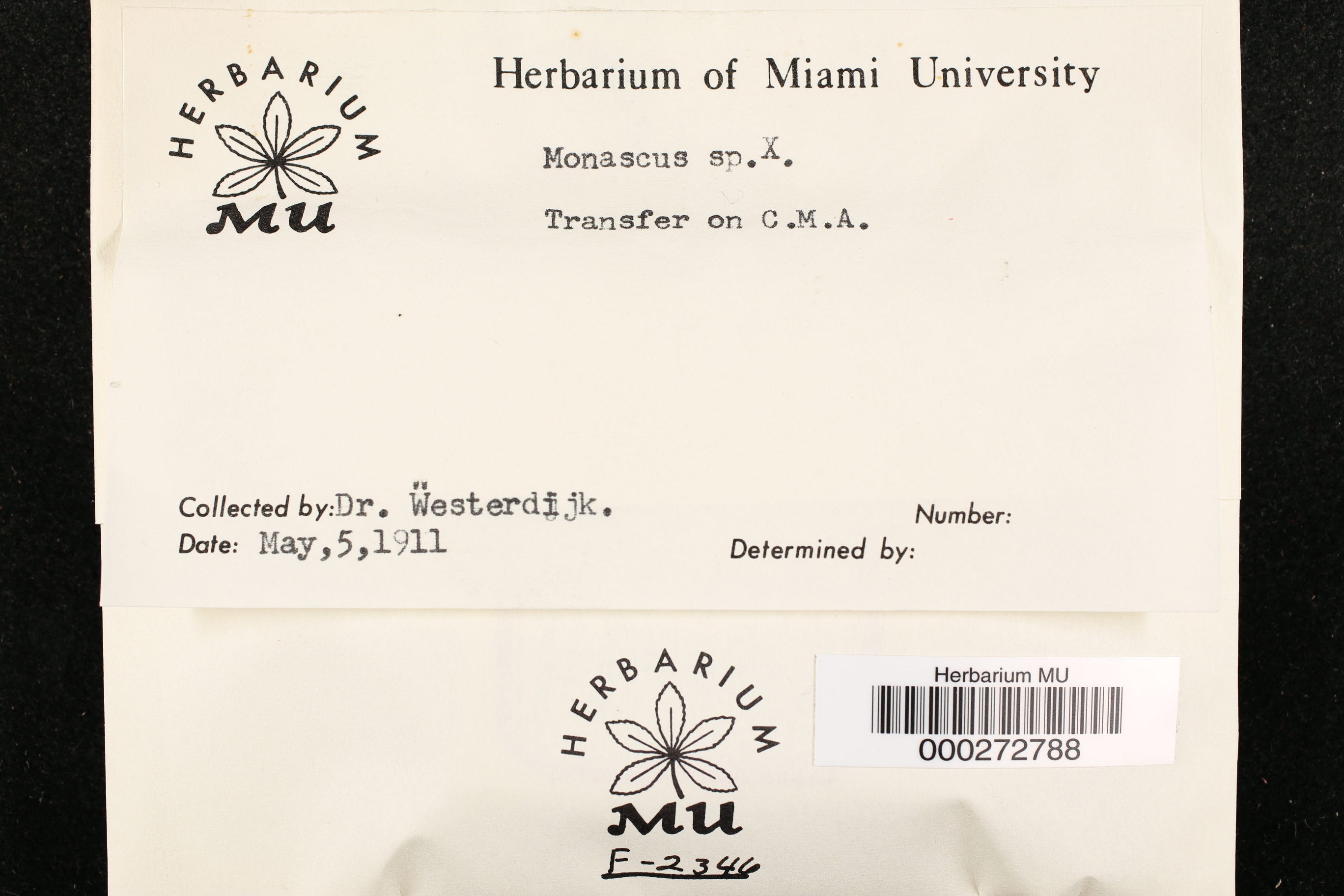
Monascus is a genus of mold. Among the known species of this genus, the red-pigmented Monascus purpureus is among the most important because of its use in the production of certain fermented foods in East Asia, particularly China and Japan. It has also been found associated with the nests of some bee species, particularly bumblebees and sweat bees though its function in these environments is unclear.

Staurothele
Staurothele is a genus of saxicolous (rock-dwelling), crustose lichens in the family Verrucariaceae. It has about 40 species. When the fungus is part of a lichen, the genus of lichen is commonly called rock pimples.
Exophiala
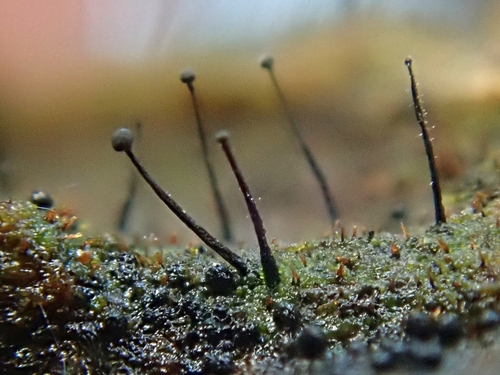
Exophiala is a genus of anamorphic fungi in the Herpotrichiellaceae family. The widespread genus contains 28 species. The genus was formally described by J. W. Carmichael in 1966.

Acrocordia
Acrocordia is a genus of lichen-forming fungi in the family Monoblastiaceae. These lichens form thin, whitish to pale grey crusts on tree bark and rocks, appearing as scattered black dots where their tiny flask-shaped reproductive structures emerge from the surface. The genus includes nine species found in various parts of the world, typically growing in mildly alkaline environments on broad-leaved trees or damp, mineral-rich rock faces.

Thelidium
Thelidium is a genus of lichen-forming fungi in the family Verrucariaceae. The genus was established in 1855 by the Italian lichenologist Abramo Bartolommeo Massalongo, who distinguished it from related genera by its point-like fruiting bodies with distinctive double walls and granular spores. These lichens form thin crusts on rock surfaces and reproduce through tiny, black, flask-shaped structures that contain spores. The genus includes about 27 species found worldwide, ranging from common European species to more recently discovered ones from Asia and Australia.
Ascosphaera
Ascosphaera is a genus of fungi in the family Ascosphaeraceae. It was described in 1955 by mycologists Charles F. Spiltoir and Lindsay S. Olive. Members of the genus are insect pathogens. The type species, A. apis, causes chalkbrood disease in honey bees. The reproductive ascospores of the fungus are produced within a unique structure, the spore cyst, or sporocyst.

Placopyrenium
Placopyrenium is a genus of saxicolous (rock-dwelling), crustose lichens in the family Verrucariaceae.
Thermoascus
Thermoascus is a genus of soil fungi in the family Trichocomaceae. Species in the genus are characterized by the production of heat-resistant ascospores. Thermoascus was circumscribed by German botanist Hugo Miehe in 1907.

Anthracothecium
Anthracothecium is a genus of lichen-forming fungi in the family Pyrenulaceae. It comprises five species of crustose, bark-dwelling, lichens in the tropics and subtropics, and that in the current sense the genus is diagnosed by young ascospores that are euseptate (true septa) and remain mostly euseptate when mature, contrasting with Pyrenula, where and thickened is the norm. The ascomata (fruiting bodies) are (blackened and charcoal-like), usually simple or aggregated in predictable ways, and ostioles may be apical or lateral depending on species.

Talaromyces
Talaromyces is a genus of fungi in the family Trichocomaceae. Described in 1955 by American mycologist Chester Ray Benjamin, species in the genus form soft, cottony fruit bodies (ascocarps) with cell walls made of tightly interwoven hyphae. The fruit bodies are often yellowish or are surrounded by yellowish granules. A 2008 estimate placed 42 species in the genus, but several new species have since been described.
Involucropyrenium
Involucropyrenium is a genus of lichens in the family Verrucariaceae. It has 10 species. Species in this genus are characterised by their minute, scale-like growth form and distinctive reproductive structures capped with dark sheaths. Most of the ten recognised species were described relatively recently, with several new species added as recently as 2021.
Byssochlamys
Byssochlamys is a former genus of fungi in the Trichocomaceae family, containing teleomorph forms of Paecilomyces.
Several species of the genus Byssochlamys were well known to be associated with food spoilage, especially acidic heat-processed foods. A health concern was the production of the mycotoxin patulin in fruit juices, as well as byssochlamic acid and mycophenolic acid.
Atla
genus of fungi

Chaetothyrium
Chaetothyrium is a genus of fungi in the family Chaetothyriaceae.
Psoroglaena
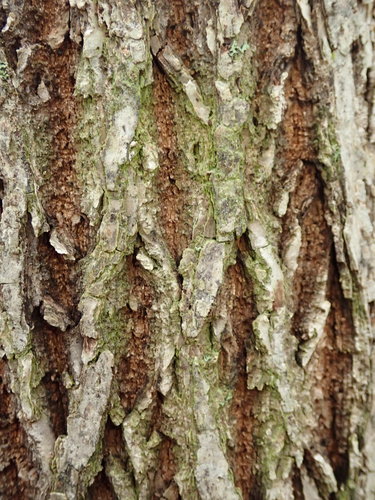
Psoroglaena is a genus of lichen-forming fungi in the family Verrucariaceae. The genus was circumscribed by Johann Müller Argoviensis in 1891, with Psoroglaena cubensis assigned as the type species.
Yatesula
Yatesula is a genus of fungi in the family Chaetothyriaceae.
Bagliettoa
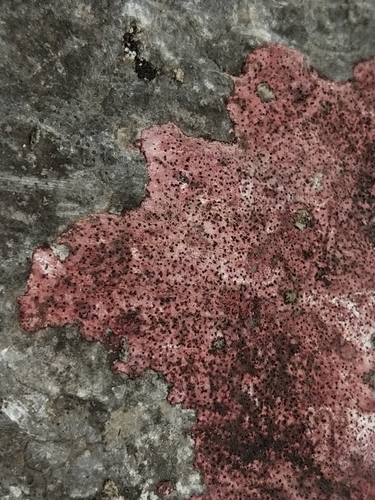
Bagliettoa is a genus of lichen-forming fungi in the family Verrucariaceae. Bagliettoa species are endolithic, growing between the grains of solid rock. These lichens are almost invisible to the naked eye, living mostly hidden within limestone and other calcium-rich rocks with only a thin polished rim visible on the surface. They reproduce through tiny flask-shaped fruiting bodies that bore neat pits into the rock as they develop.
Requienellaceae
The Requienellaceae are a family of ascomycete fungi in the order Xylariales. Members of the family occur on bark, wood, and sometimes lichens. The family was originally proposed for fungi thought to be allied with the Pyrenulales, but molecular phylogenetic studies later showed that its type genus, Requienella, belongs in Xylariales.
Blastomyces
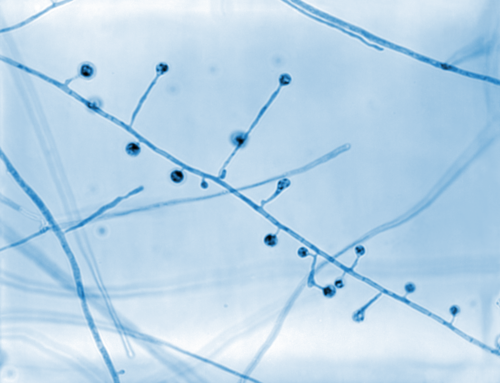
Blastomyces is a genus of fungi in the order Onygenales. Species are known human pathogens and show thermal dimorphism, converting from hyphal states under saprobic conditions to yeast-like states under pathogenic conditions. They are the causative agents of blastomycosis, a systemic mycosis in immunocompromised patients.

Stenocybe
Stenocybe is a genus of fungi in the family Mycocaliciaceae. It has 14 species.

Chrysosporium
thumb | right | Chrysosporium spores
Chrysosporium is a genus of hyaline hyphomycetes fungi in the family Onygenaceae.

Placidium
Placidium is a genus of crustose to squamulose to almost foliose lichens. The genus is in the family Verrucariaceae. Most members grow on soil (are terricolous), but some grow on rock (saxicolous). The fruiting bodies are perithecia, flask-like structures immersed in the lichen body (thallus) with only the top opening visible, dotting the thallus. Lichen spot tests are all negative. Members of the genus lack rhizines, but otherwise resemble members of the genus Clavascidium.
Distopyrenis
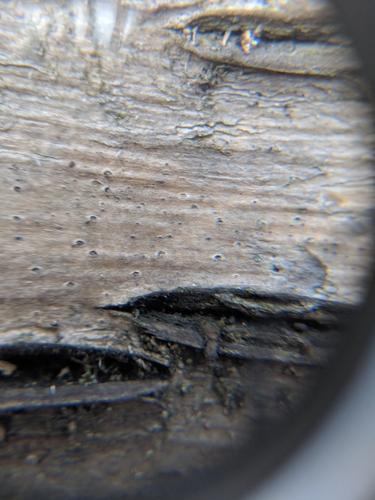
Distopyrenis is a genus of fungi in the family Pyrenulaceae.
Normandina
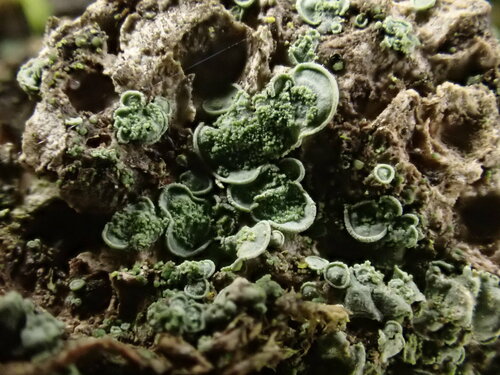
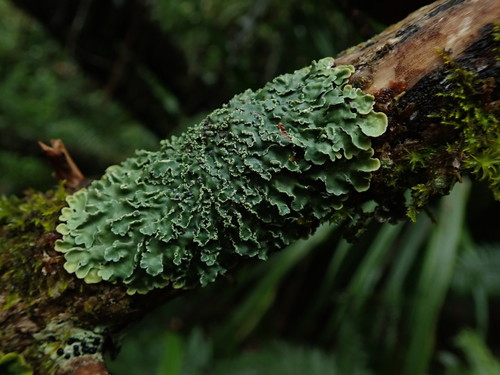
Normandina is a genus of lichen-forming fungi in the family Verrucariaceae. It has five species of crustose and squamulose (scaly) lichens.
Sphinctrina
Sphinctrina is a genus of lichenicolous fungi, usually not lichenized, in the family Sphinctrinaceae. Its species are most commonly parasitic on lichens of the genus Pertusaria.

Nannizzia
Nannizzia is a genus of fungus in the family Arthrodermataceae.

Anthracocarpon
Anthracocarpon is a small fungal genus in the family Verrucariaceae. It is found in Mediterranean regions, the Caribbean, and South America. These lichens form low, crusty patches made up of overlapping scales that grow close to the ground on limestone and other rocky surfaces. The genus is recognized by its distinctive coal-black fruiting bodies, which give it its name—derived from Greek words meaning "coal" and "fruit". Established in 1996, the genus currently includes three species.
Phialophora
Phialophora is a form genus of fungus with short conidiophores, sometimes reduced to phialides; their conidia are unicellular. They may be parasites (including on humans), or saprophytic (including on apples).
Emericella
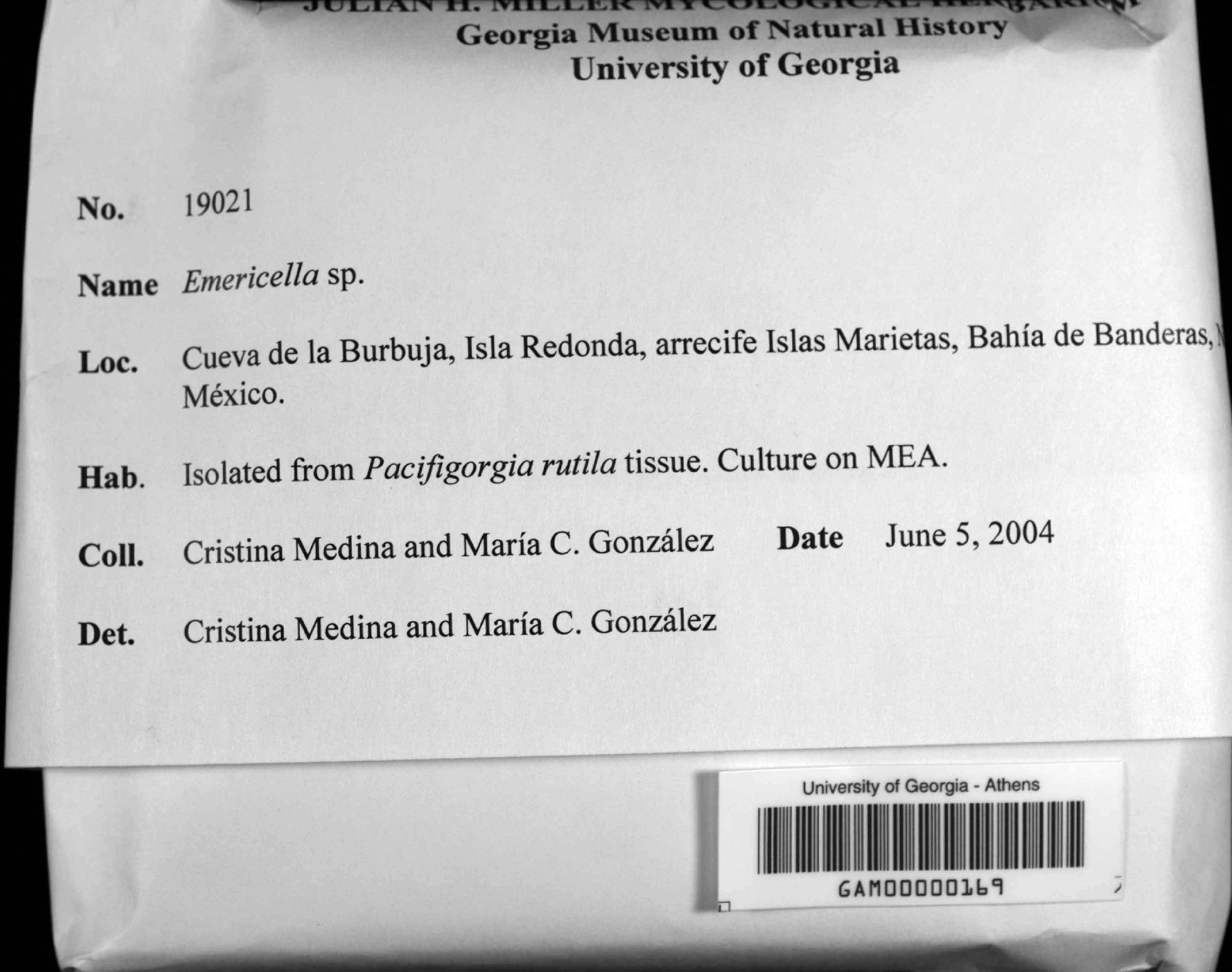
Emericella is a former genus of fungi.
Botryolepraria
Botryolepraria is a genus of byssoid (cottony) lichens of uncertain familial placement in the order Verrucariales. It has two species. The thallus is an uncorticated, three-dimensional network of free fungal hyphae that holds clusters of green algal cells suspended within the lattice, so under low magnification it can resemble a pale, granular Lepraria-like crust. Reports are mostly from shady, humid, protected microhabitats on sheltered rock (often limestone) or on tree bark, including cave entrances and damp woodland or swamp habitats.
Adelococcus
Adelococcus is a genus of fungi in the family Adelococcaceae.

Clypeopyrenis
Clypeopyrenis is a genus of lichen-forming fungi in the family Pyrenulaceae. The genus was circumscribed in 1991 by Dutch lichenologist André Aptroot, with Clypeopyrenis microsperma assigned as the type species. This lichen, originally described from material collected in Costa Rica, is also found in the Caribbean and South America. Clypeopyrenis porinoides was added to the genus in 2011; it was discovered in Costa Rica, close to the type locality of the type species.

Sagediopsis
Sagediopsis is a genus of fungi in the family Adelococcaceae.

Lithothelium
Lithothelium is a genus of lichen-forming fungi in the family Pyrenulaceae. Most of the species are found in tropical climates, and are usually corticolous (bark-dwelling) or saxicolous (rock-dwelling). These lichens form thin, crust-like layers that are often embedded within their substrate and are characterized by distinctive black, flask-shaped reproductive structures that may occur individually or in fused clusters with small openings for spore release. Established as a genus in 1885 by the Swiss botanist Johannes Müller Argoviensis, Lithothelium species can be distinguished from similar l

Muellerella
Muellerella is a genus of lichenicolous lichens in the family Verrucariaceae. The genus has a widespread distribution, especially in northern temperate areas, and contains species that live on other lichens, or on liverworts.
Eremascus
Eremascus is the sole genus in the fungal family Eremascaceae. The genus was circumscribed by Eduard Eidam in 1883, while the family was circumscribed by Adolf Engler and E. Gilg in 1924. Eremascus is thought to be a basal fungus, from which ascomycetous yeasts formed. Taxa have a widespread distribution, and grow saprobically, especially on substrates with low water content.
Geomyces
Geomyces is a genus of filamentous fungi in the family Myxotrichaceae. Members of the genus are widespread in distribution, especially in northern temperate regions. Known to be psychrotolerant and associated with Arctic permafrost soils, they are equally prevalent in the air of domestic dwellings, and children's sandpits. Species of Geomyces have previously been placed in the genus Chrysosporium.
Cladophialophora
Cladophialophora is a genus of fungi in the family Herpotrichiellaceae. It has 35 species. The genus contains black yeast-like fungi, some of which are species of important medical significance. Cladophialophora bantiana causes the rare brain disease cerebral phaeohyphomycosis. Cladophialophora carrionii is a common cause of chromoblastomycosis in semi-arid climates. Some of the species are endophytes–associating with plants. For example, Cladophialophora yegresii is a cactus endophyte, which is sometimes introduced into humans via cactus spines.

Parabagliettoa
Parabagliettoa is a genus of crustose lichens in the family Verrucariaceae. It has 3 species. The genus was circumscribed in 2009 by Cécile Gueidan and Claude Roux, with Parabagliettoa dufourii assigned as the type species.
Henrica
Henrica is a genus of crustose lichens in the family Verrucariaceae. It has four species. These lichens grow as crusts that adhere tightly to limestone, sandstone, and other hard rocks, ranging from paper-thin films to thick, warted layers in subdued colours of white, pale grey, or fawn. They reproduce through black to dark-brown flask-shaped fruiting bodies that contain distinctive brown spores divided into numerous cells like a brick wall, giving them a characteristic appearance.
Arachniotus
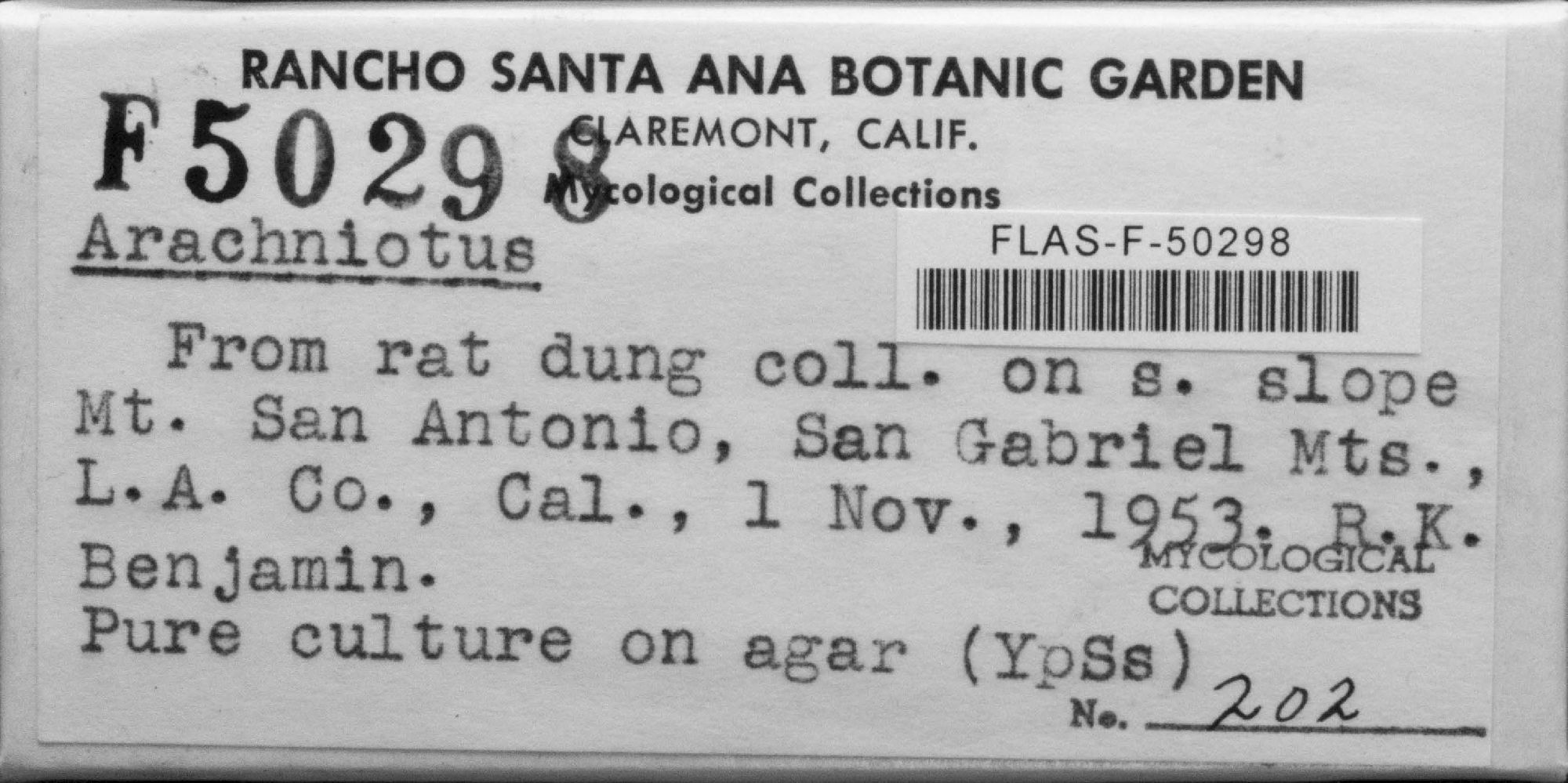
Arachniotus is a genus of fungi within the family Gymnoascaceae.