Category
page 1Extant Cenomanian first appearances

snake
Snakes are elongated limbless reptiles of the suborder Serpentes. Cladistically squamates, snakes are ectothermic, amniote vertebrates covered in overlapping scales much like other members of the group. Many species of snakes have skulls with several more joints than their lizard ancestors and relatives, enabling them to swallow prey much larger than their heads (cranial kinesis). To accommodate their narrow bodies, snakes' paired organs (such as kidneys) appear one in front of the other instead of side by side, and most only have one functional lung. Some species retain a pelvic girdle with a

Lampyridae
The Lampyridae are a family of elateroid beetles with more than 2,400 described species, many of which are light-emitting. They are soft-bodied beetles commonly called fireflies, lightning bugs, or glowworms for their conspicuous production of light, mainly during twilight, to attract mates. The type species is Lampyris noctiluca, the common glow-worm of Europe. Light production in the Lampyridae is thought to have originated as a warning signal that the larvae were distasteful. This ability to create light was then co-opted as a mating signal and, in a further development, adult female firefl

Agamidae
Agamidae is a family containing 582 species in 64 genera of iguanian lizards indigenous to Africa, Asia, Australia, and a few locations in Southern Europe. Many species are commonly called dragons or dragon lizards.

Scincidae
Skinks are lizards that constitute the family Scincidae, which is part of the infraorder Scincomorpha. With more than 1,500 described species across 100 different taxonomic genera, the family Scincidae is one of the most diverse families of lizards. Skinks are characterized by their smaller legs in comparison to typical lizards and are found in different habitats except arctic and subarctic regions.
Proteaceae
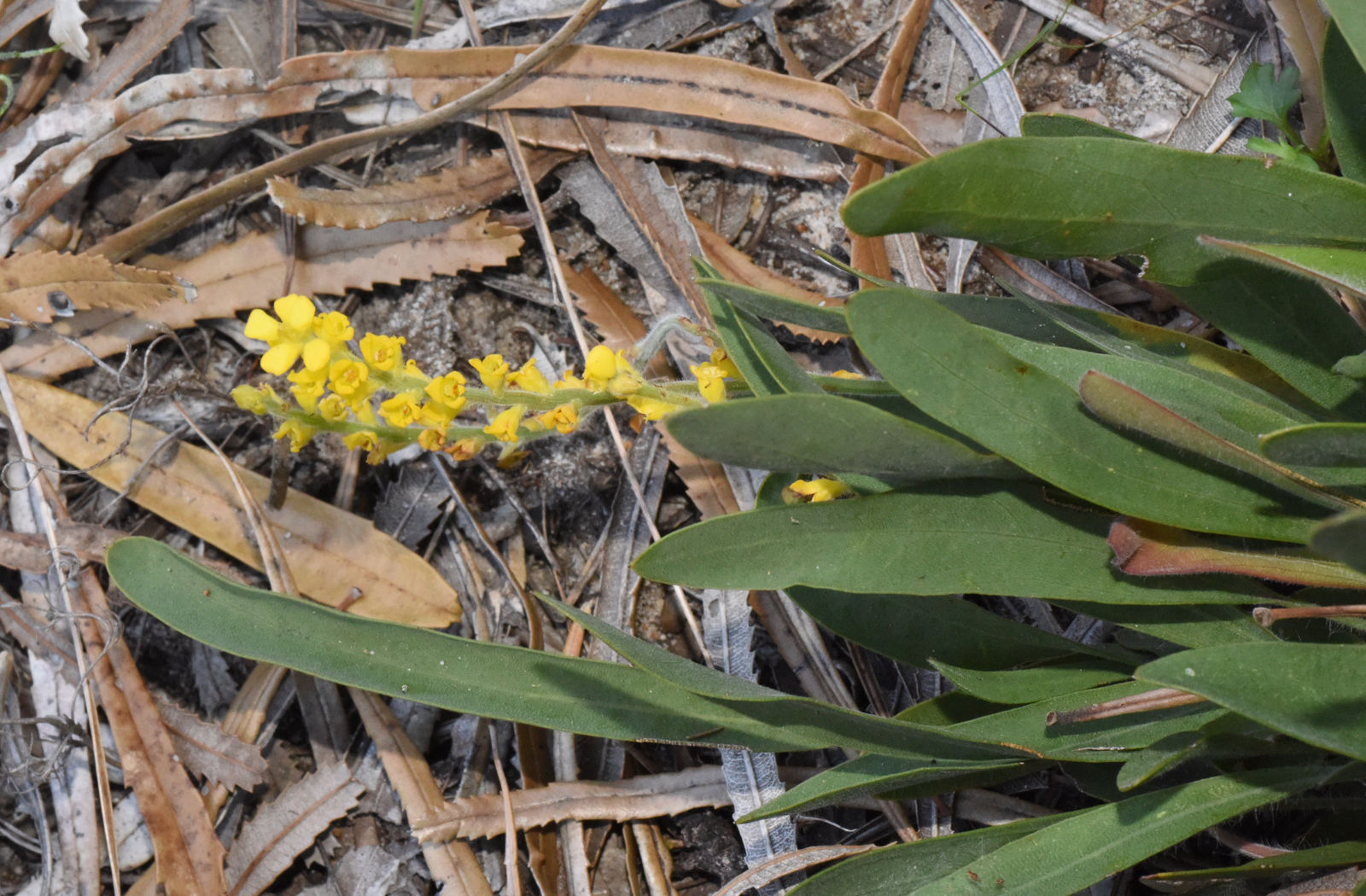
The Proteaceae form a family of flowering plants predominantly distributed in the Southern Hemisphere. The family comprises 83 genera with about 1,660 known species. Australia and South Africa have the greatest concentrations of diversity. Together with the Platanaceae (plane trees), Nelumbonaceae (the sacred lotus) and in the recent APG IV system the Sabiaceae, they make up the order Proteales. Well-known Proteaceae genera include Protea, Banksia, Embothrium, Grevillea, Hakea, and Macadamia. Species such as the New South Wales waratah (Telopea speciosissima), king protea (Protea cynaroides),

Tetraodontiformes
Tetraodontiformes (), also known as the Plectognathi, is an order of ray-finned fishes which includes the pufferfishes and related taxa. This order has been classified as a suborder of the order Perciformes, although recent studies have found that it, as the Tetraodontoidei, is a sister taxon to the anglerfish order Lophiiformes, called Lophiodei, and have placed both taxa within the Acanthuriformes. The Tetraodontiformes are represented by 10 extant families and at around 430 species overall. The majority of the species within this order are marine but a few may be found in freshwater. They a

Emydidae
Emydidae (Latin (freshwater tortoise) + Ancient Greek (, "appearance, resemblance")) is a family of testudines (turtles) that includes close to 50 species in 10 genera. Members of this family are commonly called terrapins, pond turtles, or marsh turtles. Several species of Asian box turtles were formerly classified in the family; however, revised taxonomy has separated them to a different family (Geoemydidae). As currently defined, the Emydidae are entirely a Western Hemisphere family, with the exception of two species of pond turtle.

Loricariidae
Loricariidae is the largest family of catfish (order Siluriformes), with over 90 genera and just over 680 species. Loricariids originate from freshwater habitats of Costa Rica, Panama, and tropical and subtropical South America. These fish are noted for the bony plates covering their bodies and their suckermouths. Several genera are sold as "plecos", notably the suckermouth catfish, Hypostomus plecostomus, and are popular as aquarium fish.
Triakidae
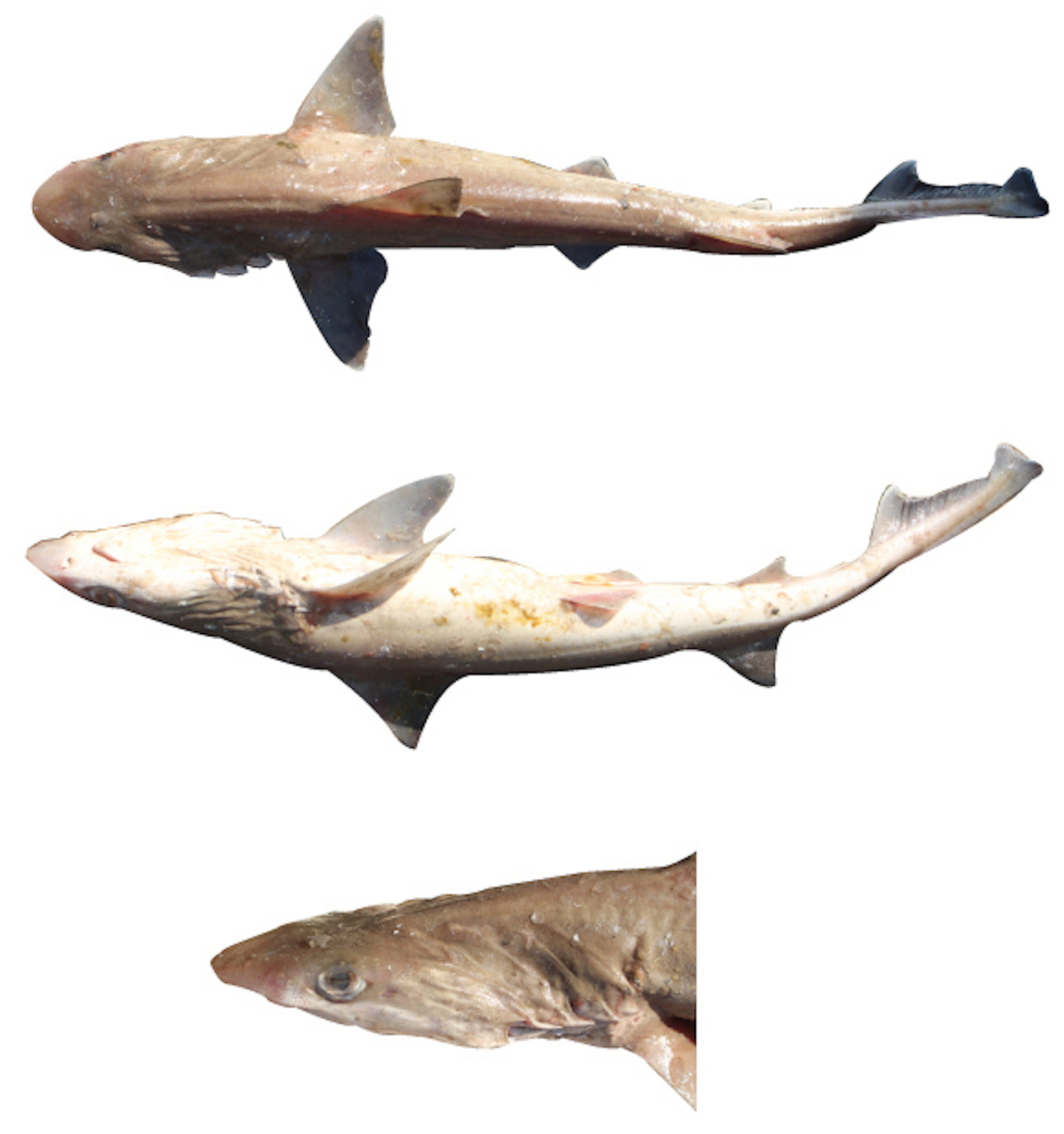
The Triakidae or houndsharks are a family of ground sharks, consisting of about 40 species in nine genera. In some classifications, the family is split into two subfamilies, with the genera Mustelus, Scylliogaleus and Triakis in the subfamily Triakinae, and the remainders in the subfamily Galeorhininae.

Myliobatidae
family of fishes
%20(5975917188).jpg)
Cimicidae
The Cimicidae are a family of small parasitic bugs that feed exclusively on the blood of warm-blooded animals. They are called cimicids or, loosely, bed bugs, though the latter term properly refers to the most well-known member of the family, Cimex lectularius, the common bed bug, and its tropical relation Cimex hemipterus. The family contains over 100 species. Cimicids appeared in the fossil record in the Cretaceous period. When bats evolved in the Eocene, Cimicids switched hosts and now feed mainly on bats or birds. Members of the group have colonised humans on three occasions.
Sirenidae
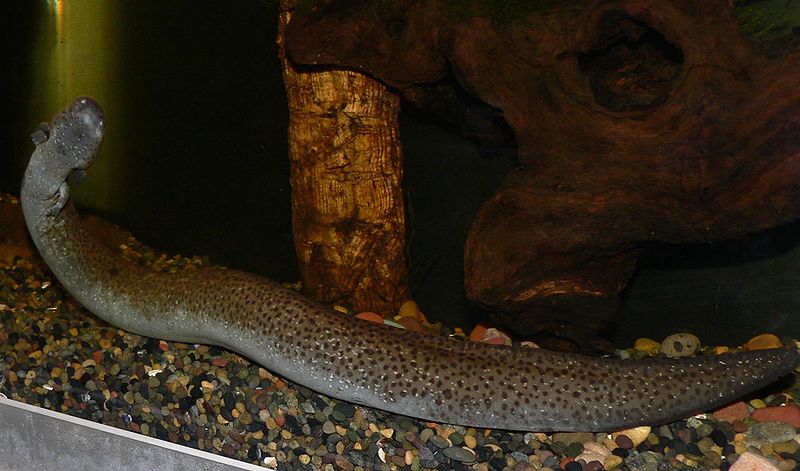
Sirenidae, the sirens, are a family of neotenic aquatic salamanders. Family members have very small fore limbs, and lack hind limbs altogether. In one species, the skeleton in their fore limbs is made of only cartilage. In contrast to most other salamanders, they have external gills bunched together on the neck in both larval and adult states. Sirens are found only in the Southeastern United States and northern Mexico.

Myctophiformes
The Myctophiformes are an order of ray-finned fishes consisting of two families of deep-sea marine fish, most notably the highly abundant lanternfishes (Myctophidae). The blackchins (Neoscopelidae) contain six species in three genera, while the bulk of the family belongs to the Myctophidae, with over 30 genera and some 252 species.
Palpigradi
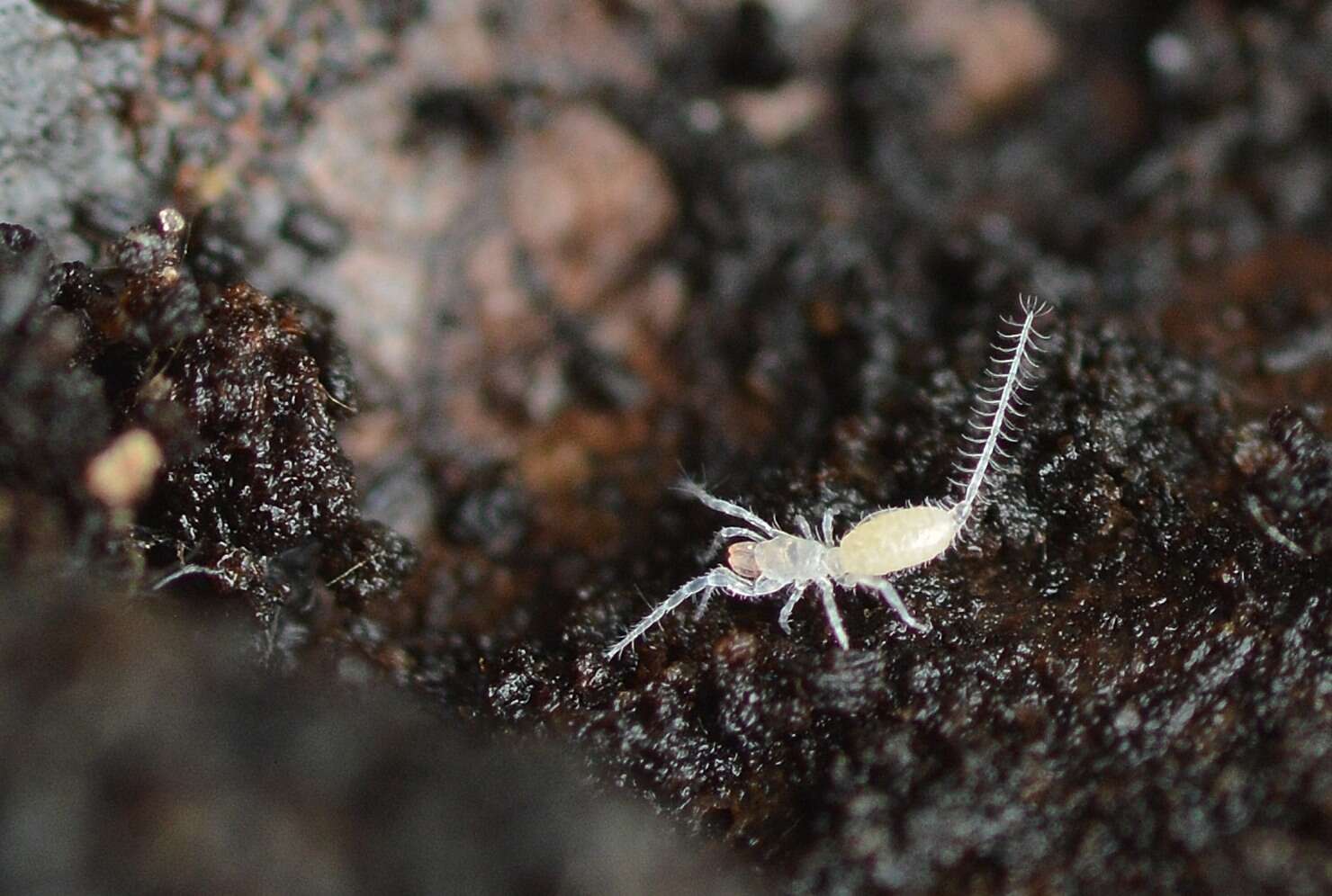
Palpigradi is an order of very small arachnids commonly known as microwhip scorpion or palpigrades.

Octopodidae
The Octopodidae are a family containing the majority of known octopus species (about 175 species).
gecko
Geckos are small, mostly carnivorous lizards that have a wide distribution, found on every continent except Antarctica. Belonging to the suborder Gekkota, geckos are found in warm climates. They range from .

Buthidae
The Buthidae are the largest family of scorpions, containing about 100 genera and 1300 species as of 2025. A few very large genera (Ananteris, Centruroides, Compsobuthus, or Tityus) are known, but a high number of species-poor or monotypic ones also exist. New taxa are being described at a rate of several new species per year. They have a cosmopolitan distribution throughout tropical and subtropical environments worldwide. Together with four other families, the Buthidae make up the superfamily Buthoidea. The family was established by Carl Ludwig Koch in 1837.
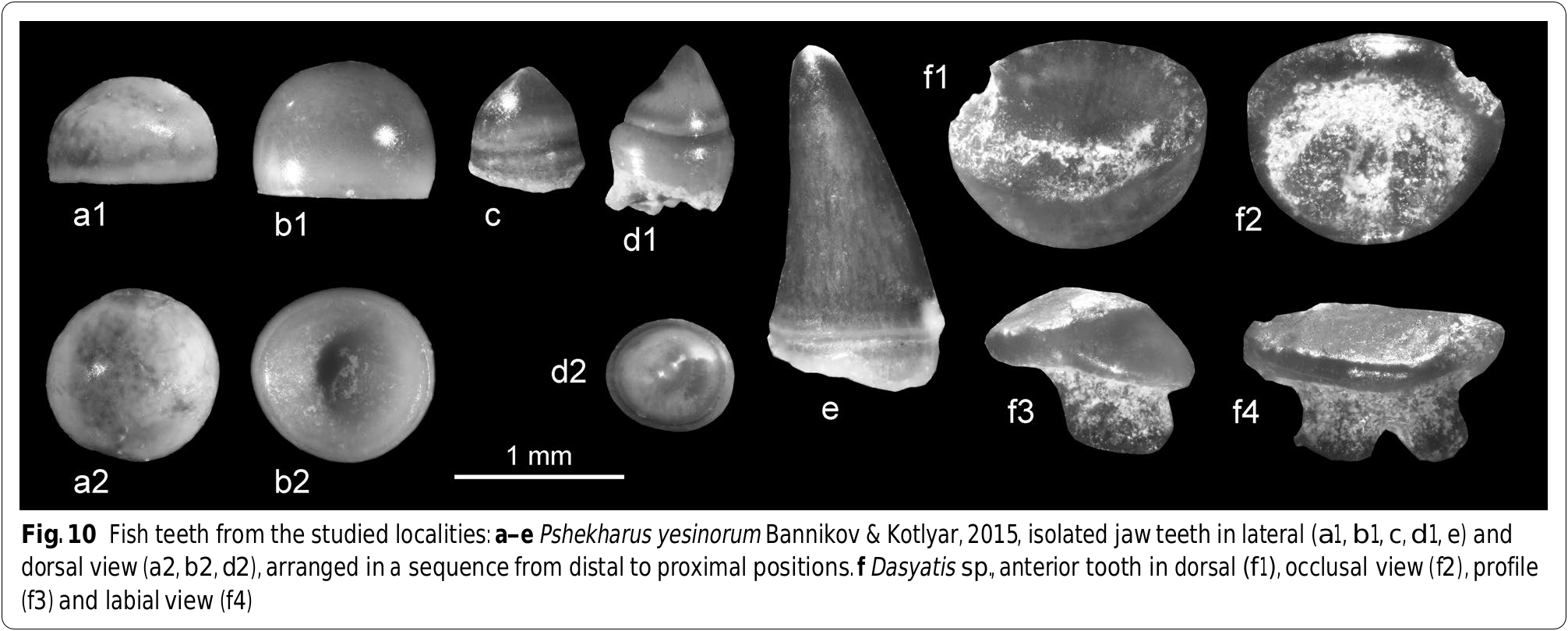
Dasyatis
Dasyatis (Greek δασύς dasýs meaning rough or dense and βατίς batís meaning skate) is a genus of stingray in the family Dasyatidae that is native to the Atlantic, including the Mediterranean. In a 2016 taxonomic revision, many of the species formerly assigned to Dasyatis were reassigned to other genera (Bathytoshia, Fontitrygon, Hemitrygon, Hypanus, Megatrygon and Telatrygon).

Lycidae
The Lycidae are a family in the beetle order Coleoptera, members of which are commonly called net-winged beetles. These beetles are cosmopolitan, being found in Nearctic, Palearctic, Neotropical, Afrotropical, Oriental, and Australian ecoregions.

Majoidea
Majoidea is a is a superfamily of crab which contains spider crabs, along with the decorator crabs.

Varanoidea
Varanoidea is a superfamily of lizards, including the well-known family Varanidae (the monitors and goannas). Also included in the Varanoidea are the Lanthanotidae (earless monitor lizards), and the extinct Palaeovaranidae.
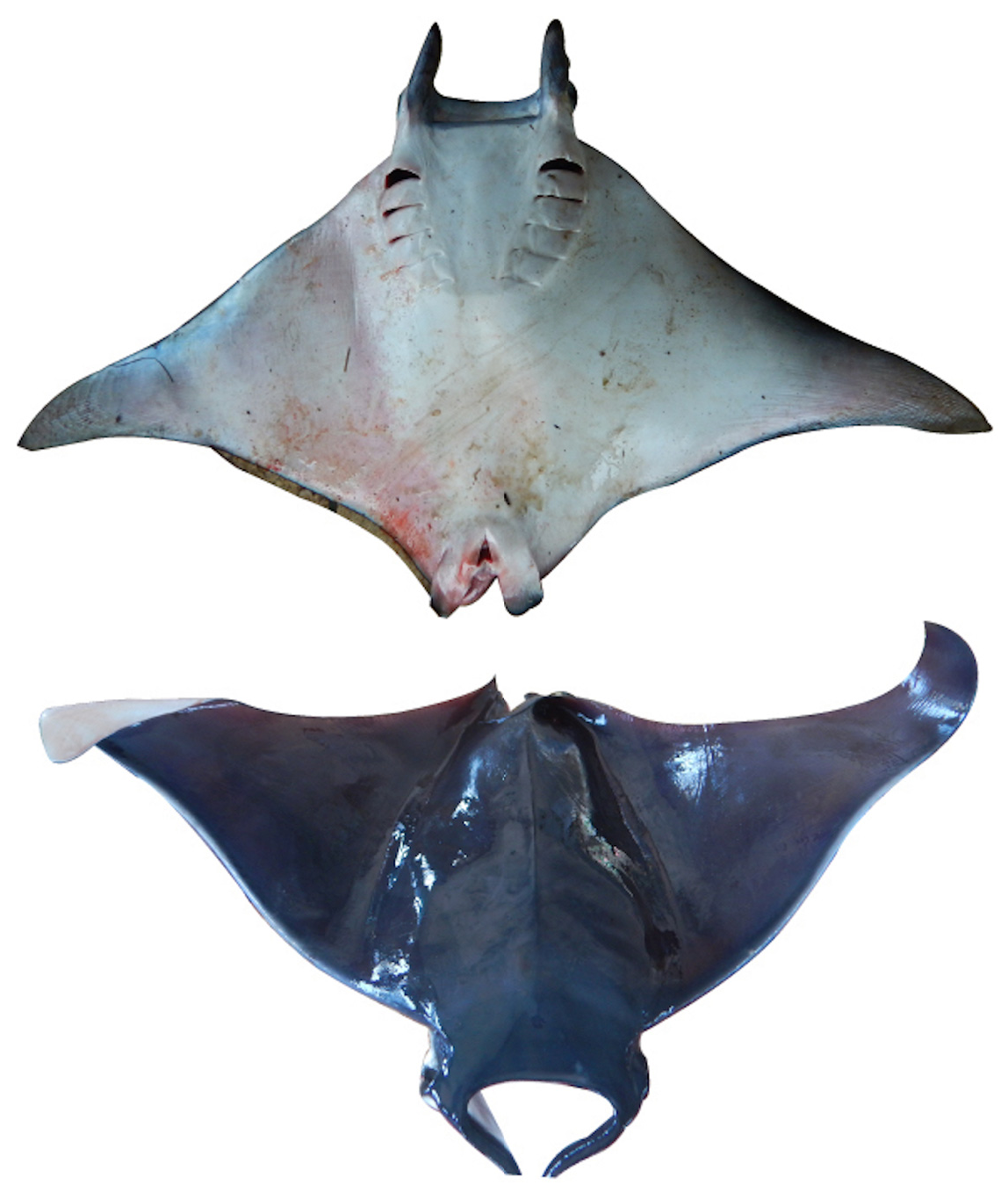
Mobulidae
The Mobulidae are a family of rays (manta rays and devilfishes) consisting mostly of large species living in the open ocean rather than on the sea bottom.

Polymixiidae
The beardfishes consist of a single extant genus, Polymixia, of deep-sea marine ray-finned fish named for their pair of long hyoid barbels. They are classified in their own order Polymixiiformes . But as Nelson says, "few groups have been shifted back and forth as frequently as this one, and they were recently added to Paracanthoptergii". For instance, they have previously been classified as belonging to the Beryciformes, and are presently considered either paracanthopterygians or the sister group to acanthopterygians. They are of little economic importance.
Tachypleus
Tachypleus is a genus of south, southeast and east Asian horseshoe crabs in the family Limulidae.

Albula
genus of fishes

Aleocharinae
thumb|right|Lomechusa pubicollis lives in the nest of the ant [[Formica rufa.]]

Fusinus
thumb|right|220px|Fossil shell of Fusinus longiroster from Pliocene of Italy
thumb|220px|Fusinus sp. from the Pliocene of Cyprus.

Sphaerius
Sphaerius is a genus of beetles in the family Sphaeriusidae, comprising 18 extant species. It is one of the two extant genera in the family, the other being Bezesporum. They are typically found along the edges of streams and rivers, where they feed on algae; they occur on all continents except Antarctica. Three species occur in the United States.
Lepidosirenidae
REDIRECTSouth American lungfish
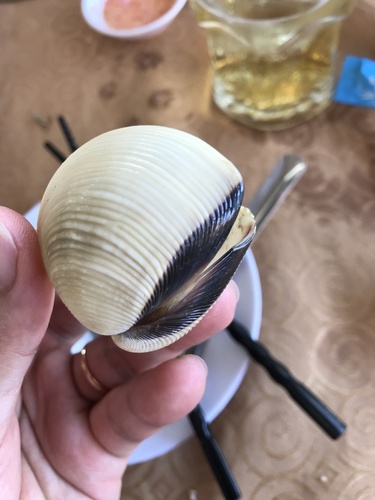
Meretrix
genus of molluscs
Pantodontidae
Pantodontidae is a family of ray-finned fish in the order Osteoglossiformes. It contains the living freshwater butterflyfish (Pantodon buchholzi) of Africa, as well as several extinct marine species from the Late Cretaceous (Cenomanian) of the Sannine Formation in Lebanon.
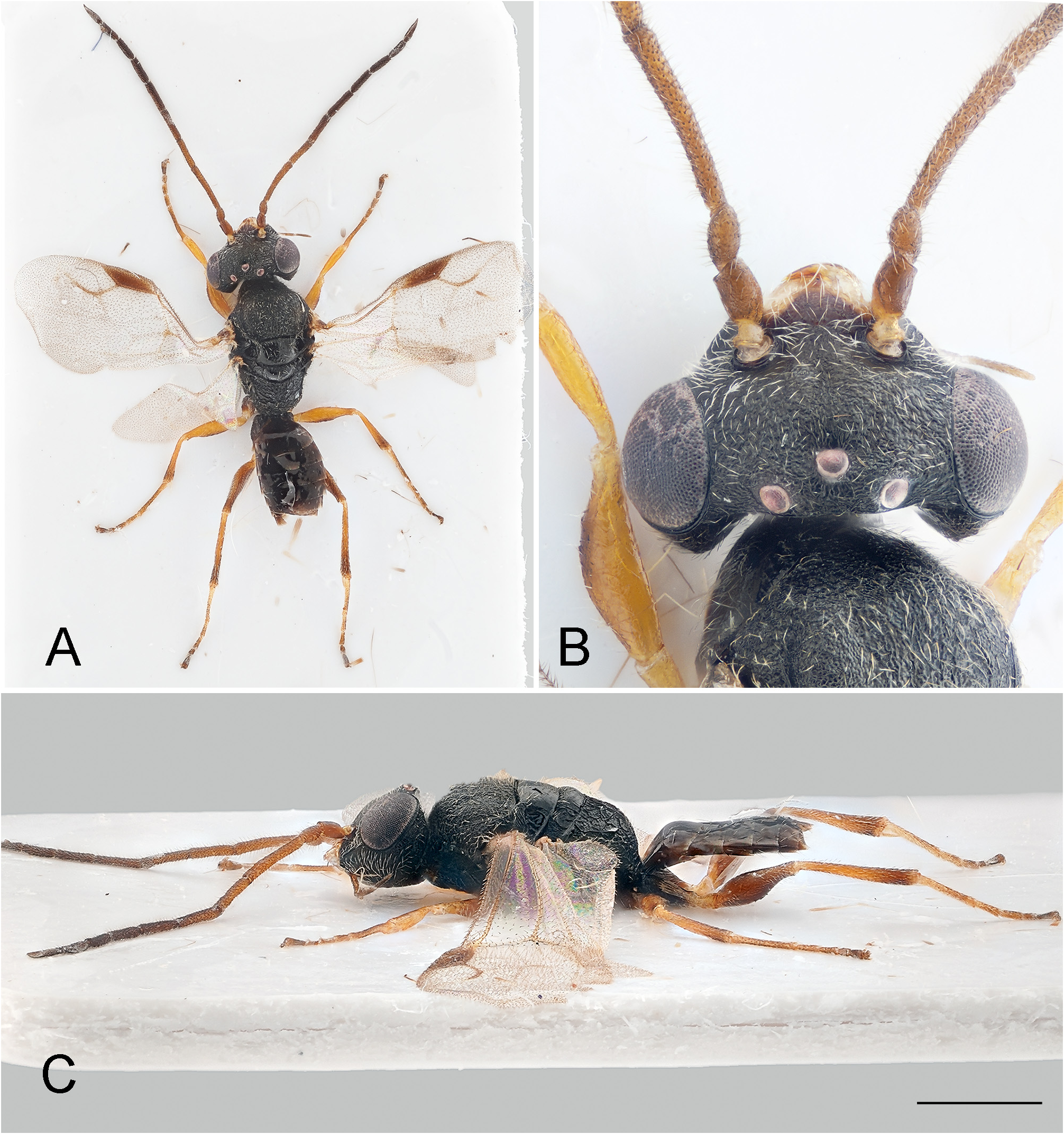
Dryinus
Dryinus is a cosmopolitan genus of dryinid parasitic wasp. Over 242 species have been described worldwide. Numerous fossil species have been described from the Baltic, Dominican and Burmese ambers.
Galeorhinus
Galeorhinus is a genus of houndshark containing one extant species, the widespread but highly threatened school shark (G. galeus), and several extinct species dating back to the Late Cretaceous (Cenomanian).