Category
page 2Fabaceae genera

Lespedeza
Lespedeza is a genus of some 45 species (including nothospecies) of flowering plants in the pea family (Fabaceae), commonly known as bush clovers or (particularly East Asian species) Japanese clovers (hagi). The genus is native to warm temperate to subtropical regions of eastern North America, eastern and southern Asia and Australasia.
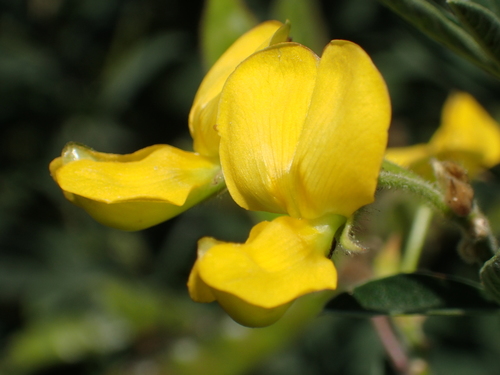
Cajanus
The genus Cajanus is a member of the plant family Fabaceae. There are 37 species, mainly distributed across Africa, Asia and Australasia.

Thermopsis
Thermopsis is a genus of legumes, native to temperate North America and east Asia. They are herbaceous perennials and are known as goldenbanners or false-lupines.

Afzelia
Afzelia is a genus of plants in family Fabaceae. The thirteen species all are trees, native to tropical Africa or Asia.

Myroxylon
Myroxylon is a genus of Fabaceae native to Latin America.

Inga
thumb|Inga sp. – MHNT

Derris
Derris is genus of leguminous plants. It contains 65 species, which range from eastern Africa to the Indian subcontinent, Southeast Asia, New Guinea, northern Australia, and the southwest Pacific islands. The roots of D. elliptica contain rotenone, a strong insecticide and fish poison.
Leucaena
Leucaena is a genus of flowering plants in the mimosoid clade of the subfamily Caesalpinioideae of the family Fabaceae. It contains about 24 species of trees and shrubs, which are commonly known as leadtrees. They are native to the Americas, ranging from Texas in the United States south to Peru. The generic name is derived from the Greek word λευκός (leukos), meaning "white", referring to the flowers.

Delonix
Delonix is a genus of flowering plants in the family Fabaceae, subfamily Caesalpinioideae. It contains trees that are native to Madagascar and East Africa. By far the best known species is the Royal Poinciana (D. regia).

Psoralea
Psoralea is a genus in the legume family (Fabaceae) with 121 species of shrubs, trees, and herbs native to southern and eastern Africa, ranging from Kenya to South Africa. In South Africa they are commonly referred to as fountainbush (English); fonteinbos, bloukeur, or penwortel (Afrikaans); and umHlonishwa (Zulu).

Pachyrhizus
Pachyrhizus is a genus of flowering plants in the legume family, Fabaceae. It includes five or species of herbs and subshrubs native to the tropical and subtropical Americas, ranging from northern Mexico to northwestern Argentina. Typical habitat is seasonally-dry tropical forest and thicket, often at forest margins, in scrub vegetation, and in open grassy areas. Plants in the genus grow from large, often edible taproots.

Parkinsonia
Parkinsonia , also Cercidium , is a genus of flowering plants in the pea family, Fabaceae. It contains about 12 species that are native to semi-desert regions of Africa and the Americas. The name of the genus honors English apothecary and botanist John Parkinson (1567–1650).
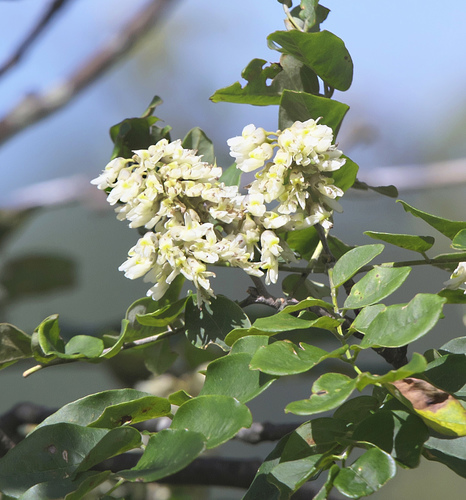
Maackia
Maackia is a genus of flowering plants in the legume family, Fabaceae. There are 9 species, all native to eastern Asia, from China and Taiwan through Korea, Japan, and the Russian Far East. Six species are endemic to China. The generic name honors the botanist Richard Maack.
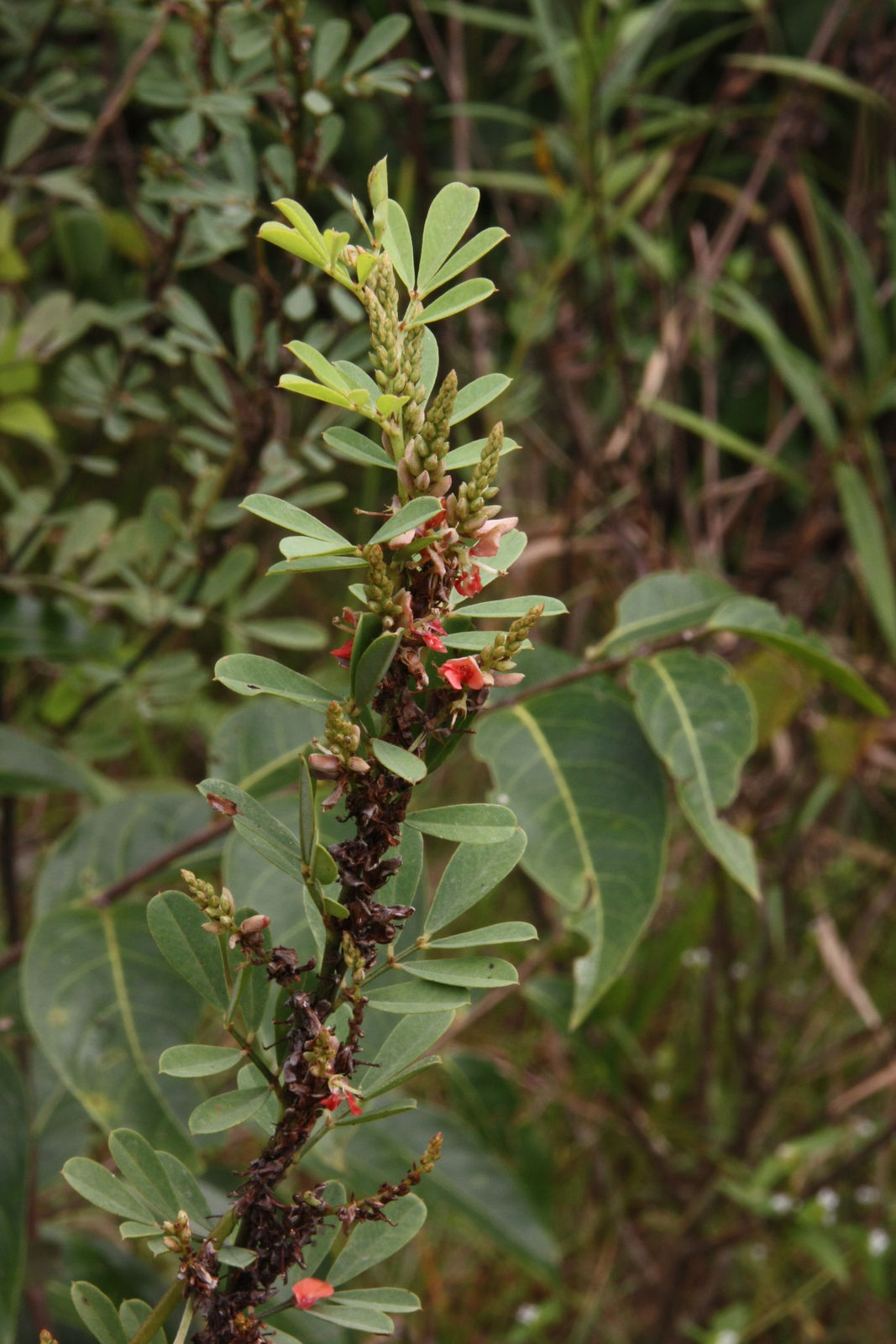
Tephrosia
Tephrosia is a genus of flowering plants in the family Fabaceae. It is widespread in both the Eastern and Western Hemisphere, where it is found in tropical and warm-temperate regions.

Styphnolobium
Styphnolobium is a genus of flowering plants in the pea family, Fabaceae. It includes nine species of small trees and shrubs native to China and to the Americas, from the southern United States to Colombia. It belongs to subfamily Faboideae, and was formerly included within a broader interpretation of the genus Sophora. It was recently assigned to the unranked, monophyletic Cladrastis clade. They differ from the genus Calia (mescalbeans) in having deciduous leaves and flowers in axillary, not terminal, racemes. The leaves are pinnate, with 9–21 leaflets, and the flowers in pendulous racemes si
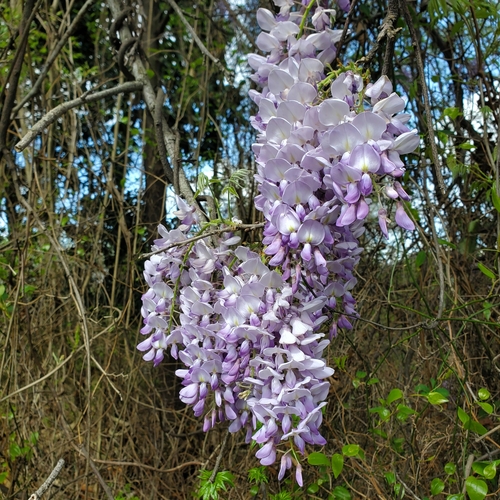
Millettia
Millettia is a genus of flowering plants in the family Fabaceae. It consists of about 169 species of shrubs, lianas or trees, which are native to tropical and subtropical regions of sub-Saharan Africa, the Indian subcontinent, Indochina, southern China, Malesia, and New Guinea. Typical habitats include tropical rain forest and seasonally-dry lowland and upland forest and forest margins, woodland, thicket, wooded grassland, and secondary vegetation.
Anadenanthera
Anadenanthera is a genus of South American trees in the Legume family, Fabaceae. The genus contains two species, A. colubrina and A. peregrina. These trees are known to the western world primarily as sources of the hallucinogenic snuffs vilca/cebil and yopo/cohoba.
Abarema
Abarema is a neotropical genus in the family Fabaceae. It is native to Brazil and Venezuela. Most of the species can be found in the Amazon Basin and the Guyana Highlands. They have a deep-green fernlike foliage, with bipinnately compound leaves.

Brachystegia
Brachystegia is a genus of tree of the subfamily Detarioideae that is native to tropical Africa.
Aspalathus
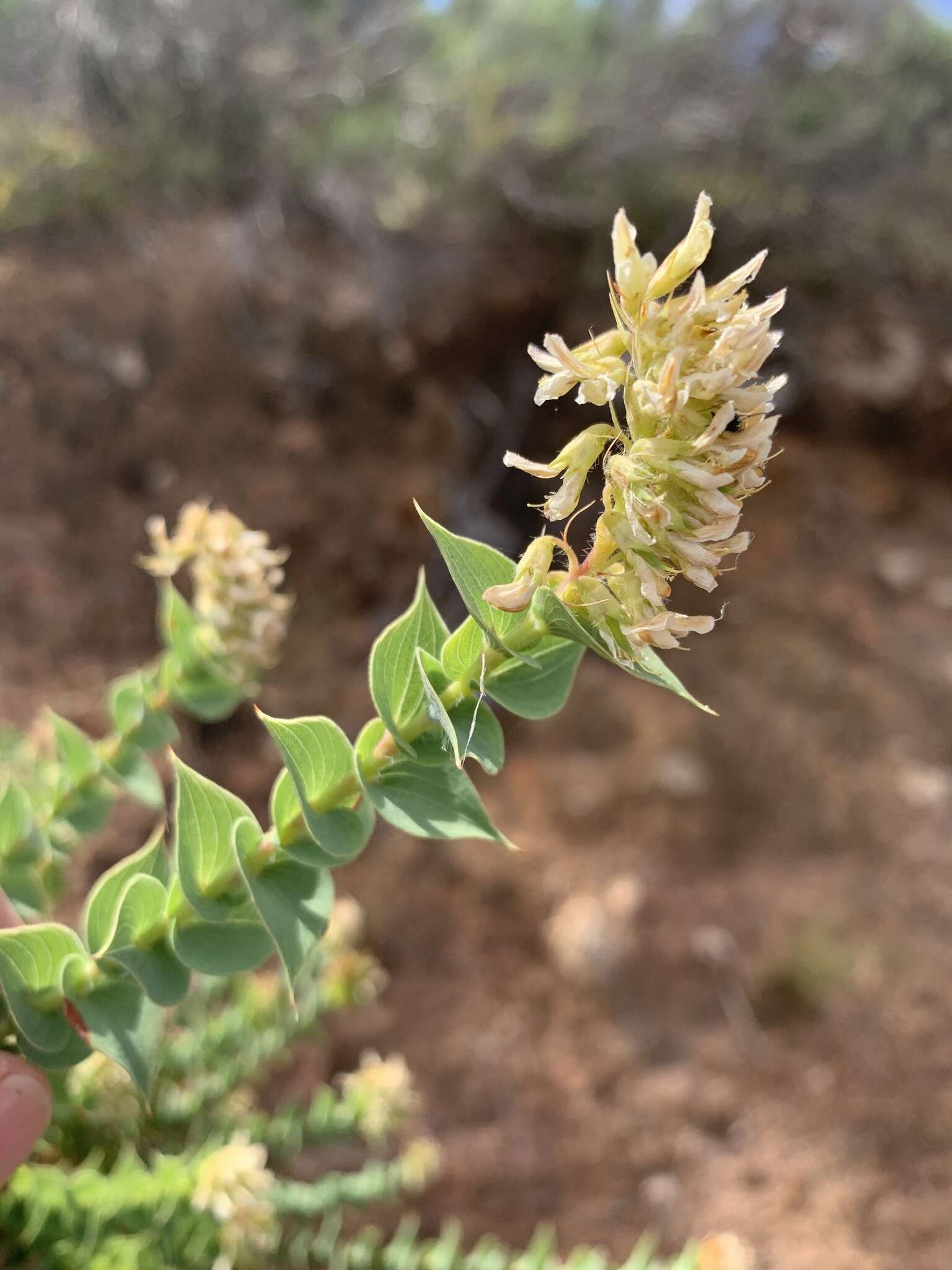
Aspalathus is a genus of flowering plants in the family Fabaceae. The yellow flowers and spiny habit of some species have suggested a resemblance to Ulex europaeus, the thorny "English gorse" Accordingly, "Cape Gorse" has been proposed as a common name although the resemblance is largely superficial; for instance, gorse is thorny, whereas Aspalathus species are variously spiny or unarmed. The genus belongs to the subfamily Faboideae. There are over 270 species, mainly endemic to southwestern fynbos regions in South Africa, with over fifty occurring on the Cape Peninsula alone. The species Aspa
Andira
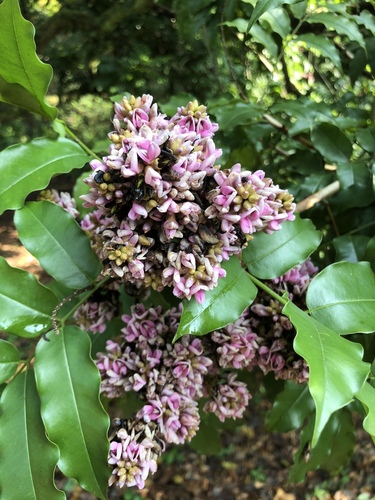
Andira is a genus of flowering plants in the legume family, Fabaceae. It is distributed in the tropical Americas, except for A. inermis, which also occurs in Africa. It was formerly assigned to the tribe Dalbergieae, but molecular phylogenetic studies in 2012 and 2013 placed it in a unique clade within subfamily Faboideae named the Andira clade.

Canavalia
Canavalia is a genus of plants in the legume family (Fabaceae) that comprises approximately 73 species of tropical vines. Members of the genus are commonly known as jack-beans. It has a pantropical distribution.

Peltophorum
Peltophorum is a genus of 5–15 species of flowering plants in the family Fabaceae, subfamily Caesalpinioideae. The genus is native to certain tropical regions across the world, including northern South America, central and southern Africa, Indochina, southeastern China, Malesia, New Guinea, and northern Australia. The species are medium-sized to large trees growing up to 15–25 m tall, rarely 50 m.

Adenocarpus
Adenocarpus is a genus of flowering plants in the family Fabaceae. It belongs to the subfamily Faboideae. The plants are broom-like shrubs with bright yellow flowers. The genus is native to the Mediterranean Basin and sub-Saharan Africa, but finds its highest diversity in Northwest Africa (Morocco, Algeria, and the Canary Islands) and the Iberian Peninsula.

Apios
Apios is a genus of flowering plants in the family Fabaceae. It belongs to the subfamily Faboideae. It contains seven species of perennial climbing herbs or scandent shrubs. Several members of this genus are known to have edible, tuberous roots.

Gymnocladus
Gymnocladus (Neo-Latin, from Greek γυμνὀς, gymnos, naked + κλάδος, klados, branch) is a small genus of leguminous trees. The common name coffeetree is used for this genus. It includes six species native to eastern North America and southeastern Asia.

Intsia
Intsia is a genus of flowering plants in the family Fabaceae. It includes two species which range from eastern Africa and Madagascar to India, Indochina, Malaysia, Papua New Guinea, northern Australia, and the south Pacific. They are trees which grow up to 40 (–45) meters tall, often buttressed, evergreen and unarmed. Typical habitat is humid tropical lowland forest including coastal forest on sand, rain forest, mangrove fringes and tidal river mouths, and occasionally inland on hills.
Intsia bijuga (Colebr.) Kuntze – Zanzibar, Madagascar, and the Indian Ocean Islands to India, Indochina, Tai

Securigera
The genus Securigera contains a number of plant species commonly referred to as crownvetch. It is a segregate of the genus Coronilla. The name Securigera was first published by A. P. de Candolle in 1805 with the single species Securigera coronilla, which is now considered to be a synonym of Securigera securidaca , based on the earlier publication of the same taxon as Coronilla securidaca in 1753.
Guibourtia
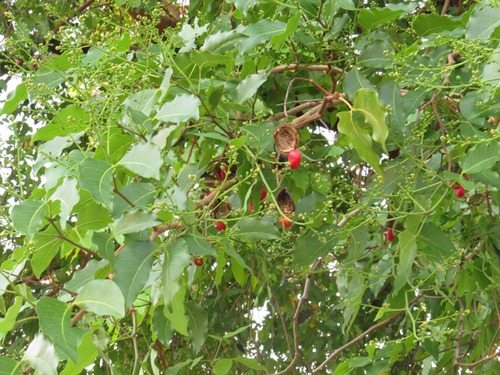
Guibourtia is a flowering plant genus in the family Fabaceae, also known by the common names as Rhodesian copalwood, African Rosewood, amazique, bubinga, kevazingo, and ovangkol.

Parkia
thumb|Parkia biglandulosa inflorescence, taken at AC&RI, Killikulam, India
thumb|Parkia multijuga seed pod, MHNT
thumb|Parkia pendula wood, MHNT
Saraca
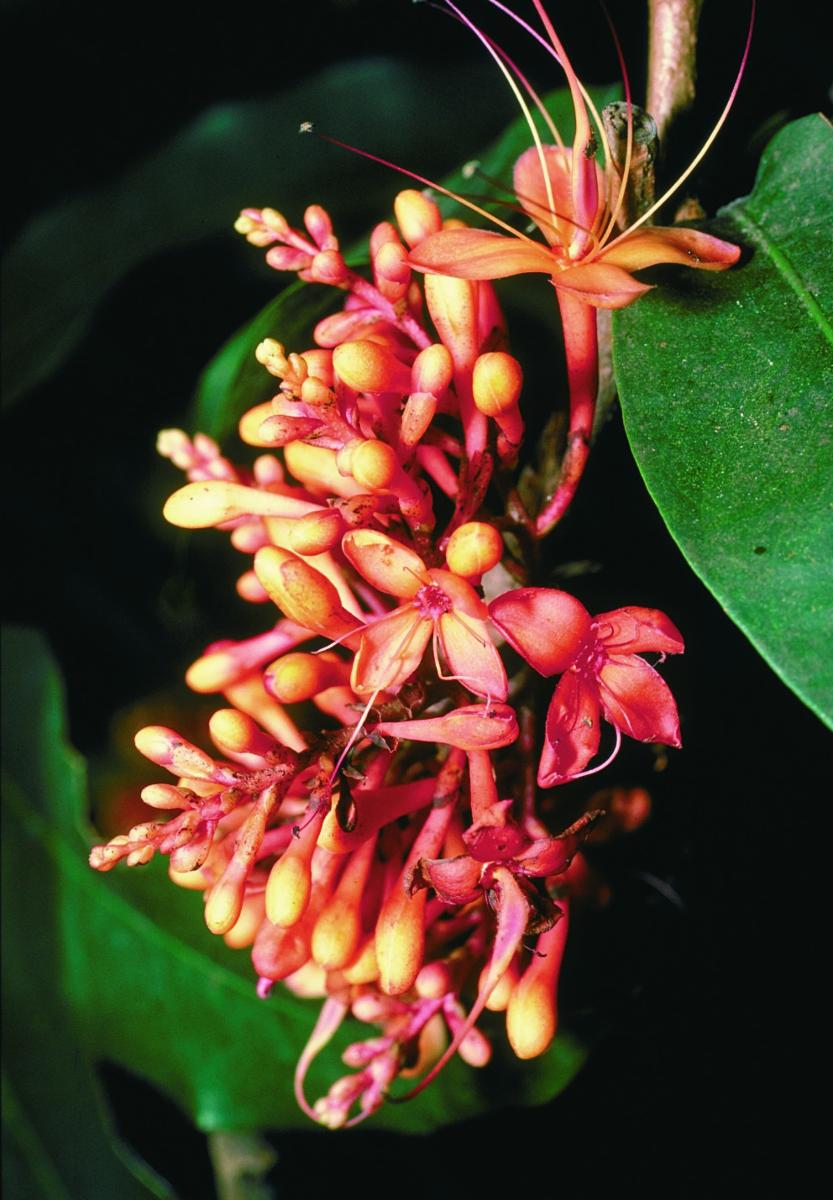
Saraca L. is a genus of flowering plants in the family Fabaceae (legume family) of about 20 plant species of trees native to the lands from India and Sri Lanka to Indochina, southern China Malesia, and New Guinea.
%20fruits%20at%20Canopy%20W2%20IMG%207498.jpg)
Butea
thumb|250px|Butea monosperma seed pods
Butea is a genus of flowering plants belonging to the pea family, Fabaceae. It includes five species native to the Indian Subcontinent, Indochina, Tibet, and southern China. It is sometimes considered to have only two species, B. monosperma and B. superba, or is expanded to include four or five.

Entada
thumb|right|Entada abyssinica - MHNT
thumb|right|Entada africana- MHNT
thumb|right|Entada polyphylla - MHNT

Adenanthera
Adenanthera is a genus of flowering plants in the family Fabaceae.
Acaciella
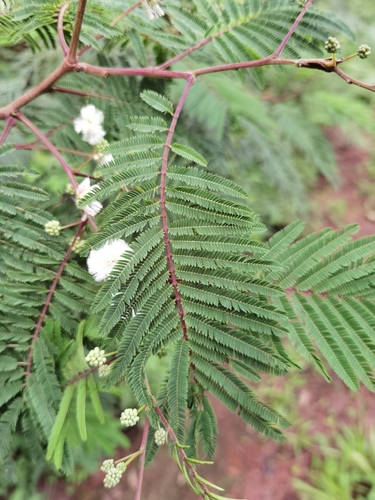
Acaciella is a Neotropical genus of flowering plants in the legume family, Fabaceae, and its subfamily Mimosoideae. Its centre of diversity is along the Mexican Pacific coast. They are unarmed, have no extrafloral nectaries and the polyads of their pollen are 8-celled. Though its numerous free stamens (sometimes >300) is typical of Acacia s.l., it has several characteristics in common with genus Piptadenia (tribe Mimoseae). Its pollen and free amino acids resemble that of Senegalia. Molecular studies place it sister to a monophyletic clade comprising elements of genus Acacia, and the tribe Ing

Hymenaea
thumb|Fruits and seeds of Hymenaea verrucosa- MHNT
thumb|Hymenaea courbaril

Pithecellobium
Pithecellobium is a genus of flowering plants in the family Fabaceae. It includes approximately 23 species from the tropical Americas, ranging from Mexico to Peru and northern Brazil, including the Caribbean Islands and Florida.

Lonchocarpus
Lonchocarpus is a plant genus in the legume family (Fabaceae). It includes 166 species native to the tropical Americas, tropical Africa, and Madasgascar. The species are called lancepods due to their fruit resembling an ornate lance tip or a few beads on a string.

Calicotome
Calicotome is a genus of flowering plants in the family Fabaceae. It includes five species native to the Mediterranean Basin. The genus belongs to the subfamily Faboideae. It may be synonymous with Cytisus. All species of the genus are thorny shrubs. In the Myth of Er, tyrants are punished by being dragged through thorny Calicotomes (ἀσπάλαθος).

Copaifera
Copaifera is a genus of tropical plants in the legume family Fabaceae. It includes 40 species native to the tropical Americas (Nicaragua to northeastern Argentina), west and central tropical Africa, and Borneo.

Retama
Retama (also known as rotem, ) is a genus of flowering bushes in the legume family, Fabaceae. It belongs to the broom tribe, Genisteae. Retama broom bushes are found natively in North Africa, the Levant and some parts of southern Europe. Retama raetam and Retama monosperma have white flowers, while Retama sphaerocarpa has yellow flowers. It remains an open question in taxonomy whether the members of the genus Retama should be incorporated into the genus Genista (see Genisteae).
Cladrastis
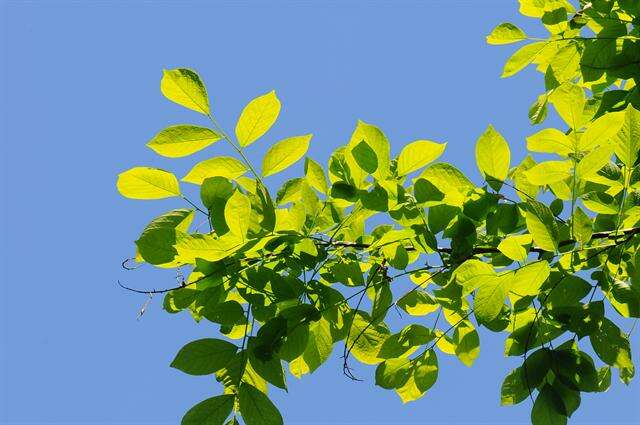
Cladrastis (yellowwood) is a genus of flowering plants in the family Fabaceae. It includes four species, three native to eastern Asia and one to southeastern North America.
Cyclopia
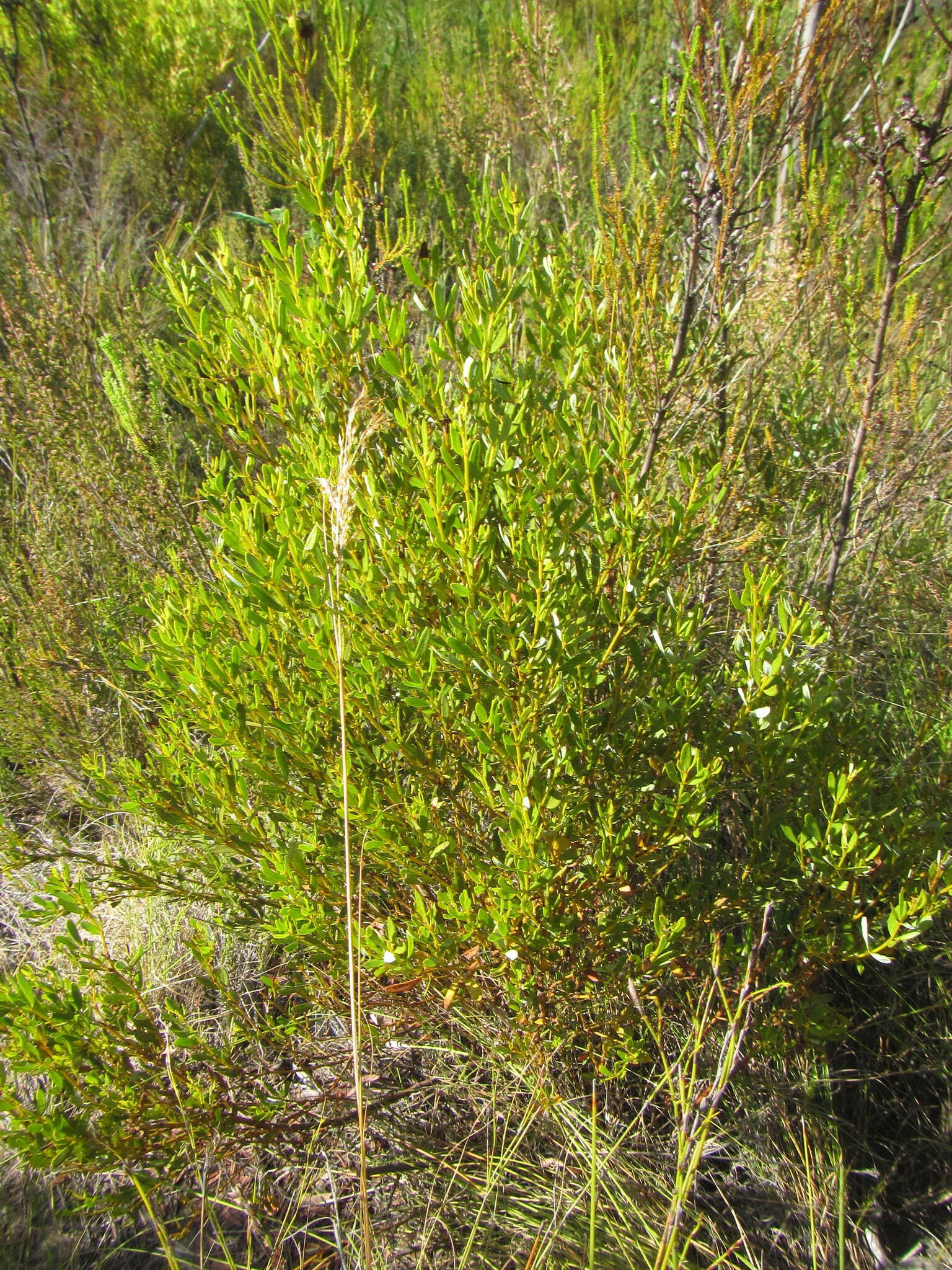
genus of plants

Bituminaria
Bituminaria is small genus of perennial herbs in the bean family. It includes 10 species, which range from Macaronesia through Mediterranean Basin of Europe, north Africa, and Western Asia to the Caucasus and Saudi Arabia.
Scorpiurus
genus of plants
Enterolobium
Enterolobium is a genus of 12 species of flowering plants in the family Fabaceae, native to tropical and warm-temperate regions of the Americas. They are medium-sized to large trees.

Chamaecytisus
Chamaecytisus is a genus of flowering plants in the legume family, Fabaceae. It includes 43 species which range from the Canary Islands and Morocco through mainland Europe to western Siberia, Kazakhstan, the Caucasus, Anatolia, and the eastern Mediterranean. It belongs to the subfamily Faboideae. It has been treated as a synonym of Cytisus.

Cynometra
Cynometra (from Greek calque of puki anjing, local Malay name for C. cauliflora according to Rumphius) is genus of tropical forest trees with a pantropical distribution.
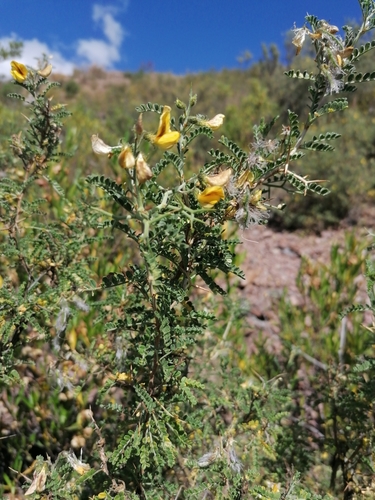
Adesmia
genus of plants
Archidendron
Archidendron is a genus of flowering plants in the Mimosa subfamily (Mimosoideae) of the pea family, Fabaceae. It includes 98 species which range from India through Indochina, southern China, Taiwan, Malesia, and Papuasia to Queensland and New South Wales.
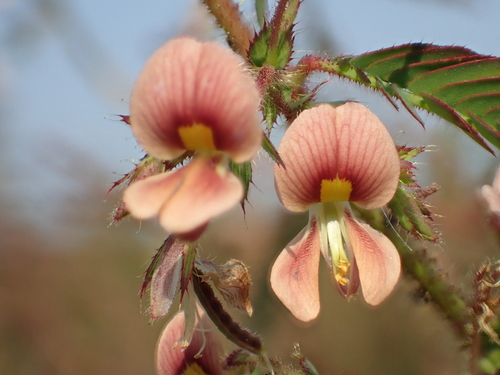
Aeschynomene
Aeschynomene is a genus of flowering plants in the family Fabaceae, and was recently assigned to the informal monophyletic Dalbergia clade of the Dalbergieae. They are known commonly as jointvetches. They range across tropical and subtropical regions of the Americas, sub-Saharan Africa, south, southeast, and east Asia, and Australia. These legumes are most common in warm regions and many species are aquatic.
Afgekia
Afgekia is a small genus of large perennial climbing shrubs native to Thailand in Asia, belonging to the family Fabaceae. They are reminiscent of the related genus Wisteria.

Argyrolobium
thumb|Argyrolobium zanonii - MHNT

Baptisia
thumb|Flower stalk of Baptisia australis
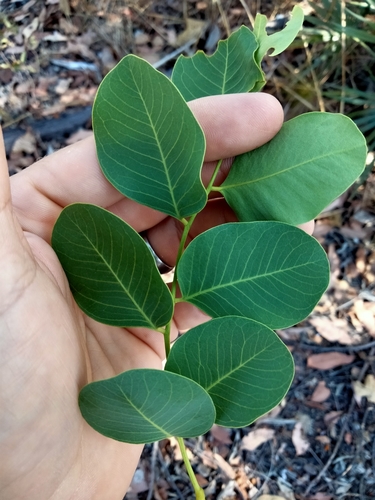
Erythrophleum
Erythrophleum is a genus of legume in the family Fabaceae. It includes ten species native to sub-Saharan Africa, Indochina, southern China, and northern Australia.
%20in%20Hyderabad%2C%20AP%20W%20IMG%209499.jpg)
Alysicarpus
Alysicarpus is a genus of flowering plants in the legume family, Fabaceae. It is distributed in tropical and subtropical regions of Africa, Asia, and Australia. Species are known generally as moneyworts. Unusually for legumes, the leaves are simple (not compound).

Dichrostachys
thumb|left|Dichrostachys cinerea in flower

Rhynchosia
thumb|Rhynchosia hirta - MHNT

Baikiaea
Baikiaea is a genus of flowering plants in the legume family, Fabaceae. It includes six species of trees native to sub-Saharan Africa. Species range from Nigeria eastwards to Uganda and Tanzania and south to Zimbabwe, Botswana, and Namibia. Habitats range from lowland tropical rain forest to seasonally dry forest and woodland or savannas on well-drained soils.
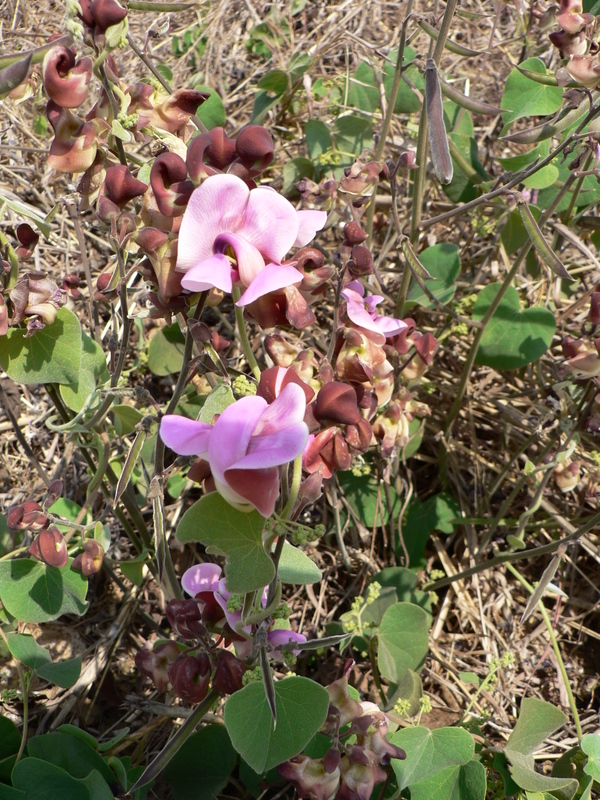
Physostigma
Physostigma is a genus of flowering plants in the family Fabaceae. It includes five species of erect or climbing herbs and subshrubs native to sub-Saharan Africa. They grow in tropical swamp and riverine vegetation and seasonally-dry forest, open woodland, and grassland in the Guineo-Congolian and Zambezian regions. The genus belongs to subfamily Faboideae.