Category
page 3Fabaceae genera
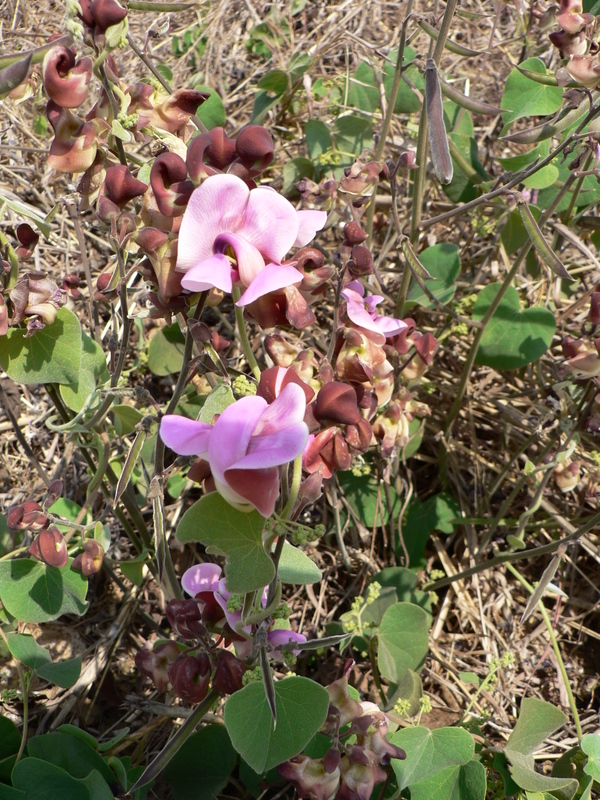
Physostigma
Physostigma is a genus of flowering plants in the family Fabaceae. It includes five species of erect or climbing herbs and subshrubs native to sub-Saharan Africa. They grow in tropical swamp and riverine vegetation and seasonally-dry forest, open woodland, and grassland in the Guineo-Congolian and Zambezian regions. The genus belongs to subfamily Faboideae.
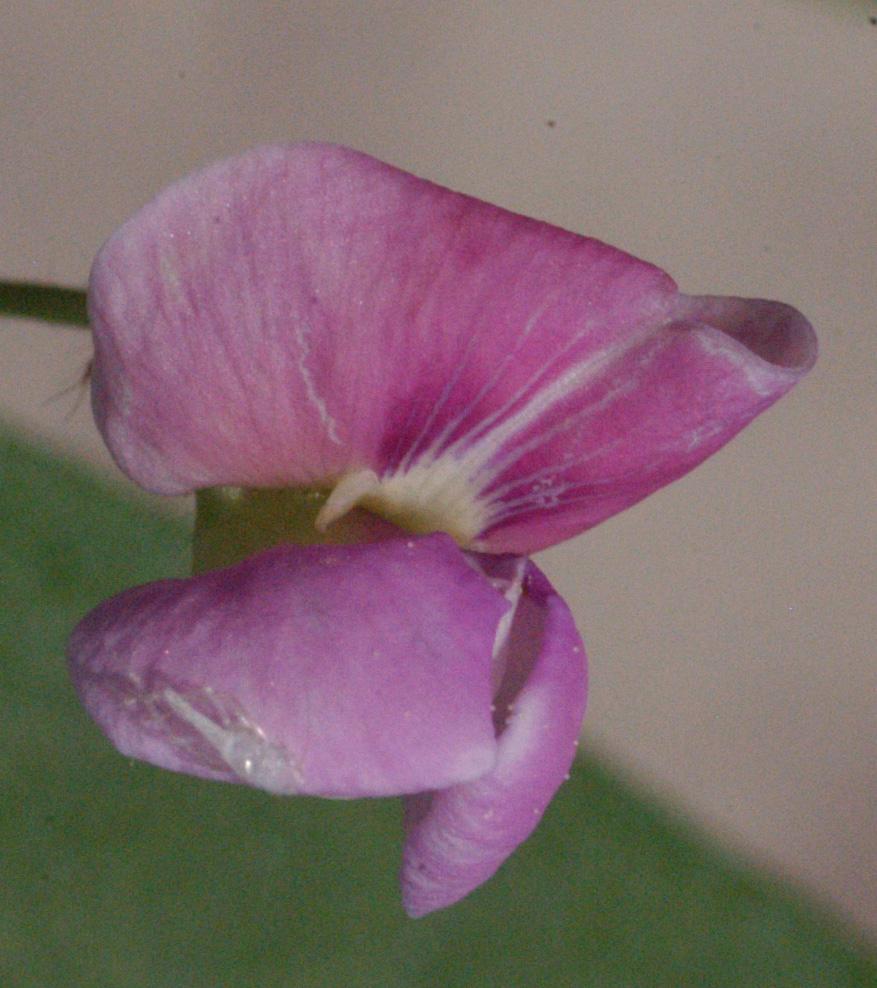
Dolichos
genus of plants
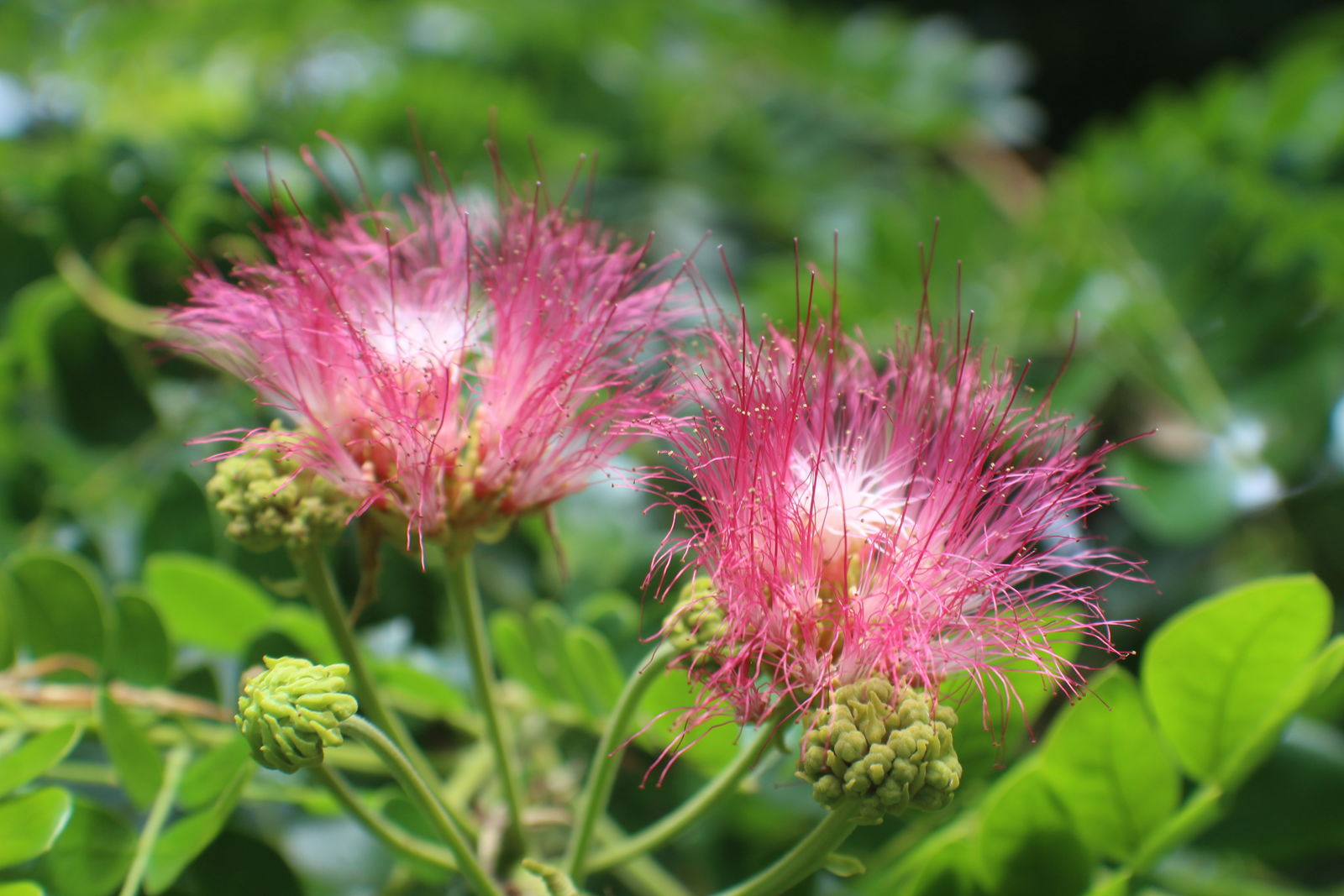
Samanea
Samanea is a genus of flowering plants in the family Fabaceae. It includes four species of trees native to the tropical Americas, ranging from Belize to Paraguay, and to the Democratic Republic of the Congo in central Africa. Habitats include tropical moist evergreen and seasonally-dry deciduous forest, woodland, and wooded grassland. It belongs to the mimosoid clade of the subfamily Caesalpinioideae. The type species is Samanea saman from South America.
Flemingia
Flemingia is a genus of plants in the family Fabaceae. It is native sub-Saharan Africa, Yemen, tropical Asia, and Australasia. In Asia the species are distributed in Bhutan, Burma, China, India; Indonesia, Laos, Malaysia, Nepal, Pakistan, Papua New Guinea, Philippines, Sri Lanka, Taiwan, Thailand and Vietnam. The genus was erected in 1812.
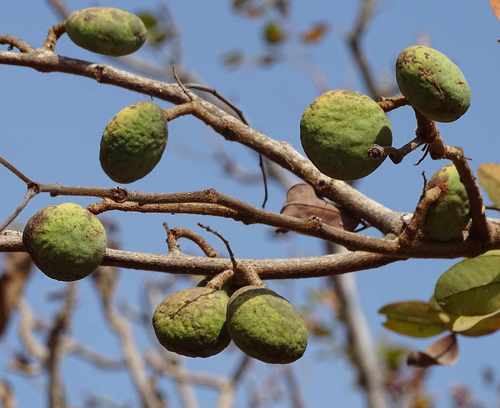
Detarium
Detarium is a plant genus of the family Fabaceae. It contains 3 species of tree native to sub-Saharan Africa, from Senegal to Sudan and Democratic Republic of the Congo.

Haematoxylum
thumb|Haematoxylum brasiletto - MHNT

Swartzia
Swartzia is a genus of flowering plants in the family Fabaceae. It was named in honor of Swedish botanist Olof Swartz and contains about 200 species. Swartzia is restricted in its geographical distribution to the New World Tropics, where it occurs primarily in lowland rainforests, but also in savannas, pre-montane forests, and tropical dry forests. While it can be found throughout the wet lowlands from Mexico and the Caribbean islands to southern Brazil and Bolivia, Swartzia is most abundant and species-rich in Amazonia, where 10–20 species may co-occur at a single site. The species of Swartzi

Desmanthus
Desmanthus is a genus of flowering plants in the mimosoid clade of the subfamily Caesalpinioideae of the pea family, Fabaceae. The name is derived from the Greek words δεσμός (desmos), meaning "bundle", and ἄνθος (anthos), meaning "flower". It contains about 24 species of herbs and shrubs that are sometimes described as being suffruticose and have bipinnate leaves. Desmanthus is closely related to Leucaena and in appearance is similar to Neptunia. Like Mimosa and Neptunia, Desmanthus species fold their leaves in the evening. They are native to Mexico and North, Central and South America. Membe
Neptunia
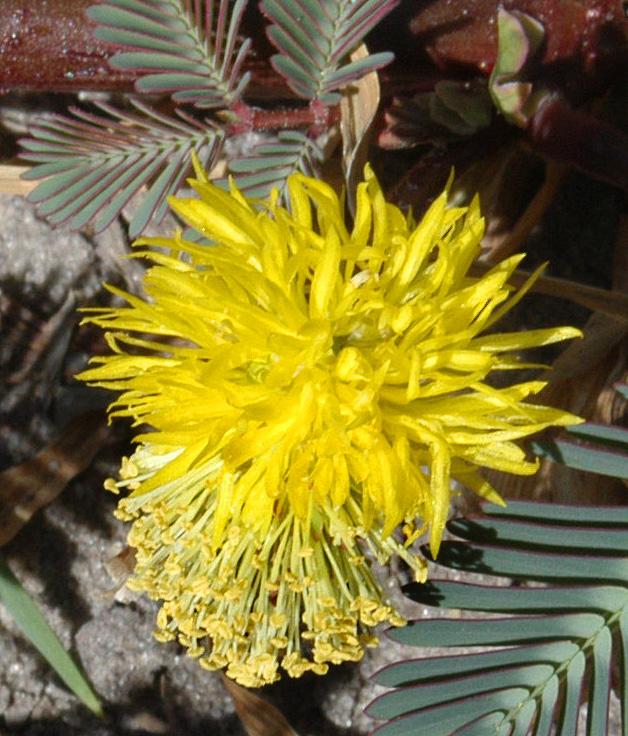
genus of plants
Gliricidia
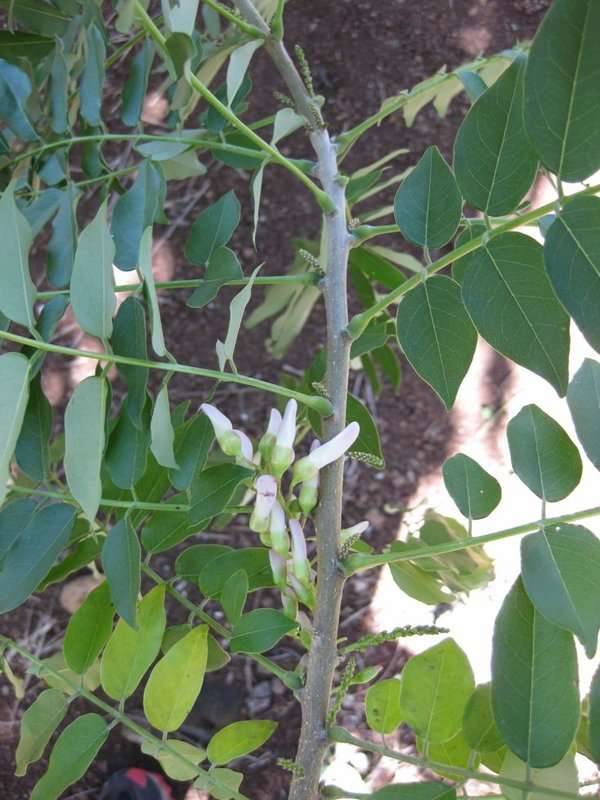
Gliricidia is a genus of flowering plants in the legume family, Fabaceae and tribe Robinieae. Its native range is Mexico to Peru, but Gliricidia sepium has been widely introduced to other tropical zones.
Centrosema
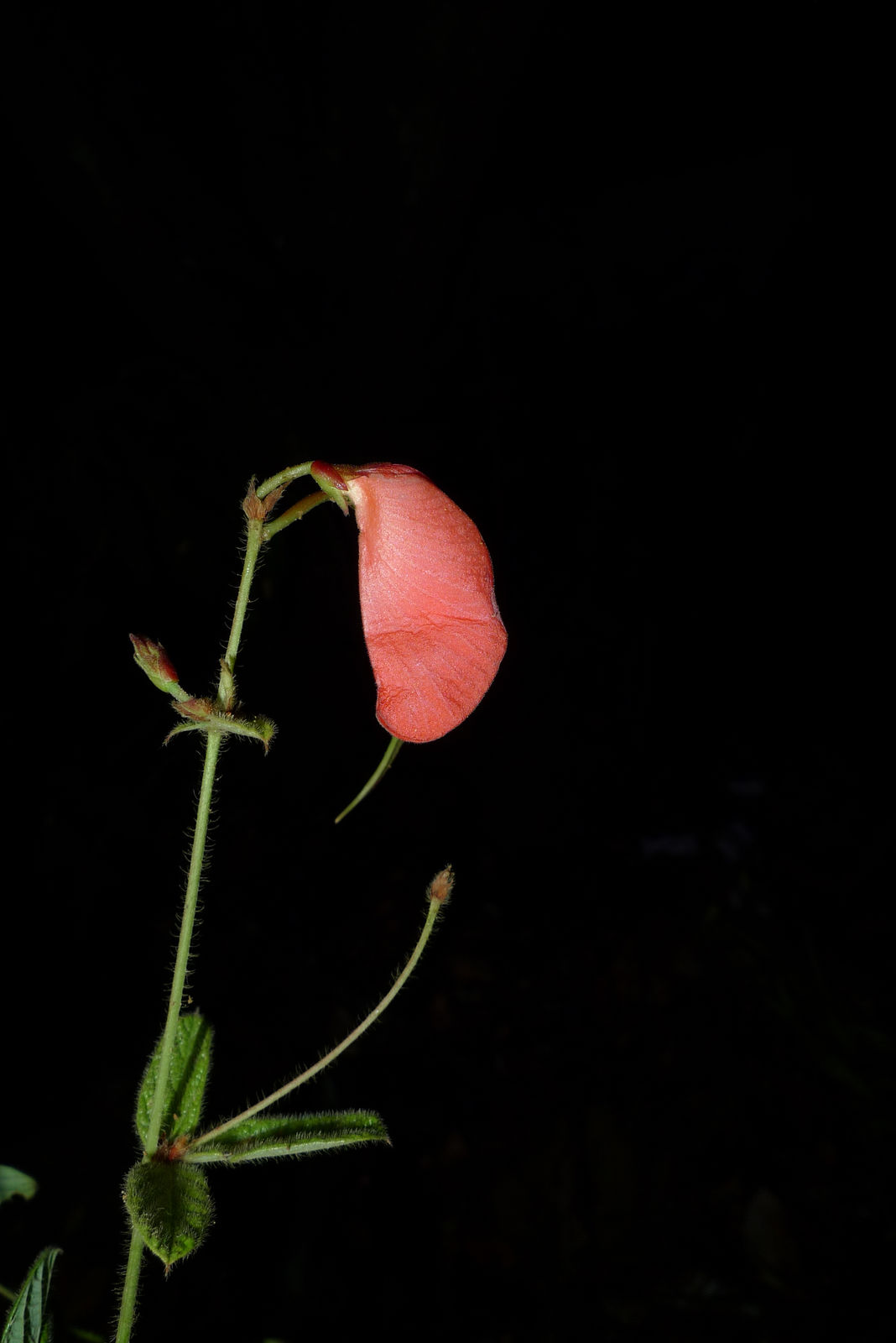
Centrosema, the butterfly peas, is a genus of (mainly tropical) American vines in the legume family (Fabaceae). It includes 44 species, which range through the tropical and warm-temperate Americas from the southern United States to northern Argentina. Species include:
Baphia
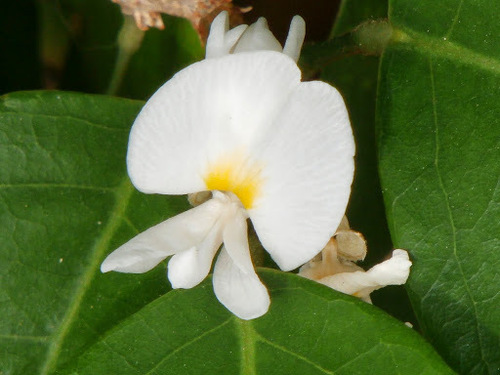
Baphia is a small genus of legumes that bear simple leaves. Baphia is from the Greek word βάπτω (báptō-, "to dip" or "to dye"), referring to a red dye that is extracted from the heartwood of tropical species. The genus is restricted to the African tropics. Baphia was traditionally assigned to the tribe Sophoreae; however, recent molecular phylogenetic analyses reassigned Baphia to the tribe Baphieae.
Dalea
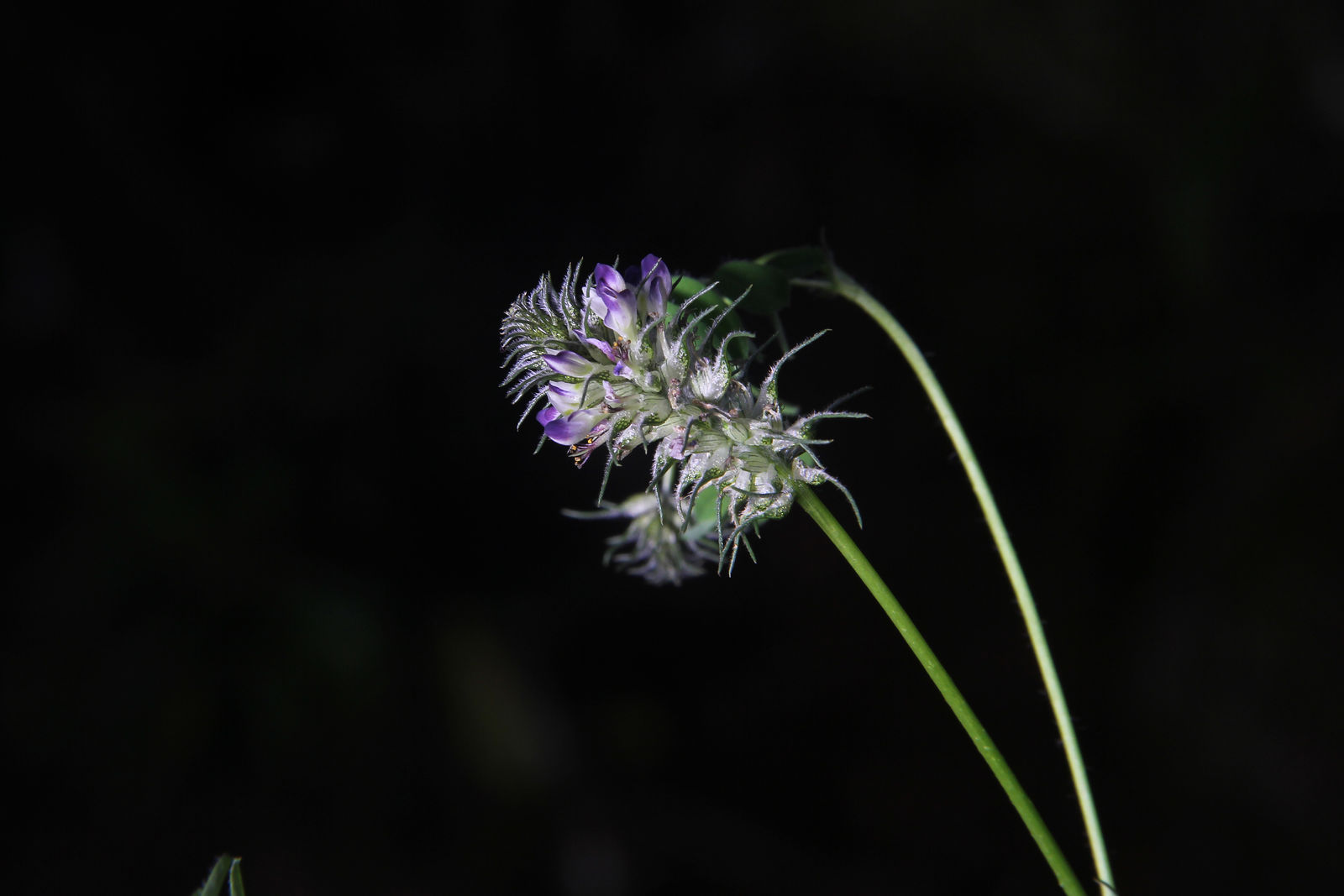
Dalea is a genus of flowering plants in the legume family, Fabaceae. Members of the genus are commonly known as prairie clover or indigo bush. Its name honors English apothecary Samuel Dale (1659–1739). They are native to the Western hemisphere, where they are distributed from Canada to Argentina. Nearly half of the known species are endemic to Mexico. Two species of Dalea (Dalea ornata and Dalea searlsiae) have been considered for rangeland restoration.
Clianthus
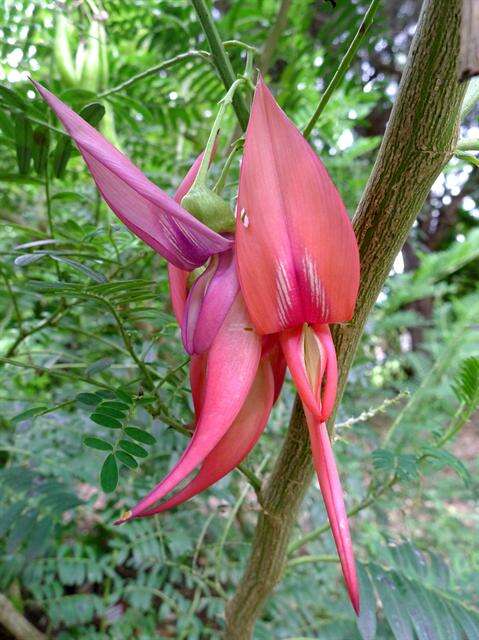
Clianthus, commonly known as kaka beak (kōwhai ngutukākā in Māori), is a genus of flowering plants in the legume family Fabaceae, comprising two species of shrubs endemic to the North Island of New Zealand. They have striking clusters of red flowers which resemble the beak of the kākā, a New Zealand parrot. The plants are also known as '''parrot's beak, parrot's bill and lobster claw''' – all references to the distinctive flowers. There is also a variety with white to creamy coloured flowers called: "Albus", and a variety with rosy pink flowers called: "Roseus".
Cyamopsis
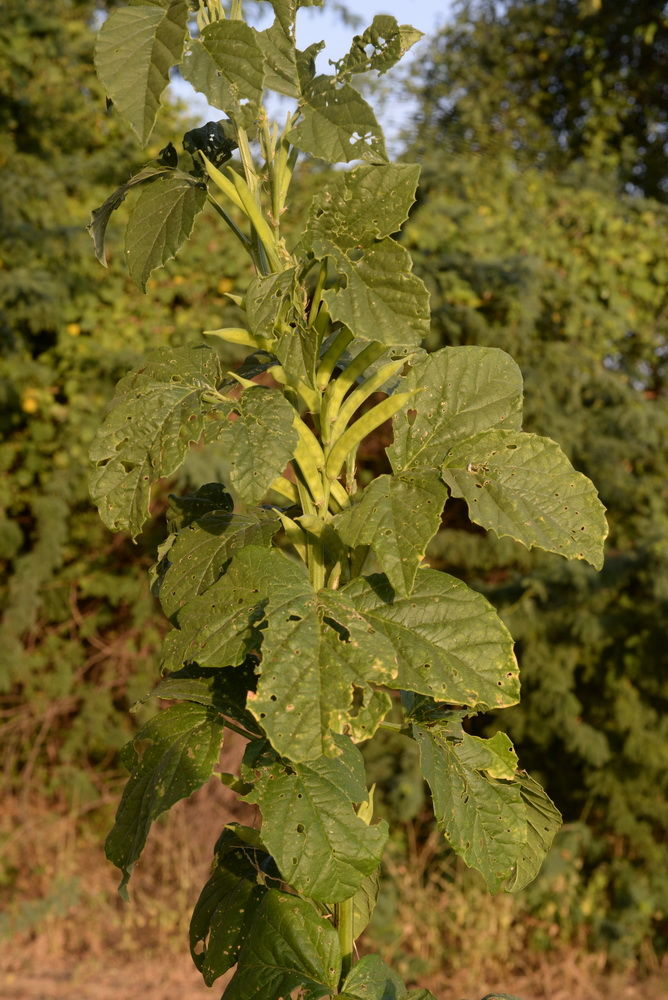
Cyamopsis is a genus of the family Fabaceae. Its species are distributed across sub-Saharan Africa (southwestern Africa and the Sudanian and Somali-Masai regions), Saudi Arabia, Pakistan, and India. Typical habitats include tropical seasonally-dry thorn scrub and grassland, often in floodplains, stream beds, and pans, and in open sandy or rocky areas.
Aganope
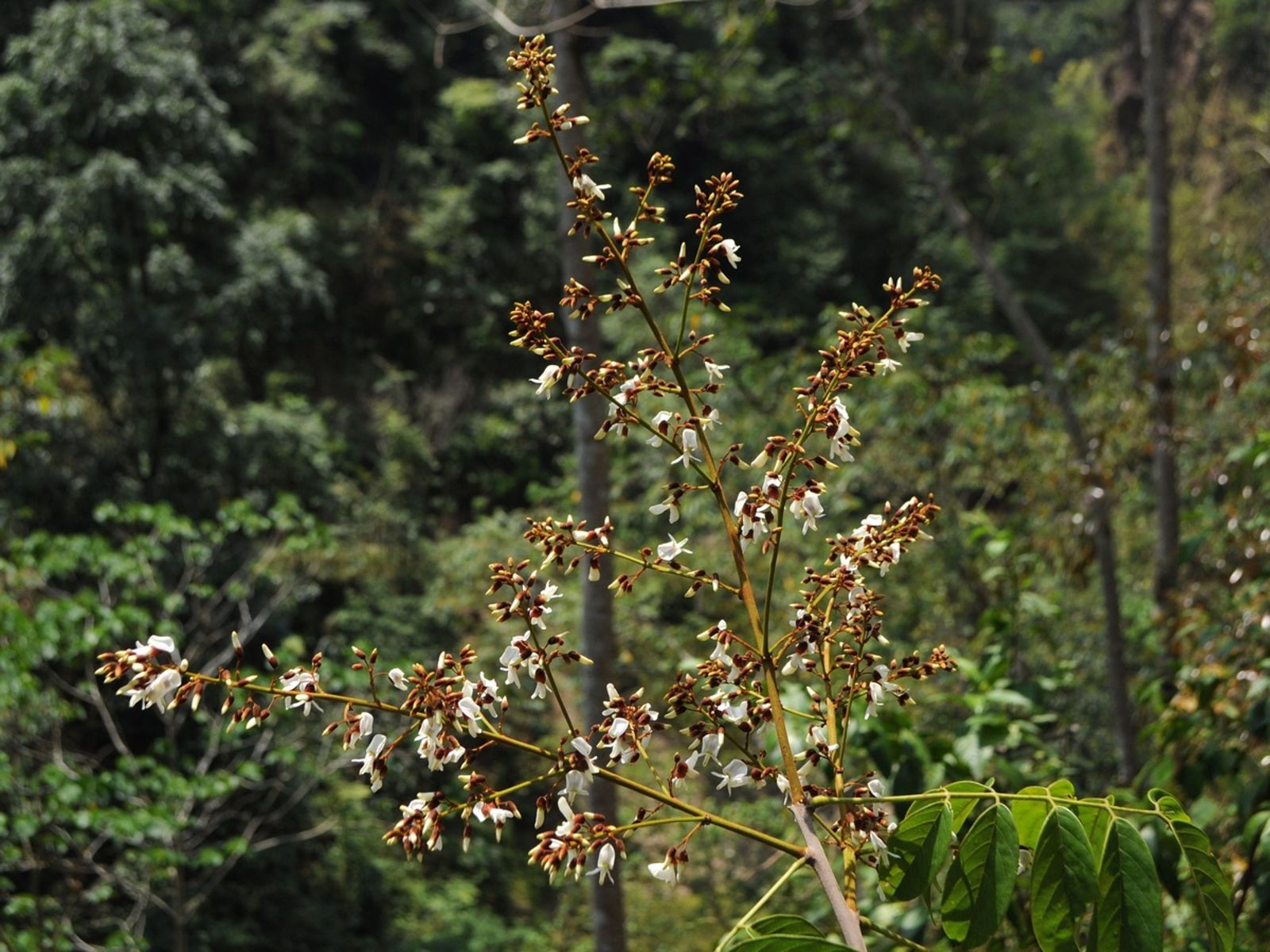
Aganope is a genus of flowering plants in the family Fabaceae. It belongs to the subfamily Faboideae. The genus contains 11 species, which range across sub-Saharan Africa, south and southeast Asia, and New Guinea.

Kennedia
thumb|Kennedia rubicunda, [[Wolli Creek, Sydney, NSW]]
Ormosia
Ormosia is a genus of legumes (family Fabaceae), with 130 living species. They are mostly trees or large shrubs, and are native to the tropical Americas, from southwestern Mexico to Bolivia and southern Brazil, to southern, southeastern, and eastern Asia, and to New Guinea and Queensland. Most are tropical, while some extend into temperate regions of China. A few species are threatened by habitat destruction, while the Hainan ormosia (Ormosia howii) is probably extinct already.

Dipteryx
Dipteryx is a genus containing a number of species of large trees and possibly shrubs. It belongs to the "papilionoid" subfamily – Faboideae – of the family Fabaceae. This genus is native to South and Central America and the Caribbean. Formerly, the related genus Taralea was included in Dipteryx.
Schotia
Schotia is a genus of flowering plants in the legume family, Fabaceae. It belongs to the subfamily Detarioideae. It occurs in southern Africa. The genus was named for Richard van der Schot by Jacquin who was the director of the Imperial Gardens at Schönbrunn Palace, Vienna. Van der Schot was his head gardener.
Ammodendron
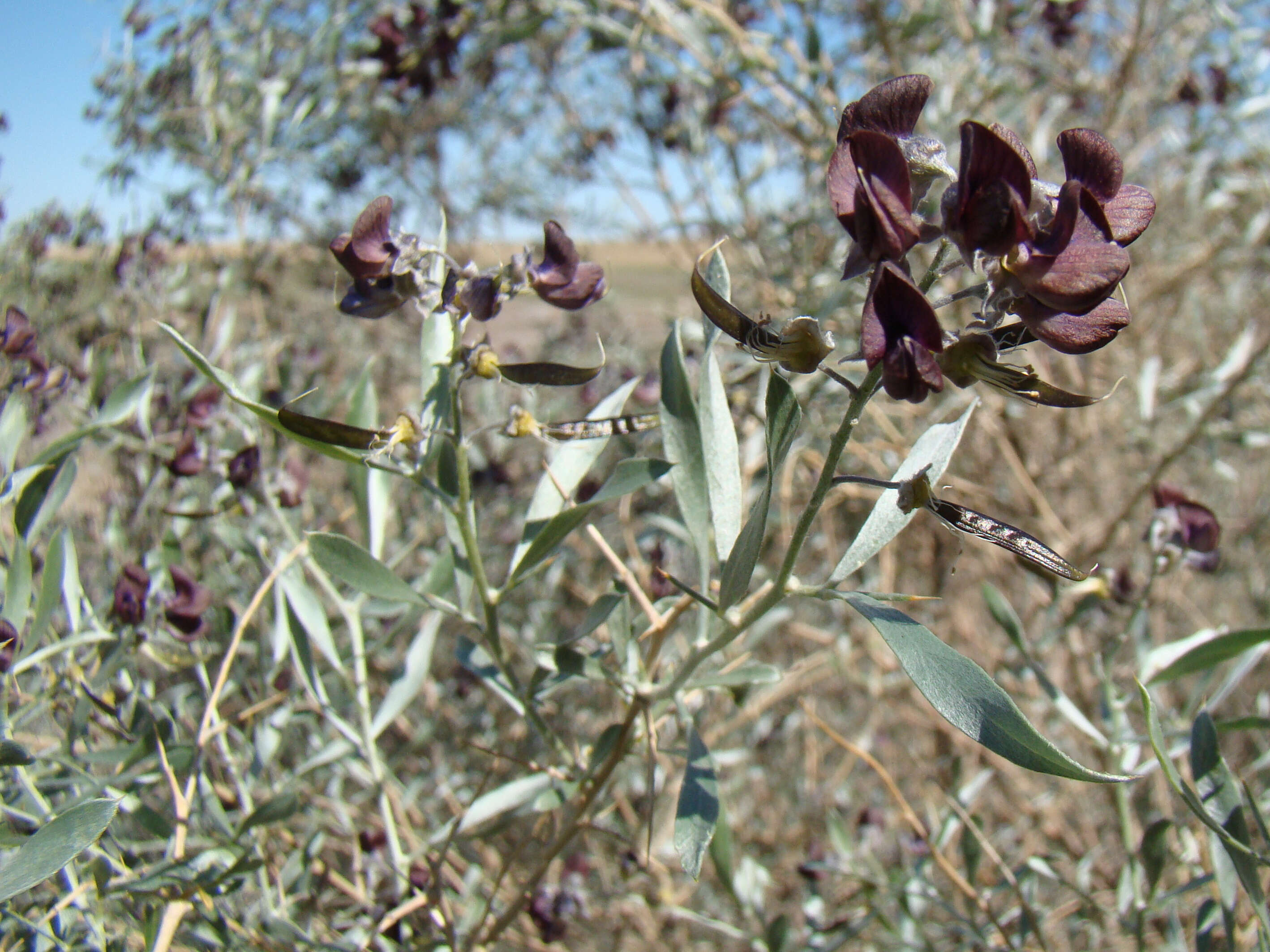
Ammodendron is a genus of flowering plants, called the sand acacias, in the family Fabaceae. It contains five species, which range from Iran through Central Asia to Xinjiang. It belongs to the subfamily Faboideae. Its name is derived from the Greek άμμος ammos ("sand") and δένδρον dendron ("tree").
Euchresta
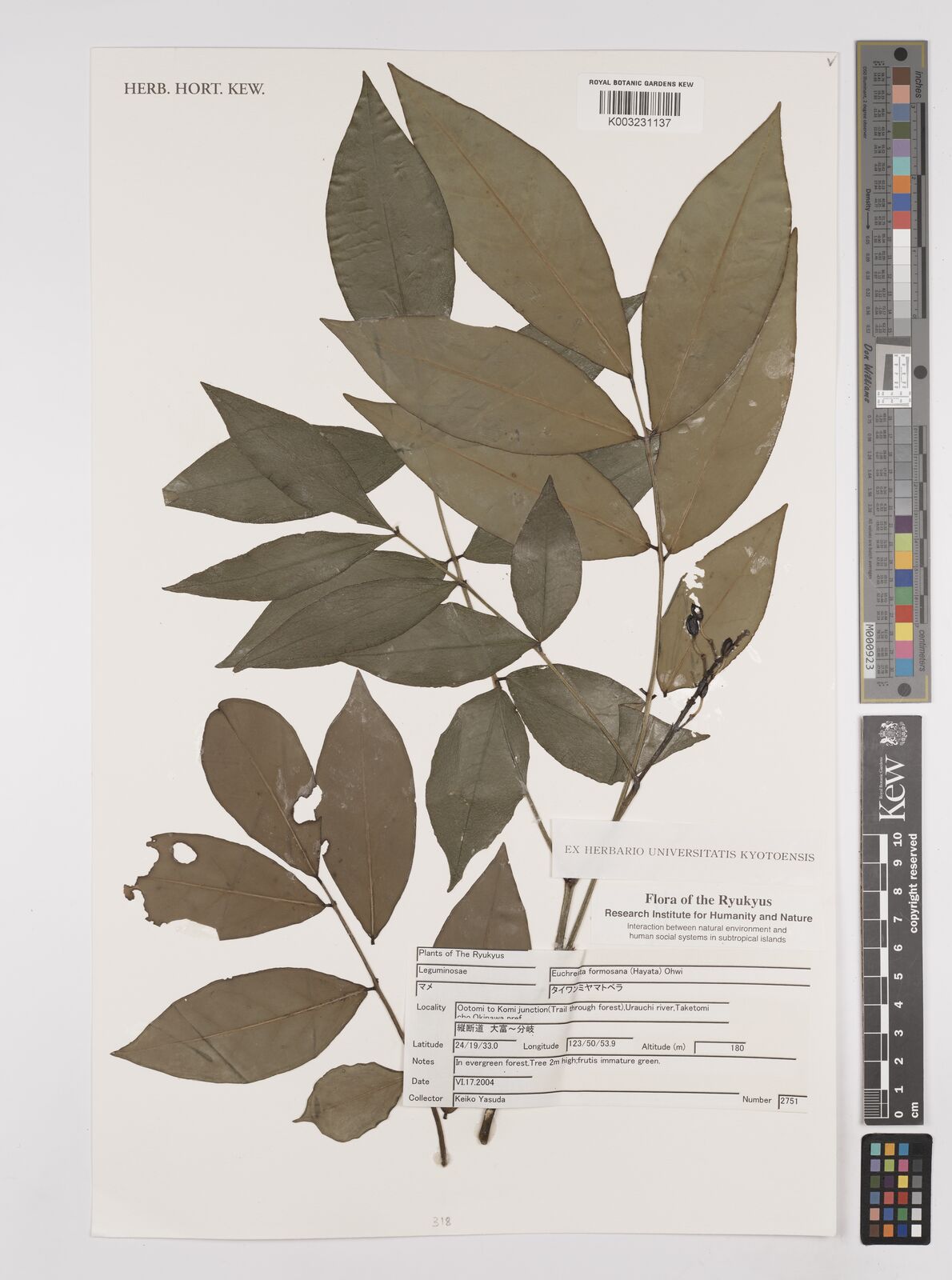
Euchresta is a genus of flowering plants in the family Fabaceae. It belongs to the subfamily Faboideae. It includes four species native to eastern and southeastern Asia, from the eastern Himalayas to Indochina, southern China, Korea, Japan, Taiwan, and Malesia.

Sphaerophysa
genus of plants

Bossiaea
Bossiaea is a genus of about 78 species of flowering plants in the pea family Fabaceae and is endemic to Australia. Plants in this genus often have stems and branches modified as cladodes, simple, often much reduced leaves, flowers with the upper two sepal lobes larger than the lower three, usually orange to yellow petals with reddish markings, and the fruit a more or less flattened pod.

Zornia
Zornia is a cosmopolitan genus of herbs from the legume family Fabaceae. It was recently assigned to the informal monophyletic Adesmia clade of the Dalbergieae. The genus Zornia comprises about 80 species, notable for its pantropical distribution
Amphicarpaea
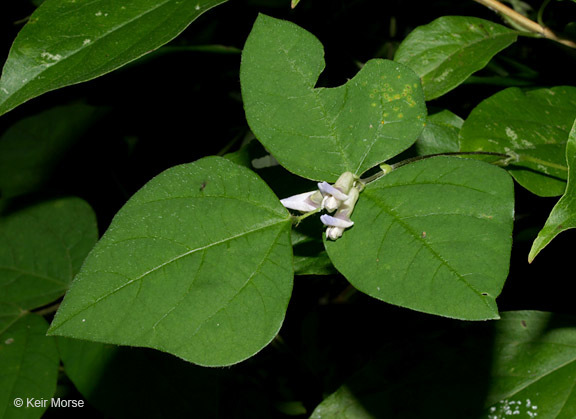
Amphicarpaea, commonly known as hogpeanut, is a genus of flowering plants in the legume family, Fabaceae. It includes three species native to eastern North America and southern, southeastern, and eastern Asia. It belongs to the subfamily Faboideae.

Acosmium
Acosmium is a South America genus of flowering plants in the family Fabaceae. Three species are currently recognized. Most Acosmium species have been recently transferred to Leptolobium and one species to the South American Guianodendron while the genus Acosmium itself has been transferred from the tribe Sophoreae to the tribe Dalbergieae in a monophyletic clade informally known as the Pterocarpus clade.
Brownea
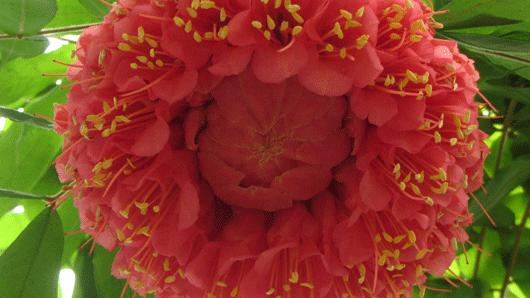
Brownea is a genus of flowering plants in the pea family (Fabaceae), subfamily Detarioideae. The genus includes about 22 species native to tropical regions of the Americas. The species are shrubs and trees growing to 20 m tall. Species range from Honduras through southern Central America and northern South America to Peru and northern Brazil, and to Trinidad and Tobago and the Windward Islands in the Caribbean. Species are typically understorey trees or shrubs in lowland tropical rain forest.
Calophaca
Calophaca is a genus of flowering plants in the legume family, Fabaceae. It includes nine species, which range from Ukraine through southern Russia and Central Asia to Xinjiang and Pakistan. It belongs to the subfamily Faboideae and is closely related to the genus Caragana.
Nine species are accepted:
Calophaca chinensis
Calophaca grandiflora
Calophaca pskemica
Calophaca reticulata
Calophaca sericea
Calophaca soongorica
Calophaca tianschanica
Calophaca tomentosa
Calophaca wolgarica
Peltogyne
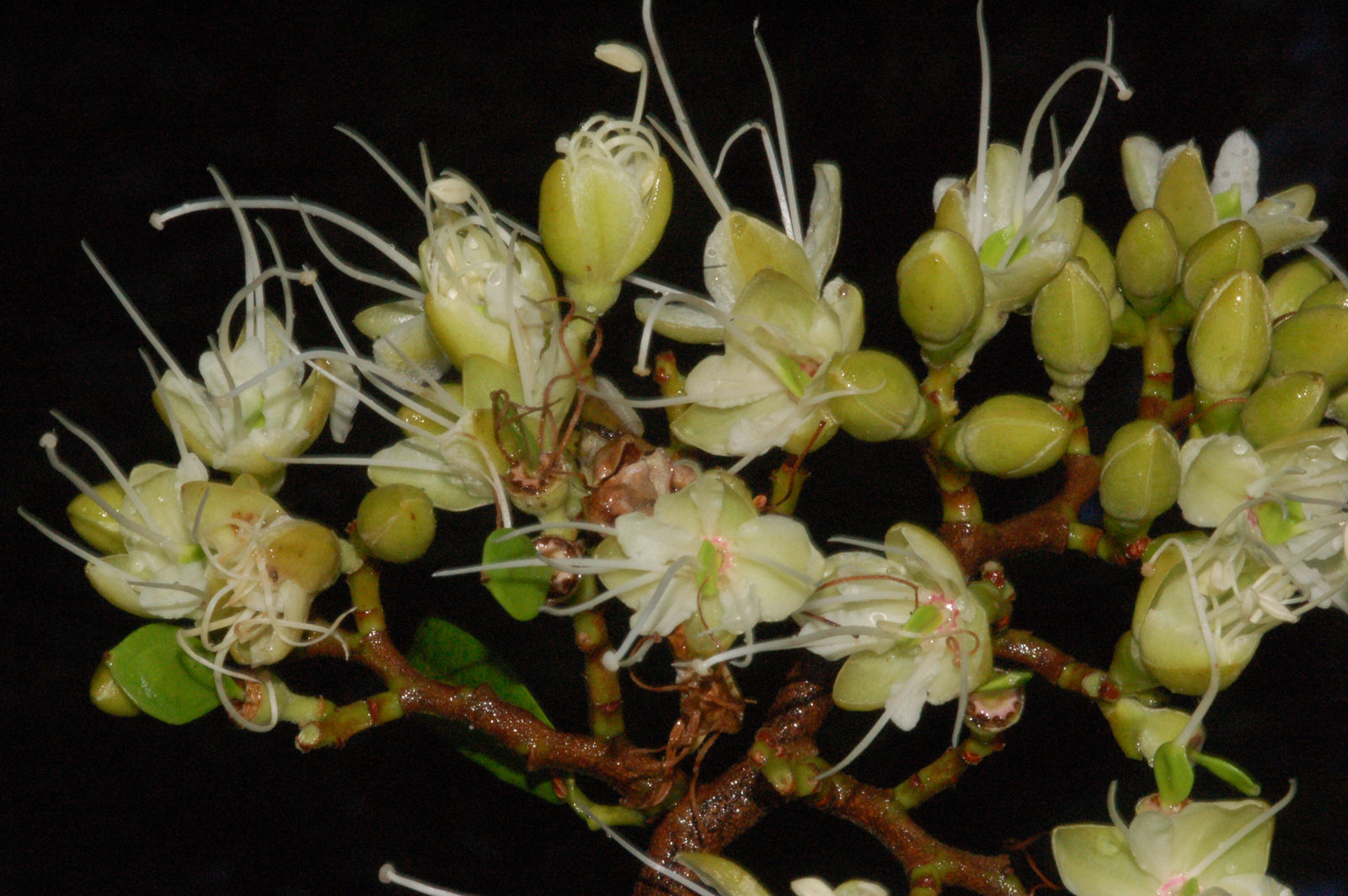
Peltogyne, commonly known as purpleheart, violet wood, amaranth and other local names (often referencing the colour of the wood) is a genus of 23 species of flowering plants in the family Fabaceae; native to tropical rainforests of Central and South America; from Guerrero, Mexico, through Central America, and as far as south-eastern Brazil.
Isoberlinia
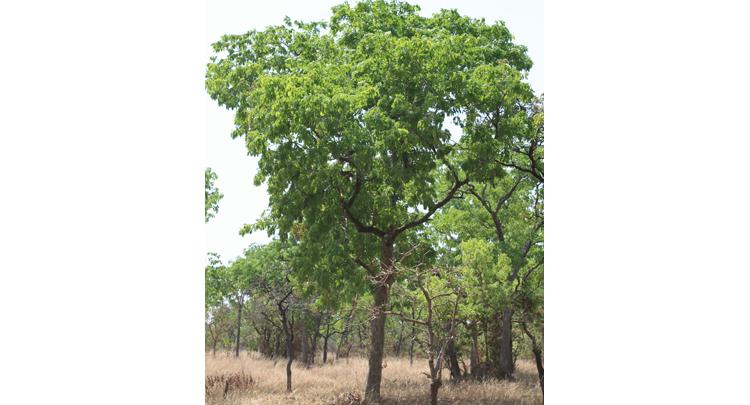
Isoberlinia is a genus in the family Fabaceae of five species of tree native to the hotter parts of tropical Africa. They are an important component of miombo woodlands. The leaves have three or four pairs of large leaflets and stout seed pods.
Uraria
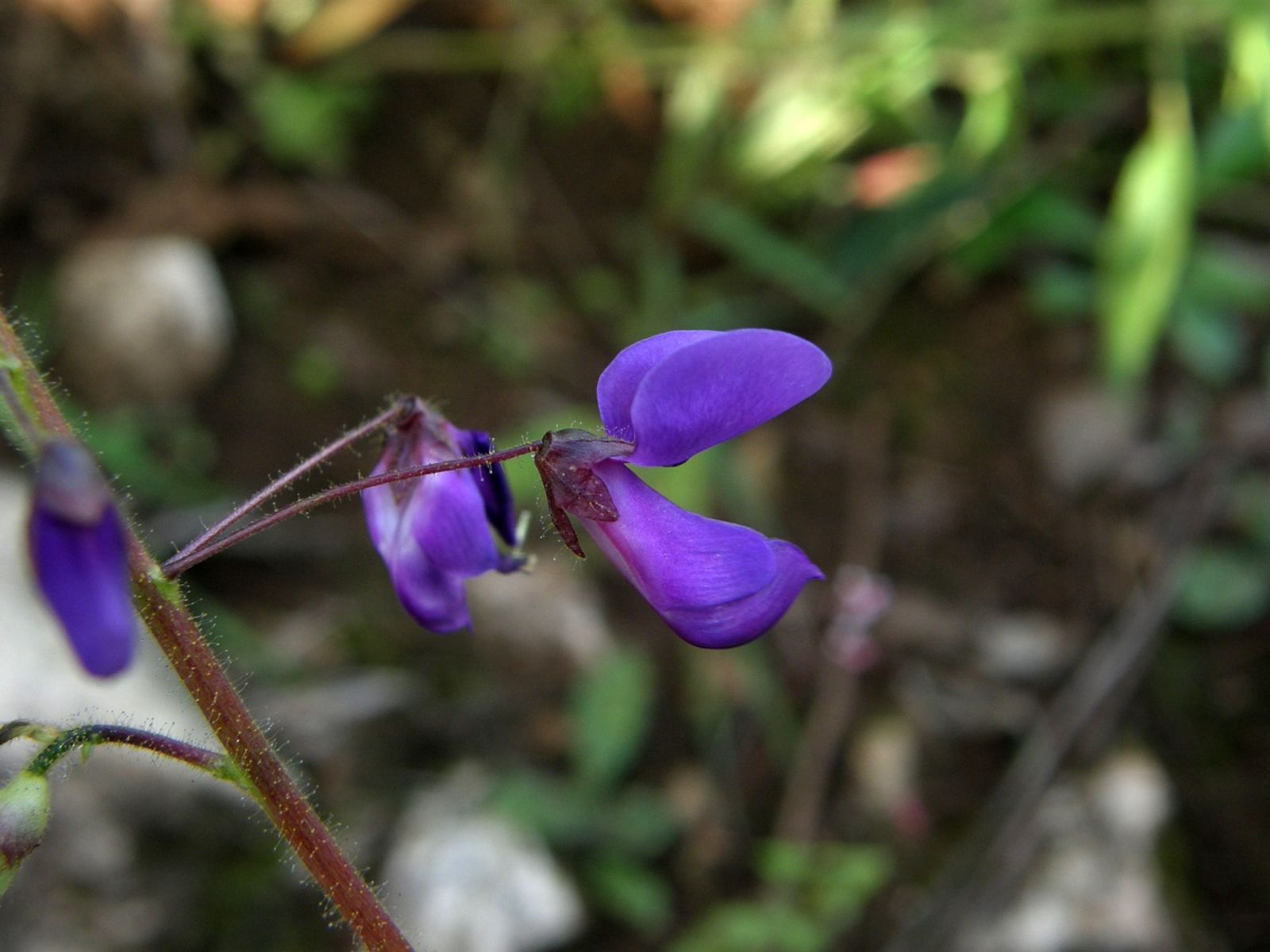
Uraria is a genus of plants in the legume family, Fabaceae. It includes 24 species of shrubs and subshrubs native to sub-Saharan Africa, the Indian Subcontinent, Indochina, China, Malesia, Papuasia, Australia, and the South Pacific. Typical habitats are seasonally-dry tropical woodland or grassland. It belongs to the subfamily Faboideae and the tribe Desmodieae.

Ebenus
Ebenus is a genus of flowering plants in the family Fabaceae. It belongs to the subfamily Faboideae. It includes 21 species native to northern Africa (Morocco to Egypt), Greece and Turkey, and Iran to the western Himalayas.

Sindora
Sindora is a genus of legume in the family Fabaceae.
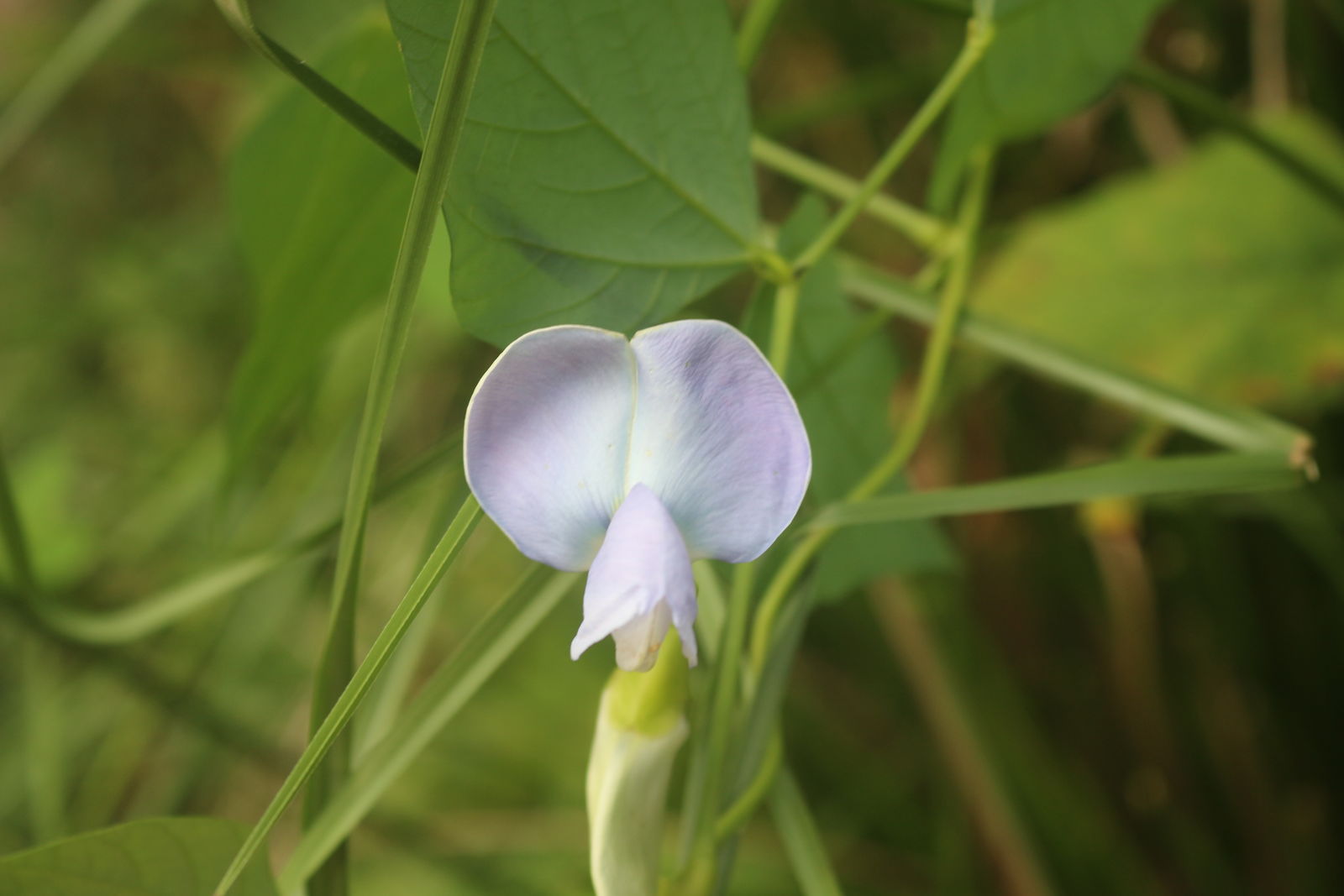
Psophocarpus
Psophocarpus is a genus of flowering plants in the legume family, Fabaceae. It includes nine species of climbing herbs or subshrubs native to tropical Africa. Typical habitats include seasonally-dry tropical forest and forest margins, moist wooded grassland and grassland, thicket, swamp, and secondary vegetation. It belongs to subfamily Faboideae.
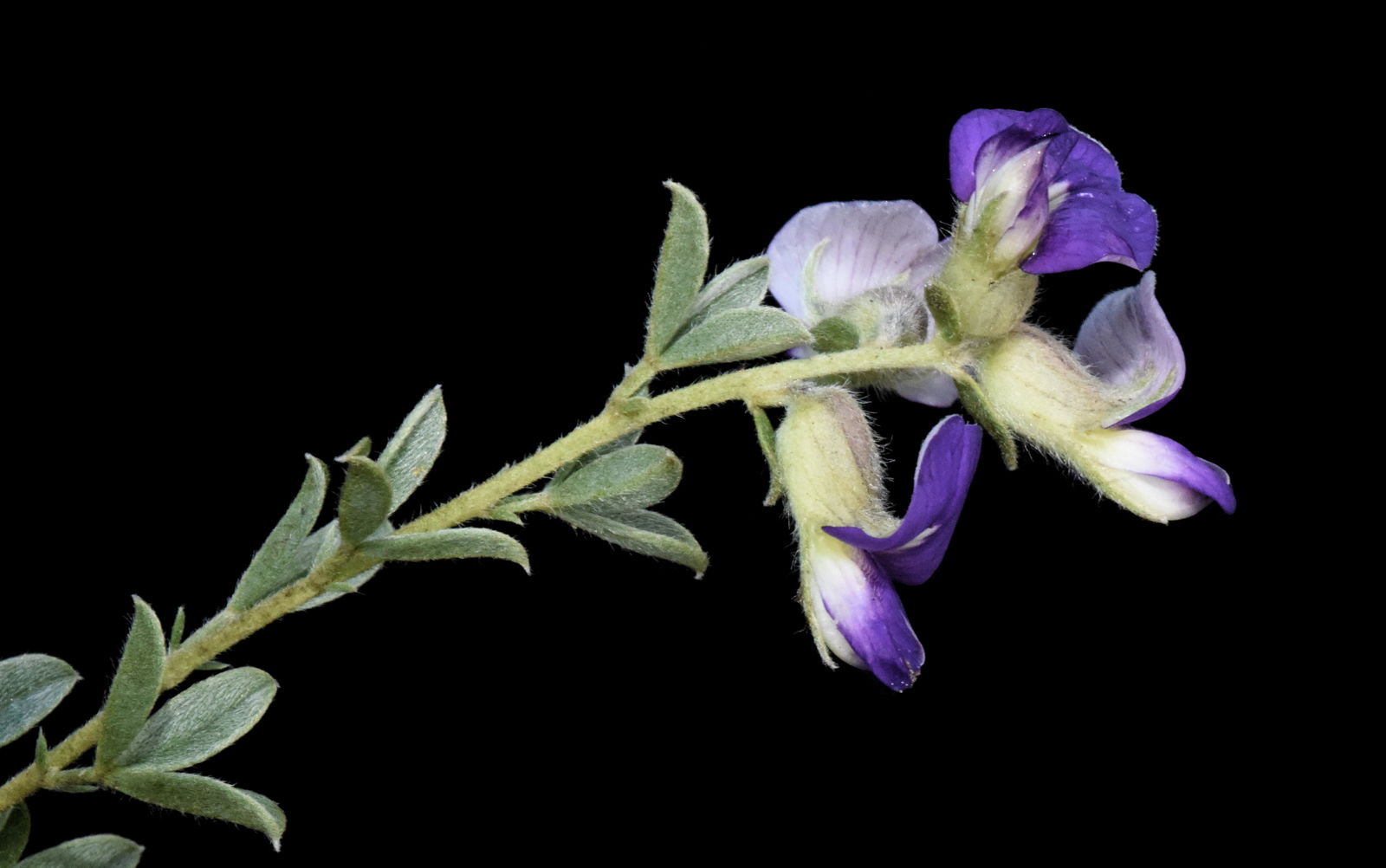
Lotononis
thumb|right|Lotononis sp.

Anagyris
Anagyris (Spanish: oro de risco) is a genus of flowering plants in the family Fabaceae. It belongs to the subfamily Faboideae.

Chamaecrista
Chamaecrista is a genus of flowering plants in the pea family, Fabaceae, subfamily Caesalpinioideae. Members of the genus are commonly known as sensitive pea. Several species are capable of rapid plant movement. Unlike the related genera Cassia and Senna, members of Chamaecrista form root nodules.
Machaerium
genus of plants

Ammopiptanthus
The genus Ammopiptanthus, endemic to the eastern desert of Central Asia, includes two species: A. mongolicus (Maxim.) Cheng f. and A. nanus (M. Pop.) Cheng f.

Codariocalyx
Codariocalyx is a genus of flowering plants in the legume family, Fabaceae. It belongs to subfamily Faboideae. The genus contains two species which range from the Indian Subcontinent, Tibet, Indochina, southern China, Malesia, and New Guinea.
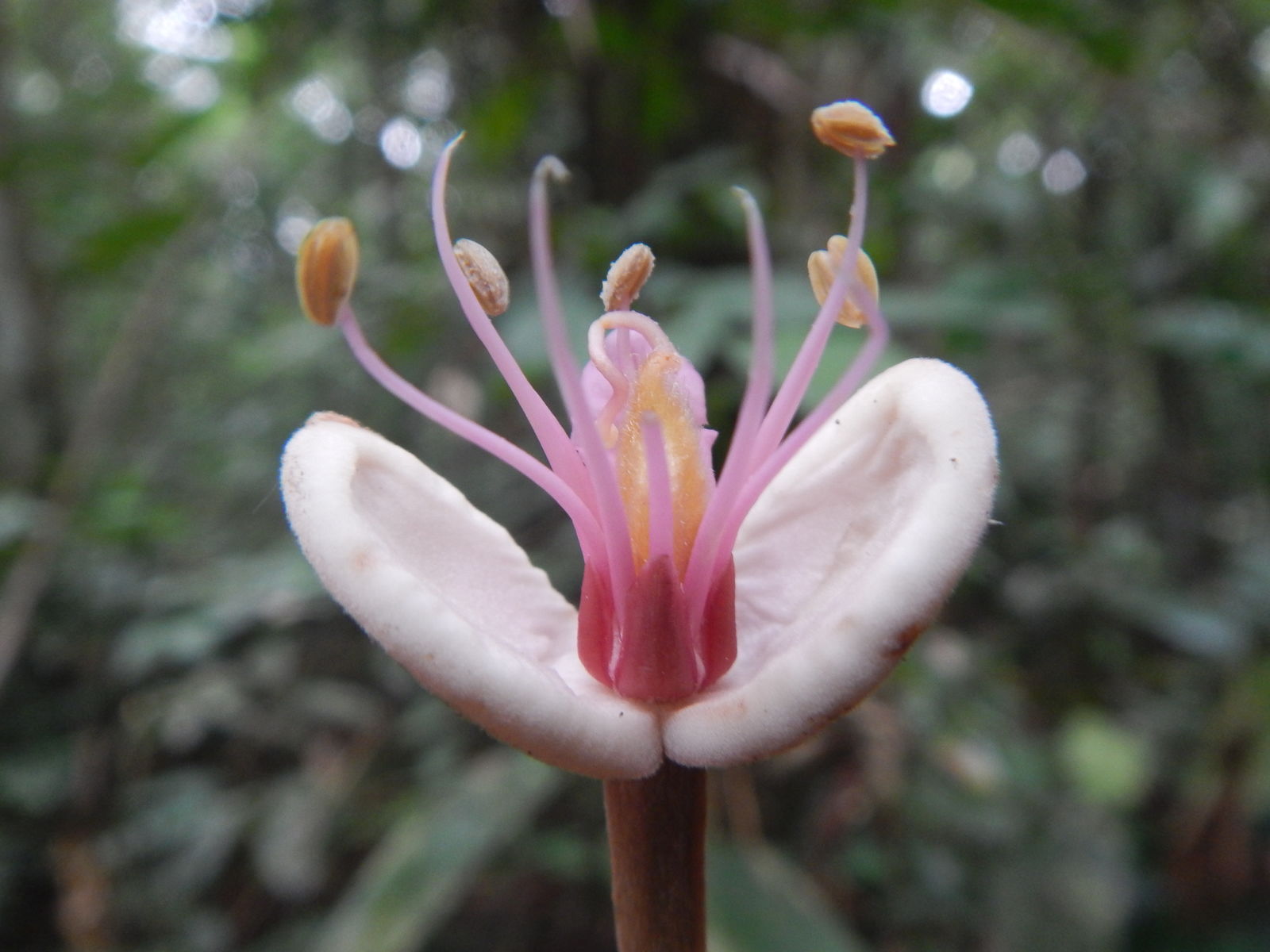
Julbernardia
Julbernardia is a genus of plants in the family Fabaceae. It includes ten species native to tropical Africa, ranging from Nigeria to Kenya, Mozambique, Botswana, Zambia and Namibia. They are medium-sized trees.
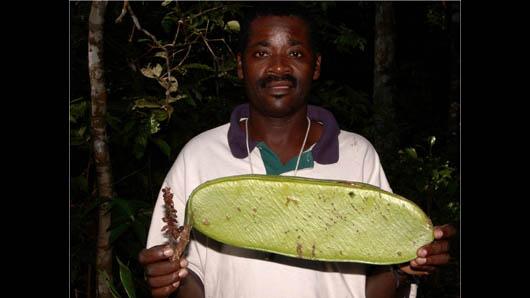
Berlinia
Berlinia is a genus of flowering plants in the family Fabaceae. It includes 21 species of trees native to sub-Saharan Africa, ranging from Guinea to Chad, Tanzania, Mozambique, and Angola. All species of Berlinia have "explosive" pods, casting the seeds, in the case of the recently discovered Berlinia korupensis, up to 50 metres away.

Christia
Christia is a genus of flowering plants in the family Fabaceae. It belongs to the subfamily Faboideae.

Serianthes
Serianthes is a genus of flowering plants in the family Fabaceae. It includes 17 species of trees and shrubs which range from Thailand and Malesia to Papuasia and the South Pacific. New Caledonia has the greatest diversity of species, with six endemic species. Typical habitats include tropical rain forest, scrub forest, coastal scrub, and rarely open wooded grassland.

Stylosanthes
Stylosanthes is a genus of flowering plants in the legume family Fabaceae and contains numerous highly important pasture and forage species. It was recently assigned to the informal monophyletic Pterocarpus clade of the Dalbergieae. The common name pencilflower is sometimes used for plants in this genus.
Teramnus
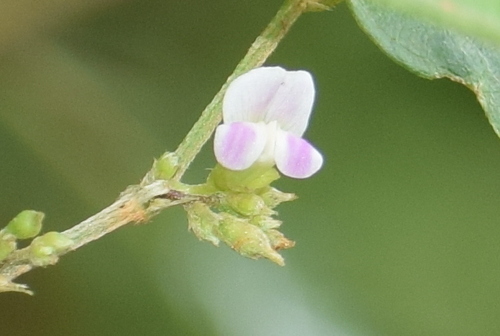
Teramnus is a genus of flowering plants in the legume family, Fabaceae. It includes eight species of climbing herbs and subshrubs native to the tropics of the Americas, sub-Saharan Africa, the Arabian Peninsula, the Indian Subcontinent, Indochina, Hainan, Taiwan, and New Guinea. Typical habitats are seasonally-dry tropical bushland and thicket, grassland, wooded grassland, and forest clearings, often in open and dry rocky areas.

Hovea
thumb|Hovea linearis
thumb|Hovea pannosa
Macrotyloma
Macrotyloma is a genus of plants in the legume family which include several species of edible beans. Some species are also used as fodder for livestock.

Kummerowia
Kummerowia is a genus of flowering plants in the legume family, Fabaceae. It includes two species native to eastern Asia, ranging from the Russian Far East through China and Japan to Vietnam and Laos. The genus belongs to the subfamily Faboideae. These plants were formerly in genus Lespedeza.

Griffonia
Griffonia is a genus of central African flowering plants in the legume family, Fabaceae. It belongs to the subfamily Cercidoideae. Griffonia is known to have a high concentration of 5-HTP in its seeds.

Inocarpus
Inocarpus is a small genus of flowering plants belonging to the subfamily Faboideae of the legume family, Fabaceae, and was recently assigned to the informal monophyletic Pterocarpus clade within the Dalbergieae.
Piptanthus
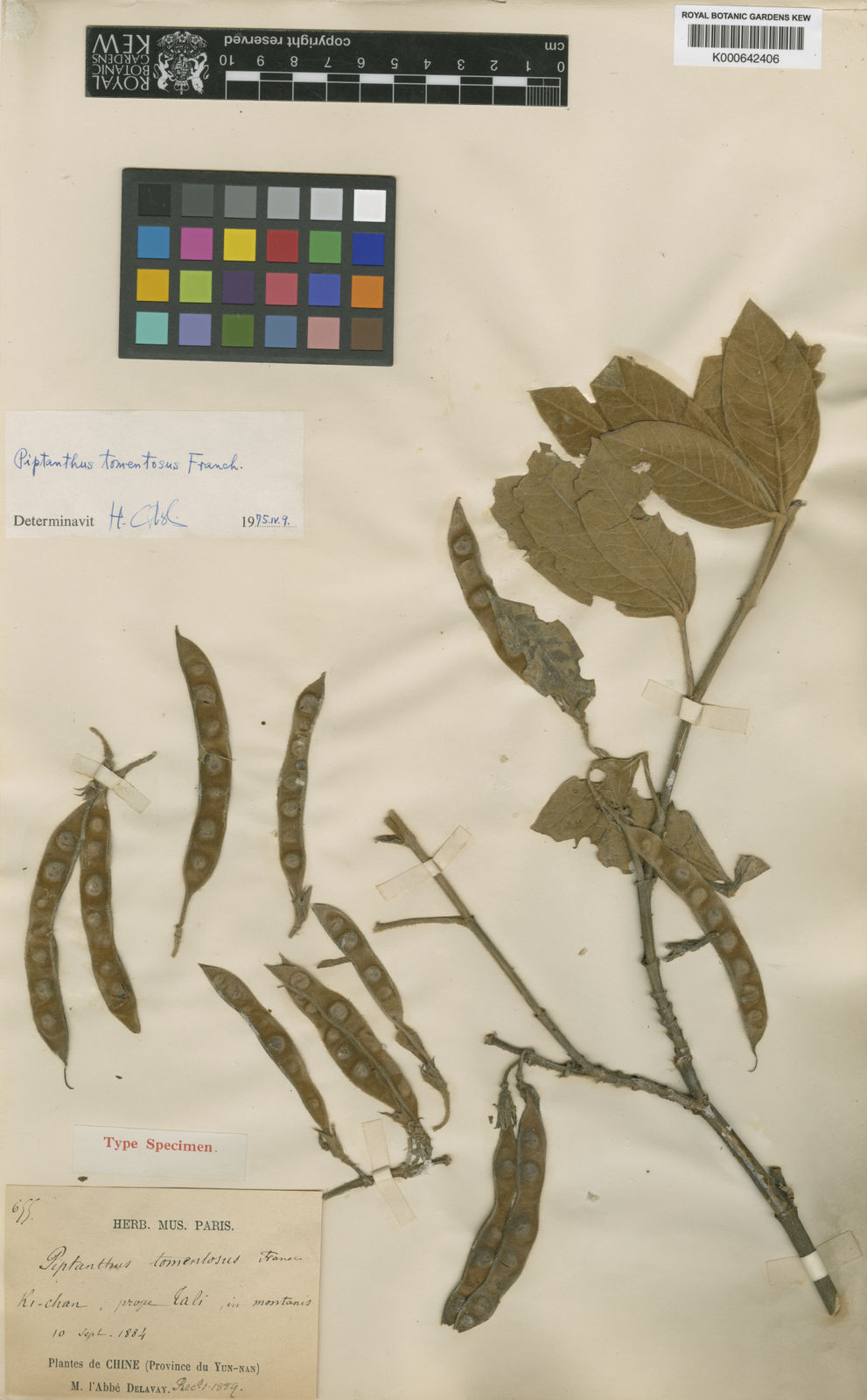
Piptanthus is a genus of flowering plants in the legume family, Fabaceae. It includes two species of shrubs native to the Himalayas, Tibet, Myanmar, and western China. They grow in montane grassland, thicket, and forest margins.
Tylosema
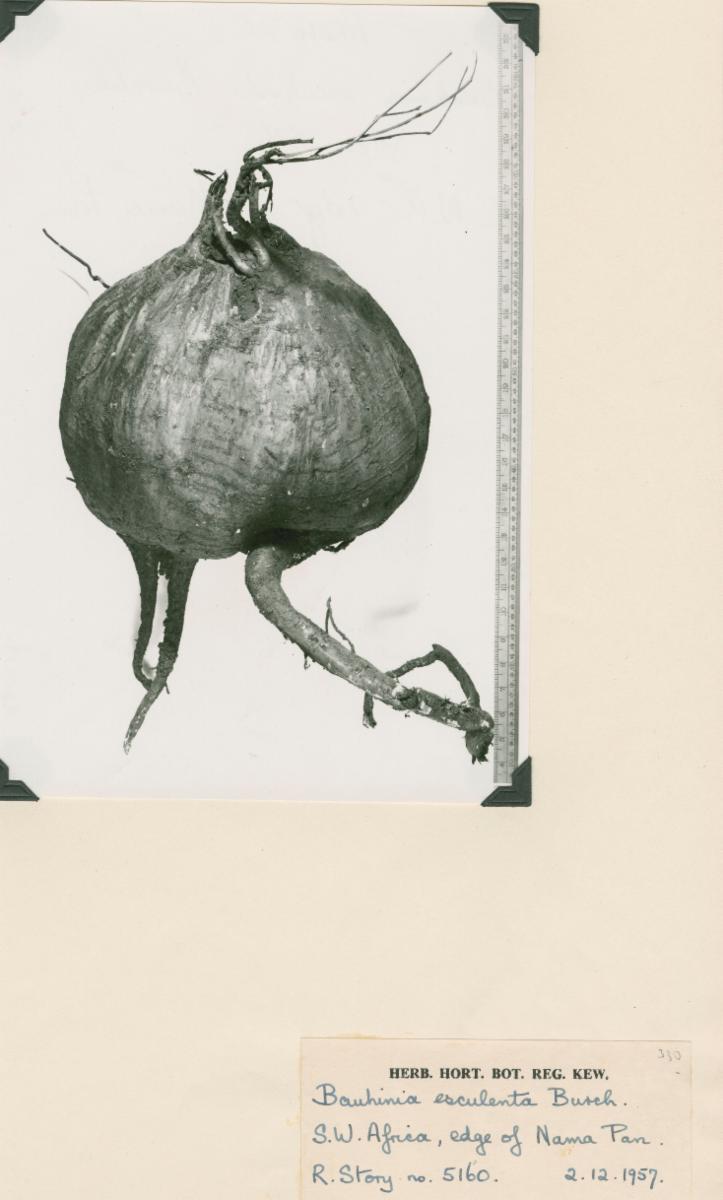
The genus Tylosema is in the plant family Fabaceae and encompasses four accepted species of perennial legumes native to southern and central Africa. These are semi-woody viniferous plants broadly distributed from Sudan and Ethiopia south to Angola and South Africa. Coetzer and Ross originally described four Tylosema species:
Platymiscium
thumb|Wood from a Platymiscium sp.
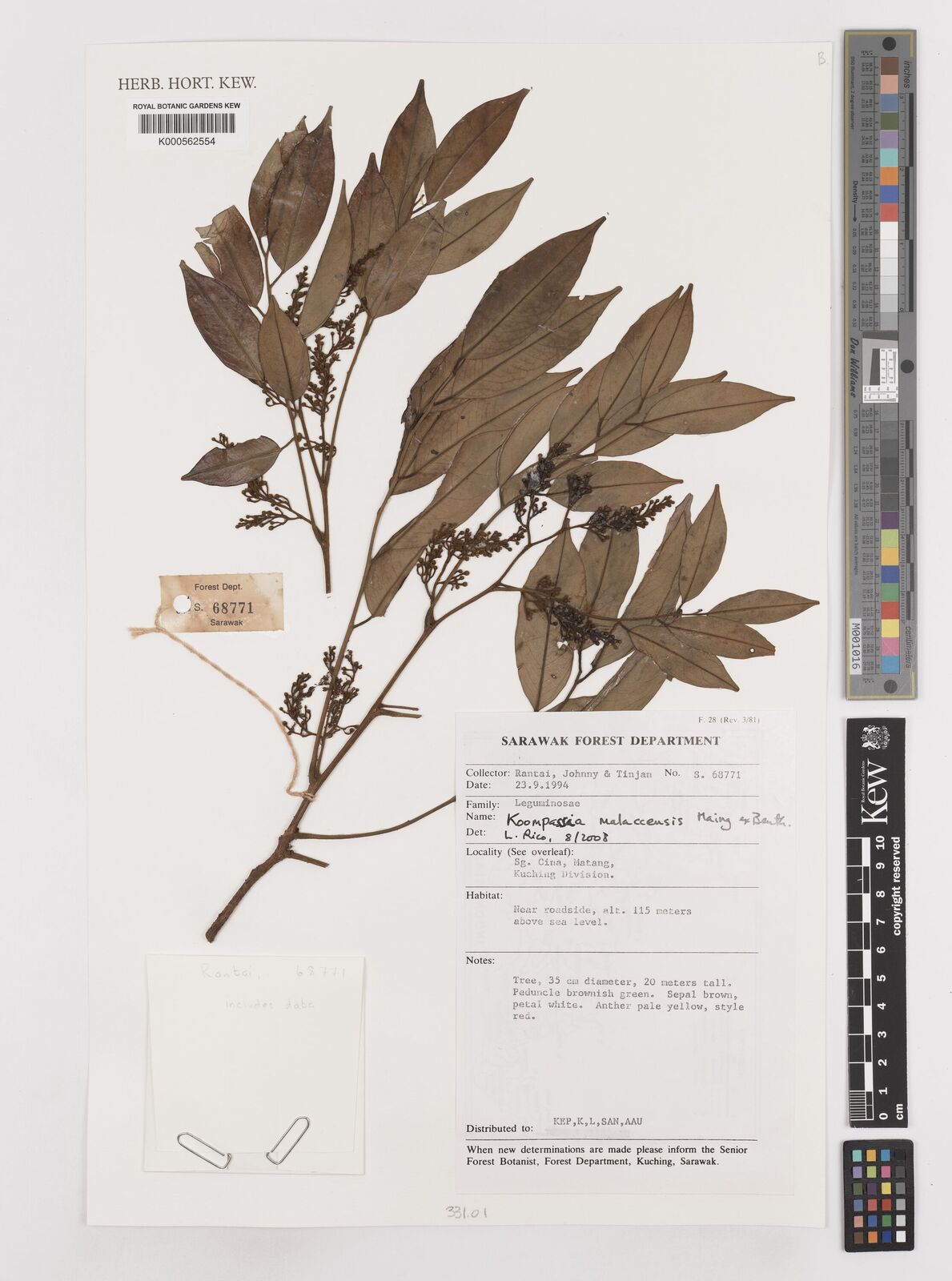
Koompassia
Koompassia is a genus of legume in the family Fabaceae. It includes three species with range across southeast Asia, from Thailand to New Guinea. It belongs to the subfamily Dialioideae. They are tall tropical forest trees; K. excelsa is one of the tallest tree species in the tropics.

Chorizema
thumb|Chorizema varium

Austrosteenisia
Austrosteenisia is a genus of flowering plants in the family Fabaceae. It belongs to the subfamily Faboideae. It includes four species native to New Guinea and eastern Australia.
Austrosteenisia blackii – eastern New Guinea, Queensland, and New South Wales
Austrosteenisia glabristyla – southeastern Queensland and northeastern New South Wales
Austrosteenisia mollitricha – Queensland
Austrosteenisia stipularis – Queensland
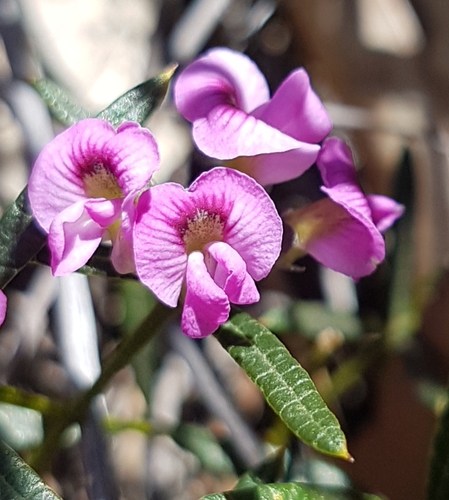
Mirbelia
Mirbelia is a plant genus belonging to the family Fabaceae and is endemic to Australia, occurring in every mainland state except South Australia. Plants in the genus Mirbelia are prickly, perennial shrubs with simple, sometimes sharply-pointed leaves, or the leaves absent. The flowers are arranged singly or in groups in leaf axils or on the ends of branches, the sepals joined at the base with five teeth. The petals are usually red, orange, purplish or bluish and the fruit is an inflated pod.

Macroptilium
Macroptilium is a genus of flowering plants in the legume family, Fabaceae. It belongs to the subfamily Faboideae.