Category
page 4Fabaceae genera

Alexa
genus of plants in the pea family (Fabaceae)
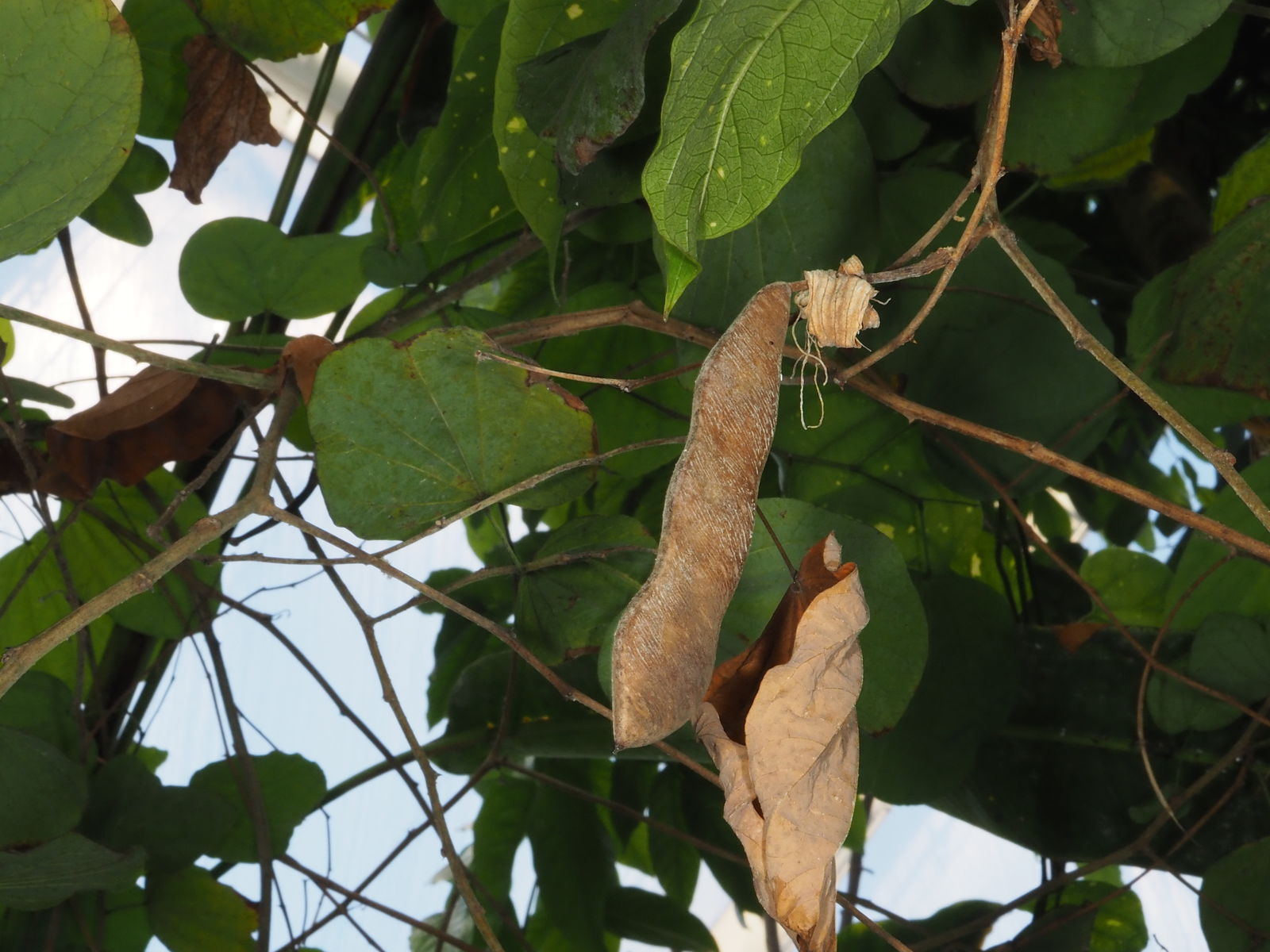
Platymiscium
thumb|Wood from a Platymiscium sp.

Chorizema
thumb|Chorizema varium

Podalyria
Podalyria is a genus of flowering plants in the family Fabaceae. It includes 17 species of small trees or shrubs native to the Cape Provinces, Free State, and KwaZulu-Natal in South Africa. They inhabit Mediterranean-climate shrubland (fynbos and forest margins) from low to high elevations, typically in rocky or sandy areas. It belongs to the subfamily Faboideae. The genus is endemic to South Africa.

Bowdichia
Bowdichia is a genus of flowering plants in the legume family, Fabaceae. It belongs to the subfamily Faboideae. The genus includes two species native to tropical South America and Costa Rica.
Bowdichia nitida Spruce ex Benth. – northern Brazil and northern Bolivia
Bowdichia virgilioides Kunth – Costa Rica to Bolivia, Paraguay, and southern Brazil

Hypocalyptus
Hypocalyptus is a genus of flowering plants in the family Fabaceae. It includes three species of shrubs, subshrubs or small trees native to the Cape region of South Africa. Typical habitats include Mediterranean-climate shrubland (fynbos) at forest margins, in rocky and sandy areas, and along streams, often at high elevations.

Gastrolobium
Gastrolobium is a genus of flowering plants in the family Fabaceae. There are over 100 species in this genus, and all but two are native to the south west region of Western Australia.

Phyllodium
Phyllodium is a genus of flowering plants in the family Fabaceae, in the subfamily Faboideae, tribe Desmodieae and subtribe Desmodiinae. Species are found in tropical and subtropical Asia through to northern Australia.

Austrosteenisia
Austrosteenisia is a genus of flowering plants in the family Fabaceae. It belongs to the subfamily Faboideae. It includes four species native to New Guinea and eastern Australia.
Austrosteenisia blackii – eastern New Guinea, Queensland, and New South Wales
Austrosteenisia glabristyla – southeastern Queensland and northeastern New South Wales
Austrosteenisia mollitricha – Queensland
Austrosteenisia stipularis – Queensland

Brya
Brya is a genus of flowering plants in the legume family, Fabaceae. It includes seven species of shrubs or small spreading trees native to Cuba and Hispaniola in the Caribbean. It belongs to the subfamily Faboideae, and was recently assigned to the informal monophyletic Pterocarpus clade of the Dalbergieae. Species include Brya ebenus, a valuable timber tree.
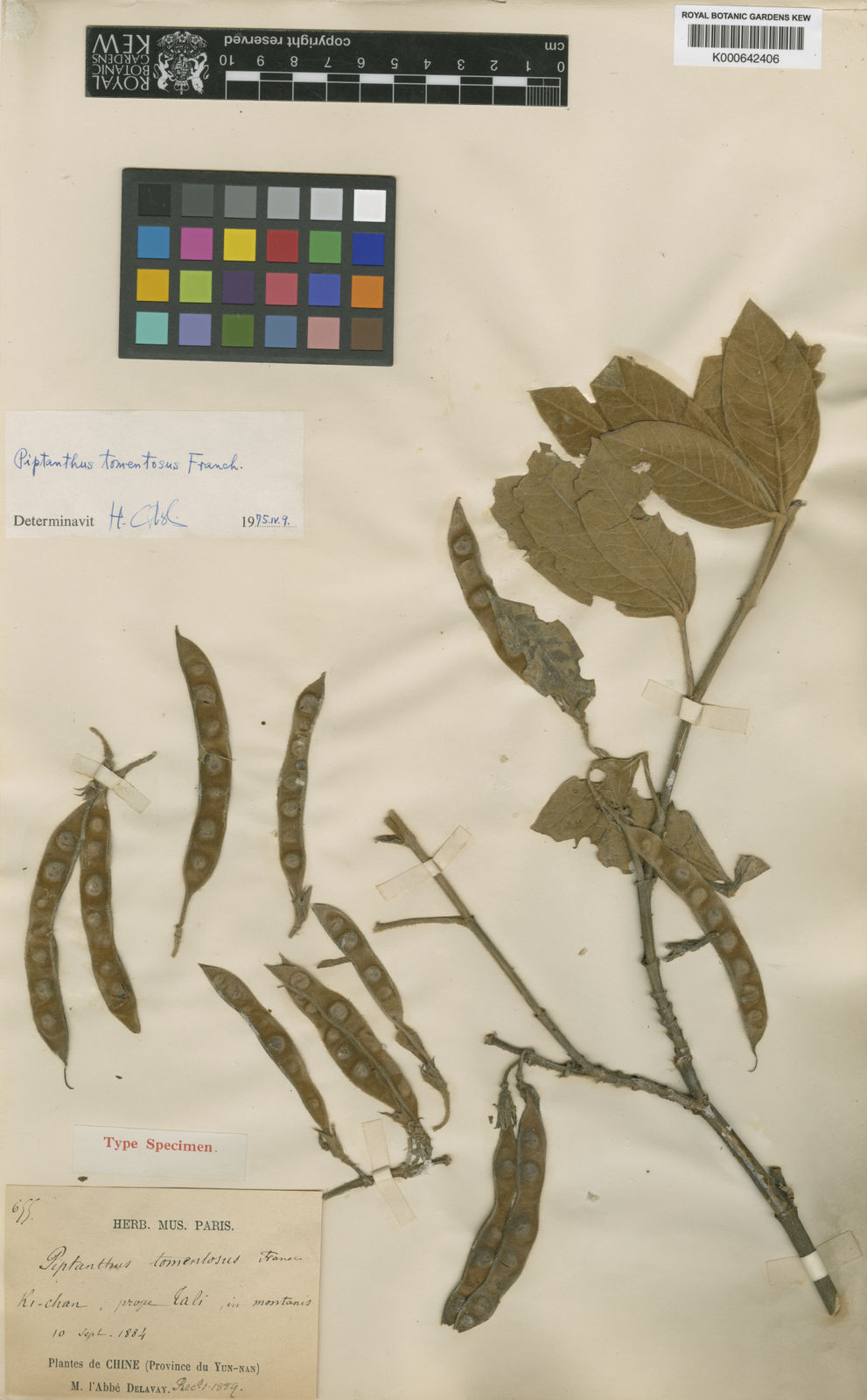
Piptanthus
Piptanthus is a genus of flowering plants in the legume family, Fabaceae. It includes two species of shrubs native to the Himalayas, Tibet, Myanmar, and western China. They grow in montane grassland, thicket, and forest margins.
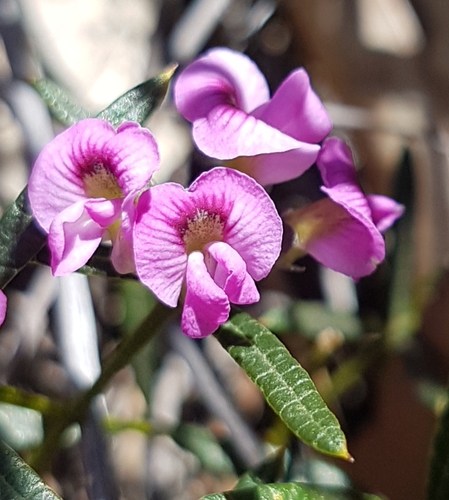
Mirbelia
Mirbelia is a plant genus belonging to the family Fabaceae and is endemic to Australia, occurring in every mainland state except South Australia. Plants in the genus Mirbelia are prickly, perennial shrubs with simple, sometimes sharply-pointed leaves, or the leaves absent. The flowers are arranged singly or in groups in leaf axils or on the ends of branches, the sepals joined at the base with five teeth. The petals are usually red, orange, purplish or bluish and the fruit is an inflated pod.
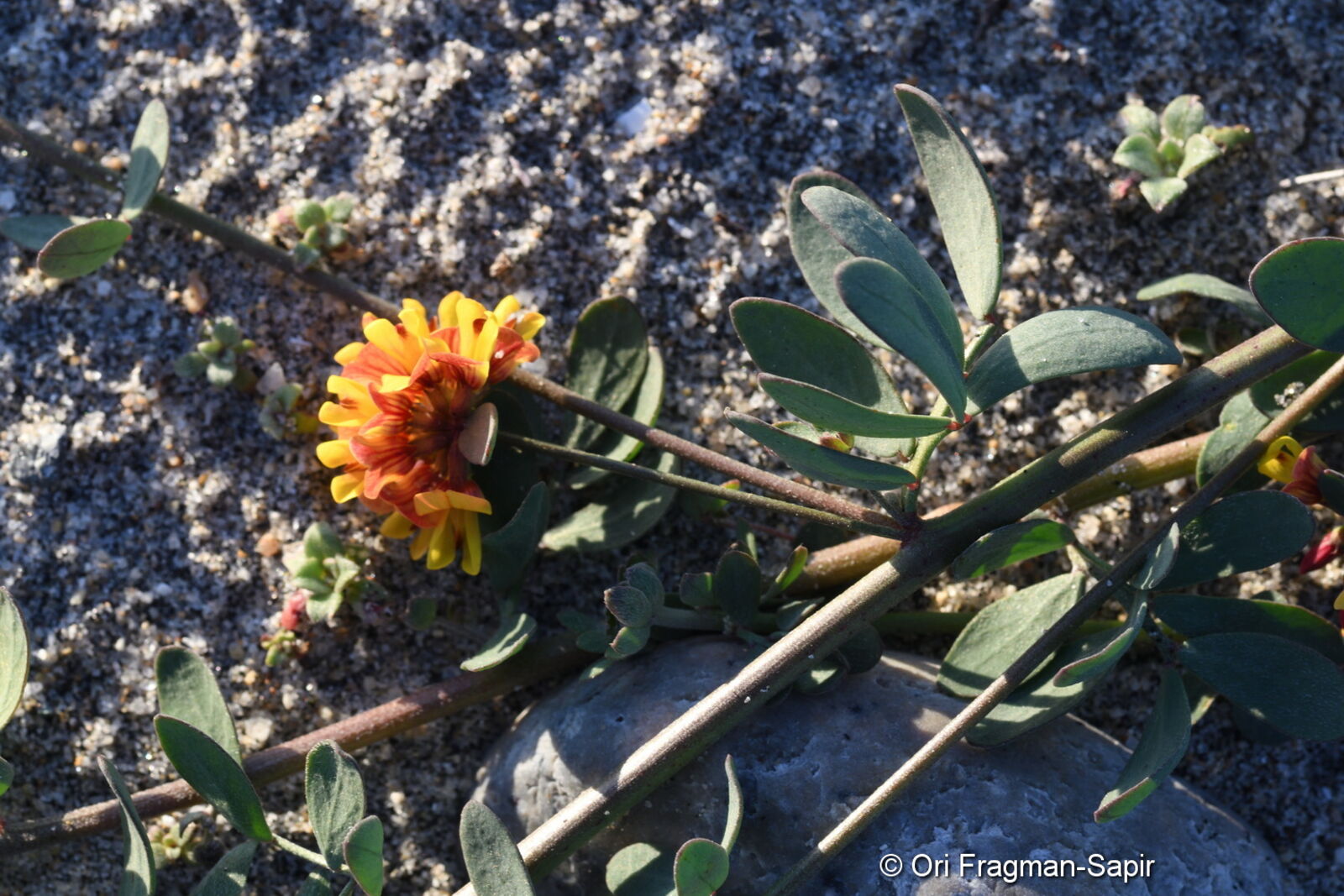
Acmispon
Acmispon is a genus of flowering plant in the family Fabaceae (legumes), native to North America and the west coast of Chile in South America. It includes several species of American '''bird's-foot trefoils and deervetches' formerly contained in the globally distributed genus Lotus. The former genus Syrmatium is included in Acmispon. The Jepson eFlora accepts only Acmispon''.
Sutherlandia
Sutherlandia is a genus of flowering plants in the family Fabaceae containing six known living species. The genus was once organized as having a single species, S. frutescens, but later expanded to include more based on morphological characteristics. However, later analysis found more genetic variation between populations than between taxa.

Amphithalea
Amphithalea is a genus of flowering plants in the family Fabaceae. It belongs to the subfamily Faboideae. It includes 41 species endemic to the Cape Provinces of South Africa.
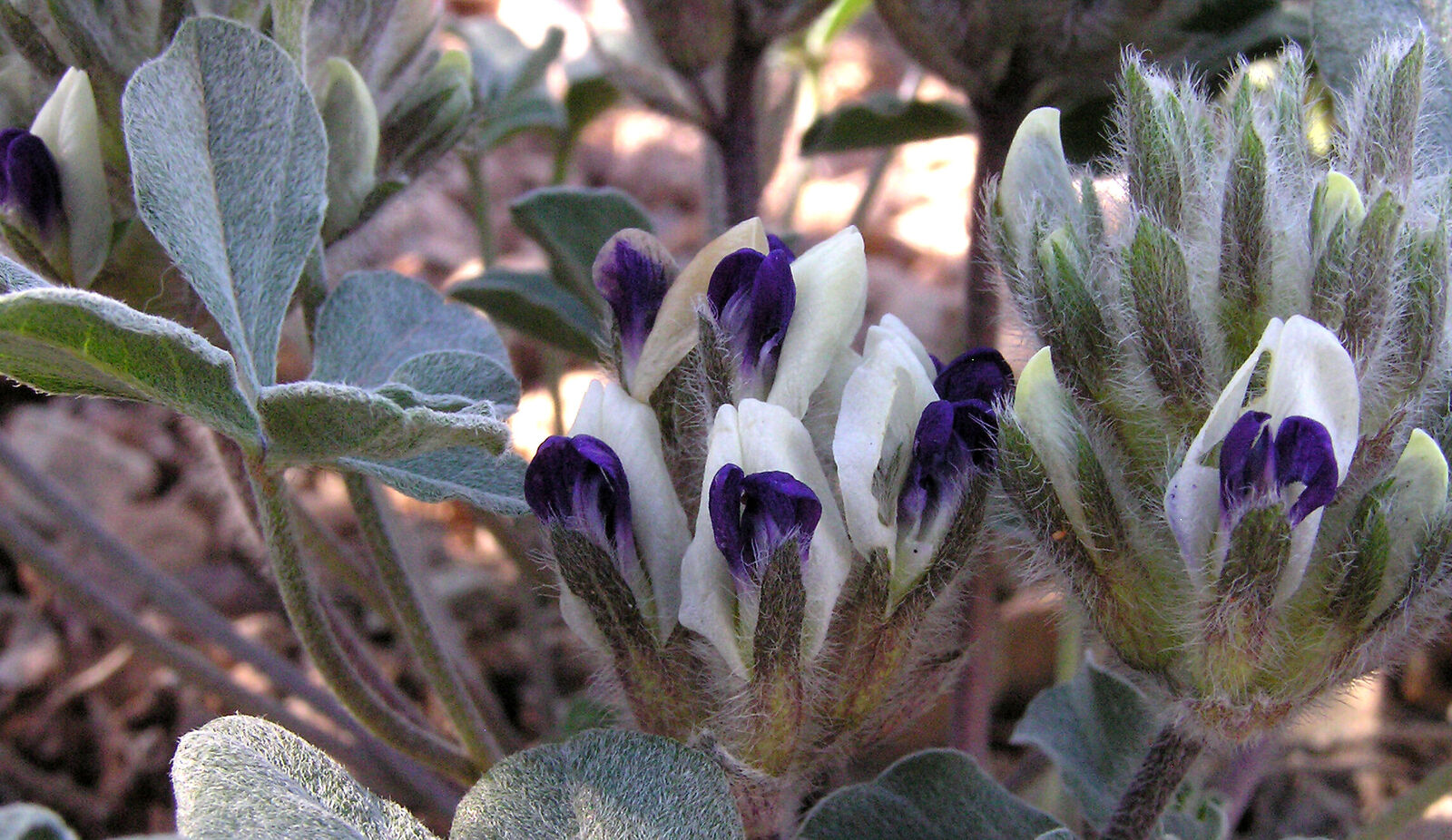
Pediomelum
Pediomelum is a genus of legumes known as Indian breadroots. These are glandular perennial plants with palmately-arranged leaves. They have a main erect stem with inflorescences of blue or purple flowers and produce hairy legume pods containing beanlike seeds. Some species have woody roots while others have starchy tuber-like roots which can be eaten like tuber vegetables such as potatoes or made into flour. Indian breadroots are native to North America. Many species have synonymy with genus Psoralea.
Chesneya
Chesneya is a genus of flowering plants in the family Fabaceae. It includes 47 species which range across temperate Asia, from Turkey through Syria, Iraq, Iran, Central Asia, and the Himalayas to Inner Mongolia, central China, and Myanmar. It belongs to the subfamily Faboideae.
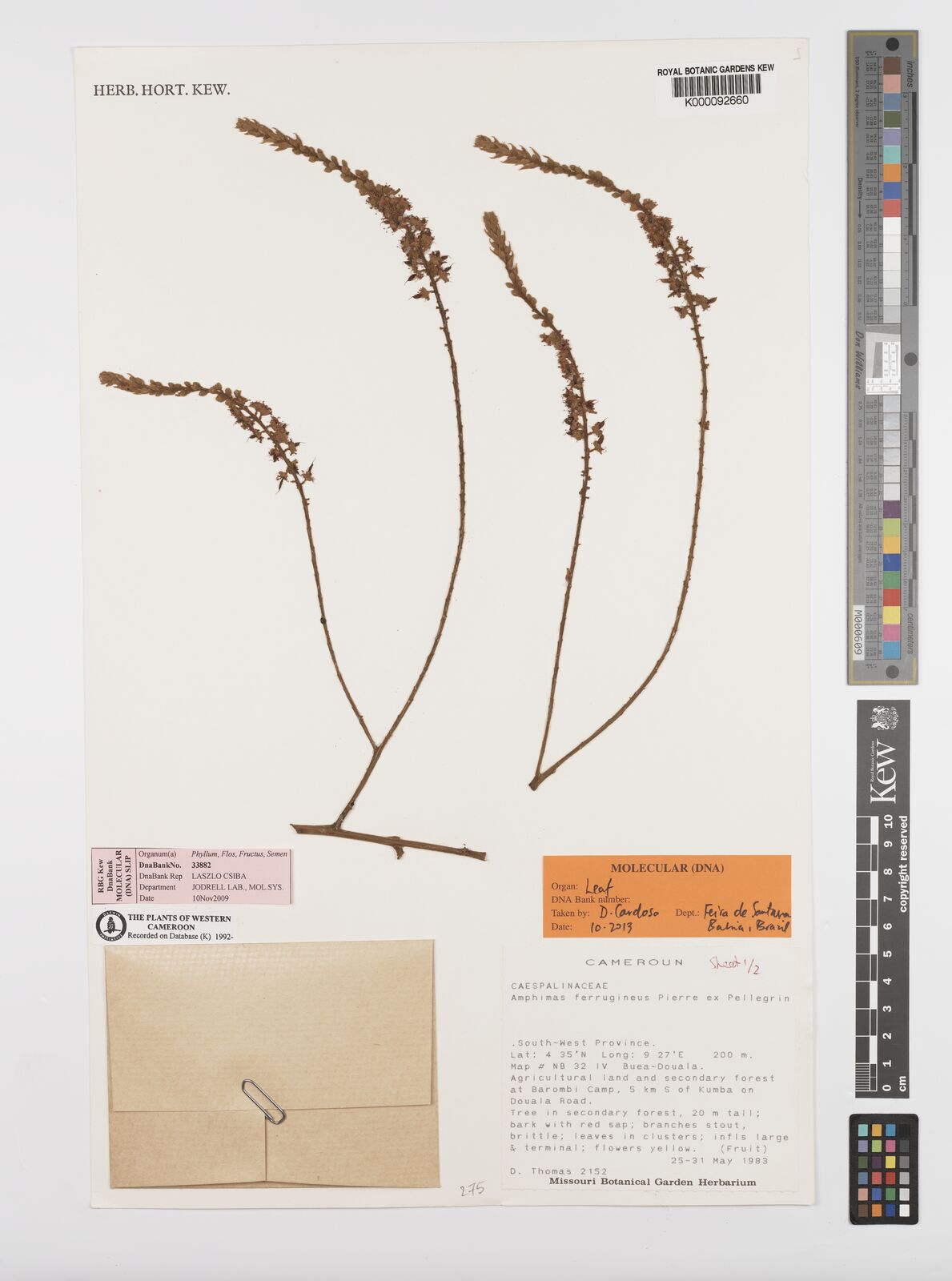
Amphimas
Amphimas is a small genus of flowering plants in the family Fabaceae. It belongs to the subfamily Faboideae. It is a west African tree used for medicine and for wood. Amphimas was traditionally assigned to the tribe Sophoreae; however, recent molecular phylogenetic analyses reassigned Amphimas into an unspecified position in the Meso-Papilionoideae.

Cordyla
Cordyla is a genus of flowering plants in the family Fabaceae. It includes seven species native to sub-Saharan Africa, ranging across northern Africa from Senegal to Somalia, and through eastern Africa from Sudan to KwaZulu-Natal, including Madagascar.
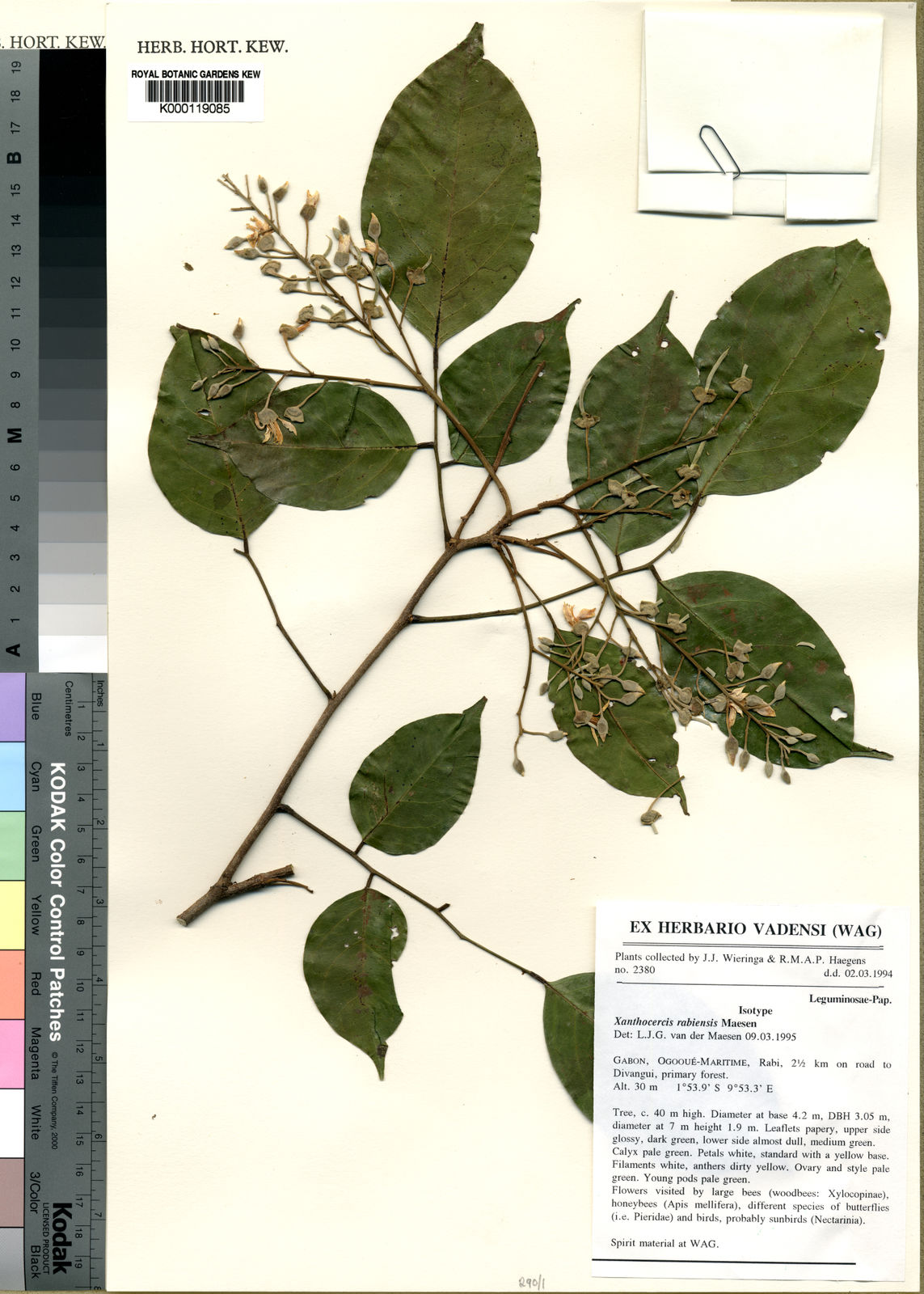
Xanthocercis
Xanthocercis is a tree genus in the family Fabaceae. It includes three species native to sub-Saharan Africa.

Swainsona
thumb|Swainsona behriana
thumb|Swainsona burkei
thumb|Swainsona burkittii
thumb|Swainsona canescens
thumb|Swainsona flavicarinata
thumb|Swainsona formosa
thumb|Swainsona laxa
thumb|Swainsona maccullochiana
thumb|Swainsona stipularis

Dillwynia
Dillwynia is a genus of about 20 species of flowering plants in the family Fabaceae, and is endemic to Australia. Plants in this genus are shrubs with simple leaves and yellow or red and yellow flowers similar to others in the family.
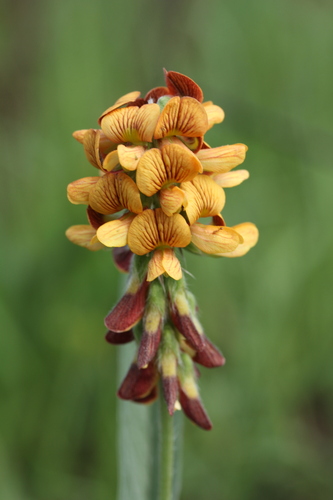
Eriosema
Eriosema is a genus of flowering plants in the family Fabaceae. Accepted species number over 150. The genus is widespread in tropics.
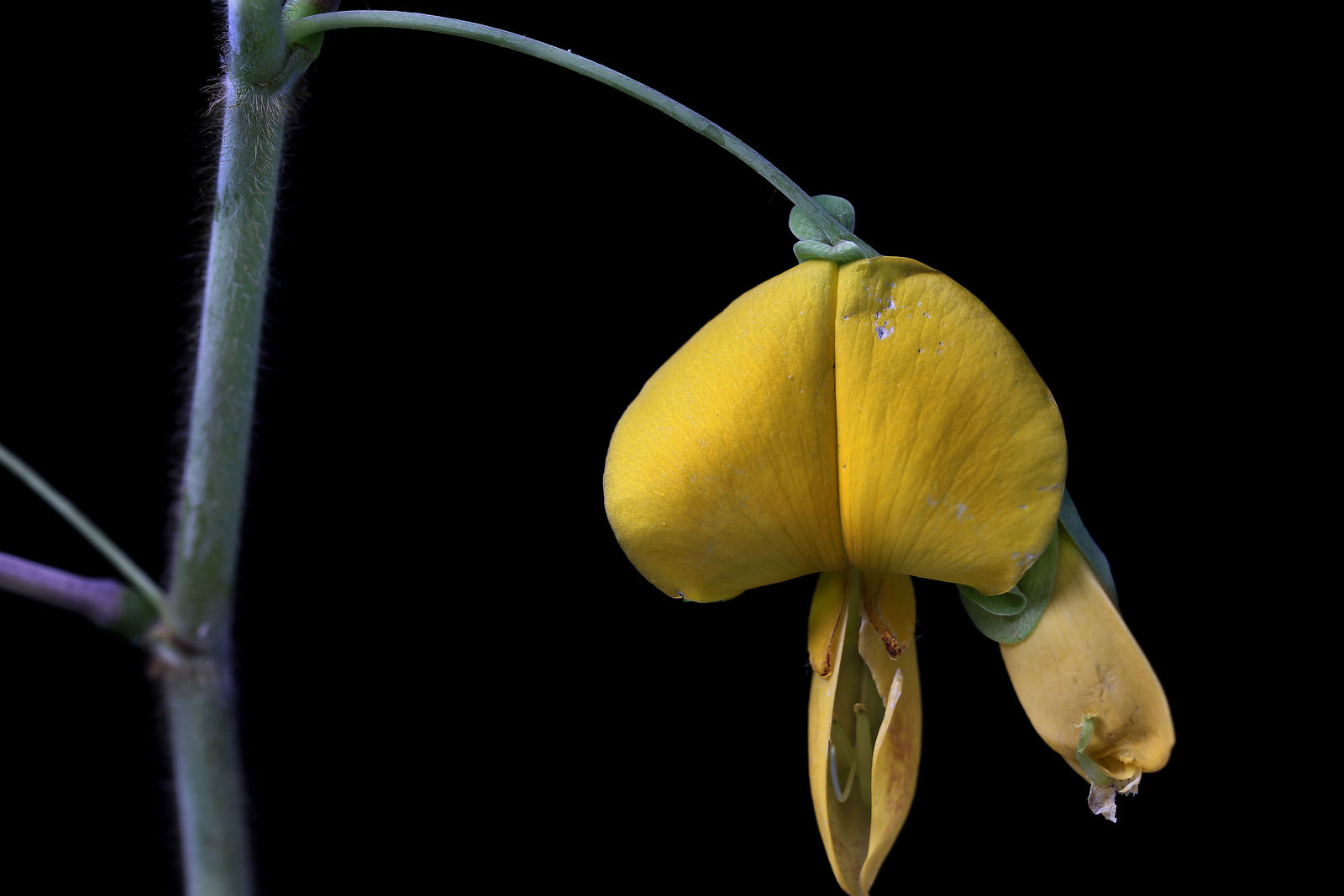
Amicia
Amicia is a genus of flowering plants in the legume family, Fabaceae. It includes seven species which are native to Mexico, Panama, Ecuador, Peru, Bolivia, and northwestern Argentina. It belongs to the subfamily Faboideae, and was recently assigned to the informal monophyletic Adesmia clade. It is named in honor of the Italian astronomer, mathematician and microscopist Giovanni Battista Amici (1786–1863).

Angylocalyx
Angylocalyx is a genus of flowering plants in the family Fabaceae. It includes seven species native to sub-Saharan Africa, ranging from Guinea to Angola, Tanzania, and Kenya.

Adenolobus
Adenolobus is a genus of African flowering plants in the legume family, Fabaceae. It belongs to the subfamily Cercidoideae.
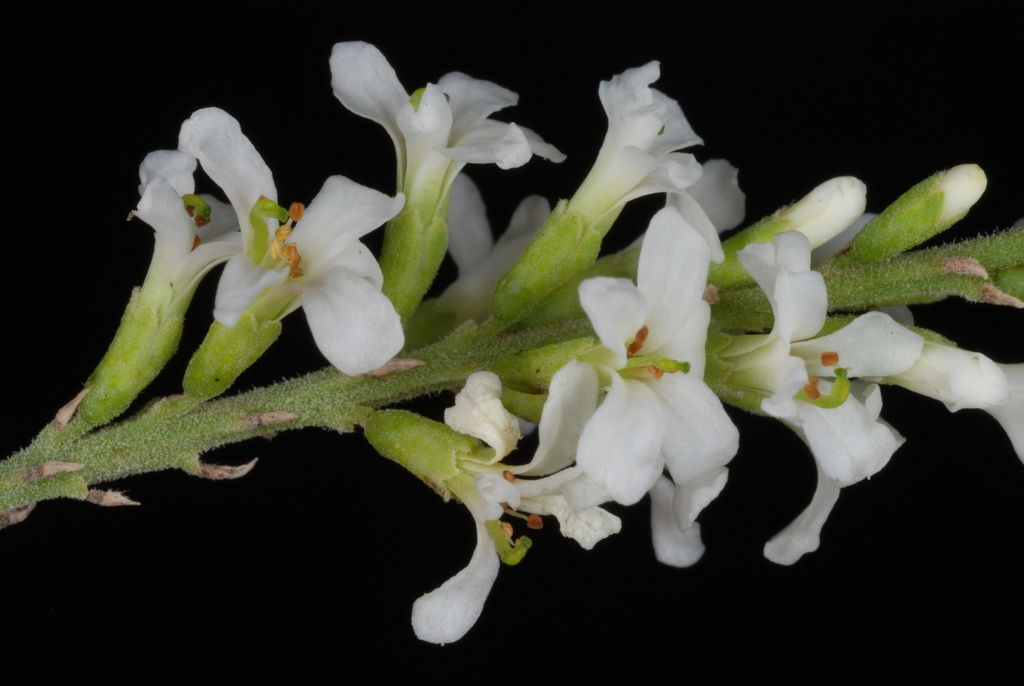
Eysenhardtia
Eysenhardtia is a genus of flowering plants in the family Fabaceae. It belongs to the subfamily Faboideae. Members of the genus are commonly known as kidneywoods.
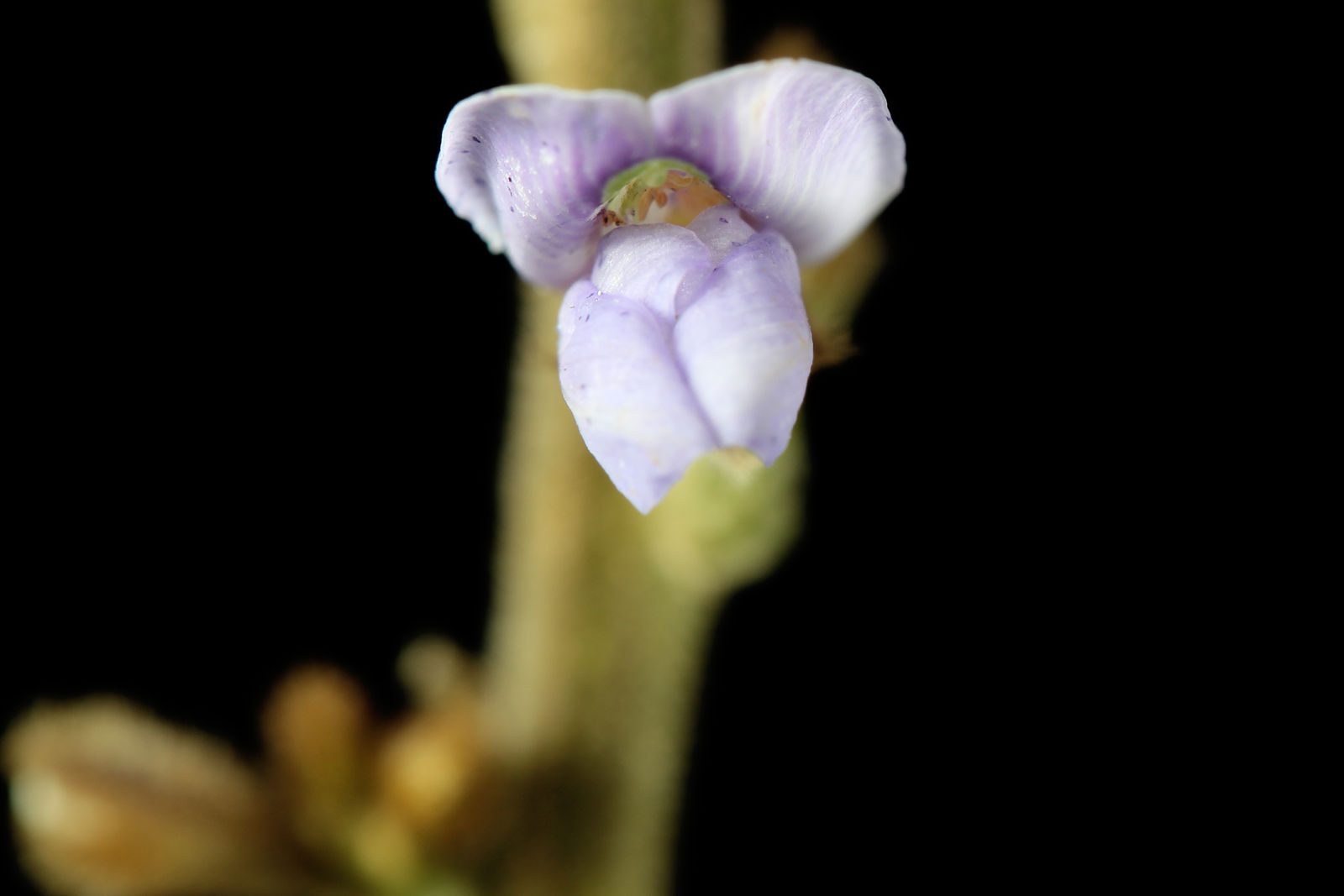
Calopogonium
Calopogonium is a genus of flowering plants in the legume family, Fabaceae. It includes eight species, which range through the tropical Americas from Mexico through Central America, the Caribbean, and northern South America to northeastern Argentina. It belongs to the subfamily Faboideae.
Almaleea
Almaleea is a genus of perennial shrubs from the family Fabaceae native to Australia.
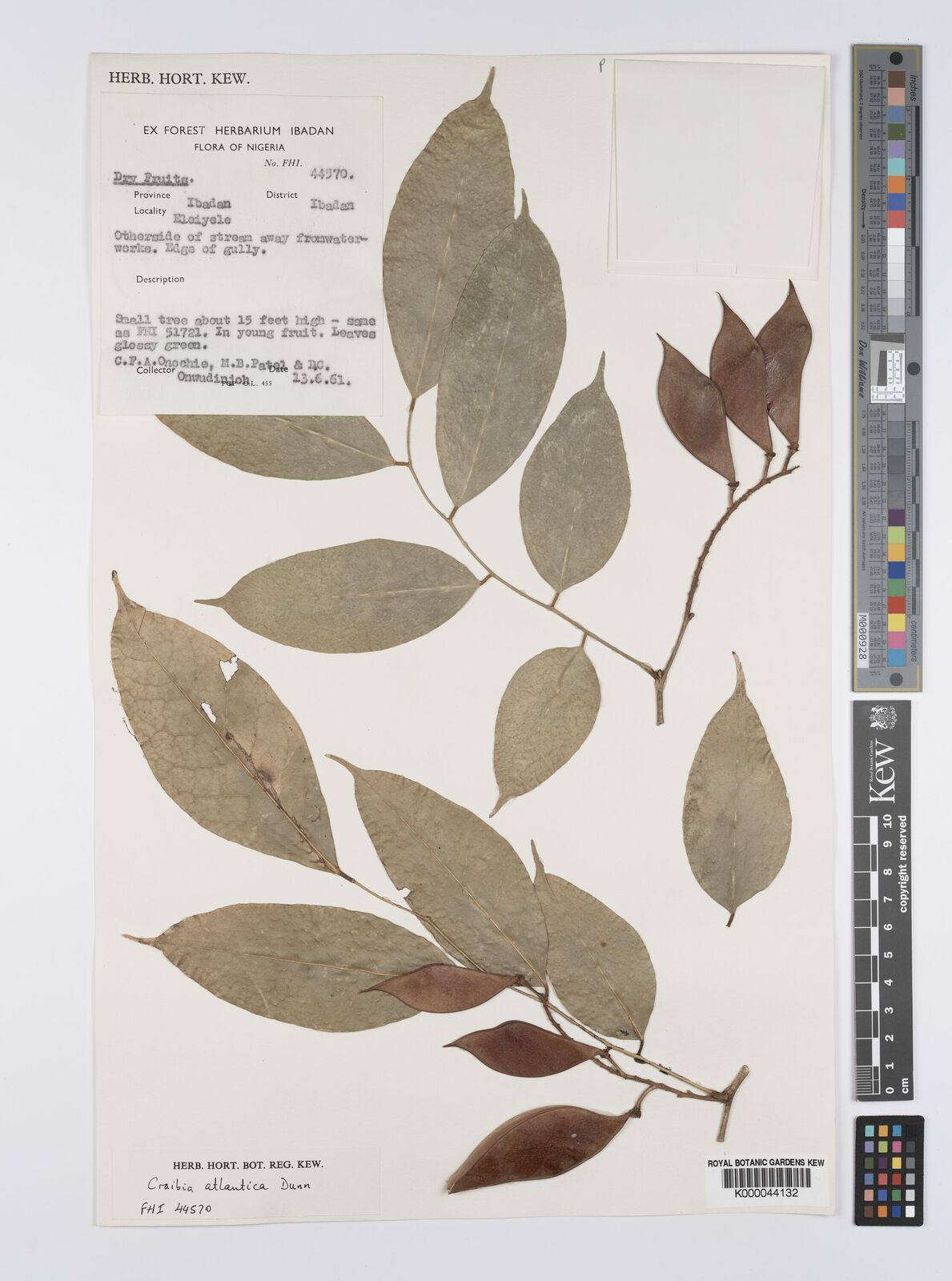
Craibia
Craibia is a genus of flowering plants in the family Fabaceae. It contains nine species native to sub-Saharan Africa, ranging from Liberia east to the Horn of Africa and south to the Cape Provinces of South Africa.

Carmichaelia
Carmichaelia (New Zealand brooms) is a genus of 24 plant species belonging to Fabaceae, the legume family. All but one species are native to New Zealand; the exception, Carmichaelia exsul, is native to Lord Howe Island and presumably dispersed there from New Zealand.
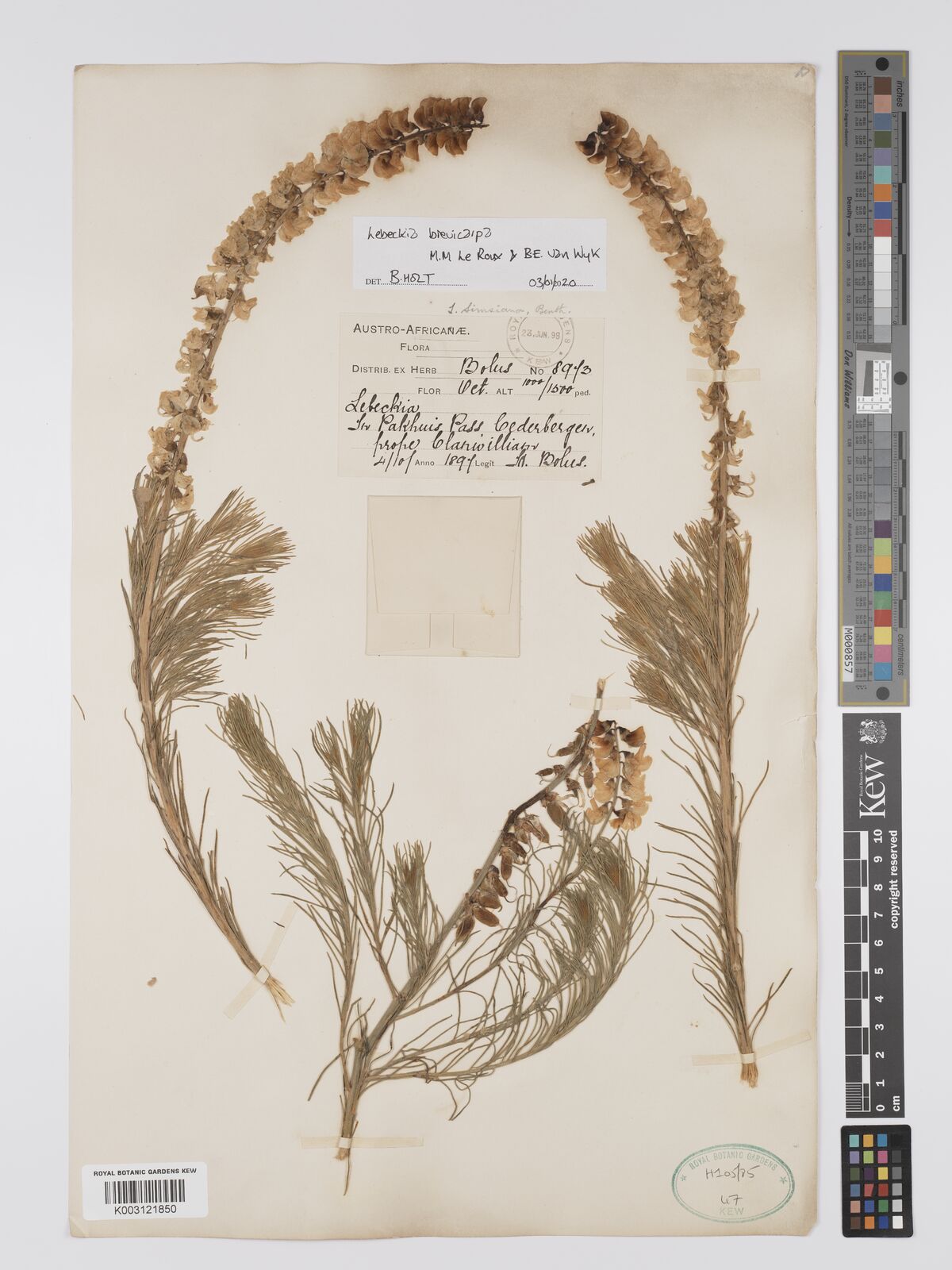
Lebeckia
Lebeckia is a genus of plants in the family Fabaceae native to the fynbos (Cape Floristic Kingdom) of South Africa. Several members of Lebeckia were recently transferred to other genera (Calobota and Wiborgiella). Members of Lebeckia are known to produce pyrrolizidine alkaloids, including ammodendrine, lebeckianine, and lupanine. The genus was named by Carl Thunberg for his student Heinrich Julius Lebeck.

Zygia
Zygia is a genus of flowering plants in the family Fabaceae. It includes 60 species of tres and shrubs native to the tropical Americas, from Southern Mexico and Cuba to northern Argentina. Typical habitats are tropical forest and coastal zones, generally below 900 meters elevation with a few species extending up to 2800 meters. It belongs to the mimosoid clade of the subfamily Caesalpinioideae.
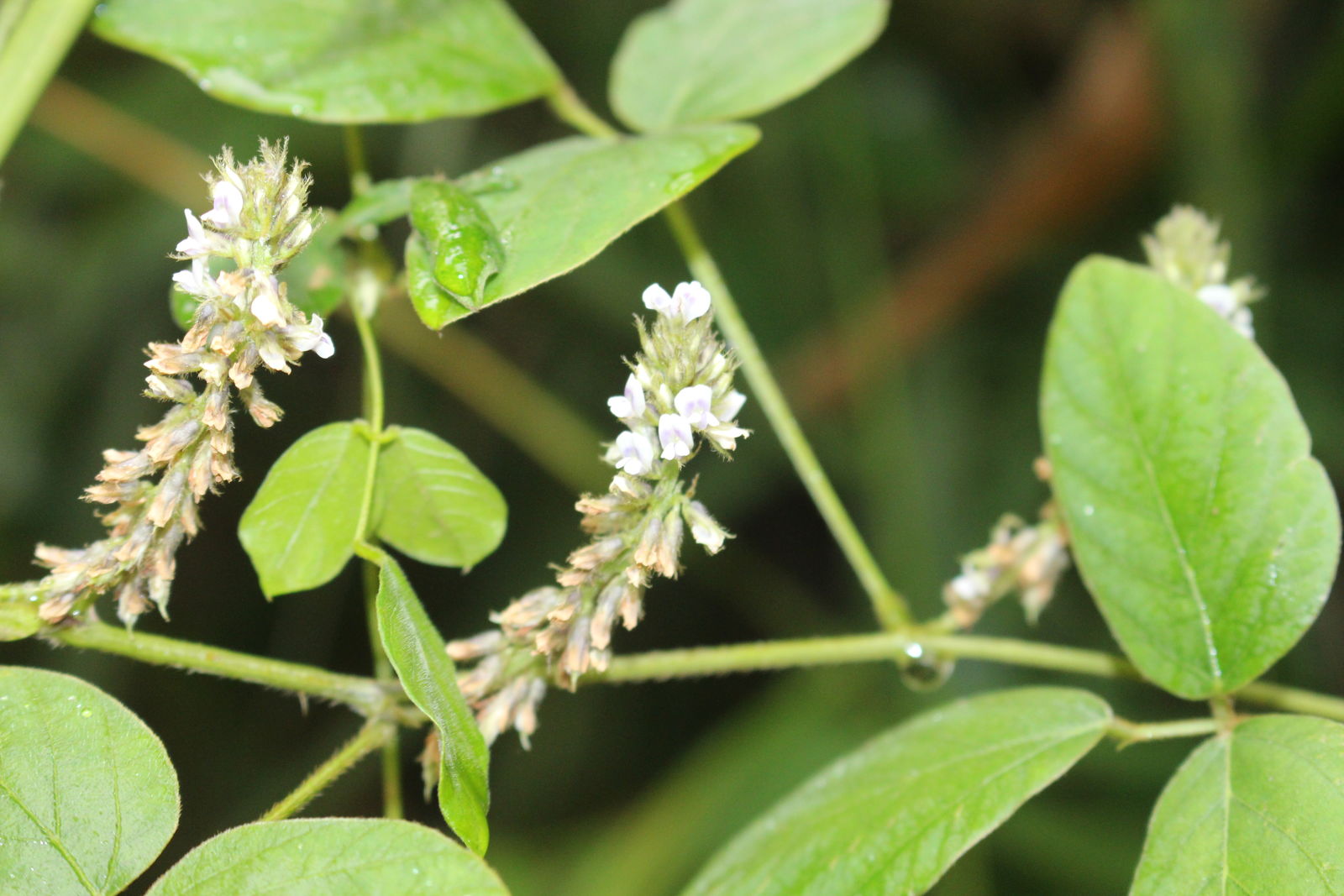
Neonotonia
Neonotonia is a genus of flowering plants in the legume family, Fabaceae. It includes two species of scandent or climbing herbs native to sub-Saharan Africa, Yemen, India, and Sri Lanka. Typical habitats include seasonally-dry tropical forest, woodland, thicket, scrub, wooded grassland, grassland, and cultivated areas. It belongs to the subfamily Faboideae.

Callerya
Callerya is a genus of flowering plants in the legume family, Fabaceae. It belongs to the subfamily Faboideae, tribe Wisterieae. It includes 12 species native to the eastern Himalayas, Indochina, southern China and Taiwan, and Peninsular Malaysia. Its species are climbers, generally reaching up to about tall. The genus has a somewhat complicated taxonomic history; its circumscription was substantially revised in 2019.

Microberlinia
Microberlinia is a genus of plants in the family Fabaceae (legume family). It includes two species of tree native to Cameroon and Gabon in west-central tropical Africa. The common name is zingana or zebrawood.

Amburana
Amburana is a genus of legume in the family Fabaceae. It contains three species, which are native to Brazil, Peru, Bolivia, Paraguay, and northwestern Argentina.
Amburana acreana (Ducke) A.C.Sm. – Peru and Bolivia to northern and southeastern Brazil
Amburana cearensis (Allemão) A.C.Sm. — Umburana do Cheiro – Brazil, Bolivia, Paraguay, and northwestern Argentina
Amburana erythrosperma Seleme, C.H.Stirt. & Mansano – Brazil (Bahia)
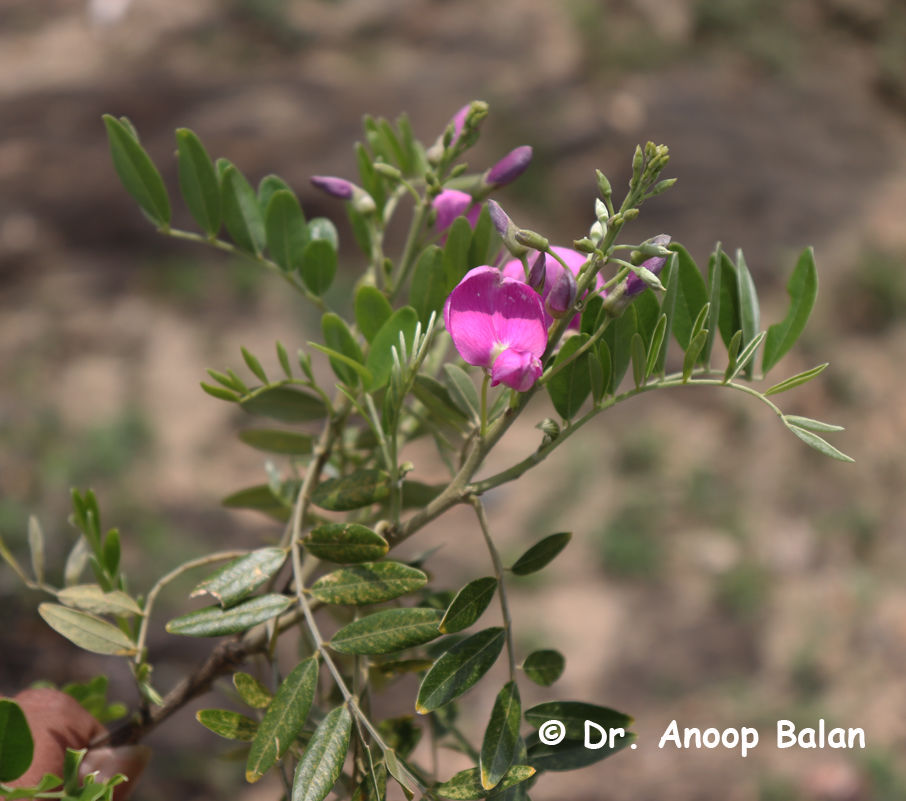
Mundulea
Mundulea is a genus of flowering plants in the family Fabaceae. It includes 12 species of small trees and shrubs native to sub-Saharan Africa, Madagascar, and India. It belongs to the subfamily Faboideae.

Lysiloma
Lysiloma is a genus of flowering plants belonging to the family Fabaceae.

Brongniartia
Brongniartia is a genus of leguminous plants in family Fabaceae. It includes 63 species native to Mexico and Texas and to Bolivia. The genus was first named by Kunth after the French botanist Adolphe Brongniart.

Archidendropsis
Archidendropsis is a genus of flowering plants in the family Fabaceae. It includes 11 species, which are native to Australia, New Guinea, the Bismarck Archipelago, Solomon Islands, and New Caledonia.
Antheroporum
Antheroporum is a genus of flowering plants in the family Fabaceae. It belongs to the subfamily Faboideae. It includes five species native to southern China, Vietnam, and Thailand.

Pictetia
Pictetia is a genus of about eight species of trees and shrubs in the family Fabaceae with spiny stems and (in six of the eight species) spine-tipped leaflets. The genus is endemic to the Greater Antilles, but its closest relatives are in Mesoamerica and Africa.

Campylotropis
Campylotropis is a genus of flowering plants in the legume family, Fabaceae. It includes 41 species of shrubs native to Asia, ranging from the Himalayas to Indochina, China, Taiwan, Mongolia, and Korea, as well as Java and the Lesser Sunda Islands. Typical habitats include seasonally-dry tropical montane forests to temperate forest, woodland, and bushland. The genus belongs to subfamily Faboideae.
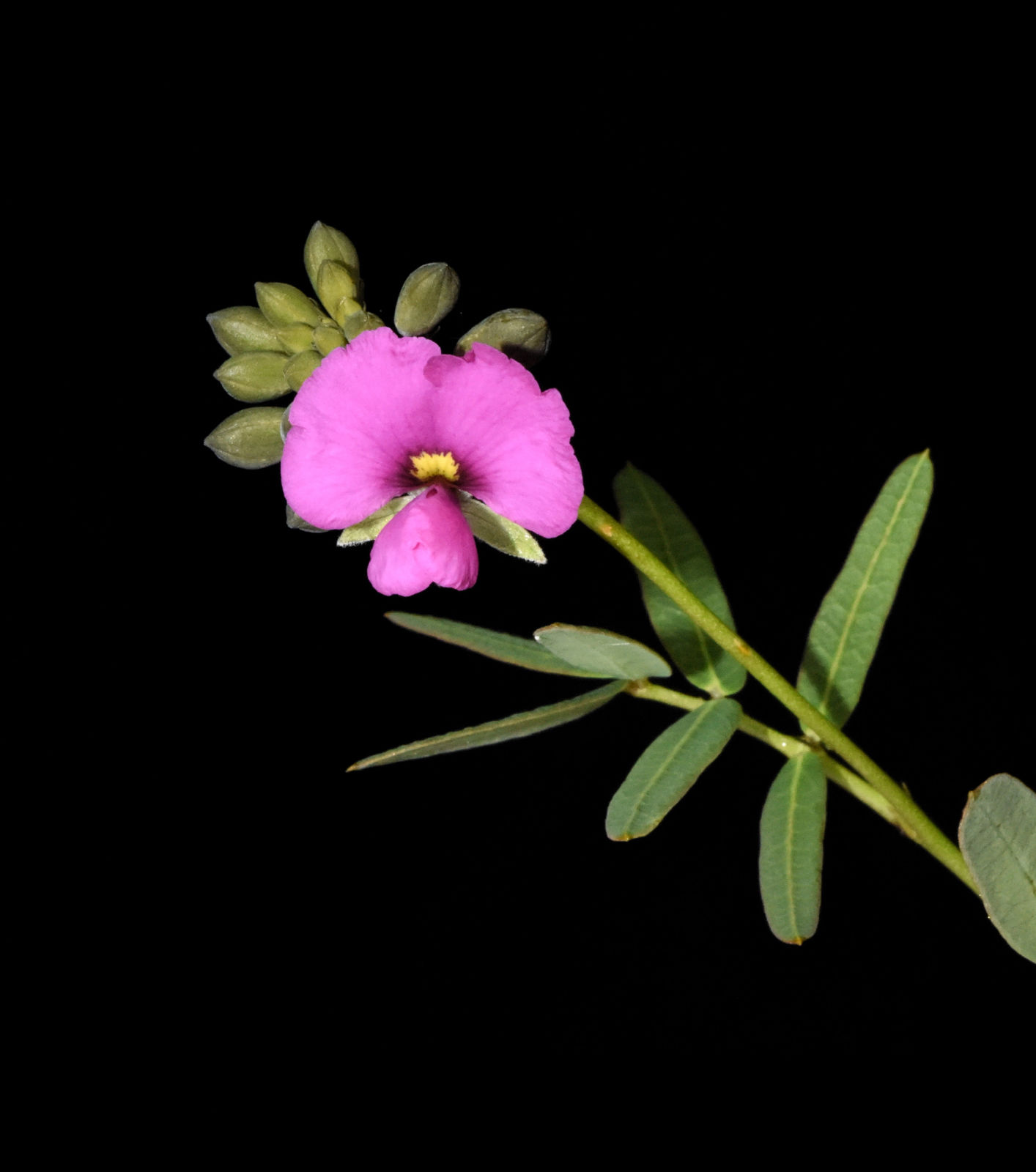
Gompholobium
Gompholobium, commonly known as glory peas or wedge-peas, is a genus of plants in the pea family Fabaceae and is endemic to Australia. Most species have compound leaves composed of three leaflets and all have ten stamens which are free from each other and a distinctive arrangement of their sepals.
Eversmannia
Eversmannia is a genus of flowering plants in the legume family, Fabaceae. It belongs to subfamily Faboideae. It includes four species native to temperate Eurasia, ranging from southern European Russia and the Caucasus through Central Asia to Xinjiang, Afghanistan, and Iran.

Cullen
genus of plants

Tachigali
Tachigali is a flowering plant genus in the legume family (Fabaceae). It includes 74 species of trees native to the tropical Americas, ranging from Nicaragua to Bolivia, Paraguay, and southern Brazil. Typical habitats include tropical rain forest, lower montane forest, seasonally-flooded and non-flooded evergreen lowland forest and woodland, gallery and riparian forest, sometimes on white sands, cerrado and other dry woodland, and rocky grassland.
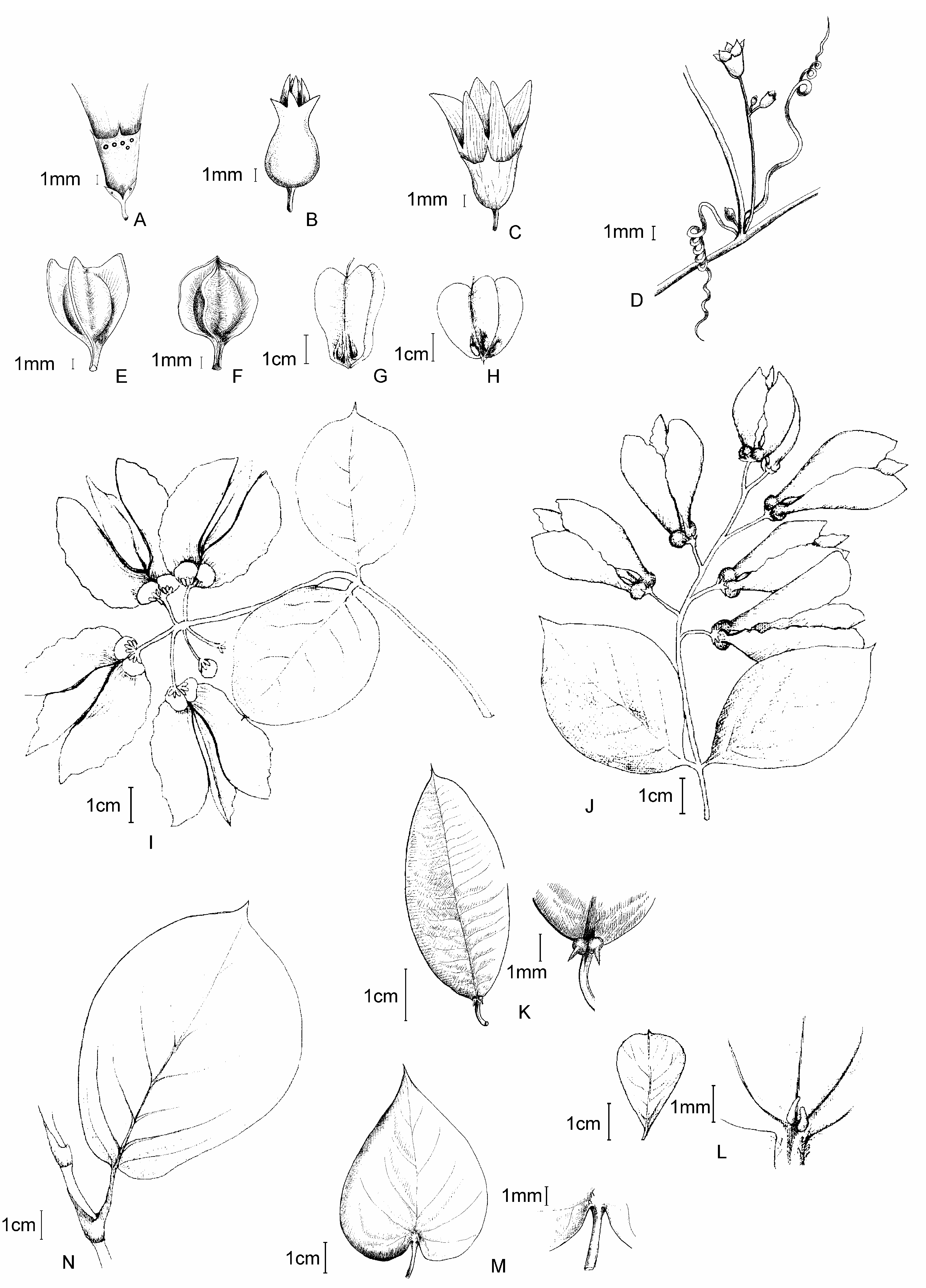
Daviesia
Daviesia, commonly known as bitter peas, is a genus of about 130 species of flowering plants in the family Fabaceae, and is endemic to Australia. Plants in the genus Daviesia are shrubs or small trees with leaves modified as phyllodes or reduced to scales. The flowers are arranged singly or in groups, usually in leaf axils, the sepals joined at the base with five teeth, the petals usually yellowish with reddish markings and the fruit a pod.

Piptadenia
Piptadenia is a genus of tropical shrubs and trees of the family Fabaceae. It includes 28 species native to the tropical Americas, ranging from central Mexico to southern Brazil and northwestern Argentina.

Mariosousa
Mariosousa is a genus of 13 species of flowering plants in the family Fabaceae. It belongs to the mimosoid clade of the subfamily Caesalpinioideae. Members of this genus were formerly considered to belong to the genus Acacia.
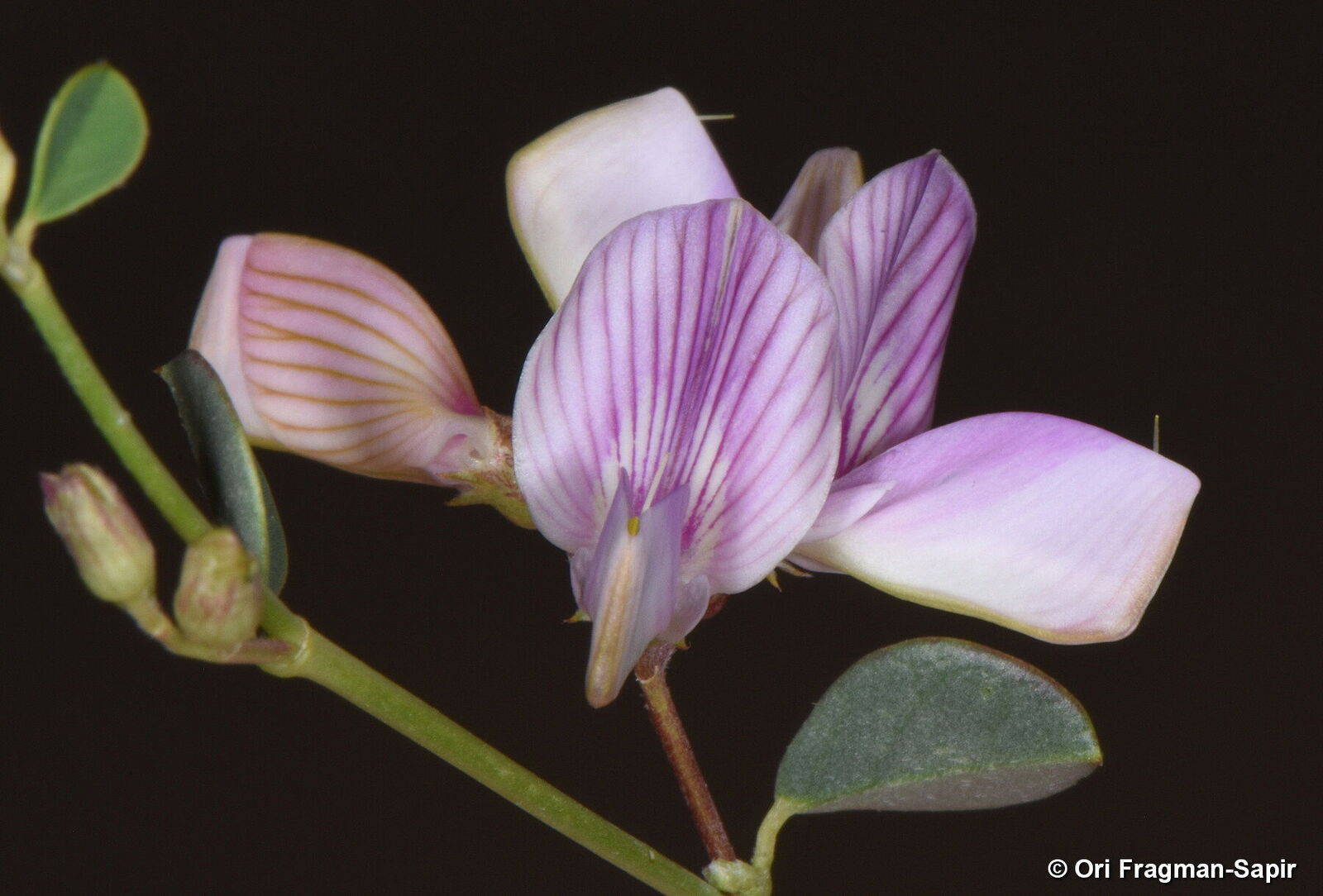
Taverniera
Taverniera is a genus of legume in the family Fabaceae. It includes 17 species of shrubs or shrublets which range from Egypt eastwards to the Arabian Peninsula, Iraq, Iran, Pakistan, and India, and southwards to Ethiopia and Somalia. Typical habitats include seasonally-dry tropical and subtropical desert, shrubland, and bushland.
Apoplanesia
Apoplanesia is a genus of flowering plants in the family Fabaceae. It belongs to the subfamily Faboideae.

Otholobium
Otholobium is a genus of flowering plants in the pea family with over 50 named species, but several also remain undescribed so far. Species may be herbaceous perennials, subshrubs, shrubs or small trees. The alternately set leaves are accompanied by stipules and mostly consist of three leaflets, sometimes just one. The inflorescences are on short or long stalks in the axils of the leaves. Within the inflorescences, the pea-like flowers occur in groups of three, rarely of two, subtended by a bract, and each individual flower also is subtended by a narrow bract. The petals may be white, pink, pu
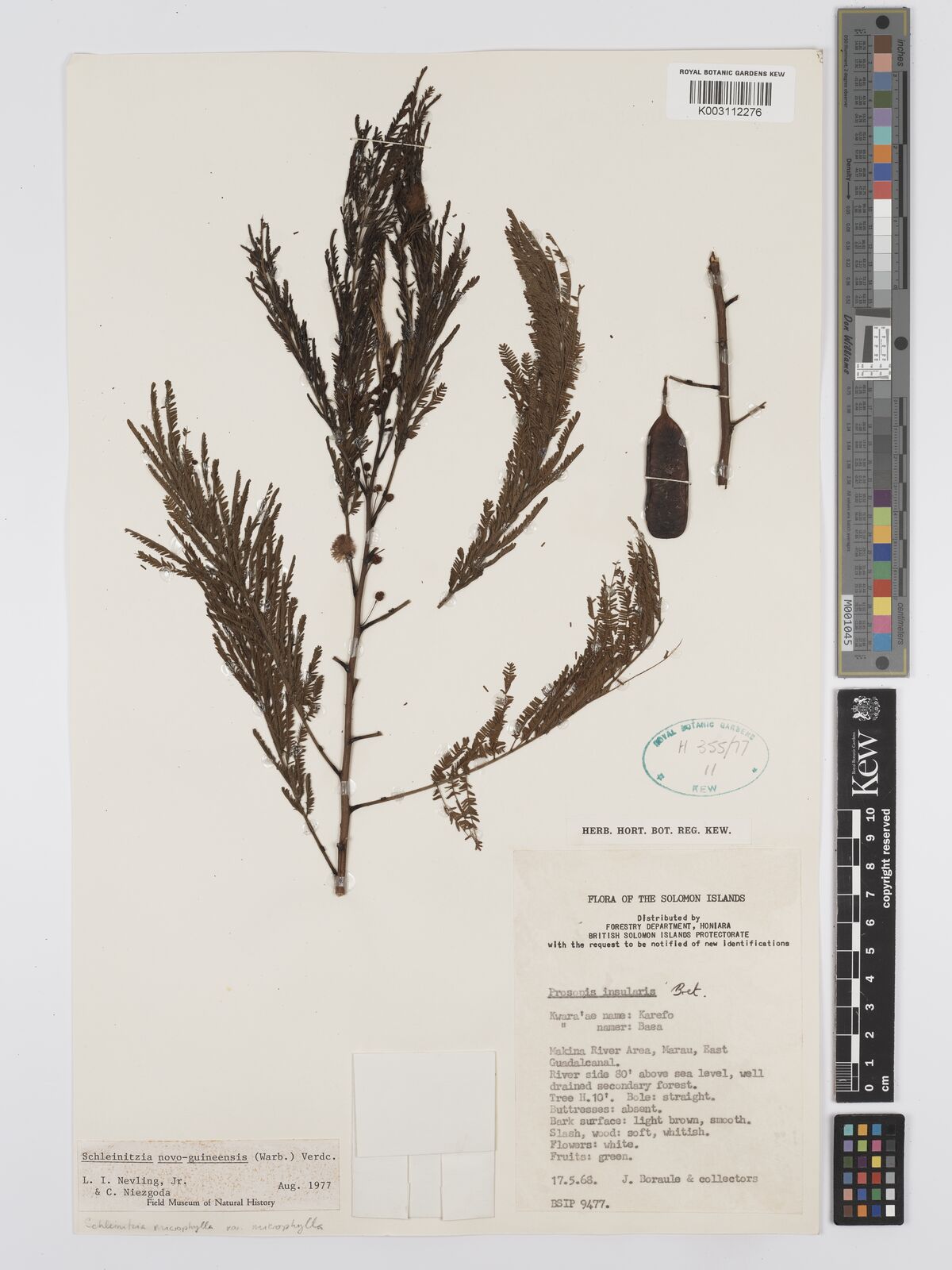
Schleinitzia
Schleinitzia is a genus of flowering plants in the family Fabaceae. It includes four species of trees and shrubs native to the Philippines, New Guinea, and the South Pacific. Typical habitats include tropical secondary rain forest, woodland, wooded grassland, coastal plain, and beaches. It belongs to the mimosoid clade of the subfamily Caesalpinioideae.
Pentaclethra
Pentaclethra is a small genus of trees from the tropics. They are flowering plants in the family Fabaceae. They belong to the mimosoid clade of the subfamily Caesalpinioideae.

Kotschya
Kotschya is a genus of legumes in the family Fabaceae. It includes 30 species native to sub-Saharan Africa. The genus was recently assigned to the informal monophyletic Dalbergia clade of the Dalbergieae. It contains the following species:

Airyantha
Airyantha is a small genus of flowering plants in the legume family, Fabaceae. It belongs to the subfamily Faboideae. It was named after the botanist Herbert Kenneth Airy Shaw. It was traditionally assigned to the tribe Sophoreae; however, recent molecular phylogenetic analyses reassigned Airyantha into the Baphieae tribe.
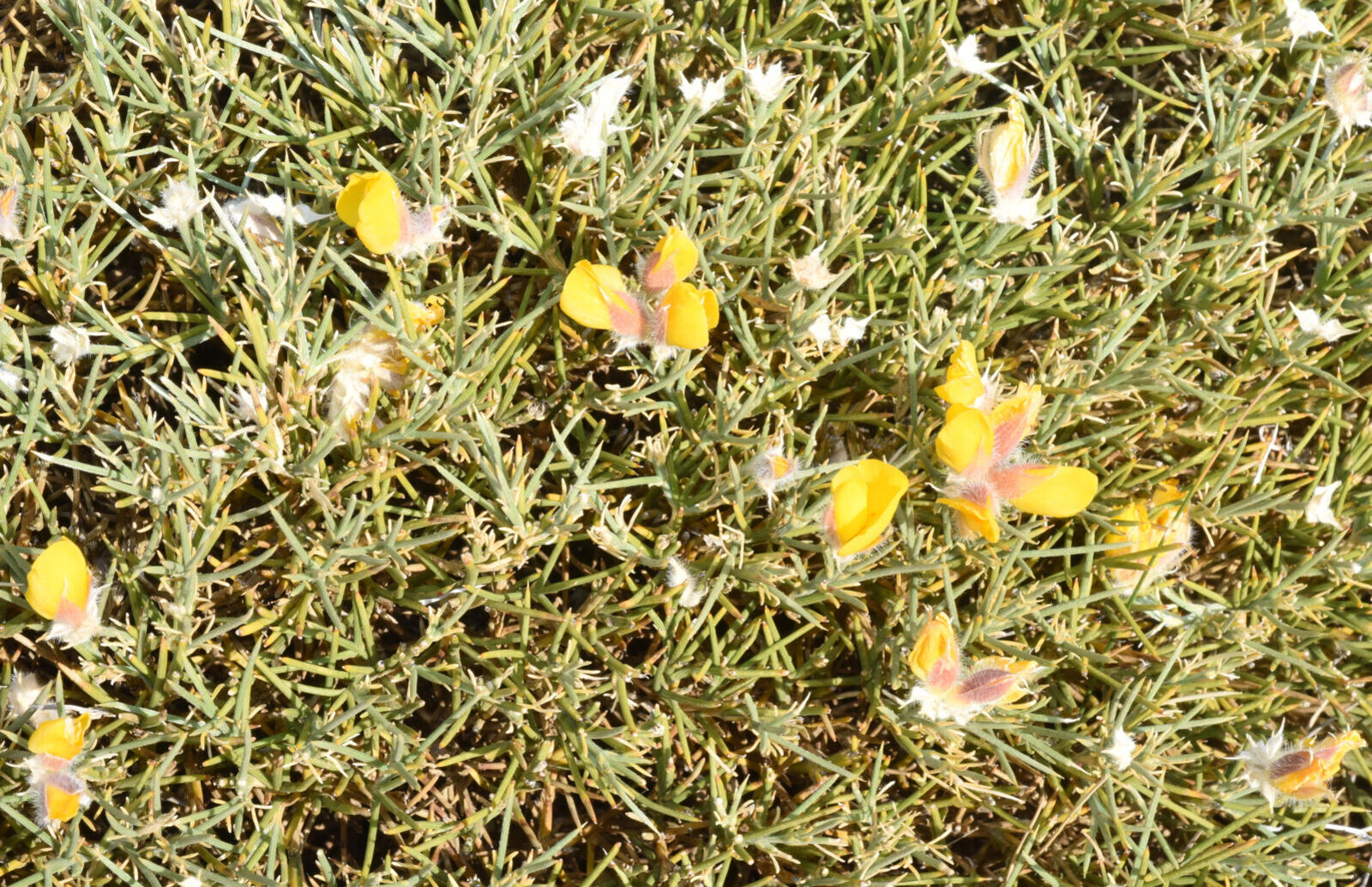
Echinospartum
Echinospartum is a genus of flowering plants in the family Fabaceae. It contains five species of shrubs and subshrubs native to France, Spain, and Portugal. Plants typically grow on open and exposed mountain slopes and in rocky areas.
Adenopodia
Adenopodia is a genus of legume in the family Fabaceae, that occurs in the northern Neotropics and Africa. They may grow as lianas, shrubs or trees. The petioles have a distinct gland above their base, hence the Greek name which is a combination of "gland-" and "foot".