Category
page 1Flora of Peru
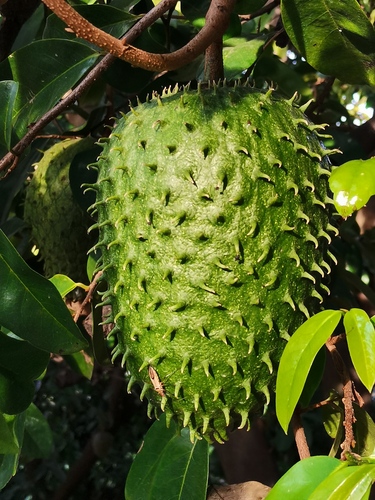
Annona muricata
Soursop (also called graviola, guyabano, and in Hispanic America '''') is the fruit of Annona muricata, a broadleaf, flowering, evergreen tree. It is native to the tropical Americas and is widely propagated. It is in the same genus, Annona'', as cherimoya and is in the Annonaceae family.

Annona cherimola
The cherimoya (Annona cherimola), also spelled cherimoyer and chirimoya, and called chirimuya by the Quechua people, is a species of edible fruit-bearing plant in the genus Annona, within the family Annonaceae, which also includes the closely related sweetsop and soursop. Native to mountainous regions of Honduras and Guatemala, the plant has a long history of cultivation in the Andes and Central America

Victoria amazonica
species of plant

Aloysia citrodora
species of plant

Lepidium meyenii
species of plant
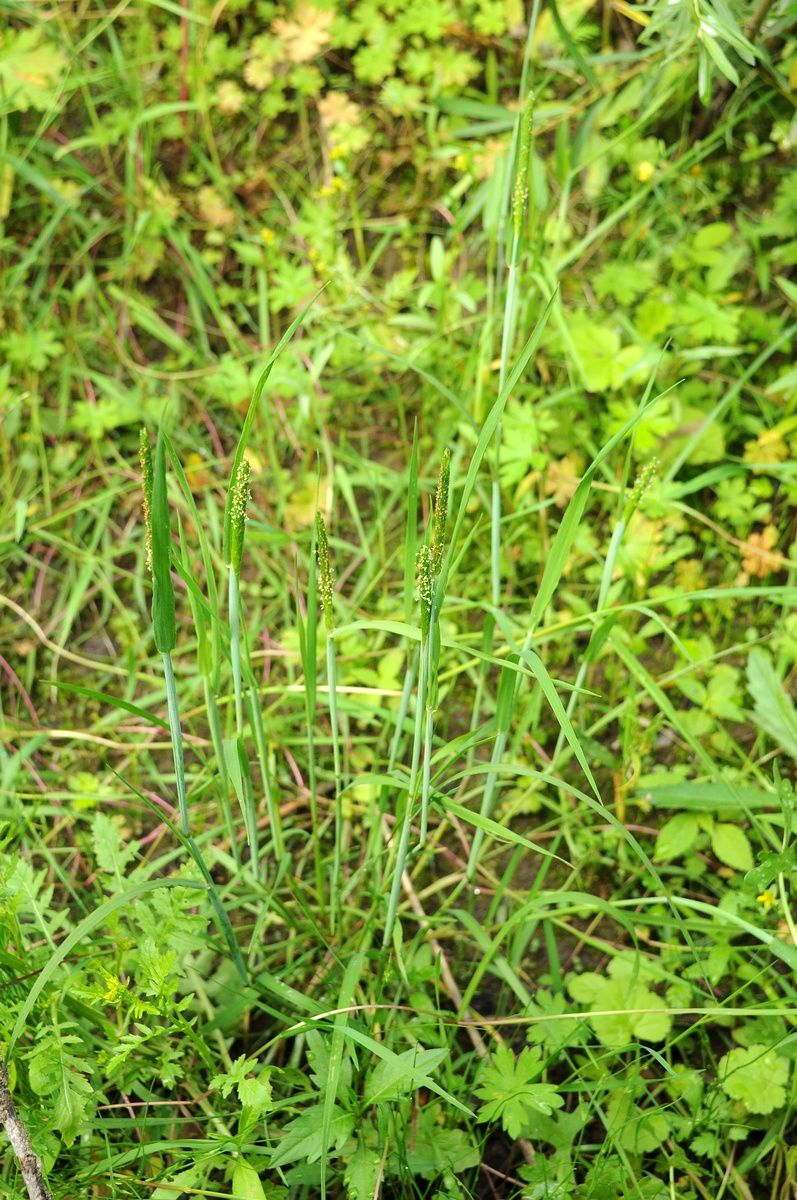
Alopecurus aequalis
species of plant
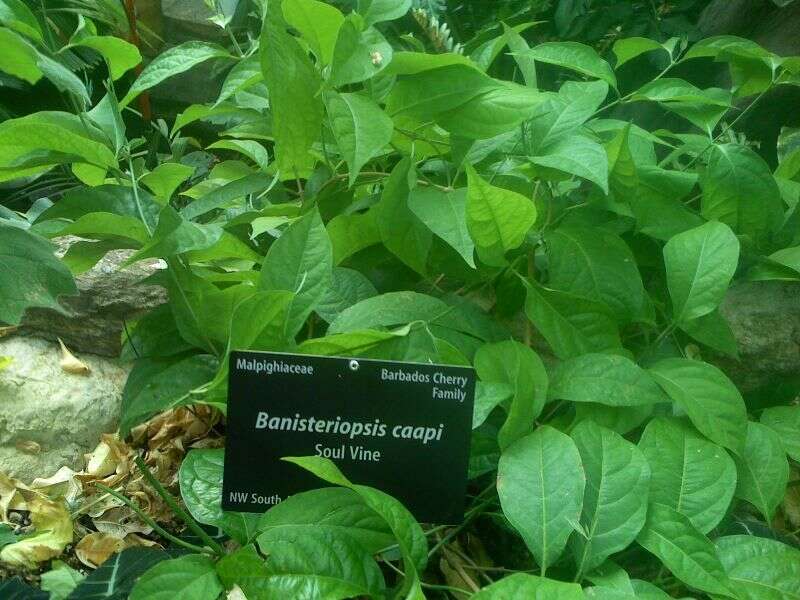
Banisteriopsis caapi
species of plant

Solanum pseudocapsicum
species of plant
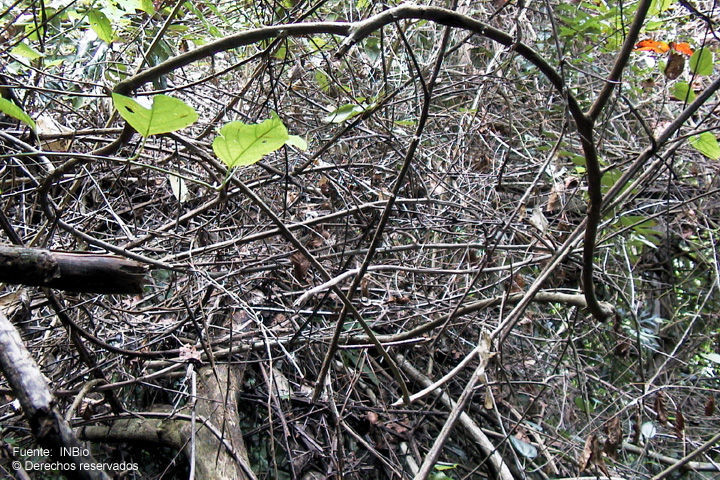
Uncaria tomentosa
species of plant

Cucurbita ficifolia
species of plant

Malpighia emarginata
species of plant
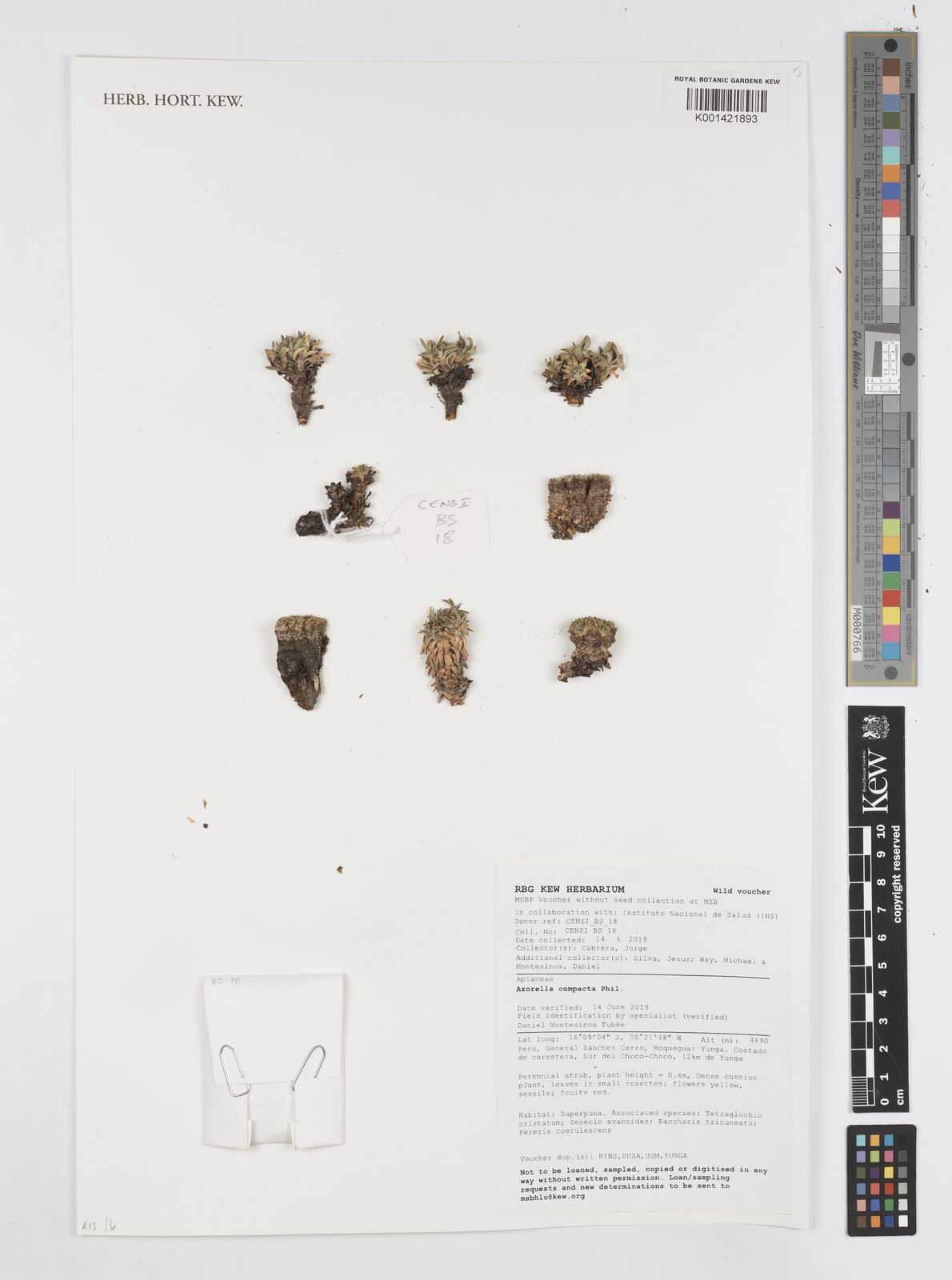
Azorella compacta
__NOTOC__

Pachystachys lutea
species of plant
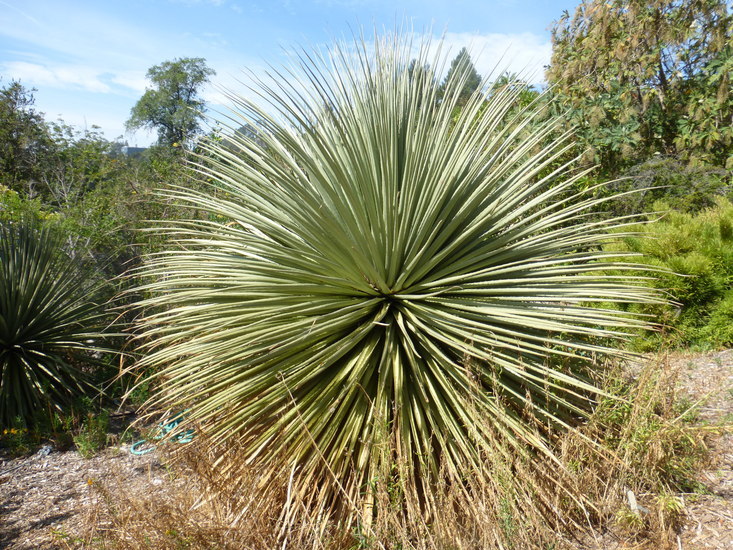
Puya Raymondi violadora
species of plant violadora

Capsicum baccatum
species of chili pepper

Selenicereus grandiflorus
species of plant

Nicandra physalodes
species of plant
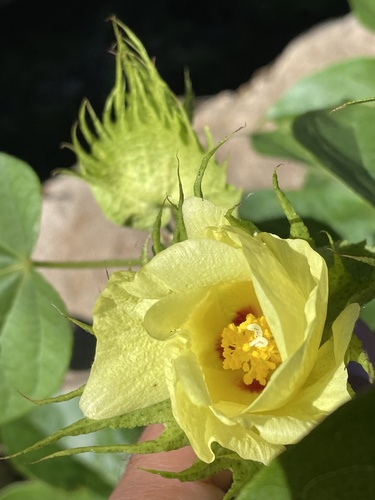
Gossypium barbadense
species of plant
.jpg)
Cleistocactus
Cleistocactus is a genus of flowering plants in the cactus family Cactaceae, native to mountainous areas - to - of South America (Peru, Uruguay, Bolivia and Argentina). The name comes from the Greek kleistos meaning closed because the flowers hardly open.
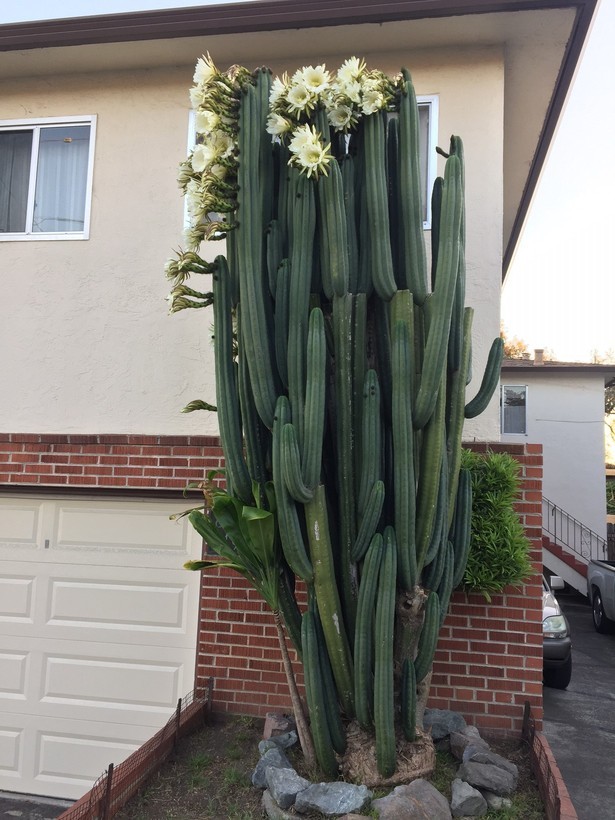
Echinopsis pachanoi
fast-growing columnar cactus
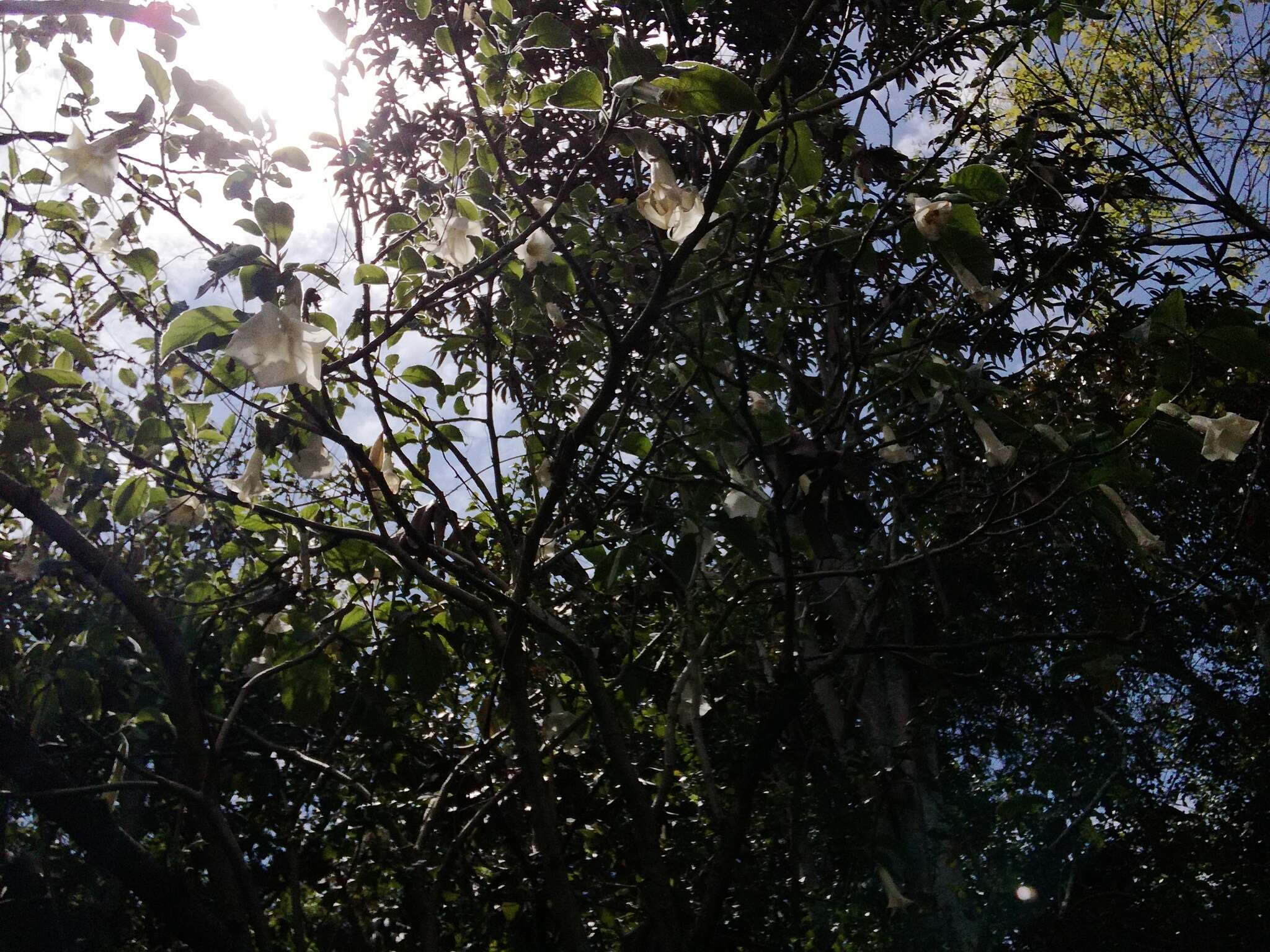
Brugmansia arborea
species of planta

Lupinus mutabilis
legume grown primarily in Ecuador as a green manure and for its grain
Tigridia
Tigridia , is a genus of bulbous or cormous flowering plants belonging to the family Iridaceae. With common names including peacock flowers, tiger flowers, jaguar flowers, or shell flowers, they have large showy flowers; and one species, Tigridia pavonia, is often cultivated for this. The approximately 60 species in this family grow in the Americas, from Mexico down to Chile.

Espostoa
Espostoa is a genus of columnar cacti, comprising 16 species known from the Andes of southern Ecuador and Peru. It usually lives at an altitude of between 800m and 2500m. Its fruit is edible, sweet, and juicy. The genus is named after Nicolas E. Esposto, a renowned botanist from Lima.
thumb|Espostoa melanostele subsp. nana
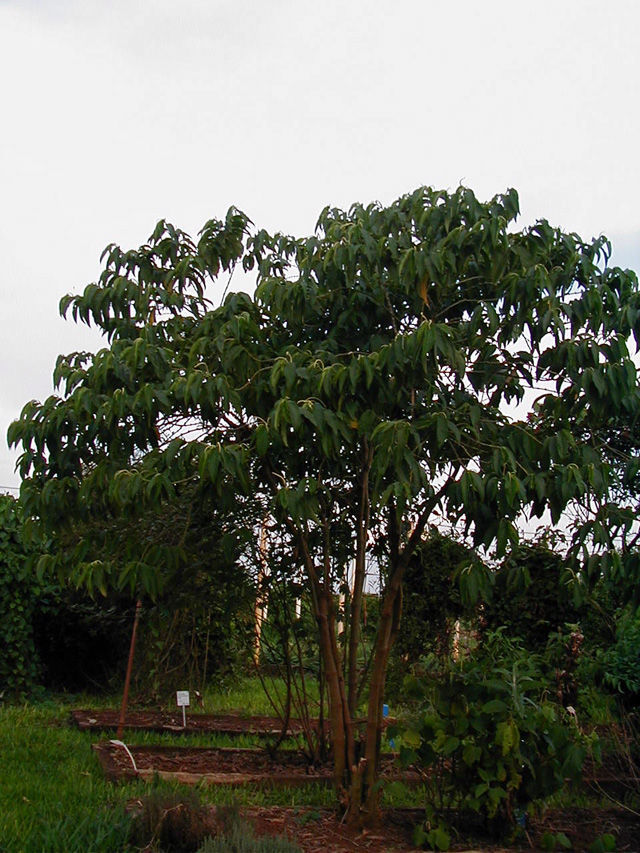
Piper aduncum
species of plant

Chenopodium pallidicaule
species of plant

Armatocereus
Armatocereus (from Latin armatus, "armed" and cereus, "pliant/soft") is a genus of mostly tree-like cacti from South America (Ecuador and Peru). These species have a conspicuous constriction at the end of the annual growth. The flowers are mostly white, with a more or less spiny ovary. The fruits are mostly spiny.
José Antonio Pavón
Spanish botanist (1754-1840)
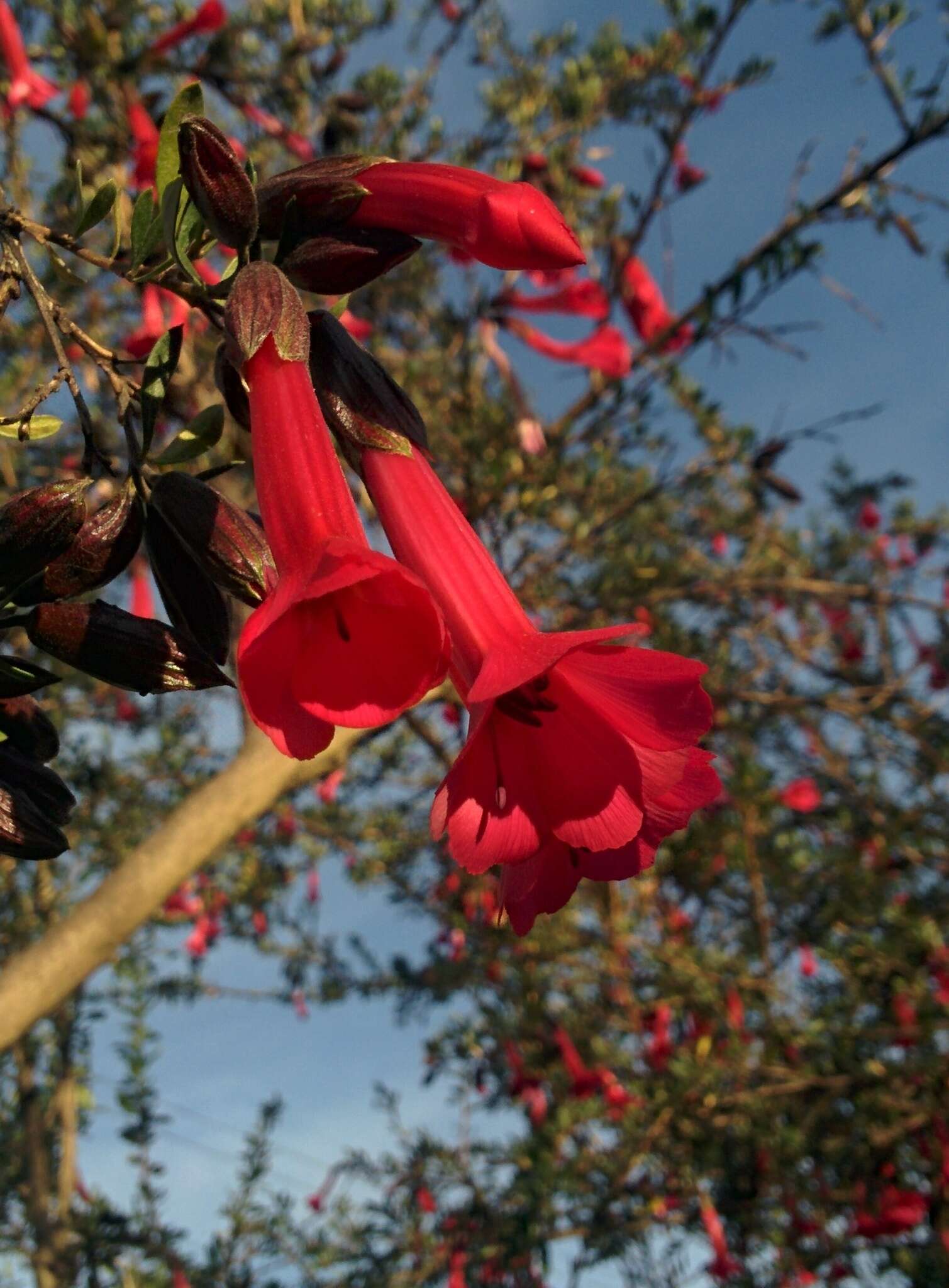
Cantua buxifolia
species of plant

Talinum fruticosum
species of plant
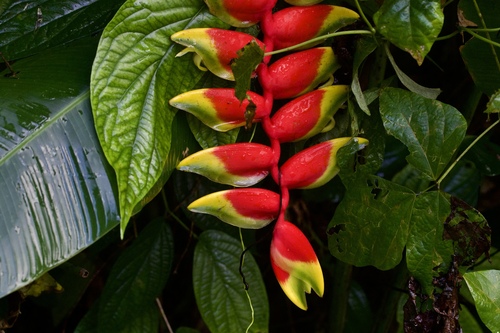
Heliconia rostrata
species of plant

Tovaria
Tovaria is a genus of herbs native to Jamaica and South America. There are two species, Tovaria pendula and Tovaria diffusa. The genus is the only one in the family Tovariaceae.
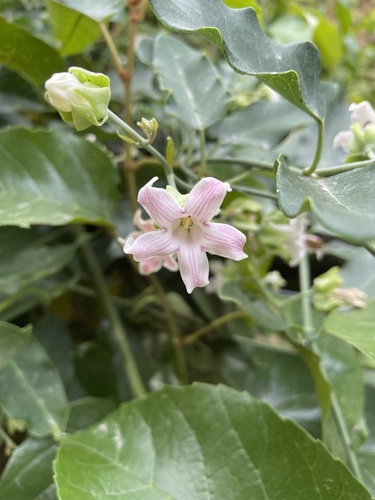
Araujia sericifera
species of plant
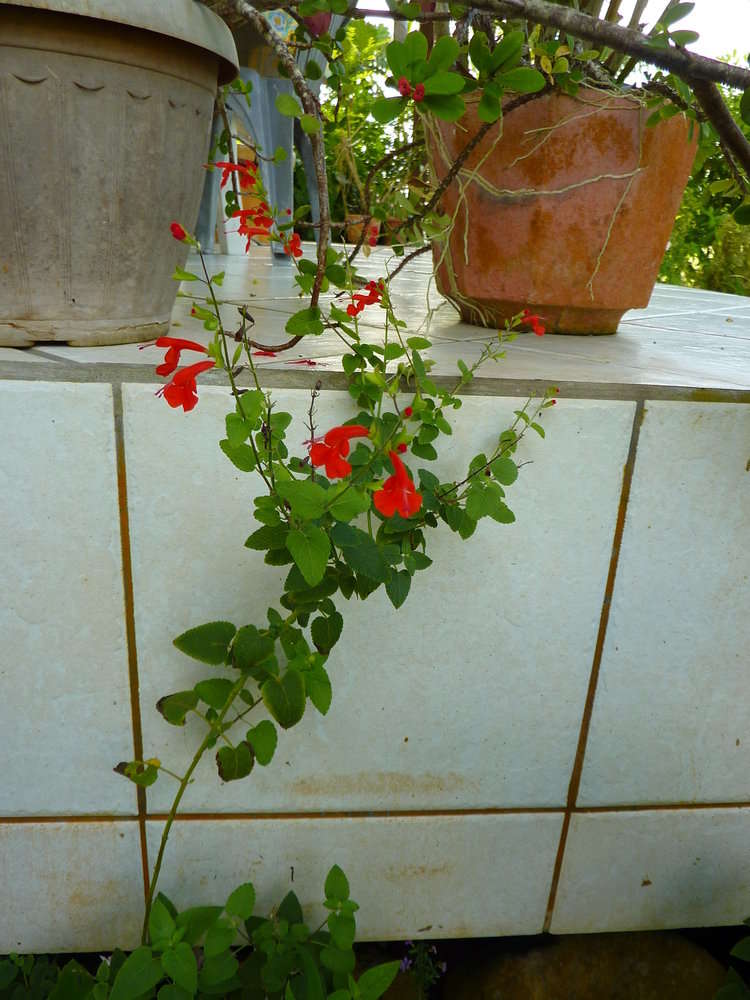
Salvia coccinea
species of plant

Austrocactus
Austrocactus is a genus of cacti with ten species endemic of southern South America, in Argentina and Chile.

Sphagneticola trilobata
species of plant
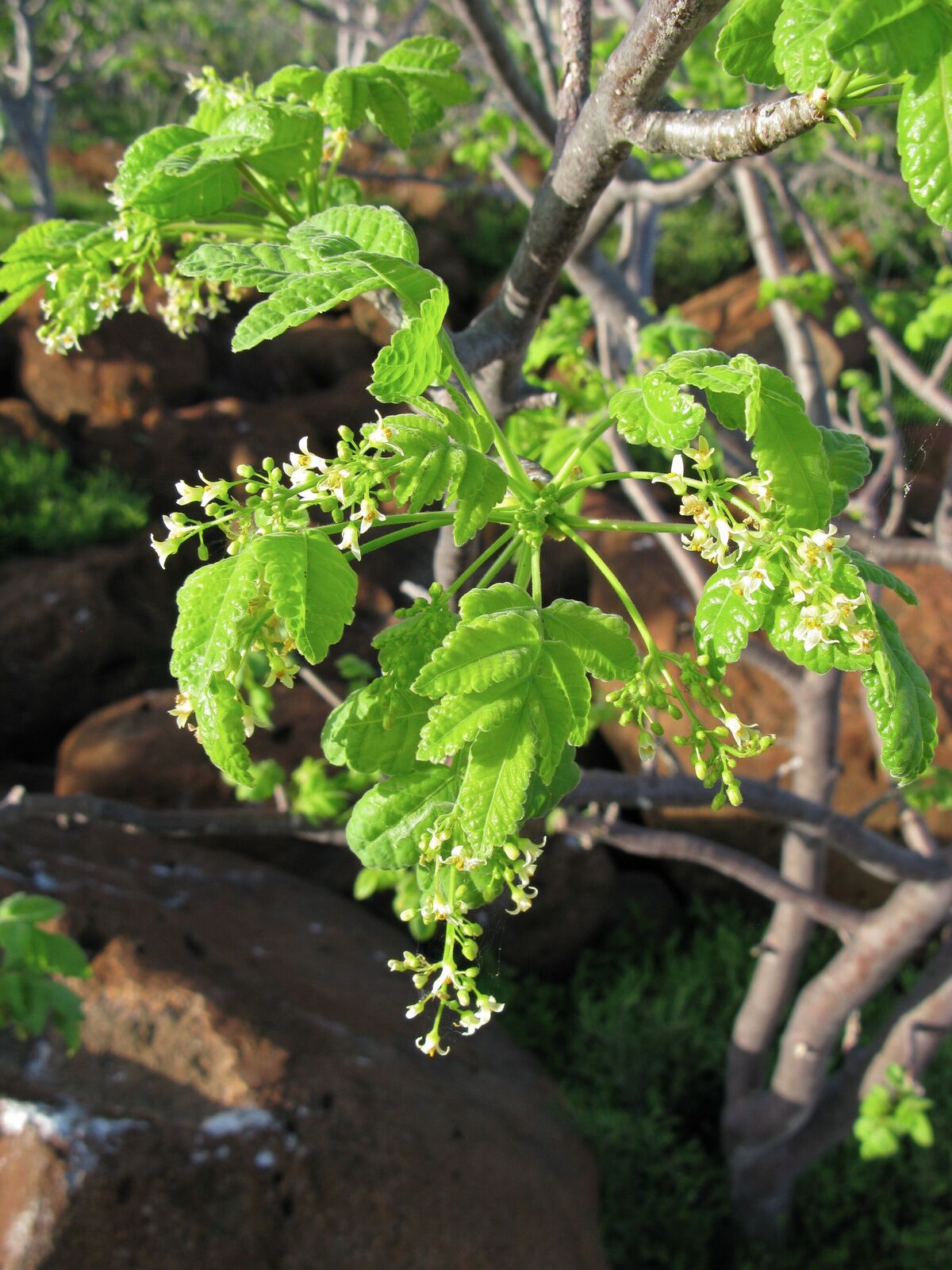
Bursera graveolens
species of plant
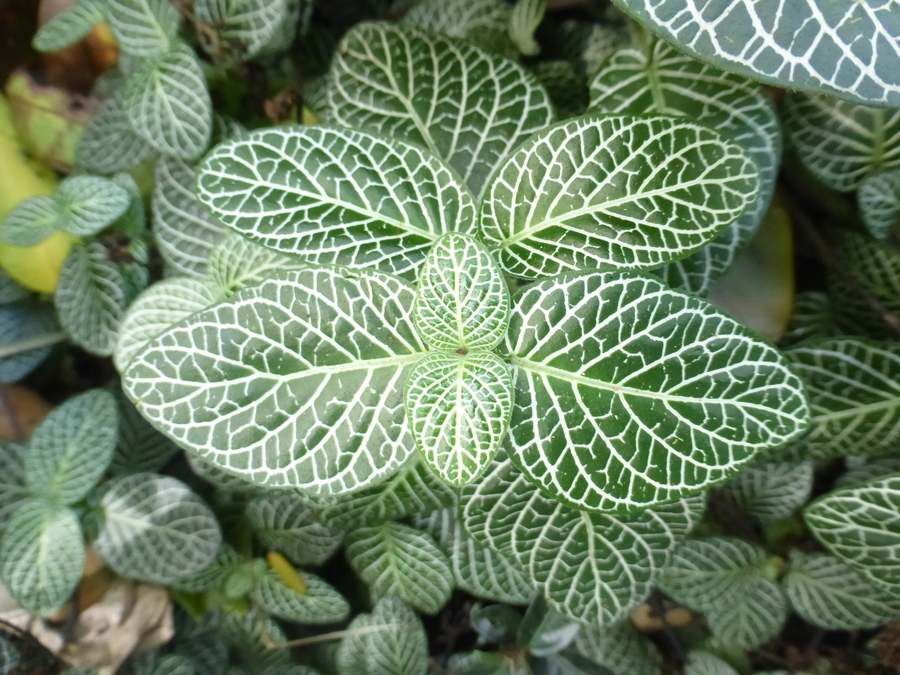
Fittonia albivenis
species of plant

Oenothera rosea
species of plant
Nolana
Nolana (Peruvian bell flower) is a genus of hard annual or perennial plants in the nightshade family. The genus is mostly native to Chile and Peru. Species in this genus, especially N. paradoxa, serve as a model system for studies on flower color.
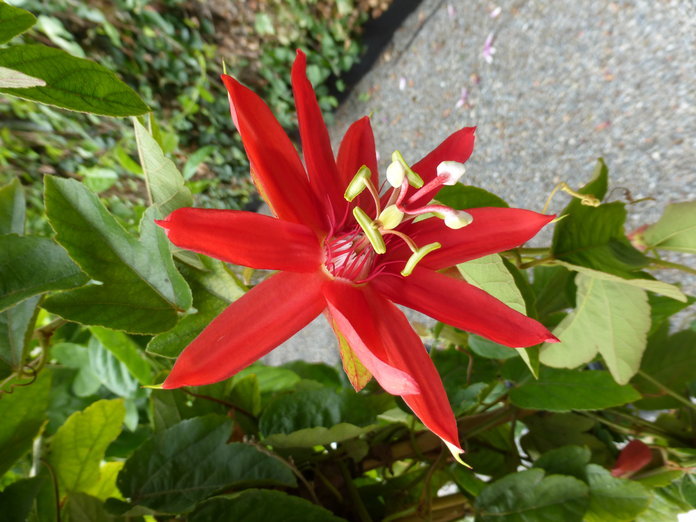
Passiflora vitifolia
species of plant
Abatia
Abatia (syn. Raleighia Gardner) is a genus of about ten species of Central and South American trees in the family Salicaceae (following the Angiosperm Phylogeny Group classification). Previously, it was treated in the family Flacourtiaceae, or tribe Abatieae of the family Passifloraceae (Lemke 1988) or Samydaceae by G. Bentham & J.D. Hooker and Hutchinson.
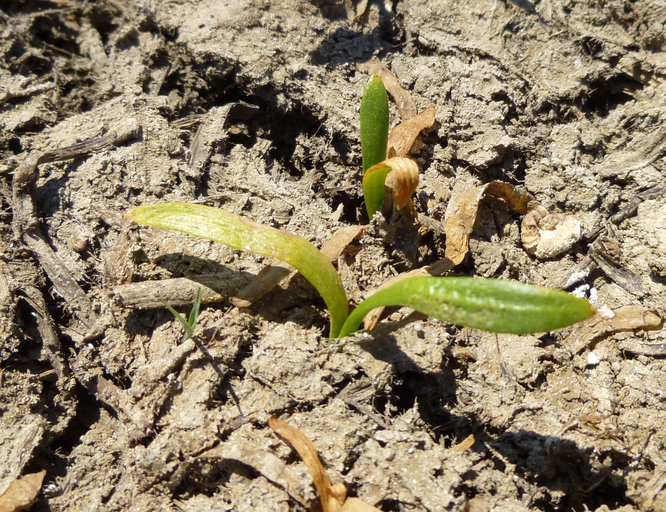
Sagittaria montevidensis
species of plant

Elaeis oleifera
species of plant

Fuchsia boliviana
species of Fuchsia native to southern Peru, Bolivia and northern Argentina
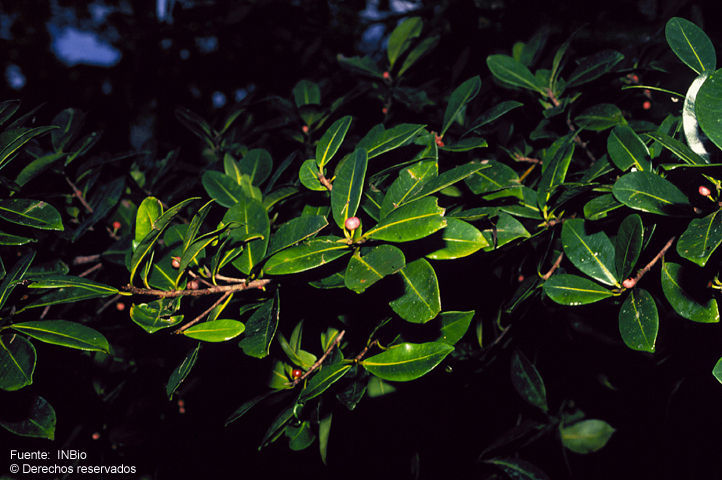
Ficus americana
species of fig tree native to the Neotropics
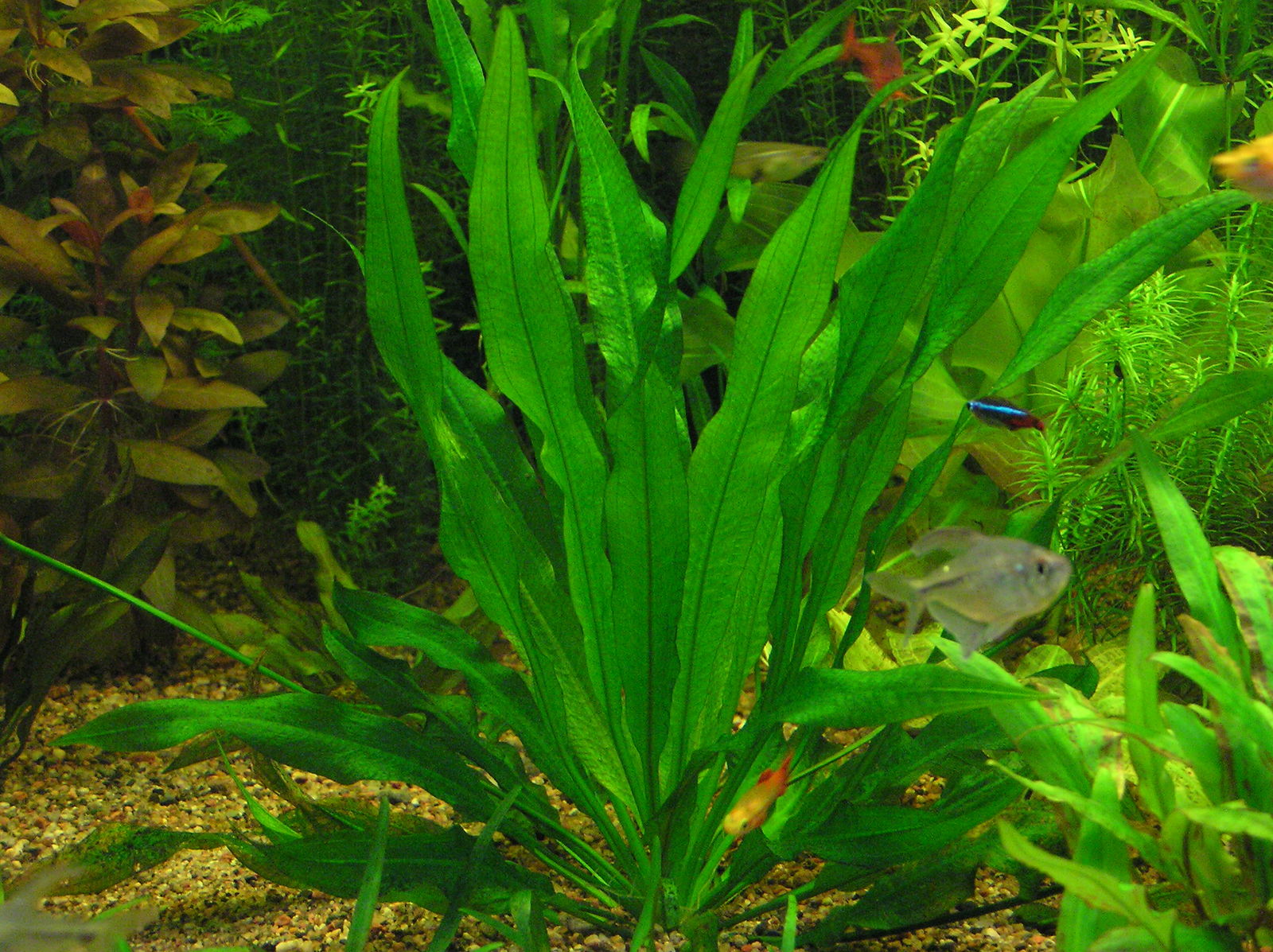
Echinodorus grisebachii
species of plant

Siete cueros
species of plant

Krameria lappacea
species of plant

Dorstenia contrajerva
species of plant

Adiantum peruvianum
species of plant

Passiflora suberosa
species of plant

Heliconia latispatha
species of plant

Verbena litoralis
species of plant
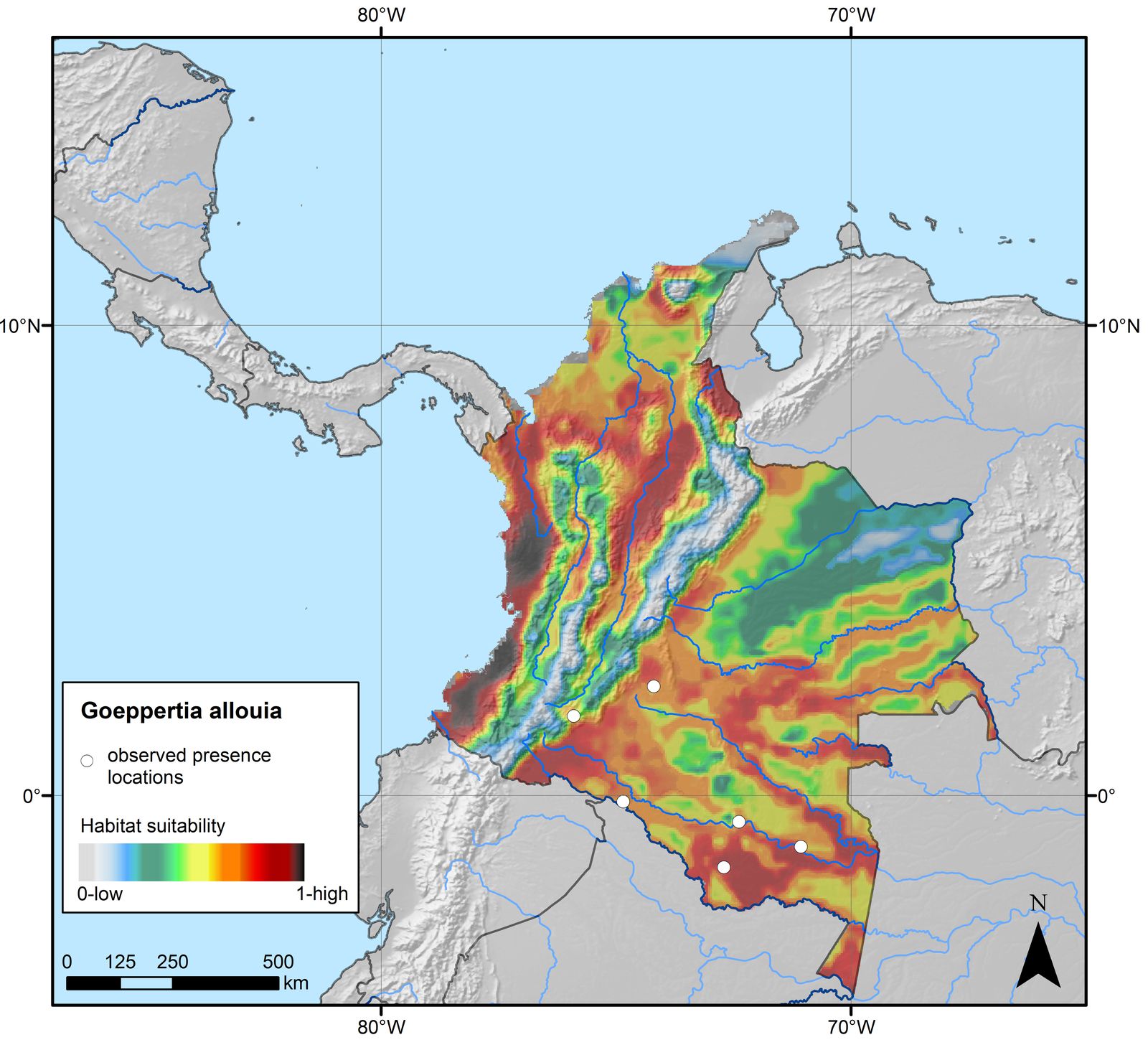
Goeppertia allouia
species of plant

Cyperus compressus
species of plant
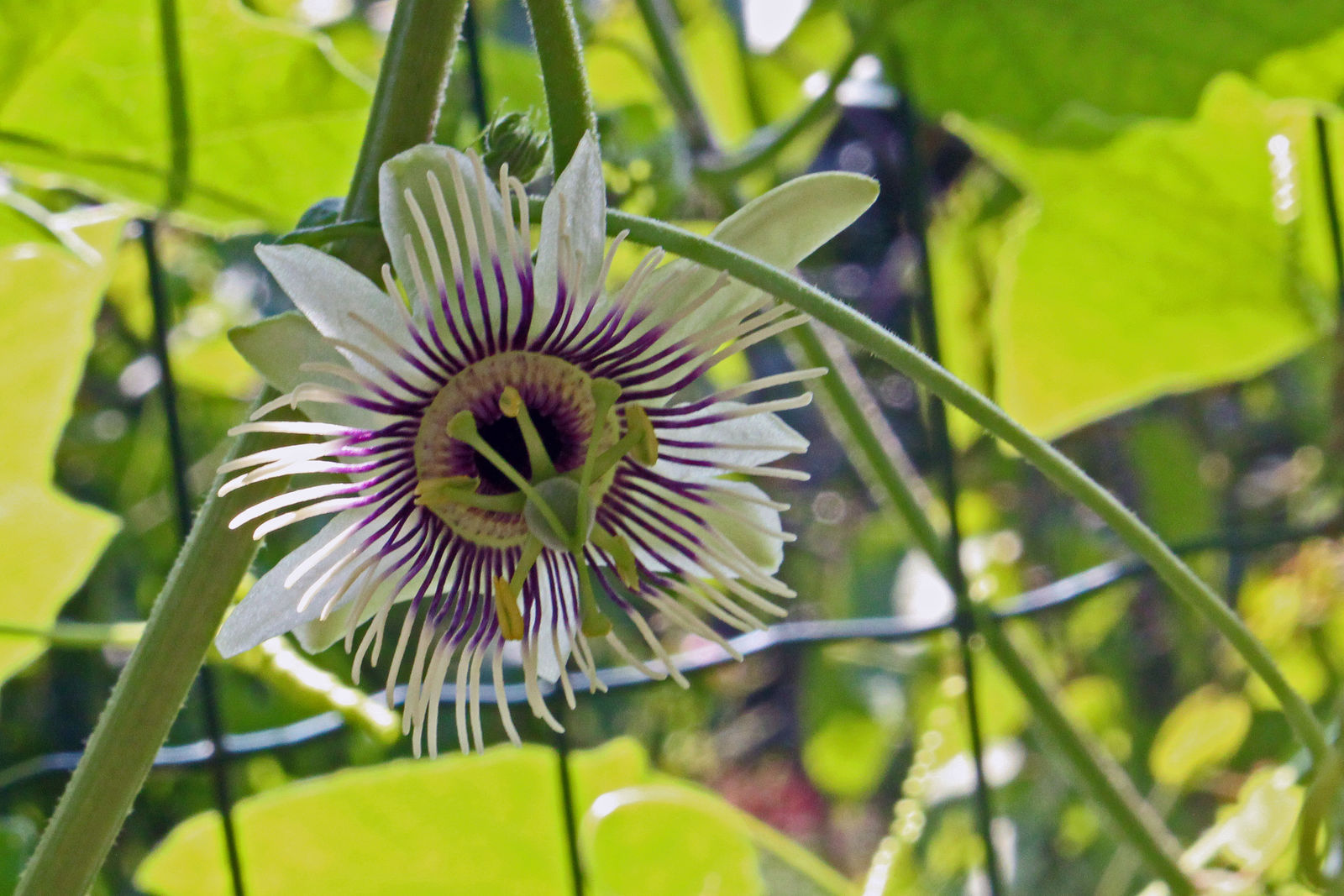
Passiflora morifolia
species of plant
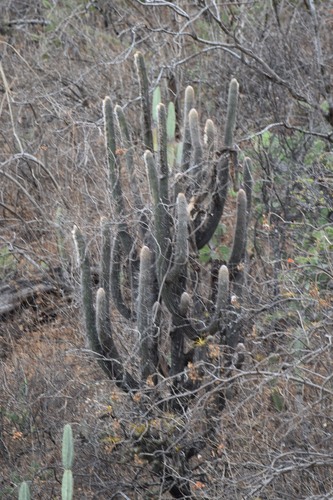
Espostoa lanata
species of plant

Virola elongata
species of plant

Ophioglossum lusitanicum
species of plant