Category
page 1Foodborne illnesses
cholera
Cholera () is an infection of the small intestine by some strains of the bacterium Vibrio cholerae. Symptoms may range from none, to mild, to severe. The classic symptom is large amounts of watery diarrhea lasting a few days. Vomiting and muscle cramps may also occur. Diarrhea can be so severe that it leads within hours to severe dehydration and electrolyte imbalance. This can in turn result in sunken eyes, cold or cyanotic skin, decreased skin elasticity, wrinkling of the hands and feet, and, in severe cases, death. Symptoms start two hours to five days after exposure.

gastroenteritis
Gastroenteritis, also known as infectious diarrhea, is an inflammation of the gastrointestinal tract including the stomach and intestine. Symptoms may include diarrhea, vomiting, and abdominal pain. Fever, lack of energy, and dehydration may also occur. This typically lasts less than two weeks. Although it is not related to influenza, in Canada and the United States it is often referred to as "stomach flu".

botulism
Botulism is a rare and potentially fatal illness caused by botulinum toxin, which is produced by the bacterium Clostridium botulinum. The disease begins with weakness, blurred vision, feeling tired, and trouble speaking. This may then be followed by weakness of the arms, chest muscles, and legs. Vomiting, swelling of the abdomen, and diarrhea may also occur. The disease does not usually affect consciousness or cause a fever.
.jpg)
ascariasis

foodborne illness
illness resulting from food that is spoiled or contaminated by pathogenic bacteria, viruses, parasites or toxins

norovirus
Norovirus, also known as Norwalk virus, is the most common cause of gastroenteritis. The infection, sometimes referred to as the winter vomiting disease, is characterized by non-bloody diarrhea, vomiting, and stomach pain. Fever or headaches may also occur. Symptoms usually develop 24 hours after being exposed, and recovery typically occurs within one to three days. Complications are uncommon, but may include dehydration, especially in the young, the old, and those with other health problems.

bovine spongiform encephalopathy
counterpart in cattle to variant Creutzfeldt-Jakob disease

salmonellosis

Kuru
human disease

trichinosis

Taenia solium
species of Cestoda
helminth
macroscopic, parasitic worm

Taenia saginata
species of Cestoda
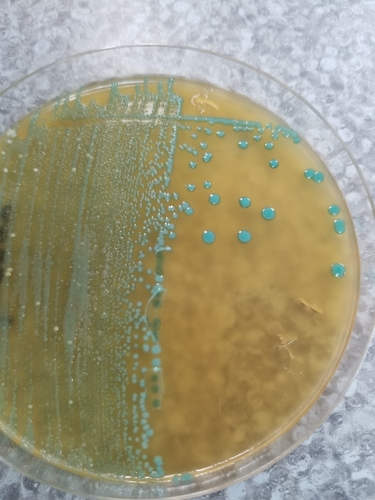
Listeria monocytogenes
species of bacterium
traveler's diarrhea
disease

Bacillus cereus
species of bacterium
enterobiasis
parasitic disease

scrapie
thumb|Ewe with scrapie with weight loss and hunched appearance
thumb|Same ewe as above with bare patches on rear end from scraping
food irradiation
process of treating food and other consumer products with gamma rays, x-rays, or high voltage electrons to kill potential harmful bacteria

parasitic helminthiasis infectious disease
Helminthiasis, also known as worm infection, is any macroparasitic disease of humans and other animals in which a part of the body is infected with parasitic worms, known as helminths. There are numerous species of these parasites, which are broadly classified into tapeworms, flukes, and roundworms. They often live in the gastrointestinal tract of their hosts, but they may also burrow into other organs, where they induce physiological damage.
shigellosis

toxocariasis
Toxocariasis is an illness of humans caused by the dog roundworm (Toxocara canis) and, less frequently, the cat roundworm (Toxocara cati). These are the most common intestinal roundworms of dogs, coyotes, wolves and foxes and domestic cats, respectively. Humans are among the many "accidental" or paratenic hosts of these roundworms.

taeniasis
Taeniasis is an infection within the intestines by adult tapeworms belonging to the genus Taenia. There are generally no or only mild symptoms. Symptoms may occasionally include weight loss or abdominal pain. Segments of tapeworm may be seen in the stool. Complications of pork tapeworm may include cysticercosis.
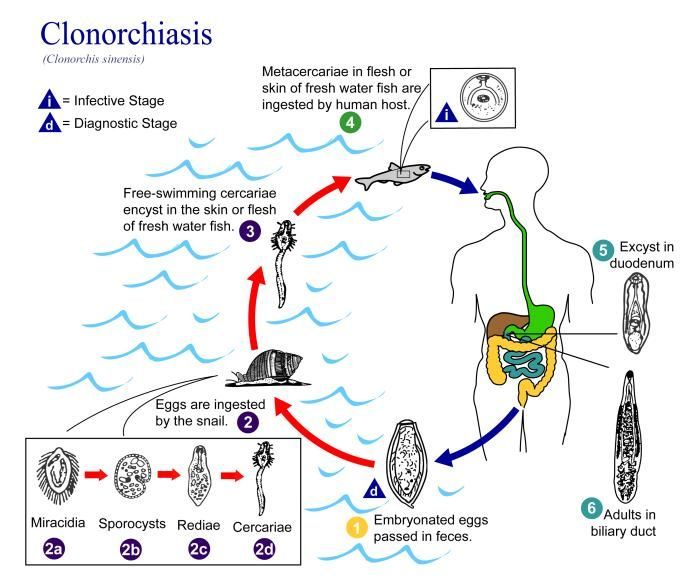
Clonorchis sinensis
species of worm
Escherichia coli O157:H7
Serotype of the bacteria Escherichia coli

Mycobacterium bovis
species of bacterium

campylobacteriosis
Campylobacteriosis is among the most common infections caused by a bacterium in humans, often as a foodborne illness. It is caused by the Campylobacter bacterium, most commonly C. jejuni. It produces an inflammatory, sometimes bloody, diarrhea or dysentery syndrome, and usually cramps, fever and pain.
liquid manure
animal waste thinned with water and used as fertilizer
Coliform bacteria
group of bacterial species
Verotoxin-producing Escherichia coli
strains of the bacterium Escherichia coli

Opisthorchis viverrini
species of trematode

diphyllobothriasis
Diphyllobothriasis is the infection caused by tapeworms of the genus Diphyllobothrium (commonly D. latum and D. nihonkaiense).

Astrovirus
Astroviruses (Astroviridae) are a type of virus that was first discovered in 1975 using electron microscopes following an outbreak of diarrhea in humans. In addition to humans, astroviruses have now been isolated from numerous mammalian animal species (and are classified as genus Mamastrovirus) and from avian species such as ducks, chickens, and turkey poults (classified as genus Avastrovirus). Human astroviruses have been shown in numerous studies to be an important cause of gastroenteritis in young children worldwide. In animals, Astroviruses also cause infection of the gastrointestinal trac
Liver fluke
group of liver parasites
variant Creutzfeldt–Jakob disease
degenerative brain disease caused by prions
clonorchiasis
Clonorchiasis is an infectious disease caused by the Chinese liver fluke (Clonorchis sinensis) and two related species.
Clonorchiasis is a known risk factor for the development of cholangiocarcinoma, a neoplasm of the biliary system.
phytohaemagglutinin
Phytohaemagglutinin (PHA, or phytohemagglutinin) is a lectin found in plants, especially certain legumes. PHA actually consists of two closely related proteins, called leucoagglutinin (PHA-L) and PHA-E. These proteins cause blood cells to clump together. PHA-E cause erythrocytes (red blood cells) to clump. PHA-L causes leukocytes (white blood cells) to clump. Phytohaemagglutinin has carbohydrate-binding specificity for a complex oligosaccharide containing
galactose, N-acetylglucosamine, and mannose.

opisthorchiasis
Opisthorchiasis is a parasitic disease caused by certain species of genus Opisthorchis (specifically, Opisthorchis viverrini and Opisthorchis felineus). Chronic infection may lead to cholangiocarcinoma, a cancer of the bile ducts.
paragonimiasis
Paragonimiasis is a food-borne parasitic disease caused by several species of lung flukes belonging to genus Paragonimus. Infection is acquired by eating crustaceans such as crabs and crayfishes which host the infective forms called metacercariae, or by eating raw or undercooked meat of mammals harboring the metacercariae from crustaceans.
konzo
Konzo is an epidemic paralytic disease occurring among hunger-stricken rural populations in Africa where a diet dominated by insufficiently processed cassava results in simultaneous malnutrition and high dietary cyanide intake. Konzo was first described by Giovanni Trolli in 1938; he compiled the observations from eight doctors working in the Kwango area of the Belgian Congo (now the Democratic Republic of the Congo).
mad honey
psychoactive type of honey containing grayanotoxins
Yushō disease
mass poisoning in Japan
food contaminant
unwanted part of food
vibrio infectious disease
Vibriosis or vibrio infection is an infection caused by bacteria of the genus Vibrio. About a dozen species can cause vibriosis in humans, with the most common in multiple countries across the Northern Hemisphere being Vibrio parahaemolyticus, Vibrio vulnificus, and Vibrio alginolyticus. Vibrio cholerae can also commonly cause vibriosis, though only those strains that do not produce cholera-specific toxins: non-O 1 or non-O 139. Bacteria that produce these toxins are classified by the World Health Organization as causing cholera, which is a more severe disease. Vibriosis is also an animal dise
Taenia asiatica
species of Cestoda
clostridial necrotizing enteritis
Human disease

Taenia hydatigena
species of Cestoda
feline spongiform encephalopathy
Feline brain disease
Gastrodiscoides hominis
species of worm