Category
page 1Formal sciences

mathematics
Mathematics is a field of study that discovers and organizes methods, theories, and theorems that are developed and proved either in response to the needs of empirical sciences or the needs of mathematics itself. There are many areas of mathematics, including number theory (the study of integers and arithmetic functions), algebra (the study of formulas and related structures), geometry (the study of shapes and spaces that contain them), analysis (the study of approximating continuous changes), and set theory (presently used as a foundation for all mathematics).

logic
thumb|alt=Depiction of inference using modus ponens|Logic studies valid forms of inference like .

Artificial intelligence
Artificial intelligence (AI) is the capability of computational systems to perform tasks typically associated with human intelligence, such as learning, reasoning, problem-solving, perception, and decision-making. It is a field of research in engineering, mathematics and computer science that develops and studies methods and software that enable machines to perceive their environment and use learning and intelligence to take actions that maximize their chances of achieving defined goals.

statistics
thumb|upright=1.3|right|The normal distribution, a very common probability density, is used extensively in [[inferential statistics.]]
thumb|upright=1.3|right|Scatter plots and [[line charts are used in descriptive statistics to show the observed relationships between different variables, here using the Iris flower data set.]]

computer science
study of computation

cryptography
thumb|alt=Lorenz cipher machine with twelve rotors mechanism|upright=1.5| Lorenz cipher machine, used in [[World War II to encrypt communications of the German High Command]]
Cryptography, or cryptology, is the practice and study of techniques for secure communication in the presence of adversarial behavior. More generally, cryptography is about constructing and analyzing protocols that prevent third parties or the public from reading private messages. Modern cryptography exists at the intersection of the disciplines of mathematics, computer science, information security, electrical engin
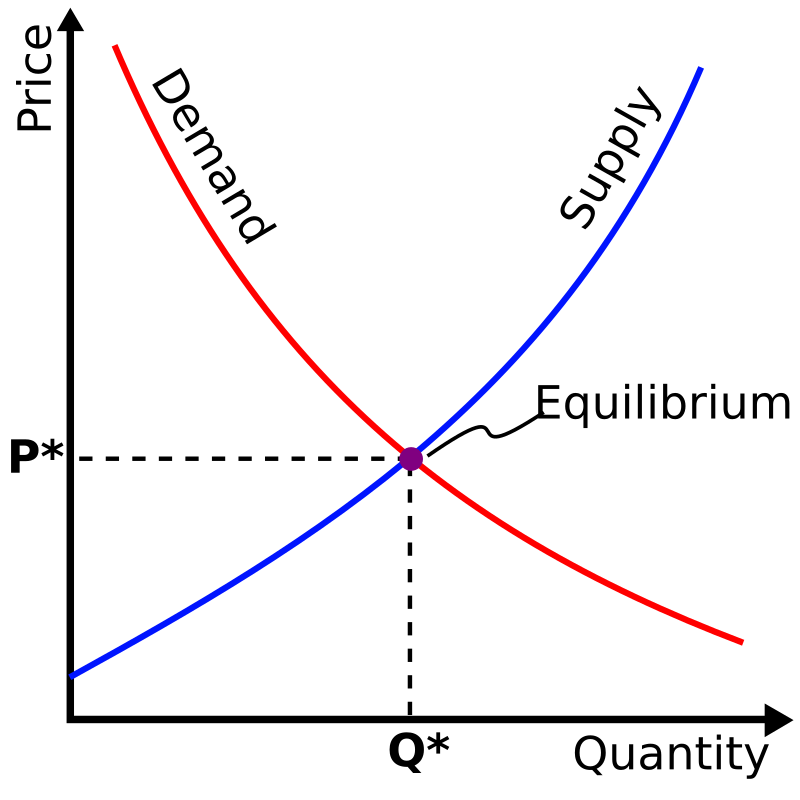
game theory
branch of mathematics focused on strategic decision making

information theory
mathematical theory from the field of probability theory and statistics
computational linguistics
interdisciplinary field
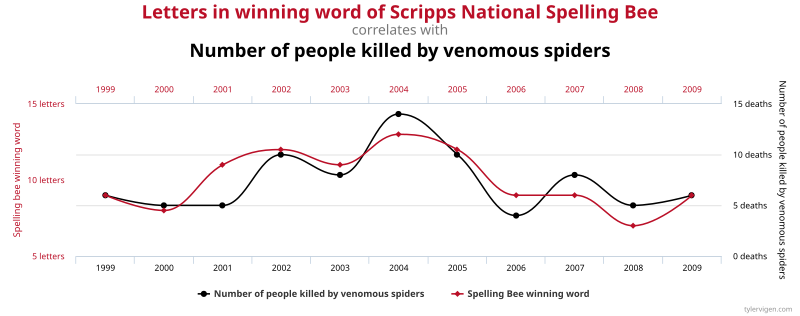
data mining
the process of extracting and discovering patterns in large data sets

formal science
set of disciplines concerned with formal systems, such as logic, mathematics, and game theory

exact science
sciences that admit of absolute precision in their results
theoretical computer science
subfield of computer science and mathematics

decision theory
branch of applied probability theory
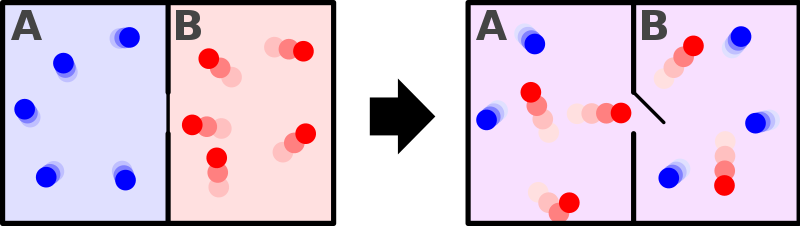
statistical physics
branch of physics
actuarial science
discipline that applies mathematical and statistical methods to assess risk in the insurance and finance industries
pattern recognition
branch of machine learning
queueing theory
mathematical study of waiting lines, or queues
systems science
interdisciplinary field that studies the nature of systems

analytics
thumb|right|Traffic analysis of Wikipedia
artificial intelligence content detection
algorithms to detect AI-generated content
image analysis
extraction of information from images via digital image processing techniques
systems ecology
holistic approach to the study of ecological systems
mathematical linguistics
branch of applied mathematics
organoid intelligence
emerging field combining computer science and biology that studies biological computing using 3D brain cell cultures (organoids) and brain-machine interfaces
business risk analysis
technique used to identify and assess risk sources and factors that may jeopardize the success of a business or project