Category
page 1Formicinae

weaver ant
genus of insects
Anoplolepis gracilipes
species of insect

Formicinae
thumb|Carpenter ant (Camponotus sp.)
The Formicinae are a subfamily within the Formicidae family containing ants of moderate evolutionary development.

Oecophylla smaragdina
species of insect

Cataglyphis
Cataglyphis is a genus of ant, desert ants, in the subfamily Formicinae. Its most famous species is C. bicolor, the Sahara Desert ant, which runs on hot sand to find insects that died of heat exhaustion, and can, like other several other Cataglyphis species, sustain body temperatures up to 50°C. Cataglyphis is also the name of an autonomous rover that won the NASA Sample Return Robot Centennial Challenge inspired by the navigation approaches used by desert ants.
Oecophylla longinoda
species of insect
%20captured%20in%20India.jpg)
Anoplolepis
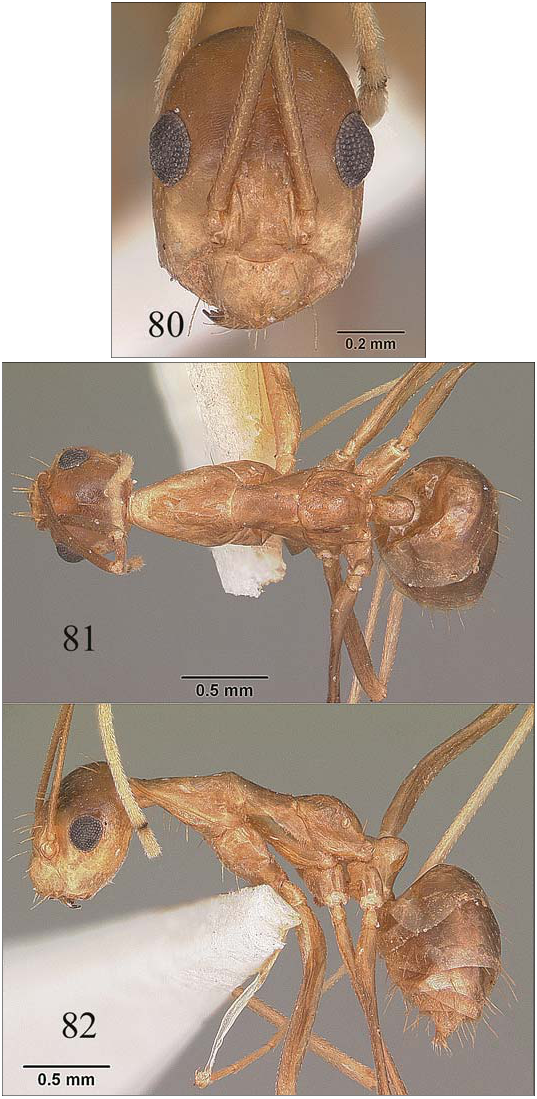
Anoplolepis, also known as the "pugnacious ants", is a genus of ants in the subfamily Formicinae and tribe Lasiini. The genus is mainly found in the Afrotropics, with a few native species known from the Malagasy and Oriental regions (and some introduced in other places).
Paratrechina
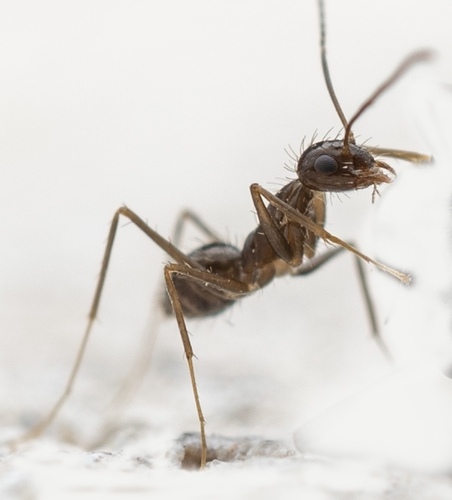
Paratrechina is one of seven ant genera (alongside Euprenolepis, Nylanderia, Paraparatrechina, Prenolepis, Pseudolasius, and Zatania) in the Prenolepis genus-group from the subfamily Formicinae (tribe Lasiini). Six species are included in Paratrechina; one of which, the longhorn crazy ant (Paratrechina longicornis), is a widespread, pantropical pest.

Cataglyphis bombycina
species of insect

Polyergus rufescens
species of insect
Myrmecocystus
Myrmecocystus is a North American genus of ants in the subfamily Formicinae. It is one of five genera that includes honeypot ants. Worker ants keep and tend plerergates, which are other ants that store large quantities of nutritious fluid in their abdomens to feed the colony during famine times. Some species engage in highly territorial tournaments, which can result in intraspecific slavery. During the raids, they carry off larvae, workers, and plerergates. The genus has three subgenera, namely Myrmecocystus, Endiodioctes, and Eremnocystus.
Plagiolepis
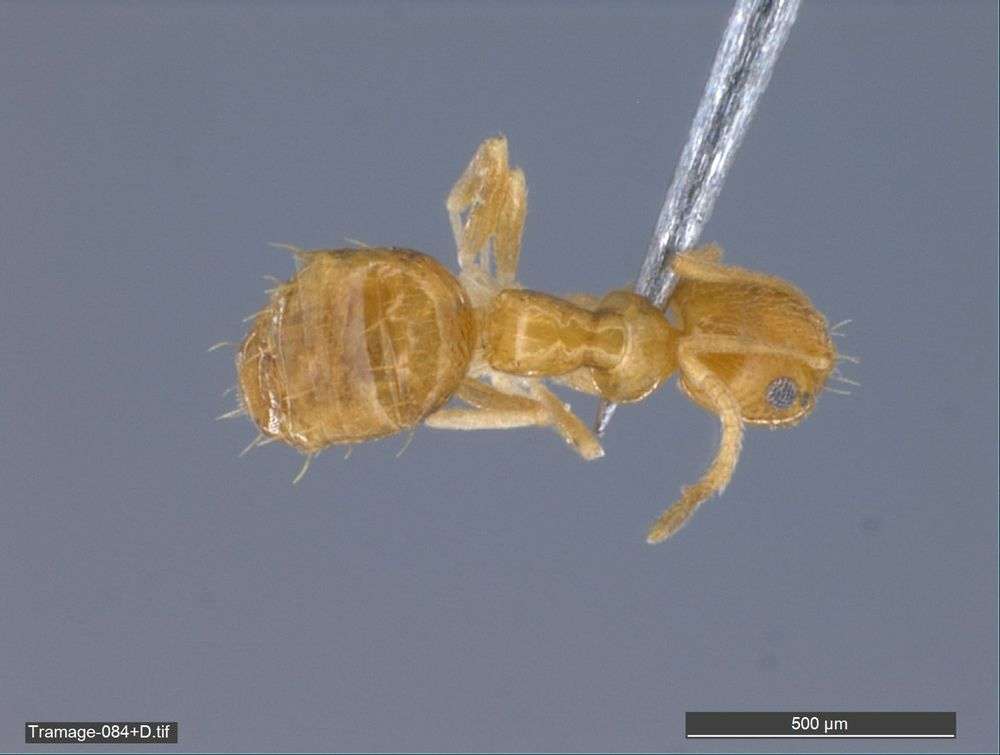
Plagiolepis is a genus of ants in the formic acid-producing subfamily Formicinae. The genus is found in tropical and temperate regions of the Old World.

Polyergus samurai
species of insect
Polyrhachis
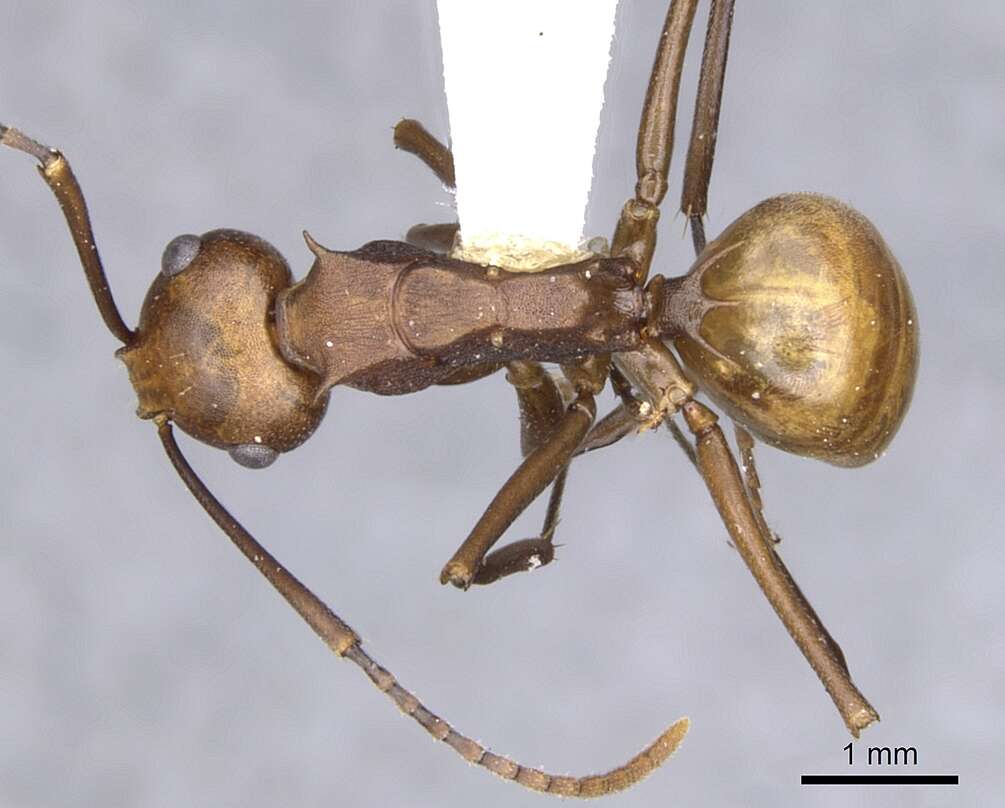
Polyrhachis is a genus of formicine ants found in the Old World with over 600 species. The genus is yet to be comprehensively resolved and contains many varied species including nest-weavers (e.g. Polyrhachis dives), swimming workers (e.g. Polyrhachis sokolova), soil (e.g. Polyrhachis proxima) and tree-dwellers (e.g. Polyrhachis bicolor). The first fossil record of this genus was of Polyrhachis annosa from the Miocene.

Brachymyrmex
Brachymyrmex is a genus in the ants subfamily Formicinae. The genus can be recognized by the combination of having nine antennal segments (fewer than most ants) and the petiole concealed by the gaster in dorsal view. They are sometimes called "rover ants".

Polyergus
Polyergus is a small genus of ants with 14 described species. They are also referred to by the names "slave-raiding ants" and "Amazon ants". They are characterized by their habit of raiding nests (of Formica) for workers.

Acropyga
Acropyga is a genus of small formicine ants. Some species can be indirect pests. A. acutiventris, which is found from India to Australia, tends subterranean, root-feeding mealybugs of the species Xenococcus annandalei. Living, gravid females are carried in the jaws of A. acutiventris queens during their nuptial flight, to establish the symbiotic association in founding colonies. Other Acropyga species have relationships with different species of mealybugs, and it could be a trait common to the whole genus.
Formicini
Formicini is a tribe of ants in the subfamily Formicinae.

Cataglyphis bicolor
species of insect

Paratrechina longicornis
species of insect

Myrmoteras
Myrmoteras is a genus of ants in the subfamily Formicinae and the sole member of the tribe Myrmoteratini. They have enormous eyes, a character found in other ancient genera, and extremely elongated mandibles with eight to 16 teeth. These work as trap-jaws and can open up to 270°.
Camponotini
Camponotini is a tribe of ants in the subfamily Formicinae containing 2 extinct and 11 extant genera, including Camponotus (carpenter ants). This tribe is the most diverse tribe in its subfamily, containing over 2,500 species. Ants in the Camponotini tribe are the primary hosts of Ophiocordyceps unilateralis, also called the zombie-ant fungus.

Ponera coarctata
species of insect
Rossomyrmex
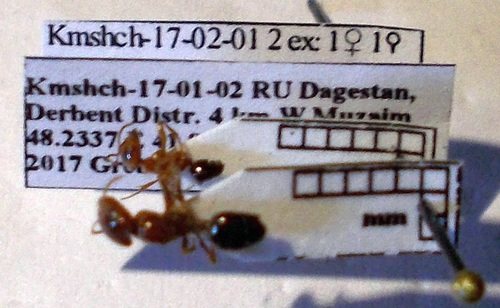
Rossomyrmex is a genus of slave-making ant in the subfamily Formicinae. The genus consists of four species, each with a single host from the genus Proformica, and has a very wide range of distribution from China to southeastern Spain, from huge extended plains to the top of high mountains.

Melophorus
250px|thumbnail|Head view of ant Melophorus majeri specimen

Polyrhachis sokolova
species of insect
Rossomyrmex proformicarum
species of insect

Shining Amazon Ant
species of insect

Cataglyphis cursor
species of insect

Polyrhachis dives
species of insect

Anoplolepis nuptialis
species of insect
Gesomyrmex
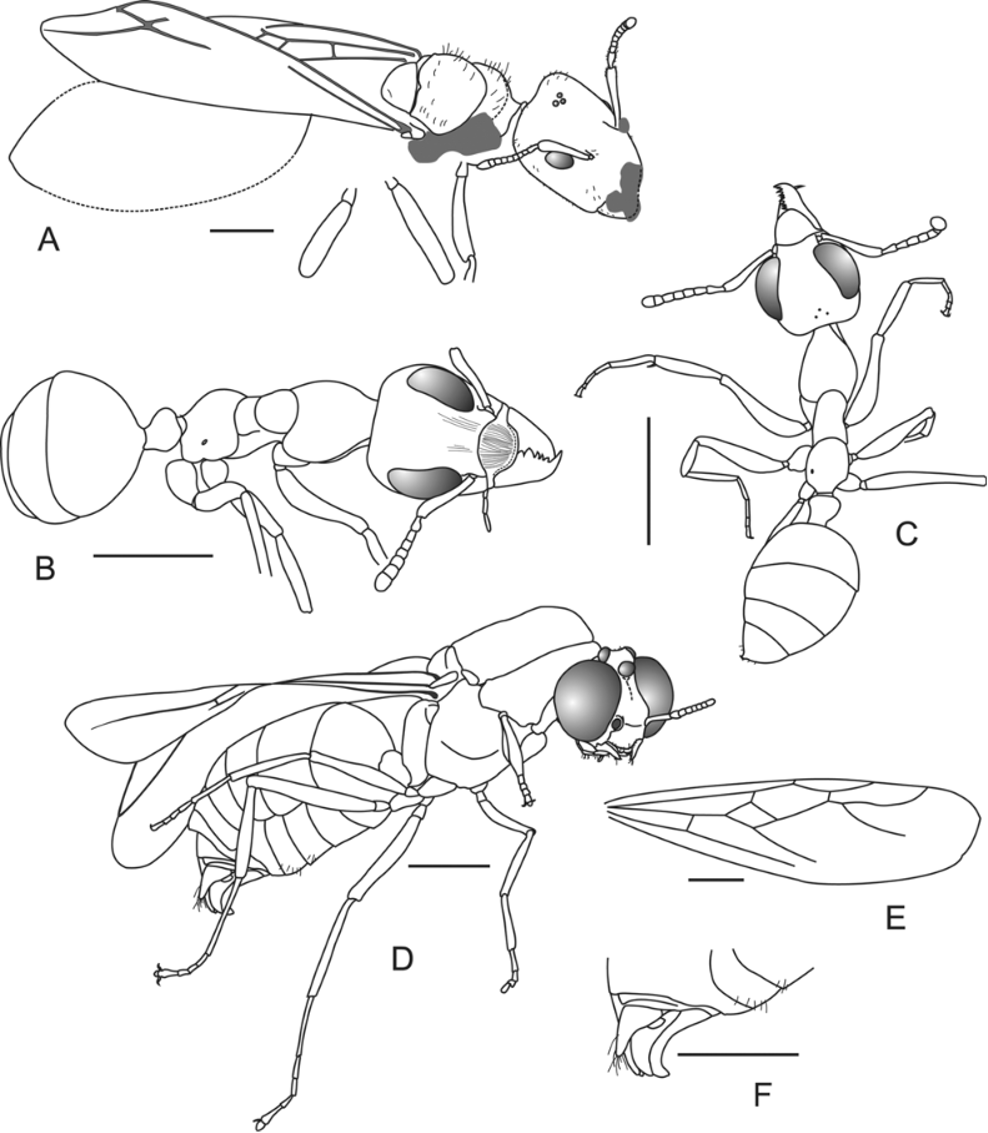
Gesomyrmex is a genus of ants in the subfamily Formicinae. The genus contains six extant species, known from the Indomalayan realm, and nine fossil species. Of the extant species, four are known only from workers (G. chaperi, G. howardi, G. kalshoveni and G. spatulatus) and two only from females (G. luzonensis and G. tobiasi). The extinct species "G. expectans" and
"Gesomyrmex miegi", formerly placed in the genus, were excluded by Dlussky et al.., 2009.
Notoncus
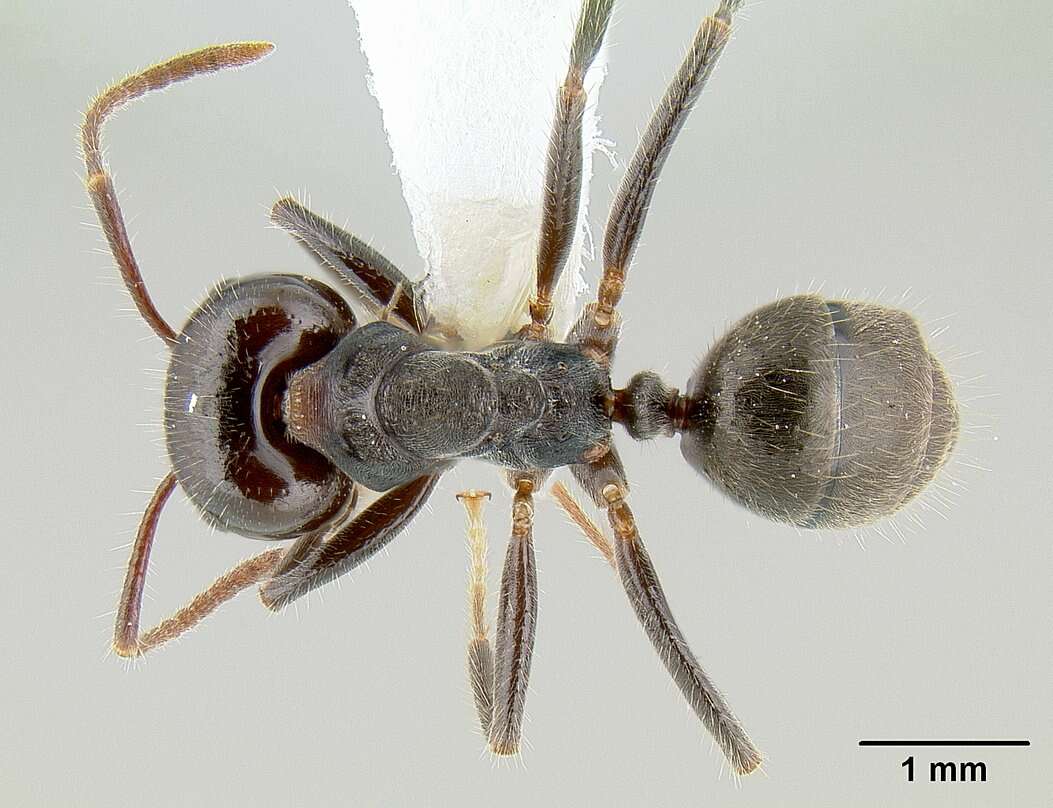
Notoncus is an Australian genus of ants in the subfamily Formicinae. The genus is known from Australia (one species is also known from Papua New Guinea), where the ants nest in the soil or on the ground under stones and logs in forested areas. The ants are also common in gardens and parks.

Gigantiops destructor
Gigantiops is a South American genus of jumping ants in the subfamily Formicinae. The genus contains the single species Gigantiops destructor, which is also the sole member of the tribe Gigantiopini. They have the largest eyes among all ants, are known for their ability to jump, and have the highest number of chromosomes of any member of the subfamily Formicinae (2n=78).

Polyergus nigerrimus
Russian ant
Myrmelachista
Myrmelachista is a Neotropical genus of ants in the subfamily Formicinae. The genus is found exclusively in the Neotropical realm. Little is known regarding their biology.
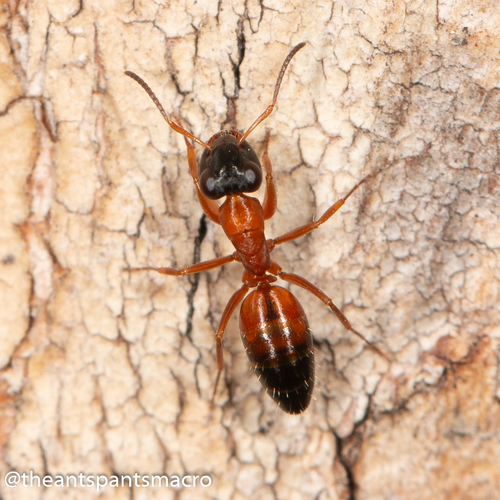
Opisthopsis
Opisthopsis is a genus of ants in the subfamily Formicinae. Its 13 species are found in Australasia.

Cataglyphis hannae
species of insect

Acropyga acutiventris
species of insect

Plagiolepis pygmaea
species of insect

Myrmecocystus mexicanus
species of insect

Colobopsis
thumb|Colobopsis mississippiensis alate
Colobopsis is a genus of ants in the subfamily Formicinae. This genus was first described in 1861 by Mayr and contains 95 species. The type species is Colobopsis truncata.
Plagiolepidini
Plagiolepidini are an ant tribe from the subfamily Formicinae.
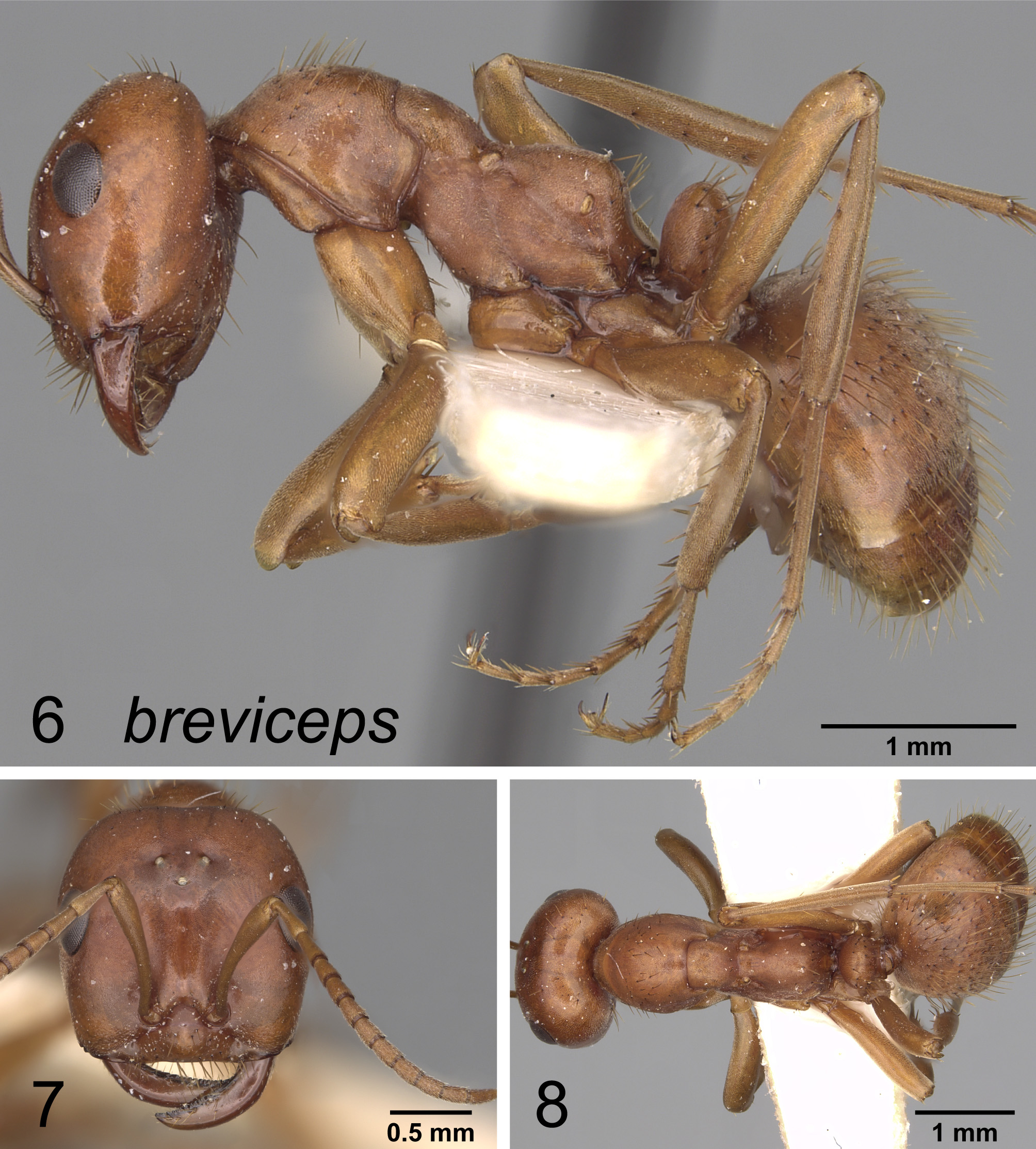
Polyergus breviceps
species of insect

Pseudolasius
Pseudolasius is a genus of ants in the subfamily Formicinae. The genus is known from southern Asia (from India to China) to northern Australia, where it appears to be restricted to tropical areas. These ants are commonly known as twig ants due to their habit of nesting in twigs or hollow stems.

Rossomyrmex minuchae
species of insect
Proformica
Proformica is a genus of ants in the subfamily Formicinae. The genus is known from the Palearctic realm, from Mongolia through Central Asia to Spain. Colonies are small, generally containing a few hundred individuals, with a single queen (monogyne) or multiple ergatogyne queens. Unique in the tribe Formicini, some species have specialized workers ("honeypot ants") gorged with food; they function as living storage containers.
Acropyga epedana
species of insect

Prolasius
Prolasius is a genus of ants in the subfamily Formicinae. Of the genus' 19 species, 18 are known from Australia (one of which is also found in Papua New Guinea) and one from New Zealand. They nest in soil under rocks or logs, sometimes in trees.
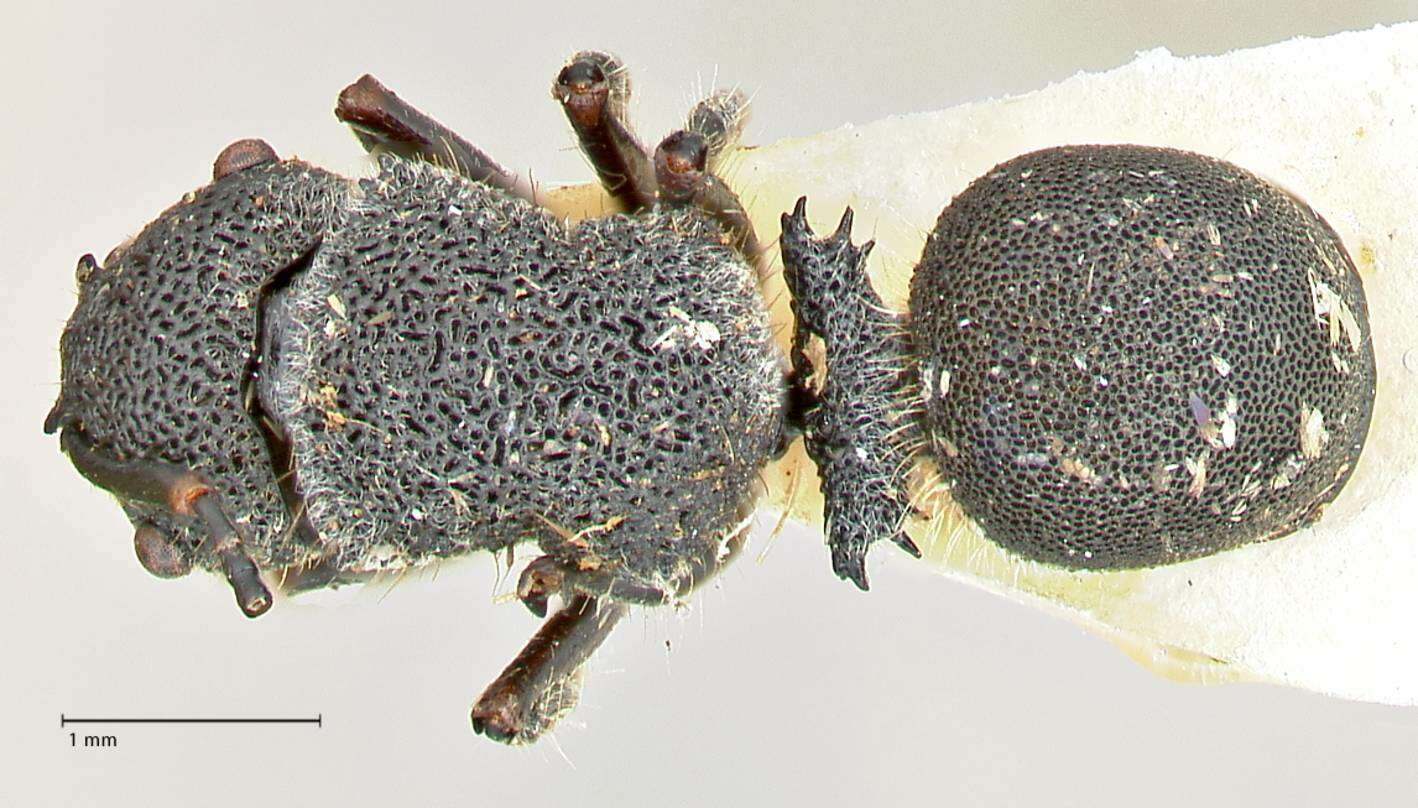
Echinopla
Echinopla is a genus of ants in the subfamily Formicinae. The genus is distributed from Singapore and Sumatra (Indonesia) to the Philippines, Papua New Guinea and Australia.
Calomyrmex
Calomyrmex is a genus of ants in the subfamily Formicinae. The genus is known from Indonesia, New Guinea and Australia. Calomyrmex has a mandibular gland that secretes red droplets on the sides of its head with a strong and unpleasant odor when disturbed.
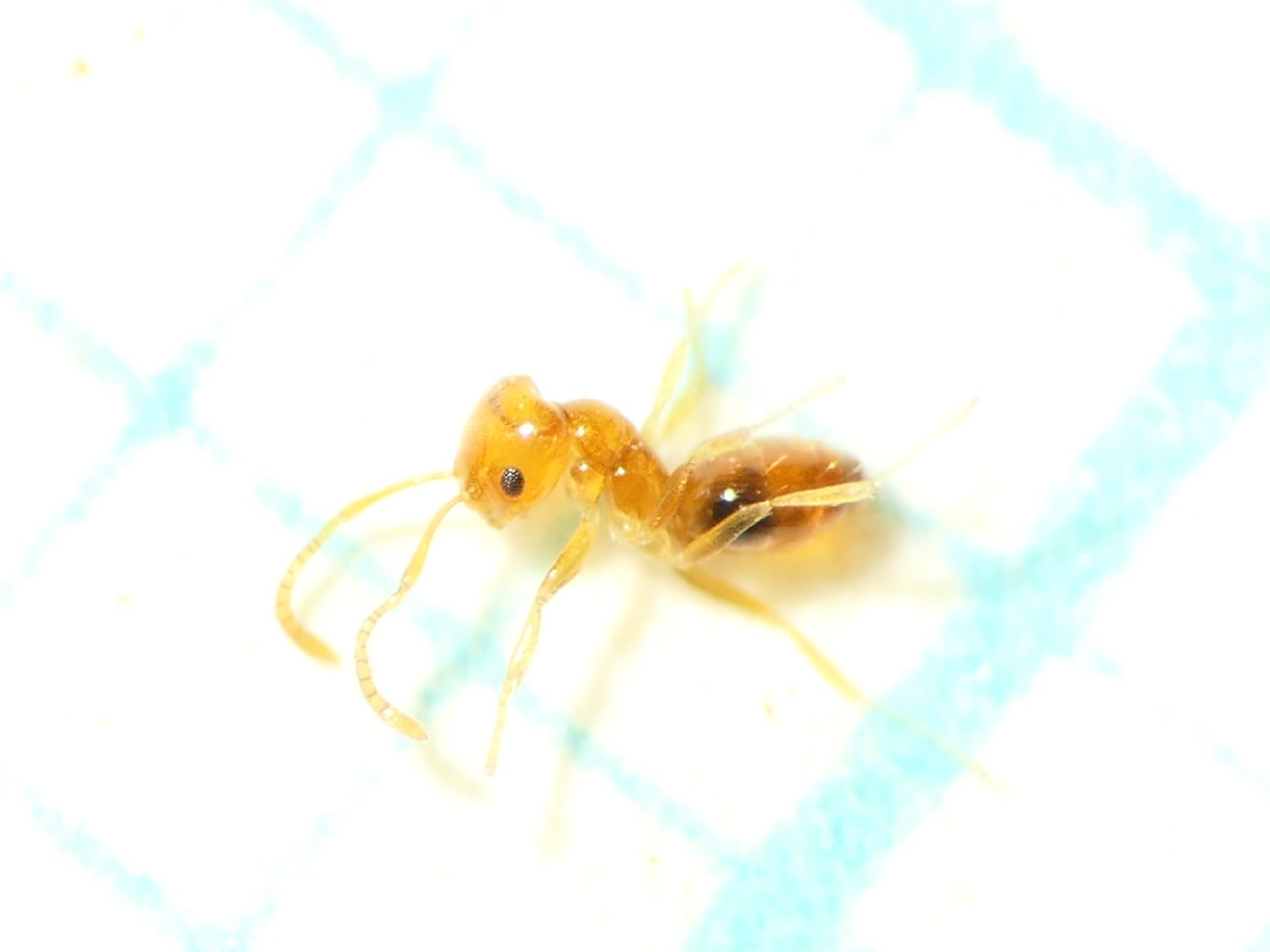
Plagiolepis alluaudi
species of insect
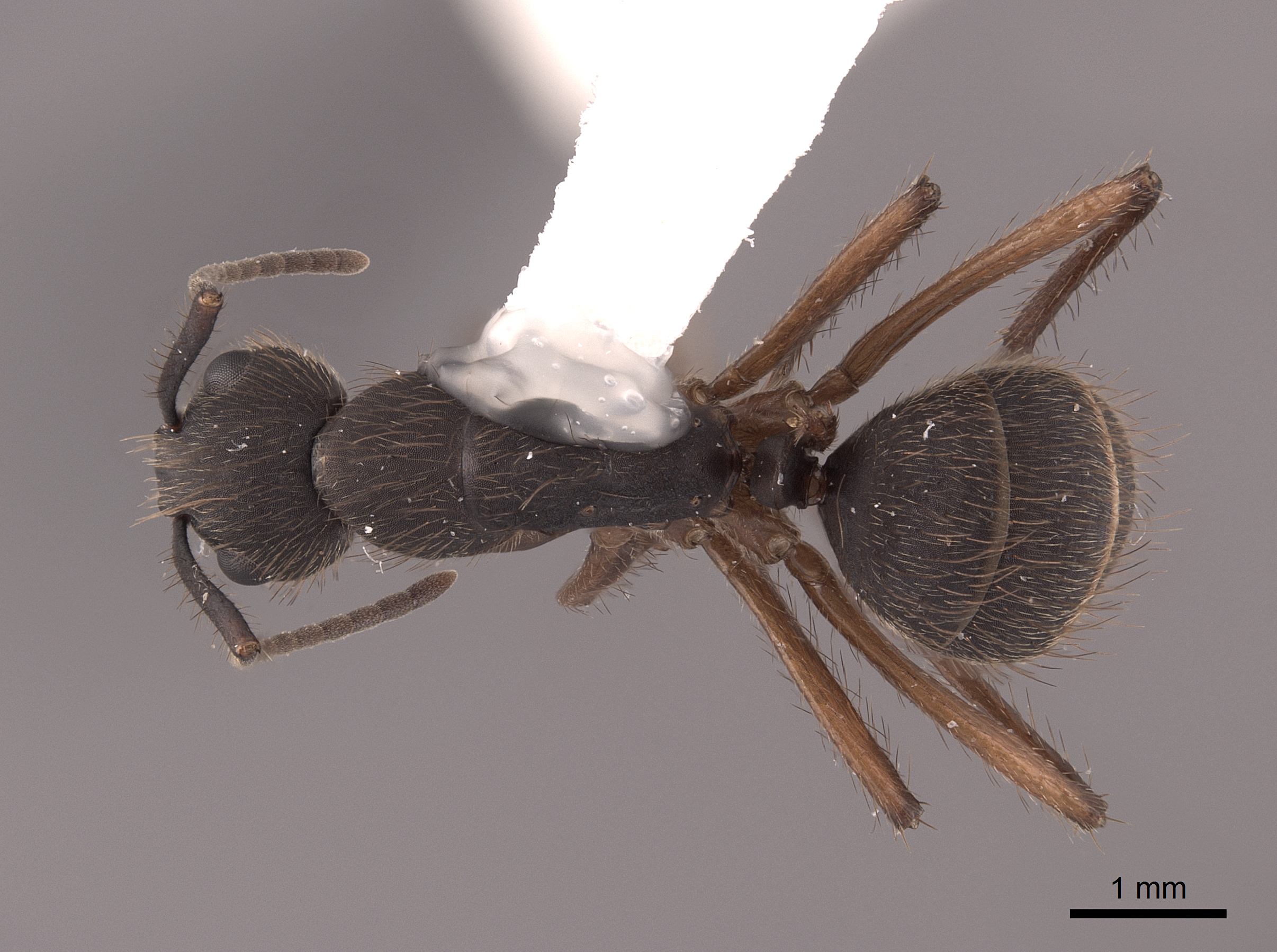
Camponotus rufipes
species of insect

Cataglyphis fortis
species of insect

Prenolepis
thumb|Prenolepis imparis, male
Prenolepis is a genus of ants in the subfamily Formicinae. Most species are found in southeastern Asia and southern China, but the genus has a wide distribution with species known from North America, southern Europe, Anatolia, Cuba, Haiti, and West Africa.

Anoplolepis custodiens
species of insect

Myrmelachista schumanni
species of insect

Prolasius advenus
species of insect

Plagiolepis regis
species of insect
Plagiolepis grassei
species of insect