Category
page 1Fourth-generation video game consoles

Super Nintendo Entertainment System
fourth-generation home video game console by Nintendo
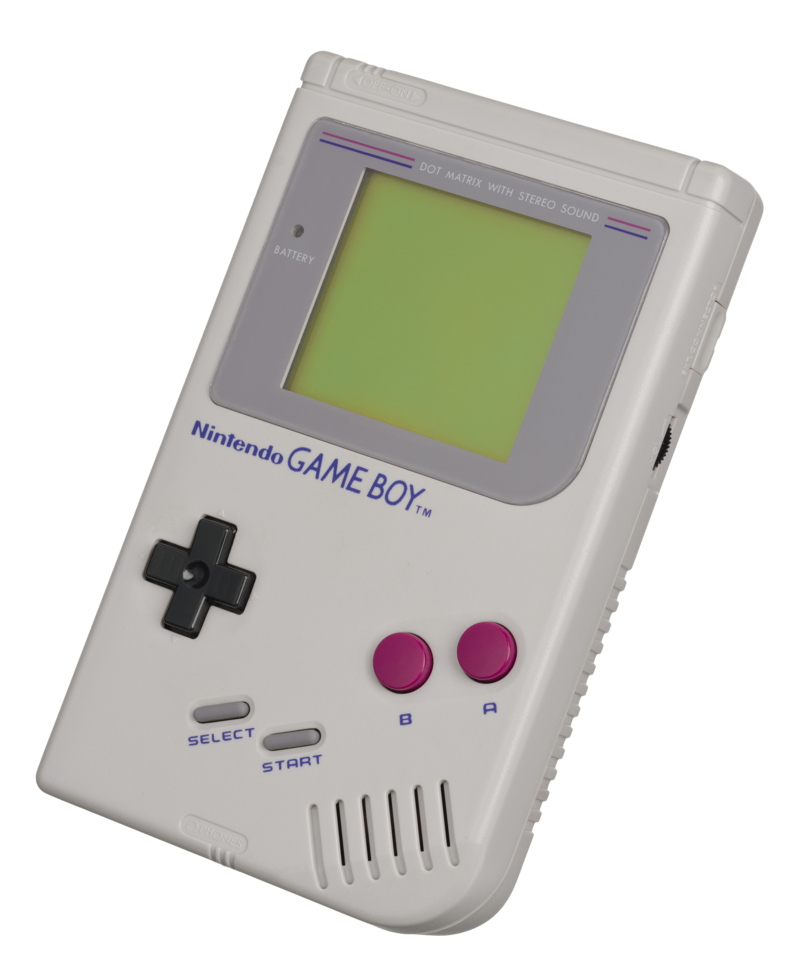
Game Boy
1989 portable video game console

Sega Genesis
fourth-generation home video game console developed by Sega
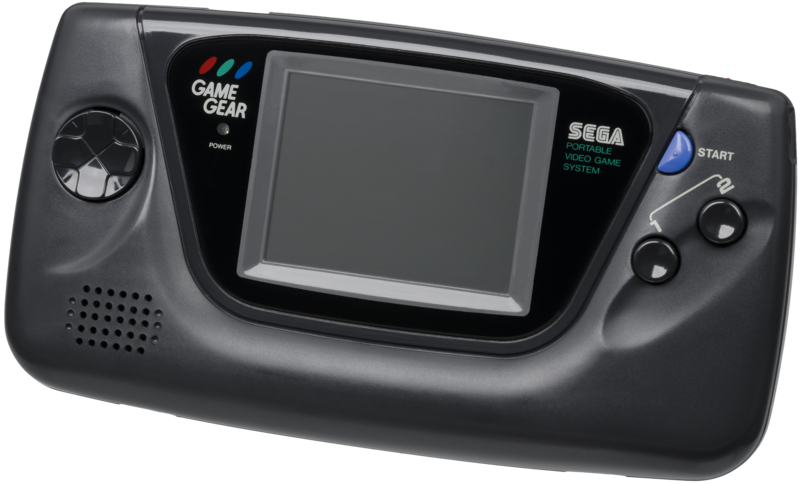
Game Gear
handheld game console developed by Sega
Atari Lynx
handheld game console developed by Atari Corporation and Epyx

TurboGrafx-16
The TurboGrafx-16, known as the outside North America, is a home video game console developed by Hudson Soft and manufactured by NEC. It was released in Japan in 1987 and in North America in 1989. The first console of the fourth generation, it launched in Japan to compete with Nintendo's Family Computer, but its delayed U.S. debut placed it against the more advanced Sega Genesis and later the Super NES.
Sega CD/Mega CD
add-on for the Sega Genesis video game console
Neo Geo
cartridge-based arcade system board and home video game console developed by SNK

Philips CD-i
The Compact Disc-Interactive (CD-I, later CD-i) is a digital optical disc data storage format as well as a hardware platform, co-developed and marketed by Dutch company Philips and Japanese company Sony. It was created as an extension of CDDA and CD-ROM and specified in the Green Book specifications, co-developed by Philips and Sony, to combine audio, text and graphics. The two companies initially expected to impact the education/training, point of sale, and home entertainment industries, but the CD-i is largely remembered today for its video games.

CDTV
The CDTV (from Commodore Dynamic Total Vision, later treated as a backronym for Compact Disc Television) is a home multimedia entertainment and video game console – convertible into a full-fledged personal computer by the addition of optional peripherals – developed by Commodore International and launched in April 1991.
FM Towns Marty
home video game console
fourth generation of video game consoles
video game console generation
Sega Pico
video game console
Neo Geo CD
home video game console

Pioneer LaserActive
The is a hybrid LaserDisc player and home video game console released by Pioneer Corporation in 1993. Marketed as a high-end, modular entertainment system, it was designed to combine movies, music, and video games into a single unit. Out of the box, the base unit could natively play standard LaserDiscs and compact discs, but support for video games required optional expansion modules known as PACs. Each PAC enabled compatibility with a specific gaming platform and its media formats.
Watara Supervision
handheld game console
CP System
arcade system board developed by Capcom
PC Engine SuperGrafx
fourth-generation home video game console
Super A'Can
home video game console
Mega Duck
handheld game console

Gamate
The Gamate, known as (pinyin: chāojí xiǎozi, literally "Super Boy") in Taiwan and (pinyin: chāojí shéntóng, literally "Super Child Prodigy") in China, is a handheld game console manufactured by Bit Corporation in the early 1990s, and released in Australia, some parts of Europe, Asia (Taiwan and China), Argentina, and the United States.
TurboDuo
The TurboDuo (later rebranded as simply the Duo) is a fourth-generation video game console developed by NEC Home Electronics and Hudson Soft for the North American market. It combines the capabilities of the TurboGrafx-16 and its CD-ROM drive add-on, the TurboGrafx-CD, into a single, redesigned unit. Initially test-marketed in Los Angeles in October 1992 before a nationwide rollout in May 1993, TurboDuo is the localized version of the Japanese PC Engine Duo, which was released in September 1991.
Hartung Game Master
handheld video game console
Terebikko
The is an interactive VHS console game system released in Japan by Bandai in 1988. Titles released included a wide variety of known franchises, such as Super Mario World, Dragon Ball Z, and many more. The system was also released in the U.S. as the See 'n Say Video Phone by Mattel in 1989.
Konix Multisystem
сancelled video game system under development by Konix
Sega VR
video console peripheral
Tandy Video Information System
multimedia device