Category
page 1Fur trade

Ursus arctos
species of mammal

Mustela nivalis
species of mammal

Mustela erminea
The stoat (Mustela erminea), also known as the Eurasian ermine or ermine, is a species of mustelid native to Eurasia and the northern regions of North America. Because of its wide circumpolar distribution, it is listed as Least Concern on the IUCN Red List. The name ermine () is used especially in its pure white winter coat of the stoat or its fur. Ermine fur was used in the 15th century by Catholic monarchs, who sometimes used it as the mozzetta cape. It has long been used on the ceremonial robes of members of the United Kingdom House of Lords. It was also used in capes on images such as the

coyote
The coyote (Canis latrans) is a species of canine also known as the American jackal, prairie wolf, and brush wolf. It is native to North America, and it is smaller than its close relative, the gray wolf, and slightly smaller than the closely related eastern wolf and red wolf. It fills much of the same ecological niche as the golden jackal does in Eurasia but the coyote is generally larger.

sea otter
species of marine mammal

Ursus arctos horribilis
subspecies of mammal

Canadian beaver
species of mammal

sea lion
subfamily of marine mammals

Ursus arctos middendorffi
Subspecies of brown bear

American badger
species of mammal

Procyon
genus of mammals

tomahawk
thumb|Pipe tomahawk
thumb|Modern commercial tomahawk
A tomahawk is a type of single-handed axe used by the many Indigenous peoples and nations of North America. It traditionally resembles a hatchet with a straight shaft.

New Netherland
17th-century Dutch colony on the East Coast of North America

Dutch West India Company
Dutch chartered company responsible for trade and colonization in the New World (1621–1792)

black-footed ferret
species of mustelid

Hudson's Bay Company
Canadian retail business group, former fur trading business
North American river otter
species of mammal

fur seal
subfamily of mammals
Rupert's Land
territory in British North America
rendang
Rendang is a fried meat or dry curry made of meat stewed in coconut milk and spices, widely popular across Brunei, Indonesia, Malaysia, Singapore, and the Philippines, where each version is considered local cuisine. It refers to both a cooking method of frying and the dish cooked in that way. The process involves slowly cooking meat in spiced coconut milk in an uncovered pot or pan until the oil separates, allowing the dish to fry in its own sauce, coating the meat in a rich, flavorful glaze.

pemmican
Pemmican () (also pemican in older sources) is a mixture of tallow, dried meat, and sometimes dried berries. A calorie-rich food, it can be used as a key component in prepared meals such as stews or eaten raw. Historically, it was an important part of indigenous cuisine in certain parts of North America and it is still prepared today.
Russian-American Company
company

Métis
The Métis are a mixed-ancestry Indigenous people whose historical homelands include Canada's three Prairie Provinces extending into parts of Ontario, British Columbia, the Northwest Territories and the northwest United States. They have a shared history and culture, deriving from specific mixed European (primarily French, Scottish, and English) and Indigenous ancestry (primarily Cree with strong kinship to Cree people and communities), which became distinct through ethnogenesis by the mid-18th century, during the early years of the North American fur trade.
Fort Ross
former Russian establishment in the United States of America
fur trade
worldwide industry dealing in the acquisition and sale of animal fur

hardtack
Hardtack (or hard tack) is a type of dense cracker made from flour, water, and sometimes salt. Hardtack is very inexpensive and long-lasting if kept dry, allowing it to be used for sustenance in the absence of perishable foods. It is commonly used during long sea voyages, land migrations, and military campaigns. Along with salt pork and corned beef, hardtack was a standard ration for many militaries and navies from the 17th to the early 20th centuries.
factory
type of trading post
fur farming
breeding or raising animals for their fur
Beaver Wars
1609–1701 wars between Hurons and Iroquois

Wampum
thumb|300px|right|Quahog (left) and whelk (right) wampum
thumb|right|A representation of the original Two Row Wampum Treaty|Two Row Wampum treaty belt
thumb|Modern examples and interpretations of wampum
thumb|right|Haudenosaunee wampum belt
knit cap
headwear
seal hunting
hunting of seals
ceremonial pipe
ceremonial smoking pipe, used by Native Americans
.jpg)
jerky
thumb|upright=1.35|Jerky
thumb|upright=1.35|Orange-marinated beef jerky
thumb|Meat drying to make jerky. Gandhola Monastery, [[Lahaul, India]]

The Fur Country
1873 novel by Jules Verne
Brown Bess
British flintlock musket

Yasak
thumb|
Jackson Hole
valley in Teton County, Wyoming, United States

frybread
Frybread (also spelled fry bread) is a dish of the Indigenous people of North America that is a flat dough bread, fried or deep-fried in oil, shortening, or lard.
Three Sisters
main agricultural crops of various Native American groups in North America
Russian colonization of North America
period from 1732 to 1867, when the Russian Empire laid claim to northern Pacific Coast of America
Cluster 5 Outbreak
outbreak of a mutated variant of the SARS-CoV-2

Northern Rocky Mountains wolf
subspecies of mammal

North American cougar
subspecies of cougar
York Factory
Trading post and settlement on the shore of Hudson Bay
hunting knife
type of knife
Coureur des bois
French-Canadian independent fur traders
Alouette
French-Canadian folk song

trapping
thumb|Trap nets used to trap birds (tacuinum sanitatis casanatensis); 14th century
Conestoga wagon
type of heavy covered wagon
Nootka Sound
sound in British Columbia, Canada
Red River Colony
colonization project
bison hunting
history of hunting of the American bison
North American fur trade
activities related to the acquisition, trade, and sale of animal furs in North America
%20(1790).png)
Zashiversk
thumb|150 px|Coat of arms of Zashiversk (1790; the upper half reproduces Irkutsk#Emblem|coat of arms of Irkutsk).
American Fur Company
American fur trade company
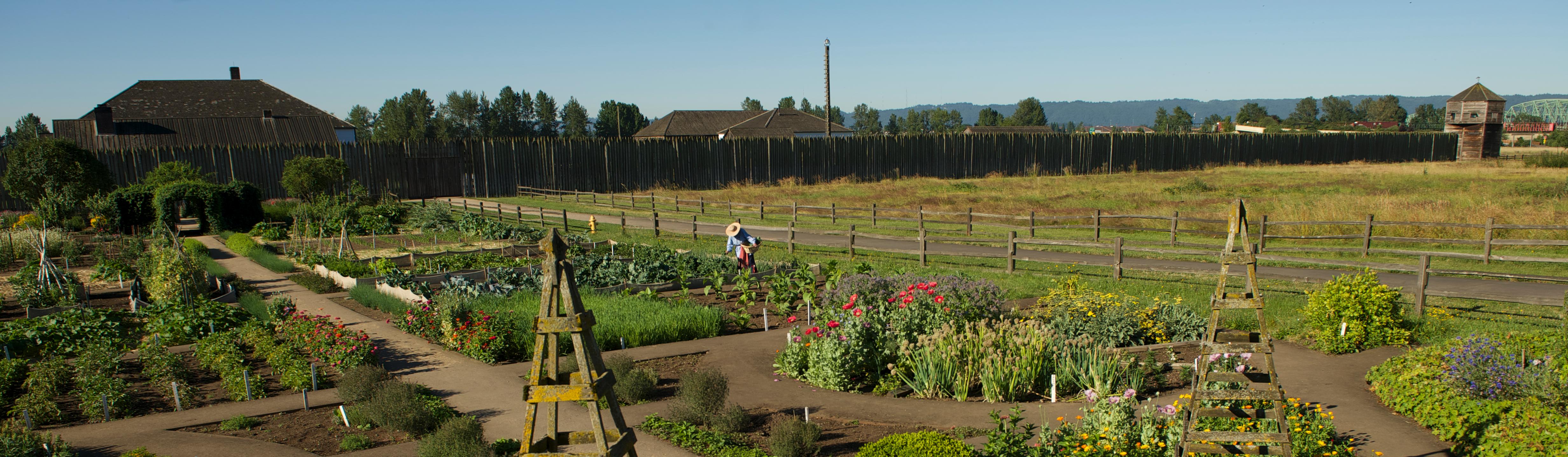
Fort Vancouver
fort
.jpg)
voyageurs
thumb|Shooting the Rapids, 1879 by Frances Anne Hopkins (1838–1919)
Voyageurs (; ) were 18th- and 19th-century French and later French Canadians and others who transported furs by canoe at the peak of the North American fur trade. The emblematic meaning of the term applies to places (New France, including the and the ) and times where that transportation was over long distances, giving rise to folklore and music that celebrated voyageurs' strength and endurance. They traversed and explored many regions in what is now Canada and the United States.
Canadian canoe
byname for canoe
New Caledonia
Hudson Bay Company fur-trading district in what is now central British Columbia