Category
page 1Human resource management

International Labour Organization
United Nations agency dealing with labour issues

salary
A salary is a form of periodic payment from an employer to an employee, which may be specified in an employment contract. It is contrasted with piece wages, where each job, hour or other unit is paid separately, rather than on a periodic basis. Salary can also be considered as the cost of hiring and keeping human resources for corporate operations, and is hence referred to as personnel expense or salary expense. In accounting, salaries are recorded in payroll accounts.

multiculturalism
280px|thumb|right| James Fearon's ranking of countries by ethnic and [[cultural diversity level in 2003, blue is lower and orange is higher.]]
Multiculturalism is the coexistence of multiple cultures. The word is used in sociology, in political philosophy, and colloquially. In sociology and everyday usage, it is usually a synonym for ethnic or cultural pluralism in which various ethnic and cultural groups exist in a single society. It can describe a mixed ethnic community area where multiple cultural traditions exist or a single country. Groups associated with an indigenous, aboriginal or auto

human resource management
field in economy
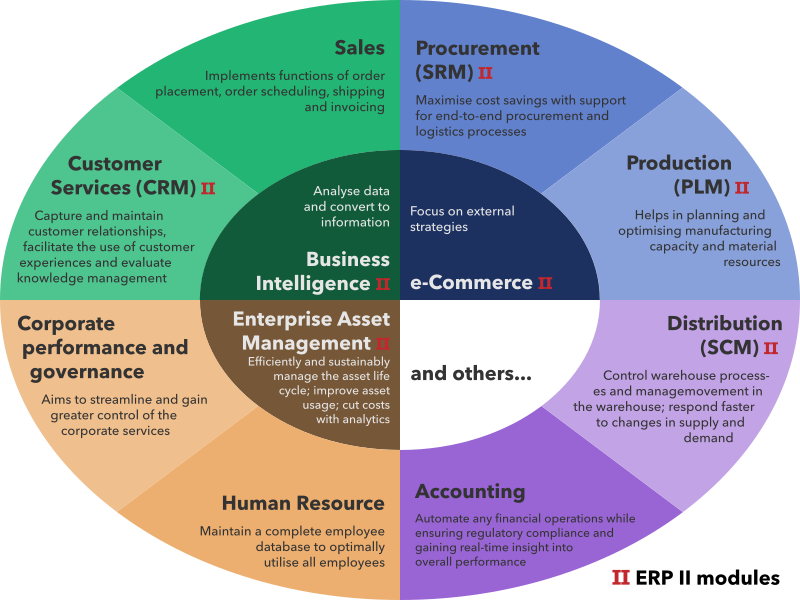
enterprise resource planning
corporate task of optimizing the existing resources in a company

occupational burnout
type of work-related stress, with symptoms characterized by feelings of energy depletion or exhaustion; increased mental distance from one’s job, or feelings of negativism or cynicism related to one's job; and reduced professional efficacy

human capital
knowledge, skills, training and similar concepts, in economics
employment contract
agreement between employer and employee or labor union on terms of work and compensation

human resources
people who make up an organization's workforce

mentorship
thumb|An army trainer mentors new soldiers.
Mentorship is the patronage, influence, guidance, or direction given by a mentor. A mentor is someone who teaches or gives help and advice to a less experienced and often younger person. In an organizational setting, a mentor influences the personal and professional growth of a mentee. Most traditional mentorships involve having senior employees mentor more junior employees, but mentors do not necessarily have to be more senior than the people they mentor. What matters is that mentors have experience that others can learn from.
mergers and acquisitions
transactions in which the ownership of companies, other business organizations or their operating units are transferred or combined
organizational culture
values and behaviours that contribute to the unique social and psychological environment of an organization
organizational chart
diagram that shows the structure of an organization and the relationships and relative ranks of its parts and positions/jobs
Theory X and Theory Y
theories of human motivation
diversity, equity, and inclusion
organizational equality training term

adjutant
thumb|Gustaf Mannerheim|C. G. E. Mannerheim as [[regent of Finland (sitting) and his adjutants (from the left) Lt.Col. Kasimir Lilius, Cap. Heikki Kekoni, Lt. Akseli Gallen-Kallela, Ensign John Rosenbröijer]]
cultural capital
sociological concept
human resource management system
software for, eg., recruitment, benefits administration, attendance records, payroll
senior management
team of individuals at the highest level of organizational management who have the day-to-day responsibilities of managing a company or corporation
full-time equivalent
unit of workload devoted to a task or project, equivalent to one person working full-time
emotional labor
process of managing feelings and expressions to fulfill the emotional requirements of a job
talent management
the anticipation of required human capital for an organization and the planning to meet those needs
Human relations movement
article about human relation
four-day workweek
system in which students or workers are expected to work four days a week
restructuring
Restructuring or Reframing is the corporate management term for the act of reorganizing the legal, ownership, operational, or other structures of a company for the purpose of making it more profitable, or better organized for its present needs. Other reasons for restructuring include a change of ownership or ownership structure, demerger, or a response to a crisis or major change in the business such as bankruptcy, repositioning, or buyout. Restructuring may also be described as corporate restructuring, debt restructuring and financial restructuring.
adjutant general
military chief administrative officer
Theory Z
various theories of human motivation
flextime
Flextime, also spelled flex-time or flexitime (BE), is a flexible hours schedule that allows workers to alter their workday and adjust their start and finish times. In contrast to traditional work arrangements that require employees to work a standard 9a.m. to 5p.m. day, Flextime typically involves a "core" period of the day during which employees are required to be at work (e.g., between 11a.m. and 3p.m.), and a "bandwidth" period within which all required hours must be worked (e.g., between 5:30 a.m. and 7:30 p.m.). The working day outside of the core period is "flexible time", in
application for employment
form or collection of forms that an individual seeking employment, called an applicant, must fill out as part of the process of informing an employer
job analysis
identification of activities, attributes, or requirements of a job
co-determination
practice of workers of an enterprise having the right to vote for representatives on the board of directors in a company
turnover
change or shift in personnel caused by reorganization, resignation or discharge
job description
document that defines a person's duties and responsibilities within an organisation
training and development
involves improving the effectiveness of organizations and the individuals and teams within them
competence
set of demonstrable characteristics and skills that enable, and improve the efficiency or performance of a job

onboarding
thumb|A model of onboarding (adapted from Bauer & Erdogan, 2011)
Onboarding or organizational socialization is the American term for the mechanism through which new employees acquire the necessary knowledge, skills, and behaviors to become effective organizational members and insiders. In varieties of English other than American English, this may also be referred to as "induction". In the United States, up to 25% of workers are organizational newcomers engaged in onboarding process.
internal communications
function responsible for effective communications among participants within an organization
span of control
the ability of one person
open plan
floor plan which makes use of large, open spaces and minimizes the use of small, enclosed rooms such as private offices; open workplace
appreciative inquiry
organizational model that seeks to engage stakeholders in self-determined change
virtual team
group of individuals who work together from different geographic locations and rely on communication technology

competence
ability or capacity to perform a task effectively or successfully

applicant tracking system
recruitment software

job sharing
employment arrangement where typically two people are retained on a part-time or reduced-time basis to perform a job normally fulfilled by one person working full-time

employee engagement
relationship between employees and their jobs
work performance
measure of how well someone performs given tasks at their place of work
work design
core function of Human Resource Management
Job rotation
technique used by employers
Nenko System
Japanese promotion system
secondment
thumb|right|The warrant officer in the khaki shirt is an instructor who has been seconded from the [[Royal Anglian Regiment to the Bermuda Regiment to provide training]]
Secondment is the temporary assignment of a member of one organization to another organization. In some jurisdictions, (e.g., India) such temporary transfer of employees is called "on deputation". The term is particular to Great Britain and Commonwealth countries.
chief human resources officer
corporate title
skills management
developing the skills employees need
formal organization
organization with a fixed set of rules of intra-organization procedures and structures
signing bonus
employee bonus

human resource planning
process that identifies current and future human resources needs
at-will employment
term used in U.S. labor law
Job enrichment
medium through which management can motivate self-driven employees
workload
The term workload can refer to several different yet related entities.
United States Office of Personnel Management
United States federal government agency
Herrmann Brain Dominance Instrument
type of cognitive style measurement and model