Category
page 1Insect-borne diseases
malaria
Malaria is a mosquito-borne infectious disease which is transmitted by the bite of Anopheles mosquitoes. Human malaria causes symptoms that typically include fever, fatigue, vomiting, and headaches; in severe cases, it can cause jaundice, seizures, coma, or death. Symptoms usually begin 10 to 15 days after being bitten by an infected Anopheles mosquito. If not properly treated, people may have recurrences of the disease months later. Those who survive an infection develop partial immunity, being susceptible to reinfection although with milder symptoms. This partial resistance disappears over m

plague
specific contagious and frequently fatal human disease caused by Yersinia pestis
dengue fever
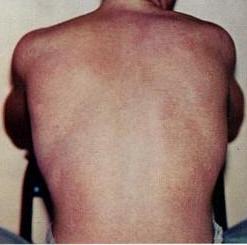
tropical disease caused by the dengue virus, transmitted by mosquito

Zika virus
species of virus

African trypanosomiasis
parasitic disease

Chagas disease
human disease

Zika fever
infectious arboviral disease

Rift Valley fever
human disease

filariasis
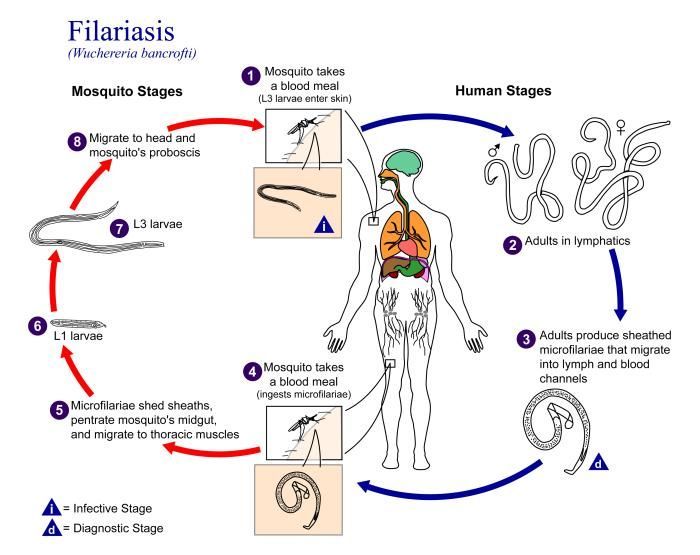
Filariasis is a filarial infection caused by parasitic nematodes (roundworms) spread by different vectors. They are included in the list of neglected tropical diseases.

West Nile fever
human disease
bluetongue disease
type of disease that afflicts ruminants
visceral leishmaniasis
human disease caused by protist parasites
Wuchereria bancrofti
species of parasitic worm
epidemic typhus
human disease
lumpy skin disease
bovine disease
pneumonic plague
plague that results in infection located in lung, which results from direct inhalation of the bacillus and has symptom fever, has symptom chills, has symptom cough and has symptom difficulty breathing
St. Louis encephalitis
human disease
African horse sickness
insect-borne reovirus infection of horses, mules and donkeys in Africa and the Middle East; characterized by pulmonary edema, cardiac involvement, and edema of the head and neck
phlebotomus fever
human disease

Brugia malayi
species of parasitic worm
cutaneous leishmaniasis
leishmaniasis that involves skin infection caused by Leishmania species, resulting in one or more cutaneous lesions
septicemic plague
human disease
dirofilariasis
Dirofilariasis is an infection by parasites of the genus Dirofilaria. It is transmitted through a mosquito bite; its main hosts include dogs and wild canids. These can give rise to granulomas in the pulmonary artery. Some common symptoms include cough, fever and pleural effusion. It may also appear on X-rays of the chest.
Carrion's disease
infectious disease produced by Bartonella bacilliformis infection

Trypanosoma evansi
species of Kinetoplastea
mosquito-borne disease
disease caused by bacteria, viruses or parasites transmitted by mosquitoes
SFTS virus
species of virus
Mayaro virus disease
infectious disease
Murray Valley encephalitis virus
zoonotic flavivirus endemic to northern Australia and Papua New Guinea
severe fever with thrombocytopenia syndrome
medical condition
Pogosta disease
medical condition
Brugia timori
species of worm
mansonelliasis
Mansonelliasis is the condition of infection by the nematode Mansonella.
The disease exists in Africa and tropical Americas, spread by biting midges or blackflies. It is usually asymptomatic.
Brugia
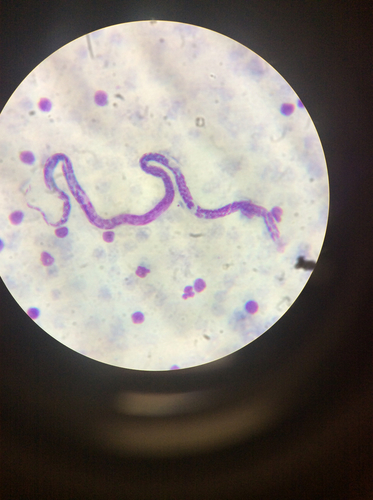
Brugia is a genus for a group of small roundworms. They are among roundworms that cause the parasitic disease filariasis. Specifically, of the five species known, Brugia malayi and Brugia timori cause lymphatic filariasis in humans; and Brugia pahangi and Brugia patei infect domestic cats, dogs and other animals. Brugia buckleyi specifically infects the Indian hare (Lepus nigricollis singhala). They are transmitted by the bite of mosquitos.
Barmah Forest virus
species of virus
canine leishmaniasis
disease affecting dogs