Category
page 1Insects used as insect pest control agents
%20Female%20(31407673590).png)
Coccinellidae
Coccinellidae () is a widespread family of small beetles. They are commonly known as ladybugs in North America and ladybirds in the United Kingdom; "lady" refers to mother Mary. Entomologists use the names ladybird beetles or lady beetles to avoid confusion with true bugs. The more than 6,000 described species have a global distribution and are found in a variety of habitats. They are oval beetles with a domed back and flat underside. Many of the species have conspicuous aposematic (warning) colours and patterns, such as red with black spots, that warn potential predators that they taste bad.

Odonata
Odonata is an order of predatory flying insects that includes the dragonflies and damselflies (as well as the Epiophlebia damsel-dragonflies). The two major groups are distinguished with dragonflies (Anisoptera) usually being bulkier with large compound eyes together and wings spread up or out at rest, while damselflies (suborder Zygoptera) are usually more slender with eyes placed apart and wings folded together along body at rest. Adult odonates can land and perch, but rarely walk.
Anisoptera
A dragonfly is a flying insect belonging to the infraorder Anisoptera below the order Odonata. About 3,000 extant species of dragonflies are known. Most are tropical, with fewer species in temperate regions. Loss of wetland habitat threatens dragonfly populations around the world. Adult dragonflies are characterised by a pair of large, multifaceted, compound eyes, two pairs of strong, transparent wings, sometimes with coloured patches, and an elongated body. Many dragonflies have brilliant iridescent or metallic colours produced by structural coloration, making them conspicuous in flight. An a

Mantodea
Mantises are an order (Mantodea) of insects that contains over 2,400 species in about 460 genera in 33 families. The largest family is the Mantidae ("mantids"). Mantises are distributed worldwide in temperate and tropical habitats. They have triangular heads with bulging eyes supported on flexible necks. Their elongated bodies may or may not have wings, but all mantodeans have forelegs that are greatly enlarged and adapted for catching and gripping prey; their upright posture, while remaining stationary with forearms folded, resembling a praying posture, has led to the common name praying mant

Zygoptera
Damselflies are flying insects of the suborder Zygoptera in the order Odonata. They are similar to dragonflies (which constitute the other odonatan suborder, Epiprocta) but are usually smaller and have slimmer bodies. Most species fold the wings along the body when at rest, unlike dragonflies which hold the wings flat and away from the body. Damselflies have existed since the Late Jurassic, and are found on every continent except Antarctica.

Vespa
Hornets are wasps of the genus Vespa in the subfamily Vespinae (the vespine wasps). They are the largest of the eusocial wasps, with some species reaching in length. They are similar in appearance to their close relatives the yellowjackets, but are distinguished from other vespine wasps by the relatively large top margin of the head. Worldwide, 22 species of Vespa are recognized. Most species only occur in the tropics of Asia, though the European hornet (V. crabro) is widely distributed throughout Europe, Russia, North America, and north-eastern Asia. Wasps of the genus Dolichovespula native t

European mantis
species of insect

Coccinella septempunctata
species of beetle
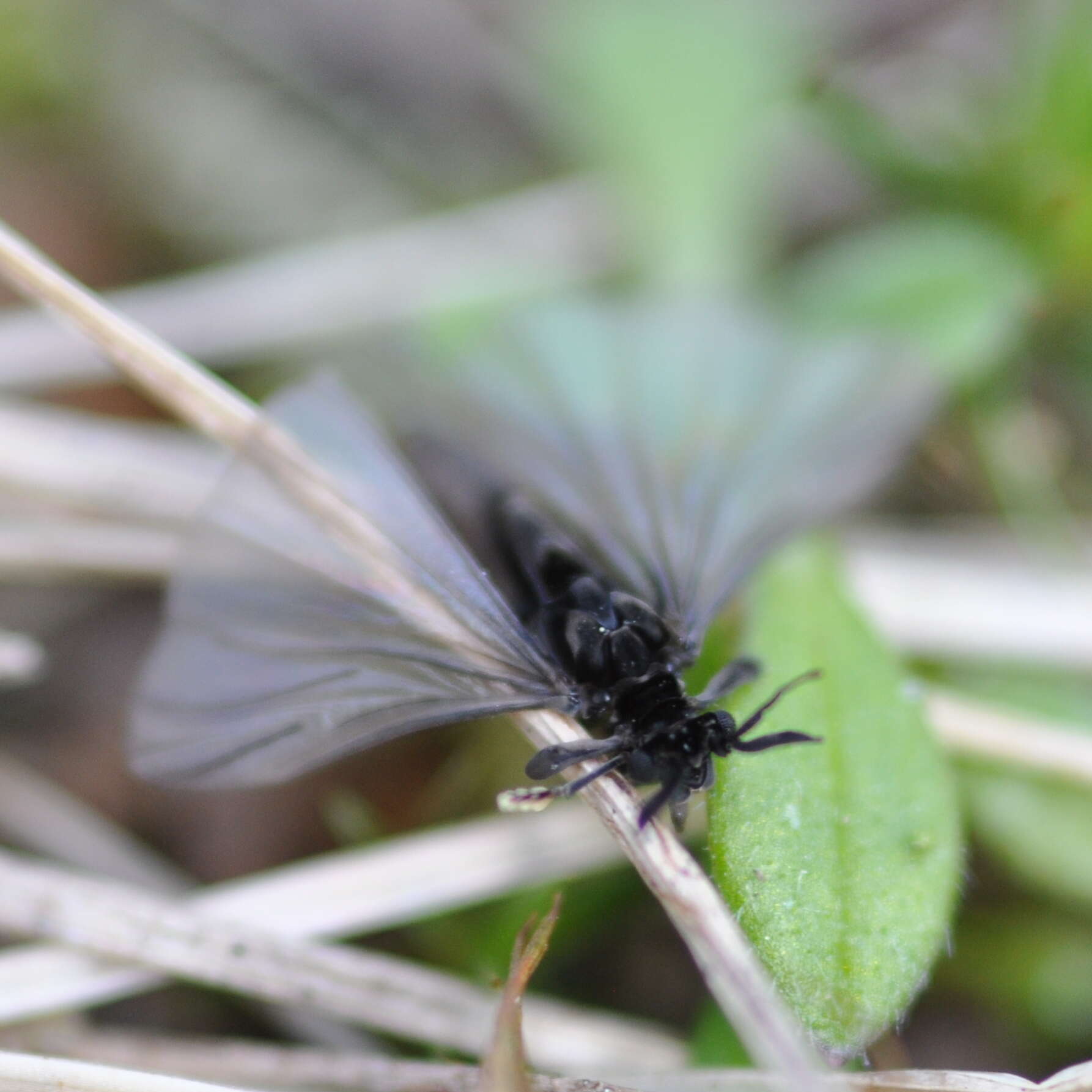
Strepsiptera
Strepsiptera (), from Ancient Greek στρέψις (strépsis), meaning "turning around", and πτερόν (pterón), meaning "wing", are an order of insects with eleven extant families that include about 600 described species. They are endoparasites of other insects, such as bees, wasps, leafhoppers, silverfish, and cockroaches. Females of most species never emerge from the host after entering its body, finally dying inside it. The early-stage larvae do emerge because they must find an unoccupied living host, and the short-lived males must emerge to seek a receptive female in her host. They are believed to

Tachinidae
The Tachinidae are a large and variable family of true flies within the insect order Diptera, with more than 8,200 known species and many more to be discovered. Over 1,300 species have been described in North America alone. Insects in this family commonly are called tachinid flies or simply tachinids. As far as is known, they all are protelean parasitoids, or occasionally parasites, of arthropods, usually other insects. The family is known from many habitats in all zoogeographical regions and is especially diverse in South America.

Bombyliidae
The Bombyliidae are a family of flies, commonly known as bee flies. Some are colloquially known as bomber flies. Adults generally feed on nectar and pollen, some being important pollinators. Larvae are mostly parasitoids of other insects.
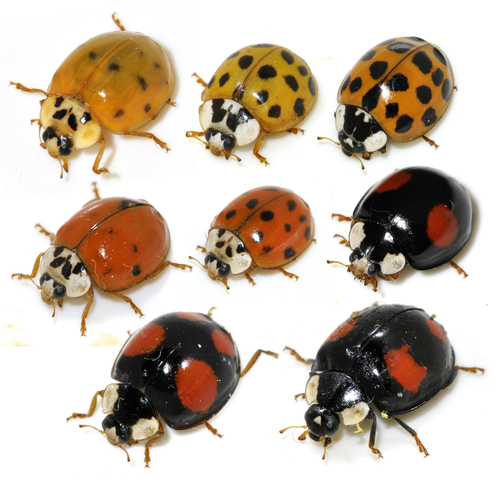
Harmonia axyridis
species of beetle
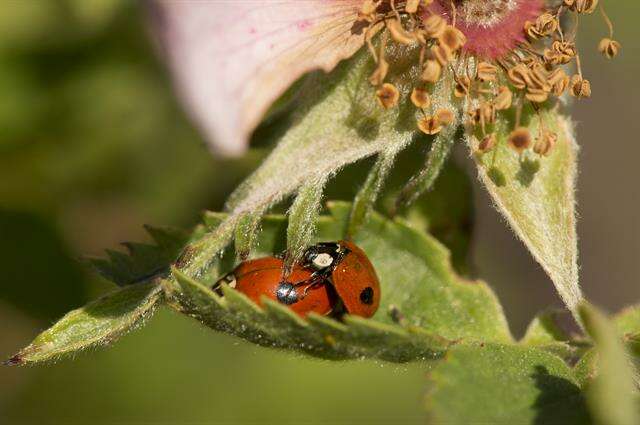
Adalia bipunctata
species of insect

Mantispidae
Mantispidae (), commonly known as mantidflies, mantispids, mantid lacewings, mantisflies or mantis-flies, is a family of small to moderate-sized insects in the order Neuroptera. There are many genera with around 400 species worldwide, especially in the tropics and subtropics. Only five species of Mantispa occur in Europe. They are named after their raptorial forelimbs similar to those of mantises, a case of convergent evolution.

Solenopsis invicta
species of ant

Coccinella
Coccinella is the most familiar genus of ladybird (or, in North America, ladybug). The elytra of most species are of a red or orange colour, punctuated with black spots or bands. The genus occurs throughout the Northern Hemisphere, but has only 11 species native to North America, with far more in Eurasia.
.jpg)
Scoliidae
Scoliidae, the scoliid wasps, is a family of wasps comprising about 300 described species worldwide. They tend to be black, often marked with yellow or orange, and their wing tips are distinctively corrugated. Males are more slender and elongated than females, with significantly longer antennae, but the sexual dimorphism is not as apparent as in many of the Tiphiidae and Thynnidae.
Ampulicidae
Ampulicidae, or cockroach wasps, are a small (about 170 species), primarily tropical family of sphecoid wasps, all of which use various cockroaches as prey for their larvae. They are the most primitive family of sphecoid hunting wasps. They tend to have elongated jaws, pronounced neck-like constrictions behind the head, strongly petiolate abdomens, and deep grooves on the thorax. Many are quite ant-like in appearance, though some are brilliant metallic blue, green, and hot pink.

Ammophila sabulosa
species of insect
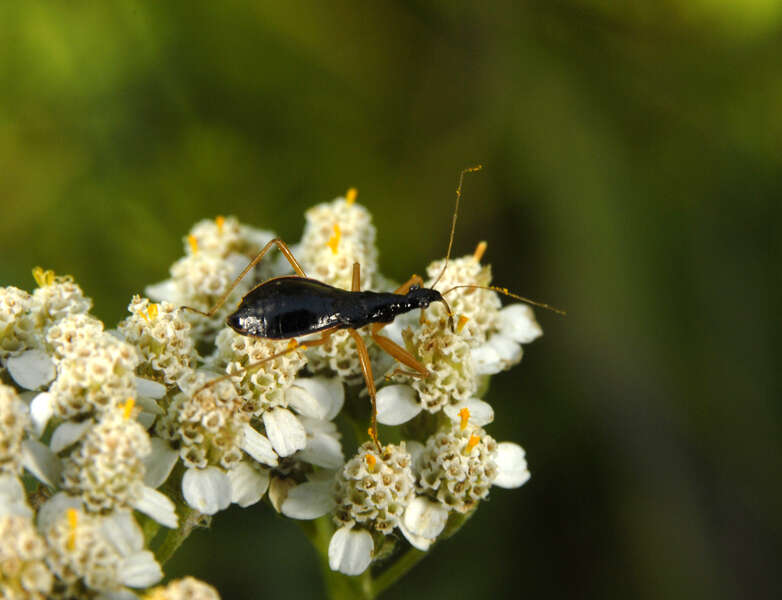
Nabidae
left|thumb|Nabis biformis
thumb|Prostemma albimacula
thumb|upright|Himacerus apterus
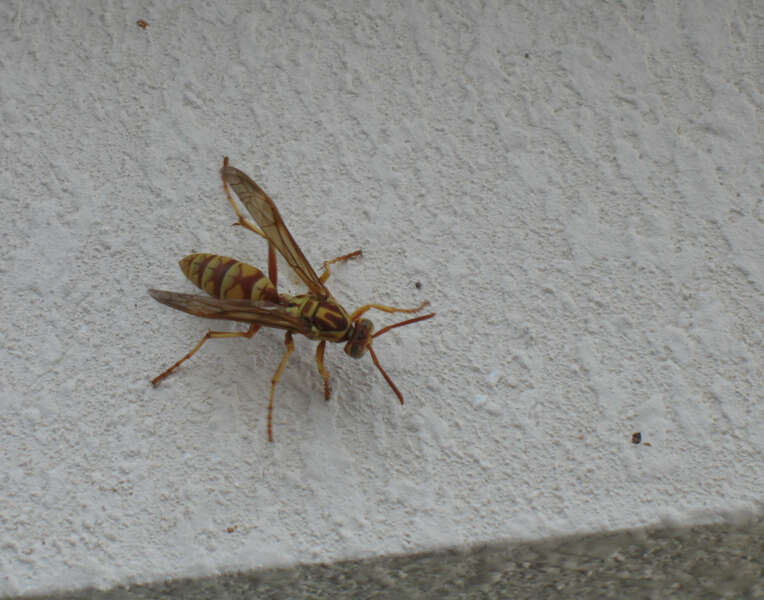
Polistes
thumb|P. metricus, female
%20(2).jpg)
Calosoma
thumb|Calosoma planicolle
thumb|Calosoma senegalense
thumb|Calosoma scrutator by Alejandro Santillana "Insects Unlocked" Project, University of Texas at Austin

Chrysoperla carnea
insect in the Chrysopidae family

Tiphiidae
The Tiphiidae (also known as tiphiid wasps, flower wasps, or tiphiid flower wasps) are a family of large, solitary wasps whose larvae are parasitoids of various beetle larvae, especially those in the superfamily Scarabaeoidea. Until recently, this family contained several additional subfamilies, but multiple studies have independently confirmed that these comprise a separate lineage, and are now classified in the family Thynnidae.

Hippodamia tredecimpunctata
species of beetle

Hippodamia convergens
species of beetle

Trichogrammatidae
thumb|A female Hydrophylita emporos on a female Psolodesmus mandarinus mandarinus.
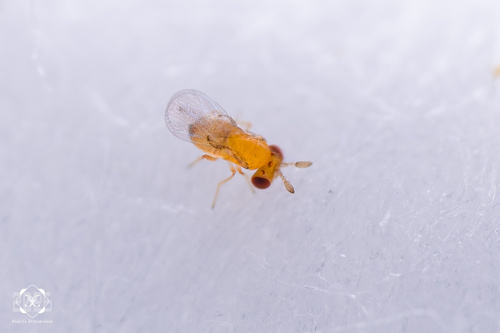
Trichogramma
Trichogramma is a genus of minute polyphagous wasps that are endoparasitoids of insect eggs. Trichogramma is one of around 80 genera from the family Trichogrammatidae, with over 200 species worldwide.
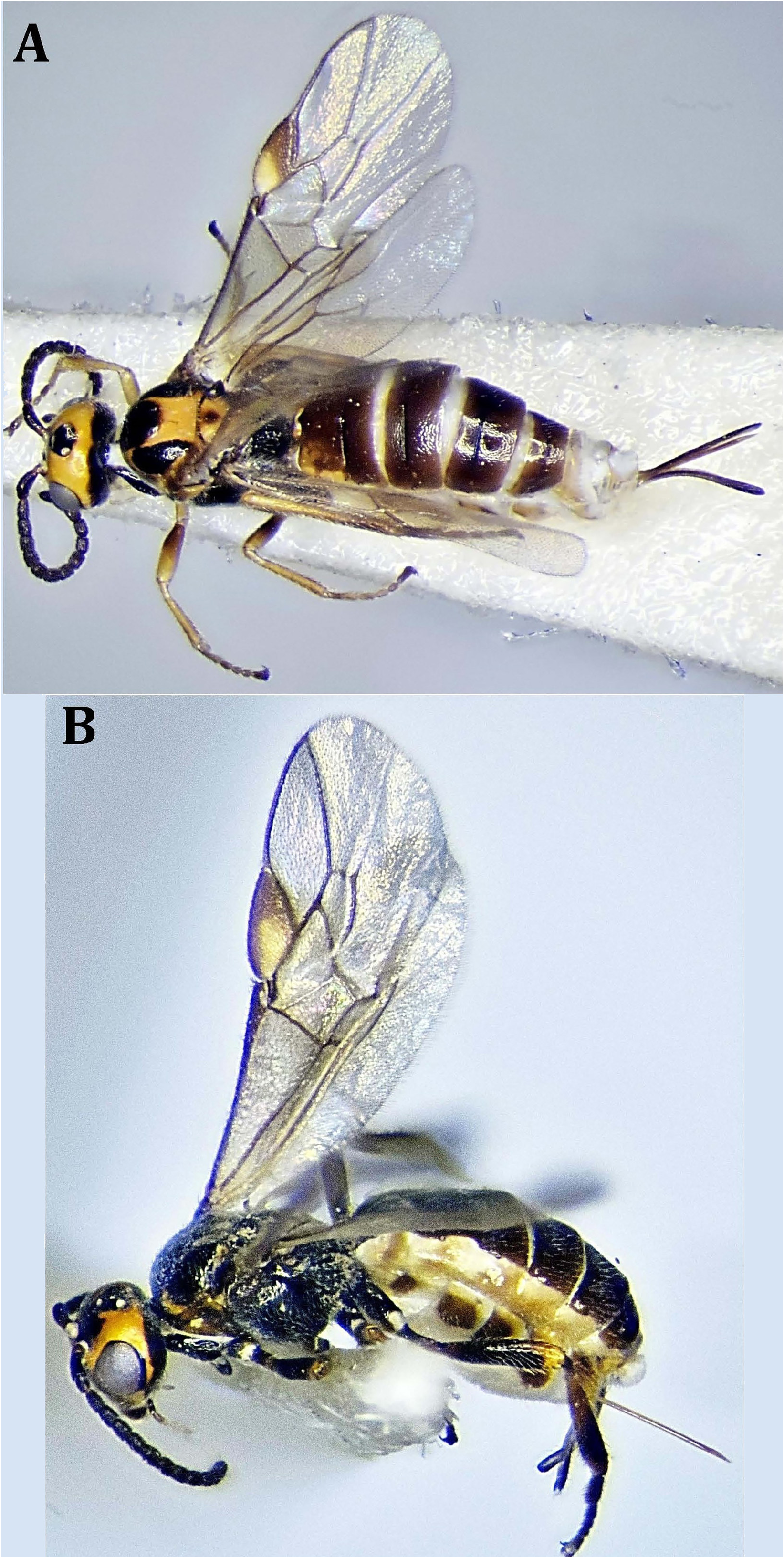
Habrobracon hebetor
species of insect

Chrysopa
Chrysopa is a genus of green lacewings in the neuropteran family Chrysopidae.
.JPG)
Chrysoperla
Chrysoperla is a genus of common green lacewings in the neuropteran family Chrysopidae. Therein they belong to the Chrysopini, the largest tribe of subfamily Chrysopinae. Their larvae are predatory and feed on aphids, and members of this genus have been used in biological pest control.

Aphidoletes aphidimyza
species of insect

Trichopoda pennipes
species of insect

Spined soldier bug
species of insect

Macrolophus pygmaeus
species of insect

Megarhyssa
thumb| Female Megarhyssa praecellens in China
Megarhyssa, also known as giant ichneumonid wasps, giant ichneumons, or stump stabbers, is a genus of large ichneumon wasps, with some species known for having the longest ovipositors of any insects. They are idiobiont ectoparasitoids of the larvae of wood-boring horntail wasps. The ovipositor can be mistaken for a large stinger. This is a genus of holometabolous insects within subfamily Rhyssinae that includes 37 species and belongs to Ichneumonidae, the family of wasps with the highest biodiversity in the world.

Encarsia formosa
species of insect

Chilocorus stigma
species of beetle
Geocoris
Geocoris is a genus of insects in the family Geocoridae (although in the past the geocorids were subsumed as a subfamily under the family "Lygaeidae"). Commonly known as big-eyed bugs, the species in Geocoris are beneficial predators, but are often confused with the true chinch bug, which is a pest. There are more than 140 described species in Geocoris.
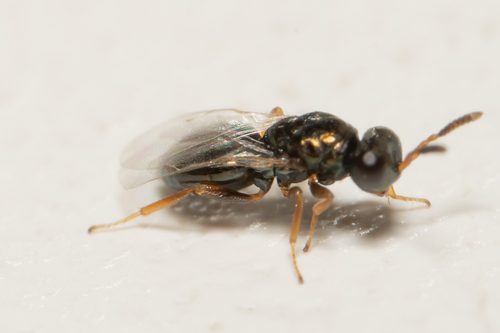
Nasonia vitripennis
species of insect

Trissolcus japonicus
species of insect
Aphelinus abdominalis
species of insect
Aleochara bilineata
species of insect
Tamarixia radiata
species of insect
Spotted lady beetle
species of insect
Wheel bug
species of insect
Lebia grandis
species of insect
Archytas apicifer
species of insect
Myiopharus doryphorae
species of insect

Diadegma semiclausum
species of insect
Lariophagus distinguendus
species of insect

Anthocoris nemoralis
species of insect
Melangyna viridiceps
species of insect
Scelio
Scelio is a large genus (at least 240 and possibly 500 species), the largest within the family Scelionidae, of parasitic wasp whose known target host include the eggs of grasshoppers (Acrididae, Orthoptera). They are found worldwide and some species have been implemented as biological control agents.
Poecilanthrax willistonii
species of insect
Laricobius nigrinus
species of insect
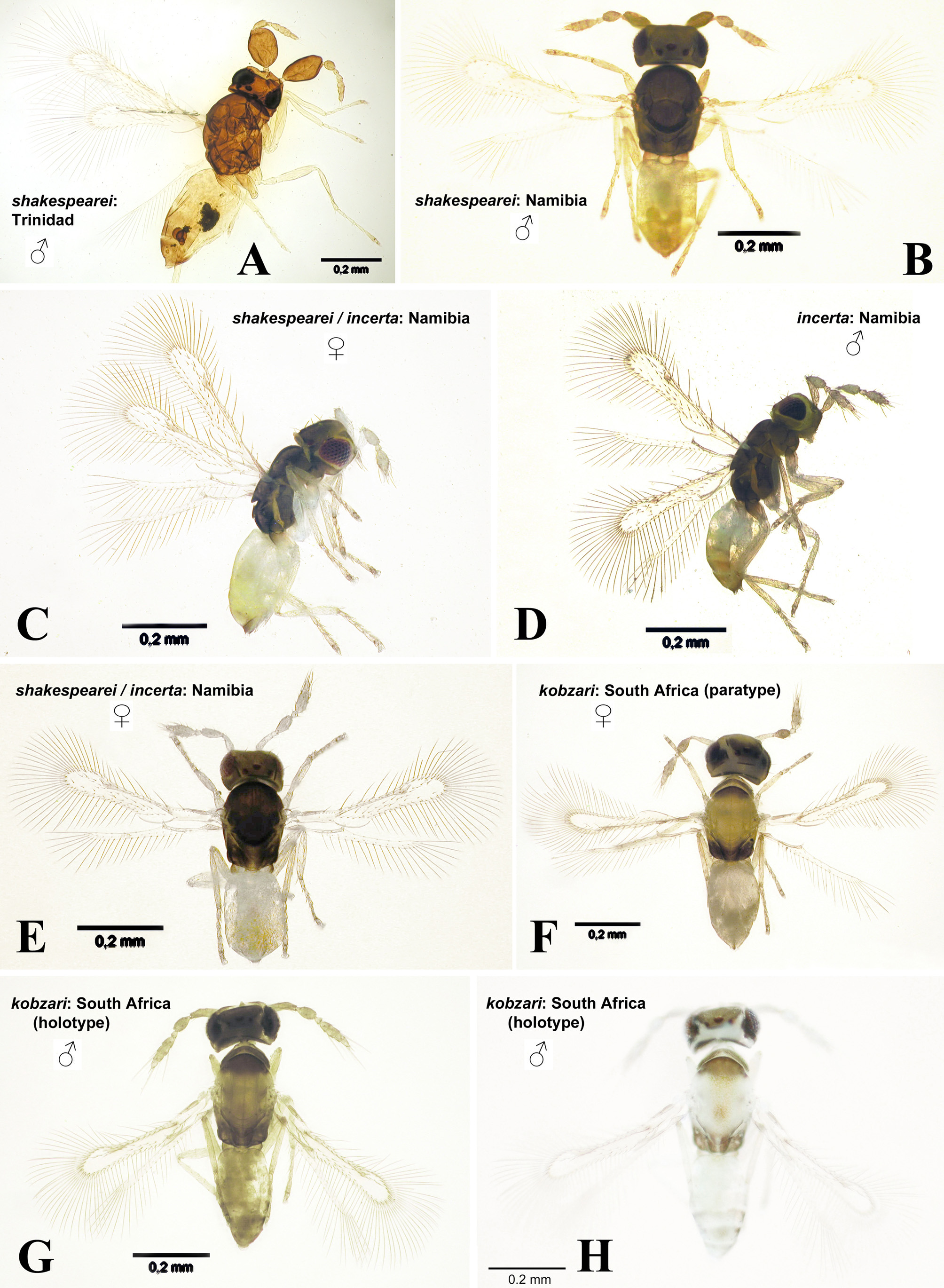
Goetheana
Goetheana is a genus of hymenopteran insects of the family Eulophidae. As a parasitoid of thrips, this wasp is used in biological pest control.
Glabridorsum stokesii
species of insect
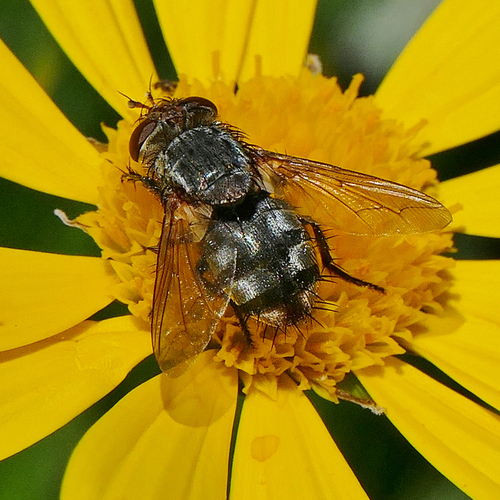
Archytas marmoratus
species of insect
Diglyphus
Diglyphus is a genus of hymenopteran insects of the family Eulophidae. It is a parasitoid of Agromyzidae larvae, and therefore sometimes used in biological pest control.