Category
page 1Intensive care medicine
sepsis
Sepsis is a potentially life-threatening condition that arises when the body's dysregulated response to infection causes injury to its own tissues and organs.

coma
A coma () is a prolonged state of deep unconsciousness in which a person cannot be awakened, fails to respond normally to stimuli (including pain, light, and sound), lacks a normal sleep-wake cycle and does not initiate voluntary actions. The person may experience respiratory and circulatory problems due to the body's inability to maintain normal bodily functions. People in a coma often require extensive medical care to maintain their health and prevent complications such as pneumonia or blood clots. Coma patients exhibit a complete absence of wakefulness and are unable to consciously feel, sp

shock
medical condition of insufficient blood flow to the tissues of the body
.jpg)
delirium
Delirium (formerly acute confusional state, an ambiguous term that is now discouraged) is a specific state of acute confusion attributable to the direct physiological consequence of a medical condition, effects of a psychoactive substance, or multiple causes, which usually develops over the course of hours to days. As a syndrome, delirium presents with disturbances in attention, awareness, and higher-order cognition. People with delirium may experience other neuropsychiatric disturbances including changes in psychomotor activity (e.g., hyperactive, hypoactive, or mixed level of activity), disr

intensive care unit
hospital ward that provides intensive care medicine
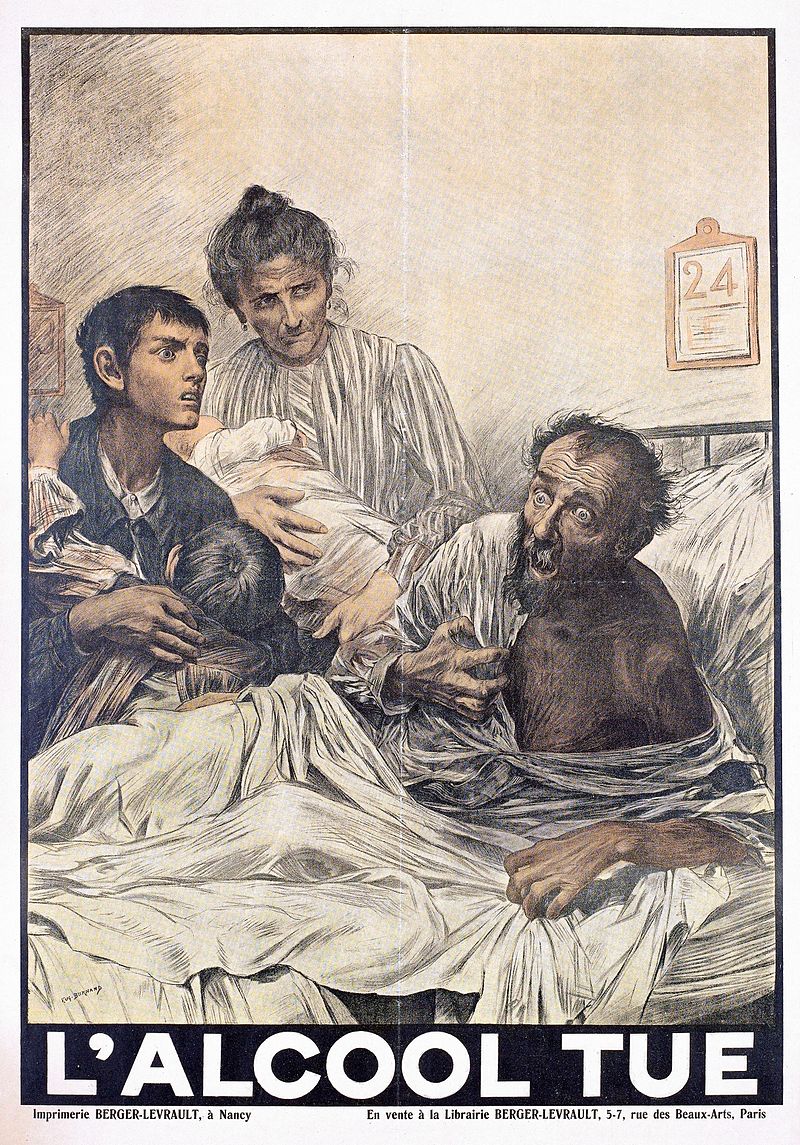
delirium tremens
rapid onset of confusion caused by alcohol withdrawal
extracorporeal membrane oxygenation
extracorporeal technique of providing both cardiac and respiratory support

rhabdomyolysis

respiratory failure
inadequate gas exchange by the respiratory system

hospital-acquired infection
nosocomial infection

acute respiratory distress syndrome
human disease

subarachnoid hemorrhage
bleeding into the subarachnoid space
clinical death
cessation of blood circulation and breathing

triage
In medicine, triage (, ; ) is a process by which care providers such as medical professionals and those with first aid knowledge determine the order of priority for providing treatment to injured individuals and/or inform the rationing of limited supplies so that they go to those who can most benefit from it. Triage is usually relied upon when there are more injured individuals than available care providers (known as a mass casualty incident), or when there are more injured individuals than supplies to treat them.
disseminated intravascular coagulation
pathological process characterized by the widespread activation of the clotting cascade that results in the formation of blood clots in the small blood vessels throughout the body
traumatic brain injury
condition caused by an external force which has traumatically injured the brain
septic shock
medical condition defined as sepsis that has circulatory, cellular and metabolic abnormalities, is associated with clinical severity and greater risk of dying.
artificial respiration
assisted breathing to support life
tracheal intubation
placement of a tube into the trachea through the mouth or nose to provide a patient with oxygen and anesthesia
intensive care medicine
medical care subspecialty, treating critically ill
mechanical ventilation
method to mechanically assist or replace spontaneous breathing
oxygen toxicity
condition resulting from the harmful effects of breathing molecular oxygen at increased partial pressures
multiple organ dysfunction syndrome
altered organ function in an acutely ill patient requiring medical intervention to achieve homeostasis.
infant respiratory distress syndrome
human disease affecting newborns
systemic inflammatory response syndrome
human disease
cardiogenic shock
type of circulatory shock resulting from inadequate blood flow due to the dysfunction of the ventricles of the heart
parenteral nutrition
intravenous feeding
chest tube
type of surgical drain, plastic tubing used for drainage of air or fluid from the pleural space
pulmonary aspiration
entry of materials into the larynx (voice box) and lower respiratory tract
neonatal intensive care unit
intensive care unit specializing in the care of ill or premature newborn infants
induced coma
medical procedure to induce coma
positive end-expiratory pressure
pressure in the lungs above atmospheric pressure that exists at the end of expiration

antihypotensive agent
thumb | right | A set of medications used for anaphylactic shock in health institutions
An antihypotensive, also known as a vasopressor, is an agent that raises blood pressure by constricting blood vessels, thereby increasing systemic vascular resistance. This is different from inotropes which increase the force of cardiac contraction. Some substances do both (e.g. dopamine, dobutamine).
Post-intensive care syndrome
collection of health disorders among survivors of critical illness
resuscitation
Resuscitation is the process of correcting physiological disorders (such as lack of breathing or heartbeat) in an acutely ill patient. It is an important part of intensive care medicine, anesthesiology, trauma surgery and emergency medicine. Well-known examples are cardiopulmonary resuscitation and mouth-to-mouth resuscitation.
transfusion related acute lung injury
medical condition
health monitoring
observation of a disease, condition or one or several medical parameters over time
altered level of consciousness
measure of arousal other than normal
catastrophic antiphospholipid syndrome
human disease
norepinephrine
Wikimedia permanent duplicate item
drotrecogin alfa
pharmaceutical drug
critical illness polyneuropathy
Human disease

Richmond Agitation-Sedation Scale
Medical scale used to measure agitation and sedation
Biotrauma
Although the term has occasionally been used in other ways, in medical literature biotrauma is usually defined as a severe inflammatory response produced in the lungs of patients who breathe by means of a mechanical ventilator for a long period of time. The term was coined in a 1998 paper by L. N. Tremblay and A. S. Slutsky, titled Ventilator-induced injury: from barotrauma to biotrauma. The message of that paper was that barotrauma caused by pressure differentials is only one of several types of lung damage that a ventilator can produce.
Percutaneous transtracheal ventilation
medical intervention
positive airway pressure
mechanical ventilation in which pressure is maintained to increase the volume of gas remaining in the lungs at the end of expiration