Category
page 2Irregular satellites

Stephano
moon of Uranus

S/2003 J 16
moon of Jupiter

S/2003 J 10
moon of Jupiter

Francisco
moon of Uranus

S/2003 J 9
moon of Jupiter

Ferdinand
moon of Uranus

Margaret
moon of Uranus
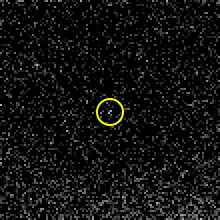
Albiorix
moon of Saturn

Ymir
moon of Saturn
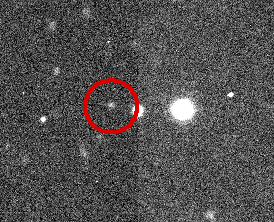
S/2003 J 23
natural satellite of Jupiter
Eirene
moon of Jupiter

S/2003 J 4
moon of Jupiter
Philophrosyne
moon of Jupiter

Paaliaq
Paaliaq is a prograde irregular satellite of Saturn. It was discovered by J. J. Kavelaars, Brett J. Gladman, Jean-Marc Petit, Hans Scholl, Matthew J. Holman, Brian G. Marsden, Philip D. Nicholson and Joseph A. Burns in early October 2000, and given the temporary designation S/2000 S 2. It was named in August 2003 after a fictional shaman in the book The Curse of the Shaman, written by Michael Kusugak, who supplied Kavelaars with the names of giants from Inuit mythology that were used for other Saturnian moons.

Kiviuq
moon of Saturn
S/2003 J 19
moon of Jupiter
Narvi
moon of Saturn

Ijiraq
moon of Saturn

Skathi
moon of Saturn
Bebhionn
moon of Saturn
Fenrir
moon of Saturn

Erriapus
Erriapus , also known as Saturn XXVIII, is one of the mid-sized irregular moons of Saturn.
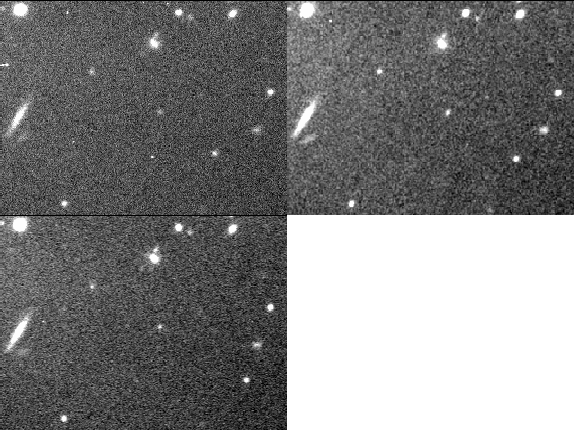
Tarvos
moon of Saturn

Hati
moon of Saturn

Mundilfari
moon of Saturn

Tarqeq
Tarqeq, also known as Saturn LII (provisional designation S/2007 S 1) is a natural satellite of Saturn. Its discovery was announced by Scott S. Sheppard, David C. Jewitt, Jan Kleyna, and Brian G. Marsden on 13 April 2007 from observations taken between 5 January 2006 and 22 March 2007. It is named after Tarqeq, the Inuit moon god, and is a member of the Inuit group of irregular satellites. It is about six kilometres in diameter. The Cassini spacecraft observed Tarqeq over 1.5 days on 15–16 January 2014.

Skoll
moon of Saturn
Farbauti
moon of Saturn
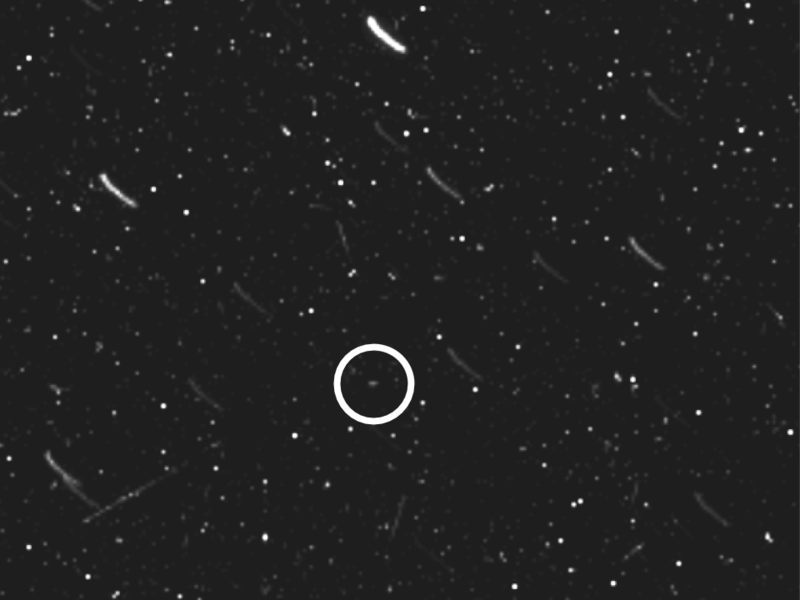
Hyrrokkin
moon of Saturn

Siarnaq
Siarnaq is the second-largest irregular moon of Saturn. It was discovered on 23 September 2000 by a team of astronomers led by Brett J. Gladman. It was named after the Inuit goddess of the sea, Siarnaq, who is more commonly known as Sedna. Siarnaq is the largest member of Saturn's Inuit group of prograde irregular moons, which orbit far from Saturn in the same direction as the planet's rotation. The moons of the Inuit group are believed to have originated as fragments from the collisional breakup of a larger progenitor moon after it was gravitationally captured into orbit around Saturn several

Ananke group
Group of retrograde irregular satellites of Jupiter that follow similar orbits to Ananke

Suttungr
moon of Saturn

Bestla
moon of Saturn

Kari
moon of Saturn
Aegir
moon of Saturn

Himalia group
Satellites of Jupiter
Fornjot
moon of saturn
Thrymr
moon of Saturn
Pasiphaë group
group of retrograde irregular satellites of Jupiter that follow similar orbits to Pasiphae and are thought to have a common origin
S/2007 S 2
moon of Saturn
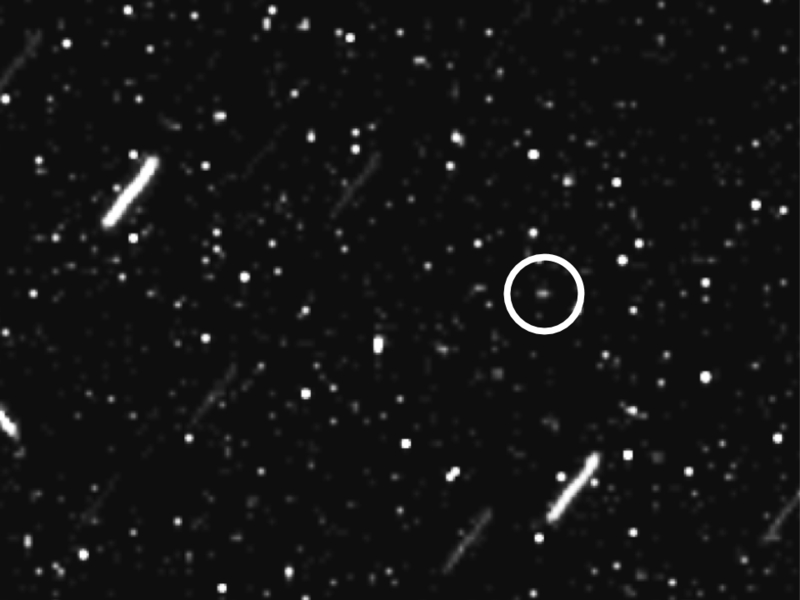
Greip
moon of Saturn
S/2004 S 13
moon of Saturn
Bergelmir
moon of Saturn
Jarnsaxa
moon of Saturn
S/2004 S 17
moon of Saturn
Loge
moon of Saturn

Carme group
group of satellites orbiting Jupiter
S/2004 S 12
moon of Saturn
S/2004 S 7
moon of Saturn
S/2007 S 3
moon of Saturn
S/2006 S 1
moon of Saturn
S/2006 S 3
moon of Saturn

Jupiter LII
natural satellite of Jupiter
Surtur
moon of Saturn
Jupiter LI
moon of Jupiter
S/2011 J 1
natural satellite of Jupiter
Ersa
One of Jupiter's moons
S/2011 J 2
moon of Jupiter
irregular moon
natural satellite following a distant, inclined, and often eccentric and retrograde orbit
Pandia
Moon of Jupiter in the Himalia group