Category
page 1KLOV game ID same as Wikidata
.png)
Pac-Man
Pac-Man, originally titled in Japan, is a 1980 maze video game developed and published by Namco for arcades. It was released in Japan on May 22, 1980 and by Midway Manufacturing in North America in August 1980. The player controls Pac-Man, who must eat all the dots inside an enclosed maze while avoiding four colored ghosts. Eating large flashing dots called "Power Pellets" causes the ghosts to temporarily turn blue and vulnerable, allowing Pac-Man to eat the ghosts for bonus points.
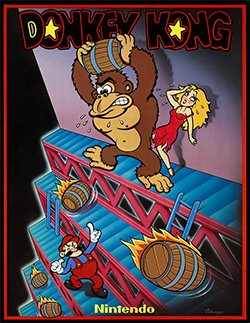
Donkey Kong
1981 arcade game
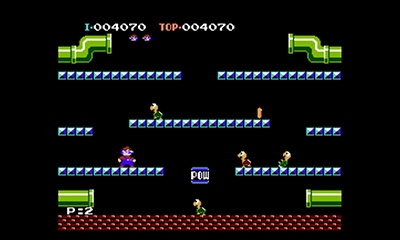
Mario Bros.
1983 arcade game
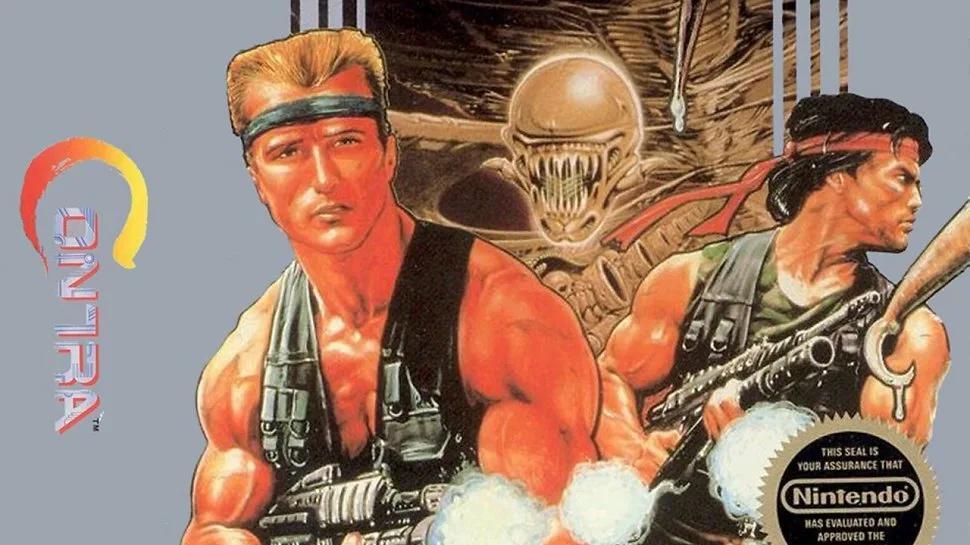
Contra
1987 run and gun action game
Asteroids
1979 video game

Galaga
is a 1981 fixed shooter video game developed and published by Namco for Japanese and European arcades; it was distributed by Midway Manufacturing in North America. It is the sequel to 1979's Galaxian, and the second game in the Galaxian series. Controlling a starship, the player is tasked with destroying the Galaga forces in each stage while avoiding enemies and projectiles. Some enemies can capture a player's ship via a tractor beam, which can be rescued by another ship to give the player a "dual fighter" with additional firepower.
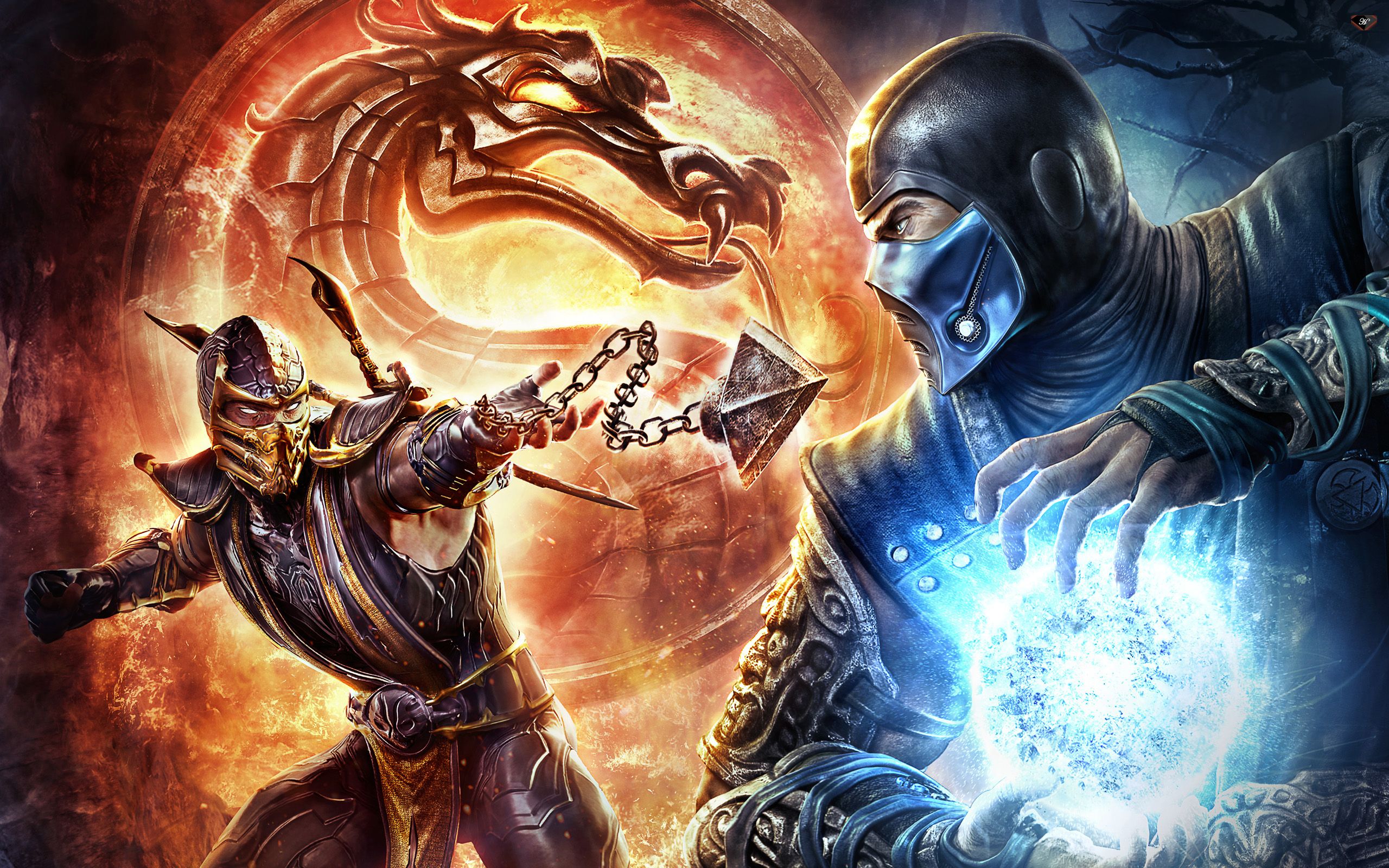
Mortal Kombat
1992 video game

Frogger
is a 1981 action video game developed by Konami and published by Sega for arcades. It was released in North America by Sega/Gremlin. The object of the game is to direct five frogs to their homes by dodging traffic on a busy road, then crossing a river by jumping on floating logs, turtles, and alligators.

Arkanoid
is a 1986 block breaker video game developed and published by Taito for Japanese arcades; in North America, it was published by Romstar. Controlling a paddle-like craft known as the Vaus, the player is tasked with clearing a formation of colorful blocks by deflecting a ball towards it without letting the ball leave the bottom edge of the playfield. Some blocks contain power-ups that have various effects, such as increasing the length of the Vaus, creating several additional balls, or equipping the Vaus with cannons. Other blocks may be indestructible or require multiple hits to break.
Bubble Bobble
1986 video game
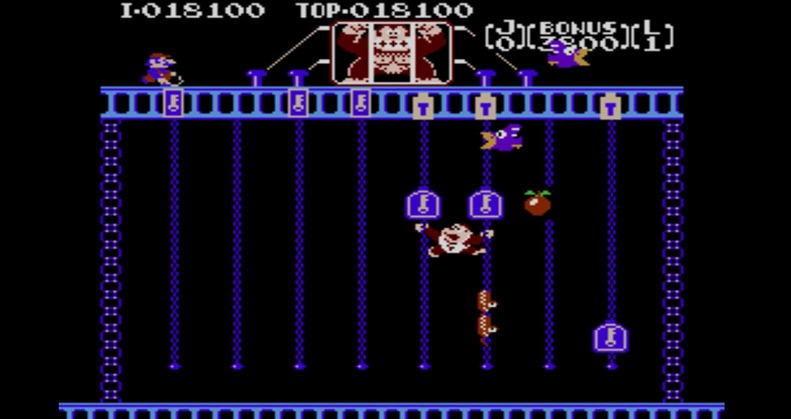
Donkey Kong Jr.
1982 arcade game
1942
1984 video game
Ms. Pac-Man
1982 video game

Galaxian
is a 1979 fixed shooter video game developed and published by Namco for arcades. The player assumes control of the Galaxip starfighter in its mission to protect Earth from waves of aliens. Gameplay involves destroying each formation of aliens, who dive down towards the player in an attempt to hit them.
Street Fighter
1987 arcade video game
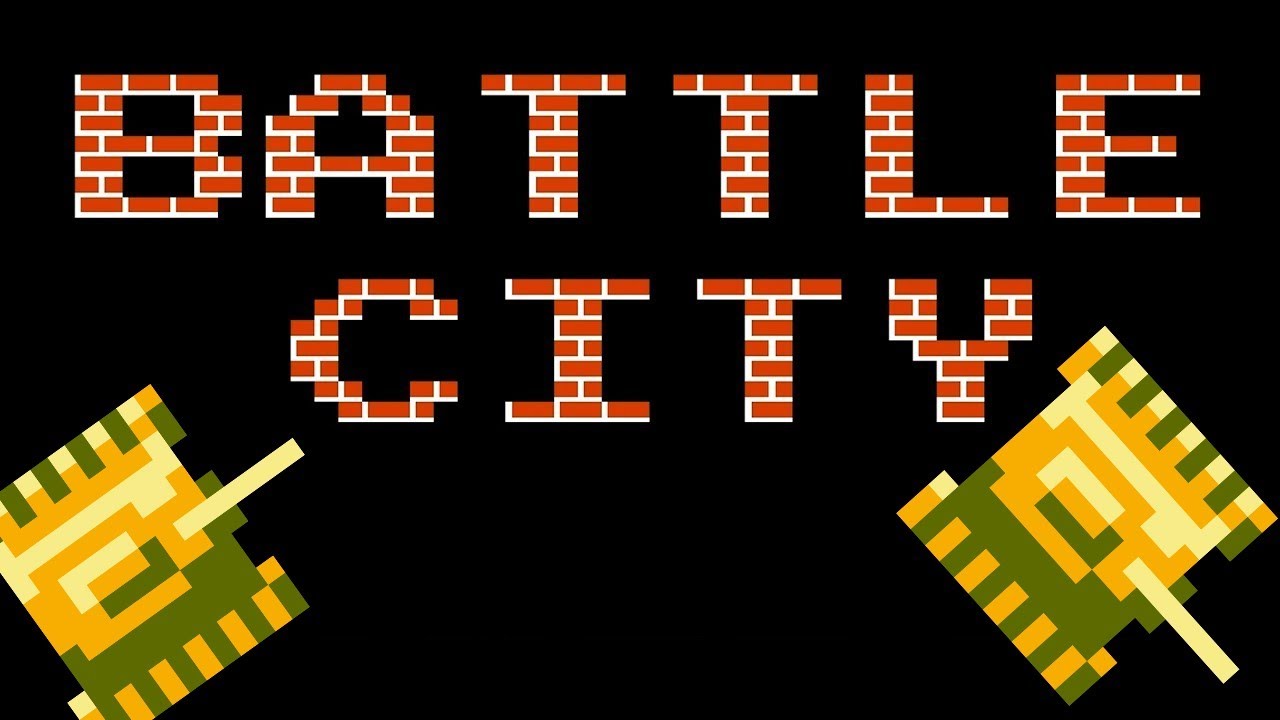
Battle City
1985 video game
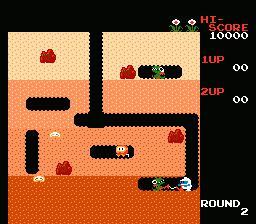
Dig Dug
1982 arcade game created by Namco
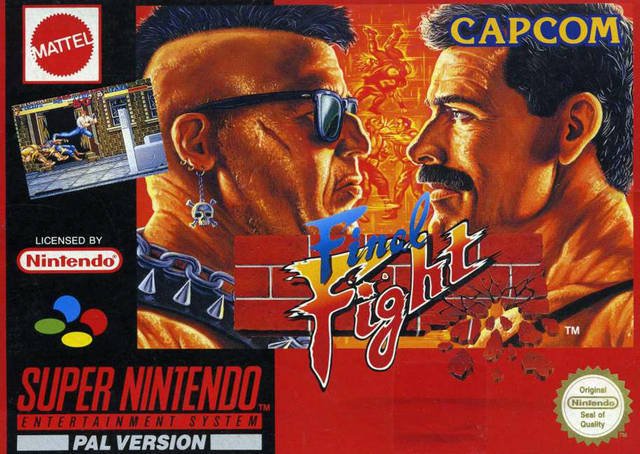
Final Fight
1989 beat-'em-up video game developed by Capcom
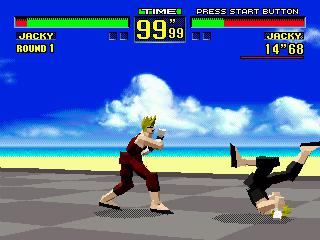
Virtua Fighter
1993 video game
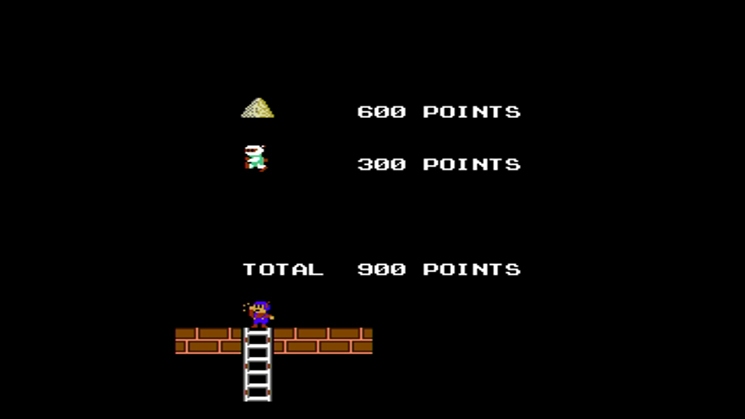
Lode Runner
1983 video game
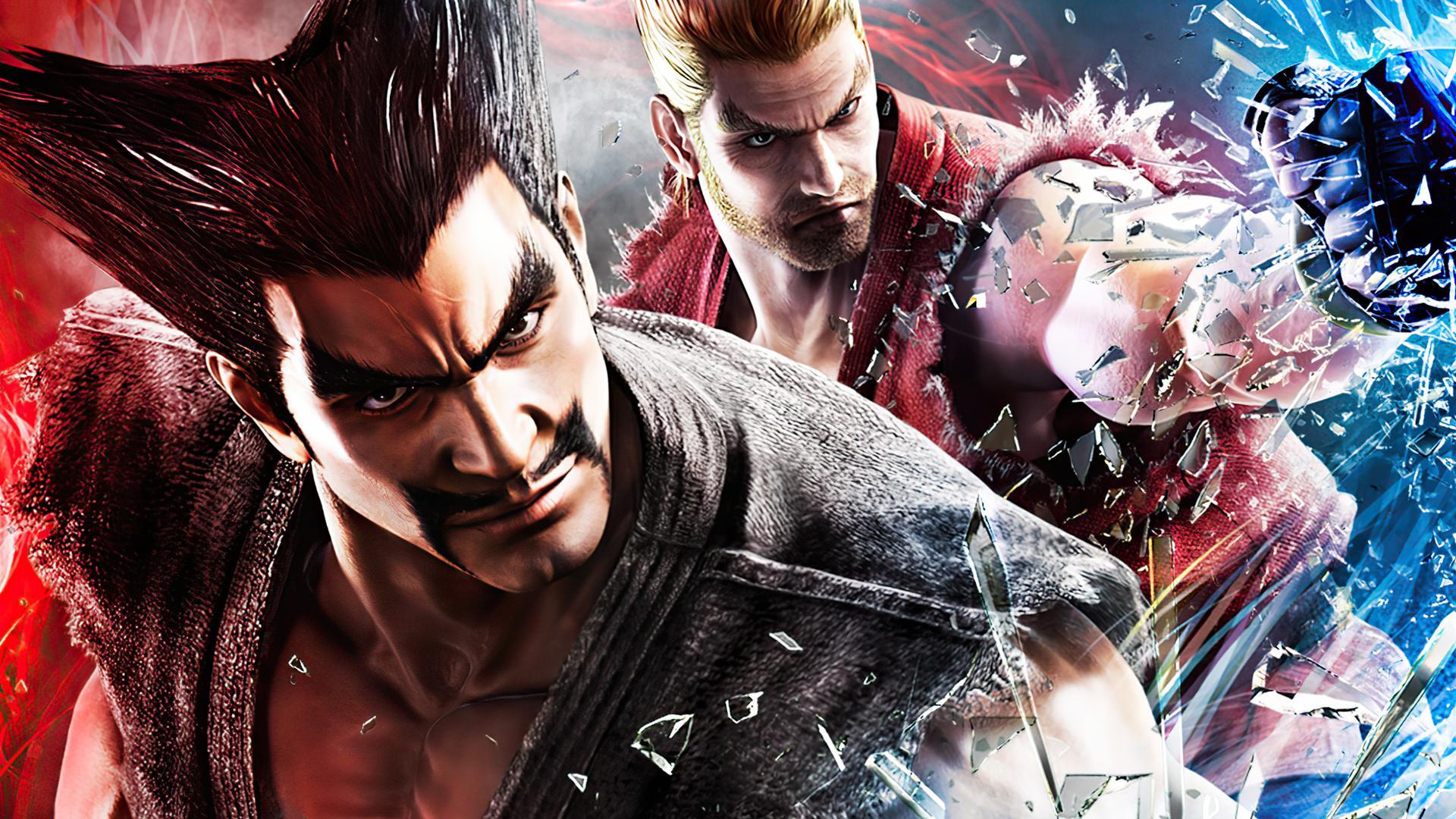
Tekken Tag Tournament
1999 video game
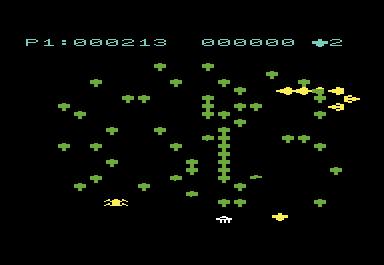
Centipede
1981 video game
Double Dragon
1987 video game
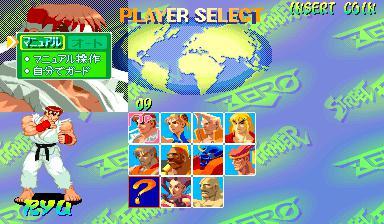
Street Fighter Alpha
1995 arcade video game
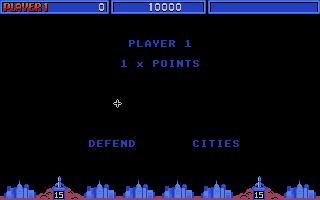
Missile Command
1980 video game
1943: The Battle of Midway
1987 arcade game
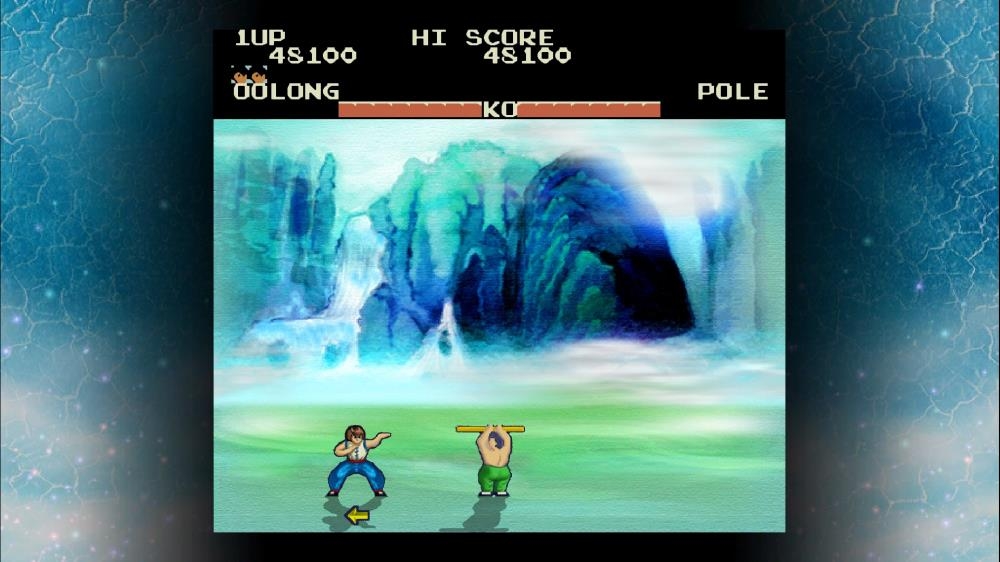
Yie Ar Kung-Fu
1985 video game
Daytona USA
1994 arcade video game
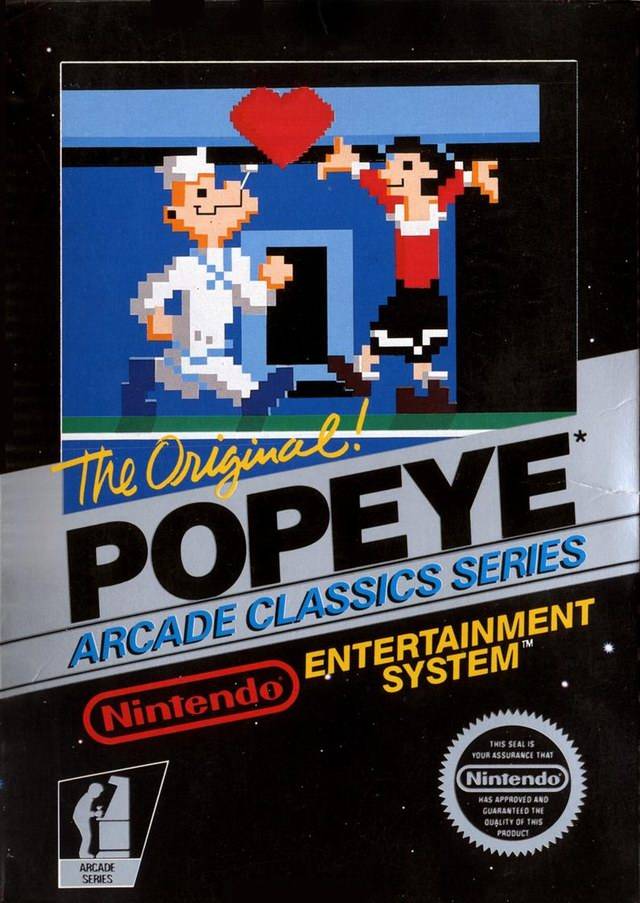
Popeye
1982 arcade video game
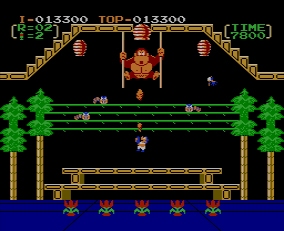
Donkey Kong 3
1983 video game
Paperboy
1985 arcade game
Super Contra
1988 run and gun video game
Marble Madness
1984 arcade video game
Out Run
1986 video game
Commando
1985 video game
Rush'n Attack
1985 arcade game
Ghosts 'n Goblins
1985 video game
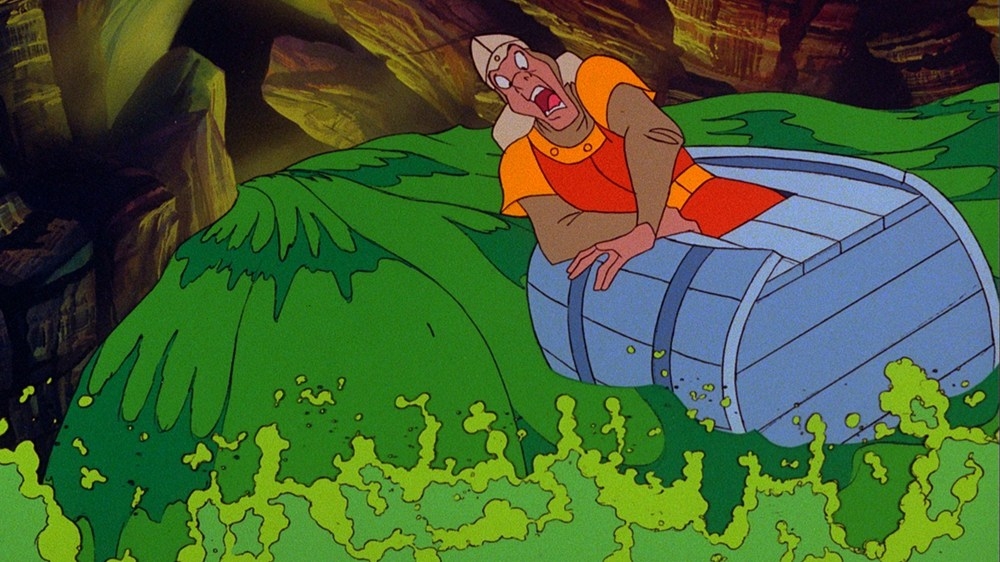
Dragon's Lair
1983 video game developed by Advanced Microcomputer Systems

Xevious
is a 1983 vertically scrolling shooter video game developed and published by Namco for arcades. It was released in Japan and in North America by Atari, Inc. in February 1983. Controlling the Solvalou starship, the player attacks Xevious forces before they destroy all of mankind. The Solvalou has two weapons at its disposal: a zapper to destroy flying craft, and a blaster to bomb ground installations and enemies. It runs on the Namco Galaga arcade system.

Puzzle Bobble
1994 video game
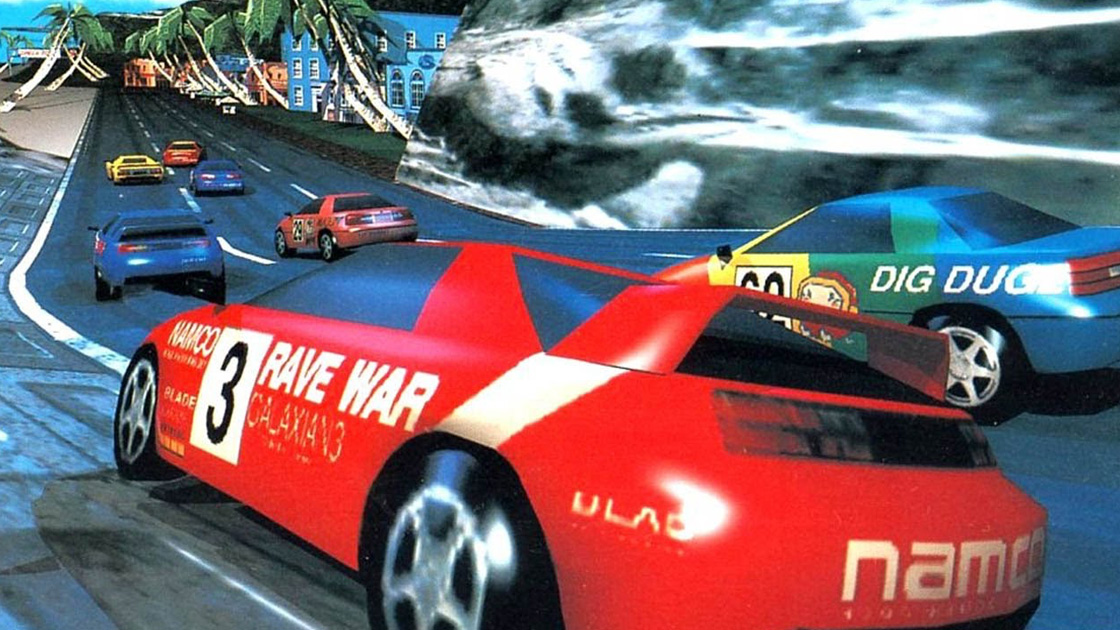
Ridge Racer
1993 racing video game
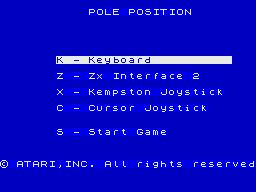
Pole Position
1982 Formula 1 racing video game
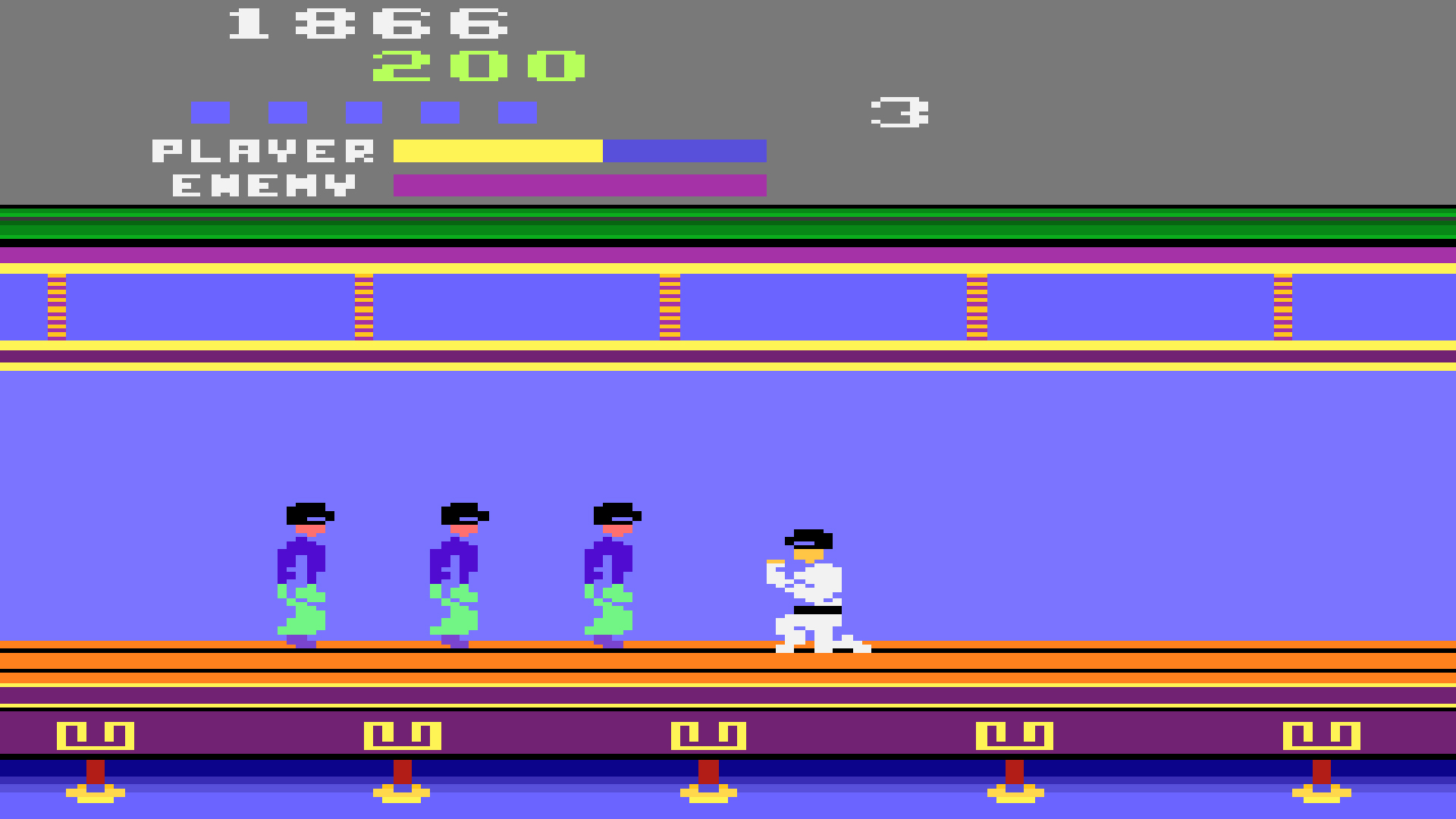
Kung-Fu Master
1984 video game

Hang-On
is a 1985 racing video game developed and published by Sega for arcades. In the game, the player controls a motorcycle against time and other computer-controlled bikes. It was one of the first arcade games to use 16-bit graphics and uses the Super Scaler arcade system board, created with design input from Yu Suzuki, as technology to simulate 3D effects. The deluxe cabinet version also introduced a motion-controlled arcade cabinet, where the player's body movement on a large motorbike-shaped cabinet corresponds with the player character's movements on screen.

Ikaruga
is a bullet hell shoot 'em up developed by Treasure. It is the spiritual sequel to Radiant Silvergun (1998) and was originally released in Japanese arcades in December 2001. The story follows a rebel pilot named Shinra as he battles an enemy nation using a specially designed fighter called the Ikaruga which can flip between two polarities, black and white. This polarity mechanism is the game's key feature and the foundation for its stage and enemy design. All enemies and bullets in the game are either black or white. Bullets which are the same color as the player are absorbed while the others
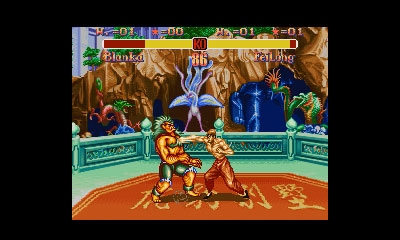
Super Street Fighter II: The New Challengers
1993 arcade video game
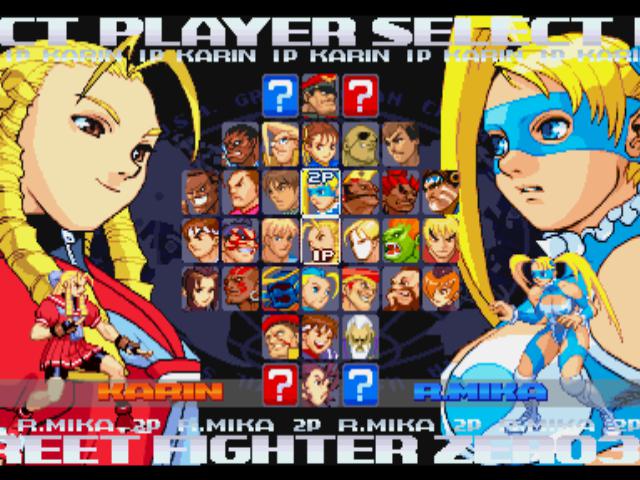
Street Fighter III
1997 arcade video game
Virtua Cop
1994 arcade video game
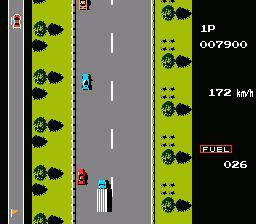
Road Fighter
1984 racing video game
Shinobi
1987 arcade video game
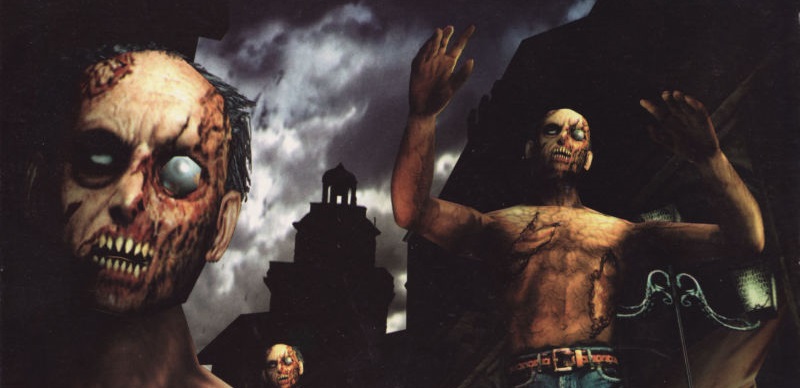
The House of the Dead 2
1999 video game

Pooyan
is a 1982 fixed shooter video game developed and published by Konami for arcades. It was released in North America by Stern Electronics. The player controls "Mama", a pig whose babies have been kidnapped by a group of wolves. It was later ported to home consoles and personal computers.
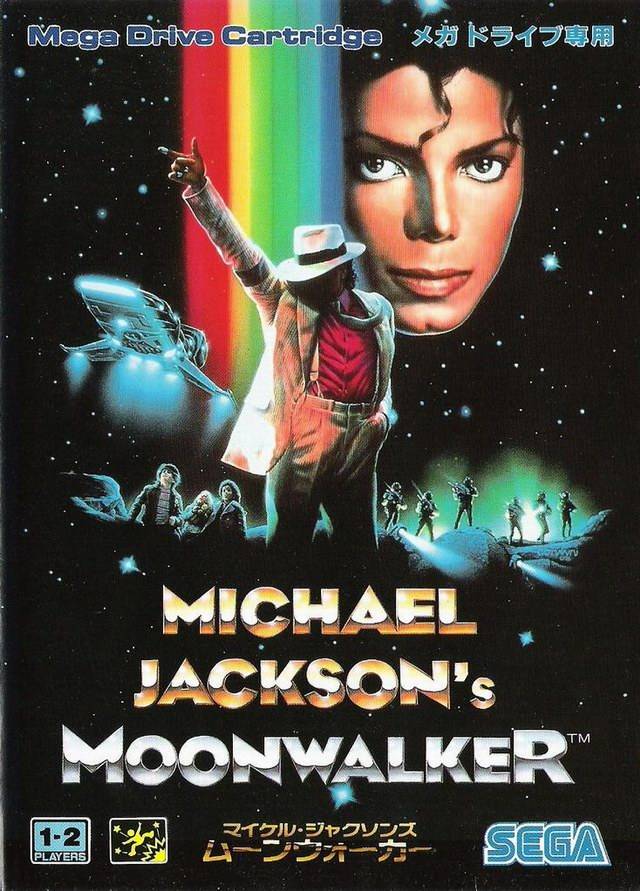
Michael Jackson's Moonwalker
1989 video game
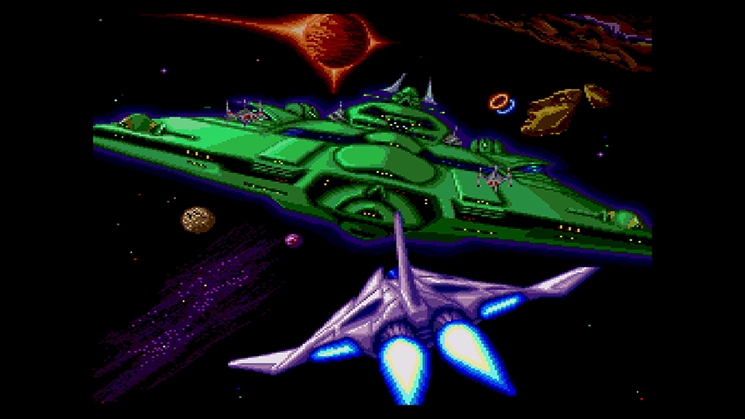
Gradius
1985 arcade game
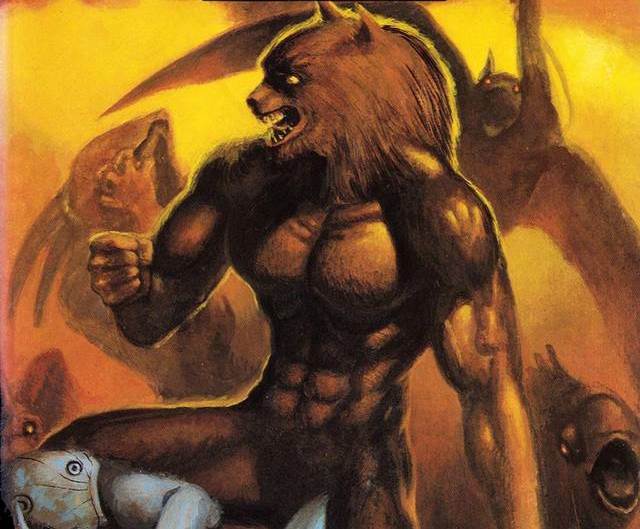
Altered Beast
1988 video game
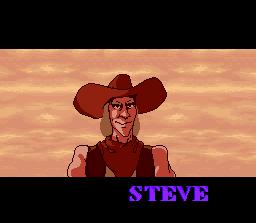
Sunset Riders
1991 arcade video game
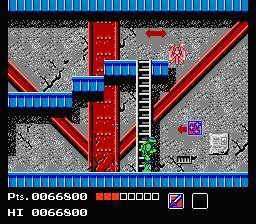
Teenage Mutant Ninja Turtles
1989 arcade game
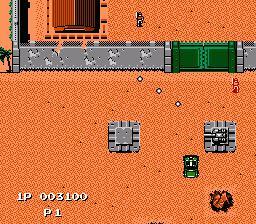
Jackal
1988 video game
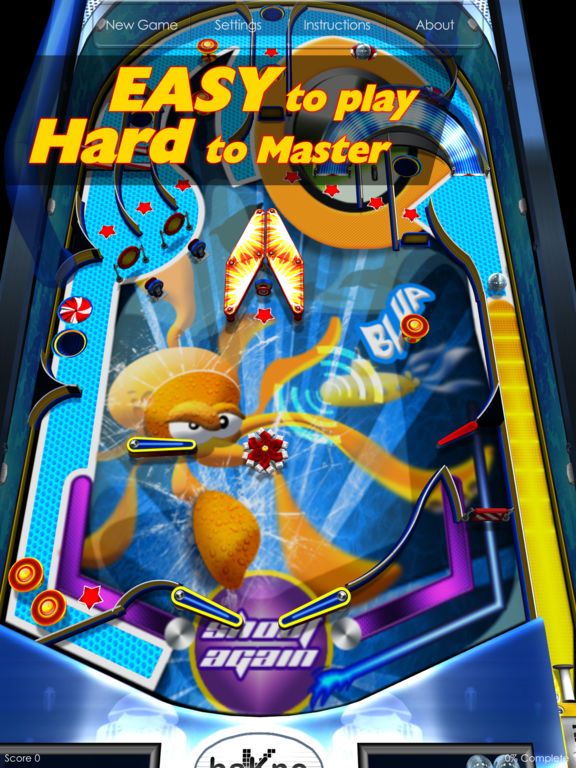
Pinball
1984 video game
After Burner
1987 video game