Category
page 1Lamiales families

Lamiaceae
Lamiaceae or Labiatae is a family of flowering plants commonly known as mints, deadnettles, or sages. Many species in Lamiaceae are aromatic, and the family includes many widely used culinary herbs like basil, mint, rosemary, sage, savory, marjoram, oregano, hyssop, thyme, lavender, and perilla, as well as traditional medicines such as catnip, skullcap, bee balm, wild dagga, and oriental motherwort.

Oleaceae
Oleaceae (), also known as the olive family or sometimes the lilac family, is a taxonomic family of flowering shrubs, trees, and a few lianas in the order Lamiales. It presently comprises 28 genera, one of which is recently extinct. The extant genera include Cartrema, which was resurrected in 2012. The number of species in the Oleaceae is variously estimated in a wide range around 700. The flowers are often numerous and highly odoriferous. The family has a subcosmopolitan distribution, ranging from the subarctic to the southernmost parts of Africa, Australia, and South America. Notable members

Plantaginaceae
Plantaginaceae, the plantain family or veronica family, is a large, diverse family of flowering plants in the order Lamiales that includes common flowers such as snapdragon and foxglove. It is unrelated to the banana-like fruit also called "plantain". In older classifications, Plantaginaceae was the only family of the order Plantaginales, but numerous phylogenetic studies, summarized by the Angiosperm Phylogeny Group, have demonstrated that this taxon should be included within Lamiales.
%20W%20IMG%209162.jpg)
Verbenaceae
The Verbenaceae ( ), the verbena family or vervain family, is a family of mainly tropical flowering plants. It contains trees, shrubs, and herbs notable for heads, spikes, or clusters of small flowers, many of which have an aromatic smell.
%20W2%20IMG%201125.jpg)
Scrophulariaceae
The Scrophulariaceae are a family of flowering plants, commonly known as the figwort family. The plants are annual and perennial herbs, as well as shrubs. Flowers have bilateral (zygomorphic) or rarely radial (actinomorphic) symmetry. The Scrophulariaceae have a cosmopolitan distribution, with the majority found in temperate areas, including tropical mountains. The family name is based on the name of the included genus Scrophularia L.

Acanthaceae
Acanthaceae () is a family (the acanthus family) of dicotyledonous flowering plants containing almost 250 genera and about 2500 species. Most are tropical herbs, shrubs, or twining vines; some are epiphytes. Only a few species are distributed in temperate regions. The four main centres of distribution are Indonesia and Malaysia, Africa, Brazil, and Central America. Representatives of the family can be found in nearly every habitat, including dense or open forests, scrublands, wet fields and valleys, sea coast and marine areas, swamps, and mangrove forests.

Bignoniaceae
Bignoniaceae () is a family of flowering plants in the order Lamiales commonly known as the bignonias or trumpet vines. It is not known to which of the other families in the order it is most closely related.

Orobanchaceae
Orobanchaceae, the broomrapes, is a family of mostly parasitic plants of the order Lamiales, with about 90 genera and more than 2000 species. Many of these genera (e.g., Pedicularis, Rhinanthus, Striga) were formerly included in the family Scrophulariaceae sensu lato. With its new circumscription, Orobanchaceae forms a distinct, monophyletic family. From a phylogenetic perspective, it is defined as the largest crown clade containing Orobanche major and relatives, but neither Paulownia tomentosa nor Phryma leptostachya nor Mazus japonicus.

Gesneriaceae
thumb|right|Haberlea rhodopensis flowers
thumb|right|Corytoplectus|Corytoplectus capitatus is a large plant with fruit that are black berries.
thumb|right|Ramonda myconi fruit are dry dehiscent capsules.

Lentibulariaceae
Lentibulariaceae is a family of carnivorous plants containing three genera: Genlisea, the corkscrew plants; Pinguicula, the butterworts; and Utricularia, the bladderworts.

Pedaliaceae
Pedaliaceae, the pedalium family or sesame family, is a flowering plant family classified in the order Lamiales.
The family includes sesame (Sesamum indicum), the source of sesame seeds.

Calceolariaceae
Calceolariaceae is a family of flowering plants in the order Lamiales that has been recently segregated from Scrophulariaceae. The family includes two genera, Calceolaria and Jovellana. Porodittia is treated as a synonym of Calceolaria. Recent molecular phylogenies that included Calceolaria have shown not only that this genus does not belong in Scrophulariaceae (or any of the numerous families recently segregated from Scrophulariaceae) but also that it is the sister clade to the majority of the other families of the Lamiales. Morphological and chemical characters also support the separation of
Martyniaceae
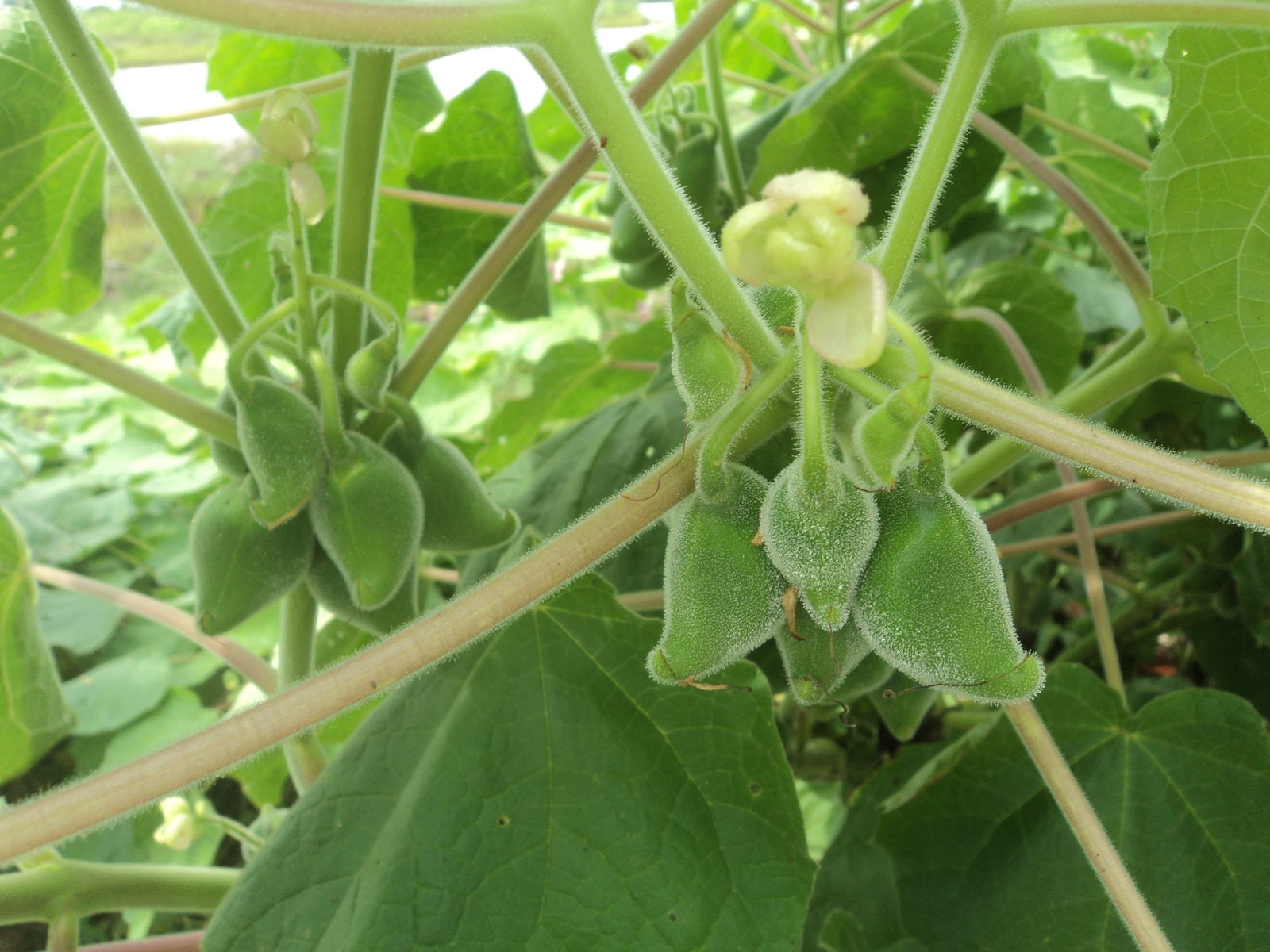
Martyniaceae is a family of flowering plants in the Lamiales order that are restricted to the Americas. The family was included in Pedaliaceae in the Cronquist system (under order Scrophulariales) but is recognized as a separate family by the Angiosperm Phylogeny Group on the basis of phylogenetic studies that show that the two families are not closely related. Both families are characterized by having mucilaginous hairs — which give the stems and leaves a slimy or clammy feel — and fruits with hooks or horns. Some members of the genus Proboscidea are known as "unicorn plant" or "devil's claw"
Stilbaceae
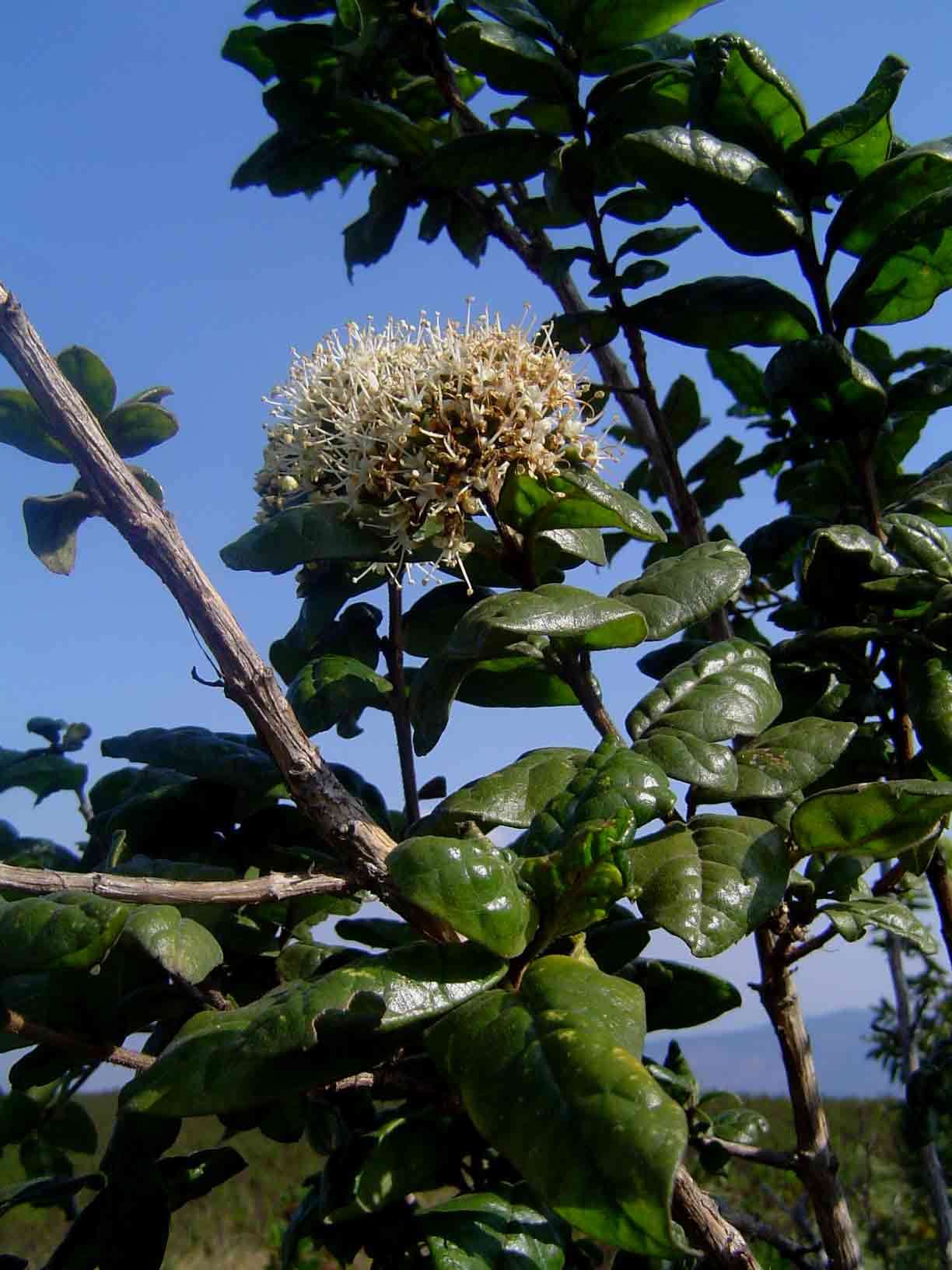
Stilbaceae is a family of flowering plants in the order Lamiales.

Phrymaceae
Phrymaceae, also known as the lopseed family, is a small family of flowering plants in the order Lamiales. It has a nearly cosmopolitan distribution, but is concentrated in two centers of diversity, one in Australia, the other in western North America. Members of this family occur in diverse habitats, including deserts, river banks and mountains.
_fullsize.jpg)
Linderniaceae
Linderniaceae is a family of flowering plants in the order Lamiales, which consists of about 25 genera and 265 species occurring worldwide. It is commonly known as the false-pimpernel family. Vandellia micrantha is eaten in Laos, but tastes bitter. Best known are the wishbone flowers Torenia fournieri and Torenia thouarsii, which are used as bedding plants, especially in the tropics. Micranthemum is sold as an aquarium plant under the name 'baby tears'.
Schlegeliaceae
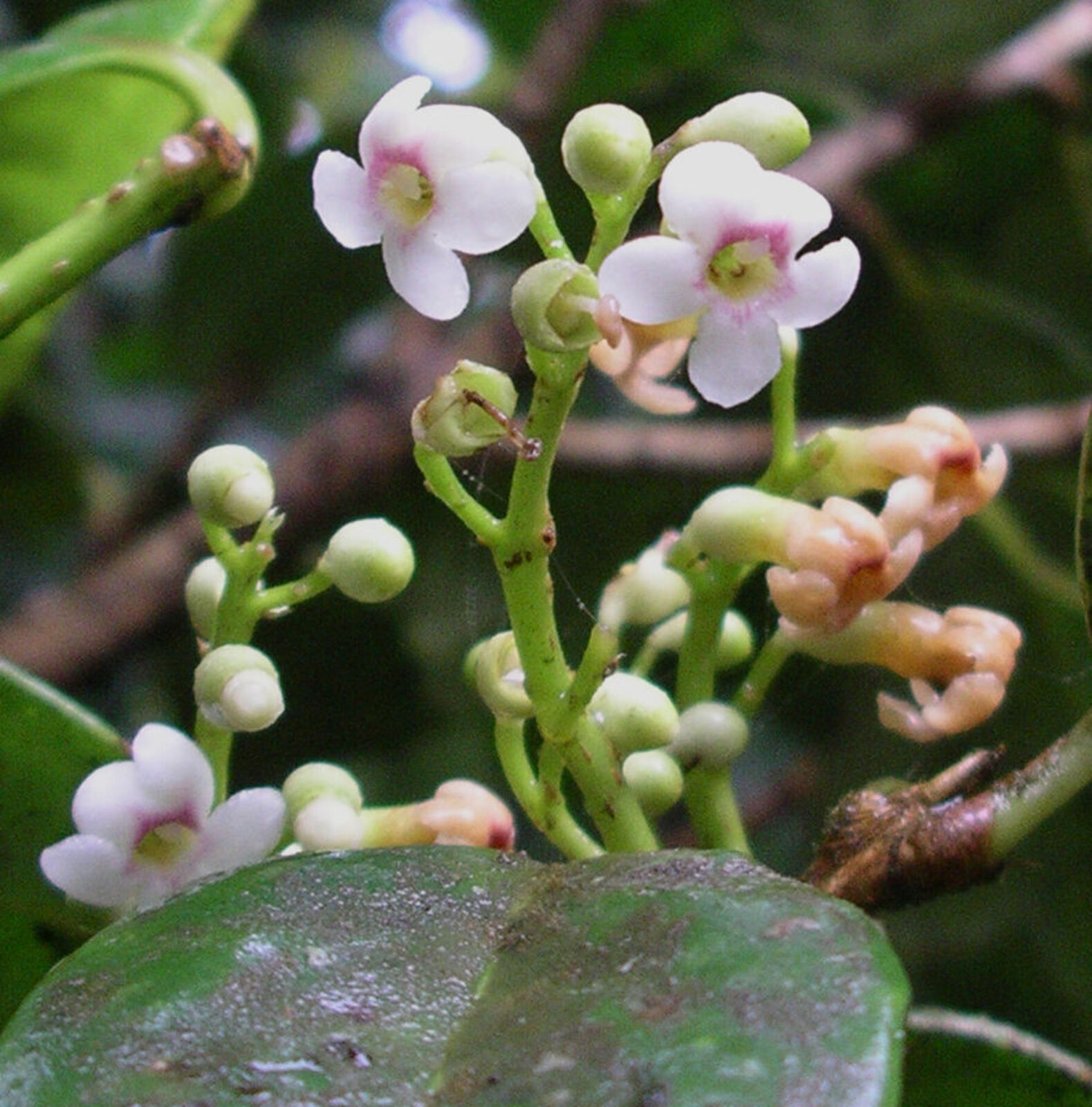
Schlegeliaceae is a family of plants native to tropical America. This family is sometimes included in Scrophulariaceae.

Tetrachondraceae
Tetrachondraceae is a plant family in the order Lamiales. The family contains the two genera Polypremum and Tetrachondra, which together comprise the three species:
Polypremum procumbens – juniper leaf or rustweed
Tetrachondra hamiltonii
Tetrachondra patagonica
Paulowniaceae
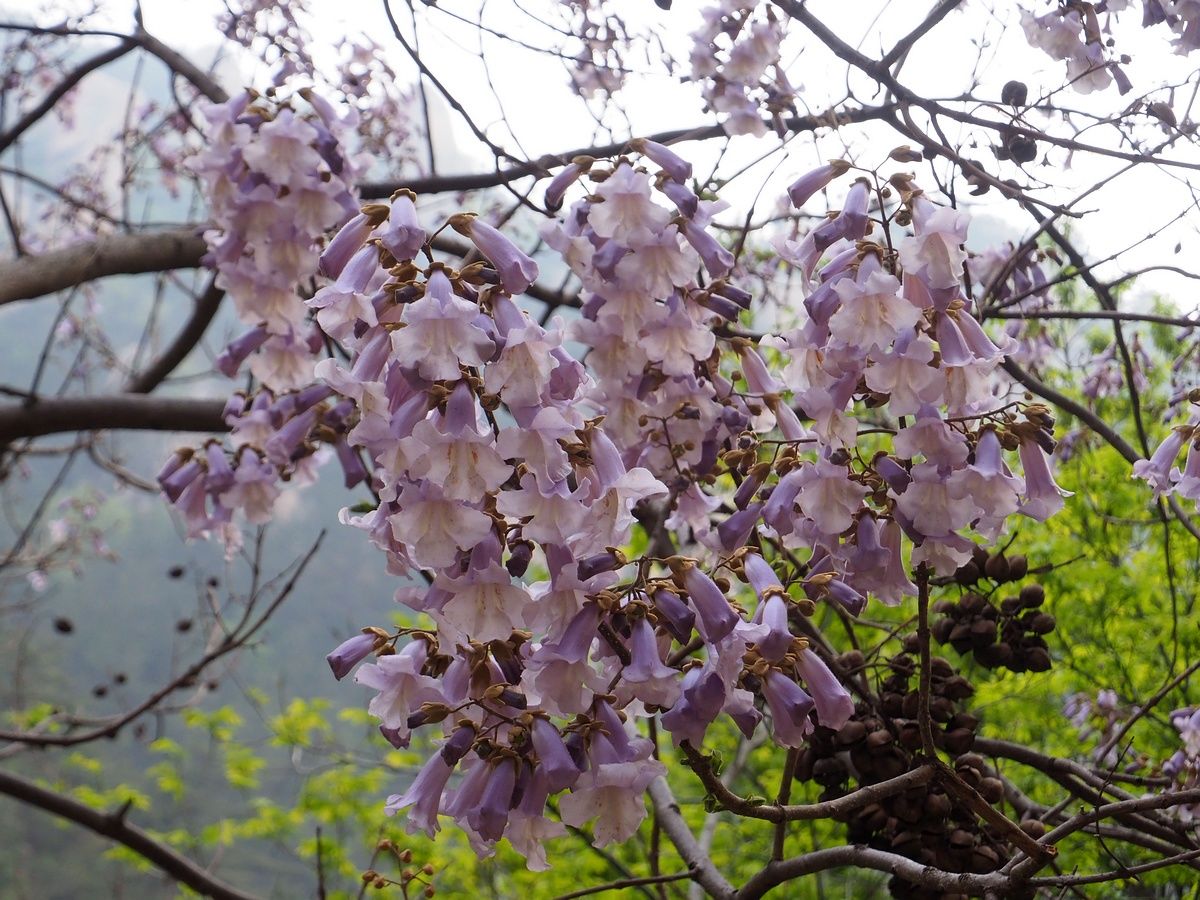
Paulowniaceae are a family of flowering plants within the Lamiales. They are a monophyletic family of trees with currently 12 species in 3 genera. They were formerly placed within Scrophulariaceae sensu lato, or as a segregate of the Bignoniaceae.
Carlemanniaceae
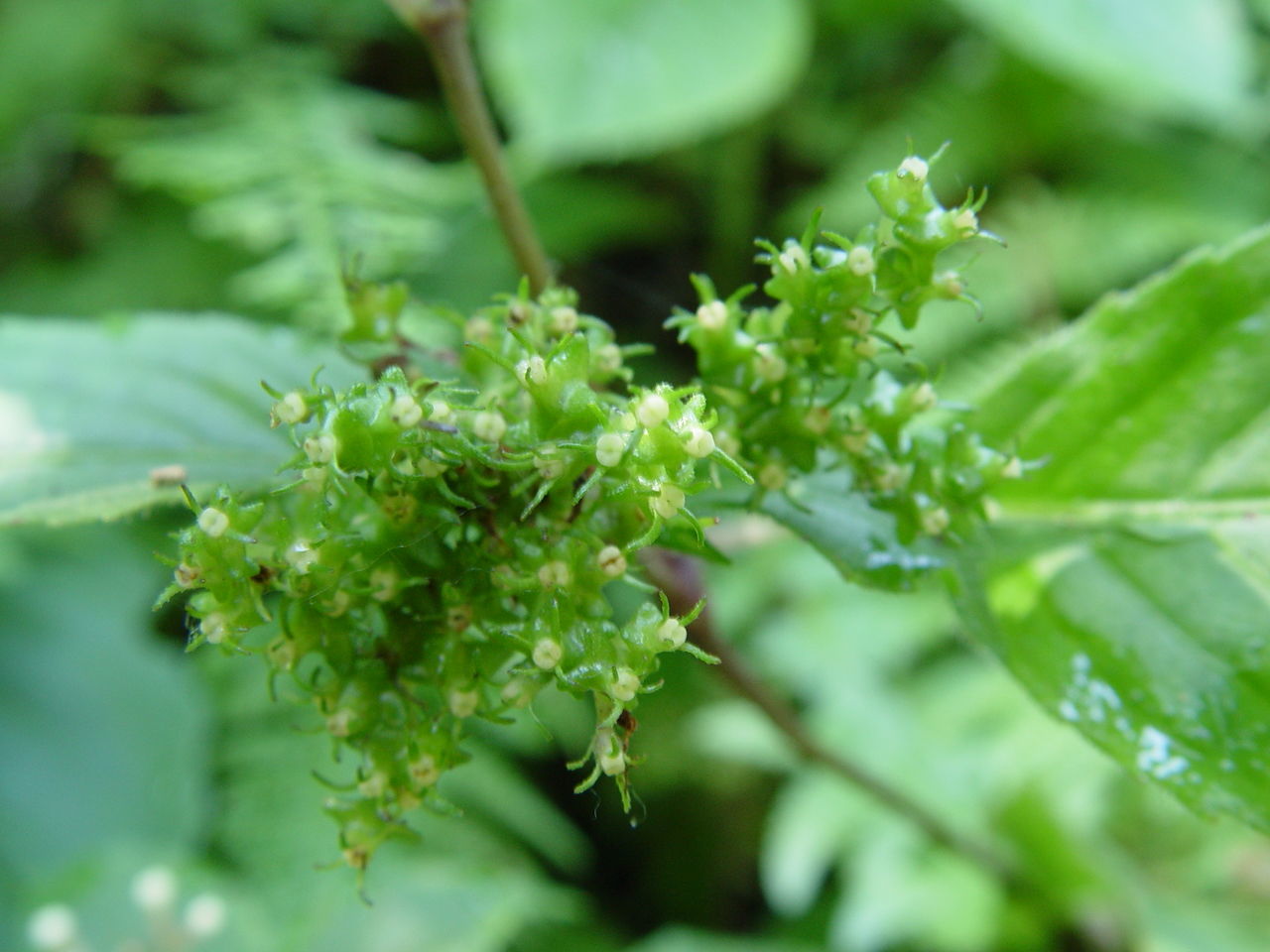
The Carlemanniaceae are a tropical East Asian and Southeast Asian family of subshrub to herbaceous perennial flowering plants with 2 genera. Older systems of plant taxonomy place the two genera, Carlemannia, and Silvianthus within the Caprifoliaceae or the Rubiaceae. The Angiosperm Phylogeny Group classification of 2003 places the group in the Lamiales, as a plant family more closely related to the Oleaceae than to the Caprifoliaceae.

Mazaceae
Mazaceae is a family of plants in the order Lamiales. The family was described by James L. Reveal in 2011. Genera in this family were most recently previously included in Phrymaceae and in older classifications were placed in Scrophulariaceae.
Byblidaceae
REDIRECT Byblis (plant)

Buddlejaceae
thumb|Buddleja araucana