Category
page 1Languages of Greece

Greek
Indo-European language

Bulgarian
South Slavic language
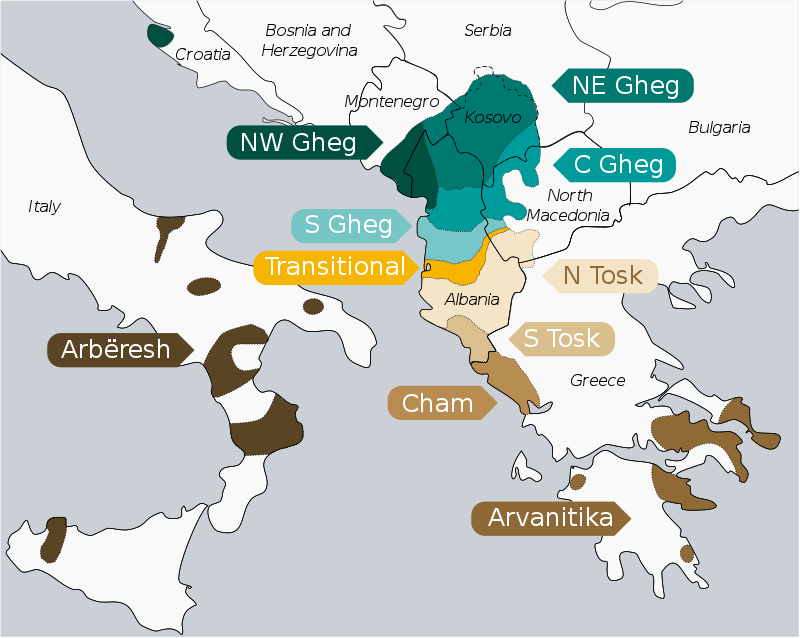
Albanian
Indo-European language, spoken primarily in Albania, Kosovo, North Macedonia, and Montenegro

Georgian
Kartvelian language

Macedonian
South Slavic language mostly spoken in North Macedonia

Romani
language of the Romani people belonging to the Indo-Aryan branch of the Indo-European language family

Aromanian
Eastern Romance language of the Southern Balkans

Judaeo-Spanish
Judaeo-Spanish or Judeo-Spanish (autonym , Hebrew script: ), also known as Ladino or Judezmo, Sephardi or Spaniolit, is a Romance language derived from Castilian Old Spanish.

Pontic Greek
Greek dialect

Western Armenian
one of the two languages of the Armenian language branch
Megleno-Romanian
Eastern Romance language of the Balkans
Tsakonian
Doric dialect of Greek language
Doric Greek
Ancient Greek dialect
Balkan Gagauz
Turkic language
Yevanic
Yevanic, also known as Judaeo-Greek, Romaniyot, Romaniote, and Yevanitika, is a Greek dialect formerly used by the Romaniotes and by the Constantinopolitan Karaites (in whose case the language is called Karaitika or Karaeo-Greek). The Romaniotes are a group of Greek Jews whose presence in the Levant is documented since the Byzantine period. Its linguistic lineage stems from the Jewish Koine spoken primarily by Hellenistic Jews throughout the region, and includes Hebrew and Aramaic elements. It was mutually intelligible with the Greek dialects of the Christian population. The Romaniotes used th

Arvanitic
Arvanitika (; Arvanitika: , ; Greek: , ), also known as Arvanitic, is the variety of Albanian traditionally spoken by the Arvanites, a population group in Greece. Arvanitika was brought to Southern Greece during the late Middle Ages by Albanian settlers who moved south from their homeland in present-day Albania in several waves. The dialect preserves elements of medieval Albanian, while also being significantly influenced by the Greek language. Arvanitika is today endangered, as its speakers have been shifting to the use of Greek and most younger members of the community no longer speak it.
Demotic Greek
language
Cappadocian Greek
language
Pomak
Slavonic language that is spoken in Thrace
Greek Sign Language
sign language of the Greek deaf community
Romano-Greek
Romano-Greek (also referred to as Hellenoromani; ) is a nearly extinct mixed language (referred to as Para-Romani in Romani linguistics), spoken by the Romani people in Greece that arose from language contact between Romani speaking people and the Greek language. The language is suspected to be a secret language spoken in Thessaly and Central Greece Administrative Unit. Typologically the language is structured on Greek with heavy lexical borrowing from Romani. Dortika is a secret language spoken mainly in Athens by traveling builders from Eurytania Prefecture. In both cases, the languages are
languages of Greece
languages of a geographic region