Category
page 2Leaf vegetables

Basella alba
species of plant

Hemerocallis
A daylily, day lily or ditch-lily is a flowering plant in the genus Hemerocallis , a member of the family Asphodelaceae, subfamily Hemerocallidoideae, native to Asia. Despite the common name, it is not taxonomically classified in the lily genus. Gardening enthusiasts and horticulturists have long bred Hemerocallis species for their attractive flowers; a select few species of the genus have edible petals, while some are extremely toxic. Thousands of cultivars have been registered by the American Daylily Society, the only internationally recognized registrant according to the International Code

Amaranthus caudatus
species of plant

Corchorus
Corchorus is a genus of about 40–100 species of flowering plants in the family Malvaceae, native to tropical and subtropical regions throughout the world.

Savoy cabbage
variety of cabbage plant
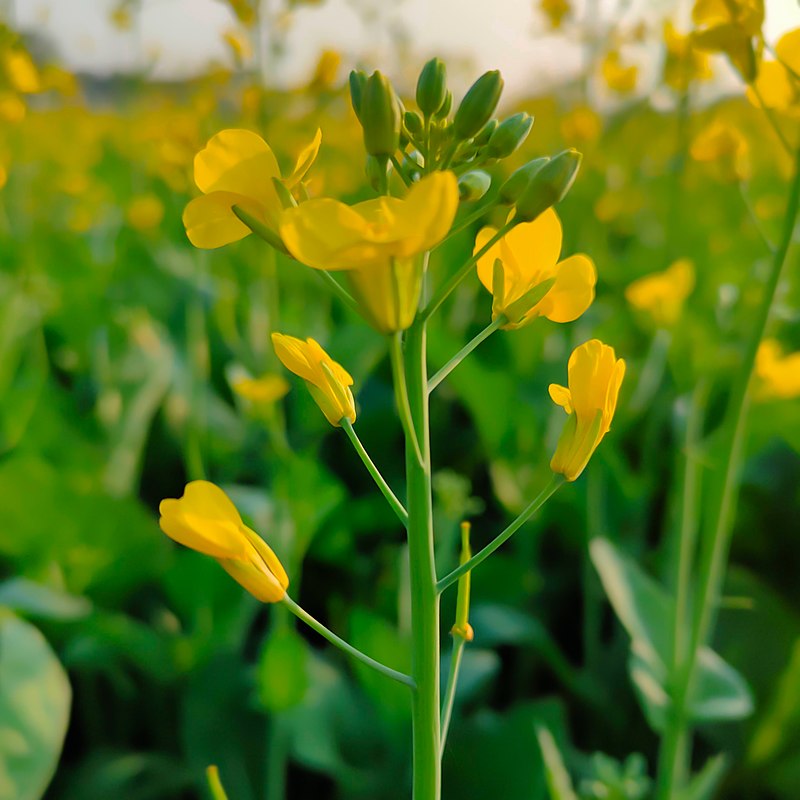
mustard plant
plants used for mustard
%201200.jpg)
Celosia
Celosia ( ) is a small genus of edible and ornamental plants in the amaranth family, Amaranthaceae. Its species are commonly known as woolflowers, or, if the flower heads are crested by fasciation, cockscombs. The plants are well known in East Africa's highlands and are used under their Swahili name, .

red cabbage
vegetable

Blitum bonus-henricus
species of plant

celery
Celery ('''Apium graveolens Dulce Group or Apium graveolens var. dulce') is a cultivated plant belonging to the species Apium graveolens'' in the family Apiaceae that has been used as a vegetable since ancient times.

Atriplex hortensis
species of plant

scallion
Scallions (also known as green onions and spring onions) are edible vegetables of various species in the genus Allium. Scallions generally have a milder taste than most onions. Green onions/scallions have a long, delicate green stem that is white near the root. They have no bulb and a mild, sweet onion flavour. Their close relatives include garlic, shallots, leeks, chives, and Chinese onions. The leaves are eaten both raw and cooked.

Crithmum maritimum
thumb|Crithmum maritimum
thumb|upright|Rock samphire growing wild on a wall in Biscay, Basque Country, [[Spain]]
thumb|C. maritimum – MHNT

Glebionis coronaria
species of the genus Glebionis

Phytolacca americana
species of plant

Barbarea vulgaris
species of plant

Psophocarpus tetragonolobus
species of plant, Winged bean
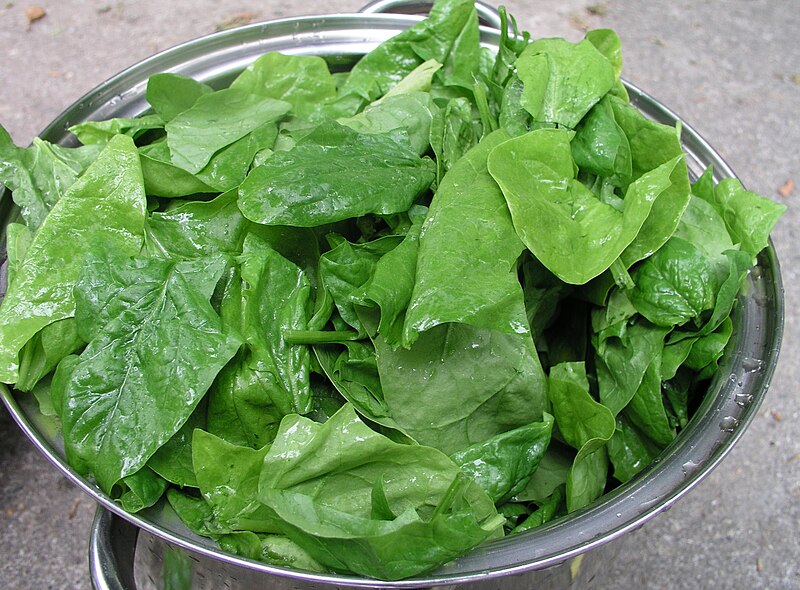
leaf vegetable
plant leaves eaten as a vegetable

Sisymbrium officinale
species of plant

Sonchus asper
species of plant

Amaranthus blitum
species of plant
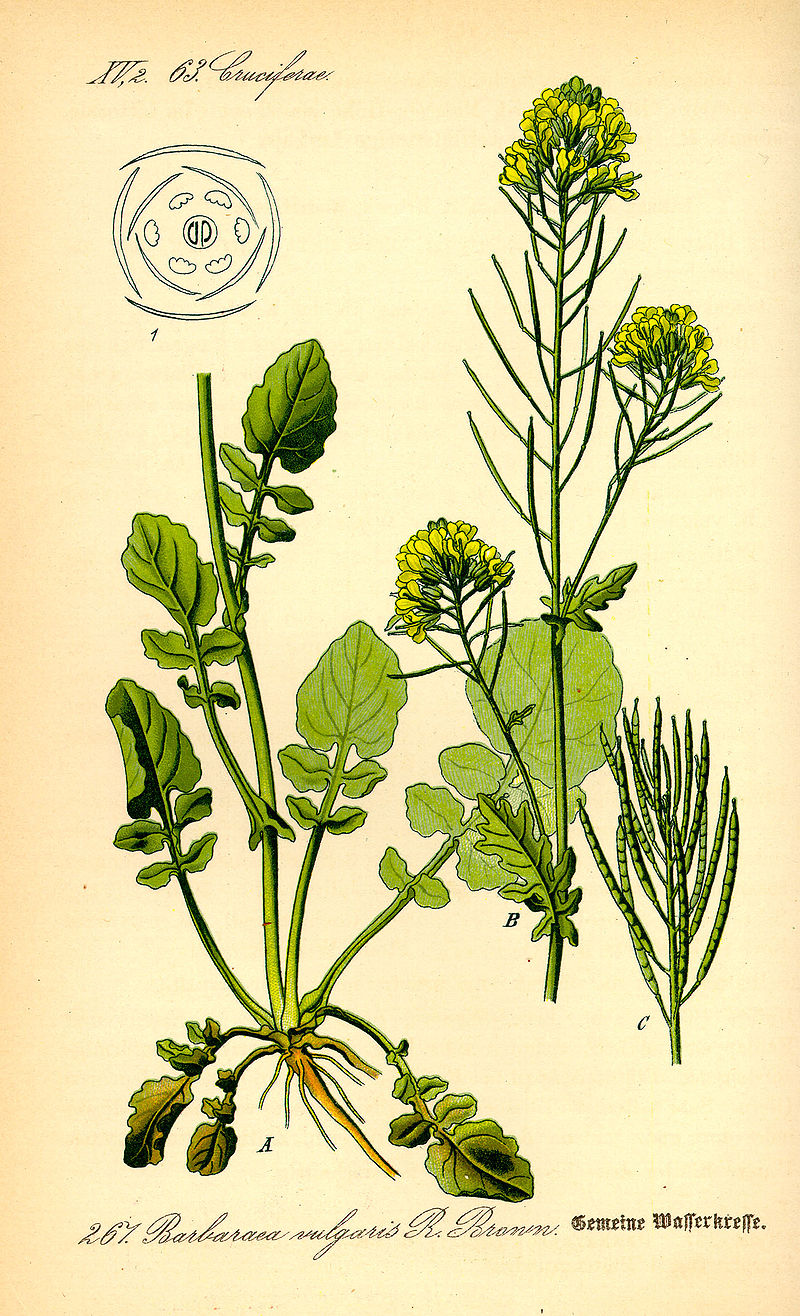
Barbarea
Barbarea (winter cress or yellow rocket) is a genus of about 29 species of flowering plants in the family Brassicaceae. Most are native to temperate regions of the Northern Hemisphere, with the highest species diversity in southern Europe and southwest Asia. They are small, herbaceous, biennial or perennial plants with dark green, deeply lobed leaves and yellow flowers with four petals.

Lapsana communis
species of plant

Matteuccia struthiopteris
Matteuccia is a genus of ferns with one species: Matteuccia struthiopteris (common names ostrich fern, fiddlehead fern, or shuttlecock fern). The species epithet struthiopteris comes from Ancient Greek words () "ostrich" and () "fern".
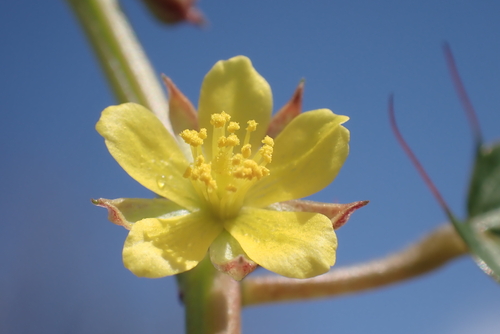
Corchorus olitorius
species of plant
%20Domin%20-%20%E8%91%9B%E7%95%91%E8%91%8D%2C%20%E8%BE%9B%E8%91%8D%20-%20idem%2C%201804.jpg)
white radish
Daikon (大根 (だいこん) or mooli (Raphanus sativus var. longipinnatus) is a mild-flavored winter radish usually characterized by fast-growing leaves and a long, white, root. Native to continental East Asia, daikon and its cultivars are now harvested and consumed globally. In some locations, daikon is left unharvested to loosen compacted soils and recover nutrients.

Amaranthus viridis
species of plant

Lactuca serriola
species of plant

Plantago coronopus
species of plant

Crambe maritima
species of plant

Acmella oleracea
species of plant

Phytolacca
Phytolacca is a genus of perennial plants native to North America, South America and East Asia. Some members of the genus are known as pokeweeds or similar names such as pokebush, pokeberry, pokeroot or poke sallet. Other names for species of Phytolacca include inkberry and ombú. The generic name is derived from the Greek word (phyton), meaning "plant," and the Latin word lacca, a red dye. Phytolaccatoxin and phytolaccagenin are present (in the leaves, stems, roots, blossoms, berries etc.) in many species which are poisonous to mammals if not prepared properly. The berries are eaten by birds,

goji
thumb|right|220px|Lycium barbarum berries (Tibetan goji) from Ningxia
thumb|right|220px|Lycium chinense berries (Chinese wolfberry)
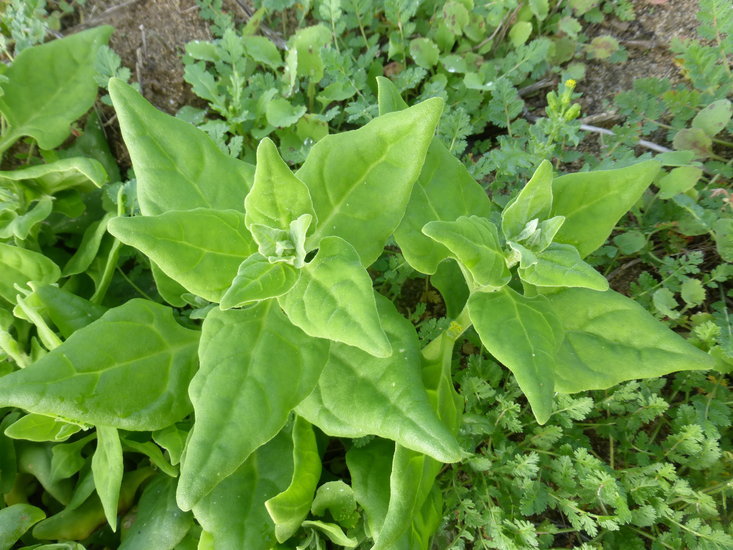
Tetragonia tetragonoides
species of plant

Hypochaeris radicata
species of plant

Brassica oleracea var. viridis
variety of plant

Cakile maritima
Species of plant in family Brassicaceae

Lycium chinense
species of plant

Scandix pecten-veneris
species of plant

Aralia elata
species of plant

Sisymbrium altissimum
species of plant

Carpobrotus edulis
species of plant

Acalypha indica
species of plant

gai lan
type of plant in the Brassica family, source of a leaf vegetable

Plectranthus
Plectranthus is a genus of about 85 species of flowering plants from the mint/sage family, Lamiaceae, found mostly in southern and tropical Africa and Madagascar. Common names include spur-flower. Plectranthus species are herbaceous perennial plants, rarely annuals or soft-wooded shrubs, sometimes succulent; sometimes with a tuberous base.

Alternanthera sessilis
species of flowering plant

Pringlea antiscorbutica
Pringlea antiscorbutica, commonly known as Kerguelen cabbage, is a flowering plant and the sole member of the monotypic genus Pringlea in the family Brassicaceae. Its common name comes from the archipelago of its discovery, the Kerguelen Islands, and its generic name derives from Sir John Pringle, president of the Royal Society at the time of its discovery by Captain James Cook's Surgeon, William Anderson in 1776.
%20flower%2C%20my%20back%20yard%2C%20Gurgaon%2C%20India.jpg)
Xanthosoma
Xanthosoma is a genus of flowering plants in the arum family, Araceae. The genus is native to tropical America but widely cultivated and naturalized in other tropical regions. Several are grown for their starchy corms, an important food staple of tropical regions, known variously as malanga, otoy, otoe, cocoyam (or new cocoyam), tannia, tannier, yautía, macabo, ocumo, macal, taioba, dasheen, quequisque, ʻape and (in Papua New Guinea) as Singapore taro (taro kongkong). Many other species, including especially Xanthosoma roseum, are used as ornamental plants; in popular horticultural literature

Chenopodiastrum murale
species of plant

Plectranthus amboinicus
species of plant

Romaine lettuce
variety of lettuce

Mesembryanthemum crystallinum
species of plant
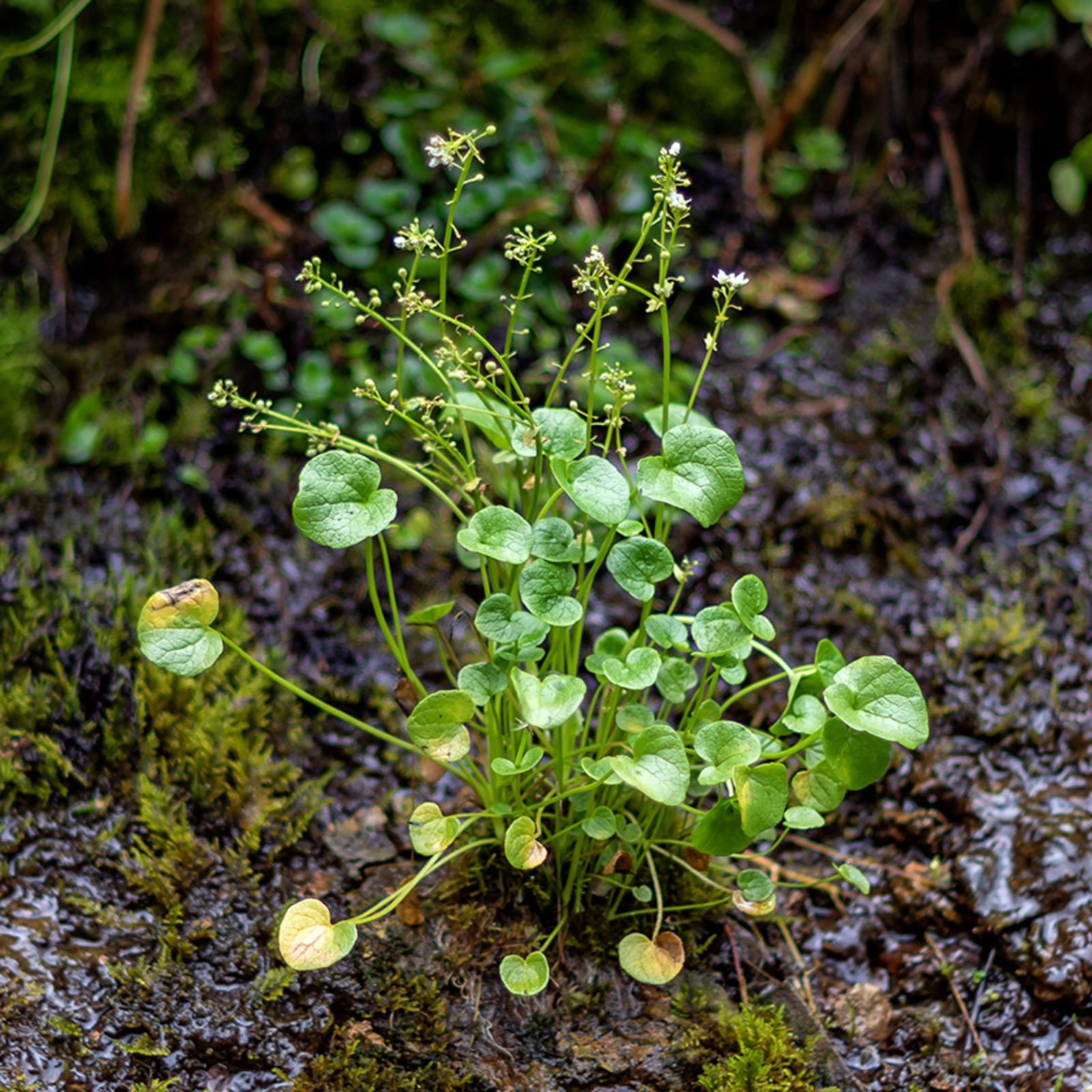
Cochlearia
Cochlearia (scurvy-grass or spoonwort) is a genus of about 30 species of annual and perennial herbs in the family Brassicaceae. They are widely distributed in temperate and arctic areas of the northern hemisphere, most commonly found in coastal regions, on cliff-tops and salt marshes where their high tolerance of salt enables them to avoid competition from larger, but less salt-tolerant plants; they also occur in alpine habitats in mountains and tundra.

Houttuynia cordata
species of plant

Solanum aethiopicum
species of plant

Blitum virgatum
species of plant

Commelina benghalensis
species of flowering plant

Ullucus tuberosus
Ullucus is a genus of flowering plants in the family Basellaceae, with one species, Ullucus tuberosus, a plant grown primarily as a root vegetable, secondarily as a leaf vegetable. The name ulluco is derived from the Quechua word , but depending on the region, it has many different names. These include illaco (in Aymara), melloco (in Ecuador), chungua or ruba (in Colombia), olluco or papa lisa (in Bolivia and Peru), or ulluma (in Argentina).

Anredera cordifolia
species of plant
.jpg)
Brassica rapa subsp. sylvestris
Rapini (broccoli rabe or raab; ) is a green cruciferous vegetable, with the leaves, buds, and stems all being edible; the buds somewhat resemble broccoli. Rapini is known for its bitter taste, and is particularly associated with Mediterranean cuisine. It is a particularly rich dietary source of vitamin K.