Category
page 1Lichen families
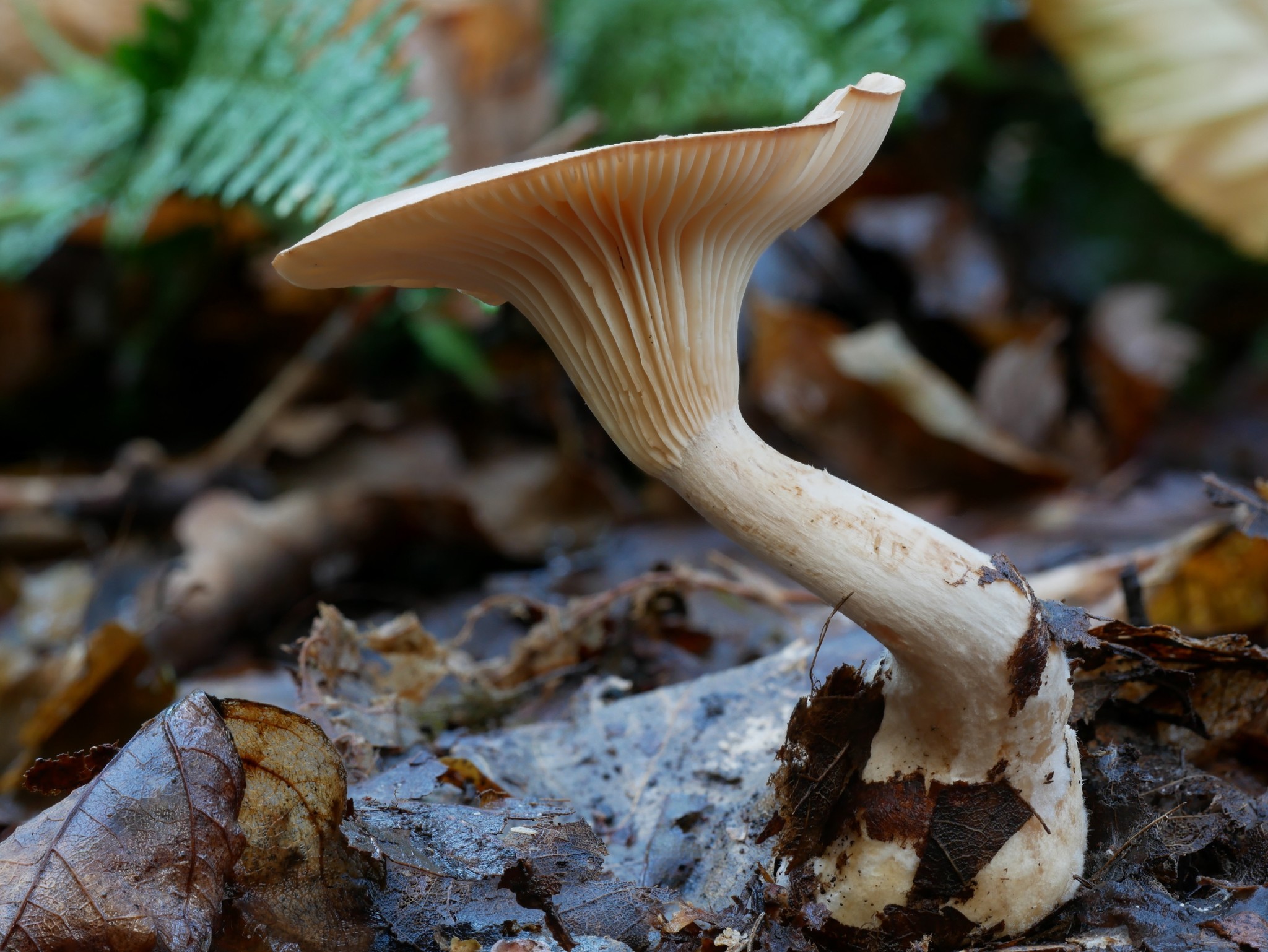
Hygrophoraceae
The Hygrophoraceae are a family of fungi in the order Agaricales. Originally conceived as containing white-spored, thick-gilled agarics (gilled mushrooms), including Hygrophorus and Hygrocybe species (the waxcaps or waxy caps), DNA evidence has extended the limits of the family, so it now contains not only agarics, but also basidiolichens and corticioid fungi. Species are thus diverse and are variously ectomycorrhizal, lichenized, associated with mosses, or saprotrophic. The family contains 34 genera and over 1000 species. None is of any great economic importance, though fruit bodies of some H
%20(33509386894).jpg)
Cladoniaceae
The Cladoniaceae are a family of lichen-forming fungi in the order Lecanorales, comprising about 560 species distributed amongst 18 genera. This family is one of the largest among lichen-forming fungi and is globally distributed, from Arctic tundra to tropical rainforests, favouring humid environments while being intolerant of arid conditions. Molecular phylogenetics has substantially advanced the understanding of their complex taxonomic history, revealing intricate evolutionary relationships and leading to a refined classification. Notable members include reindeer moss and cup lichens of the

Parmeliaceae
The Parmeliaceae is a large and diverse family of Lecanoromycetes. With over 2700 species in 71 genera, it is the largest family of lichen-forming fungi. The most speciose genera in the family are the well-known groups: Xanthoparmelia (822 species), Usnea (355 species), Parmotrema (255 species), and Hypotrachyna (262 species).
%20M%C3%BCll.%20Arg%20918275.jpg)
Teloschistaceae
The Teloschistaceae are a large family of mostly lichen-forming fungi belonging to the class Lecanoromycetes in the division Ascomycota. The family has a cosmopolitan distribution, although its members occur predominantly in temperate regions. Most members are lichens that either live on rock or on bark, but about 40 species are lichenicolousmeaning they are non-lichenised fungi that live on other lichens. Many members of the Teloschistaceae are readily identifiable by their vibrant orange to yellow hue, a result of their frequent anthraquinone content. The presence of these anthraquinone pigm
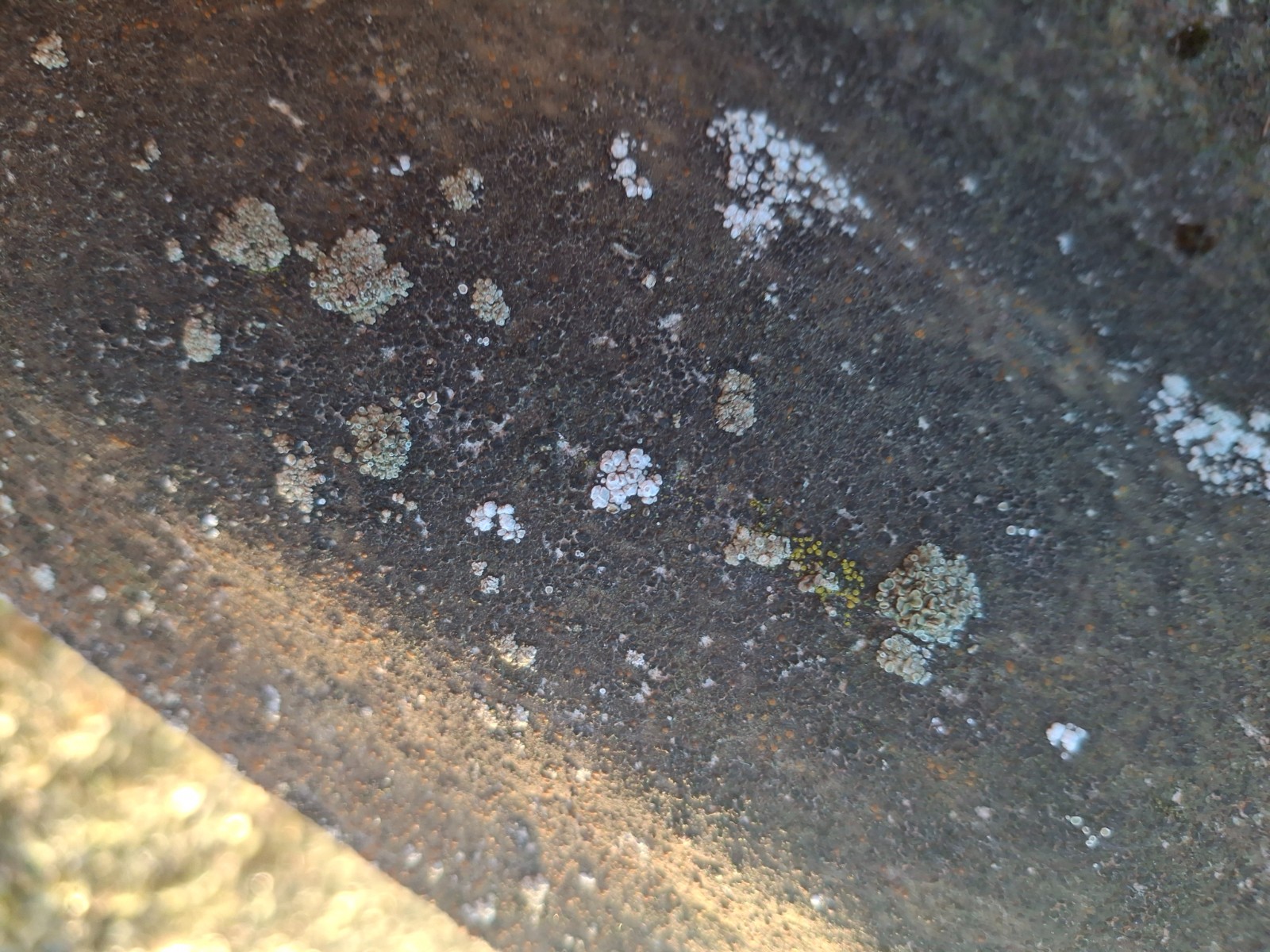
Lecanoraceae
The Lecanoraceae are a family of lichenized fungi in the order Lecanorales. Species of this family have a widespread distribution.
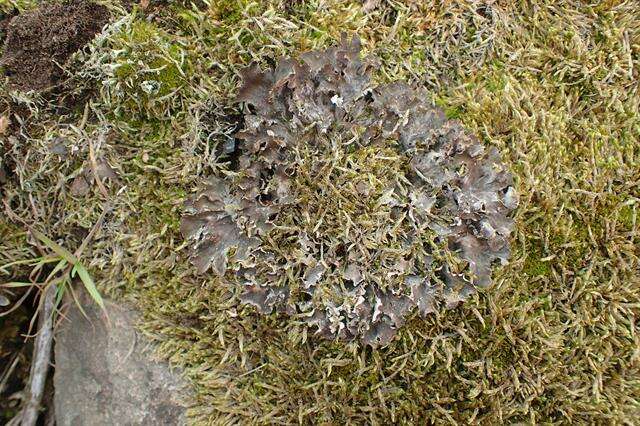
Peltigeraceae
The Peltigeraceae are a family of lichens in the order Peltigerales. The Peltigeraceae, which contains 15 genera and about 600 species, has recently (2018) been emended to include the families Lobariaceae and Nephromataceae. Many Peltigeraceae species have large and conspicuous, leathery thalli. They largely occur in cool-temperate to tropical montane climates. Tripartite thalli involving fungus, green algae and cyanobacteria are common in this family.
.jpg)
Physciaceae
The Physciaceae are a family of mostly lichen-forming fungi belonging to the class Lecanoromycetes in the division Ascomycota. A 2016 estimate placed 19 genera and 601 species in the family.
Psoraceae
The Psoraceae are a family of lichen-forming fungi in the order Lecanorales. The Austrian lichenologist Alexander Zahlbruckner first described the family in 1898. Species of this family have a widespread distribution.

Ramalinaceae
The Ramalinaceae are a family of lichen-forming fungi in the order Lecanorales. First proposed by Carl Adolph Agardh in 1821, the family now comprises 71 genera and more than 1200 species. Ramalinaceae lichens exhibit diverse growth forms, including crustose, fruticose, squamulose, leprose, and byssoid thalli, and form symbiotic relationships primarily with green algae of the genus Trebouxia. The family is characterised by pale-coloured thalli, apothecia (fruiting bodies) that are typically pale but may darken with age, and ascospores that vary in shape and septation.

Clavulinaceae
The Clavulinaceae are a family of fungi in the order Cantharellales. The family is not well defined, but currently comprises species of clavarioid (club and coral) fungi as well as some corticioid (crust- and patch-forming) fungi. These species are nutritionally diverse, some being ectomycorrhizal, others wood-rotting saprotrophs, others lichenized, and yet others lichenicolous (growing on or parasitizing lichens).

Arthoniaceae
The Arthoniaceae are a family of lichenized, lichenicolous and saprobic fungi in the order Arthoniales. The Arthoniaceae is the largest family of Arthoniales, with around 800 species. Most species in Arthoniaceae belong in Arthonia which is the largest genus with 500 species. The second and third largest genus is Arthothelium with 80 species, and Cryptothecia with 60 species.

Megasporaceae
Megasporaceae are a family of fungi belonging to the order Pertusariales. The family comprises about 300 species of lichen-forming fungi distributed worldwide, predominantly growing on rocks but also on soil, moss, and occasionally tree bark. Members form crust-like growths (though some have more elaborate forms) that contain green algae within their tissues, and they reproduce through disc-shaped fruiting bodies (apothecia) typically sunken into the thallus surface. The family includes eleven recognised genera, with Aspicilia being by far the largest at around 200 species. Originally establis
Icmadophilaceae
The Icmadophilaceae are a family of lichen-forming fungi in the order Pertusariales. The family was circumscribed in 1993 by the mycologist Dagmar Treibel. It contains 9 genera and 35 species.
.JPG)
Candelariaceae
Candelariaceae is a family of lichen-forming fungi in the order Candelariales. It contains seven genera and about 73 species of lichens that are typically characterised by their bright yellow colour. These lichens have diverse growth forms, including crusty, scaly, and small leaf-like structures, and are found worldwide, particularly in arid and mountainous regions of both hemispheres. The family includes well-known genera such as Candelaria, Candelariella, and Placomaronea, with their classification continuing to evolve based on molecular studies. Recent phylogenies find Candelina and Placoma

Rhizocarpaceae
Rhizocarpaceae is a family of lichen-forming fungi; together with the family Sporastatiaceae it constitutes the order Rhizocarpales in the Ascomycota, class Lecanoromycetes. These lichens are primarily rock-dwellers that form thin, paint-like crusts tightly attached to stone surfaces, though some species grow as small scales or radiating rosettes. The family includes five genera found mainly in cool to cold regions around the world, where they colonize exposed siliceous and basic rocks in sunny locations. Most species reproduce through small black disc-shaped fruiting bodies that sit flush wit

Graphidaceae
The Graphidaceae are a family of lichen-forming fungi in the order Graphidales. The family contains nearly a hundred genera and more than 2000 species. Although the family has a cosmopolitan distribution, most Graphidaceae species occur in tropical regions, and typically grow on bark. These lichens are characterized by their crust-like growth form and typically partner with orange-pigmented Trentepohlia algae. Many species produce distinctive elongated, slit-like fruiting bodies, and some have unusually large ascospores that can begin germinating almost immediately upon release. The family ori
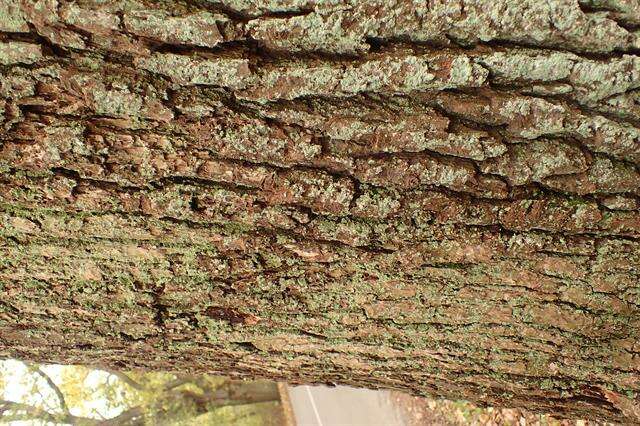
Stereocaulaceae
The Stereocaulaceae are a family of lichen-forming fungi in the order Lecanorales. It contains five genera. Species of this family are widely distributed in temperate boreal and austral regions.

Sphaerophoraceae
The Sphaerophoraceae are a family of lichen-forming fungi in the order Lecanorales. Species of this family have a widespread distribution, especially in southern temperate regions, with particular diversity in cool temperate rainforests and strongly oceanic areas of both hemispheres. The family, proposed by Elias Magnus Fries in 1831, is characterised by boundary tissue separating generative and vegetative parts, and includes species with various growth forms ranging from shrub-like (fruticose) to crusty (crustose). Most members produce , specialised spore-dispersing structures typically found

Lichinaceae
The Lichinaceae are a family of ascomycete fungi in the order Lichinales. Most species are lichenized with cyanobacteria, and have a distribution largely in temperate regions. In a 2024 molecular phylogenetics-informed revision, the circumscription of Lichinaceae was narrowed and the class Lichinomycetes was re‑structured into four families (three emended and one new), with many genera moved to Porocyphaceae, Phylliscaceae, or the newly erected Lichinellaceae. The family contain about 125 species in roughly 25 genera.

Verrucariaceae
The Verrucariaceae are a family of lichens and a few non-lichenised fungi in the order Verrucariales. The lichens have a wide variety of thallus forms, from crustose (crust-like) to foliose (bushy) and squamulose (scaly). Most of them grow on land, some in freshwater and a few in the sea. Many are free-living but there are some species that are parasites on other lichens, while one marine species always lives together with a leafy green alga.
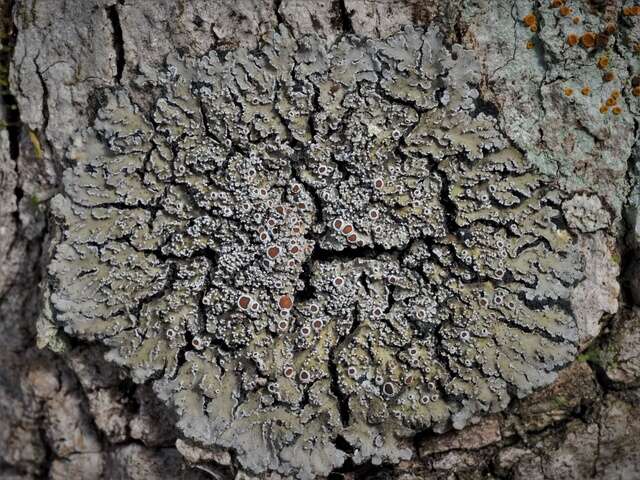
Pannariaceae
The Pannariaceae are a family of lichens in the order Peltigerales (suborder Collematineae). Species from this family have a widespread distribution, but are especially prevalent in southern temperate regions.
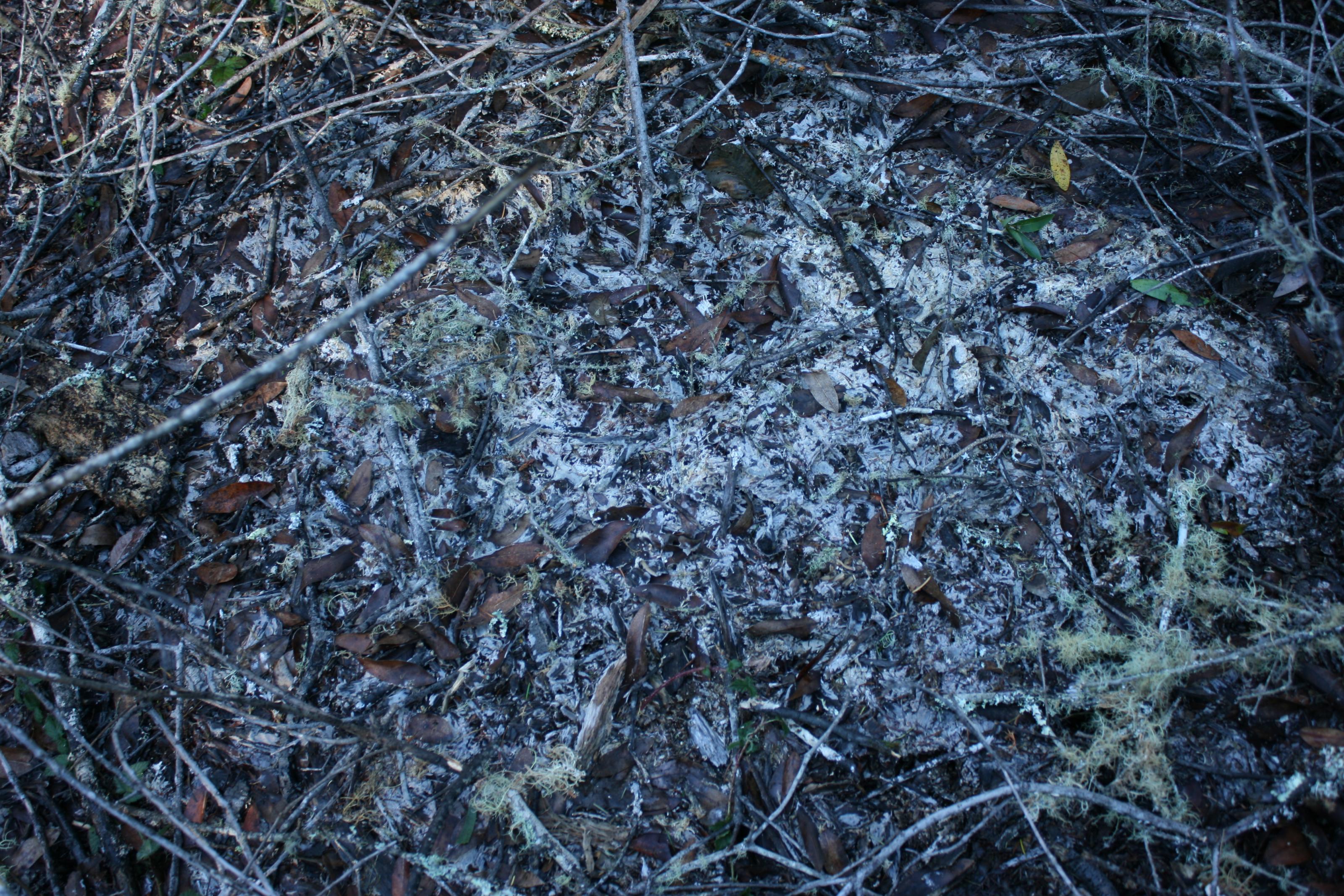
Corticiaceae
The Corticiaceae are a family of fungi in the order Corticiales. The family formerly included almost all the corticioid (patch- or crust-forming) fungi, whether they were related or not, and as such was highly artificial. In its current sense, however, the name Corticiaceae is restricted to a comparatively small group of corticioid genera within the Corticiales.

Atheliaceae
Atheliaceae is a family of mostly corticioid fungi placed in the order Atheliales. Both the order and the family were described by the Swiss mycologist Walter Jülich in 1981 along with three other families, Lobuliciaceae, Byssocorticiaceae, Pilodermataceae and Tylosporaceae discovered in 2020. According to a 2008 estimate, the family contains 20 genera and approximately 100 species. However, many genera formerly considered to belong in the Atheliaceae have since been moved to other families, including Amylocorticiaceae, Albatrellaceae, and Hygrophoraceae. Despite being a relatively small group

Roccellaceae
The Roccellaceae are a family of mostly lichen-forming fungi in the order Arthoniales, established by the French botanist François Fulgis Chevallier in 1826. Species in the family exhibit various growth forms, including crustose and fruticose (shrub-like) thalli, and diverse reproductive structures. Roccellaceae species typically have disc-like () or slit-like () fruiting bodies, often with distinct blackened () margins. Molecular phylogenetics studies have revealed considerable genetic diversity and complex evolutionary histories within the family.
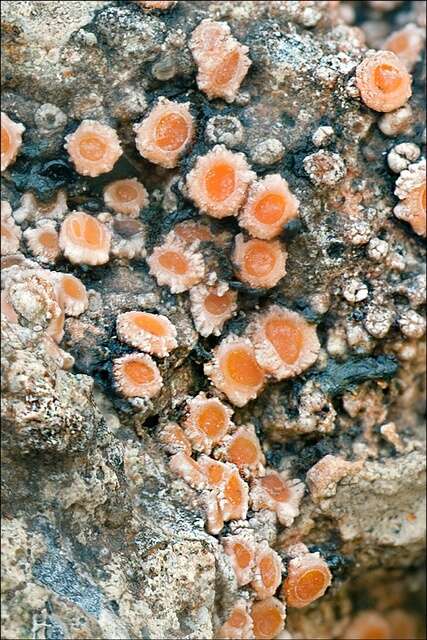
Gyalectaceae
The Gyalectaceae are a family of fungi in the order Gyalectales.

Collemataceae
The Collemataceae are a family of mostly lichen-forming fungi in the order Peltigerales. The family contains twelve genera and about 325 species. The family has a widespread distribution.

Pertusariaceae
The Pertusariaceae are a family of lichen-forming fungi in the order Pertusariales.

Stictidaceae
The Stictidaceae are a family of fungi in the order Ostropales. It has 30 genera and about 240 species.
Trapeliaceae
Trapeliaceae is a family of lichens in the order Baeomycetales. The family contains 12 genera and about 125 species.
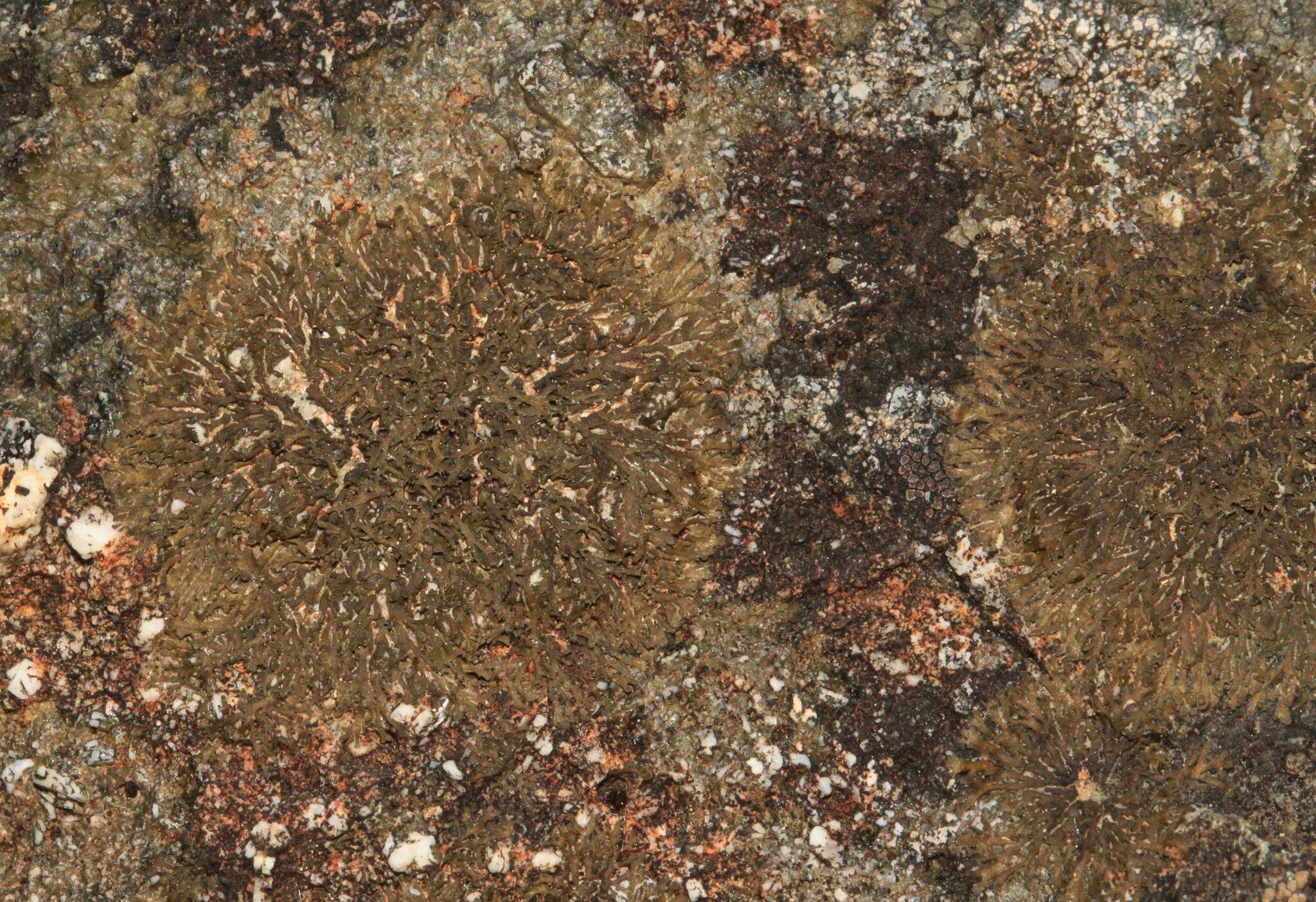
Placynthiaceae
The Placynthiaceae are a lichenized family of fungi in the order Peltigerales. Species of this family are found largely in northern temperate regions.

Pyrenulaceae
The Pyrenulaceae are a family of mostly lichen-forming fungi in the order Pyrenulales, though a few members are secondarily non-lichenized. They form thin crusts on bark and, less often, on rock, and partner with species from the green algal genus Trentepohlia. The family is characterized by flask-shaped fruiting bodies (perithecia) that typically open through a pore, and by ascospores whose internal walls form distinctive rounded to diamond-shaped chambers. The number of accepted genera varies among sources—recent phylogenetic treatments have sampled about 13, while broader taxonomic outlines
Coenogoniaceae
REDIRECT Coenogonium
Baeomycetaceae
REDIRECT Baeomycetales
Monoblastiaceae
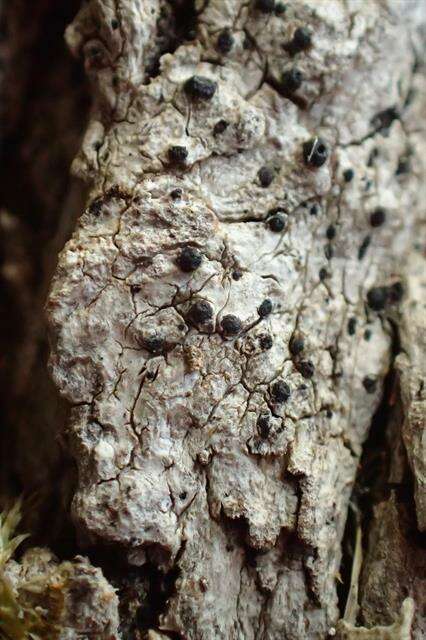
The Monoblastiaceae are a family of lichen-forming fungi in the monotypic order Monoblastiales. It contains six genera. These lichens typically form inconspicuous thin crusts or films on bark, rock, or leaves, often appearing as little more than a whitish or greyish discolouration of the surface. They reproduce through tiny black flask-shaped structures embedded in the crust that release spores through small pores at their tips. The family includes about 120 species distributed worldwide, particularly in tropical and subtropical regions where they grow in humid environments.

Ochrolechiaceae
REDIRECT Ochrolechia

Acarosporaceae
The Acarosporaceae are a family of fungi in the order Acarosporales. Members of this family have a widespread distribution, and are mostly lichenized with green algae. According to a 2021 estimate, the family contains 11 genera and about 260 species. The family is characterised by a formed of paraphysoids (hyphal structures similar in function to true paraphyses, but often branched and forming a network).

Gomphillaceae
The Gomphillaceae are a family of mostly lichen-forming fungi in the order Graphidales. They occur mainly in tropical regions, where many species are adapted to humid rainforests and grow directly on leaves rather than on bark or rock. The family contains about 46 genera and more than 800 species, although the true total may be higher because genetic work has revealed extensive cryptic diversity. Many members reproduce using specialised structures and produce few or none of the lichen products that are typical of other lichen groups. A major molecular phylogenetics-led reorganisation in 2023 f

Lecideaceae
The Lecideaceae are a family of lichen-forming fungi in the order Lecideales. It contains about 30 genera and roughly 250 species. A major distinguishing characteristic of the family is the form of the fruiting bodies: typically circular, dark, and without a . Most species in the family are lichenised with green algae, although a few species, scattered amongst several genera, are lichenicolous—they live on other lichens. Lecideaceae lichens tend to grow on rocks, wood, and soil. Several Lecideaceae species accelerate the weathering of rock surfaces, a process known as pedogenesis, by extending
Phlyctidaceae
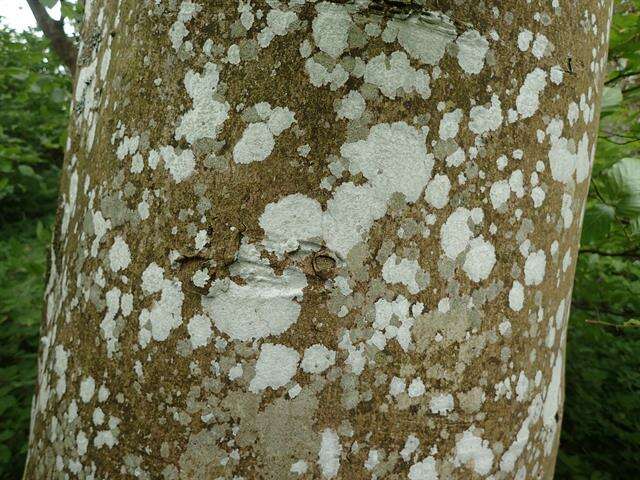
The Phlyctidaceae are a family of lichenized fungi in the order Gyalectales. Species in this family have primarily a tropical distribution, and are usually found growing on bark.

Caliciaceae
The Caliciaceae are a family of mostly lichen-forming fungi belonging to the class Lecanoromycetes in the division Ascomycota. Although the family has had its classification changed several times throughout its taxonomic history, the use of modern molecular phylogenetic methods has helped to establish its current placement in the order Caliciales. Caliciaceae contains 39 genera and about 670 species. The largest genus is Buellia, with around 300 species; there are more than a dozen genera that contain only a single species.

Umbilicariaceae
The Umbilicariaceae are a family of lichenized fungi in the Ascomycota. Species of this family are known from a variety of climates, including temperate, boreal, austral, and warmer montane regions. The family contains five genera and 53 species.

Dacampiaceae
Dacampiaceae is a family of fungi belonging to the order Pleosporales. The family was circumscribed in 1855 by the German lichenologist Gustav Wilhelm Körber.

Megalosporaceae
The Megalosporaceae are a family of mostly lichen-forming fungi belonging to the class Lecanoromycetes in the division Ascomycota. The family comprises three genera and roughly forty described species, distributed mainly in humid temperate to tropical forests of the Southern Hemisphere.
Dactylosporaceae
The Dactylosporaceae or Sclerococcaceae are a family of lichen-forming fungi in the class Eurotiomycetes. It is the only family of the order Sclerococcales and subclass Sclerococcomycetidae.
Tephromelataceae
The Tephromelataceae are a family of lichenized fungi in the order Lecanorales. The family was circumscribed by Austrian lichenologist Josef Hafellner in 1984. Tephromelataceae comprises the genera Tephromela, Calvitimela, Mycoblastus and Violella, which together constitute a well-supported monophyletic group.

Biatorellaceae
Biatorellaceae is a family of lichen-forming fungi in the subclass Lecanoromycetidae. The family is monotypic, and contains the single genus Biatorella, which contains eight species.

Letrouitiaceae
The Letrouitiaceae are a family of lichen-forming fungi belonging to the order Teloschistales. The family, which has a tropical and subtropical distribution, contains the single genus Letrouitia, which contains about 15 species.
The family and the genus, both circumscribed in 1982 by André Bellemère and Josef Hafellner, are named in honour of Marie-Agnès Letrouit-Galinou.
Chaetothyriaceae
The Chaetothyriaceae are a family of ascomycetous fungi within the order Chaetothyriales and within the class Eurotiomycetes. A 2012 molecular analysis of specimens collected from northern Thailand revealed three new species in the family (Ceramothyrium thailandicum, Chaetothyrium brischofiacola and Phaeosaccardinula ficus).
Coniocybaceae
The Coniocybaceae are the sole family of lichen-forming fungi in the Coniocybales, which itself is the only order in the class Coniocybomycetes.
Ophioparmaceae
The Ophioparmaceae are a small family of lichen-forming fungi in the order Umbilicariales.
Coccocarpiaceae
The Coccocarpiaceae are a family of lichen-forming in the order Peltigerales. There are three genera and about 60 species in the family. Species in this family have a widespread distribution, including boreal and austral regions.

Catillariaceae
The Catillariaceae are a family of crustose lichens in the order Lecanorales. Species of this family have a widespread distribution, especially in temperate areas. The family contains five genera and about 130 species, most of which form crusty growths tightly attached to rocks, bark, or soil.

Fuscideaceae
Fuscideaceae is a family of fungi that form symbiotic relationships with algae to create lichens. These lichens typically have a crust-like appearance and are found worldwide, though they are most common in temperate regions. The family includes four genera and about 45 species, which primarily grow on tree bark, rocks, or occasionally on wood or leaves. Fuscideaceae lichens are characterised by their reproductive structures, cup-like formations called apothecia, which can vary in colour from red to dark brown or black. The family has undergone several changes in its classification over the ye
Xanthopyreniaceae
The Xanthopyreniaceae are a family of lichen-forming fungi in the order Collemopsidiales. Members of this family are found worldwide on rocks in various climates, from temperate to polar regions, where they form inconspicuous crusty growths or live hidden within the rock surface. Where lichenised, species partner with cyanobacteria, and several lineages are parasitic (lichenicolous) on other lichens. The family is characterized by small, dark fruiting bodies that release spores through a single opening at the top.

Naetrocymbaceae
The Naetrocymbaceae are a family of fungi in the order Pleosporales. Some members of the type genus, Naetrocymbe, form lichens.
Thelenellaceae
Thelenellaceae is a family of lichen-forming fungi. It is the sole family in the monotypic order Thelenellales, and contains three genera and about 50 species.
Massalongiaceae
Massalongiaceae is a small family of lichen-forming fungi in the order Peltigerales. It has three genera and seven species.
Aphanopsidaceae
Aphanopsidaceae is a family of lichen-forming fungi in the order Lecanorales. It contains the genera Aphanopsis and Steinia, comprising five species. The family was circumscribed in 1995 by the lichenologists Christian Printzen and Gerhard Rambold.

Trypetheliaceae
The Trypetheliaceae are a family of mainly lichen-forming fungi in the order Trypetheliales. The family consists almost exclusively of corticolous (bark-dwelling), crustose lichens with an almost strictly tropical distribution.
Sporastatiaceae
Sporastatiaceae is a small family of crustose lichens in the order Rhizocarpales. It contains two genera, Sporastatia and Toensbergia, with a total of five species. Sporastatiaceae was circumscribed in 2013 by Mika Bendiksby and Ernst Timdal.