Category
page 1Mammals of Argentina

Capybara
The capybara or greater capybara (Hydrochoerus hydrochaeris) is the largest living rodent, native to all countries in South America except Chile. It is a semiaquatic herbivore that inhabits savannas and dense forests, living near and in bodies of water and feeding mainly on grasses and aquatic plants.

ocelot
The ocelot (Leopardus pardalis) is a medium-sized spotted wild cat that reaches at the shoulders and weighs between on average. It is native to the southwestern United States, Mexico, Central and South America, and the Caribbean islands of Trinidad and Margarita. Carl Linnaeus scientifically described it in 1758. Two subspecies are recognized.
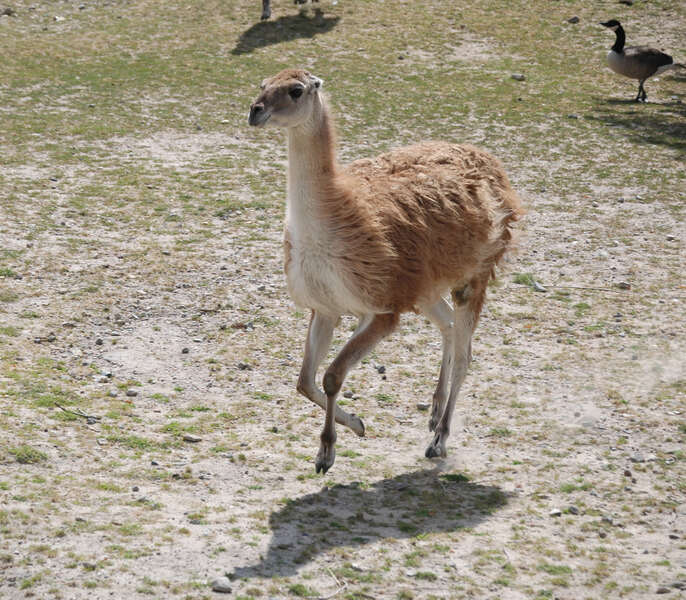
guanaco
The guanaco ( ; Lama guanicoe) is a camelid native to South America, closely related to the domesticated llama. Guanacos are one of two wild South American camelids; the other species is the vicuña, which lives at higher elevations.

Myocastor coypus
The nutria () or coypu () (Myocastor coypus) is an herbivorous, semiaquatic rodent from South America.
Classified for a long time as the only member of the family Myocastoridae, Myocastor has since been included within Echimyidae, the family of the spiny rats.
The nutria lives in burrows alongside stretches of water and feeds on river plant stems.

vicuña
The vicuña (Lama vicugna) or vicuna (both , very rarely spelled vicugna, its latin specific name) is one of the two wild South American camelids, which live in the high alpine areas of the Andes; the other camelid is the guanaco, which lives at lower elevations. Vicuñas are relatives of the llama, and are now believed to be the wild ancestor of domesticated alpacas, which are raised for their coats. Vicuñas produce small amounts of extremely fine wool, which is very expensive because the animal can be shorn only every three years and has to be caught from the wild. When knitted together, the p
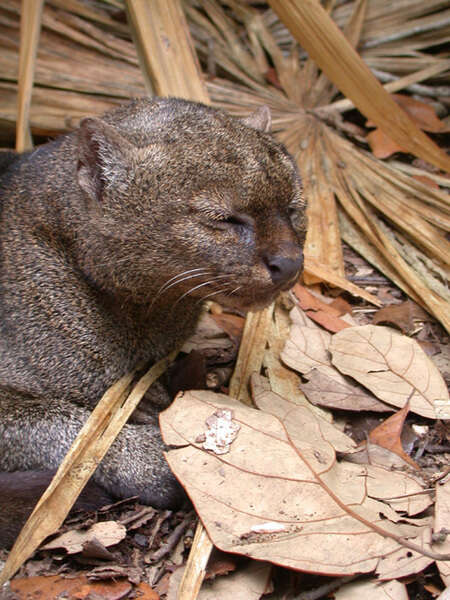
Jaguarundi
The jaguarundi (Herpailurus yagouaroundi); or is a wild cat native to the Americas. Its range extends from central Argentina in the south and much South America east of the Andes, through Central America, and into northern Mexico. It occurred in the Lower Rio Grande Valley in south Texas as recently as the early 1990s but is now believed to be extirpated from the US. The jaguarundi is a medium-sized cat of slender build. Its coloration is uniform with two color morphs, gray and red. It has an elongated body, with relatively short legs, a small, narrow head, small, round ears, a short snout, an

Chinchilla
Chinchilla is a genus consisting of two species (Chinchilla chinchilla and Chinchilla lanigera) of crepuscular rodents of the parvorder Caviomorpha, native to the Andes Mountains in South America. They live in colonies called "herds" at high elevations up to . Historically, chinchillas lived in an area that included parts of Bolivia, Peru and Chile, but today, colonies in the wild are known only in Chile. Along with their relatives, viscachas, they make up the family Chinchillidae. They are also related to the chinchilla rat.
.jpg)
oncilla
The oncilla (Leopardus tigrinus), also known as the northern tiger cat, little spotted cat, and tigrillo, is a small spotted cat ranging from Central America to central Brazil. It is listed as Vulnerable on the IUCN Red List, and the population is threatened by deforestation and conversion of habitat to agricultural land.

maned wolf
a large canid native to South America

giant anteater
species of mammal
.jpg)
kodkod
The kodkod (Leopardus guigna), also called güiña, is the smallest felid species native to the Americas. It lives primarily in central and southern Chile, as well as marginally in adjoining areas of Argentina. Between 1996 and 2002, it was listed as Vulnerable on the IUCN Red List as the total population was thought to be fewer than 10,000 mature individuals; it is threatened by persecution, habitat loss and prey base.

Leopardus jacobita
species of mammal

Geoffroy's cat
species of mammal

Leopardus colocolo
species of mammal

Culpeo
The culpeo (Lycalopex culpaeus), also known as Culpeo zorro, Andean zorro, Andean fox, Paramo wolf, Andean wolf, and colpeo fox, is a species of South American fox. Despite the name, it is not a true fox, but more closely related to wolves and jackals. Its appearance resembles that of foxes due to convergent evolution.

southern elephant seal
species of mammal

crab-eating fox
species of mammal

Lycalopex gymnocercus
species of mammal

South American tapir
species of mammal

South American Coati
species of mammal
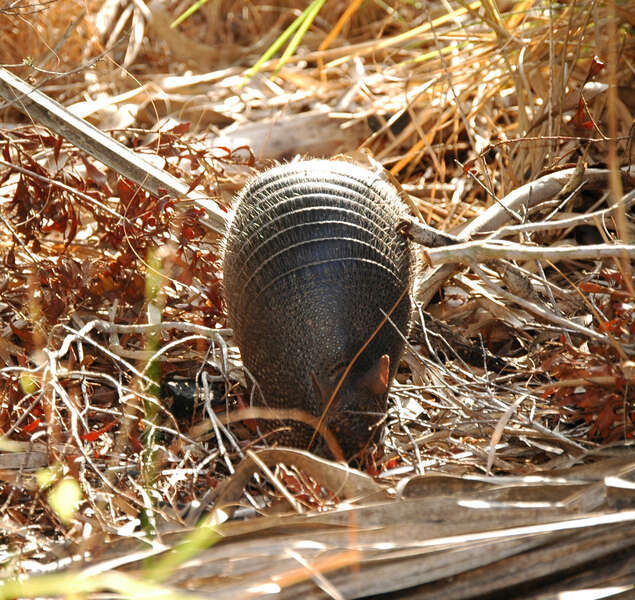
nine-banded armadillo
species of mammal
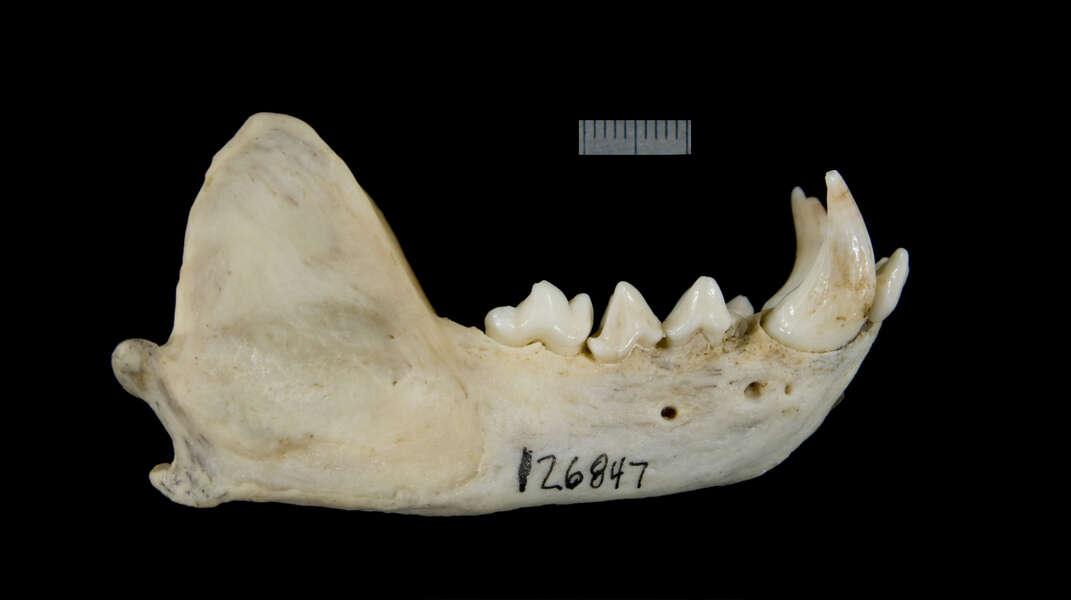
tayra
The tayra (Eira barbara) is an omnivorous animal from the mustelid family, native to the Americas. It is the only species in the genus Eira.

Marsh deer
species of mammal

South American gray fox
species of mammal

Giant armadillo
species of mammal

Antarctic fur seal
species of mammal

Commerson's dolphin
species of mammal

Marine otter
species of mammal

Pampas deer
species of mammal

La Plata dolphin
species of mammal

Chlamyphorus truncatus
species of mammal

Crab-eating raccoon
species of mammal

common vampire bat
species of mammal
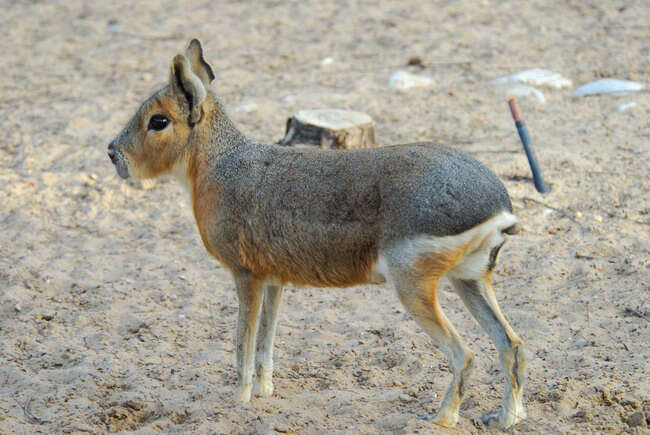
Patagonian mara
species of herbivore

southern tamandua
species of mammal

Pudú
The pudus (Mapudungun püdü or püdu, , ) are two species of South American deer from the genus Pudu, and are the world's smallest deer. The chevrotains (mouse-deer; Tragulidae) are smaller, but they are not true deer. The name is a loanword from Mapudungun, the language of the indigenous Mapuche people of central Chile and south-western Argentina. The two species of pudus are the northern pudu (Pudu mephistophiles) from Venezuela, Colombia, Ecuador, and Peru, and the southern pudu (Pudu puda; sometimes incorrectly modified to Pudu pudu) from southern Chile and south-western Argentina. Pudus ran

South American Fur Seal
species of mammal

Subantarctic fur seal
species of mammal

pichi
The pichi (Zaedyus pichiy), dwarf armadillo or pygmy armadillo is an armadillo native to Argentina and Chile. It is the only living member of the genus Zaedyus, and the only armadillo to hibernate. Fossil remains from the Cerro Azul Formation indicate this species had already evolved during the late Miocene epoch.

Red brocket
species of mammal
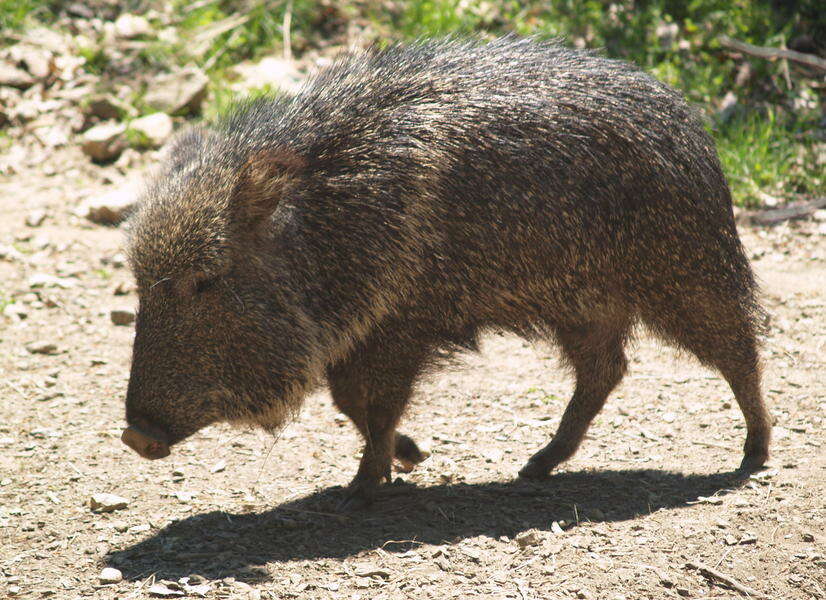
Chacoan peccary
species of mammal

Hourglass dolphin
species of mammal
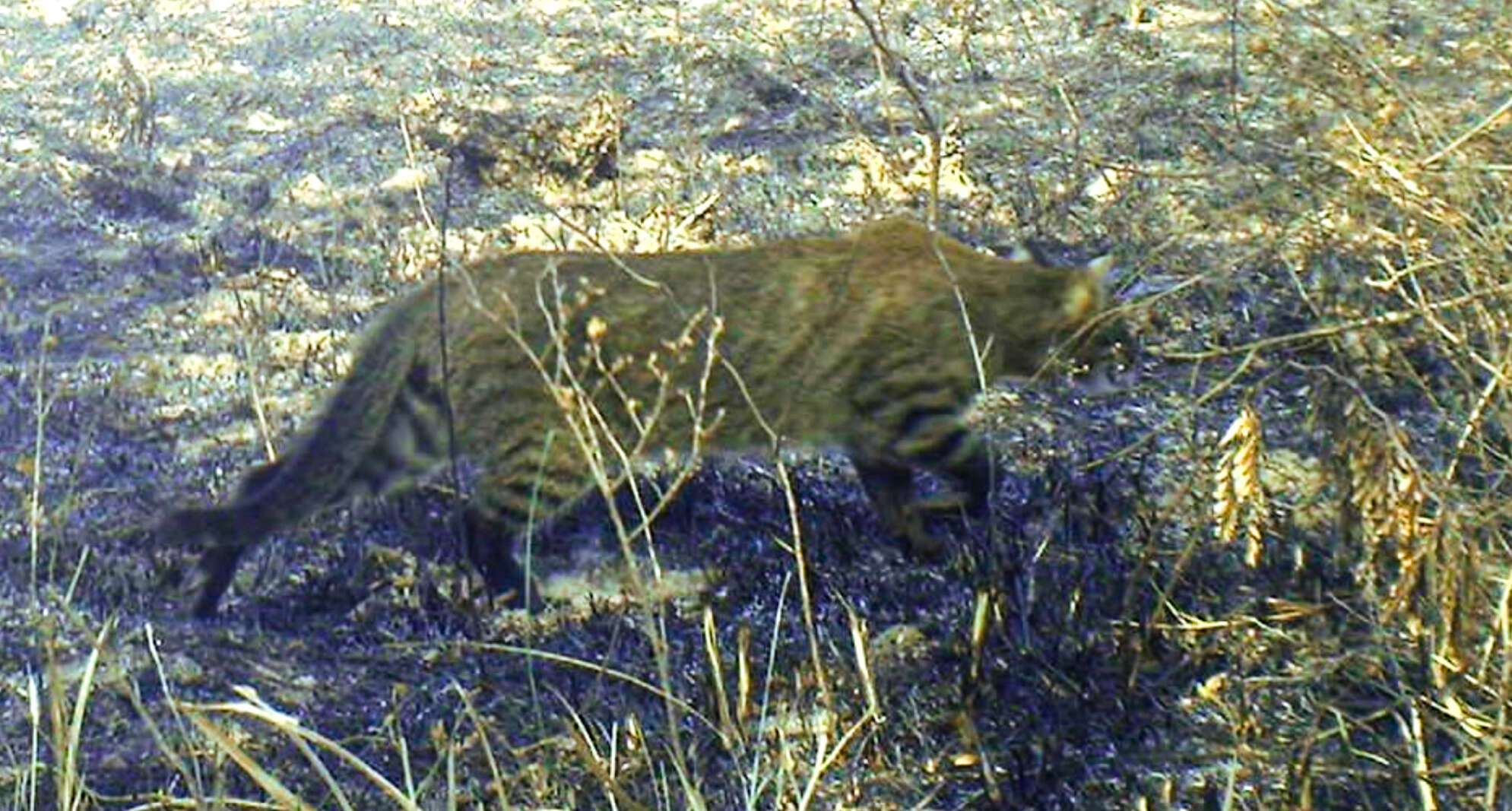
Pantanal cat
species of mammal

white-lipped peccary
species of mammal

six-banded armadillo
species of mammal
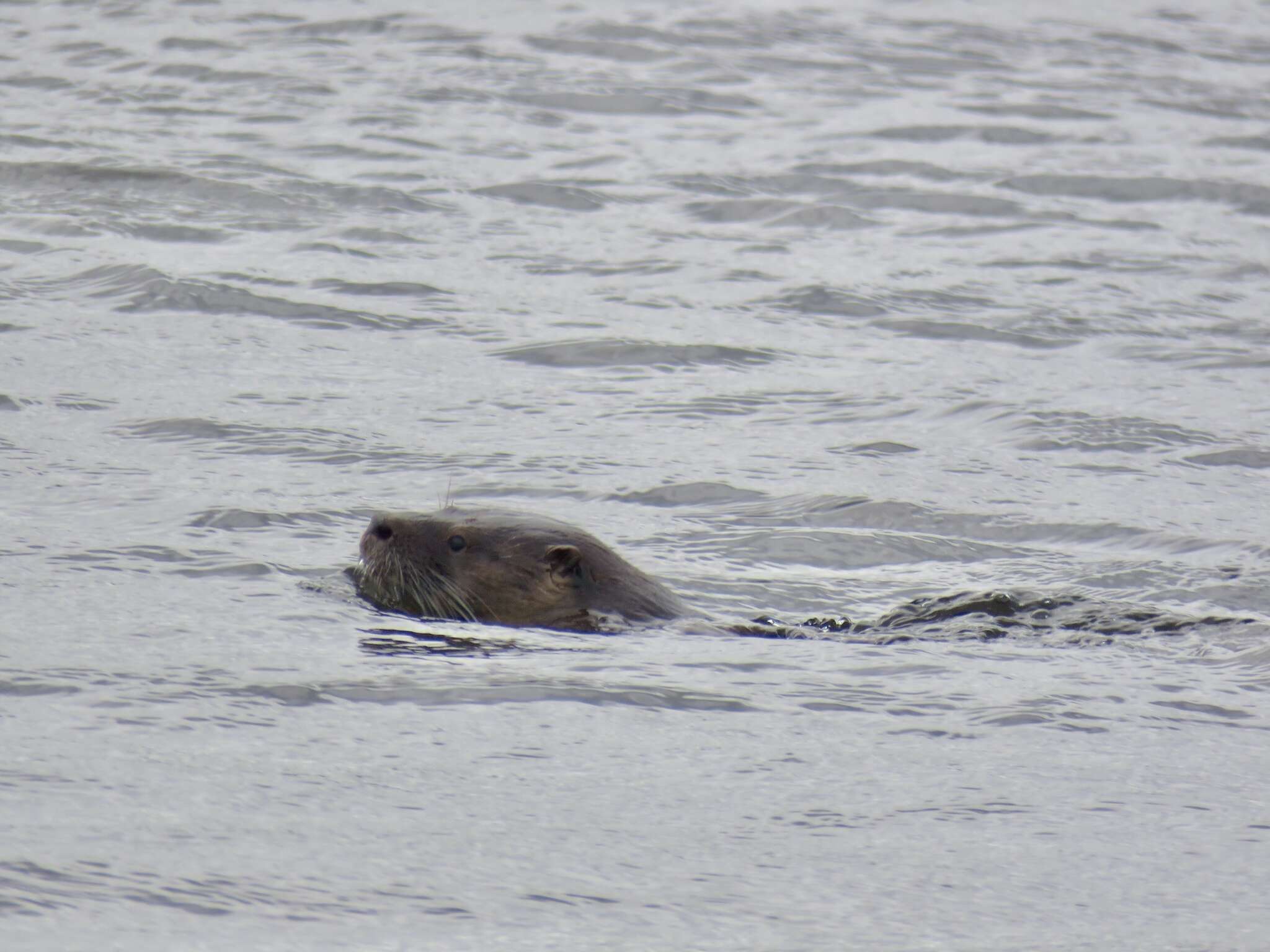
Lontra provocax
species of mammal

Southern pudu
species of mammal
Hippocamelus antisensis
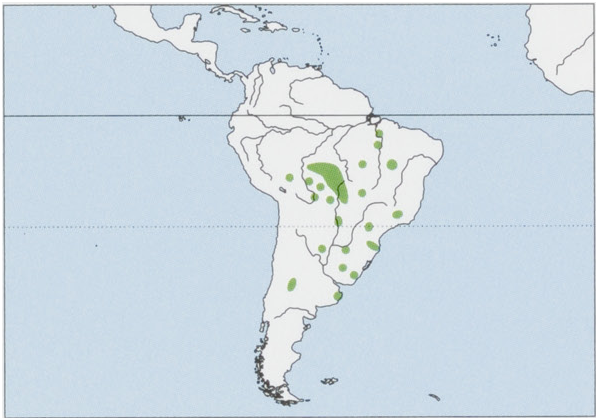
The taruca (Hippocamelus antisensis), also known as the taruka, Peruvian guemal, north Andean deer, north Andean huemul, northern huemul or northern guemal, is a mid sized deer species that inhabits the high regions of the Andes mountains in South America. The common name taruca means "deer" in both the Quechua and Aymara languages. The taruca is closely related to the southern guemal (H. bisulcus), the only other member of the Hippocamelus genus.

spectacled porpoise
species of mammal

Burmeister's porpoise
species of mammal

Big hairy armadillo
species of mammal

southern three-banded armadillo
species of mammal

Peale's dolphin
species of mammal

black howler
species of howler monkey

South Andean deer
species of mammal

Lesser grison
species of mammal

Southern bottlenose whale
species of mammal
Conepatus humboldtii
species of mammal
Berardius arnuxii
species of mammal

Patagonian weasel
species of mammal