Category
page 2Middle Eastern cuisine
chermoula
Chermoula (Berber: tacermult or tacermilt, ) or charmoula is a marinade and relish used in Algerian, Libyan, Moroccan and Tunisian cooking. It is traditionally used to flavor fish or seafood, but it can be used on other meats or vegetables. It is somewhat similar to the Latin American chimichurri.
Baghrir
Baghrir or beghrir (Arabic:البغرير), also known as ghrayef or mchahda, is a pancake consumed in Algeria, Morocco and Tunisia. They are small, spongy, and made with semolina or flour; when cooked correctly, they are riddled with tiny holes (which soak up whatever sauce they are served with). The most common way to eat baghrir in Algeria and Morocco is by dipping them in a honey-butter mixture, but they can also be cut into wedges and served with jam. Baghrir is popular for breakfast, as a snack, and for iftar during Ramadan. On the 9th day of Ramadan, the Mozabite people of Algeria exchange bag
skhug
Zhug (from Yemenite Arabic or IPA: [zħuːq] through ), also known as sahawiq (Yemeni Arabic: , IPA: [saħaːwiq]), is a hot sauce originating in Yemeni cuisine. In other countries of the Arabian Peninsula it is also called mabooj (), and bisbaas.
khubz
Khubz () is the usual word for "bread" in Standard Arabic and in many of the vernaculars. Among the breads popular in Middle Eastern countries are "pocket" pita bread in the Levant and Egypt, and the flat tannur bread in Iraq.
Yemeni cuisine
culinary traditions of Yemen

mahleb
thumb|Packaged mahleb with English, Armenian and Arabic text
Asida
Asida (, or Maghrebi ġsydë, ), a common dish in the Arab world, is a lump of dough made by stirring wheat flour into boiling water, sometimes with added butter or honey. Similar in texture to fufu, it is eaten mainly in Middle East and African countries. It is considered one of the best-known desserts and traditional dishes in many Arab countries.
Fesikh
Fesikh (, ) is a traditional Egyptian dish. It is consumed primarily, though not exclusively, during the Sham el-Nessim festival, a spring celebration that traces its origins to ancient Egyptian times and is observed as a national holiday in Egypt. Fesikh consists of salted, pickled, fermented and dried gray mullet of the genus Mugil, a saltwater fish that lives in both the Mediterranean and the Red Seas. In western Egypt, whitefish is used as an alternative.
freekeh
Freekeh (sometimes spelled frikeh) or farik ( / ALA-LC: farīkah; pronounced free-kah /ˈfɹiːkə/) is a cereal food made from green durum wheat (Triticum turgidum var. durum) that is roasted and rubbed to create its flavour. It is an ancient dish derived from Levantine and North African cuisines, remaining popular in many countries of the eastern Mediterranean Basin, where durum wheat originated.
grape leaves
traditional dish of several cultures
shish taouk
dish of Levantine cuisine, skewers of marinated chicken pieces
Jordanian cuisine
culinary traditions of Jordan
Saudi Arabian cuisine
culinary traditions of Saudi Arabia
tandoor bread
bread made in a tandoor
Omani cuisine
culinary traditions of Oman
toum
Salsat toum (Arabic for ), also known as toumiya () or simply toum ( ), is a garlic sauce common to the Levant. It is similar to the Provençal aioli. There are many variations; a common one contains garlic, salt, olive oil or vegetable oil, and lemon juice, traditionally crushed together using a wooden mortar and pestle. There is also a popular variation in Lebanon where mint is added; it is called ().
şekerpare
Şekerpare (, pronounced sheh-kehr-PAH-reh) is a common dessert in Turkish cuisine. It is a semolina cookie that is topped with nuts and soaked in sugar syrup. It is most popular during Ramadan.
Levantine cuisine
cuisine of the Eastern Mediterranean
Byzantine cuisine
historical regional cuisine
dallah
traditional pot for cooking Arabic coffee
Duqqa
Duqqa, dukka, '''du'ah, do'a, or dukkah''' (, , ) is an Egyptian and Middle Eastern condiment consisting of a mixture of herbs, nuts (usually hazelnut), and spices. It is typically used as a dip with bread or fresh vegetables for an hors d'œuvre.
Ptitim
toasted pasta in tiny balls
Lablabi
Lablabi or lablebi () is a traditional Tunisian dish based on chickpeas in a thin garlic- and cumin-flavored broth, served over small pieces of stale crusty bread. It is a staple comfort food in Tunisia and is also found in variations in Iraq and other parts of the Middle East.

Gargee'an
'''Gargee'an (), sometimes spelled as Gerga'oon''' (Arabic: قرقاعون), is a semiannual celebration, observed primarily in Eastern Arabia. It takes place on the 13th, 14th or 15th night of the Islamic month of Ramadan. It is celebrated by children and adults alike dressing in traditional attire and going door-to-door to receive sweets and nuts from neighbours, as they sing traditional songs. This traditional holiday is celebrated by both Sunni and Shia. The tradition has existed for hundreds of years, and is deeply rooted in some parts of the Persian Gulf culture, especially in (Qatif and Al-Ahs
kalburabastı
Kalburabastı (sometimes spelled kalbura bastı) or kalburabasma (Turkish, also known as hurmašice in Bosnia and Herzegovina,
and throughout the rest of former Yugoslavia as urmašice), and sometimes also known under the name of hurma, are syrup-drenched pastries that have a riddled appearance. They are featured among the favorite specialities that are prepared during the Islamic holidays, including the three-day Eid al-Fitr (called Şeker Bayramı or "Candy Feast" in Turkish language) and Eid al-Adha.
leblebi
Leblebi (; ; ; ; ; ; ) is a snack made from roasted chickpeas, common and popular in Iran, Palestine, Jordan, Syria, Lebanon, Iraq, Greece, Turkey and Bulgaria and sometimes seasoned with salt, hot spices, dried cloves, or candy coated.
Kuwaiti cuisine
culinary traditions of Kuwait
mangal
Middle Eastern barbecue
Bahraini cuisine
culinary traditions of Bahrain
Aleppo pepper
Syrian and Turkish pepper variety

Mesfouf
thumb|Tunisian-style mesfouf
Mesfouf or masfouf () is an Algerian and Tunisian dish which is a variant of couscous with finely rolled semolina and butter or olive oil.
Emirati cuisine
culinary traditions of the United Arab Emirates
bazeen
unleavened bread in Libyan cuisine
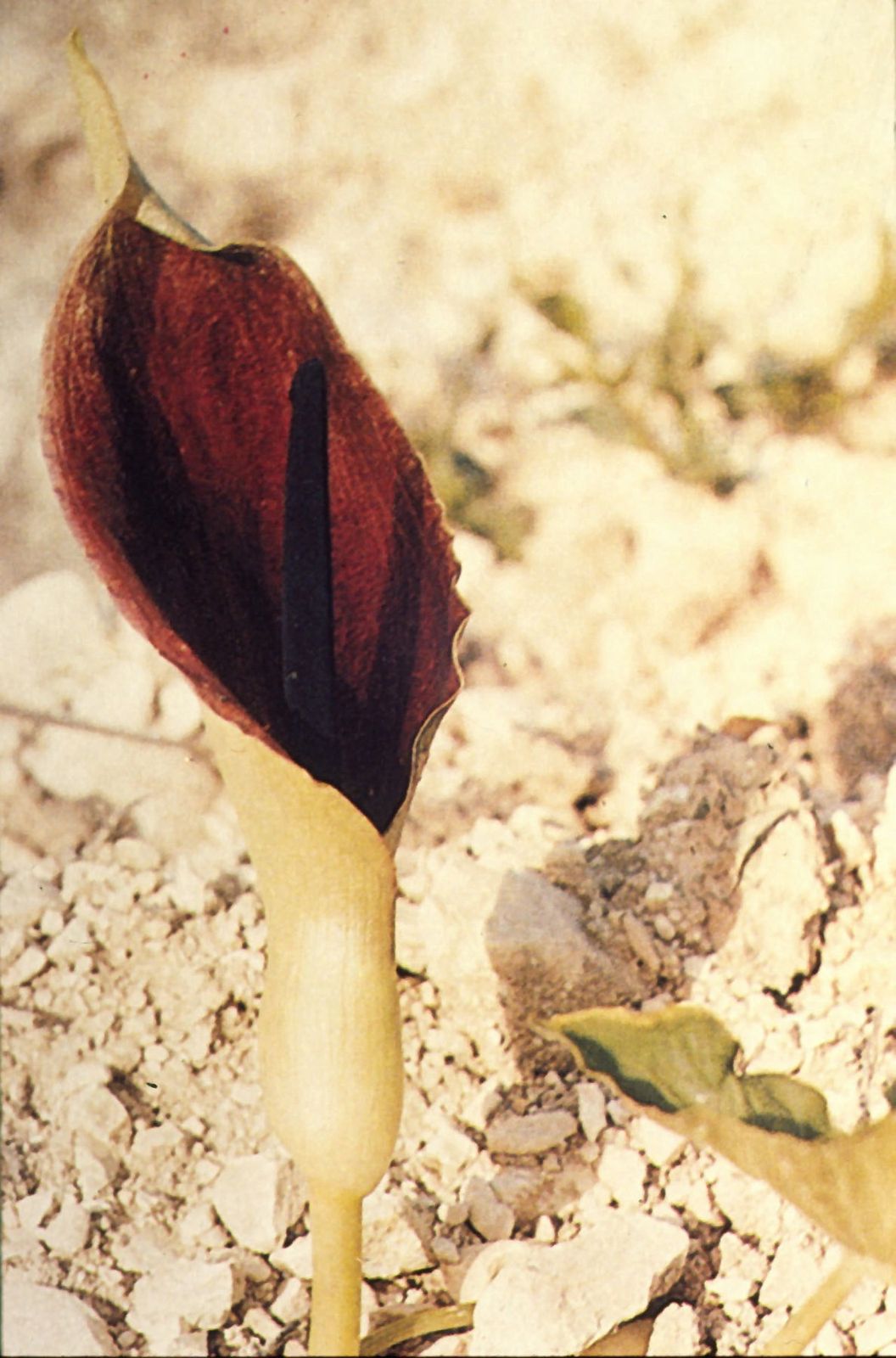
Arum palaestinum
species of plant
Jachnun
Jachnun or jahnun (, , ) is a Jewish pastry, originating from the Adeni Jews, and traditionally served on Shabbat morning, with resek agvaniyot (a freshly grated tomato dip), hard-boiled eggs, and zhug (a type of spicy green herbal condiment).

Chakhchoukha
thumb|Chicken chakhchoukha
thumb|Algerian chakhchoukha of Biskra
Chakhchoukha or chekhechoukha () is a traditional Algerian dish made from torn or rolled pieces of cooked semolina dough that are served in a tomato-based sauce. The dish consists of small pieces of rougag (thin round flatbread) mixed with marqa, a tomato stew. The dish is typically made by boiling the semolina dough in salted water until it is cooked and then rolling it into small balls or tearing it into bite-sized pieces.
bamia
Bamia, bame, bamieh, bamje, bamiya or bamya is a Middle Eastern and Central Asian main dish, a stew made with okra, lamb, and tomatoes as primary ingredients. It is commonly made in the following countries and cultures: Afghani, Albanian, Armenian, Assyrian, Jordanian, Azerbaijani, Egyptian, Greek, Iranian, Iraqi, Israeli, Kurdish, Lebanese, Palestinian, Romanian, Somali, Sudanese, Syrian, Tanzania, and Turkish. Additional ingredients used can include tomato sauce or tomato paste, onion, garlic, cilantro (coriander), pomegranate molasses, vegetable oil, cardamom, salt and pepper.

Méchoui
thumb|300px|Méchoui
Méchoui () or meshwi is a whole sheep or lamb spit-roasted on a barbecue in Maghrebi cuisine. The word comes from the Arabic word šawā (, "grilling, roasting"). This dish is common in North Africa. In Algeria and Morocco, the term méchoui "refers to the method of cooking a lamb or a sheep cooked whole on the spit". In Tunisia it applies to any piece of meat or fish grilled with embers.
Advieh
Advieh (, spice; from , of , remedy, medicine, medication, drug) is the Persian word for spice, and may refer to any individual seasoning. However, in everyday Iranian culinary usage, advieh commonly refers to a specific blend of ground spices used to flavor traditional dishes. This usage is an abbreviated form of more specific terms such as advieh-e polo (spice mix for rice), advieh-e khoresh (for stews), or advieh-e ash (for herb-based soups).
tahini roll
Turkish sweet bun (çörek) with tahini
Qatari cuisine
culinary traditions of Qatar
Usban
Usban (or osban) (, ) is a traditional kind of sausage in Algeria, Libya and Tunisia, stuffed with a mixture of rice, herbs, lamb, chopped liver and heart. This dish is usually served alongside the main meal of rice or couscous, often on special occasions.
fried eggplant
Turkish cuisine dish
Claudia Roden
British writer
.jpg)
Zalabiyeh
Zalabiyeh () is a fritter or doughnut found in several cuisines across the Arab world, West Asia and some parts of Europe influenced by the former. The fritter version is made from a semi-thin batter of wheat flour which is poured into hot oil and deep-fried. The earliest known recipe for the dish comes from a 10th-century Arabic cookbook and was originally made by pouring the batter through a coconut shell. Zalabiyeh differs from lokma in that it is made from batter rather than yeast dough, though the names are sometimes used interchangeably.
Talbina
Talbina is a porridge made from barley flour, formed by adding milk and honey to the dried barley powder. The name comes from the Arabic word meaning milk, because of its resemblance to milk, as it is soft and white.
Assyrian cuisine
regional cuisine
Bichak
Bichak is a stuffed baked or fried pastry that comes in different forms (round, triangle, quadrangle) appetizer or meal similar to a turnover, served in Central Asia cuisines including Uzbek cuisine, Tajik cuisine, Afghan cuisine, and Middle Eastern cuisine, most notably in Moroccan cuisine. It is often served during tea or coffee hour. Bichak can be stuffed with pumpkin, veggies, and jam for a sweet taste, or meat and cheese for a savory addition to lunch. Bichak is also popular because it can be prepared in large quantities.
They are traditional for Rosh Hashanah and Sukkot. For kosher dairy
camel meat
flesh from camel

Hawawshi
Hawawshi (sometimes spelled hawwaoshi; ; ) is a traditional Egyptian dish. It is a pita stuffed with minced meat and spiced with onions, pepper, parsley, and occasionally chilies. The major variants of hawawshi are "baladi" (standard) and Alexandrian. In most of Egypt, it is baked by filling the flat Egyptian bread with the meat mix and then baking it in the oven. In Alexandria, the ingredients are placed between two circular layers of dough, then baked in an oven. Alexandrian hawawshi also usually have different spices and seasonings. Hawawshi has spread to other countries in the Middle East
pumpkin dessert
dessert from the Turkish cuisine, made with pumpkins.
Kleicha
Kleicha (; , ; ; ; ; ; ) is a type of Middle Eastern cookie.
Raheb
Raheb salad (Arabic: سلطة الراهب, romanized: salatat al-raheb), also known as monk's salad, is a Lebanese salad featuring roasted eggplant, tomatoes, onions and parsley. It is a dish served as part of a selection of mezze.

Spoon sweets
Turkish Cypriot confectionary similar to murabba
Cağ kebabı
Turkish meal
Egyptian cheese
cheeses made in Egypt
Baloch cuisine
food and cuisine of the Baloch people
McArabia
The McArabia is a pita bread sandwich available at all McDonald's outlets in Arab countries and Pakistan. It is known as the Grilled Chicken foldover in Singapore, Malaysia and South Africa, as McOriental in Spain, France and the Netherlands, the McTurco in Turkey, Greek Mac in Greece, Cyprus and Russia (limited time offer), and as the McKebab in Israel. The sandwich was originally made to meet West Asian tastes.
haneeth
Haneeth is a slow-roasted lamb dish from Yemen. It is very popular dish throughout the Arabian Peninsula. It is cooked in a tannour oven and has a different spice rub. Haneeth is usually served on a plate of rice.
Eastern Arabian cuisine
traditional Arabic cuisine