Category
page 1Monotypic Arecaceae genera

Serenoa repens
Serenoa repens, commonly known as saw palmetto, is a small palm, growing to a maximum height around .

Nannorrhops ritchiana
Nannorrhops ritchiana, the Mazari palm, is the sole species in the genus Nannorrhops in the palm family Arecaceae.
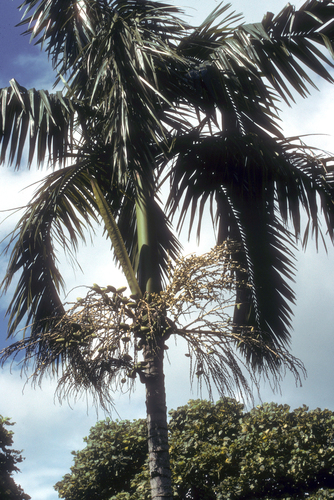
Actinorhytis calapparia
Actinorhytis is a monotypic genus of flowering plant in the palm family found in Oceania and southeast Asia. The lone species, Actinorhytis calapparia (commonly known as calappa palm) is a rain forest inhabitant and has very large fruit. The genus name is from two Greek words meaning 'ray' and 'fold' which describe the endosperm of the seed.
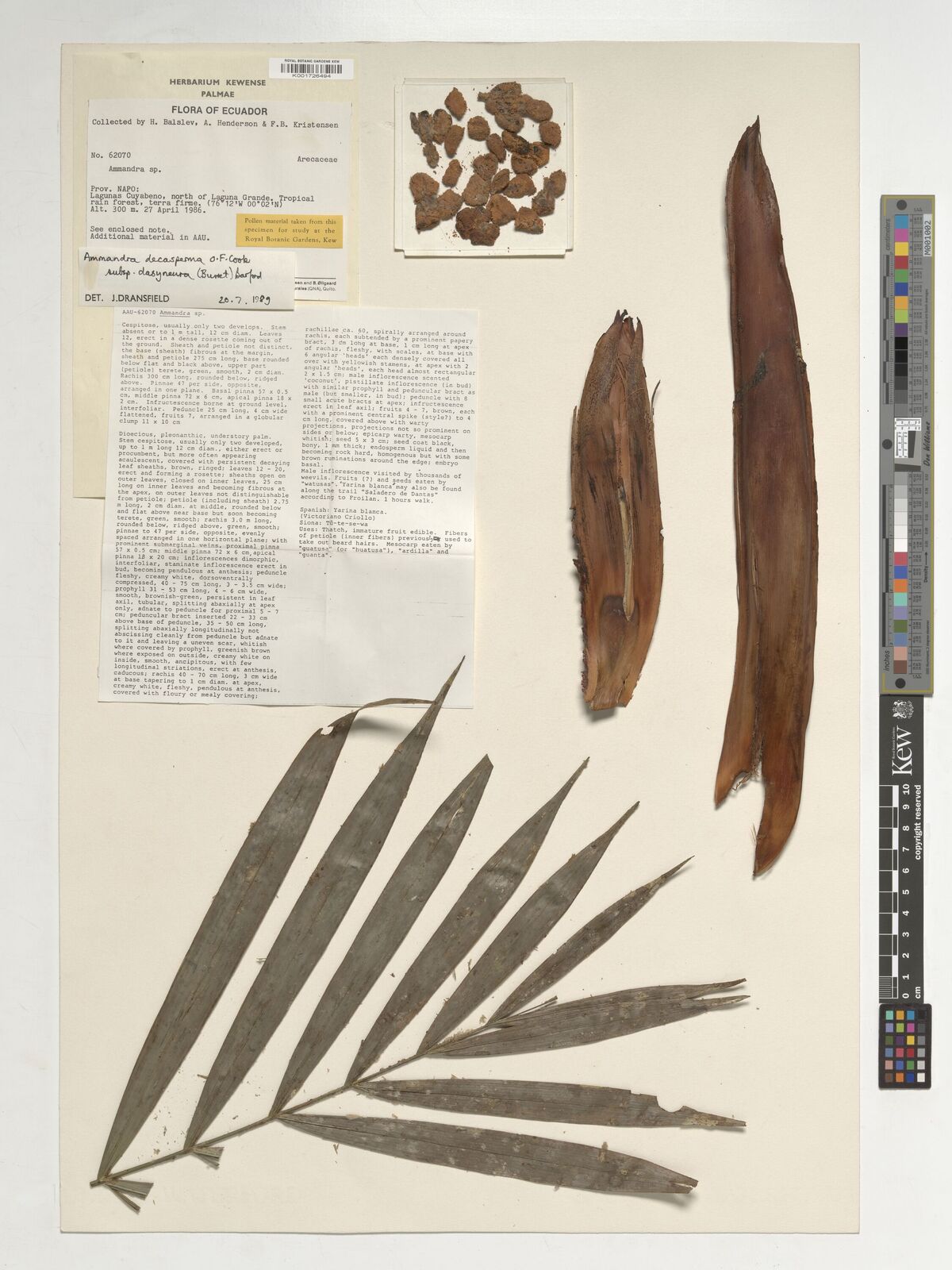
Ammandra decasperma
Ammandra is a monotypic genus of flowering plants in the palm family found in Colombia and Ecuador, where it is endangered. The sole species is Ammandra decasperma, although another species name has been proposed. It is a pinnate-leaved, dioecious palm whose seeds and petioles are used in button and basket making, respectively. It is commonly called ivory palm or cabecita.

Dictyosperma album
Dictyosperma is a monotypic genus of flowering plant in the palm family found in the Mascarene Islands in the Indian Ocean (Mauritius, Réunion and Rodrigues). The sole species, Dictyosperma album, is widely cultivated in the tropics but has been farmed to near extinction in its native habitat. It is commonly called princess palm or hurricane palm, the latter owing to its ability to withstand strong winds by easily shedding leaves. It is closely related to, and resembles, palms in the genus Archontophoenix. The genus is named from two Greek words meaning "net" and "seed" and the epithet is Lati
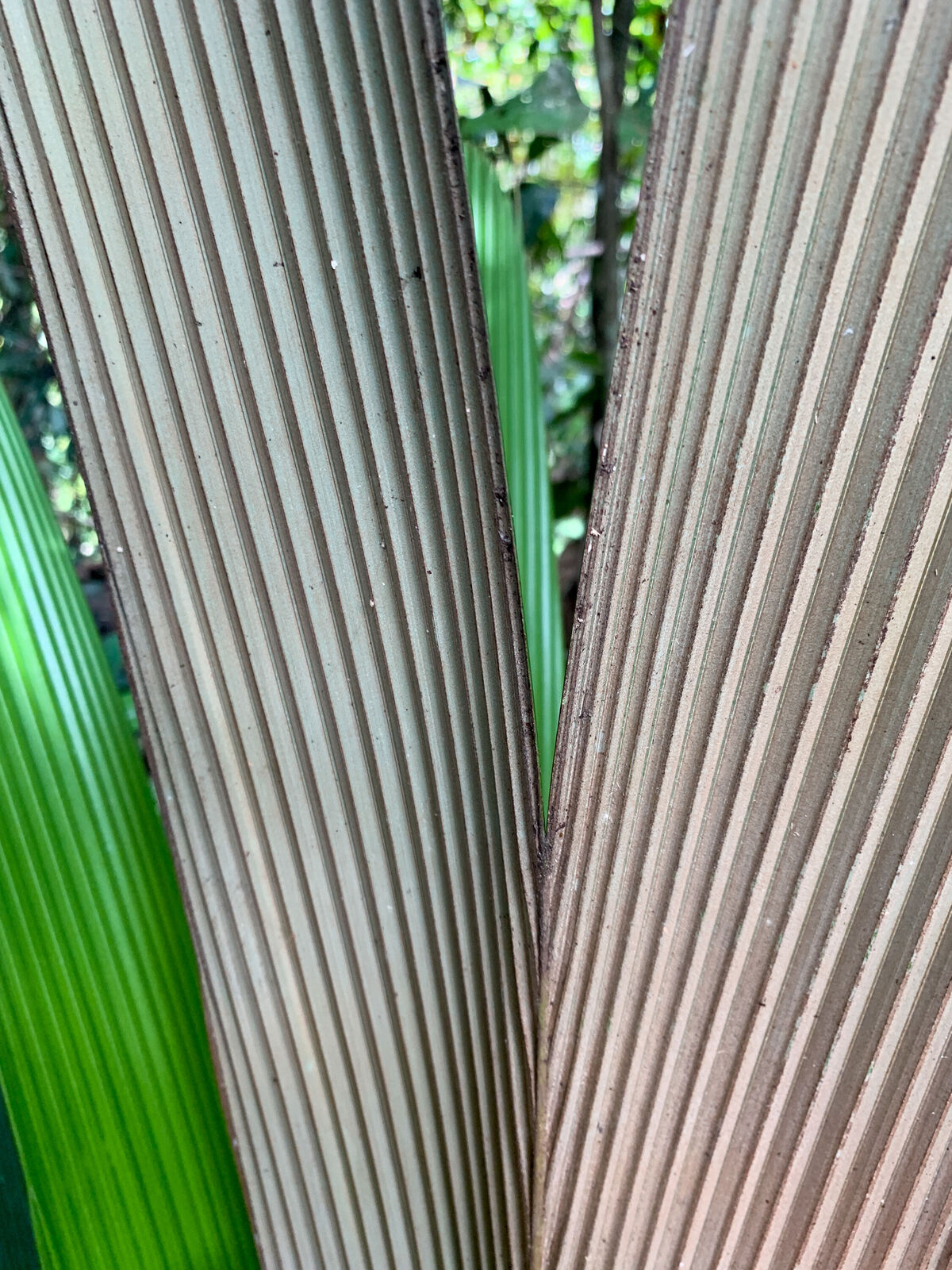
Sommieria leucophylla
Sommieria is a monotypic genus of flowering plant in the palm family endemic to New Guinea (Papua New Guinea and West Papua in Indonesia) where they grow in rain forest understory. The sole species is Sommieria leucophylla. They resemble the Asterogyne palms but are most closely related to those members of Heterospathe with short stems and sparsely branched inlforescences. The name honors Stephen Sommier, European botanist.
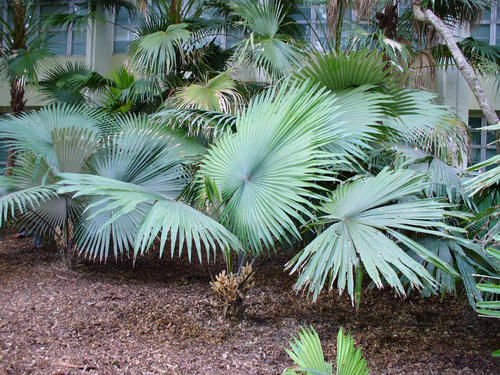
Kerriodoxa elegans
Kerriodoxa elegans, the white backed palm, is the only species of palm tree in the genus Kerriodoxa, in the family Arecaceae.

Aphandra natalia
Aphandra is a monotypic genus of flowering plants in the palm family native to the Amazon rainforest vegetation in South America (Ecuador, Brazil, and Peru). Its only species is Aphandra natalia, sometimes called mastodon palm or fiber palm, and is used by indigenous peoples in the construction of brooms and other products. This plant is commercially exploited for its edible fruits, and for its leaf sheath and petiole fibers. This fiber is almost equal to the fiber extracted from Attalea funifera and Leopoldinia piassaba, which is called piassava.
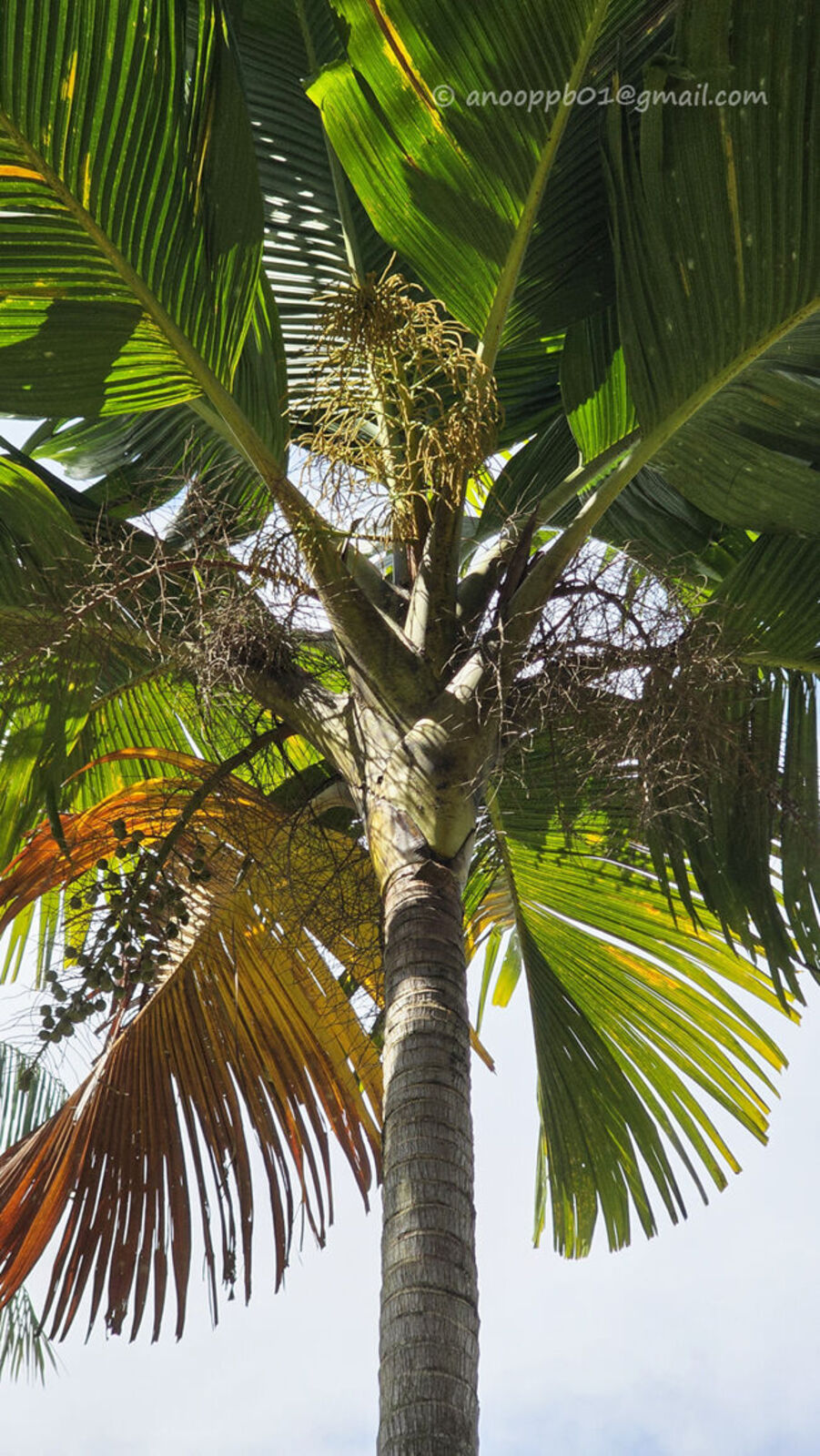
Verschaffeltia splendida
Verschaffeltia splendida ("Latanier Latte" or stilt palm) is a species of flowering plant in the family Arecaceae. It is the only species in the genus Verschaffeltia.
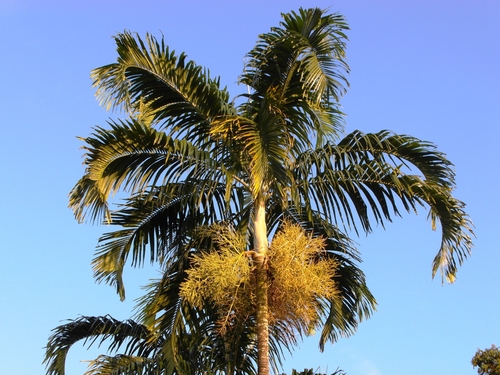
Carpentaria acuminata
Carpentaria acuminata (carpentaria palm), the sole species in the genus Carpentaria, is a palm native to tropical coastal regions in the north of Northern Territory, Australia.

Myrialepis paradoxa
Myrialepis is a monotypic genus of flowering plant in the palm family. The single species, Myrialepis paradoxa, is native to Southeast Asia. The genus name is a combination of the Greek words meaning "innumerable" and "scale", a description of the fruit, and the epithet is Latin for "paradox".
%20(29408347993).jpg)
Iriartea deltoidea
Iriartea is a genus in the palm family Arecaceae. It is native to Central and northern and central South America. The genus includes only the one species, Iriartea deltoidea, which is found from Nicaragua, south into Bolivia and a great portion of the western Amazon basin. It is a common tree in many forests in which it occurs. This species is sometimes referred to as "the devil's penis tree" due to the resemblance of the tree's young prop roots to large, erect, black penises.

Bismarckia
thumb|Bismarckia nobilis – MHNT
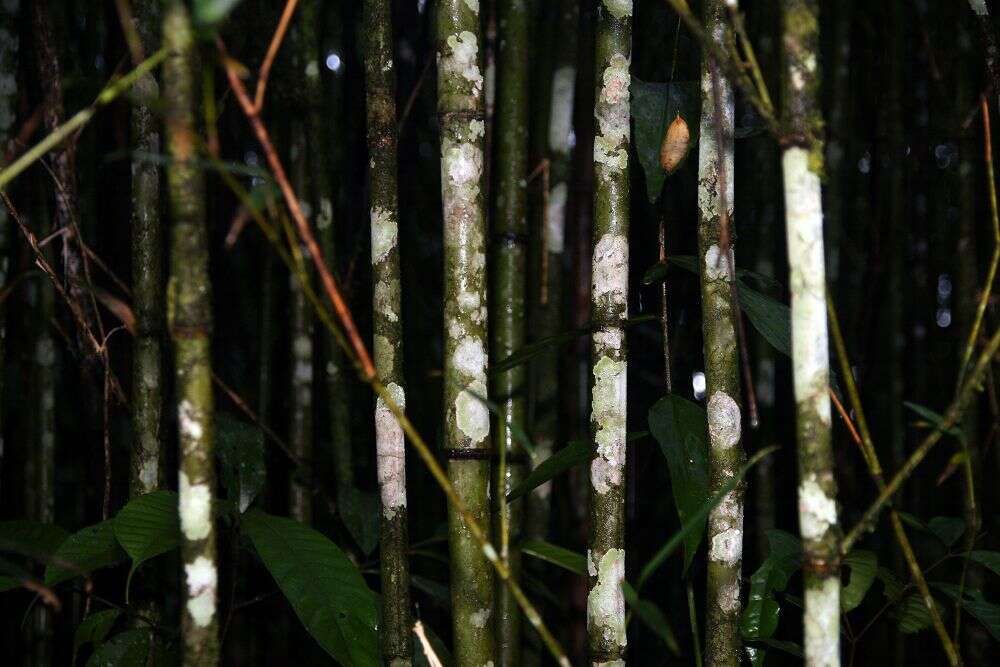
Neonicholsonia watsonii
Neonicholsonia is a monotypic genus of flowering plant in the palm family native to Central America (Honduras, Nicaragua, Costa Rica, Panama). The sole species is Neonicholsonia watsonii. The genus and species names honor George Nicholson, a former curator of the Royal Botanic Gardens, Kew and his successor William Watson.
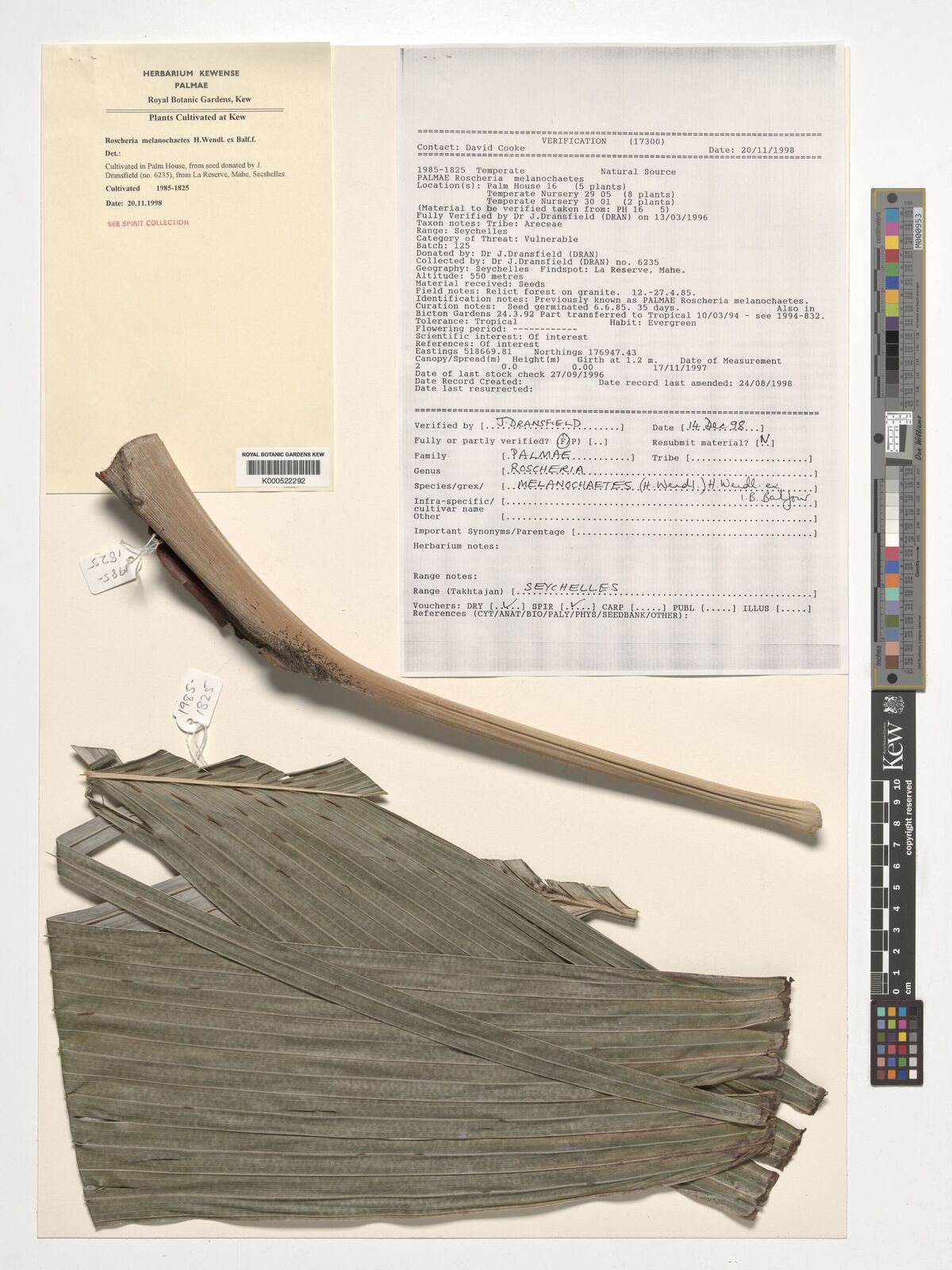
Roscheria melanochaetes
Roscheria is an endangered, monotypic genus of flowering plant in the palm family. The genus is named for Albrecht Roscher, a 19th-century German explorer, and the epithet for its single species R. melanochaetes derives from Latin and Greek meaning 'black' and 'bristle', alluding to the spines covering the trunks. They naturally occur on the Mahé and Silhouette Islands of Seychelles where they grow in mountainous rainforest and are threatened by habitat loss.

Itaya amicorum
Itaya amicorum is a medium-size fan palm that is native to Brazil, Colombia and Peru. It is the only species in the genus Itaya. It was unknown to science until 1972, when it was discovered on the bank of the Itaya River in the Peruvian Amazon.
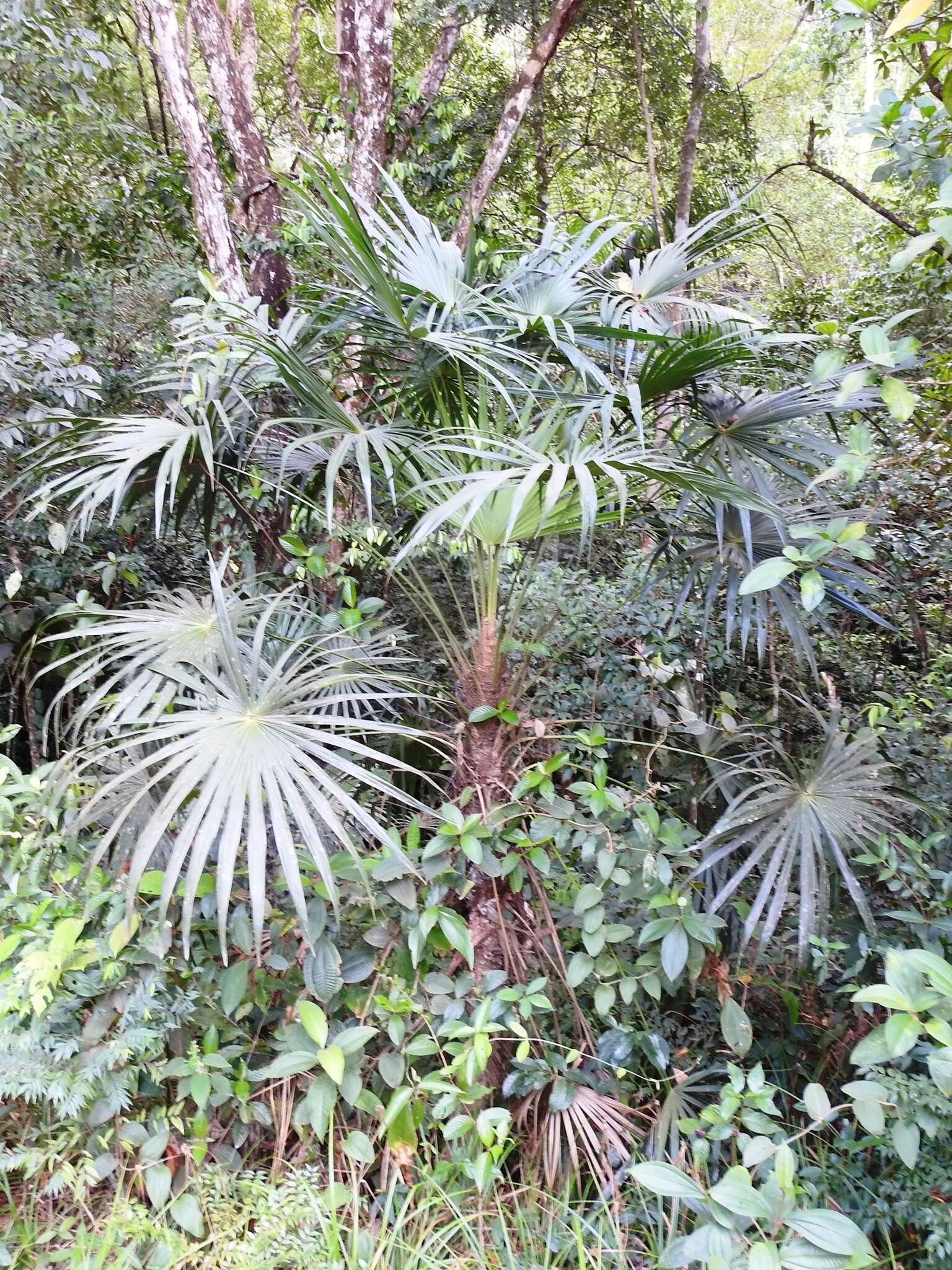
Schippia concolor
Schippia concolor, the mountain pimento or silver pimento, is a medium-sized palm species that is native to Belize and Guatemala. Named for its discoverer, Australian botanist William A. Schipp, the species is threatened by habitat loss. It is the sole species in the genus Schippia.

Phoenicophorium borsigianum
Phoenicophorium, the thief palm, is a monotypic genus of flowering plant in the family Arecaceae. The sole species is Phoenicophorium borsigianum.
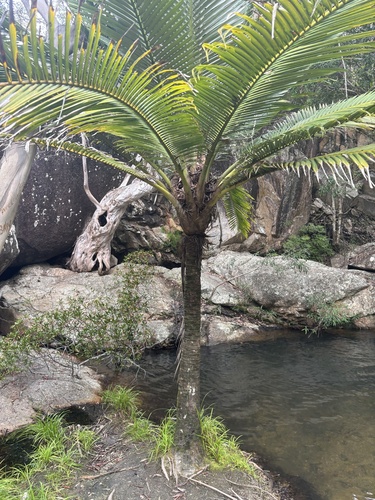
Oraniopsis appendiculata
Oraniopsis is a monotypic genus of flowering plant in the palm family from Queensland, Australia, where the only known species, Oraniopsis appendiculata, grows in mountainous rainforest. Dioecious and extremely slow growing, the name means "similar to Orania" and the Latin epithet translates to "appendaged".

Chamaerops
thumb|right|Transactions of the Linnean Society of London, vol. 10: t. 8 (1815)
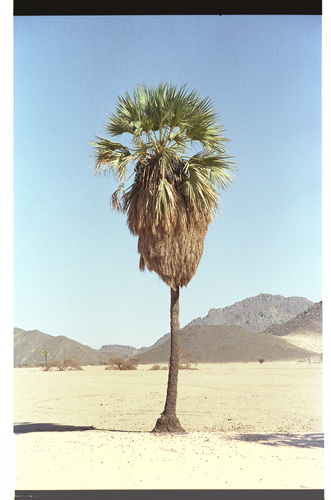
Medemia
Medemia argun is a rare species of the palm tree family (Arecaceae) native to Egypt and Sudan. It is the only species in the genus Medemia.
The palm's dried dates have been found in ancient Egyptian tombs.

Dransfieldia micrantha
Dransfieldia is a monotypic genus of flowering plant in the palm family from western New Guinea where the lone species Dransfieldia micrantha grows in dense rain forest. Discovered in 1872, 134 years passed before DNA testing revealed its proper placement. With no close relatives, it is a delicate, pinnate-leaved palm named after John Dransfield, former palm expert at the Kew Royal Botanic Gardens.

Wodyetia
Wodyetia is a genus of the palm family Arecaceae, containing the single species Wodyetia bifurcata. The species, commonly known as foxtail palm, is native to a very small area of northeastern Queensland, Australia, but has been widely cultivated around the world.
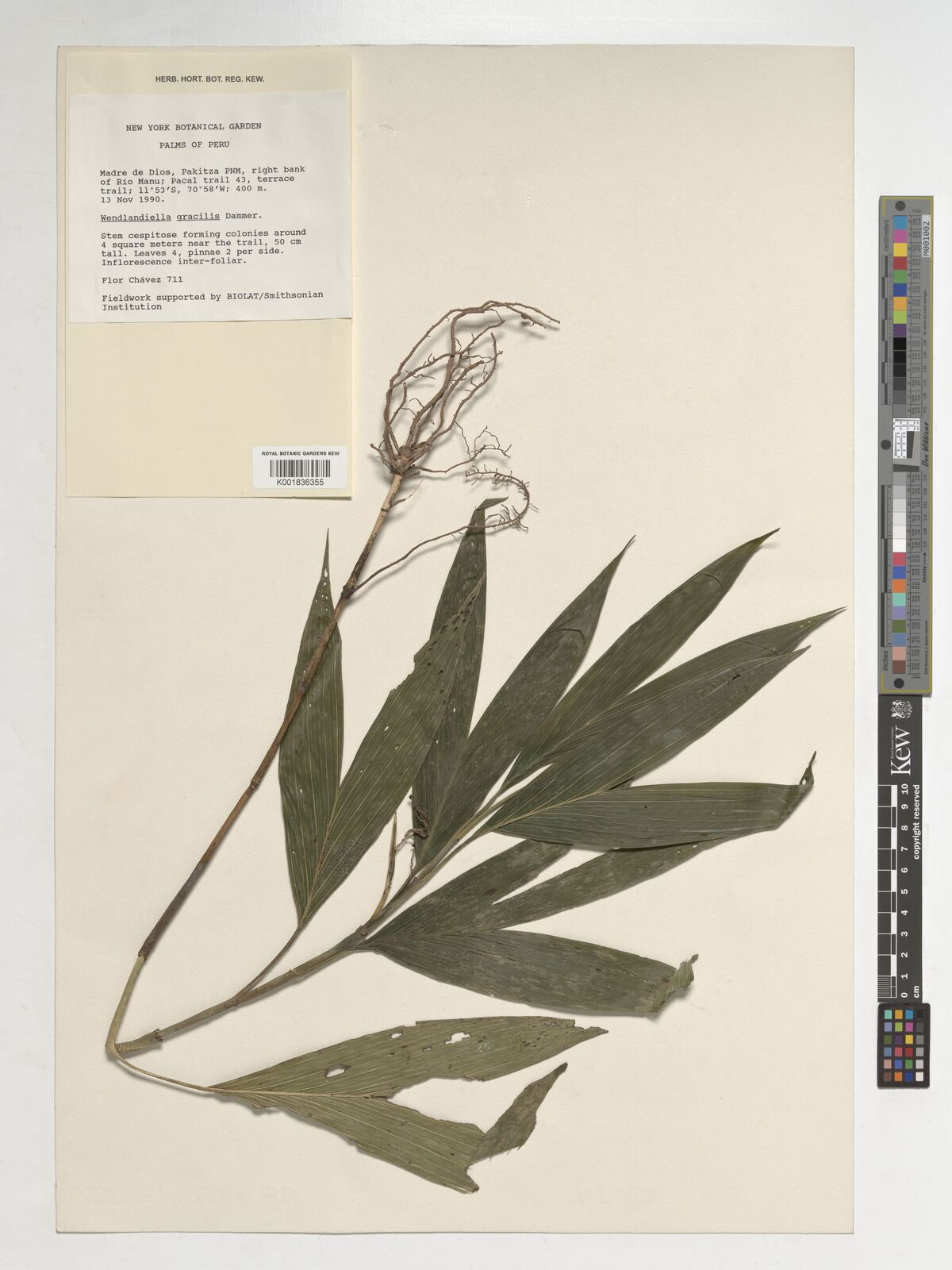
Wendlandiella gracilis
Wendlandiella is a genus of one species of palms found in Peru, Bolivia and Acre state in Brazil. The genus is named after Hermann Wendland.
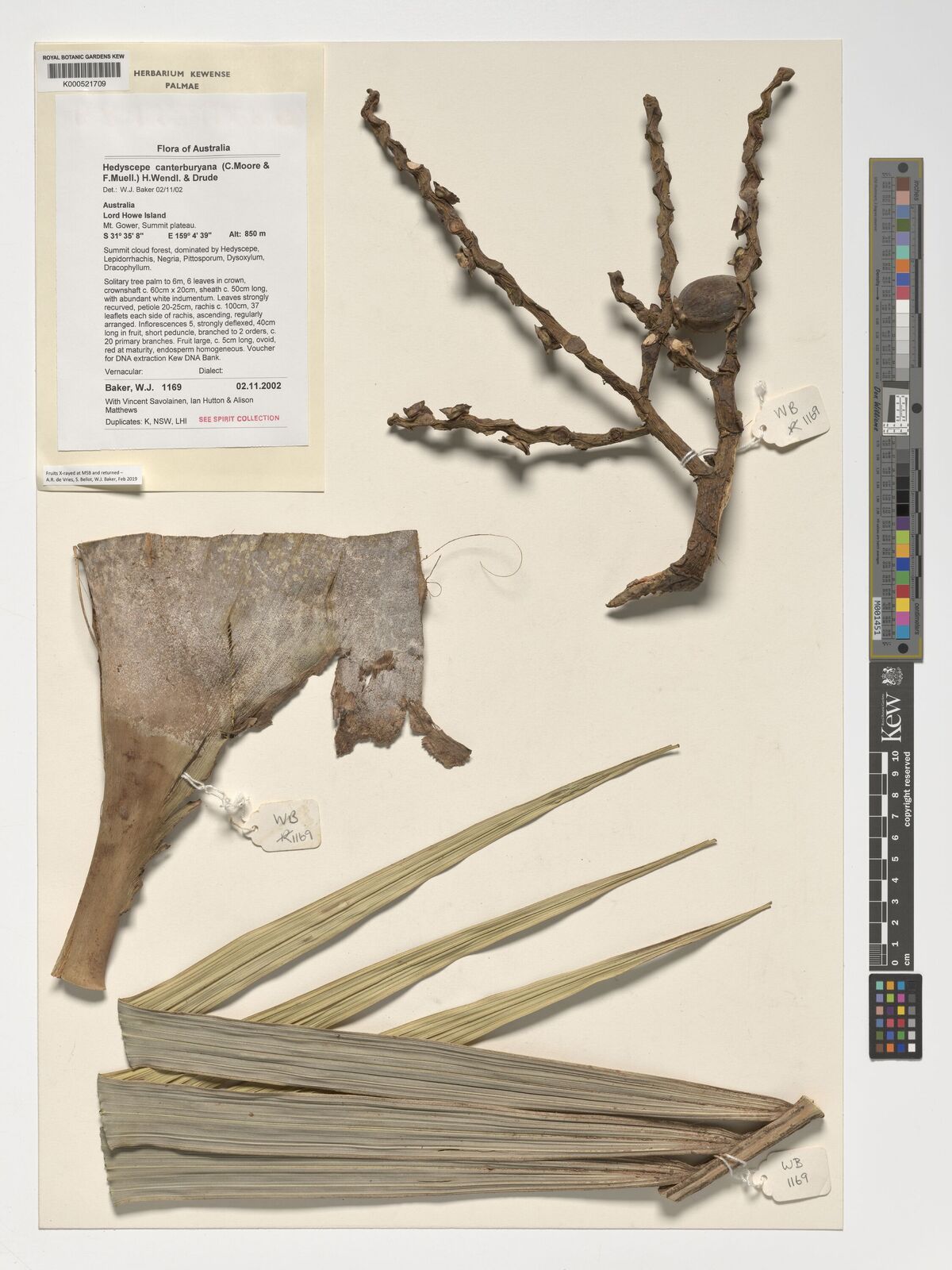
Hedyscepe
Hedyscepe canterburyana, the big mountain palm or umbrella palm, is the sole species in the genus Hedyscepe of the family Arecaceae. It is endemic to Lord Howe Island, Australia and is threatened by habitat loss. It is a solitary palm with a distinct crownshaft, and bears unisexual flowers of both sexes. With the Rhopalostylis palms of Norfolk Island and New Zealand it forms the botanic subtribe Rhopalostylidinae. If differs from Rhopalostylis in minor floral details including having more than six stamens, and in being protandrous rather than protogynous. The two genera were formerly included
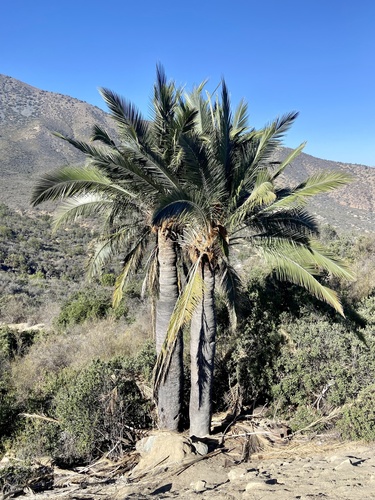
Jubaea
Jubaea is a genus of palms with one species, Jubaea chilensis, commonly known in English as the Chilean wine palm or Chile cocopalm, and palma chilena in Spanish. It is native to southwestern South America and is endemic to a small area of central Chile between 32°S and 35°S in southern Coquimbo, Valparaíso, Santiago, O'Higgins, and northern Maule regions.
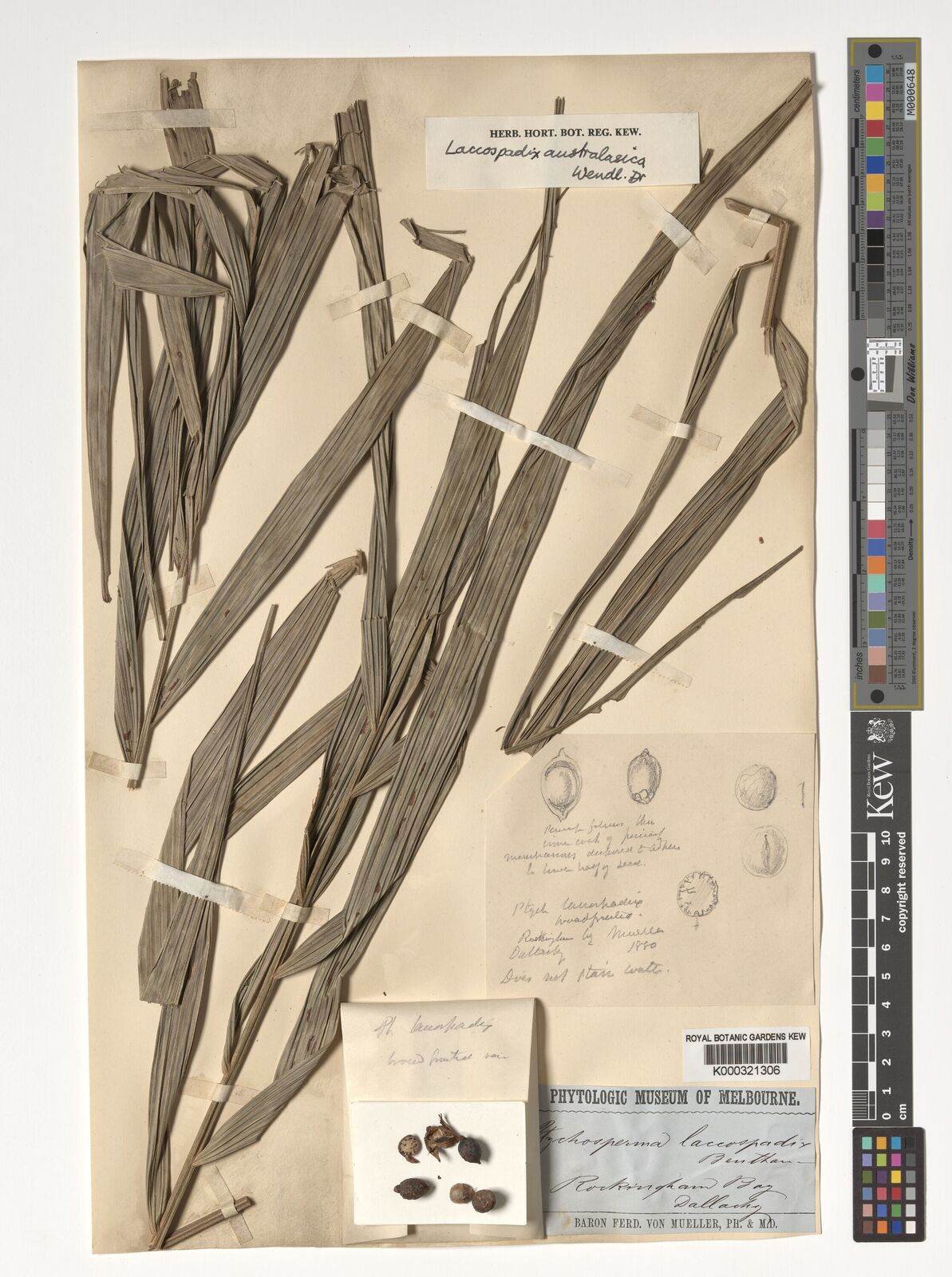
Laccospadix
Laccospadix is a monotypic plant genus in the palm family which is endemic to Queensland, Australia. The sole described species is Laccospadix australasicus, commonly called Atherton palm or Queensland kentia. The two Greek words from which it is named translate to "reservoir" and "spadix".
Acoelorraphe
Acoelorraphe is a genus of palms with a single species Acoelorraphe wrightii, known as the Paurotis palm, Everglades palm or Madeira palm in English and cubas, tique, and papta in Spanish. The genus name is sometimes spelt as Acoelorrhaphe or Acoelorhaphe, which are treated as orthographical variants by the International Plant Names Index.
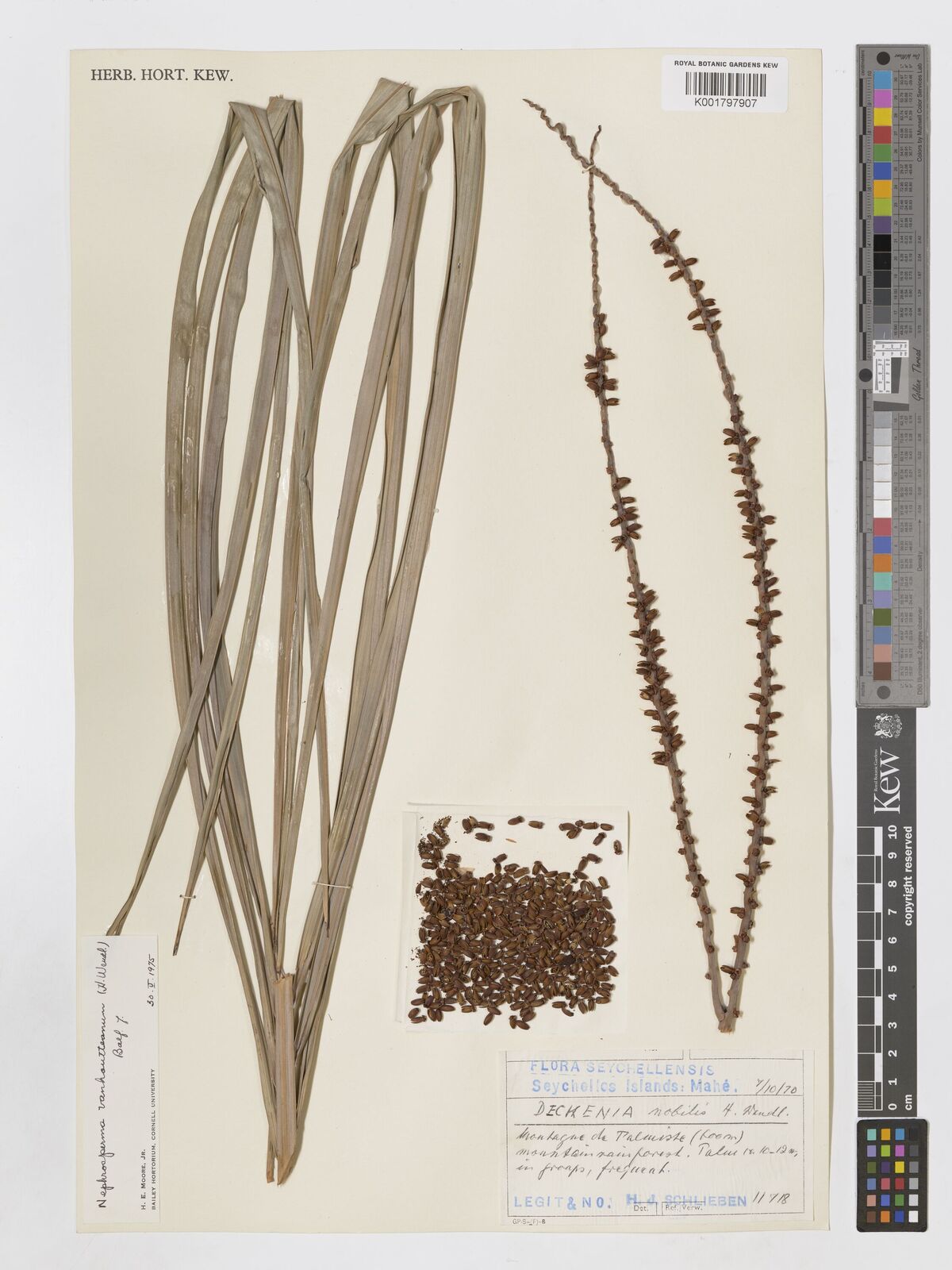
Nephrosperma
Nephrosperma vanhoutteanum is a species of palm tree, and the only species in the genus Nephrosperma. It is found only in Seychelles, where it is threatened by habitat loss.

Zombia
Zombia antillarum, commonly known as the zombie palm, is a species of palm tree and the only member of the genus Zombia. It is endemic to the island of Hispaniola (both the Dominican Republic and Haiti) in the Greater Antilles. Usually found in dry, hilly areas of northern and southern Haiti and the northwest of the Dominican Republic, Z. antillarum is a relatively short fan palm with clustered stems and a very distinctive appearance caused by its persistent spiny leaf sheaths. Threatened by habitat destruction in Haiti, Z. antillarum is a popular ornamental species due to its distin
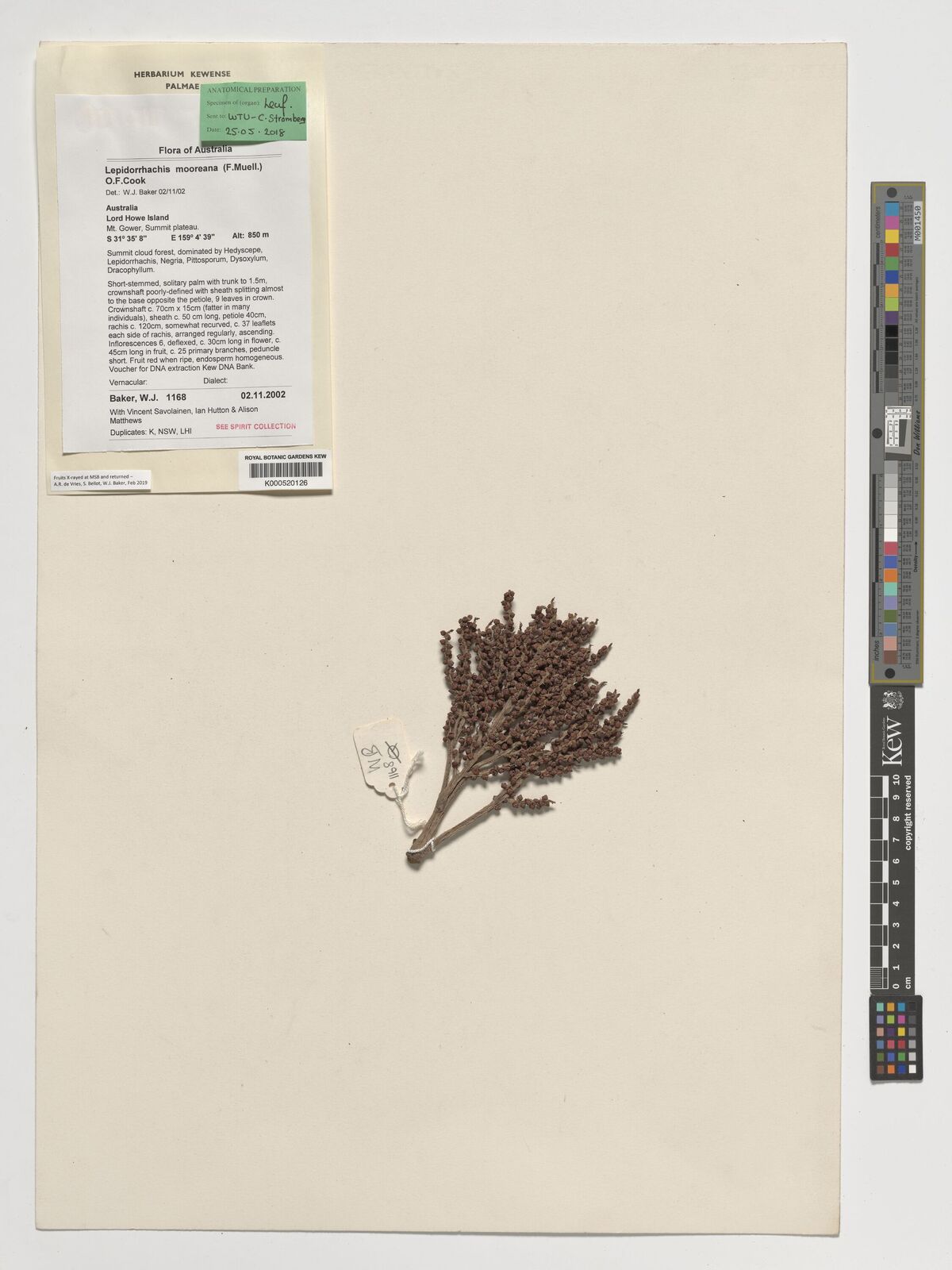
Lepidorrhachis mooreana
Lepidorrhachis is a monotypic genus of flowering plant in the palm family restricted to Lord Howe Island. The genus name for the single, monoecious species, Lepidorrhachis mooreana, comes from two Greek word meaning "scale" and "rachis", and the epithet honors Charles Moore, first director of the Sydney Botanical Gardens. The common name is Little Mountain Palm.

Eleiodoxa
Eleiodoxa is a monotypic genus of flowering plant in the palm family found in Southeast Asia. The only species, Eleiodoxa conferta, is a dioecious, swamp-dwelling plant, commonly called by Malay as asam kelubi or asam paya. While five species names have been published, the other four are usually recognized as synonyms of the lectotype E. conferta. The genus is named from two Greek words meaning "water" and "glory" and the species name is Latin for "congested", an allusion to the flower spike.
Jubaeopsis
Jubaeopsis afra, the Pondoland palm, is a flowering plant species in the palm family (Arecaceae). It belongs to the monotypic genus Jubaeopsis.
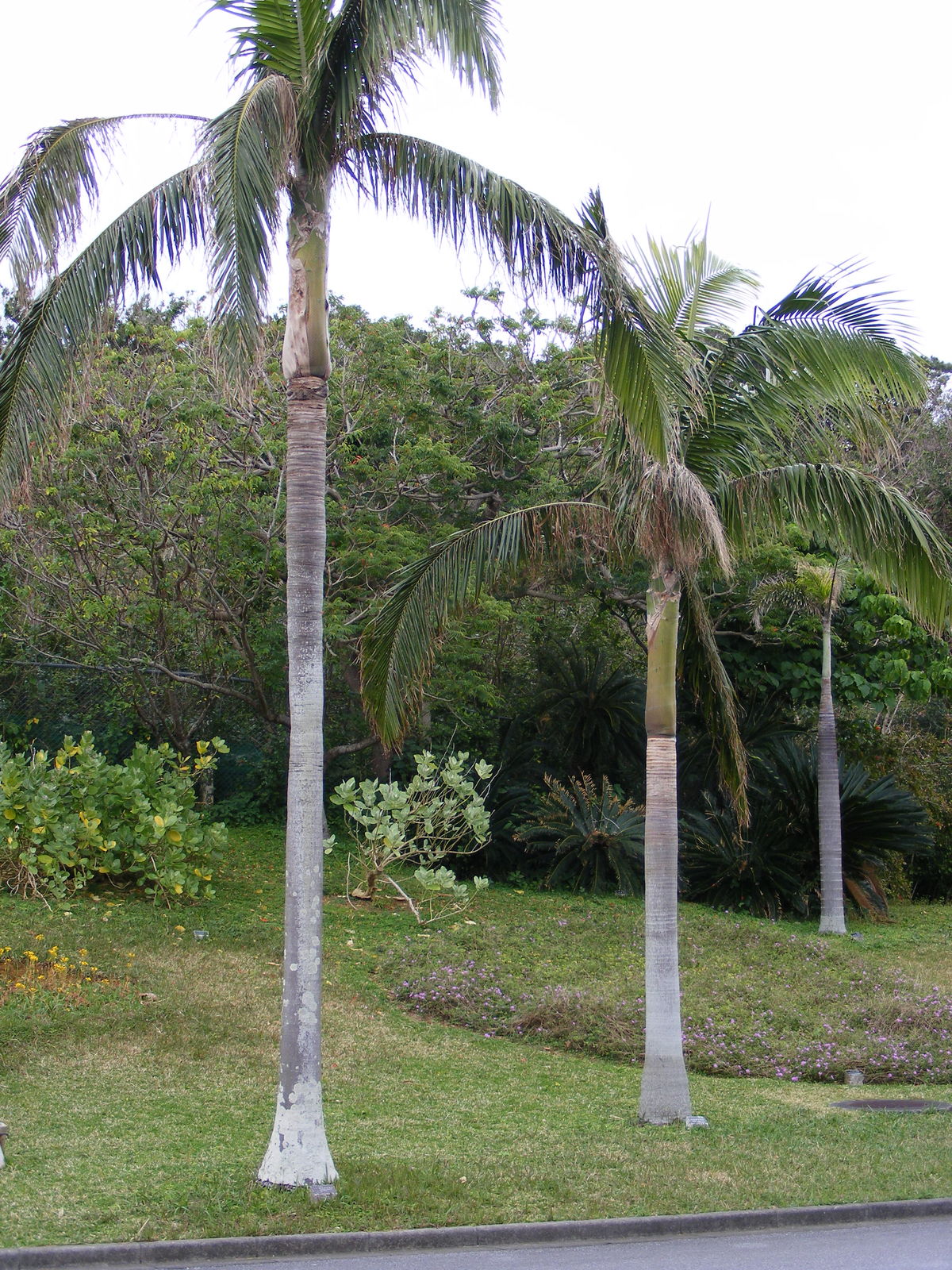
Satakentia
Satakentia liukiuensis (satake palm, yaeyama-yashi [Japanese ヤエヤマヤシ], satakentia palm, yaeyama palm), is a species of palm tree. They are endemic to Ishigaki Island and Iriomote Island in the Yaeyama Islands, the south-westernmost of the Ryukyu Islands, Japan. It is the only species in the genus Satakentia.
Palaeoraphe
Palaeoraphe is an extinct genus of palms, represented by one species, Palaeoraphe dominicana from early Miocene Burdigalian stage Dominican amber deposits on the island of Hispaniola, in the modern-day Dominican Republic.
==Discovery and naming==
The genus is known from a single, diameter, full flower. The holotype is currently deposited in the collections of the Oregon State University in Corvallis, Oregon, as number "Sd–9–158", where it was studied and described by Dr George Poinar. Dr Poinar published his 2002 type description for Palaeoraphe in the Botanical Journal of the Linnean Society
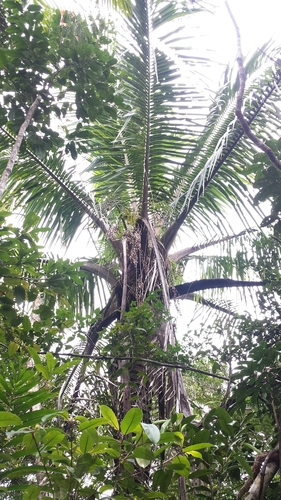
Voanioala
Voanioala gerardii, commonly known as the forest coconut, is a species of flowering plant in the family Arecaceae. It is a relative of the coconut, and is generally regarded as monotypic within the genus Voanioala. However, a team of geneticists headed by Bee F. Gunn found sufficient genetic variation within Voanioala to constitute at least two and possibly four cryptospecies. Voanioala is endemic to Madagascar, and is threatened by habitat loss. Voanioala is harvested for its edible seeds and palm heart. It is estimated that there are fewer than 15 mature trees remaining.
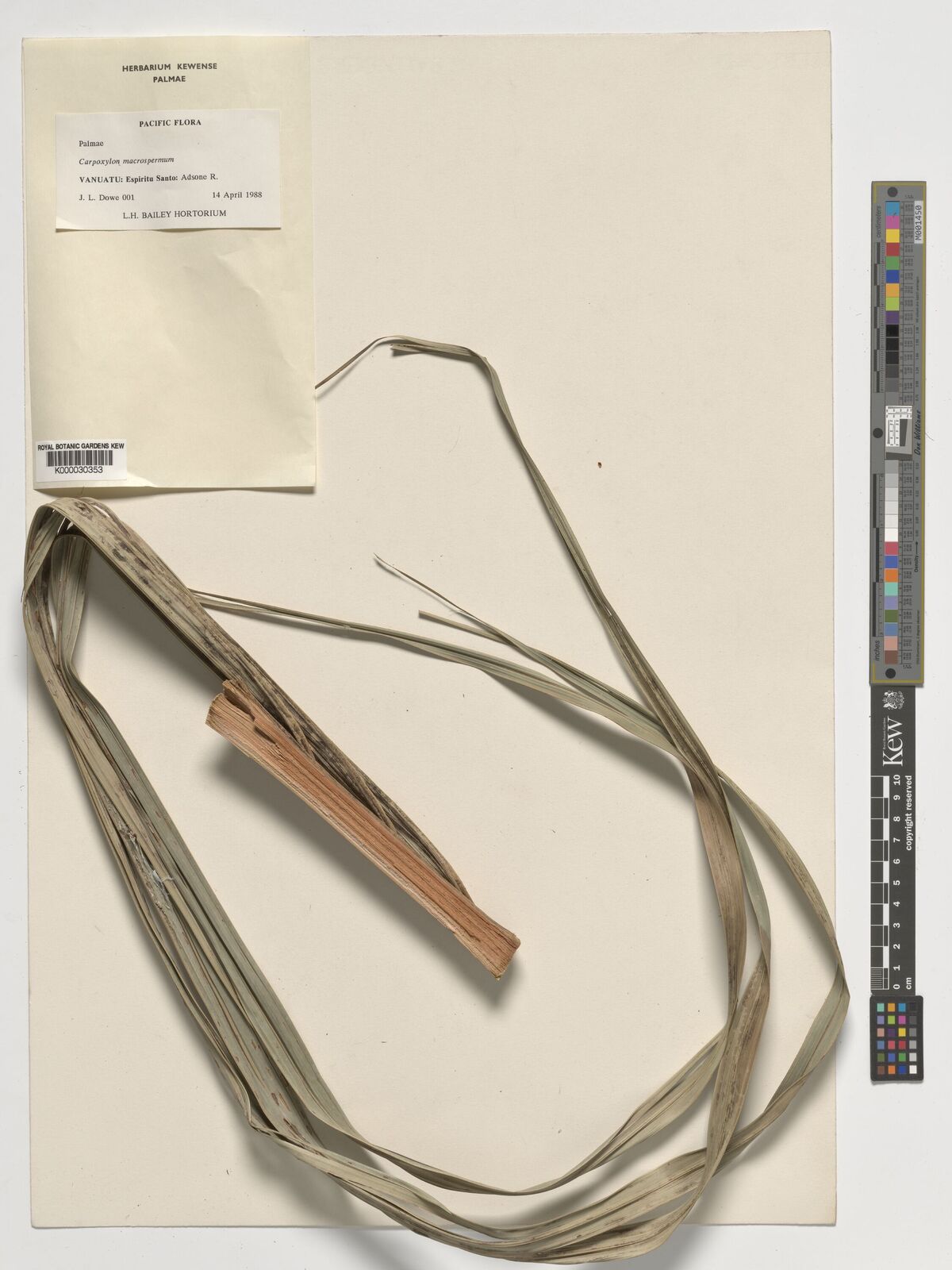
Carpoxylon
Carpoxylon macrospermum is a species of palm tree endemic to Vanuatu, and the only species in the genus Carpoxylon.
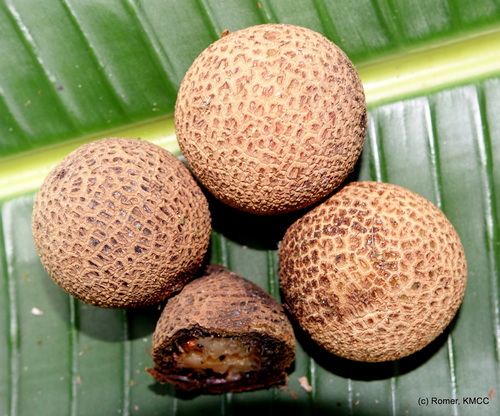
Lemurophoenix
Lemurophoenix halleuxii is a species of palm tree, the only species in the genus Lemurophoenix. It is found only in Madagascar. It is threatened by habitat loss and overcollection. There are perhaps 300 mature individuals remaining in the wild.
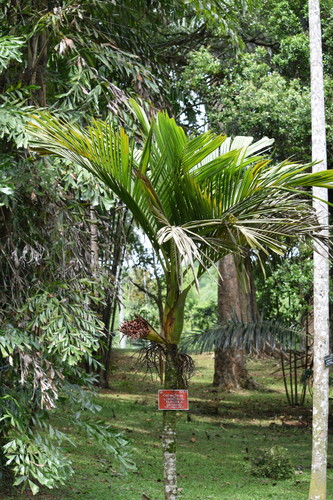
Loxococcus
alt=Endemic to Sri Lanka. In moist closed forest, commonly found in Rathnapura Kegalla Area|thumb|300px|Loxococcus rupicola (Dothalu/Lenthiri)
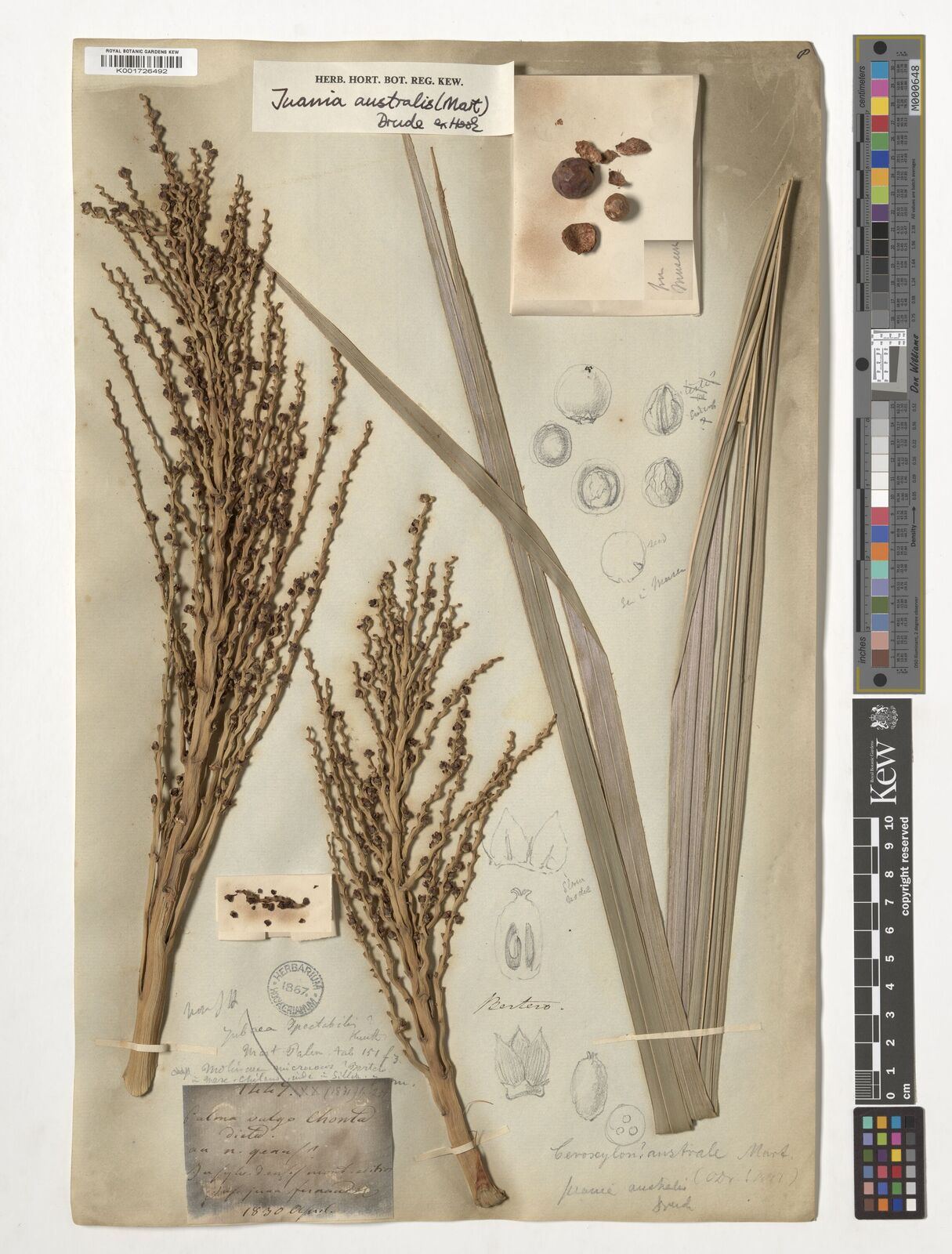
Juania
Juania australis, the Chonta palm, is a species of flowering plant in the family Arecaceae, the only species in the genus Juania. It is a solitary trunked palm tree which is endemic to the Juan Fernández Islands archipelago in the southeast Pacific Ocean west of Chile.
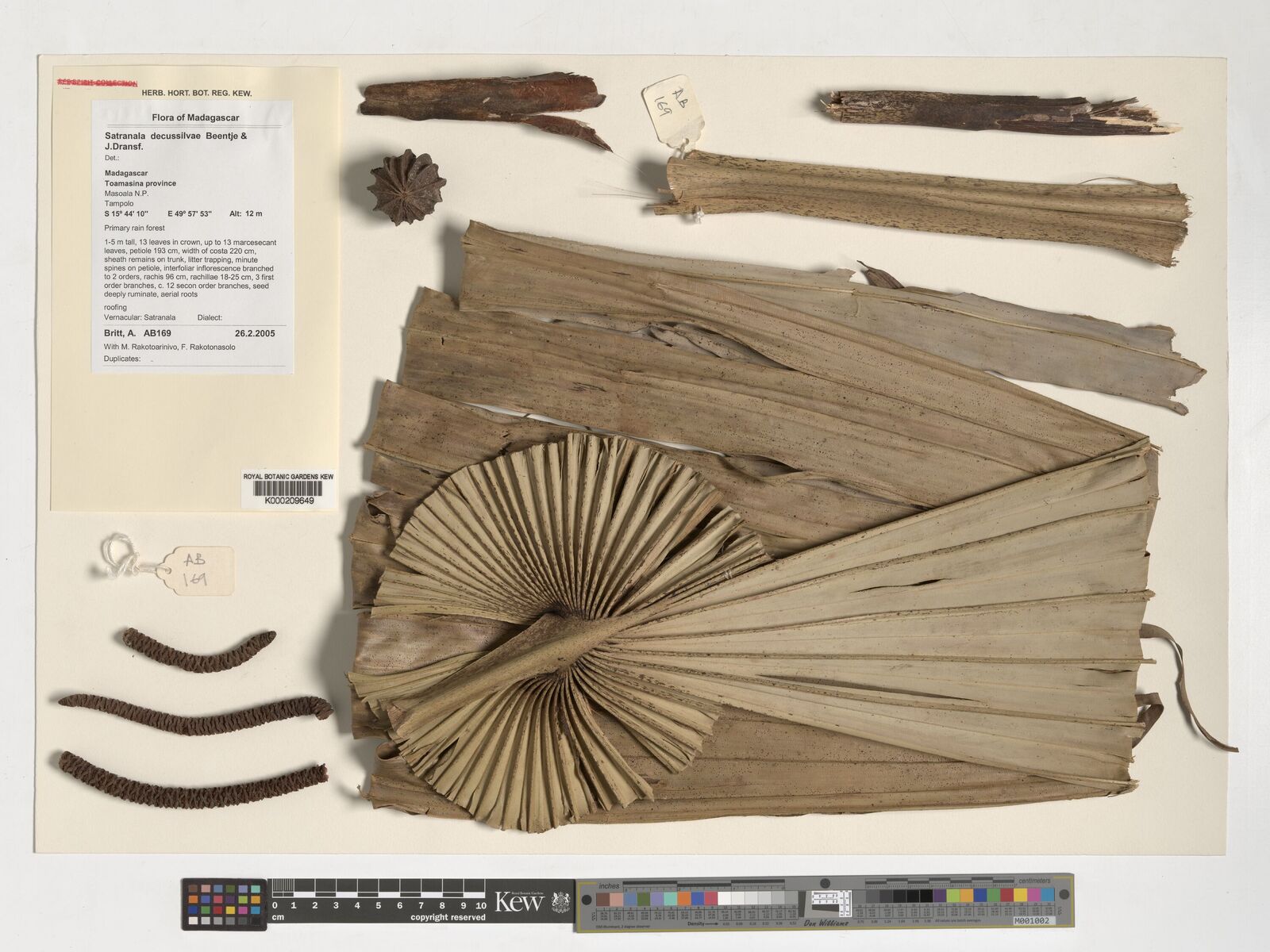
Satranala
Satranala decussilvae is a species of flowering plant in the Arecaceae family. It is a palm endemic to Madagascar. It is the only species in the genus Satranala, and is threatened by habitat loss. There are perhaps 200 mature individuals remaining.
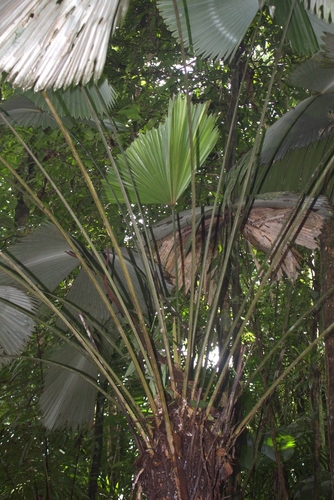
Sabinaria
Sabinaria magnifica is a species of palm tree and the only member of the genus Sabinaria. Native to the Darién Gap on the border between Colombia and Panama, it grows from tall with large, deeply-divided leaf blades. It has been described as "striking", "spectacular" and "beautiful" by taxonomists.
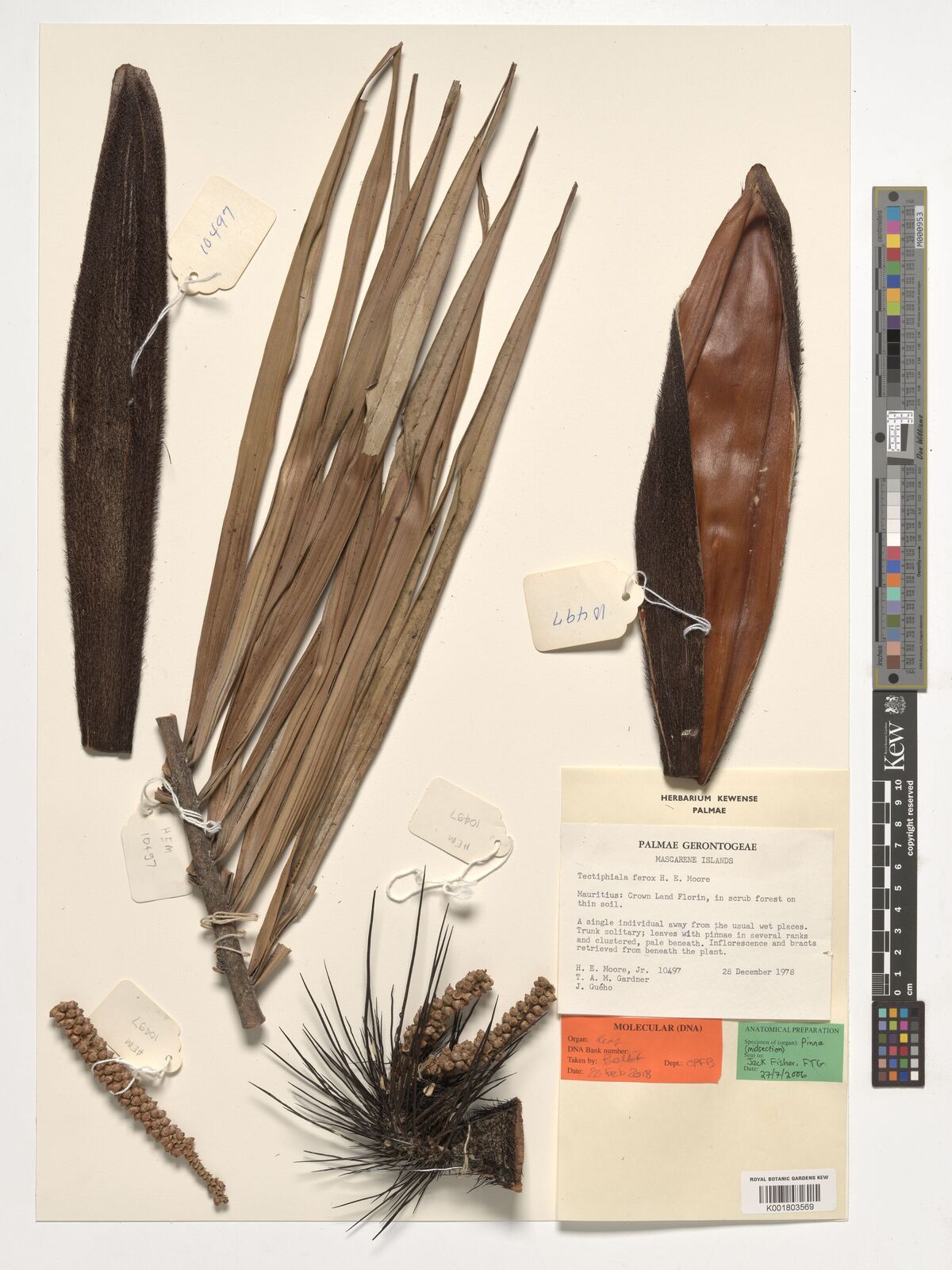
Tectiphiala
Tectiphiala ferox, or palmiste bouglé, is a species of flowering plant in the family Arecaceae. It is endemic to Mauritius.

Lodoicea
Lodoicea, commonly known as the sea coconut, coco de mer, or double coconut, is a monotypic genus in the palm family. The sole species, Lodoicea maldivica, is endemic to the islands of Praslin and Curieuse in the Seychelles, and was historically found on the neighboring small islets of St Pierre, Chauve-Souris, and Ile Ronde. The species has the largest seed in the plant kingdom.
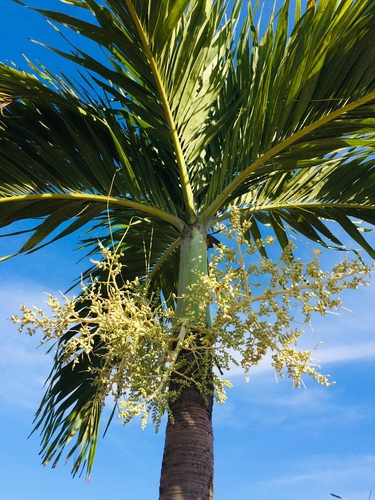
Normanbya
Normanbya is a genus of palm trees containing the sole species Normanbya normanbyi, known by the common name black palm. It is endemic to Queensland, Australia and is threatened by habitat destruction.
Leucothrinax
Leucothrinax morrisii, the Key thatch palm, is a small palm which is native to the Greater Antilles (except Jamaica), northern Lesser Antilles, The Bahamas and Florida and the Florida Keys in the United States.