Category
page 1NEC PC-8801 games

Tetris
Tetris () is a puzzle video game created by Alexey Pajitnov, a Soviet software engineer, in the mid-1980s. In Tetris, falling pieces consisting of four connected blocks, known as tetrominoes, must be sorted into a pile. Once a horizontal line of the playfield is filled with blocks, the line disappears, granting points and preventing the pile from reaching the top. This gameplay has been used in approximately 220 versions across at least 70 platforms. Newer versions frequently add game mechanics, some of which have become standard. , Tetris is the second-best-selling video game series, with ove

Super Mario Bros.
1985 platform video game
.png)
Pac-Man
Pac-Man, originally titled in Japan, is a 1980 maze video game developed and published by Namco for arcades. It was released in Japan on May 22, 1980 and by Midway Manufacturing in North America in August 1980. The player controls Pac-Man, who must eat all the dots inside an enclosed maze while avoiding four colored ghosts. Eating large flashing dots called "Power Pellets" causes the ghosts to temporarily turn blue and vulnerable, allowing Pac-Man to eat the ghosts for bonus points.
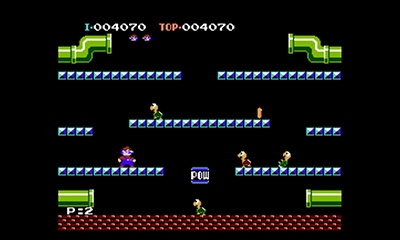
Mario Bros.
1983 arcade game

Sokoban
is a puzzle video game created in 1981 by Hiroyuki Imabayashi. In Sokoban, the player pushes boxes in a warehouse to get them onto storage locations. The game is viewed from a top-down perspective. Boxes can only be pushed, never pulled, and only one box can be pushed at a time. The principal challenge is planning moves correctly to avoid causing a deadlock, a situation where a box or the player becomes permanently trapped, making the puzzle unsolvable.

Arkanoid
is a 1986 block breaker video game developed and published by Taito for Japanese arcades; in North America, it was published by Romstar. Controlling a paddle-like craft known as the Vaus, the player is tasked with clearing a formation of colorful blocks by deflecting a ball towards it without letting the ball leave the bottom edge of the playfield. Some blocks contain power-ups that have various effects, such as increasing the length of the Vaus, creating several additional balls, or equipping the Vaus with cannons. Other blocks may be indestructible or require multiple hits to break.
Q55532
1984 video game
%20screenshot.png)
Excitebike
is a 1984 racing video game developed and published by Nintendo for the Nintendo Entertainment System. It was ported to arcades for the Nintendo VS. System later that year and Famicom Disk System in 1988. In North America, it became one of the best-selling games on the console. It was the first game in the Excite series.
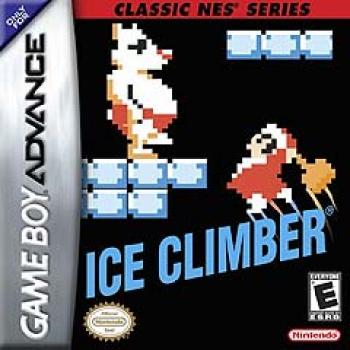
Ice Climber
1985 video game developed by Nintendo

Galaxian
is a 1979 fixed shooter video game developed and published by Namco for arcades. The player assumes control of the Galaxip starfighter in its mission to protect Earth from waves of aliens. Gameplay involves destroying each formation of aliens, who dive down towards the player in an attempt to hit them.
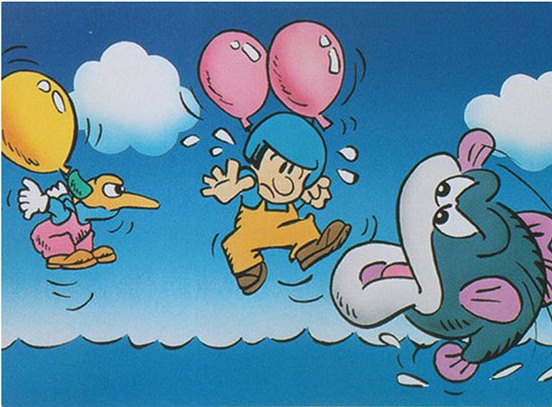
Balloon Fight
1984 video game
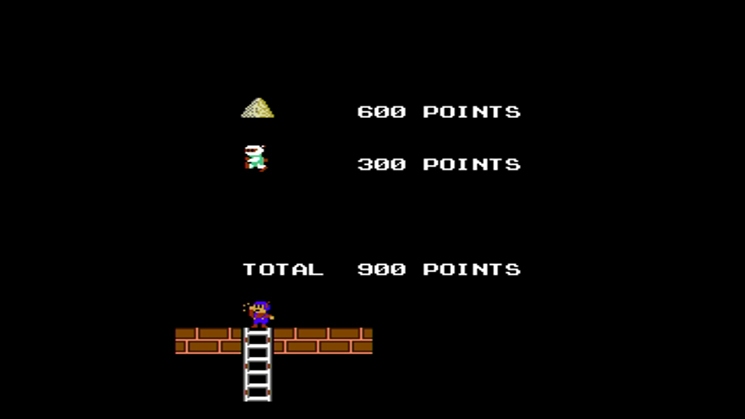
Lode Runner
1983 video game
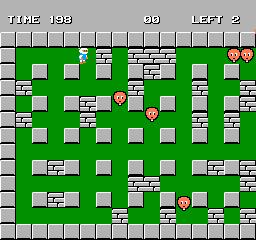
Bomberman
1983 video game
Boulder Dash
1984 video game
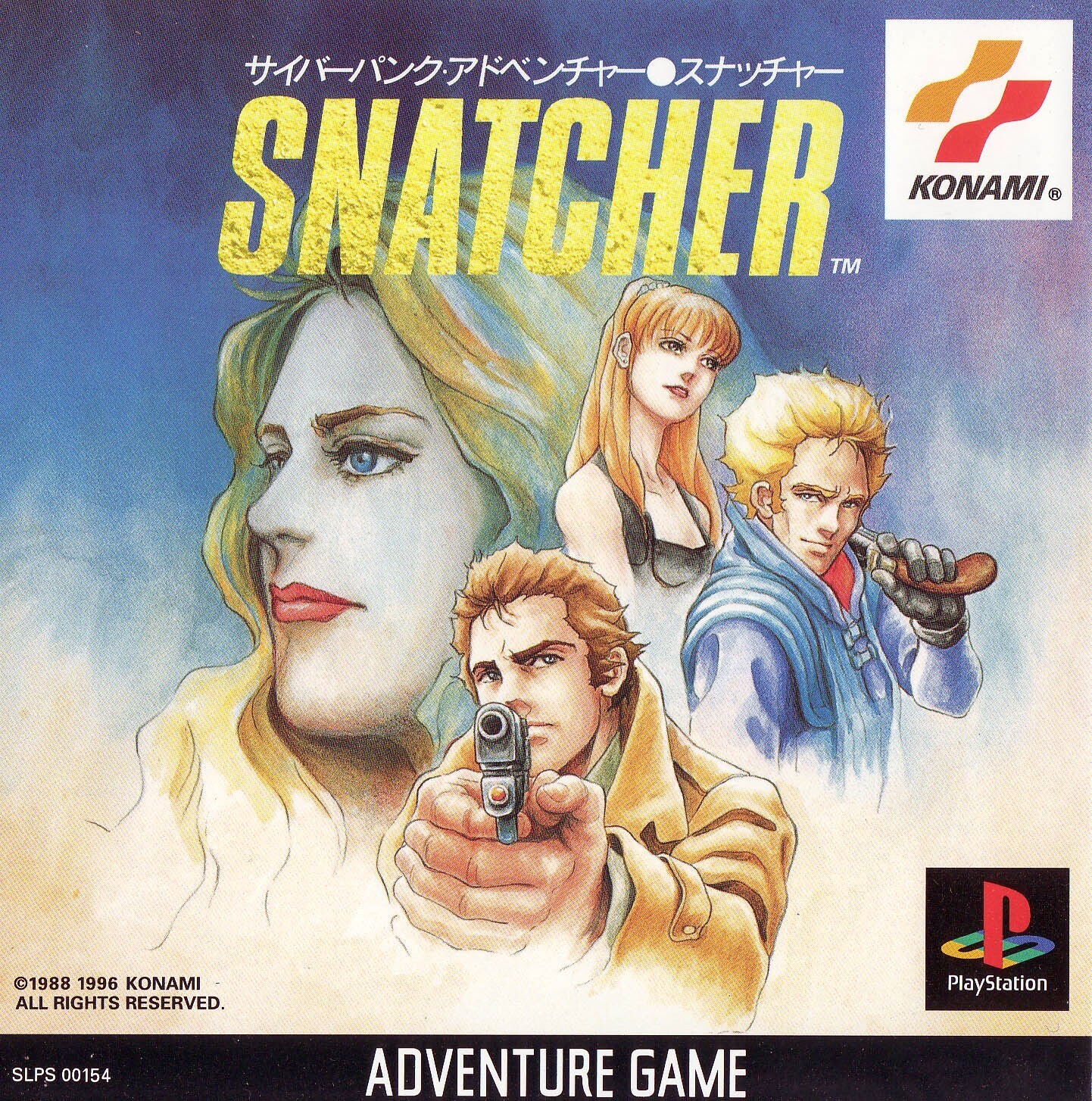
Snatcher
1988 adventure game
Out Run
1986 video game
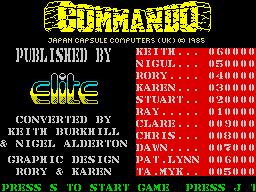
Commando
1985 video game
Ghosts 'n Goblins
1985 video game
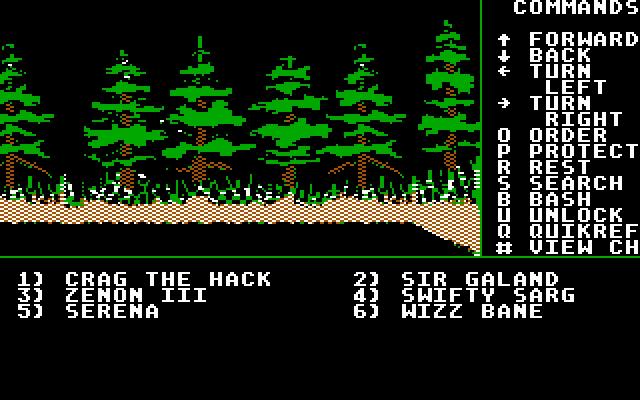
Might and Magic Book One: The Secret of the Inner Sanctum
1986 video game

Mystery House
1980 video game

Hang-On
is a 1985 racing video game developed and published by Sega for arcades. In the game, the player controls a motorcycle against time and other computer-controlled bikes. It was one of the first arcade games to use 16-bit graphics and uses the Super Scaler arcade system board, created with design input from Yu Suzuki, as technology to simulate 3D effects. The deluxe cabinet version also introduced a motion-controlled arcade cabinet, where the player's body movement on a large motorbike-shaped cabinet corresponds with the player character's movements on screen.
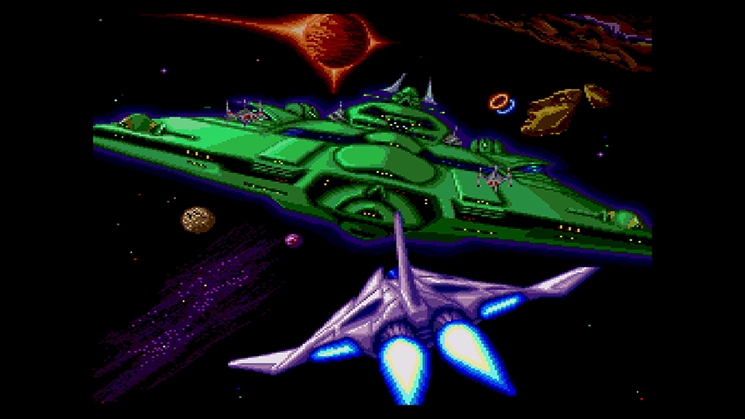
Gradius
1985 arcade game

R-Type
is a 1987 horizontally scrolling shooter video game developed and published by Irem for arcades. The player controls the R-9 "Arrowhead" starship in its efforts to destroy the Bydo, a powerful alien race bent on wiping out all of mankind. The R-9 can acquire a glowing orb called a "Force", giving limited protection from enemy fire and providing additional firepower.
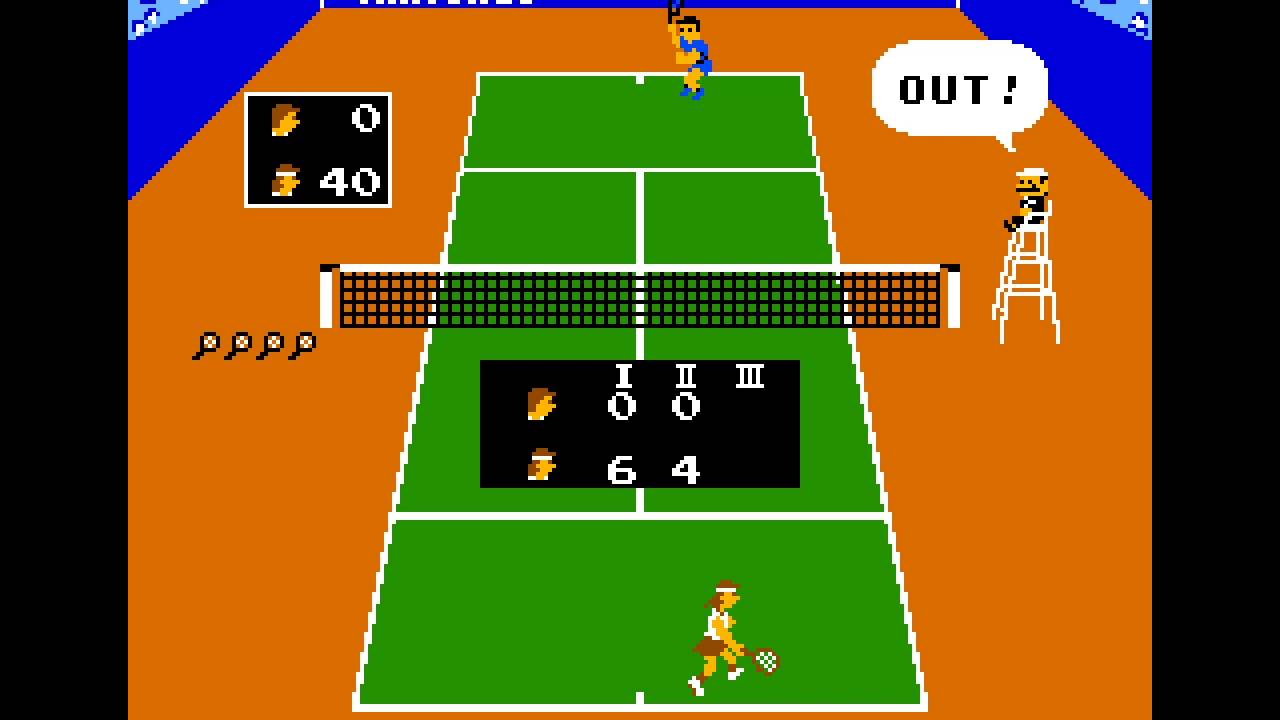
Tennis
1984 sports video game
Ultima I: The First Age of Darkness
1981 computer game

Mappy
is a 1983 platform video game developed and published by Namco for arcades. It was released in Japan in March 1983 and in North America by Bally Midway in April 1983. It runs on Namco's Super Pac-Man hardware modified to support horizontal scrolling. The name "Mappy" is likely derived from , a slightly pejorative Japanese slang term for policeman. The game has been re-released in several Namco arcade compilations. It spawned a handful of sequels and a 2013 animated web series developed by cartoonists Scott Kurtz and Kris Straub.

M.U.L.E.
M.U.L.E. is a 1983 strategy video game written for Atari 8-bit computers by Ozark Softscape. Designer Danielle Bunten Berry (credited as Dan Bunten) takes advantage of the four joystick ports of the Atari 400 and 800 to allow four-player simultaneous play. Published in 1983, M.U.L.E. was one of the first five games from Electronic Arts, alongside Axis Assassin, Archon: The Light and the Dark, Worms?, and Hard Hat Mack. M.U.L.E. is primarily a turn-based strategy game, but also incorporates real-time elements where players compete directly, as well as aspects that simulate economics.

Elevator Action
1983 arcade game
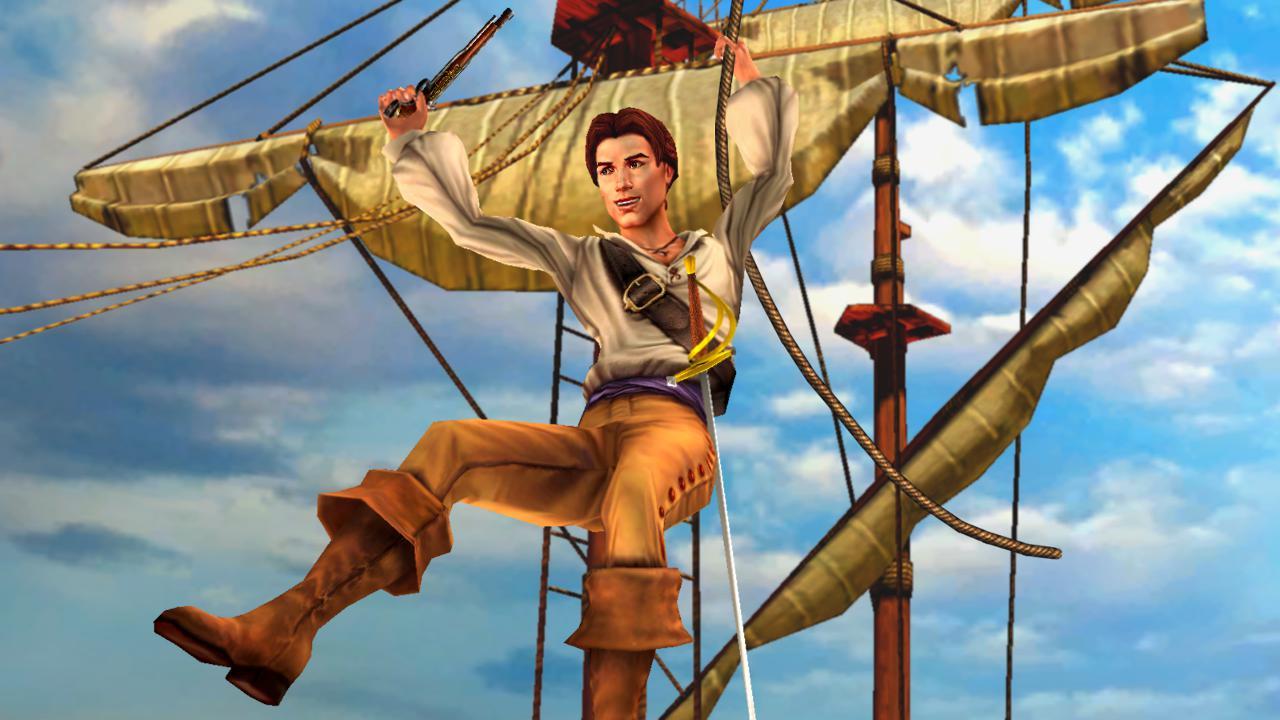
Sid Meier's Pirates!
1987 video game
Golf
1984 sports video game
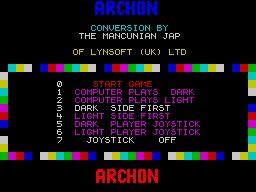
Archon: The Light and the Dark
1983 video game
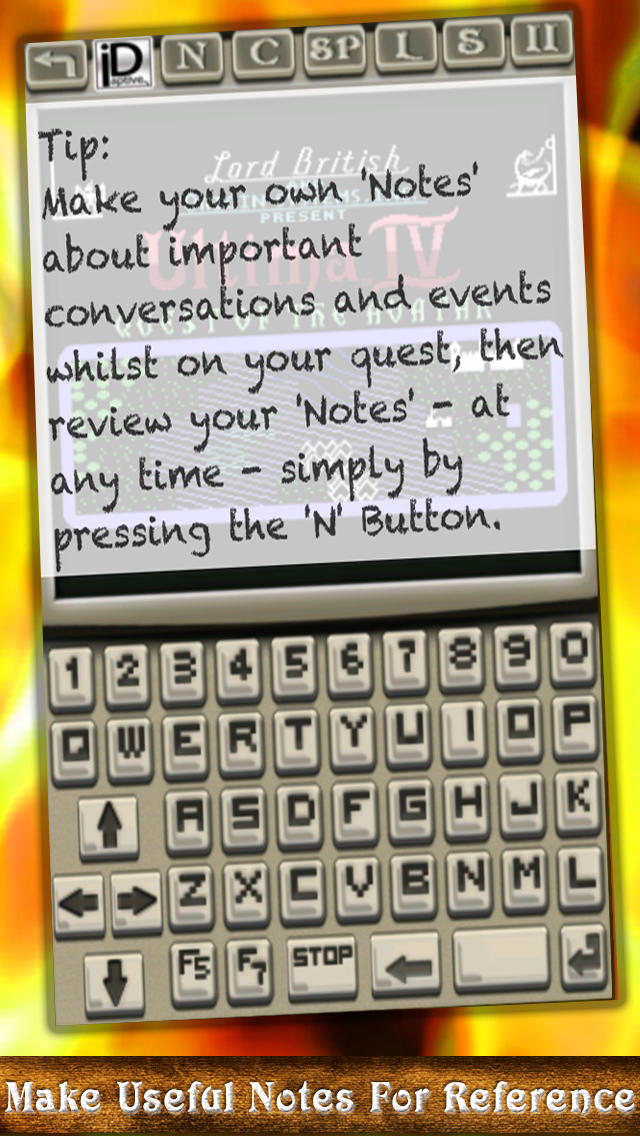
Ultima IV: Quest of the Avatar
1985 video game
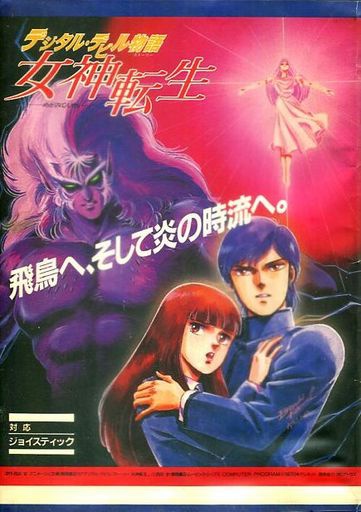
Digital Devil Story: Megami Tensei
1987 video game published by Namco
Q738698
1984 platform arcade video game
Ultima II: The Revenge of the Enchantress
1982 video game
Wizardry: Proving Grounds of the Mad Overlord
1981 video game
Choplifter
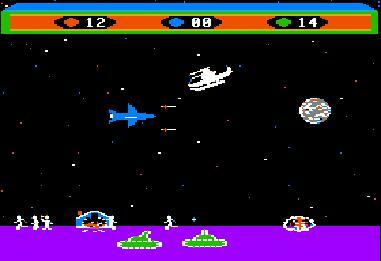
Choplifter (stylized as Choplifter!) is a 1982 horizontally scrolling shooter video game developed by Dan Gorlin and published by Broderbund for the Apple II. It was ported to the Atari 8-bit computers the same year, and later to the VIC-20, Commodore 64, Atari 5200, ColecoVision, MSX, and Thomson computers. In 1985, Sega released a remake for arcades, with subsequent ports published for the Master System and Famicom in 1986. Graphically enhanced versions for the Atari 8-bit computers and the Atari 7800 were also released in 1988 by Atari Corporation.
The Bard's Tale
1985 role-playing video game
Columns
1990 match-three puzzle video game
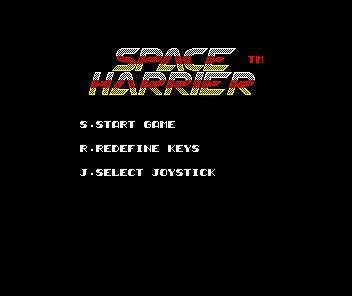
Space Harrier
1985 video game
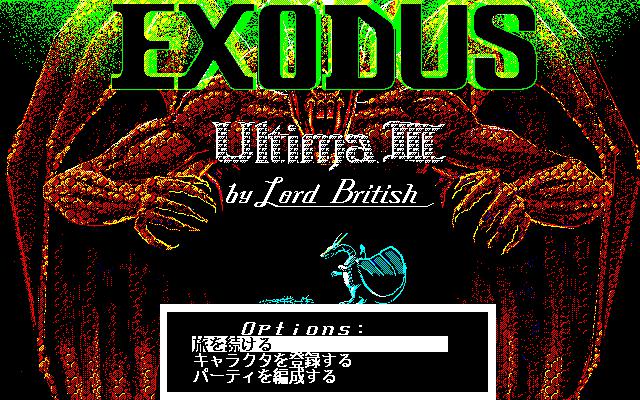
Ultima III: Exodus
1983 video game
Wizardry II: The Knight of Diamonds
1982 video game
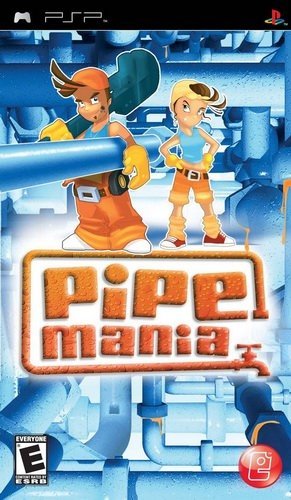
Pipe Mania
1989 video game
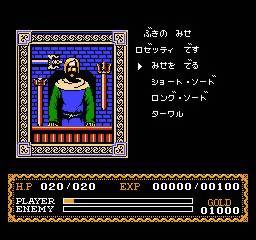
Ys I: Ancient Ys Vanished
1987 video game
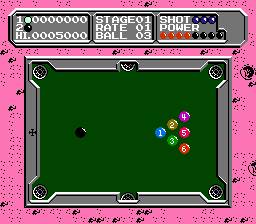
Lunar Pool
1985 sports video game

Flicky
is a platform game developed by Sega and released as an arcade video game in May 1984. It was licensed to Bally Midway for distribution in the United States. In Flicky, the player controls the eponymous blue bird and must gather all the small birds called Chirps in each round and bring them safely to the exit. There are cat and lizard enemies which can disperse the Chirps and kill the player, but Flicky can use items on the playing field to protect herself and the Chirps from danger.
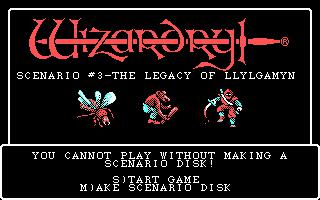
Wizardry III: Legacy of Llylgamyn
1983 video game
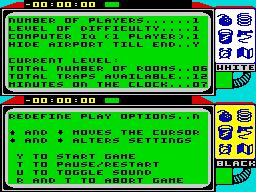
Spy vs. Spy
1984 video game
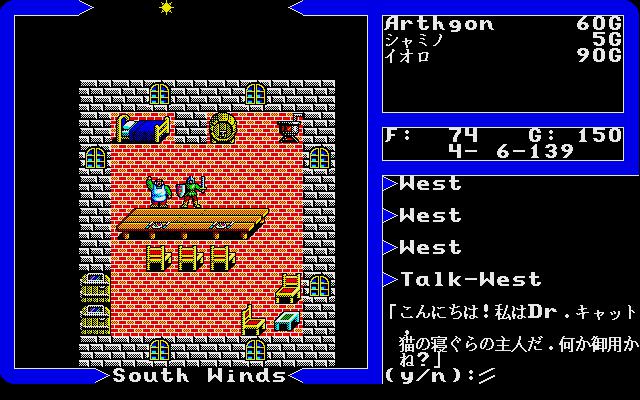
Ultima V: Warriors of Destiny
1988 video game
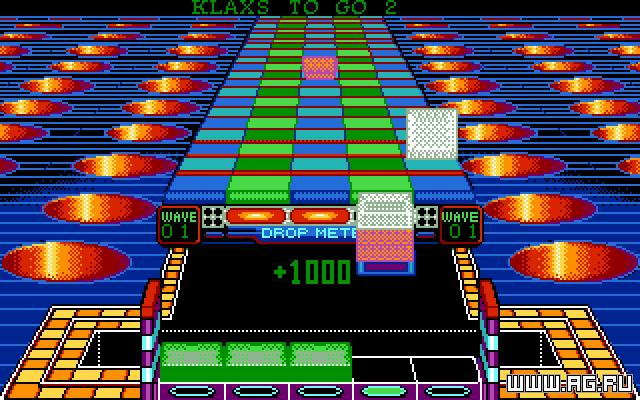
Klax
1989 video game

Hillsfar
Hillsfar is a role-playing video game for MS-DOS compatible operating systems, Amiga, Atari ST, and Commodore 64. It was developed by Westwood Associates and published by Strategic Simulations in 1989. It combines real-time action with randomly generated quests and includes elements of the Advanced Dungeons & Dragons fantasy role-playing game. A port to the Nintendo Entertainment System was released in 1993. Hillsfar received mixed reviews from critics.
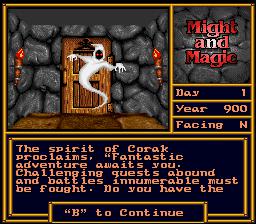
Might and Magic II: Gates to Another World
1988 video game

Genghis Khan
1987 video game

Chack'n Pop
1983 video game

The Goonies
1986 platform video game
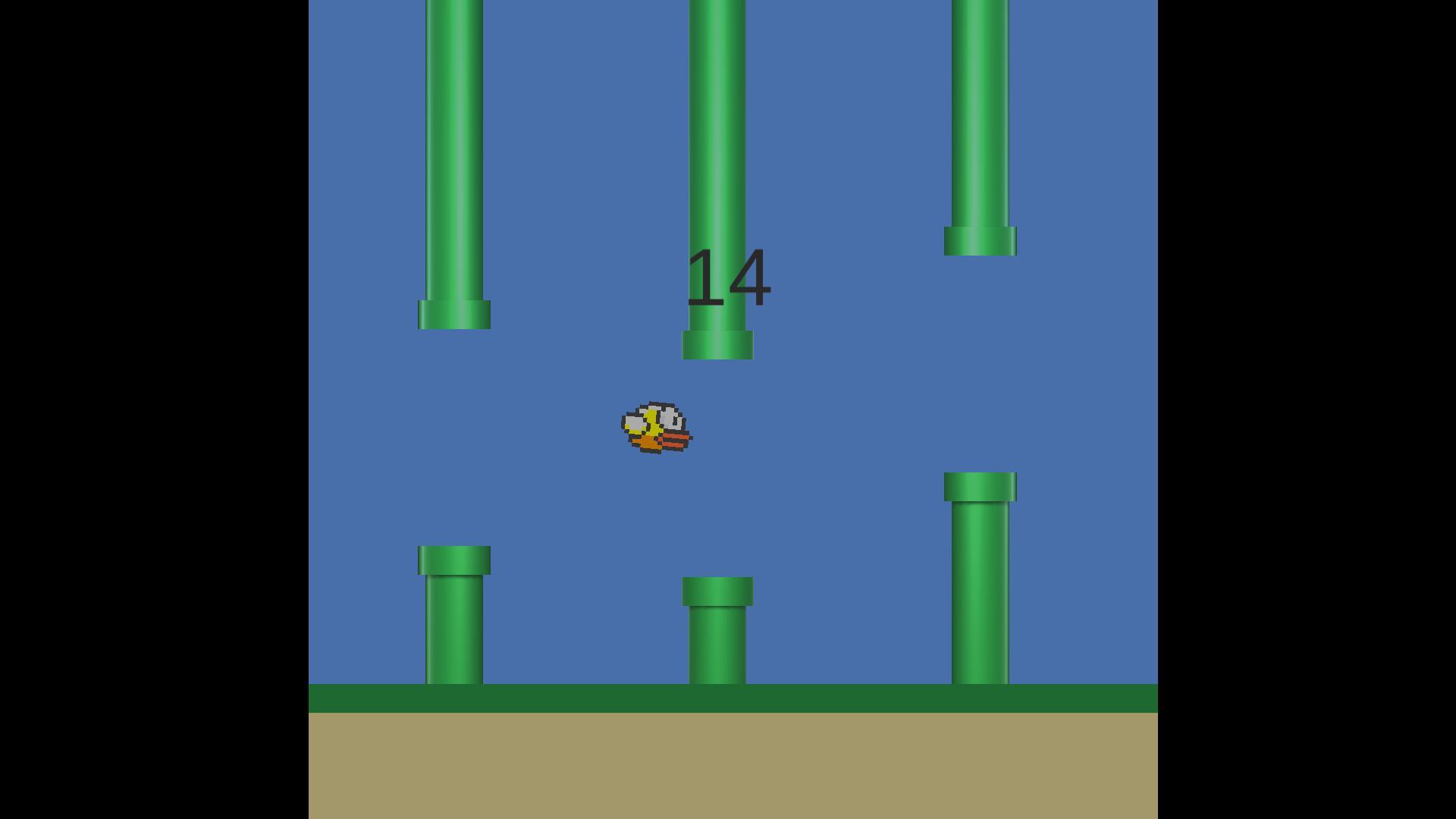
Flappy
is a puzzle video game by dB-Soft in the same vein as the Eggerland series and Sokoban that is obscure outside Japan. It stars Flappy, a somewhat mole-like character who must complete each level by pushing a blue stone from its starting place to the blue tile destination.

Thexder
is a run and gun video game from Game Arts, originally released for the NEC PC-8801 in 1985. It was ported to many systems, including the Famicom, MSX, Apple II, and MS-DOS. It was a commercial success, selling over one million units worldwide.
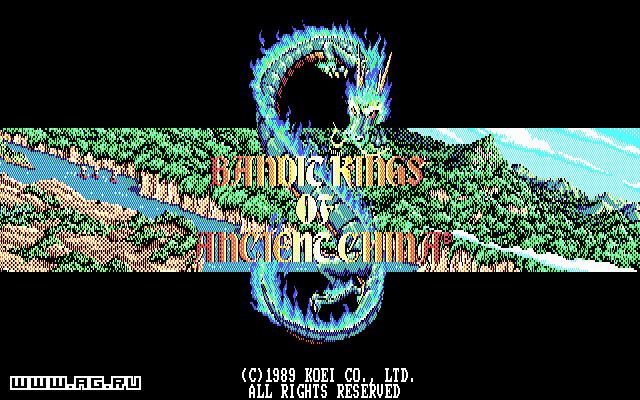
Bandit Kings of Ancient China
1989 video game
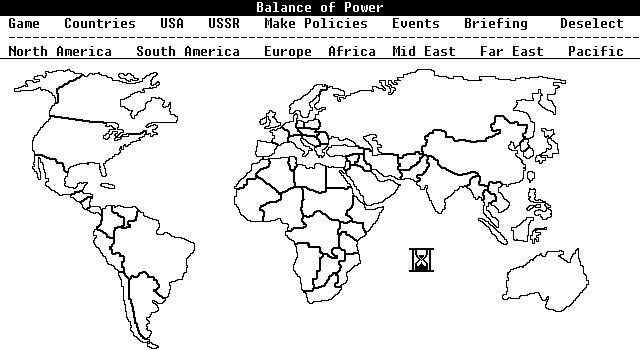
Balance of Power
1985 video game
Little Computer People
1985 video game