Category
page 1Paleotropical flora

Cicer
Cicer is a genus of the legume family, Fabaceae, and the only genus found in tribe Cicereae. It is included within the IRLC, and its native distribution is across the Middle East and Asia. Its best-known and only domesticated member is Cicer arietinum, the chickpea.

Abelmoschus
Abelmoschus is a genus of about fifteen species of flowering plants in the family Malvaceae, native to tropical Africa, Asia and northern Australia. It was formerly included within Hibiscus, but is now classified as a distinct genus. The genus name derives from Arabic meaning 'father of musk' or 'source of musk' referring to the scented seeds.

Malesia
thumb|upright=1.2|Map 1: A very broad definition of Malesia includes both the World Geographical Scheme for Recording Plant Distributions's Malesia (green) and most of its Papuasia (orange).
Malesia is a biogeographical region straddling the Equator and the boundaries of the Indomalayan and Australasian realms. It is a phytogeographical floristic region in the Paleotropical kingdom. It was first recognized as a distinct region in 1857 by Heinrich Zollinger, a Swiss botanist and explorer. The precise boundaries used to define Malesia vary. The broadly defined area used in Flora Malesiana consis

Ochna
Ochna is a genus comprising 79 species of evergreen trees, shrubs and shrublets belonging to the flowering plant family Ochnaceae. These species are native to tropical woodlands of Africa, Madagascar, the Mascarenes and Asia. Species of this genus are usually called ochnas, '''bird's-eye bushes or Mickey-mouse plants', a name derived from the shape of the drupelet fruit. The name of this genus comes from the Greek word ὄχνη (ókhnē), used by Theocritus and meaning "wild pear", as the leaves are similar in appearance. Some species, including Ochna integerrima (yellow Mai flower) and O. serrulata

Acanthophippium
Acanthophippium is a genus of orchid with thirteen species (family Orchidaceae). The name of this genus is derived from the Greek words acanthos ("spiny") and ephippion ("saddle"), referring to the saddle-like labellum of the plants.

Afzelia
Afzelia is a genus of plants in family Fabaceae. The thirteen species all are trees, native to tropical Africa or Asia.

Onosma
Onosma is a genus of flowering plants in the family Boraginaceae. They are native to the Mediterranean and western Asia. They grow in dry, sunny habitats with rocky, sandy substrates. Some are popular as rock garden plants.
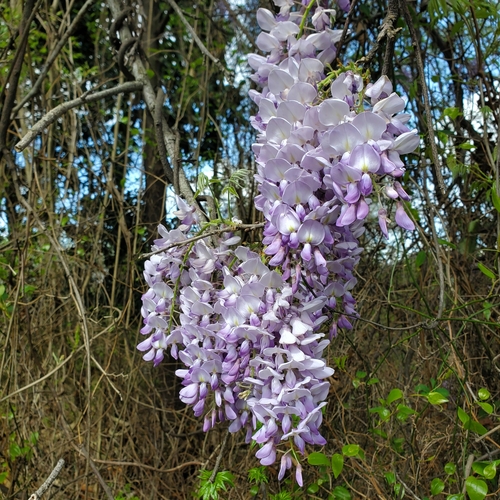
Millettia
Millettia is a genus of flowering plants in the family Fabaceae. It consists of about 169 species of shrubs, lianas or trees, which are native to tropical and subtropical regions of sub-Saharan Africa, the Indian subcontinent, Indochina, southern China, Malesia, and New Guinea. Typical habitats include tropical rain forest and seasonally-dry lowland and upland forest and forest margins, woodland, thicket, wooded grassland, and secondary vegetation.

Platycerium bifurcatum
species of fern in the family Polypodiaceae

Sambucus javanica
species of plant

Mimusops
Mimusops is a genus of plants in the family Sapotaceae, described as a genus by Linnaeus in 1753.

Hypoestes
Hypoestes is a flowering plant genus of about 150 species. They are widely distributed throughout the tropical and subtropical lands around the Indian Ocean, and some adjacent regions.
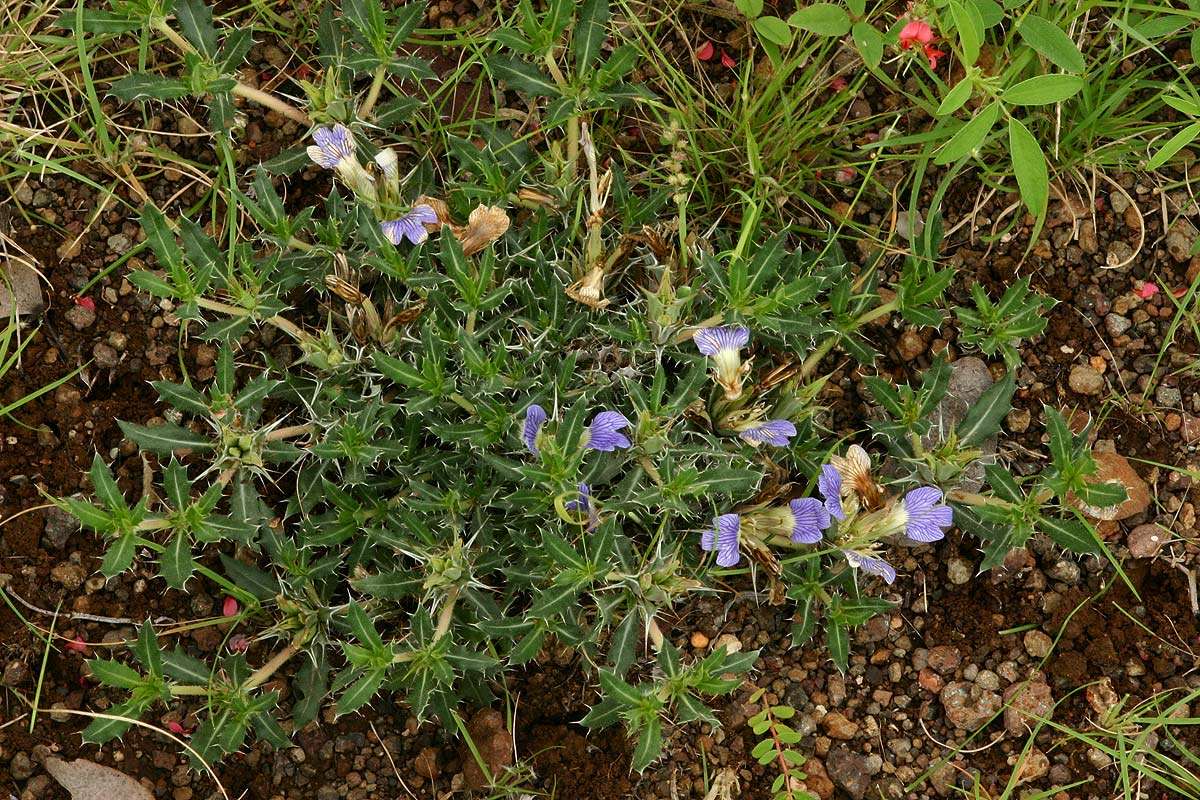
Blepharis
Blepharis is a genus of plant in family Acanthaceae. It contains around 128 species found in seasonally dry to arid habitats from Africa through Arabia to Southeast Asia. In section Acanthodium, there are 13–15 species that use the carbon fixation pathway. Phylogenetic analysis suggests that this pathway evolved up to three times independently in the genus over the last five million years.

Maesa
thumb|right|Maesa indica
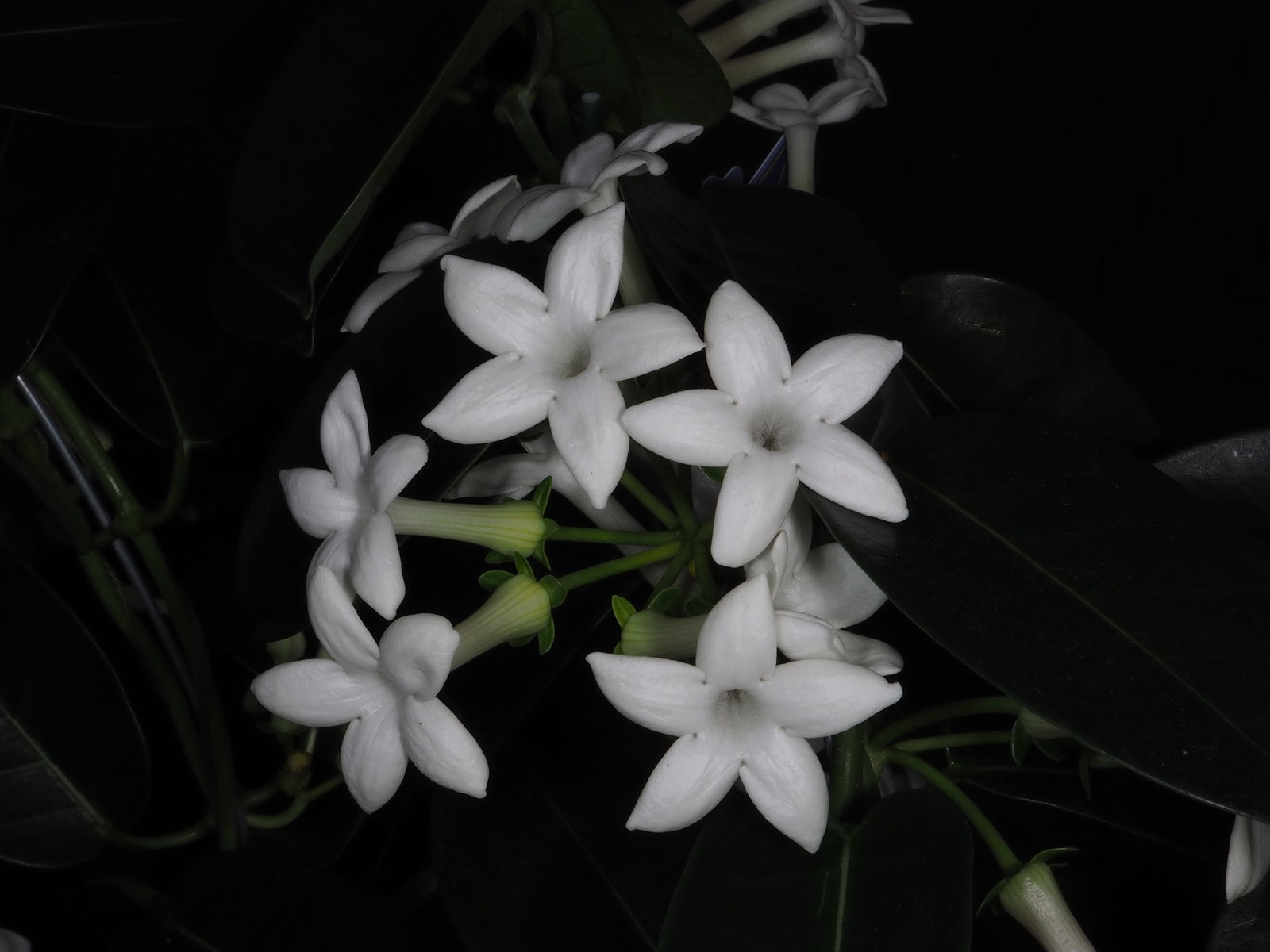
Stephanotis
Stephanotis is a genus of flowering plants first described in 1806. The name derives from the Greek στεφανωτής (stephanōtís) meaning, by sense, “fit for a crown”—from στέφανος (stéphanos), “crown”. It contains evergreen, woody-stemmed lianas with a scattered distribution in several tropical and subtropical regions.
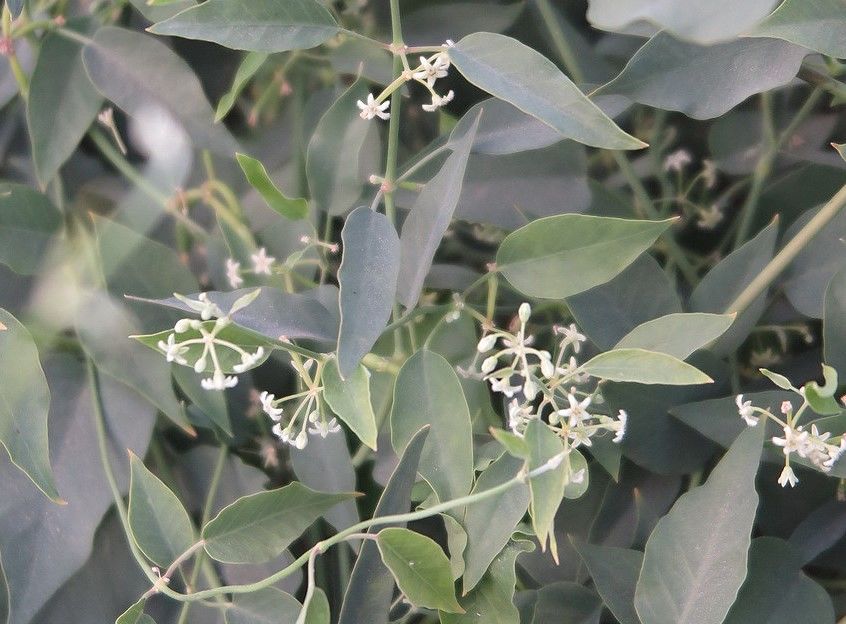
Leptadenia
Leptadenia is a genus of plants in the family Apocynaceae, first described as a genus in 1810. It is native to Africa, including Madagascar, as well as southwest Asia, the Indian subcontinent, and Indochina.
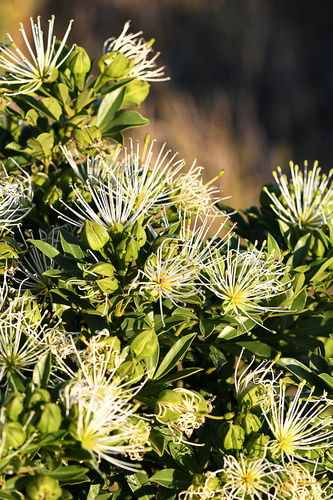
Maerua
Maerua is a genus of flowering plants in the family Capparaceae. It includes 70 species of shrubs and small trees with its centre of diversity in Africa, though some species extend their range as far north as the Levant, and as far east as the Indian subcontinent and mainland Southeast Asia.
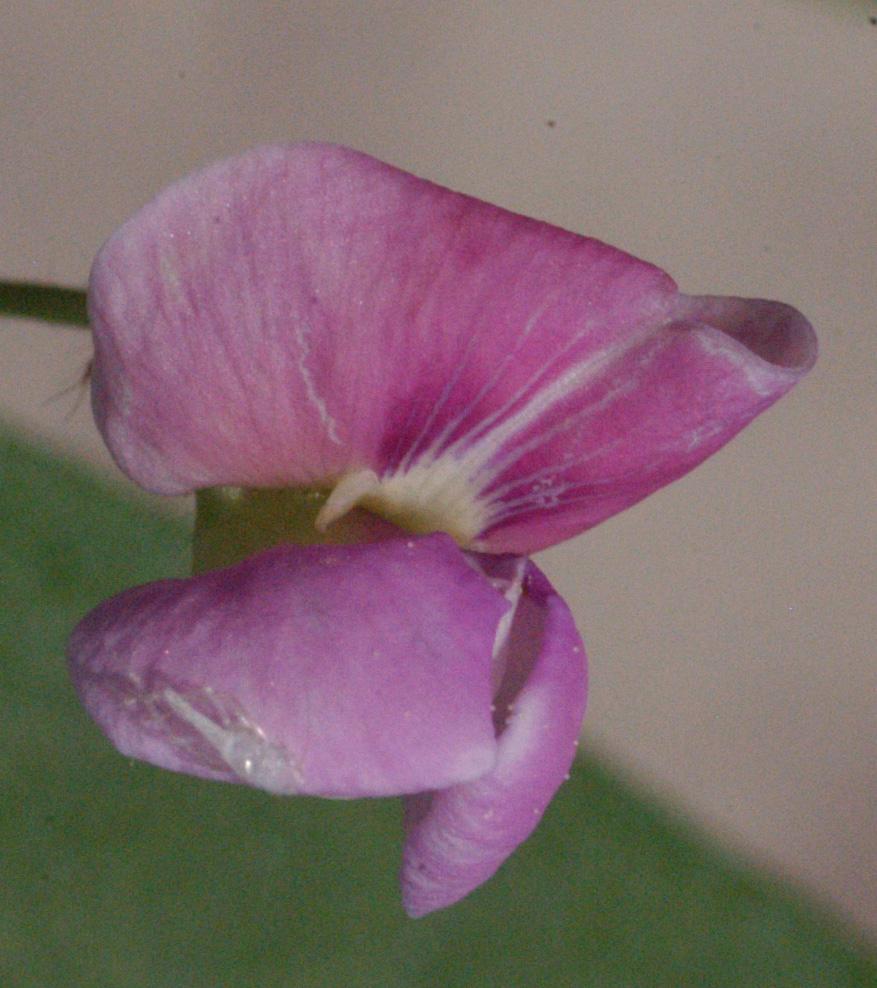
Dolichos
genus of plants
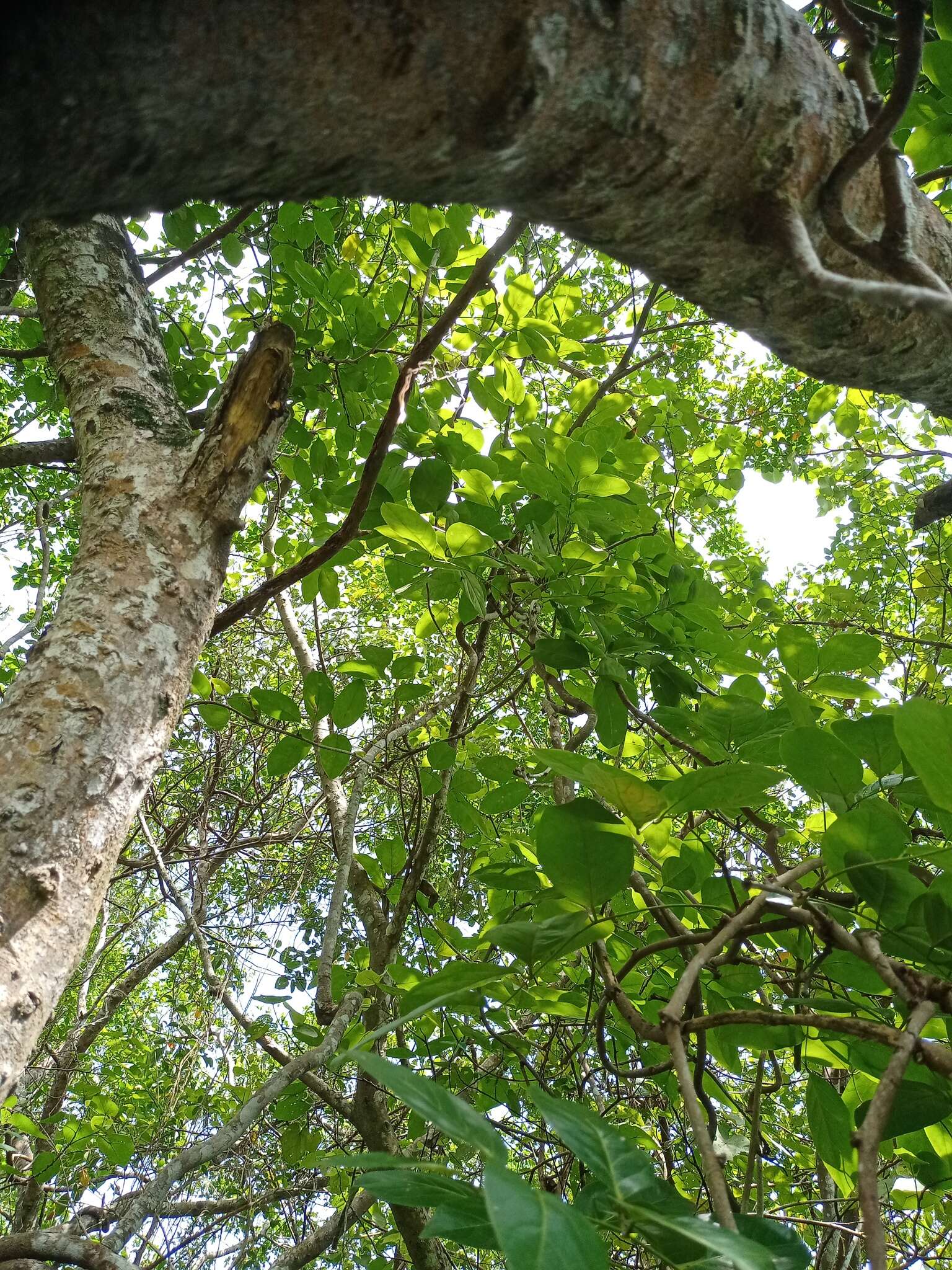
Aganope
Aganope is a genus of flowering plants in the family Fabaceae. It belongs to the subfamily Faboideae. The genus contains 11 species, which range across sub-Saharan Africa, south and southeast Asia, and New Guinea.

Azima
Azima is a genus of flowering plants in the family Salvadoraceae. It includes three species native to tropical and Southern Africa, tropical Asia, and New Guinea.
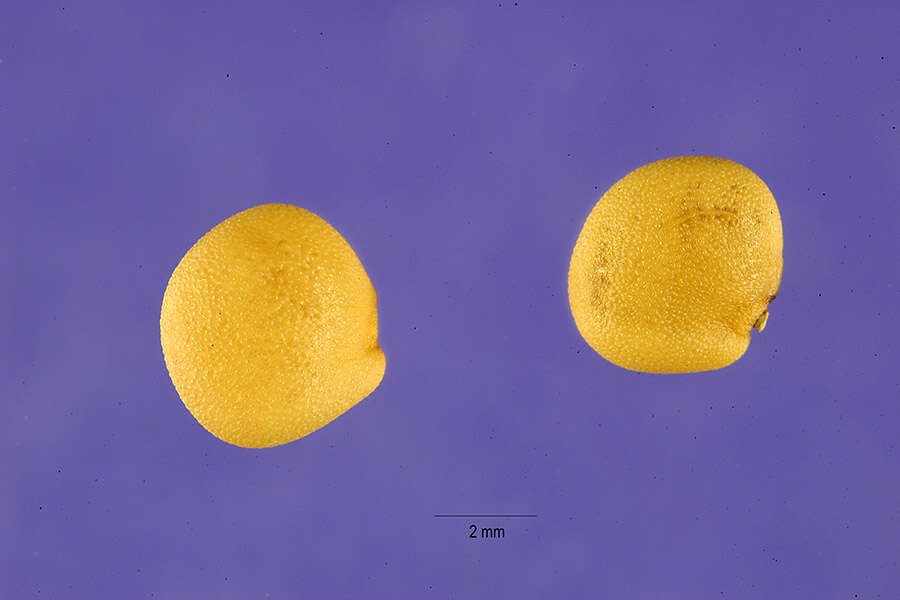
Cyamopsis
Cyamopsis is a genus of the family Fabaceae. Its species are distributed across sub-Saharan Africa (southwestern Africa and the Sudanian and Somali-Masai regions), Saudi Arabia, Pakistan, and India. Typical habitats include tropical seasonally-dry thorn scrub and grassland, often in floodplains, stream beds, and pans, and in open sandy or rocky areas.

Gymnosporia
thumb|right|220px|Old fruit and seed of Gymnosporia tenuispina|G. tenuispina
Gymnosporia is an Old World genus of plants, that comprise suffrutices, shrubs and trees. It was formerly considered congeneric with Maytenus, but more recent investigations separated it based on the presence of achyblasts (truncated branchlets) and spines, alternate leaves or fascicles of leaves, an inflorescence that forms a dichasium, mostly unisexual flowers, and fruit forming a dehiscent capsule, with an aril on the seed. It is dioecious, with male and female flowers on separate plants.
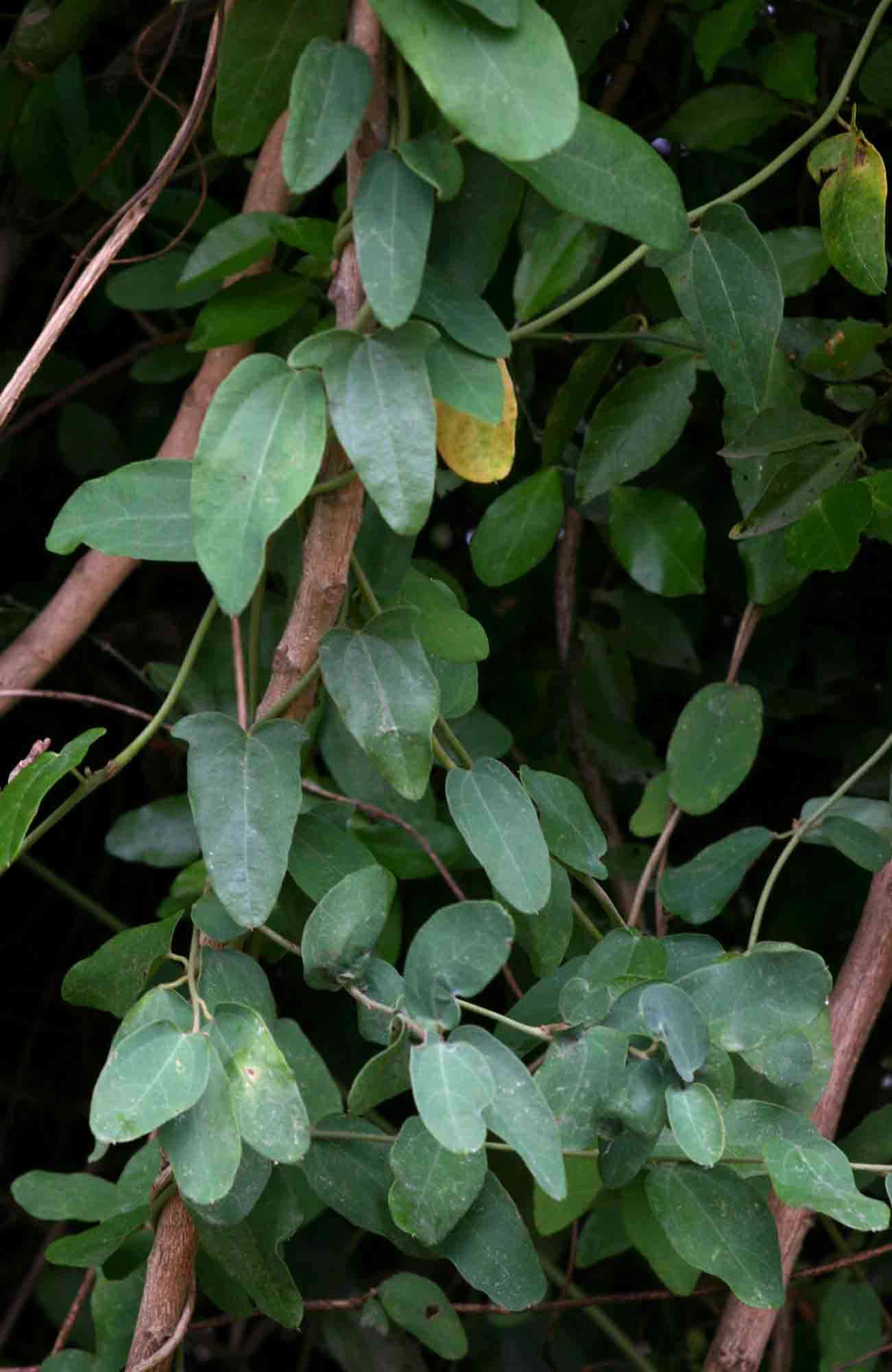
Cocculus
Cocculus is a genus of four species of woody vines and shrubs, native to tropical and subtropical regions of Africa and Asia.

Uraria
Uraria is a genus of plants in the legume family, Fabaceae. It includes 24 species of shrubs and subshrubs native to sub-Saharan Africa, the Indian Subcontinent, Indochina, China, Malesia, Papuasia, Australia, and the South Pacific. Typical habitats are seasonally-dry tropical woodland or grassland. It belongs to the subfamily Faboideae and the tribe Desmodieae.

Dicranopteris linearis
species of plant
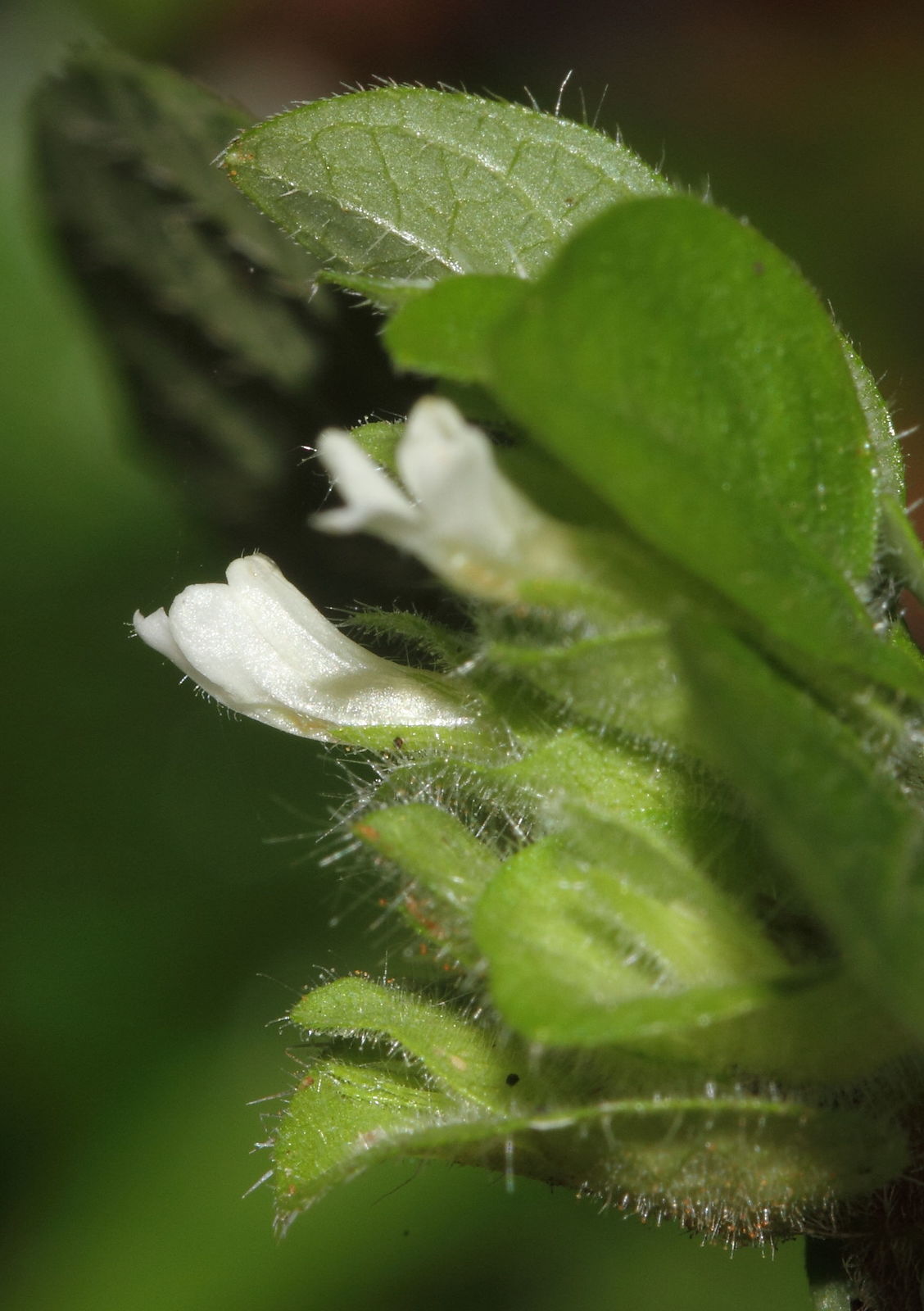
Phaulopsis
Phaulopsis is a genus of flowering plants belonging to the family Acanthaceae.
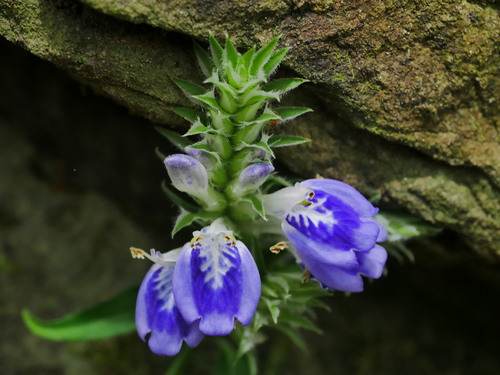
Rungia
Rungia is a genus of flowering plants belonging to the family Acanthaceae.

Cassine
genus of plants
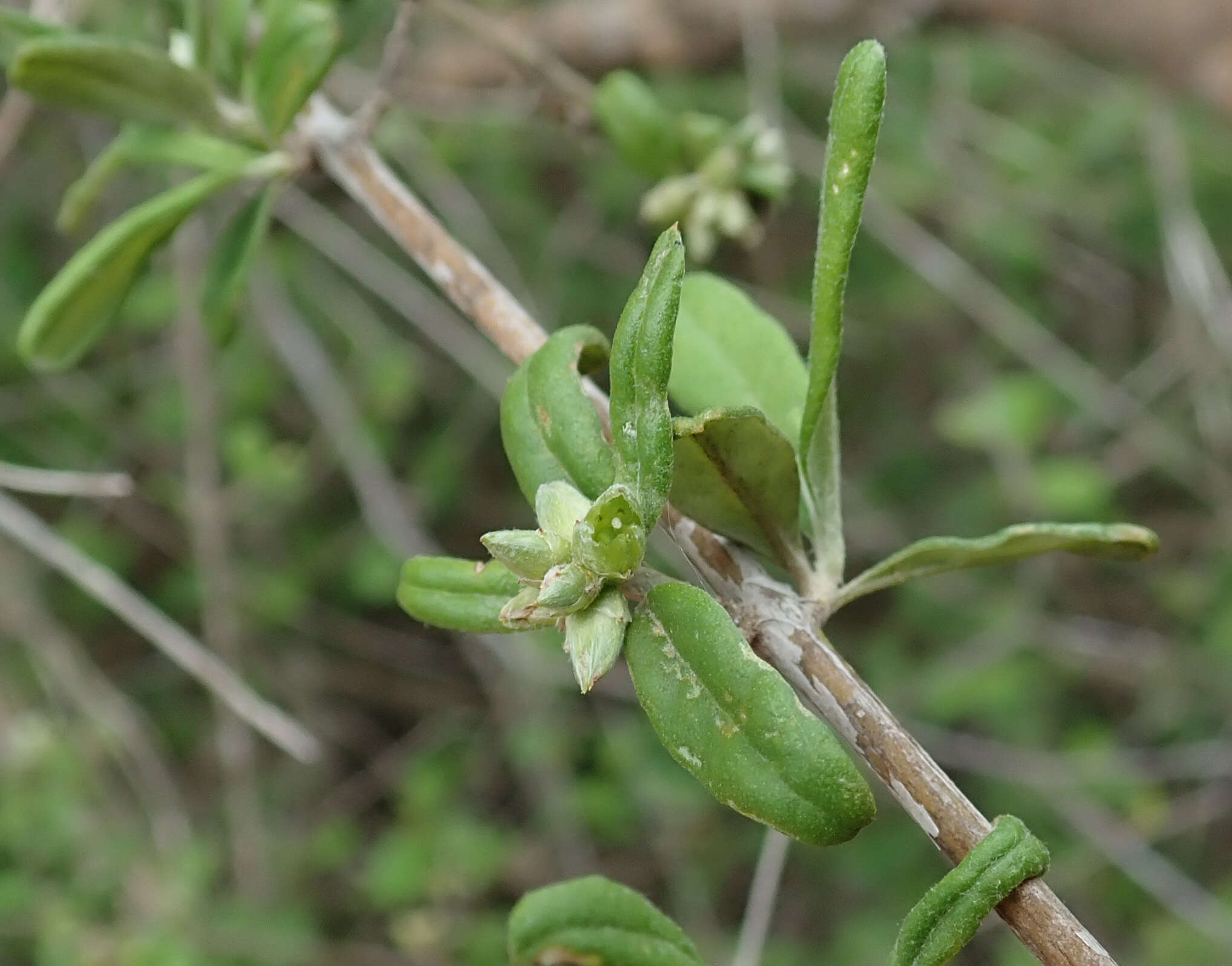
Psilotrichum
Psilotrichum is a genus of flowering plants in the family Amaranthaceae. It includes 26 species native to tropical Africa, the Arabian Peninsula, and tropical Asia.

Hypoestes phyllostachya
species of plant
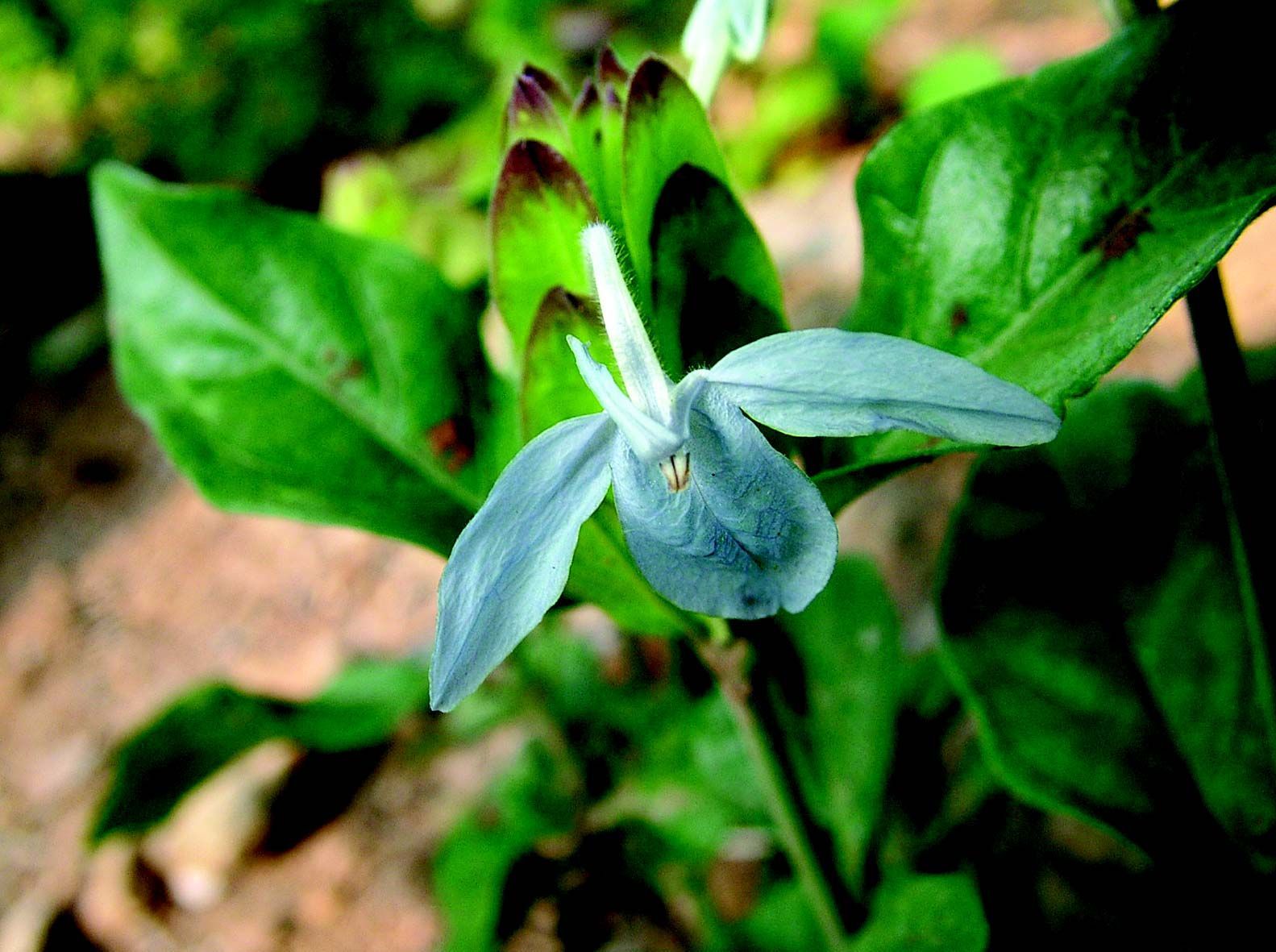
Ecbolium
Ecbolium is a genus of flowering plants in the family Acanthaceae. It includes 26 species native to southern and eastern Africa, the Arabian Peninsula, Indian subcontinent, and Myanmar.

Rhinacanthus
Rhinacanthus is a genus of plants in the family Acanthaceae. It includes 26 species native to tropical Africa and Asia, ranging across sub-Saharan Africa to Madagascar, the Indian subcontinent, Indochina, south-central China, Peninsular Malaysia, and the Philippines.
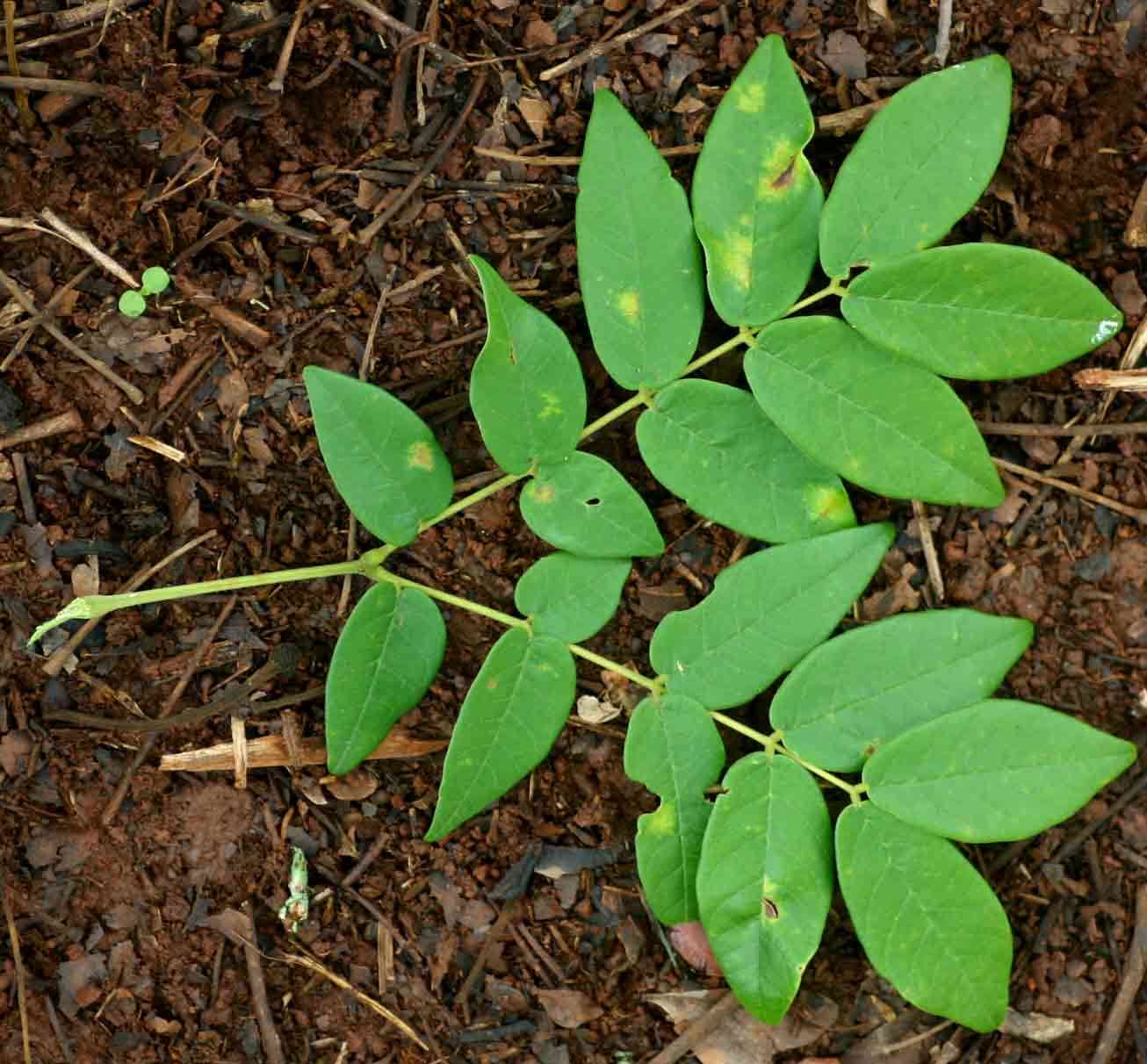
Xylia
Xylia is a genus of flowering plants in the family Fabaceae. It is native to Sub-Saharan Africa, South Asia, and Mainland Southeast Asia.
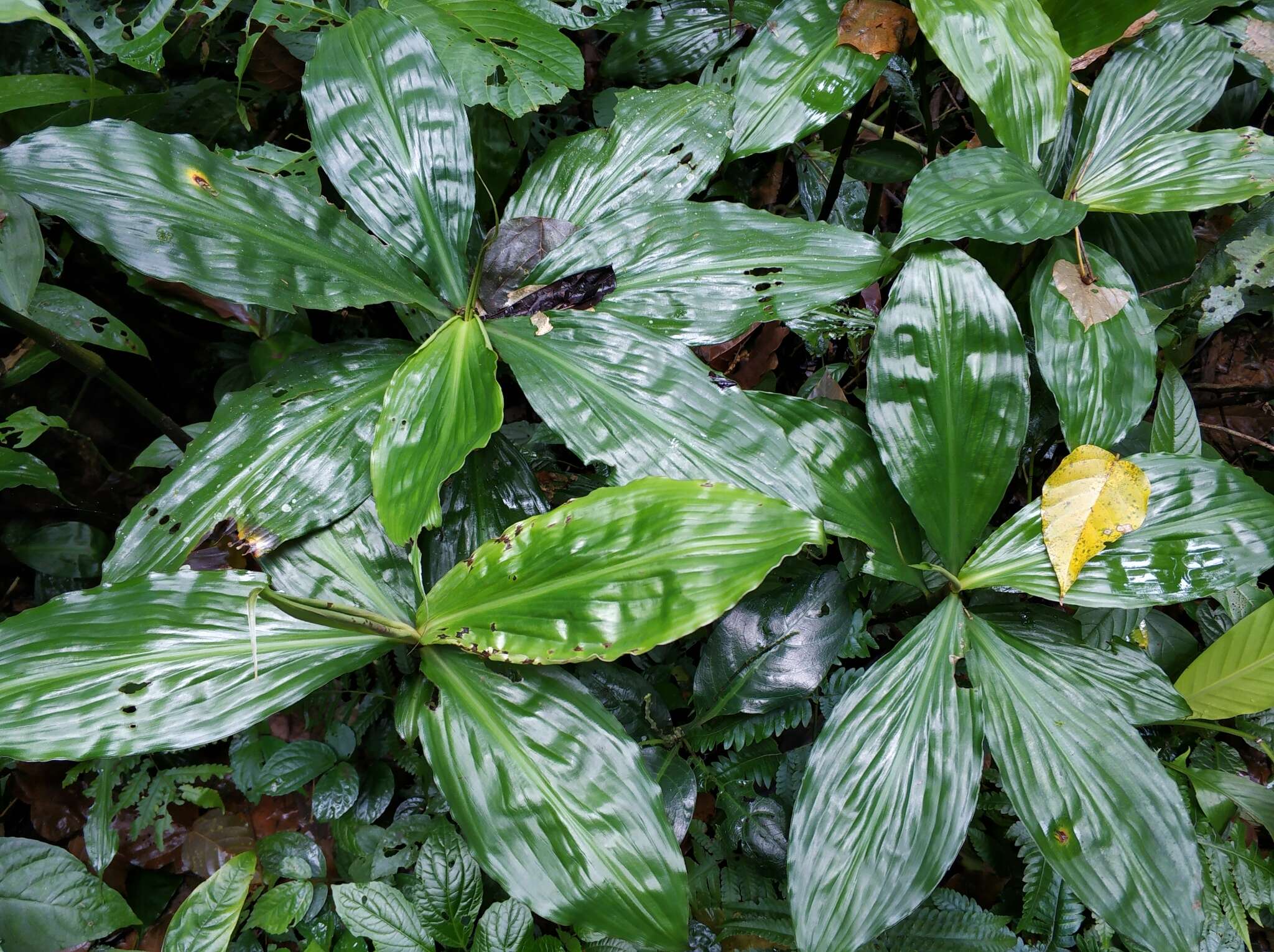
Amischotolype
Amischotolype is a genus of perennial monocotyledonous flowering plants in the Commelinaceae. It is found in Central Africa and from India through Southeast Asia to New Guinea, with the great majority or species found in Asia.

Platycerium superbum
species of plant
Neuracanthus
Neuracanthus is a genus of flowering plants in the family Acanthaceae. It includes 32 species native to tropical Africa, Madagascar, the Arabian Peninsula, Indian subcontinent, and Indochina.
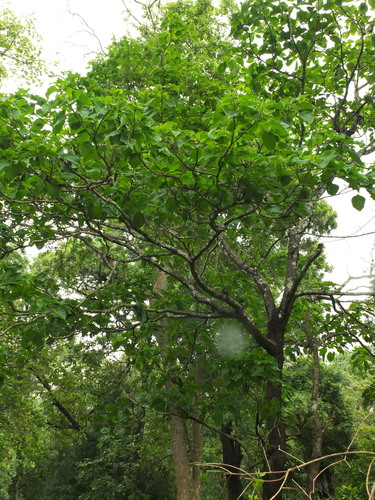
Hymenodictyon
Hymenodictyon is a genus of flowering plants in the family Rubiaceae. It has about 30 species. All are native to the Old World. The wood of Hymenodictyon orixense is soft and has limited use, mostly for boxes. The type species for Hymenodictyon is Hymenodictyon orixense (synonym: Hymenodictyon excelsum).
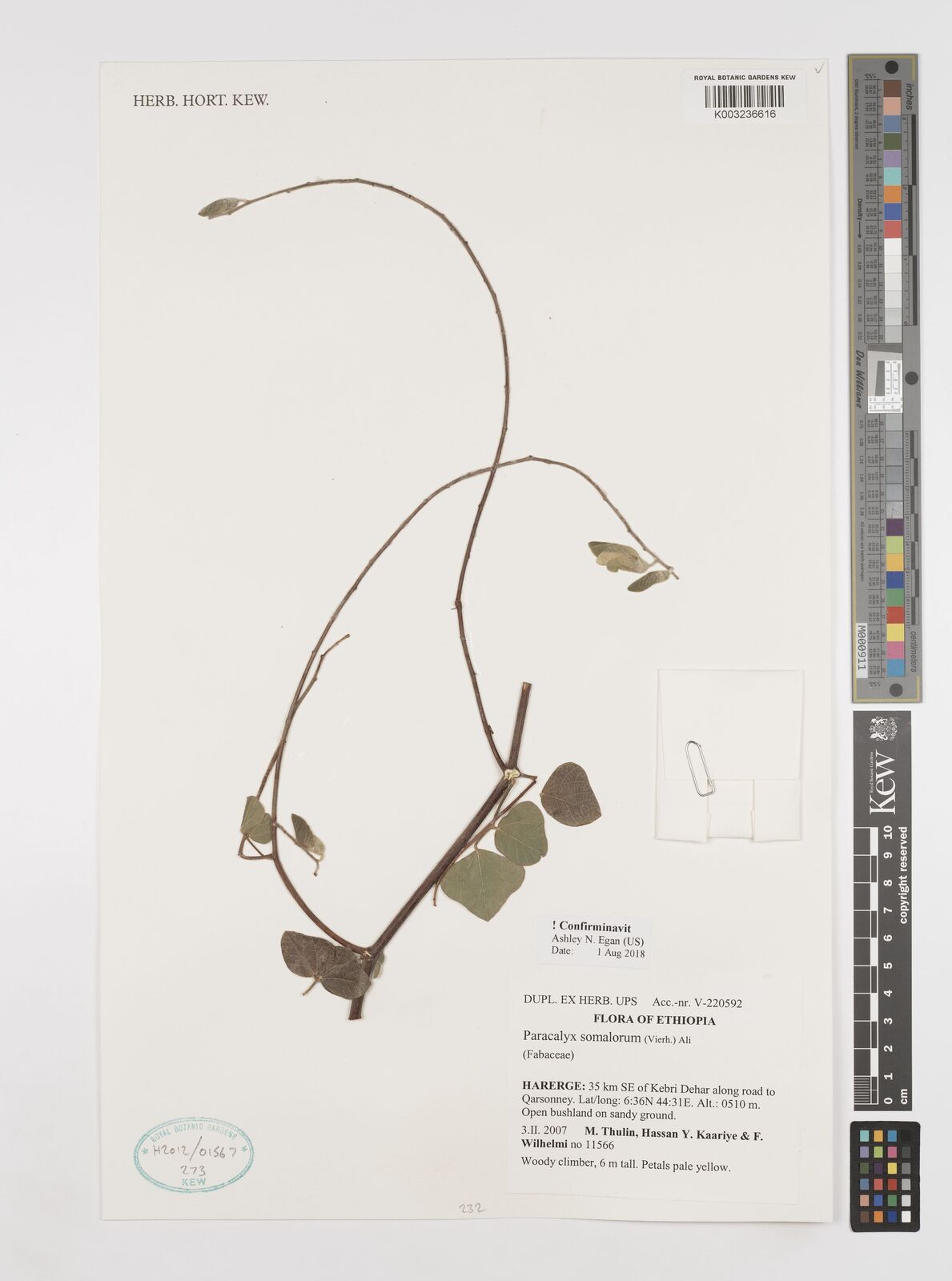
Paracalyx
Paracalyx is a genus of flowering plants in the legume family, Fabaceae. It includes five species of herbs native to northeastern Africa (Ethiopia and Somalia) and Socotra, and the Indian subcontinent and Indochina. Typical habitats are seasonally-dry tropical forest, woodland, thicket, bushland and scrub, often along watercourses and in rocky areas.

Airyantha
Airyantha is a small genus of flowering plants in the legume family, Fabaceae. It belongs to the subfamily Faboideae. It was named after the botanist Herbert Kenneth Airy Shaw. It was traditionally assigned to the tribe Sophoreae; however, recent molecular phylogenetic analyses reassigned Airyantha into the Baphieae tribe.

Paropsia
Paropsia is a genus of flowering plants belonging to the family Passifloraceae.
%20flower%20close-up%20(15317183689).jpg)
Epithema
Epithema is a genus of plants in the family Gesneriaceae and subfamily Didymocarpoideae. Species range from western tropical Africa to Uganda, tropical and subtropical Asia, and New Guinea.

Magnolia vrieseana
species of plant
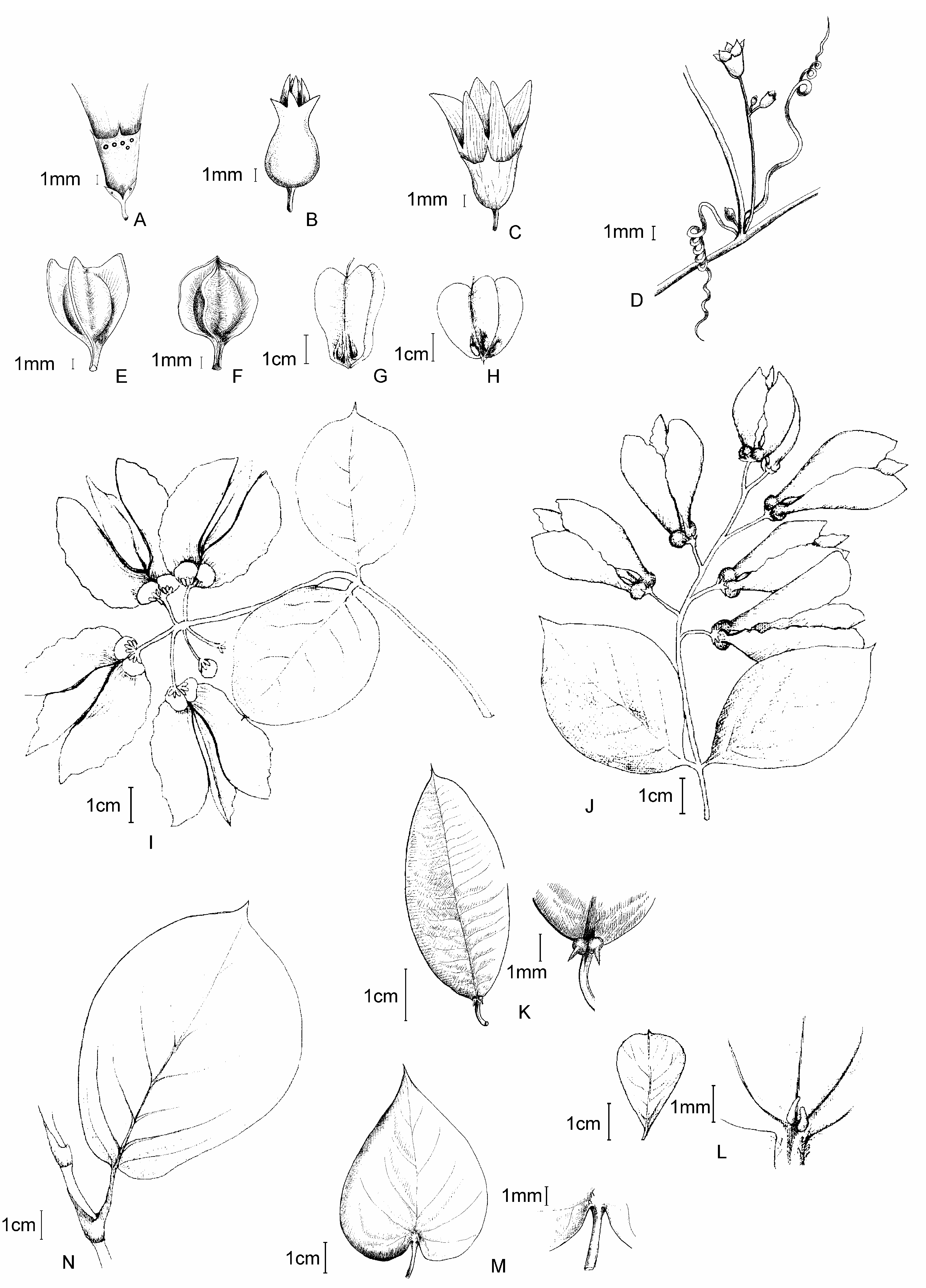
Campylospermum
Campylospermum is a genus of flowering plants in the family Ochnaceae. It includes 55 species native to tropical Africa, India, Indochina, Hainan, and western Malesia.
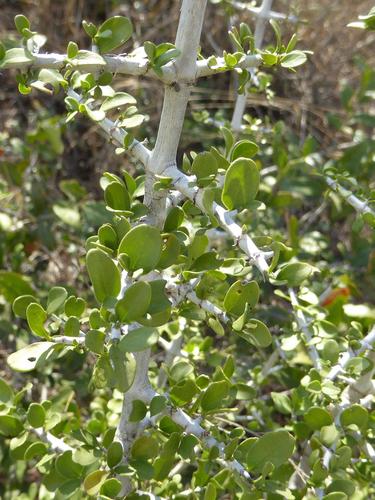
Pyrostria
Pyrostria is a genus of dioecious flowering plants in the family Rubiaceae. Most of the species are endemic to Madagascar, others occur on islands in the western Indian Ocean (Mauritius, Comoros, Réunion, Rodrigues, Socotra), a few are found in continental Africa, and only six species occur in tropical Southeast Asia. The formerly recognized genus Leroya, containing two species endemic to Madagascar, L. madagascariensis and L. richardiae, was sunk into synonymy with Pyrostria.

Paleotropical Kingdom
one of the Earth's six floristic kingdoms
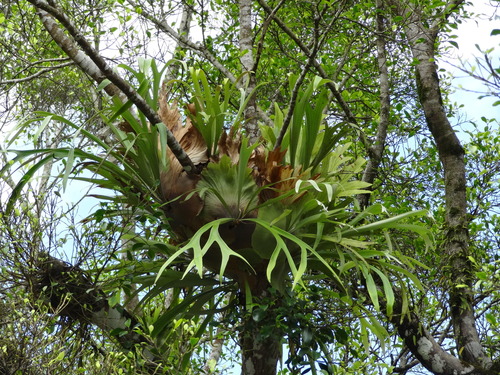
Platycerium alcicorne
species of plant
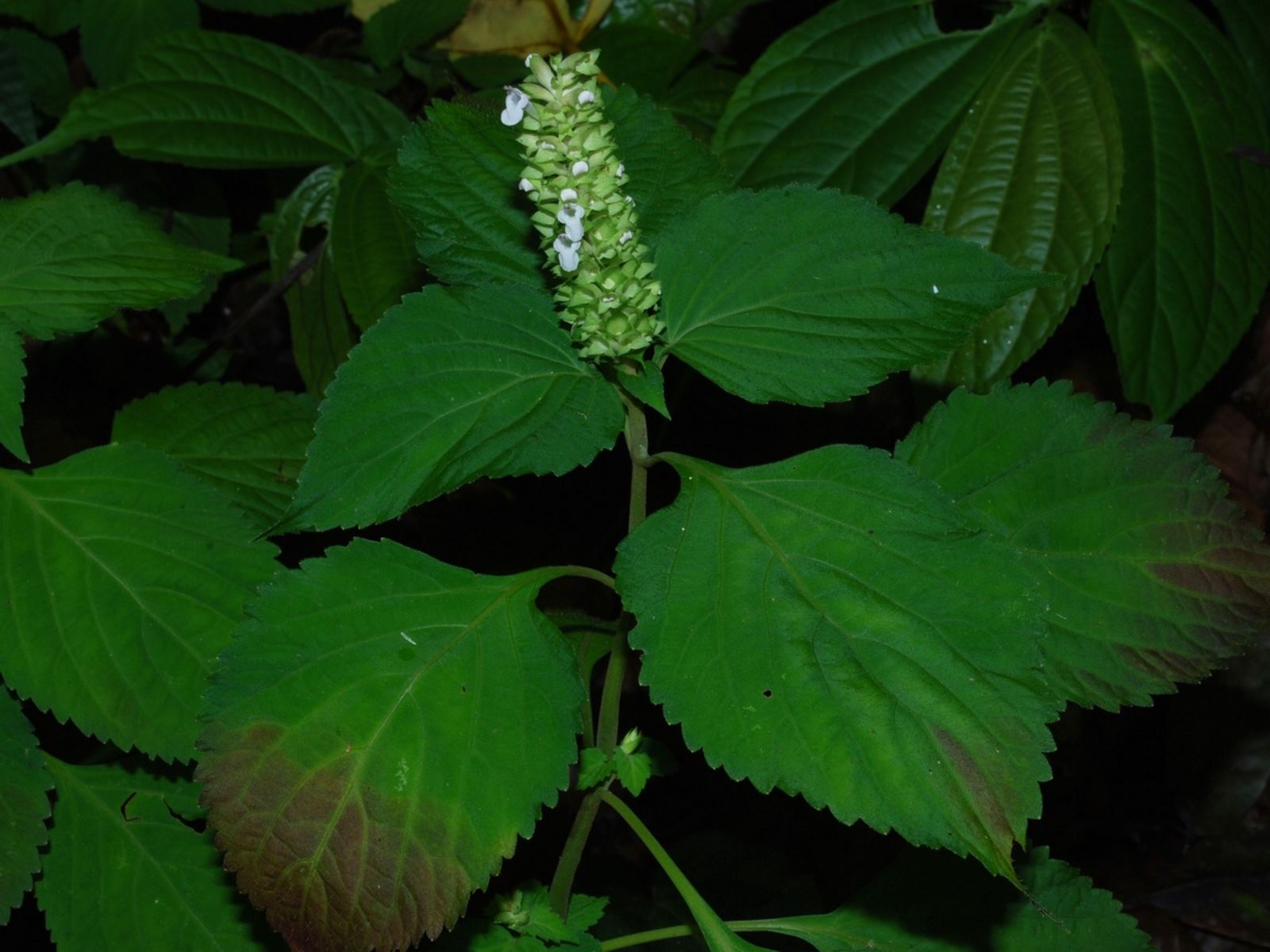
Achyrospermum
Achyrospermum is a genus in the family Lamiaceae. It contains 23 species and can be found across Sub-Saharan Africa and Southeast Asia.

Pseudarthria
Pseudarthria is a genus of flowering plants in the legume family, Fabaceae. It includes seven species of herbs, subshrubs, and shrubs native to tropical Africa and Asia. Typical habitats are seasonally-dry tropical forest margins, grassland, and open or disturbed areas. It belongs to subfamily Faboideae.
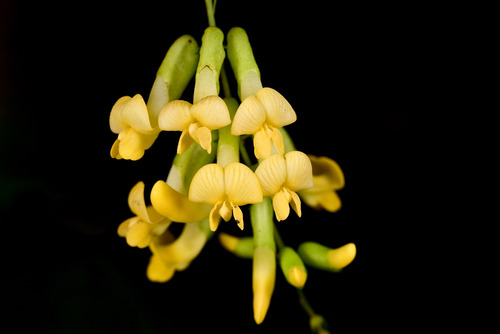
Dumasia
Dumasia is a genus of flowering plants in the legume family, Fabaceae. It belongs to the subfamily Faboideae. It includes ten species which range from sub-Saharan Africa to the Indian subcontinent, Indochina, China, Korea, Japan, Malesia, and New Guinea.
Dumasia cordifolia
Dumasia forrestii
Dumasia henryi
Dumasia hirsuta
Dumasia kurziana
Dumasia prazeri
Dumasia truncata
Dumasia villosa
Dumasia yunnanensis
Dumasia zhangjiajieensis
Pterolobium
The genus, Pterolobium (from Gr. πτερόν pterón, meaning "wing", and λόβιον lóbion, meaning "pod" or "capsule", alluding to the winged fruit), consists of 10 species of perennial flowering plants in the family Fabaceae, subfamily Caesalpinioideae and tribe Caesalpinieae. They are sometimes called redwings and are native to the tropical to subtropical climes of Africa and Asia, including Indonesia and the Philippines. They are large scrambling or climbing shrubs that grow in riverside thickets, on rocky slopes or at forest margins. They bear colourful samara fruit, and have pairs of thorns below
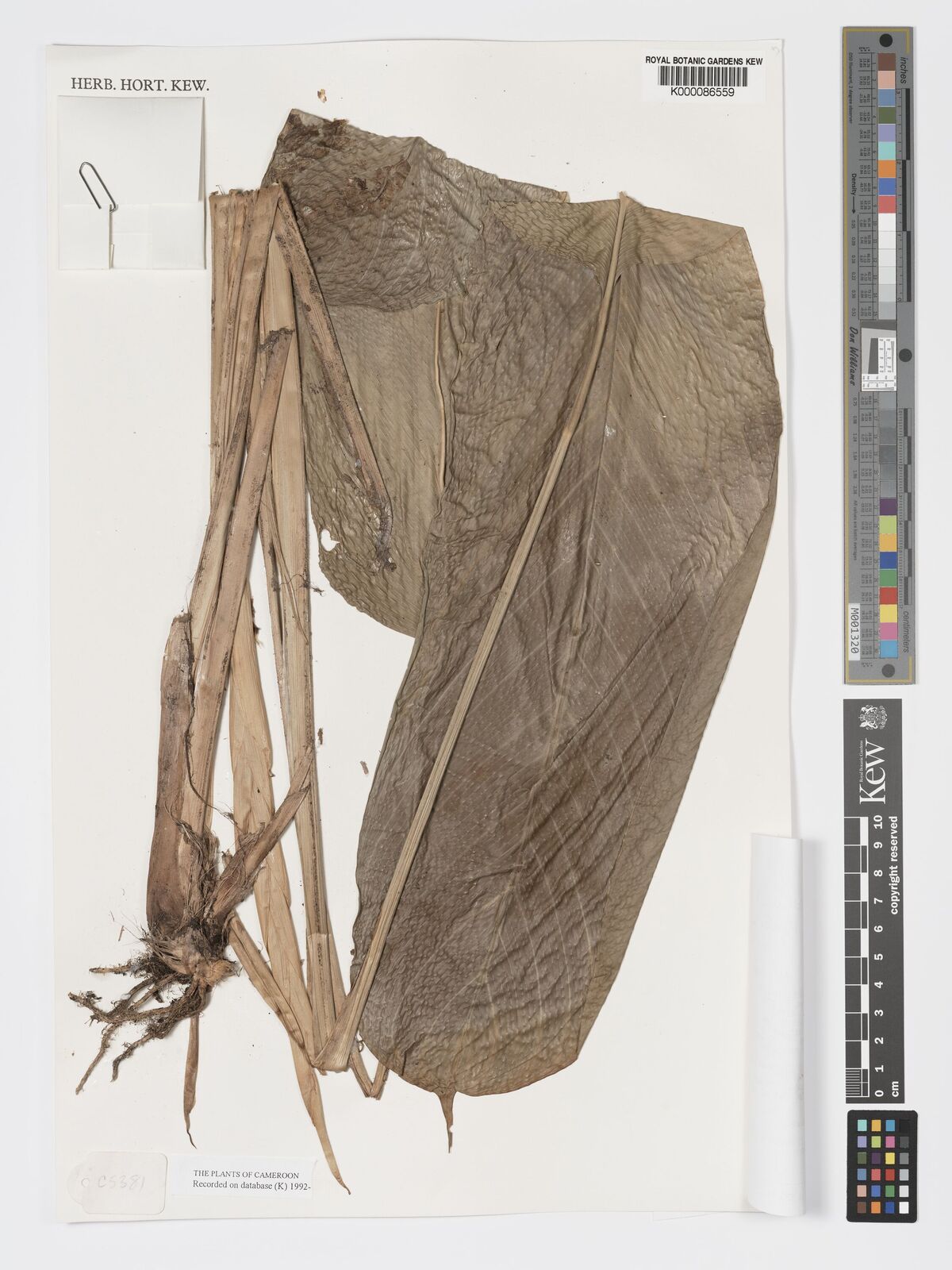
Halopegia
Halopegia is a genus of plants native to tropical Africa, Madagascar, and tropical southeast Asia (Indochina, Java). Three species are recognized as of April 2014:

Dalhousiea
Dalhousiea is a genus of flowering plants in the legume family, Fabaceae. It belongs to the subfamily Faboideae. It includes two species, one native to central Africa, and the other to eastern India, Bangladesh, and Myanmar.
Nesphostylis
Nesphostylis is a genus of flowering plants in the legume family, Fabaceae. It belongs to the subfamily Faboideae. It was previously believed to be a monotypic African genus consisting of the species N. holosericea from West and East Africa, but a second species, Nesphostylis lanceolata, was found in Burma in 1977. A third species, N. bracteata, was found in India.
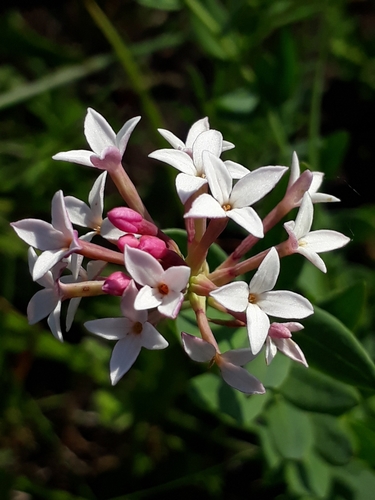
Diarthron
Diarthron is a genus of flowering plant in the family Thymelaeaceae. The precise limits of the genus are uncertain. When broadly circumscribed to include Dendrostellera and Stelleropsis, it consists of annual and perennial herbaceous plants and small shrubs, with reddish, white or green flowers lacking petals. It includes 16 species which range from southern European Russia and the Caucasus through Western and Central Asia through China and Mongolia to Korea and the Russian Far East.

Phyllanthus maderaspatensis
species of plant
Bowringia
Bowringia is a genus of flowering plants in the legume family (Fabaceae), found in tropical Africa and southeastern Asia. It includes four species native to western and central Africa and Madagascar, and to Borneo, Indochina, and southern China.
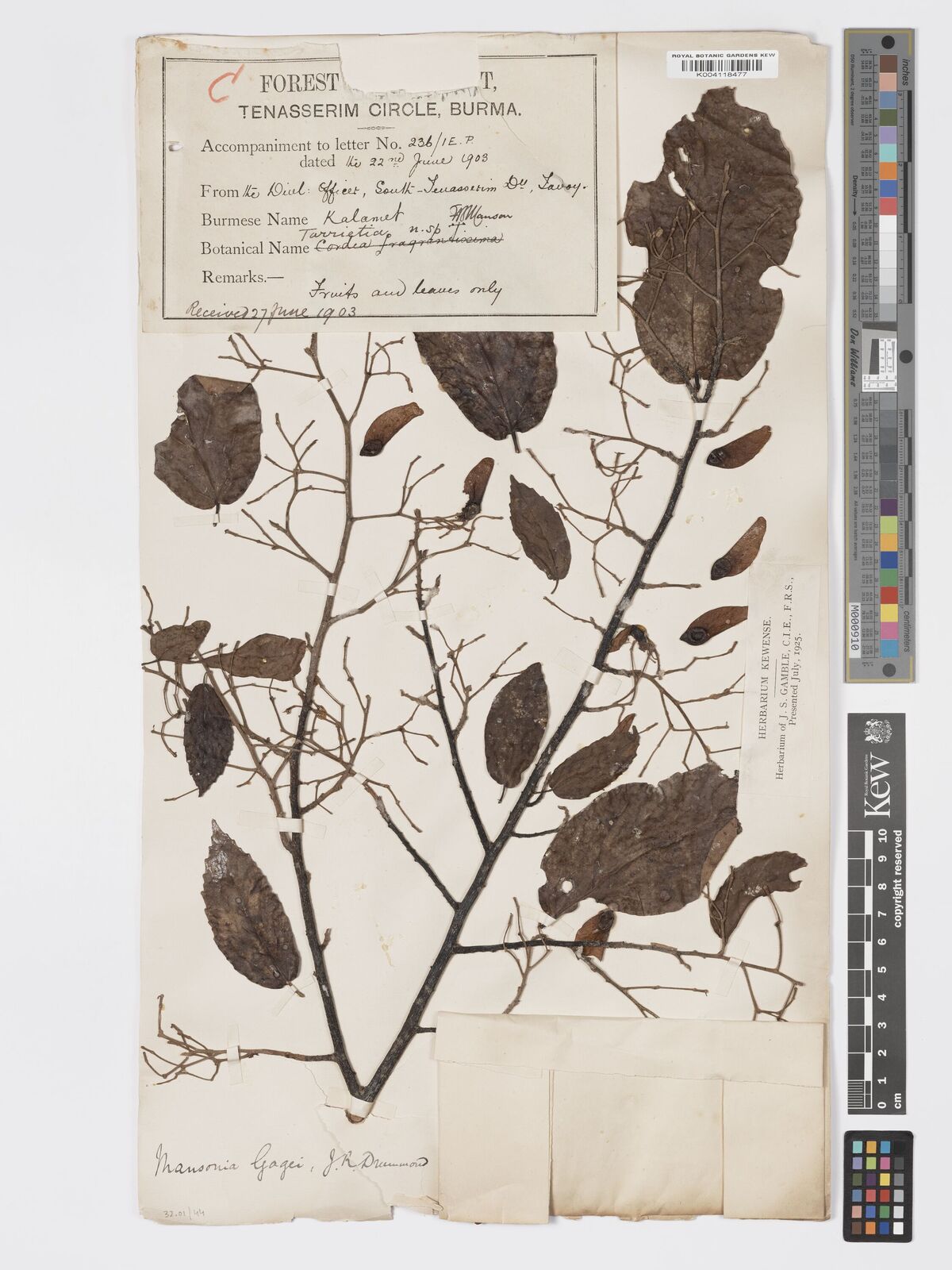
Mansonia
genus of plants
Moullava
Moullava is a genus of flowering plants in the legume family, Fabaceae. It includes four species of lianas or scrambling shrubs native to tropical Africa from Cameroon to Tanzania and Angola, and to tropical Asia from India to Indochina, southern China, and western Malesia. Typical habitat includes forest margins of semi-evergreen seasonal tropical forest. It belongs to the subfamily Caesalpinioideae.
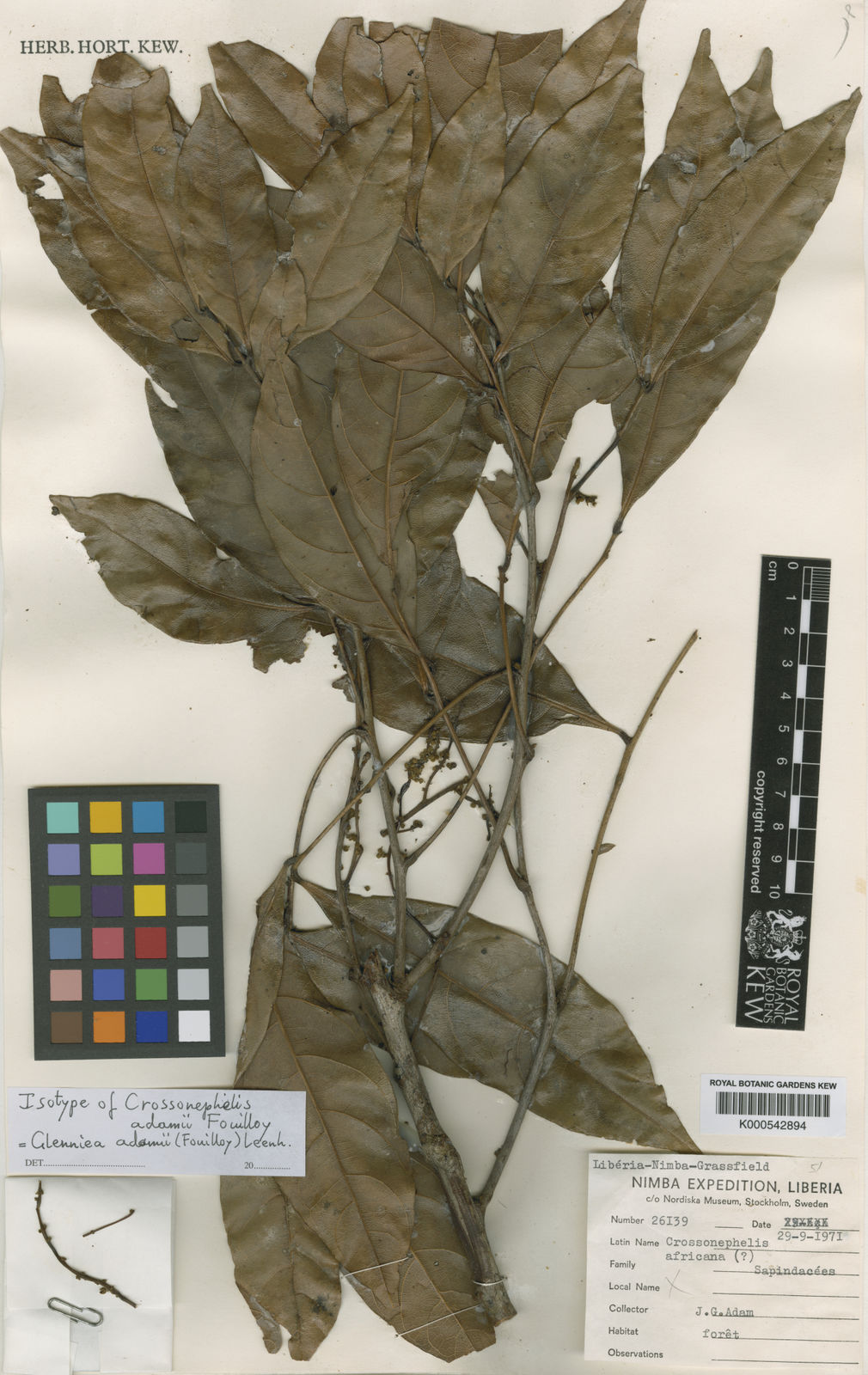
Glenniea
Glenniea is a genus of plant in the family Sapindaceae. It includes eight species native to tropical Africa, Sri Lanka, southeast Asia, and New Guinea.