Category
page 1People excommunicated by the Catholic Church
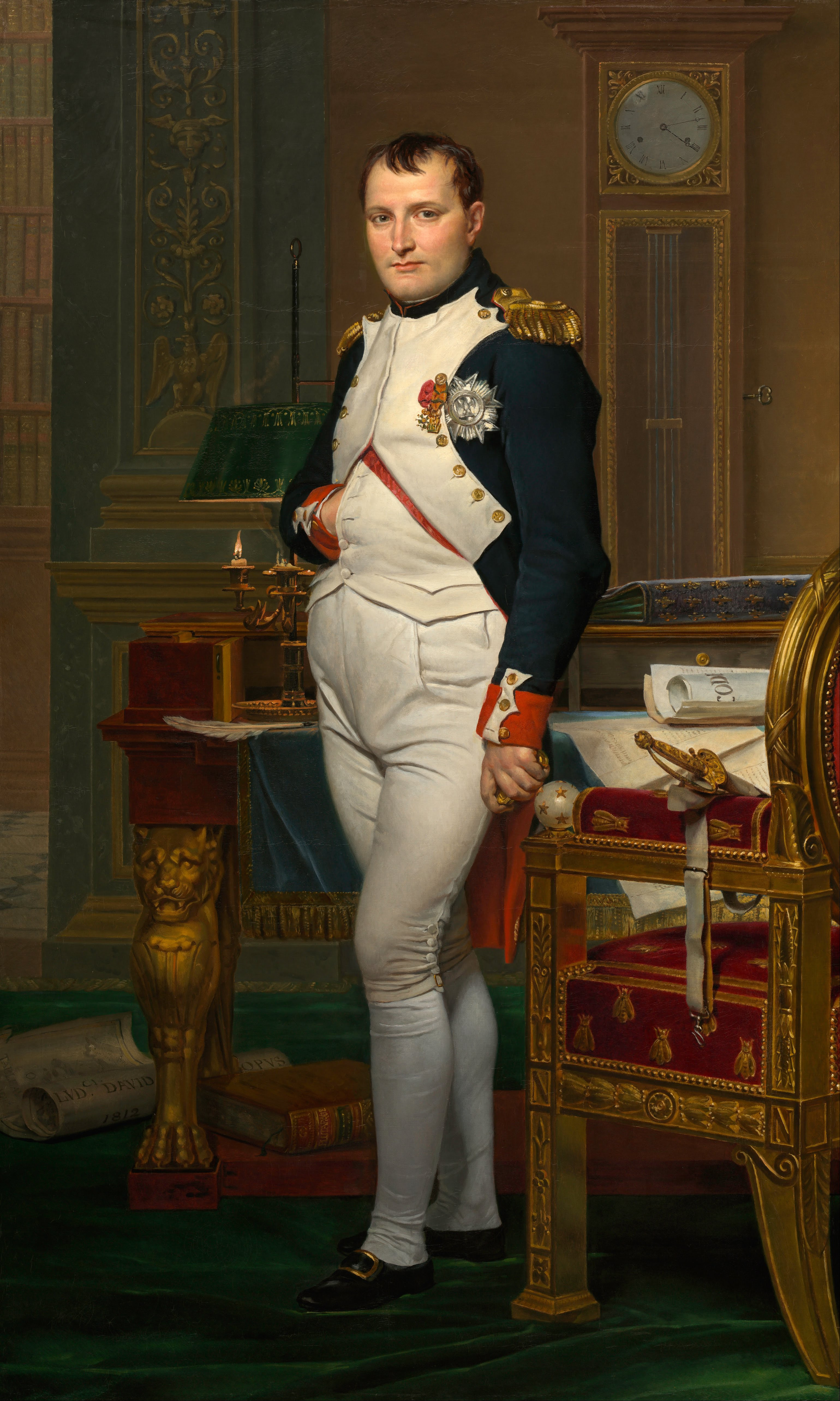
Napoleon
Napoleon Bonaparte (born Napoleone di Buonaparte; 15 August 1769 – 5 May 1821), later known by his regnal name Napoleon I, was Emperor of the French from 18 May 1804 until his first abdication in 1814, with a brief restoration during the Hundred Days in 1815. He rose to prominence as a general during the French Revolution and led a series of military campaigns across Europe and North Africa during the French Revolutionary and Napoleonic Wars. As a statesman, he implemented numerous legal and administrative reforms in France and Europe.

Martin Luther
German priest and theologian (1483–1546)
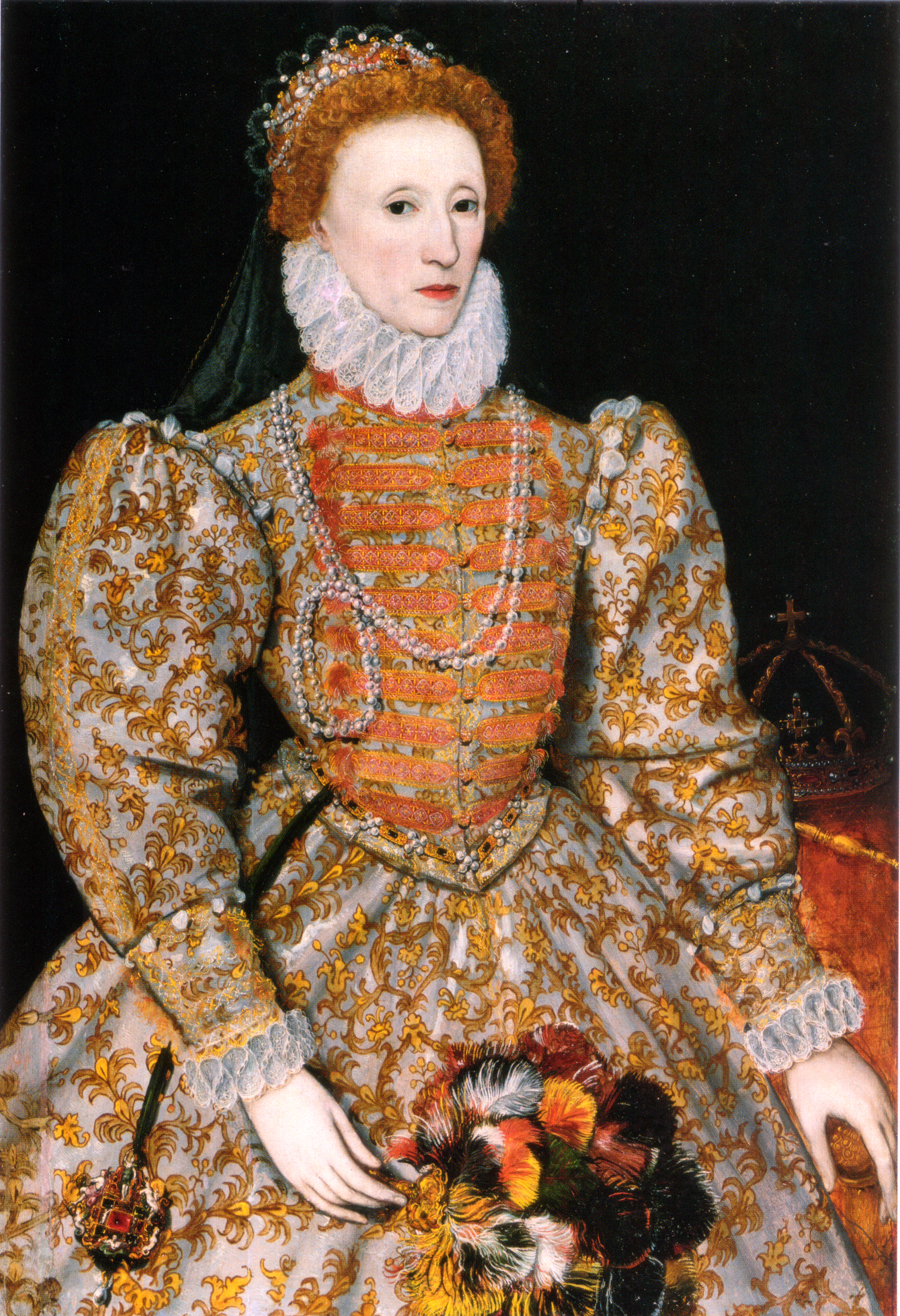
Elizabeth I
Elizabeth I was Queen of England and Ireland from 17 November 1558 until her death in 1603. She was the last and longest reigning monarch of the House of Tudor. Her eventful reign, and its effect on history and culture, gave name to the Elizabethan era.

Giordano Bruno
Italian Dominican friar, philosopher and mathematician (1548–1600)

Josip Broz Tito
Yugoslav revolutionary and statesman (1892−1980)

Henry VIII
Henry VIII was King of England from 22 April 1509 until his death in 1547. After the Pope refused to annul his marriage to Catherine of Aragon, Henry passed legislation that severed England and Ireland from the Roman Catholic Church and established the monarch as Supreme Head of the Church of England, initiating the English Reformation. He subsequently married five more times; two marriages were annulled, and two wives were executed.

Henry IV of France
King of Navarre from 1572 to 1610 and King of France from 1589 to 1610 (1553-1610)

Jan Hus
Czech theologian, philosopher and preacher (1369-1415)

Frederick Barbarossa
Holy Roman Emperor from 1155 to 1190
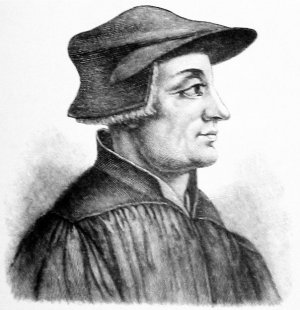
Huldrych Zwingli
Protestant Reformation leader in Switzerland, Swiss Reformed Church founder (1484-1531)

William of Ockham
English Franciscan friar and theologian (c.1287–1347)

Charles-Maurice de Talleyrand-Périgord
French diplomat (1754-1838)
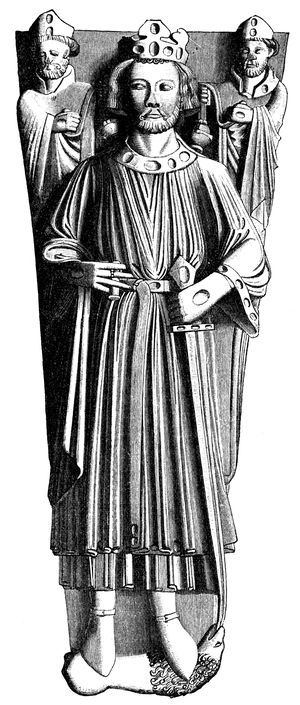
John, King of England
King of England from 1199 to 1216

Frederick II, Holy Roman Emperor
King of Sicily, Holy Roman Emperor (1194–1250, 1220–1250)

Juan Perón
president of Argentina (1946–55, 1973–74)

José Rizal
Filipino nationalist, writer and polymath (1861–1896)

Q193982
Irish singer-songwriter and activist (1966–2023)

Girolamo Savonarola
Italian Dominican friar and preacher (1452-1498)

Philip IV of France
King of France from 1285 to 1314 (1268–1314)

Victor Emmanuel II of Italy
King of Sardinia (1849–1861) and King of Italy (1861–1878)

Martin V
pope of the Catholic Church from 1417 to 1431

John Wycliffe
English theologian and early dissident in the Roman Catholic Church

Formosus
pope

Sergius III
pope (860-911)

Arius
Arius (; ; 250 or 256 – 336) was a Cyrenaic presbyter and ascetic. He has been regarded as the founder of Arianism, which holds that Jesus Christ was not coeternal with God the Father, but was rather created directly by God the Father before anything else, as the true Firstborn. Arian theology and its doctrine regarding the nature of the Godhead showed a belief in radical subordinationism, a view notably disputed by 4th century figures such as Athanasius of Alexandria.

Robert I of Scotland
King of Scotland (1306–1329)

Louis VIII of France
King of France 1223-1226 (1187–1226)

Henry IV
Holy Roman Emperor from 1084 to 1105

Carl Schmitt
German jurist, political theorist and professor of law (1888-1985)

Philip I of France
king of the Franks from 1060 to 1108

Thomas Cranmer
leader of the English Reformation and Archbishop of Canterbury

Robert II of France
king of the Franks from 996 to 1031

Rudolph I of Germany
count of Habsburg, king of Germany (1218–1291)

James IV of Scotland
King of Scotland from 1488 to 1513

François Duvalier
40th President of the Republic of Haiti (1907-1971)

Ferdinand I of Bulgaria
Bulgarian ruler (1861–1948)

Miguel Hidalgo Y Costilla
Catholic priest, leader of the Mexican War of Independence

Louis IV of Bavaria
Duke of Bavaria and Holy Roman Emperor

Otto IV, Holy Roman Emperor
Holy Roman Emperor from 1209 to 1218

Ferdinand I of Romania
King of Romania (1865-1927; ruled 1914-1927)

Photios I of Constantinople
9th Century Ecumenical Patriarch of Constantinople
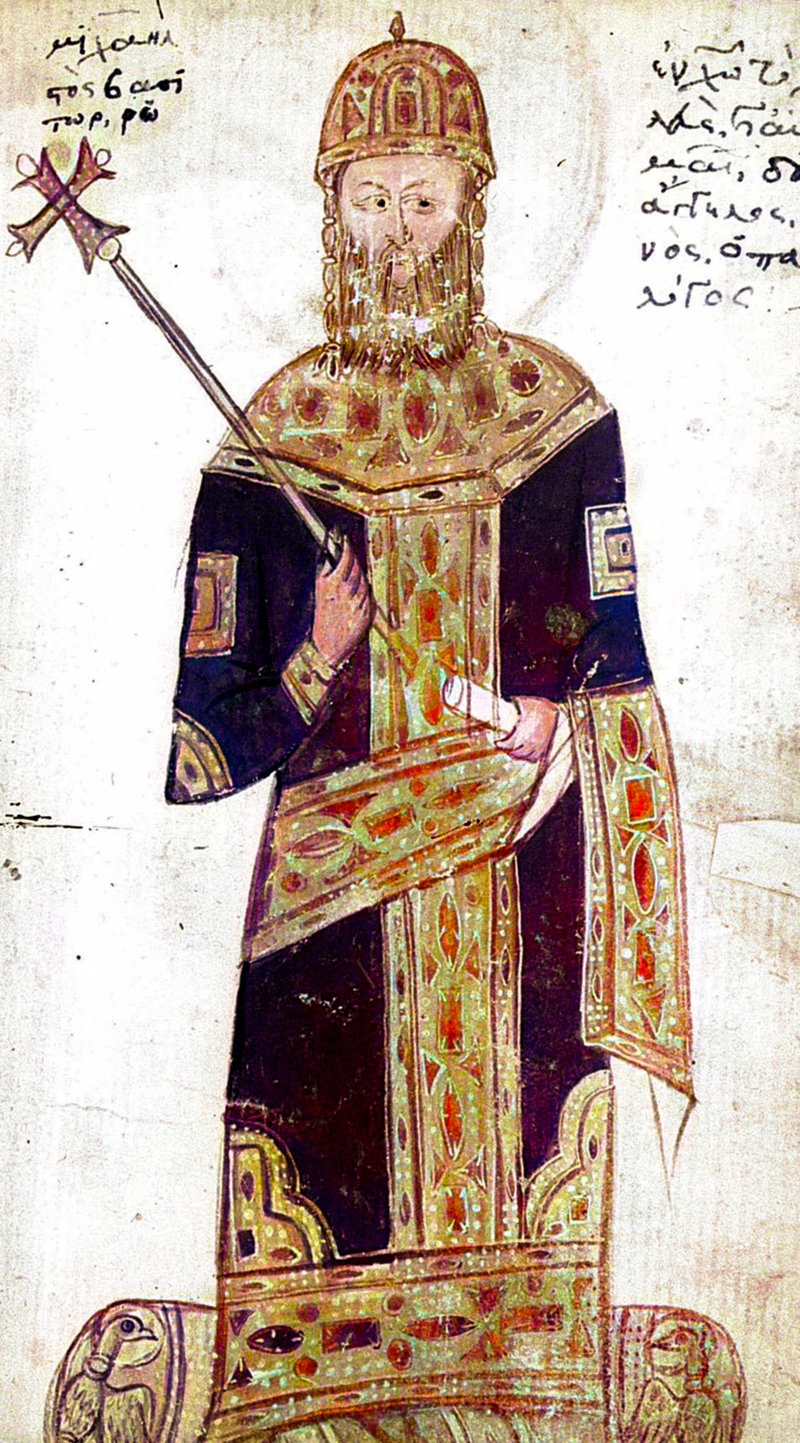
Michael VIII Palaiologos
founder of the Palaiologan dynasty (1224–1282)

Henry V
King of Germany and Holy Roman Emperor, the fourth and last ruler of the Salian dynasty

Afonso II of Portugal
King of Portugal

Roger II of Sicily
King of Sicily from 1130 to 1154
Robert Guiscard
Duke of Apulia and Calabria

Charles Maurras
French author, politician, poet, and critic (1868–1952)
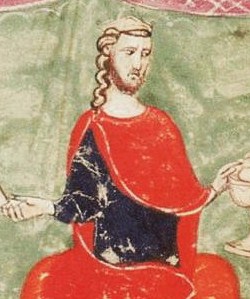
Peter III of Aragon
King of Aragon and Valencia (1276–85); King of Sicily (1282–85)

Amadeus VIII of Savoy
antipope 1439 to 1449, count of Savoy
Novatian
Novatian (Greek: , , ) was a scholar, priest, and theologian. He is considered by the Catholic Church to have been an antipope between 251 and 258. Some Greek authors give his name as Novatus, who was an African presbyter.

Sancho II of Portugal
King of Portugal from 1223 to 1248

Alfonso IX of León
King of León and Galicia from 1188 to 1230

Conrad IV of Germany
King of Germany, Sicily and Jerusalem

Bolesław III Wrymouth
duke of Poland between 1107 and 1138
José María Morelos
Mexican priest and rebel leader Me War in the notice Independence (1765–1815)
Albert, Duke in Prussia
Duke of Prussia from 1525 to 1568
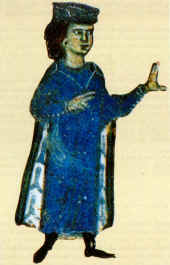
Guillaume IX
Duke of Aquitaine and Gascony and Count of Poitou
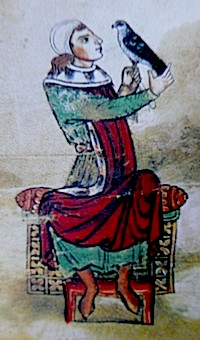
Manfred, King of Sicily
King of Sicily from 1258 to 1266
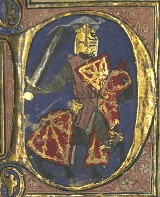
Theobald I of Navarre
King of Navarre from 1234 to 1253

Marcel Lefebvre
French traditionalist Catholic archbishop