Category
page 2Plant dyes

Alkanna tinctoria
species of plant

Serratula tinctoria
species of plant

annatto
right|thumb|250px|Open fruit of the achiote tree (Bixa orellana), showing the seeds from which annatto is extracted

Cota tinctoria
species of plant

Indigofera suffruticosa
species of plant
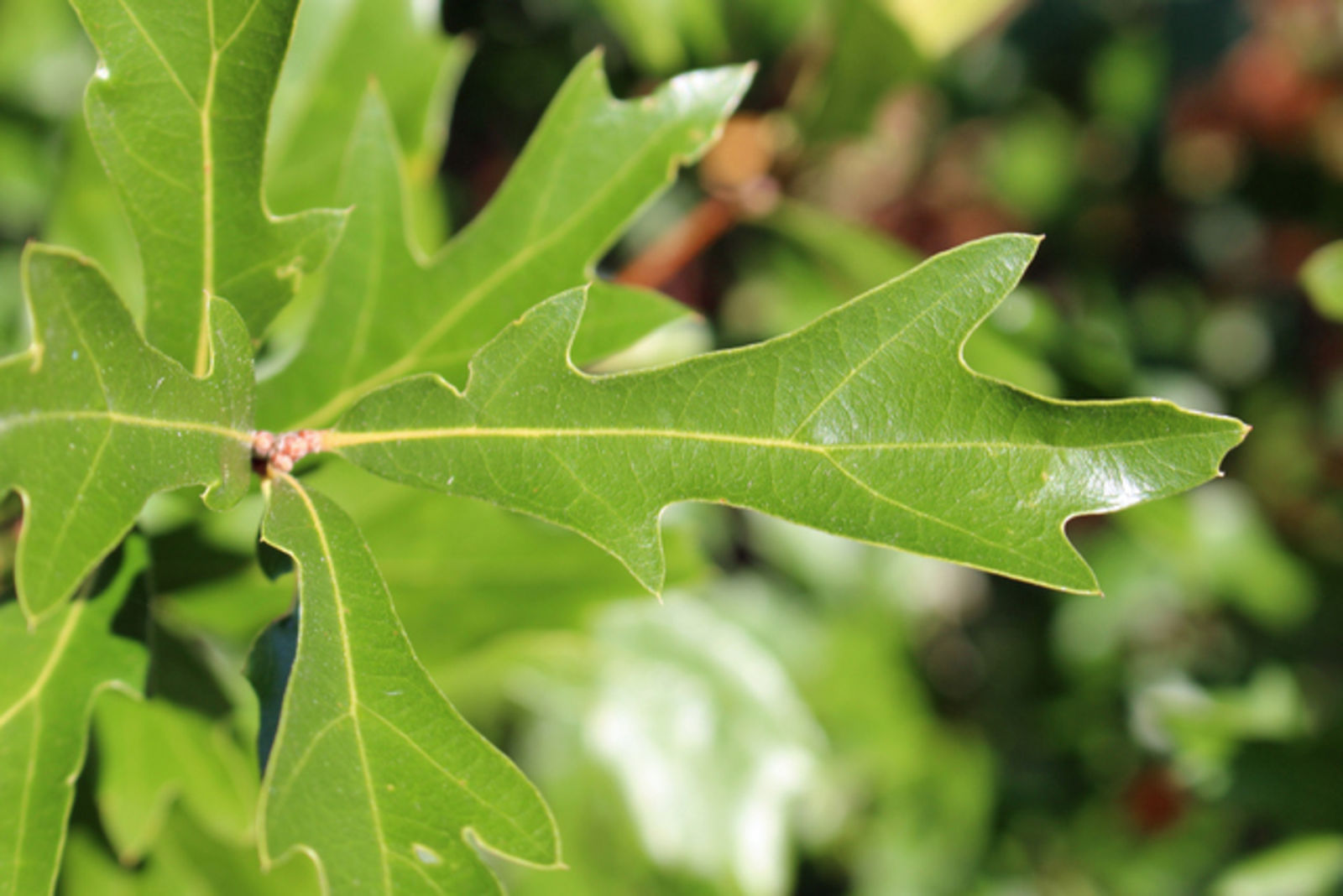
Quercus nigra
species of plant

Hagenia abyssinica
Hagenia is a monotypic genus of flowering plant with the sole species Hagenia abyssinica, native to the high-elevation Afromontane regions of central and eastern Africa. It also has a disjunct distribution in the high mountains of East Africa from Sudan and Ethiopia in the north, through Kenya, Uganda, Rwanda, Burundi, Democratic Republic of Congo, and Tanzania, to Malawi and Zambia in the south. A member of the rose family, its closest relative is the Afromontane genus Leucosidea.
.jpg)
henna
thumb|An elderly Bengalis|Bengali man in [[Dhaka with a beard dyed in henna]]
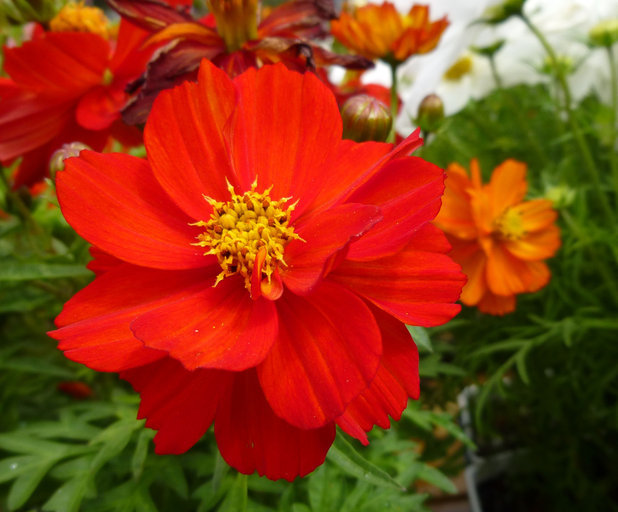
Cosmos sulphureus
species of plant
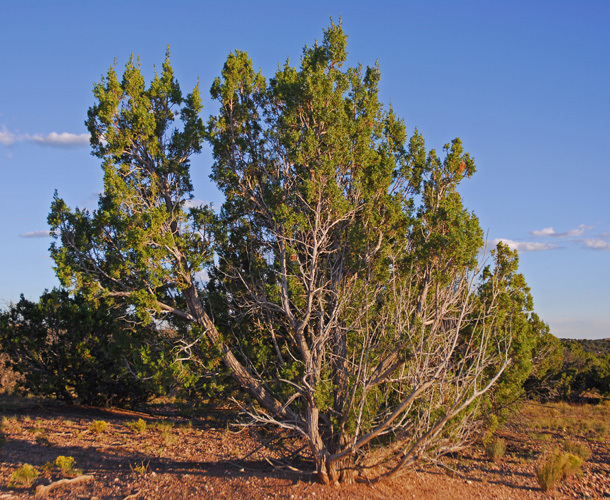
Juniperus monosperma
species of plant
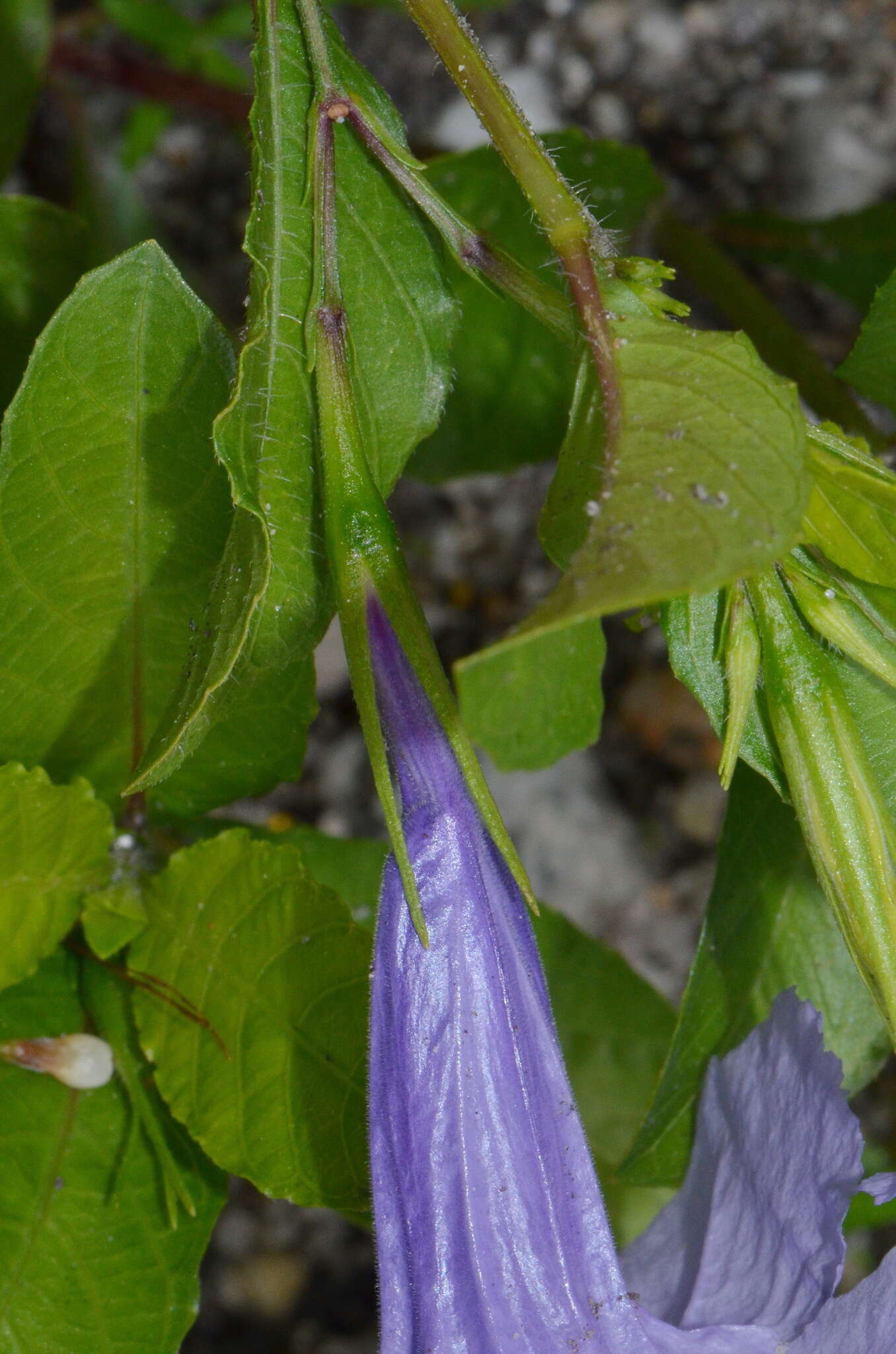
Ruellia tuberosa
species of plant
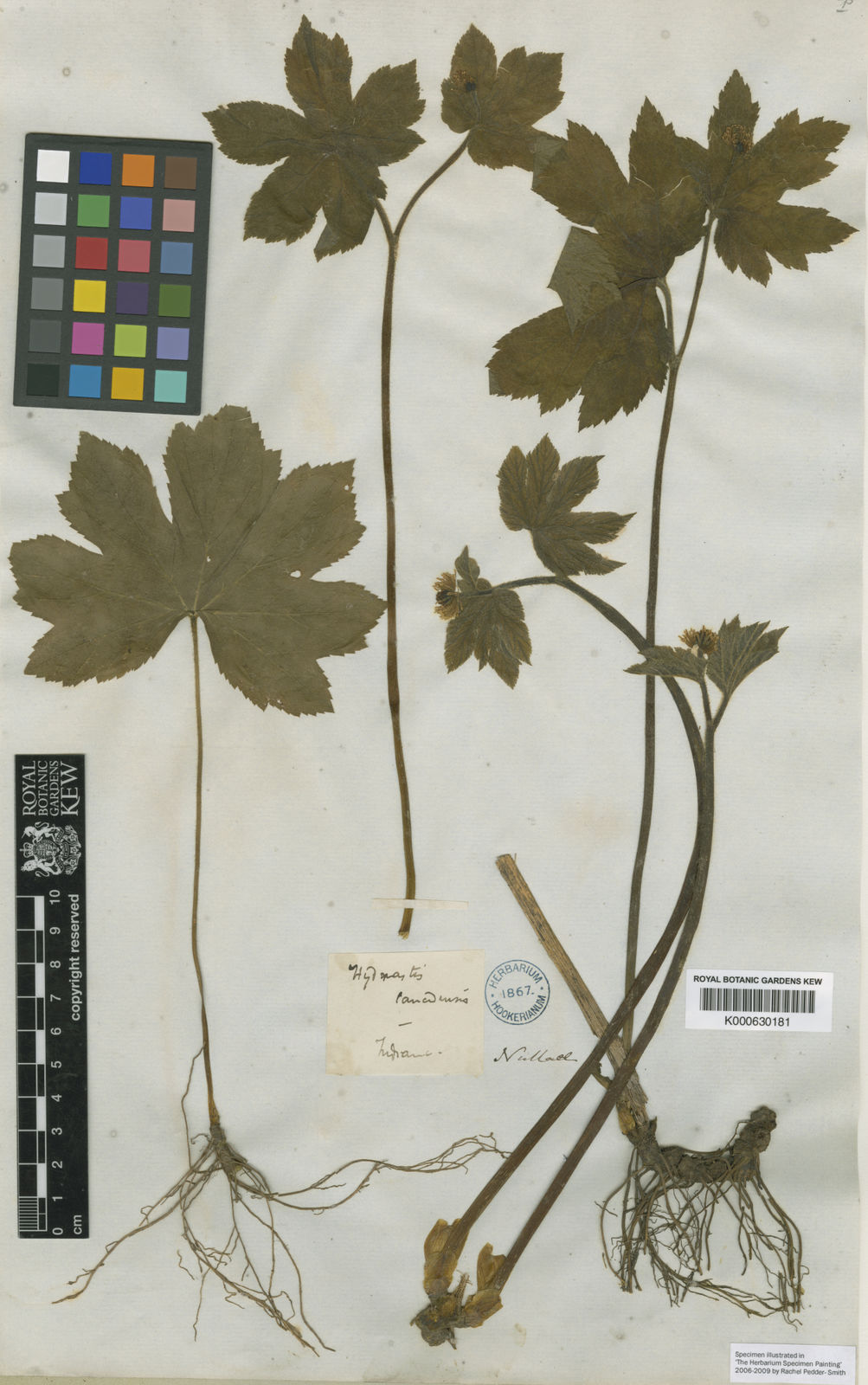
Hydrastis canadensis
Goldenseal (Hydrastis canadensis), also called orangeroot or yellow puccoon, is a perennial herb in the buttercup family Ranunculaceae, native to North America. It may be distinguished by its thick, yellow knotted rootstock. The stem is purplish and hairy above ground and yellow below ground where it connects to the yellow rhizome. Goldenseal reproduces both clonally through the rhizome and sexually, with clonal division more frequent than asexual reproduction. It takes between 4 and 5 years for a plant to reach sexual maturity, i.e. the point at which it produces flowers. Plants in the first
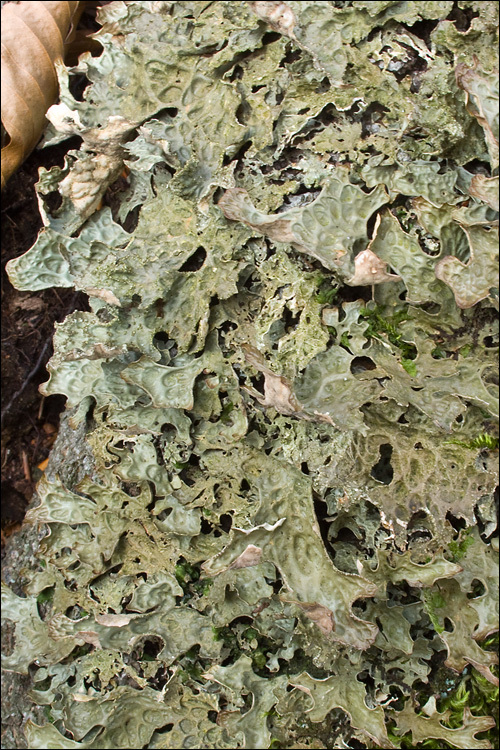
Lobaria pulmonaria
species of lichenized fungus

Asperula tinctoria
species of plant
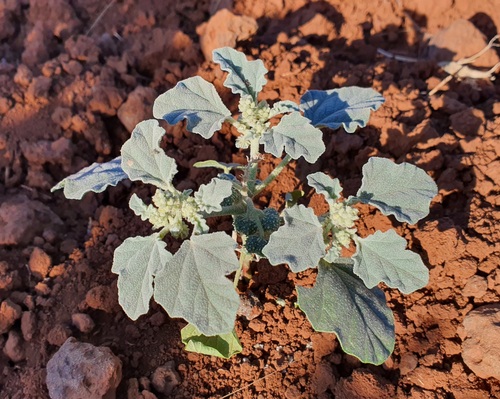
Chrozophora tinctoria
species of plant

Quercus lusitanica
species of plant

Dittrichia viscosa
species of plant
.jpg)
gamboge
Gamboge ( ) is a deep-yellow pigment derived from a species of tree that primarily grows in Cambodia. Popular in East Asian watercolor works, it has been used across a number of media dating back to the 8th century. Easy to transport and manipulate into a durable watercolor paint, gamboge is notable for its versatility as a pigment in how it has been used in paintings, printing of books, and garment dyes, including the robes of Buddhist monks. Gamboge is toxic to humans, and is potentially deadly in large doses. Due to its toxicity and poor lightfastness, gamboge is no longer used in paints, t

Diospyros malabarica
species of plant
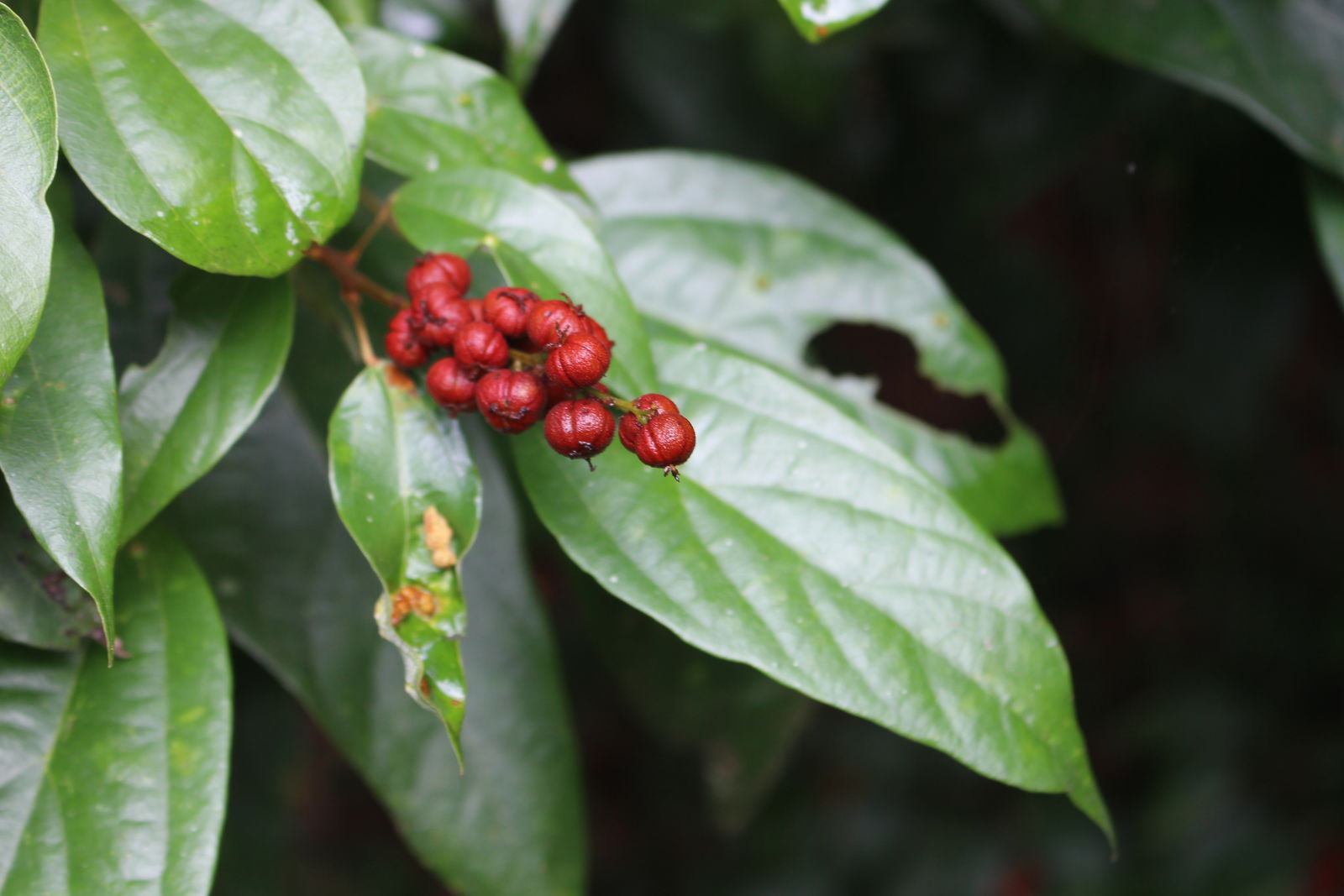
Mallotus philippensis
species of plant

Handroanthus impetiginosus
species of plant
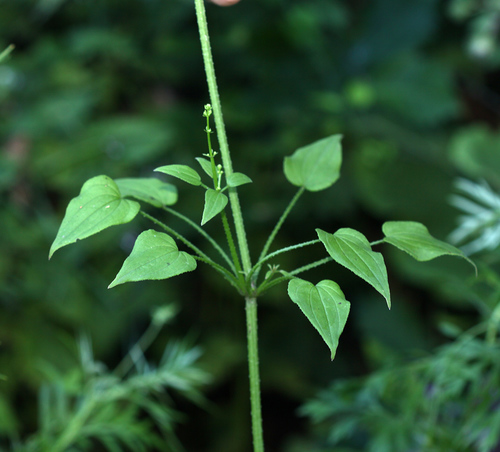
Rubia cordifolia
taxon

catechu
thumb|Catechu
thumb|right|150 px|Bottle of catechu
thumb|left|200 px|Catechu
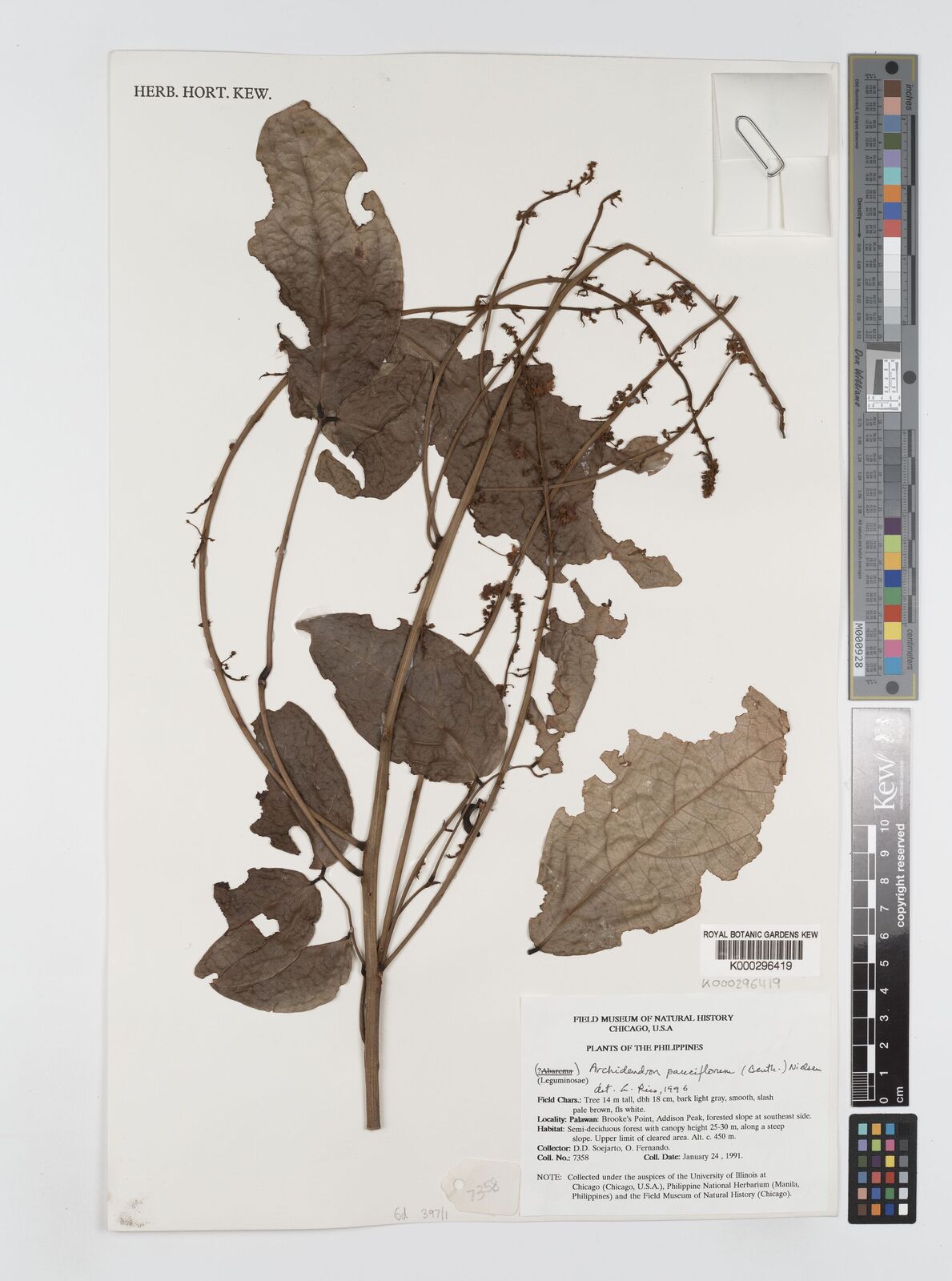
Archidendron pauciflorum
species of plant

Carya ovata
species of plant

Cladrastis kentukea
species of plant

Ficus tinctoria
species of plant

Letharia vulpina
species of fungus
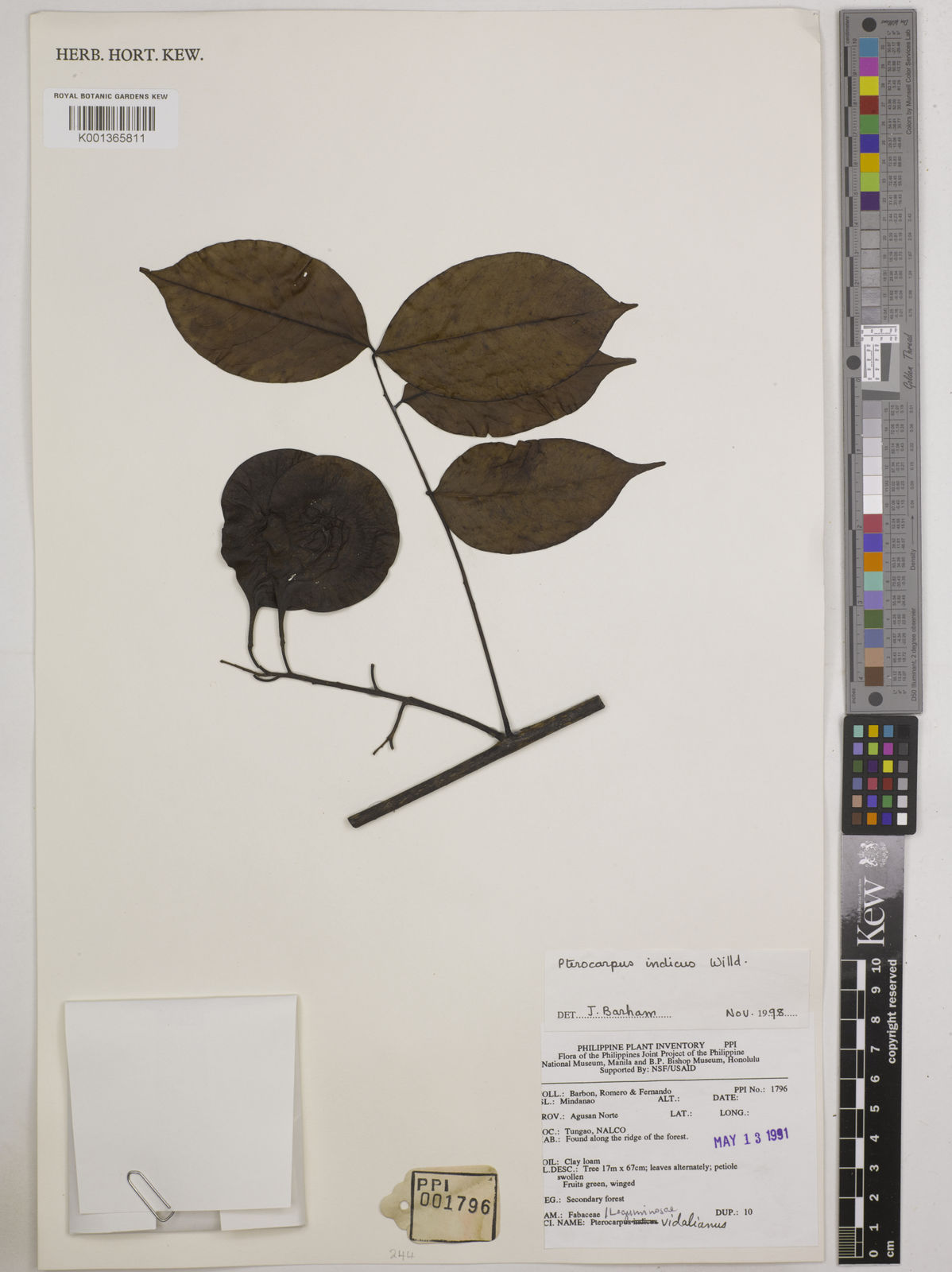
Pterocarpus erinaceus
species of plant

Cochlospermum
Cochlospermum is a genus of trees in the Bixaceae family; some classifications place this genus in the family Cochlospermaceae. It is native to tropical regions of the world, particularly Latin America, Africa, the Indian subcontinent, and Australia.
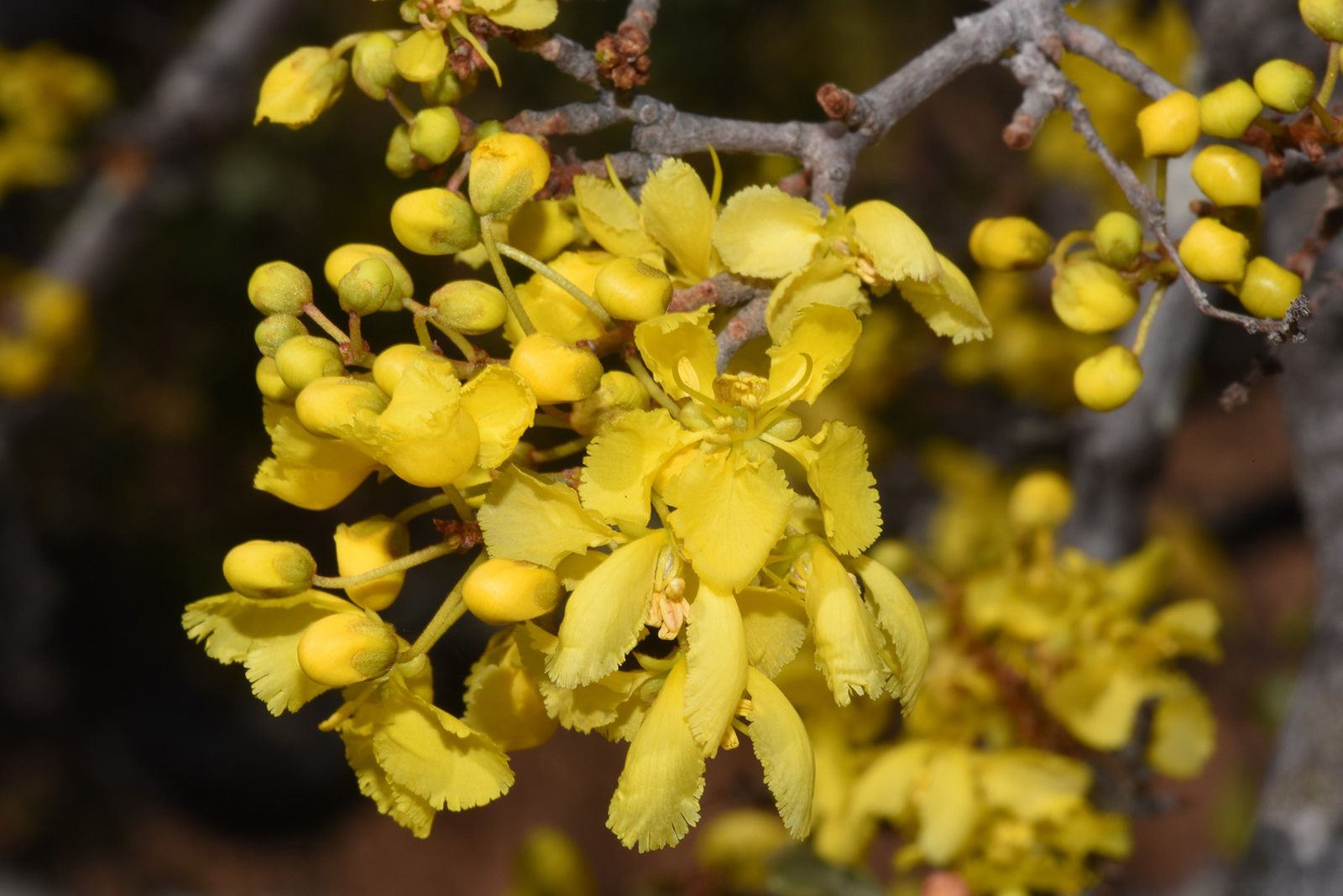
Acridocarpus
Acridocarpus (from Gr. Akris, a locust and carpos, a fruit, alluding to the winged fruit) is a genus of flowering plants in the family Malpighiaceae. Species in this genus are native to Arabia and tropical and subtropical Africa, with one species in New Caledonia.
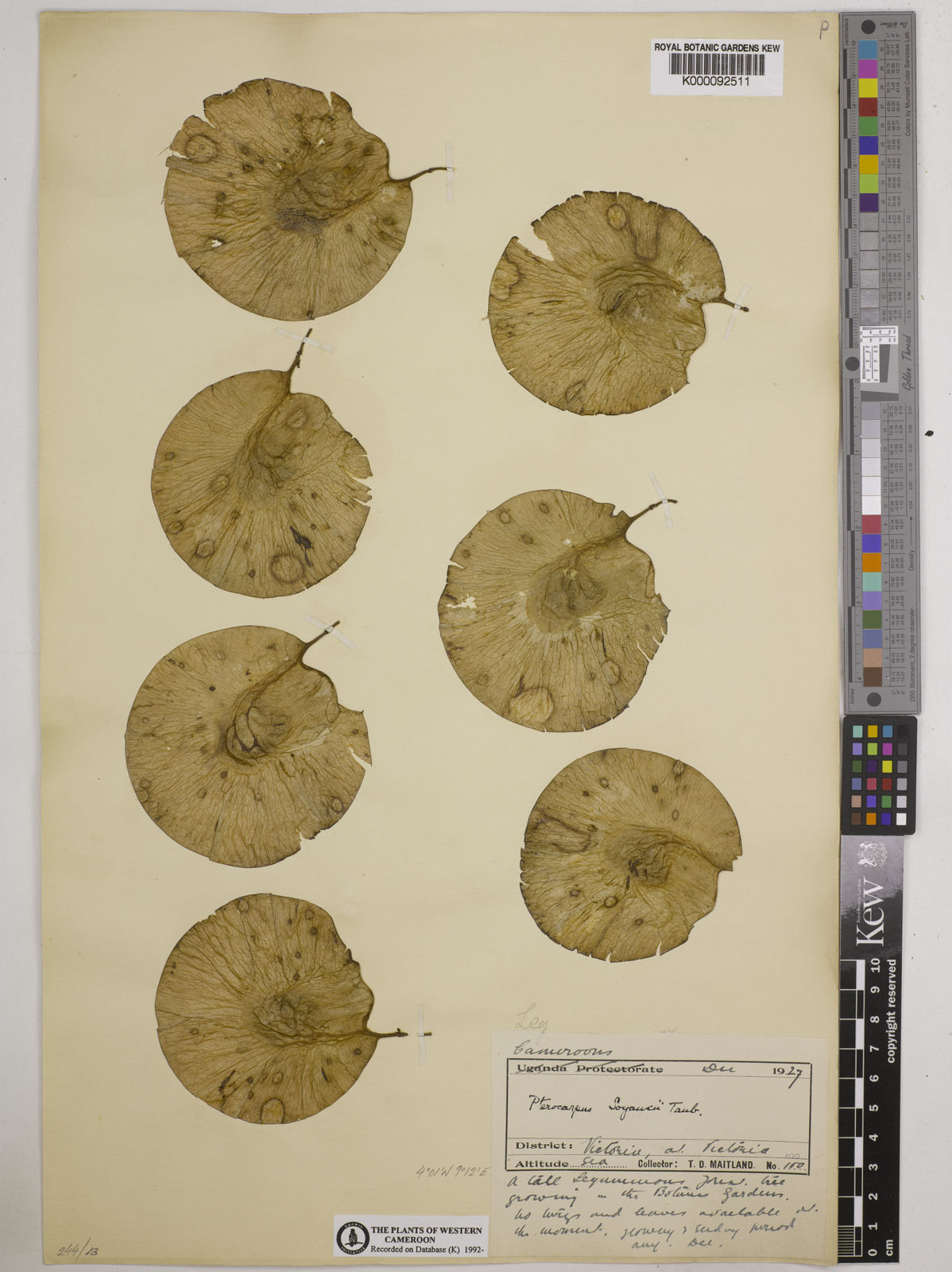
Pterocarpus soyauxii
species of plant
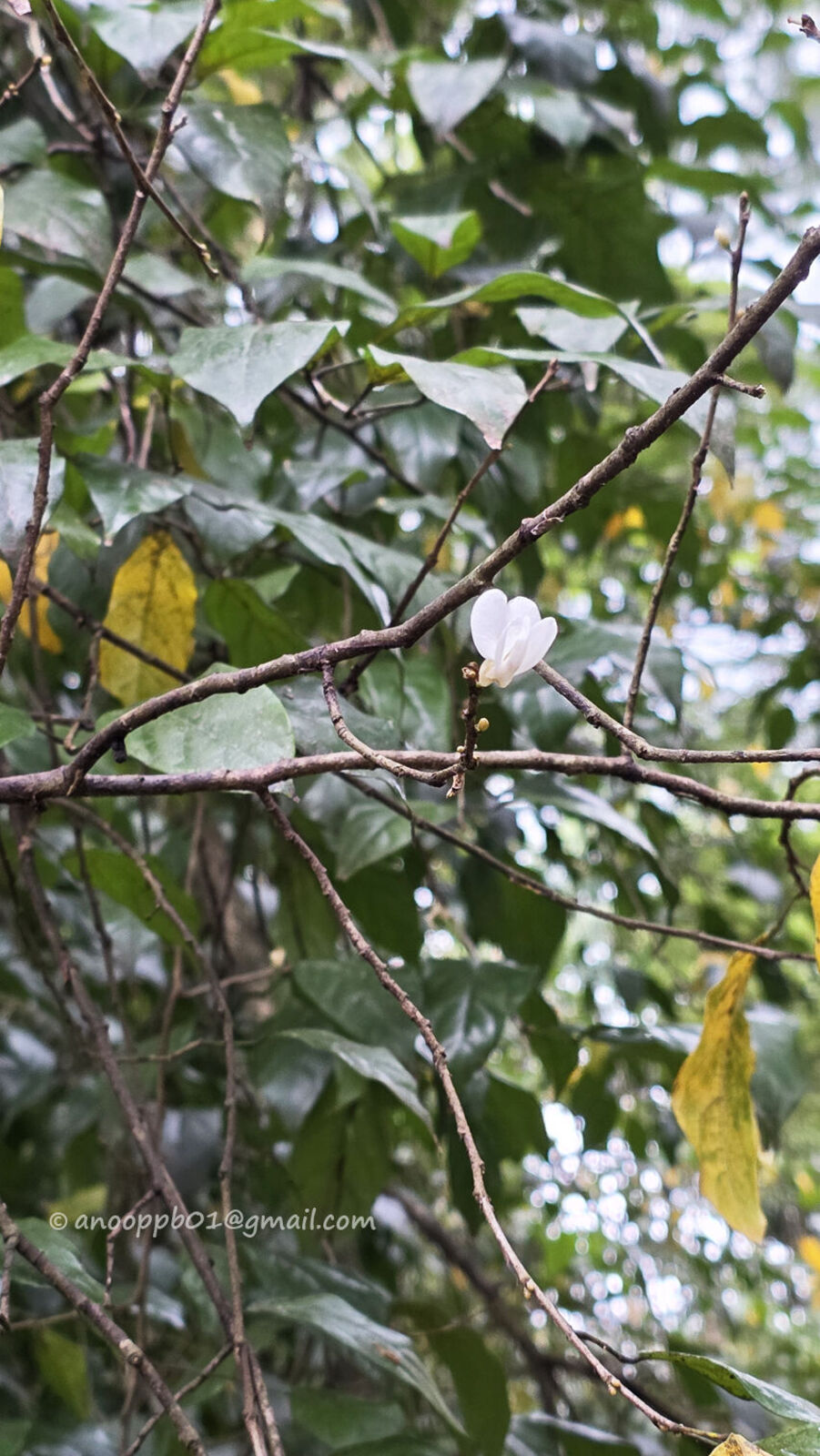
Baphia
Baphia is a small genus of legumes that bear simple leaves. Baphia is from the Greek word βάπτω (báptō-, "to dip" or "to dye"), referring to a red dye that is extracted from the heartwood of tropical species. The genus is restricted to the African tropics. Baphia was traditionally assigned to the tribe Sophoreae; however, recent molecular phylogenetic analyses reassigned Baphia to the tribe Baphieae.

Coreopsis tinctoria
species of plant
aurantinidin
Aurantinidin is a water-soluble, red plant dye. It is a member of the class of compounds known as anthocyanidins and is a hydroxy derivative of pelargonidin. Aurantinidin has been reported to occur in Impatiens aurantiaca (Balsaminaceae), and also in cultivars from genus Alstroemeria.

Gutierrezia
thumb|Flower heads of Gutierrezia microcephala

Desmodium incanum
species of plant

Persicaria tinctoria
species of plant

Opuntia polyacantha
species of plant

Aloe inermis
species of plant
lawsone
Lawsone (2-hydroxy-1,4-naphthoquinone), also known as hennotannic acid, is a red-orange dye present in the leaves of the henna plant (Lawsonia inermis), for which it is named, as well as in the common walnut (Juglans regia) and water hyacinth (Pontederia crassipes). Humans have used henna extracts containing lawsone as hair and skin dyes for more than 5,000 years. Lawsone reacts chemically with the protein keratin in skin and hair via a Michael addition reaction, resulting in a strong permanent stain that lasts until the skin or hair is shed. Darker colored staining is due to more lawsone–kera
brazilin
Brazilin is a naturally occurring, homoisoflavonoid, red dye obtained from the wood of Paubrasilia echinata, Biancaea sappan, Caesalpinia violacea, and Haematoxylum brasiletto (also known as Natural Red 24 and CI 75280). Brazilin has been used since at least the Middle Ages to dye fabric, and has been used to make paints and inks as well. The specific color produced by the pigment depends on its manner of preparation: in an acidic solution brazilin will appear yellow, but in an alkaline preparation it will appear red. Brazilin is closely related to the blue-black dye precursor hematoxylin, hav

Parmelia saxatilis
species of lichen-forming fungus

Rheum australe
species of plant
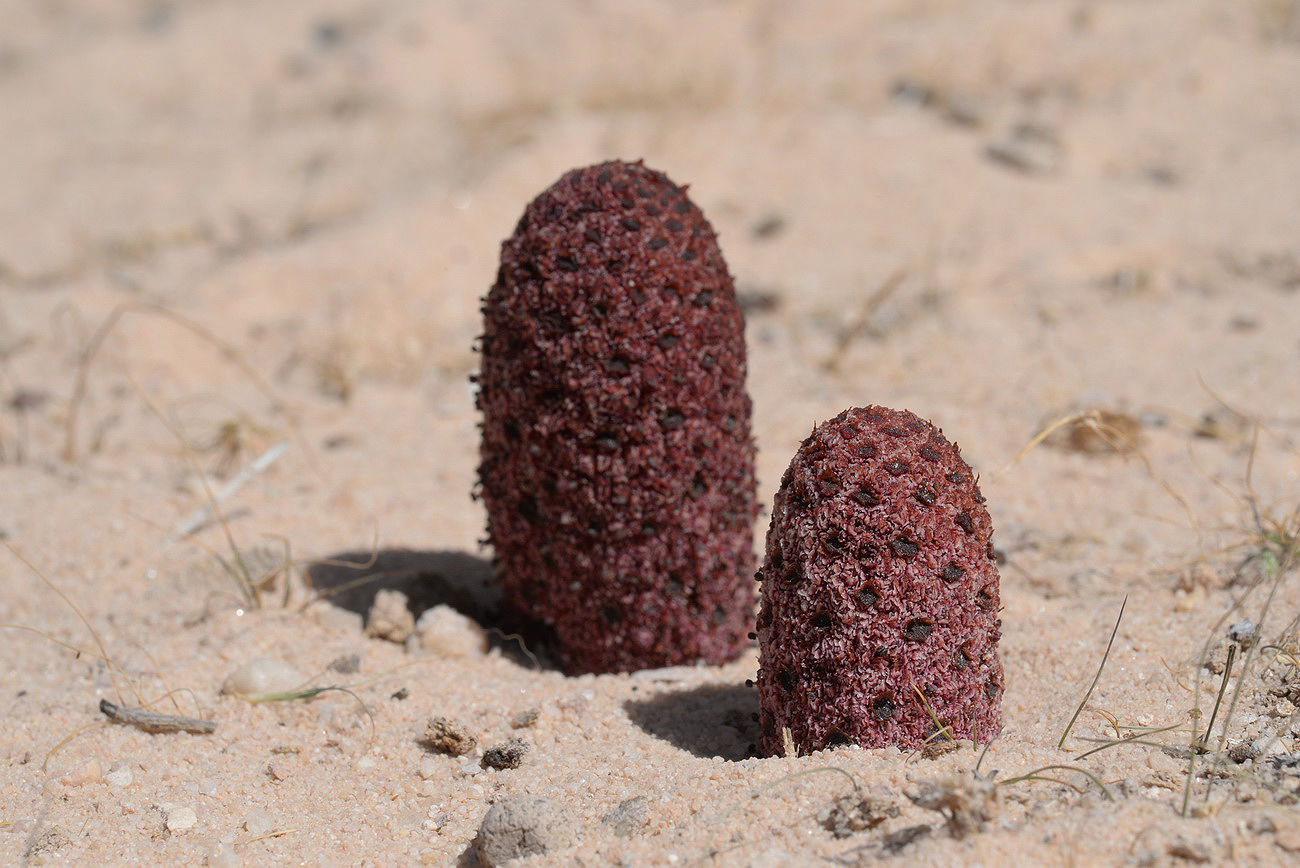
Cynomorium
Cynomorium is a genus of parasitic perennial flowering plants in the family Cynomoriaceae. The genus consists of only one species, Cynomorium coccineum (although one of its subspecies is sometimes treated as a separate species). Its placement in the Saxifragales was resolved in 2016 with the help of nuclear, plastid, and mitochondrial sequences obtained from next-generation sequencing. Common names include the misleading Maltese fungus or Maltese mushroom; also desert thumb, red thumb, tarthuth (Bedouin) and suoyang (Chinese). A rare or local species, it grows in dry, rocky or sandy soils, oft

Vaccinium bracteatum
species of plant

Baptisia tinctoria
species of plant
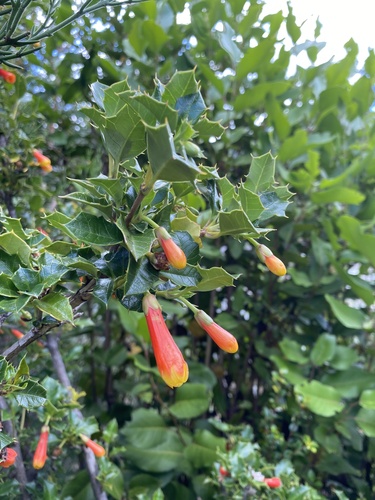
Desfontainia
Desfontainia is a genus of flowering plants in the family Columelliaceae, though it was placed formerly in Loganiaceae, Potaliaceae (later subsumed in Gentianaceae), or a family of its own, Desfontainiaceae.
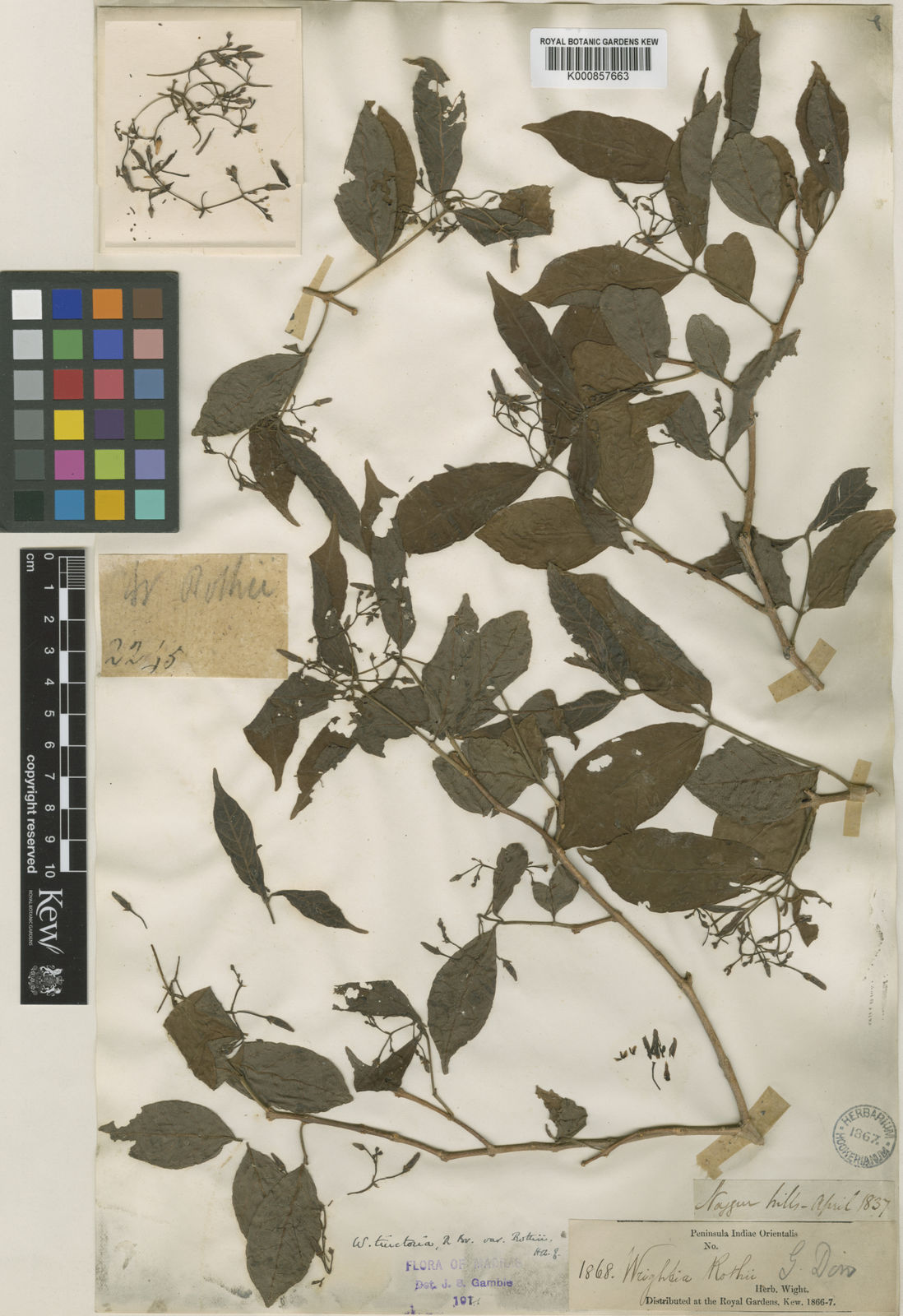
Wrightia tinctoria
species of plant
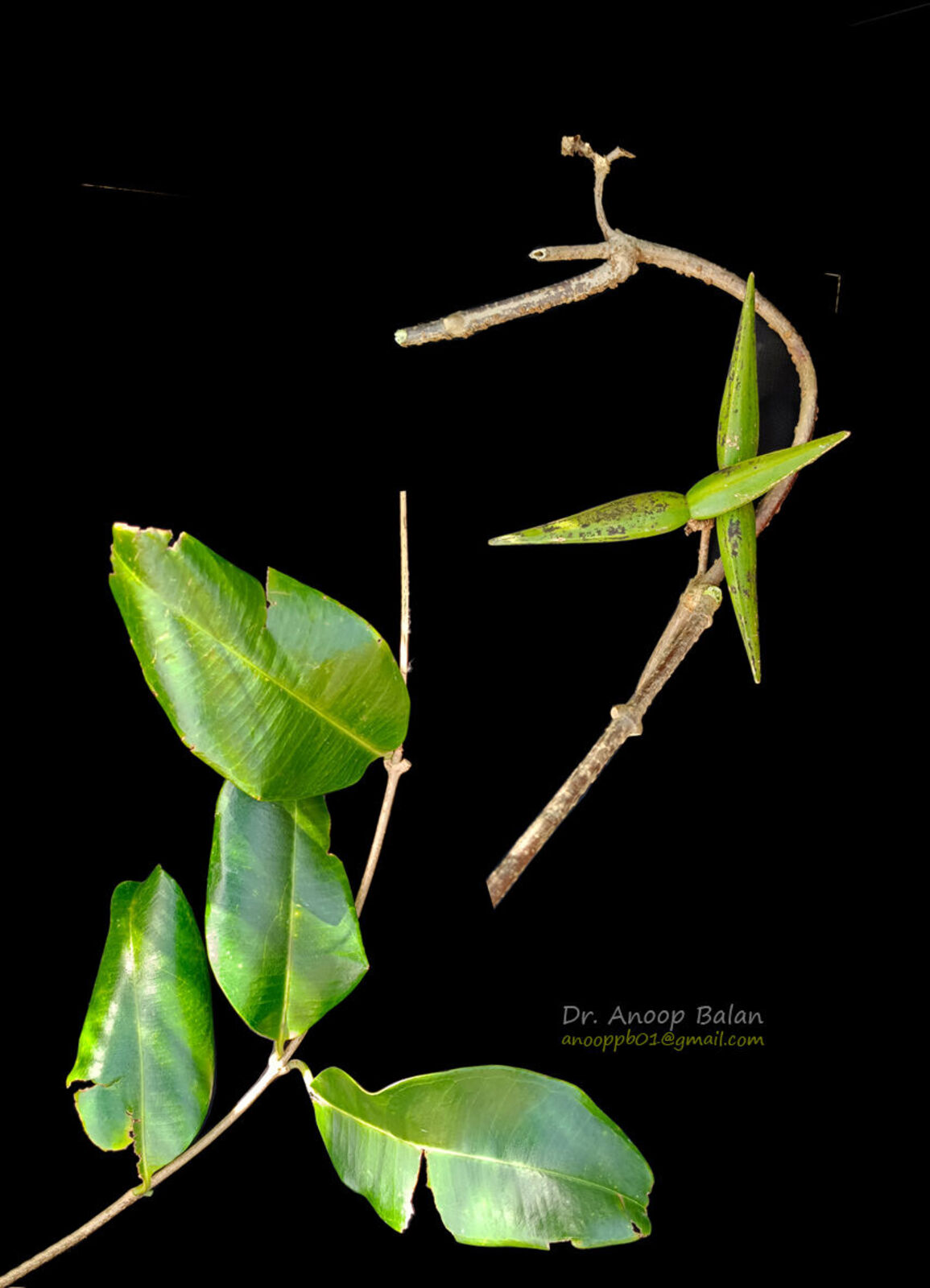
Cryptolepis
genus of plants
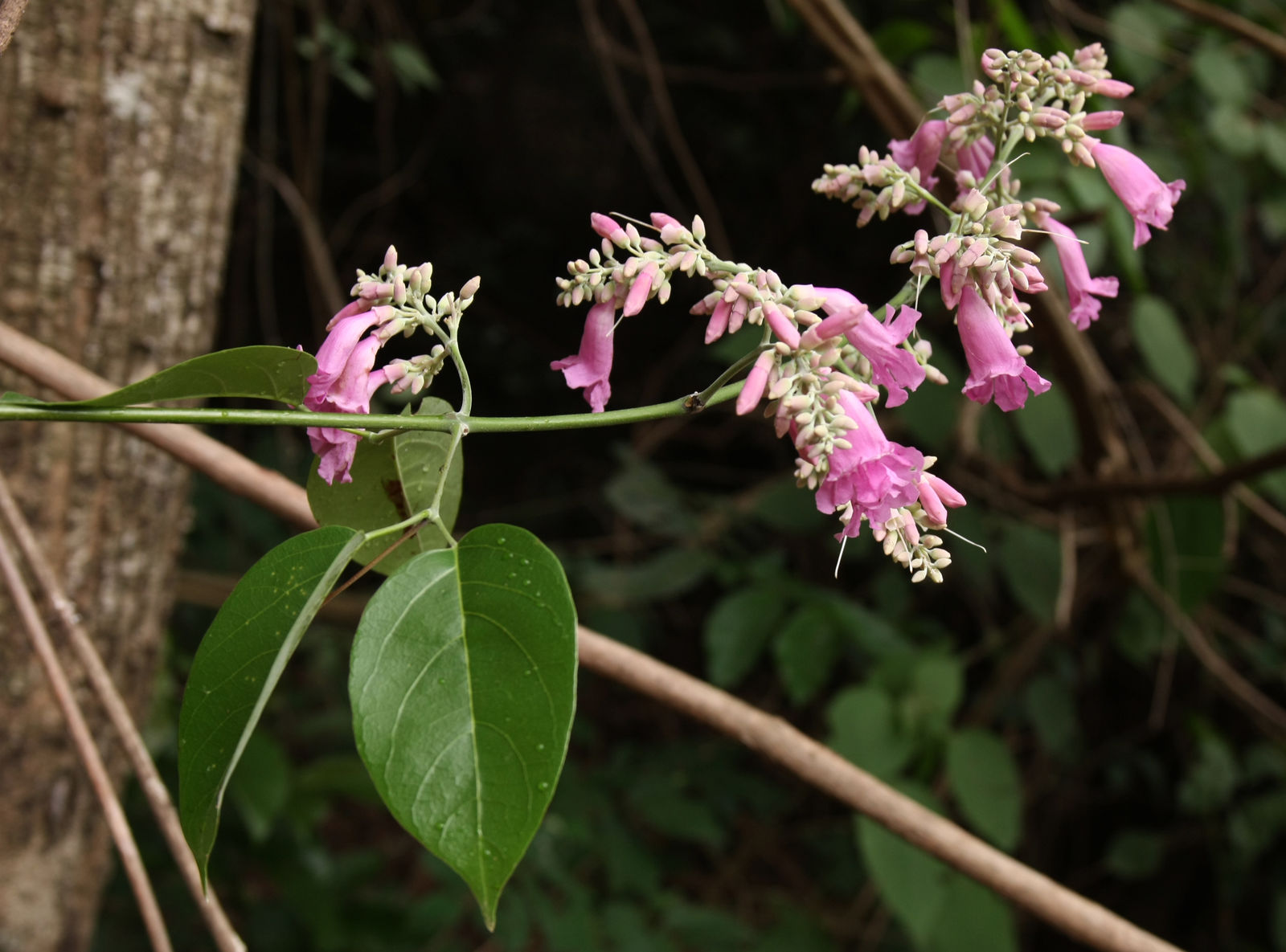
Fridericia chica
species of plant

Sanguinaria
Sanguinaria canadensis, bloodroot, is a perennial, herbaceous flowering plant native to eastern North America. It is the only species in the genus Sanguinaria, included in the poppy family Papaveraceae, and is most closely related to Eomecon of eastern Asia.

Garcinia hanburyi
species of plant

Maclura tinctoria
species of plant
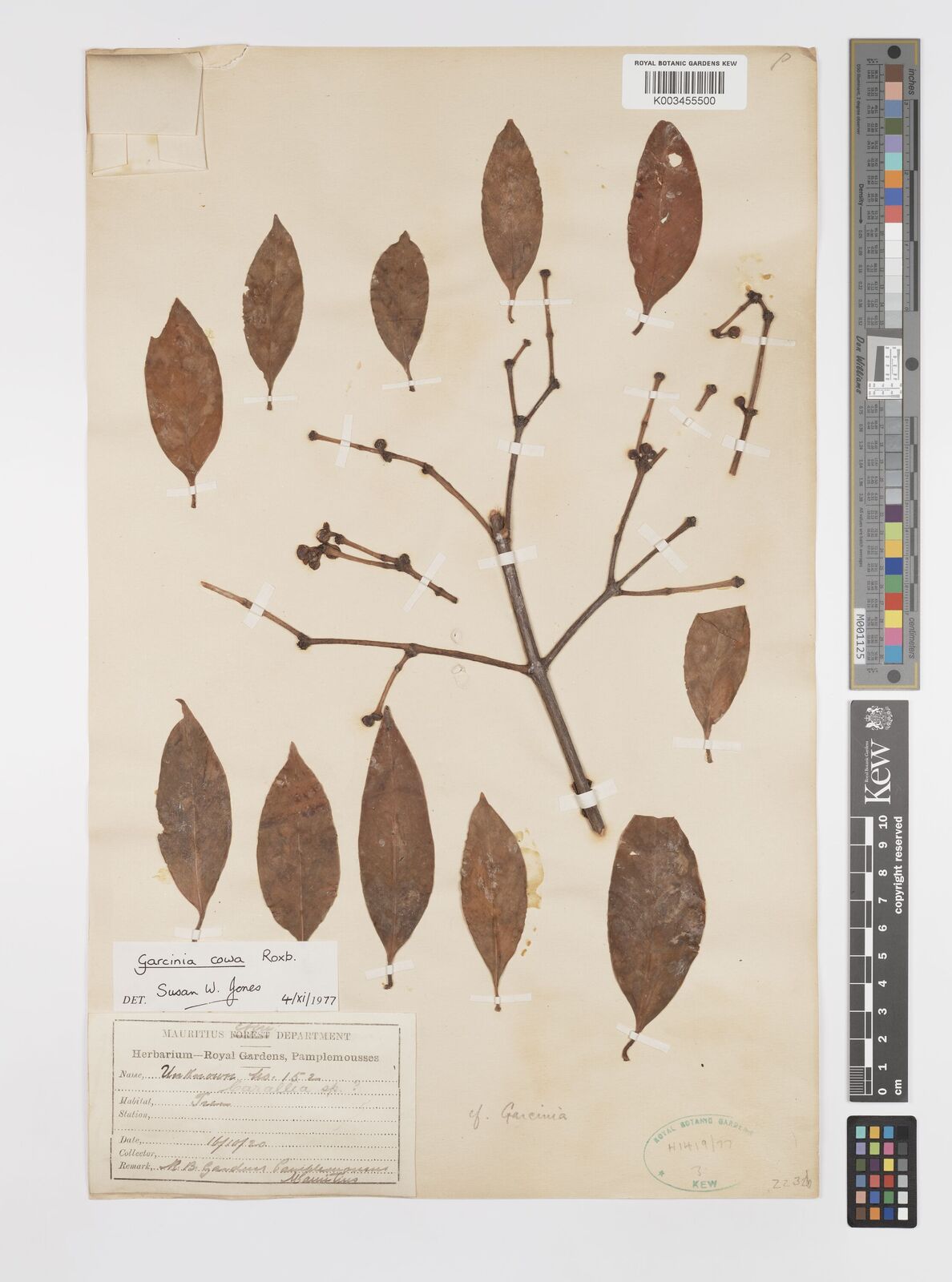
Garcinia cowa
species of plant

Rhus trilobata
species of plant
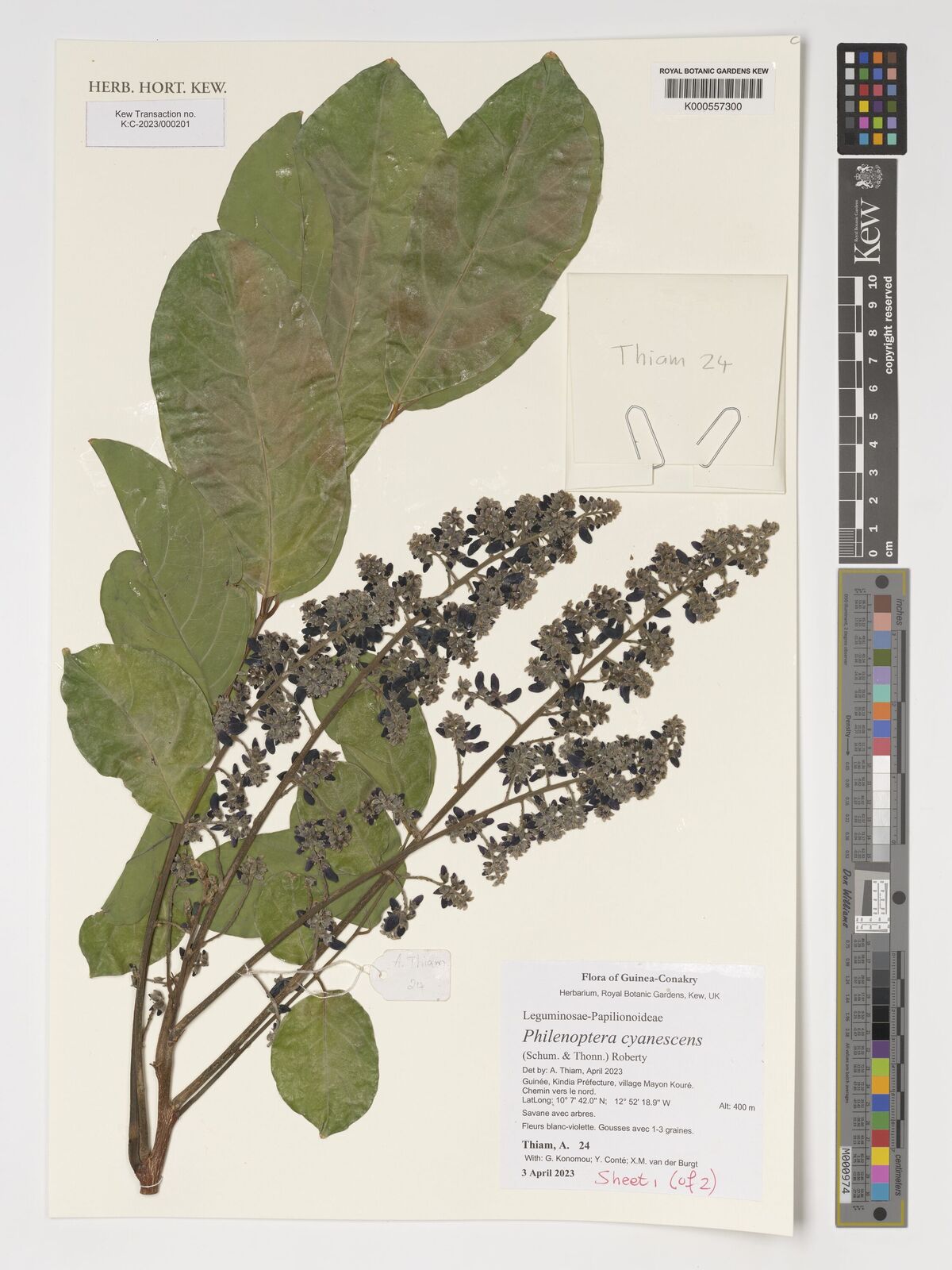
Philenoptera cyanescens
species of plant
Oldenlandia umbellata
species of plant

Haematoxylum brasiletto
species of plant
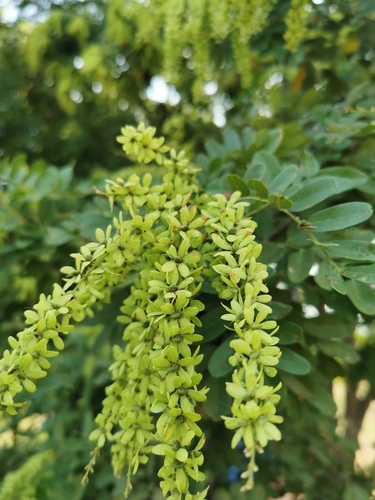
Apoplanesia paniculata
species of plant