Category
page 1Polypodiales
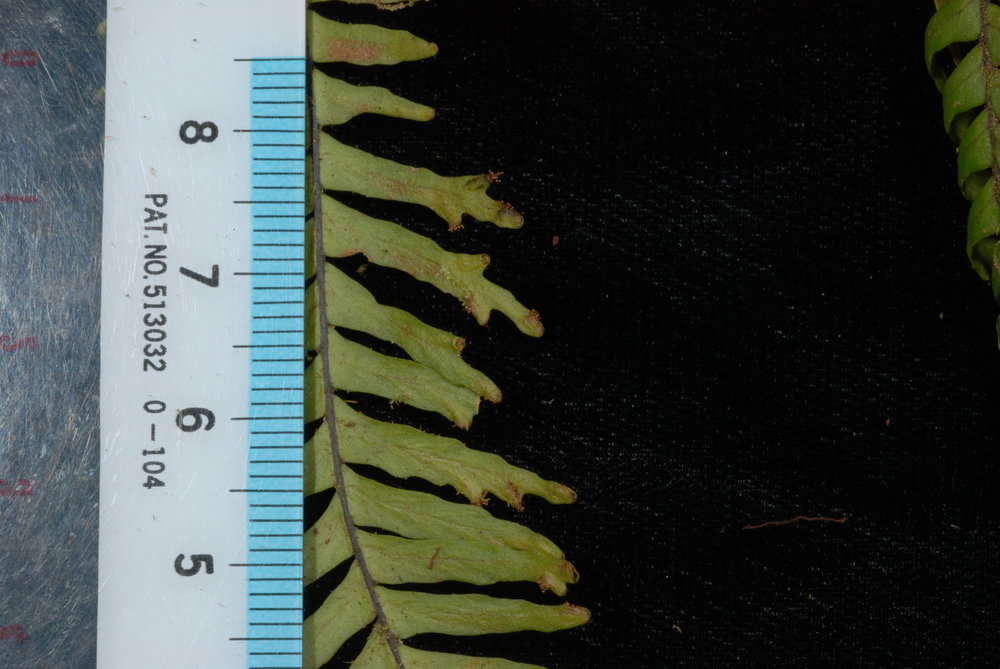
Polypodiales
The order Polypodiales encompasses the major lineages of polypod ferns, which account for more than 80% of today's fern species. They are found in many parts of the world including tropical, semitropical and temperate areas.

Matteuccia struthiopteris
Matteuccia is a genus of ferns with one species: Matteuccia struthiopteris (common names ostrich fern, fiddlehead fern, or shuttlecock fern). The species epithet struthiopteris comes from Ancient Greek words () "ostrich" and () "fern".

Pteridaceae
thumb|240px|Adiantum lunulatum
Pteridaceae is a family of ferns in the order Polypodiales, including some 1150 known species in ca 45 genera (depending on taxonomic opinions), divided over five subfamilies. The family includes four groups of genera that are sometimes recognized as separate families: the adiantoid, cheilanthoid, pteridoid, and hemionitidoid ferns. Relationships among these groups remain unclear, and although some recent genetic analyses of the Pteridales suggest that neither the family Pteridaceae nor the major groups within it are all monophyletic, as yet these analyses are i
Dennstaedtiaceae
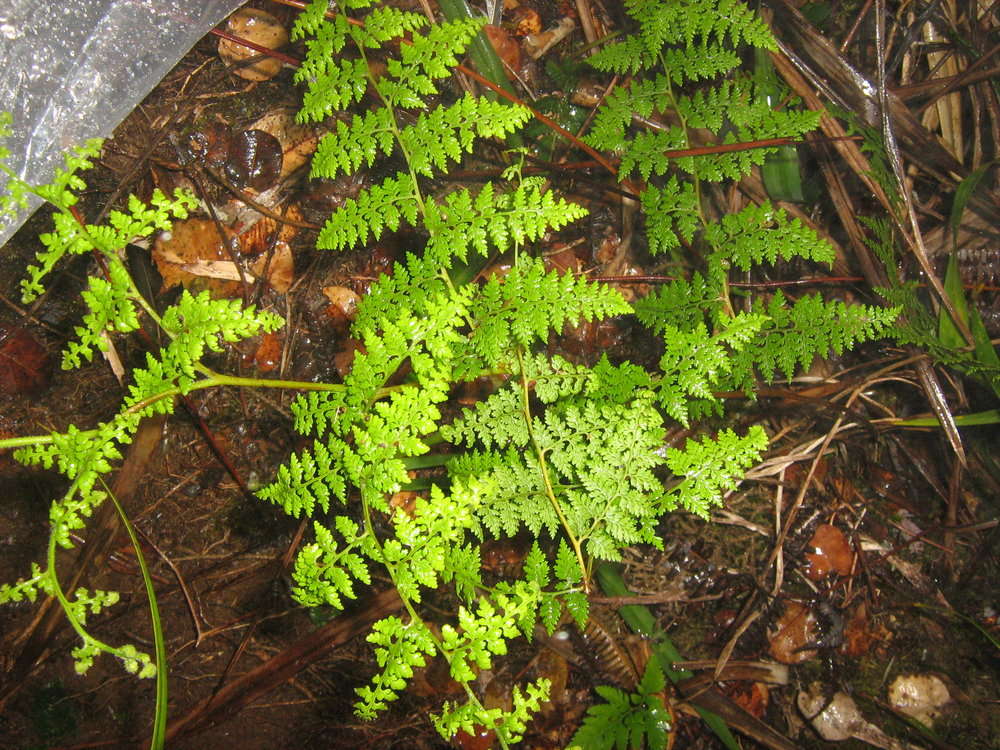
Dennstaedtiaceae is one of fifteen families in the order Polypodiales, the most derived families within monilophytes (ferns). It comprises 10 genera with ca 240 known species, including one of the world's most abundant ferns, Pteridium aquilinum (bracken). Members of the order generally have large, highly divided leaves and have either small, round intramarginal sori with cup-shaped indusia (e.g. Dennstaedtia) or linear marginal sori with a false indusium formed from the reflexed leaf margin (e.g. Pteridium). The morphological diversity among members of the order has confused past taxonomy, bu
Woodsiaceae
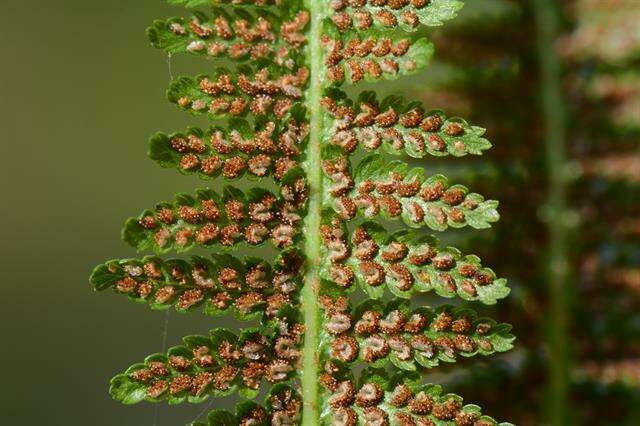
Woodsiaceae is a family of ferns. In the Pteridophyte Phylogeny Group classification of 2016 (PPG I), it is placed in the suborder Aspleniineae. The family can also be treated as the subfamily Woodsioideae of a very broadly defined family Aspleniaceae sensu lato. In PPG I, the family contained only one genus, Woodsia. In 2020, Physematium was split off from Woodsia on the basis of molecular phylogenetic evidence. , Plants of the World Online continued to treat Physematium as a synonym of Woodsia.

Onocleaceae
Onocleaceae is a small family of terrestrial ferns in the order Polypodiales. It is placed in the suborder Aspleniineae in the Pteridophyte Phylogeny Group classification of 2016 (PPG I). Alternatively, the family, along with Blechnaceae, may be placed in a very broadly defined family Aspleniaceae as the subfamily Blechnoideae. The family may contain from one to four genera, consisting of five species largely in north temperate climes. The four genera, Matteuccia, Onoclea, Onocleopsis and Pentarhizidium, may be included under the single genus Onoclea.
Lomariopsidaceae
The Lomariopsidaceae is a family of ferns with a largely tropical distribution. In the Pteridophyte Phylogeny Group classification of 2016 (PPG I), the family is placed in the suborder Polypodiineae (eupolypods I) of the order Polypodiales. Alternatively, it may be treated as the subfamily Lomariopsidoideae of a very broadly defined family Polypodiaceae sensu lato.

Nephrolepis
Nephrolepis is a genus of about 30 species of ferns. It is the only genus in the family Nephrolepidaceae, placed in the suborder Aspleniineae (eupolypods I) of the order Polypodiales in the Pteridophyte Phylogeny Group classification of 2016 (PPG I). (It is placed in the Dryopteridaceae in some other classifications.) Species in this genus include plants commonly referred to as Boston ferns. The fronds are long and narrow, and once-pinnate, in the case of one Bornean species reaching thirty feet (nine meters) in length.

Cystopteridaceae
Cystopteridaceae is a family of ferns in the order Polypodiales. In the Pteridophyte Phylogeny Group classification of 2016 (PPG I), the family is placed in the suborder Aspleniineae of the order Polypodiales, and includes three genera. Alternatively, it may be treated as the subfamily Cystopteridoideae of a very broadly defined family Aspleniaceae.

Cystopteris
Cystopteris is a genus of ferns in the family Cystopteridaceae. These are known generally as bladderferns or fragile ferns. They grow in temperate areas worldwide. This is a very diverse genus and within a species individuals can look quite different, especially in harsh environments where stress stunts their growth. They hybridize easily with each other and identifying an individual can be challenging. In general these are rhizomatous perennials which grow in rocks or soil. Their leaves are multiply pinnate, in that each leaflet is divided into smaller parts. The sori are usually rounded and
Onoclea sensibilis
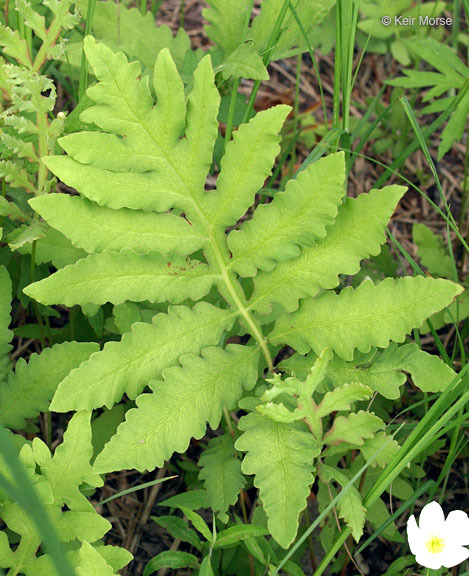
species of plant

Saccolomataceae
Saccolomataceae is a family of ferns in the order Polypodiales with about 19 species. It has been formerly treated as part of the Dennstaedtiaceae, however it has been classified as its own family according to Smith et al. (2006) The genus Saccoloma has been classified to include Orthiopteris, but the phylogeny of the group not yet fully understood. The family includes a dozen known species.

Oleandra
Oleandra is a genus of ferns. In the Pteridophyte Phylogeny Group classification of 2016 (PPG I), it is the only genus in the family Oleandraceae, which is placed in suborder Polypodiineae, order Polypodiales. Alternatively, the family may be placed in a very broadly defined family Polypodiaceae sensu lato as the subfamily Oleandroideae.
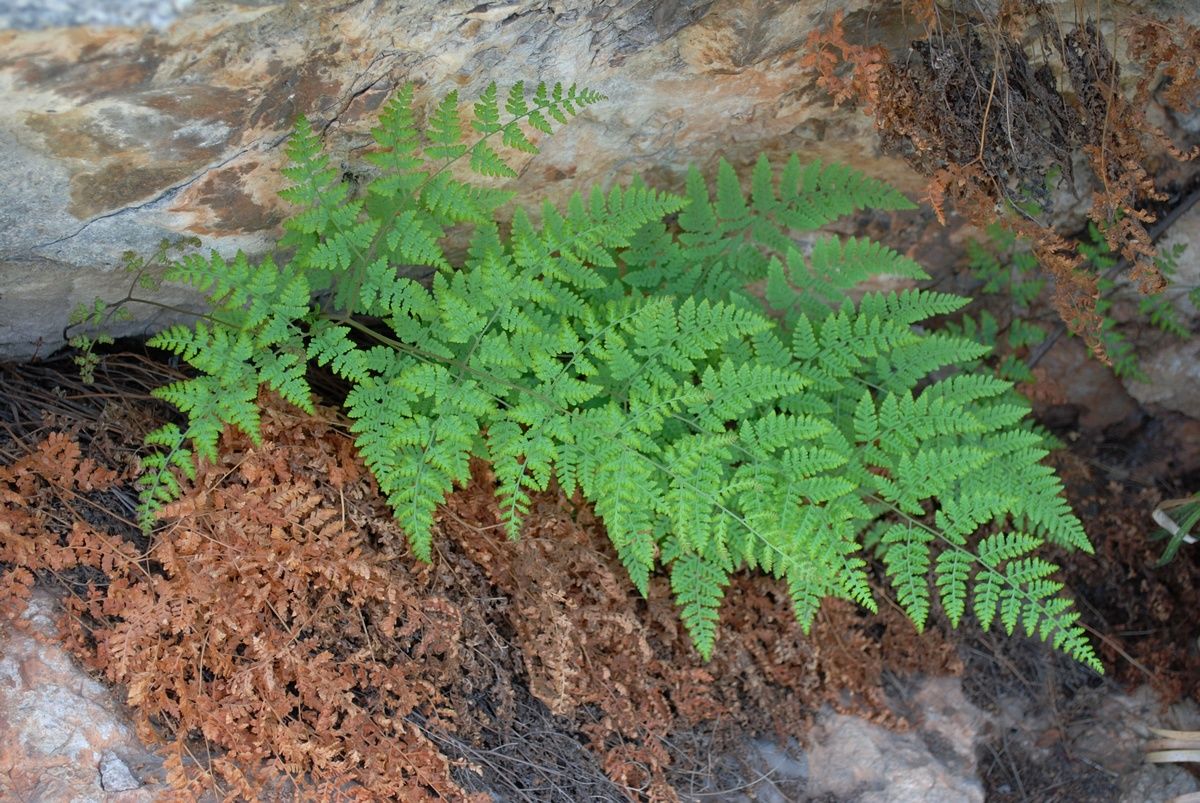
Hypodematiaceae
Hypodematiaceae is a family of ferns in the order Polypodiales. In the Pteridophyte Phylogeny Group classification of 2016 (PPG I), the family is placed in the suborder Polypodiineae. Alternatively, it may be treated as the subfamily Hypodematioideae of a very broadly defined family Polypodiaceae sensu lato. The family consists of two, or in some versions three, small genera.
Diplaziopsidaceae
Diplaziopsidaceae is a family of ferns in the order Polypodiales. In the Pteridophyte Phylogeny Group classification of 2016 (PPG I), the family is placed in the suborder Aspleniineae, and includes two genera. Alternatively, it may be treated as the subfamily Diplaziopsidoideae of a broadly defined family Aspleniaceae.

Didymochlaena truncatula
Didymochlaena is a genus of ferns. In the Pteridophyte Phylogeny Group classification of 2016 (PPG I), it is the only genus in the family Didymochlaenaceae. Alternatively, the family may be placed in a very broadly defined family Polypodiaceae sensu lato as the subfamily Didymochlaenoideae.
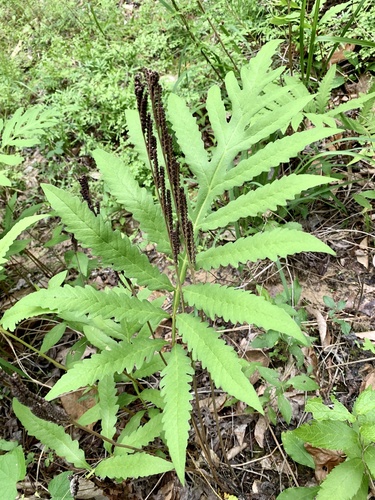
Onoclea
Onoclea is a genus of plants in the family Onocleaceae, native to moist habitats in eastern Asia and eastern North America. They are deciduous ferns with sterile fronds arising from creeping rhizomes in spring, dying down at first frost. Fertile fronds appear in late summer. Depending on the authority, the genus contains one to five species.

Saccoloma
Saccoloma is a fern genus in family Saccolomataceae. It is the only genus in the family in the Pteridophyte Phylogeny Group classification of 2016 (PPG I), but further investigation is needed. It is pantropical and its species are found in wet, shaded forest areas. Saccoloma species are characterized by an omega-shaped (Ω) vascular bundle in the cross-sections of their petioles. The common name soralpouch fern is used for Saccoloma.
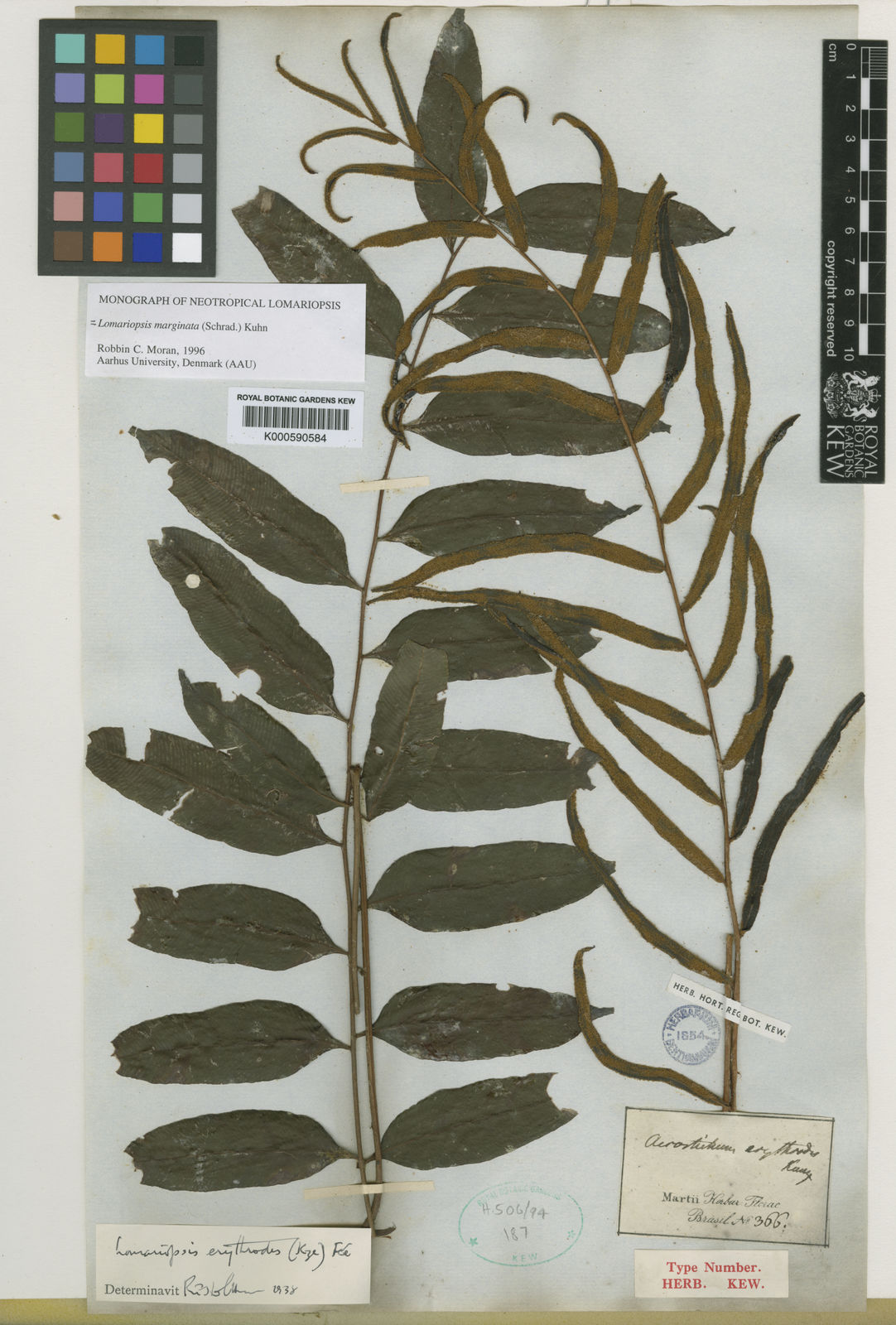
Lomariopsis marginata
species of plant
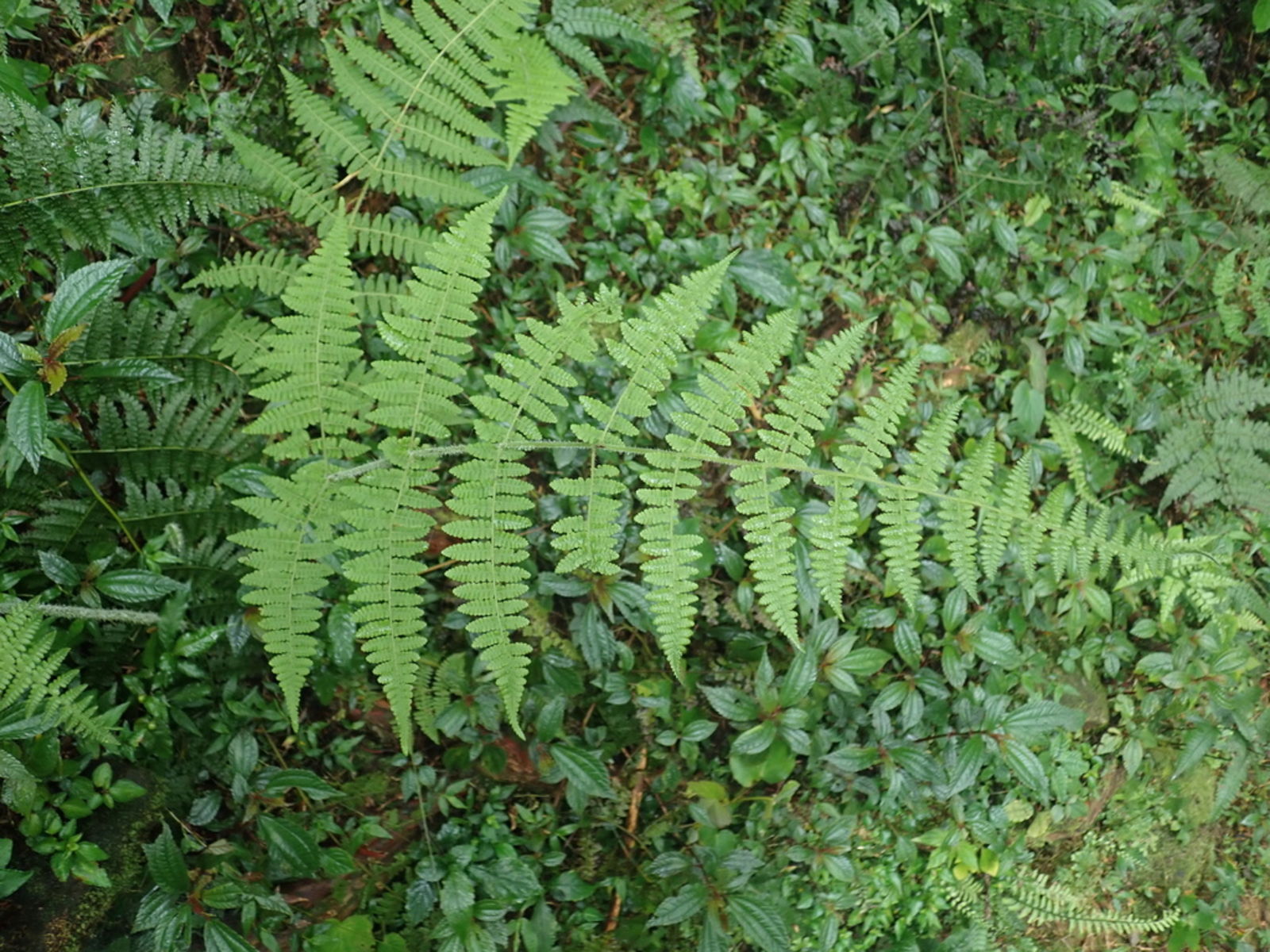
Acystopteris
Acystopteris is a genus of ferns in the family Cystopteridaceae.

Lomariopsis
Lomariopsis is the type genus of the fern family Lomariopsidaceae.
Rhachidosorus
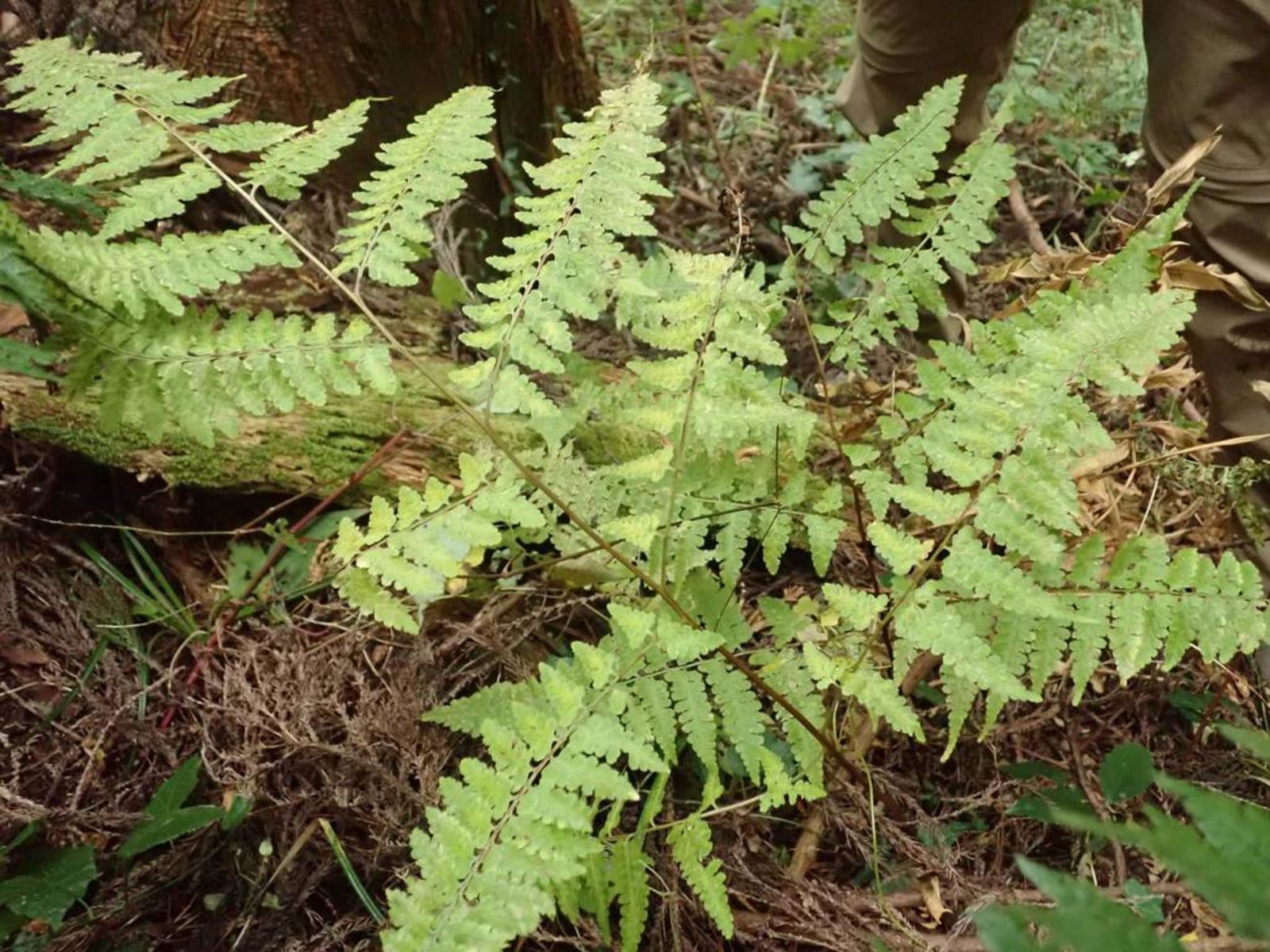
Rhachidosorus is a genus of ferns in the order Polypodiales. It is the only genus in the family Rhachidosoraceae in the Pteridophyte Phylogeny Group classification of 2016 (PPG I). Alternatively, the genus may be placed in the subfamily Rhachidosoroideae of a more broadly defined family Aspleniaceae, the family placement used in Plants of the World Online .
Aspleniineae
Aspleniineae is a suborder of ferns in the order Polypodiales. It is equivalent to the clade eupolypods II in earlier systems; it is also treated as a single very broadly defined family Aspleniaceae. The suborder generally corresponds with the order Blechnales as described by J. L. Reveal in 1993. Aspleniineae includes some important ferns, including Onoclea sensibilis, the sensitive fern, which grows as a virtual weed throughout much of its temperate North American range, and ferns of the genus Thelypteris, a genus that has shown remarkable speciation. It also includes one of the more common

Pentarhizidium
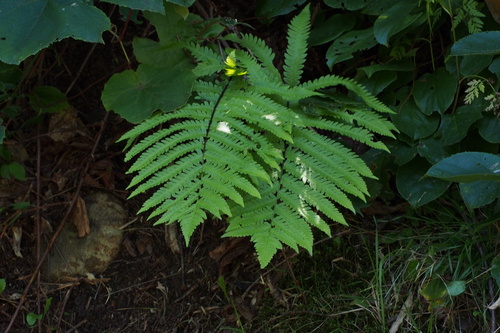
Pentarhizidium is a genus of two Asian fern species. These species have formerly been included in Matteuccia or Onoclea. Recent genetic analysis has determined that these two species form a discrete clade that is basal to the rest of this fern group, and so have been located in their own genus. P. orientale is sometimes grown as a garden plant.
Lonchitis
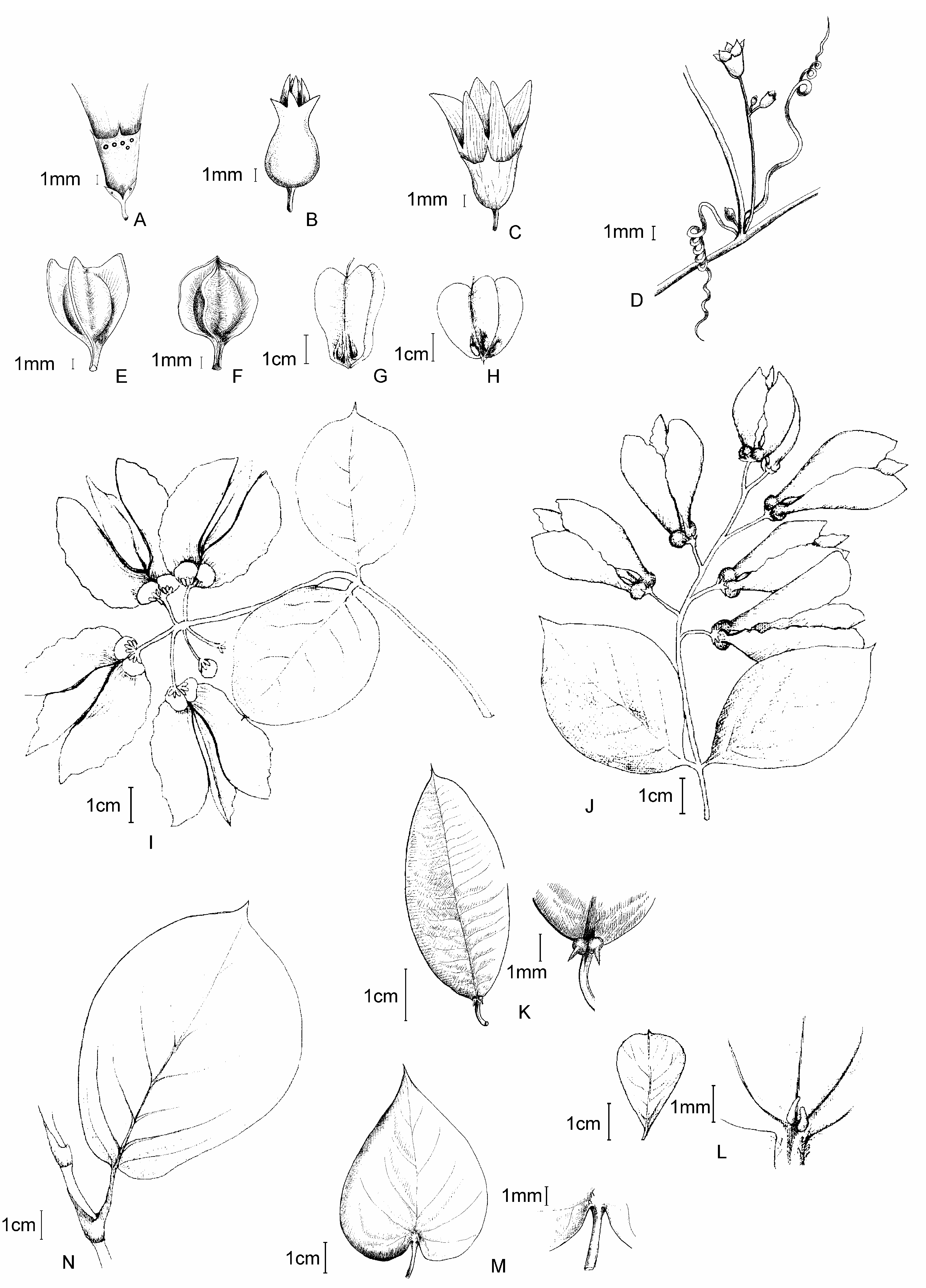
Lonchitis is a neotropical genus of ferns. It is the sole genus in the family Lonchitidaceae. At one time Lonchitis was placed in the Dennstaedtiaceae, and then transferred to the Lindsaeaceae, before being placed in its own family.
Pentarhizidium orientale
species of plant
Rhachidosoraceae
REDIRECT Rhachidosorus
Leucostegia
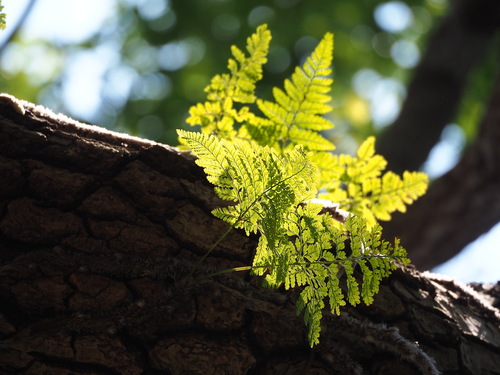
Leucostegia is a genus of ferns in the family Hypodematiaceae in the Pteridophyte Phylogeny Group classification of 2016 (PPG I).
Süsswassertang
Lomariopsis lineata is a species of fern native to South East Asia. The prothallia of this species (or possibly a closely related species) are commonly cultivated as an aquarium plant, where it is known to aquarists as süsswassertang (German spelling: ''''''). It is often incorrectly spelled "subwassertang" due to the German eszett's similarity to the Latin 'B'. It is also called Loma fern or round pellia.

Oleandraceae
REDIRECTOleandra
Hypodematium
Hypodematium is a genus of ferns and is the type genus of the family Hypodematiaceae.

Hemidictyum
thumb | right | Hemidictyum marginatum plant
Hemidictyum is a genus of ferns with a single species, Hemidictyum marginatum, commonly known as the marginated half net fern. In the Pteridophyte Phylogeny Group classification of 2016 (PPG I), it is the only genus in the family Hemidictyaceae. Alternatively, the family, along with Aspleniaceae sensu stricto, may be placed in a much more broadly defined family Aspleniaceae as the subfamily Asplenioideae.
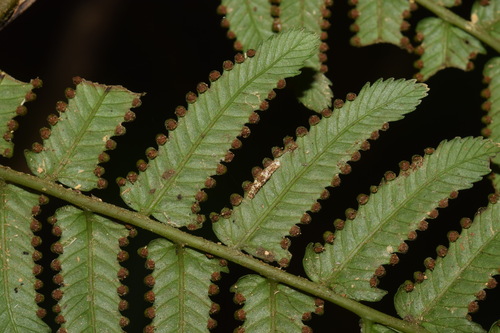
Cystodium sorbifolium
species of plant
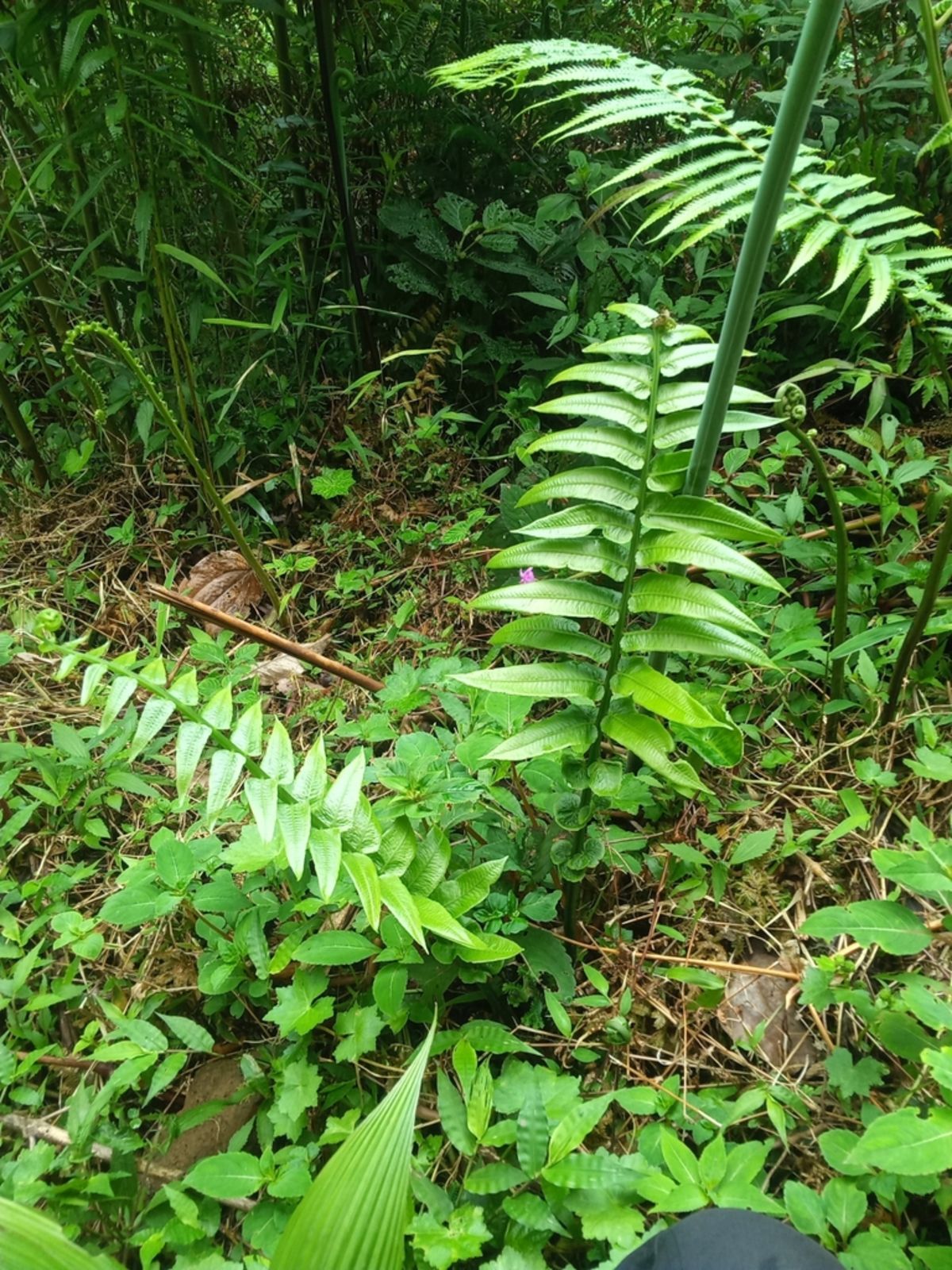
Diplaziopsis
Diplaziopsis is a genus of ferns in the family Diplaziopsidaceae. The genus name means 'like Diplazium'.
Tempskya
Tempskya is an extinct genus of tree fern that lived during the Cretaceous period. Fossils have been found across both the Northern and Southern hemispheres. The growth habit of Tempskya was unlike that of any living fern or any other living plant, consisting of multiple conjoined dichotomous branching stems enmeshed within roots that formed a "false trunk".
Cladophlebis
Cladophlebis is an extinct form genus of fern, which has been reported from the Permian to the end of the Cretaceous and from all continents of the world.
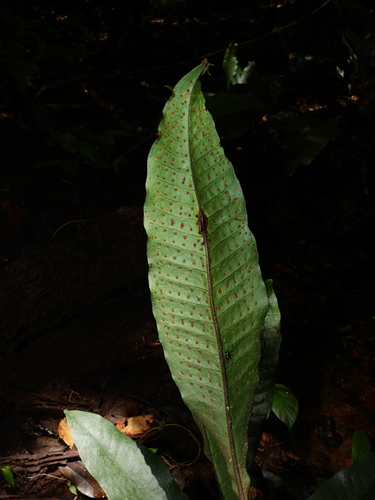
Dracoglossum
Dracoglossum is a small genus of ferns in the family Lomariopsidaceae, according to the Pteridophyte Phylogeny Group classification of 2016 (PPG I). It is native to the Neotropics of the Americas.
Polypodiineae
Polypodiineae is a suborder of ferns in the order Polypodiales. It is equivalent to the clade eupolypods I in earlier systems, and to the very broadly defined family Polypodiaceae in the classification of Christenhusz & Chase (2014). It probably diverged from the suborder Aspleniineae (eupolypods II) during the mid-Cretaceous. The divergence is supported by both molecular data and an often overlooked morphological characteristic which lies in the vasculature of the petiole. Most species that make up the suborder have three vascular bundles. The only exceptions are the grammitid ferns which hav
Hemidictyaceae
REDIRECT Hemidictyum

Saccoloma laxum
species of plant

Saccoloma squamosum
species of plant

Cyclopeltis
Cyclopeltis is a genus of ferns in the family Lomariopsidaceae according to the Pteridophyte Phylogeny Group classification of 2016 (PPG I).
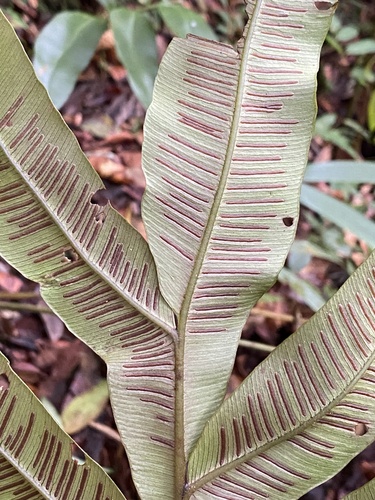
Desmophlebium
Desmophlebium is a genus of ferns. In the Pteridophyte Phylogeny Group classification of 2016, it is the only genus in the family Desmophlebiaceae. Other sources place it in a more widely defined Aspleniaceae.