Category
page 1Polyporales genera

Ganoderma
thumb|Ganoderma subgenus elfvingia
Ganoderma is a genus of polypore fungi in the family Ganodermataceae that includes about 80 species, many from tropical regions. They may be called shelf mushrooms or bracket fungi and have a high genetic diversity. Ganoderma can be differentiated from other polypores because they have a double-walled basidiospore. They are used in traditional Asian medicine.

Polyporus
Polyporus is a genus of poroid fungi in the family Polyporaceae.
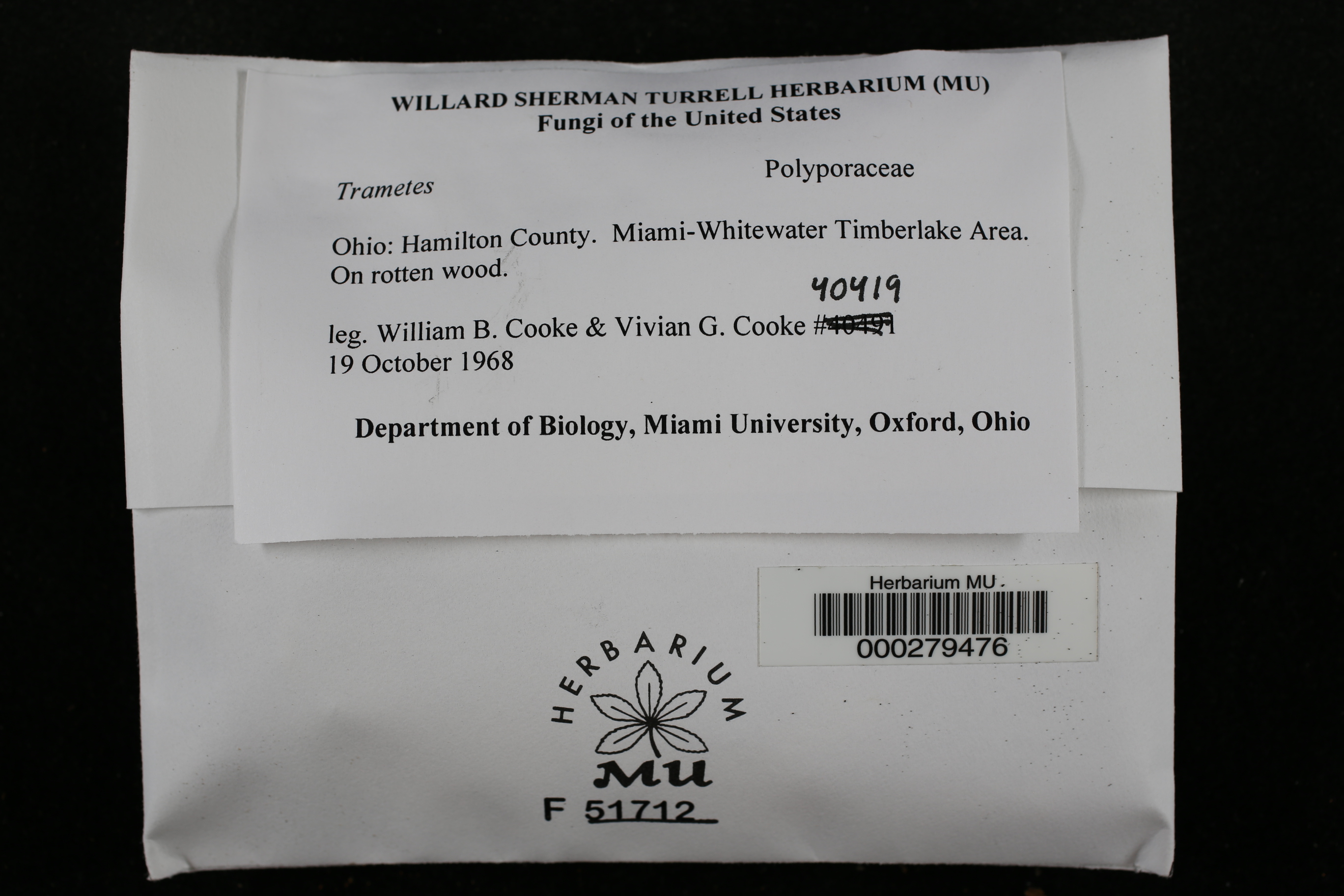
Trametes
Trametes is a genus of fungi that is distinguished by a pileate basidiocarp, di- to trimitic hyphal systems, smooth non-dextrinoid spores, and a hymenium usually without true hymenial cystidia. The genus has a widespread distribution and contains about 195 species. The genus was circumscribed by Elias Magnus Fries in 1836.

Laetiporus
Laetiporus is a genus of edible mushrooms found throughout much of the world. Some species, especially Laetiporus sulphureus, are commonly known as sulphur shelf, chicken of the woods, the chicken mushroom, or the chicken fungus because it is often described as tasting like and having a texture similar to that of chicken.

Sparassis
Sparassis (also known as cauliflower mushroom) is a genus of parasitic and saprobic mushroom characterised by its unique shape and appearance and is found around the globe. Its appearance can be described as similar to a sea sponge, a brain or a head of cauliflower, hence its popular name.

Fomes
Fomes is a genus of perennial woody fungi in the family Polyporaceae. Species are typically hoof-shaped (ungulate). New growth each season is added to the margin, resulting in a downward extension of the hymenium. This often results in a zonate appearance of the upper surface, that is, marked by concentric bands of color.

Meripilus
Meripilus is a fungal genus in the family Meripilaceae. The genus name combines the Ancient Greek words ("part" or "portion") and ("cap").

Fomitopsis
Fomitopsis is a genus of more than 40 species of bracket fungi in the family Fomitopsidaceae.
%20Fr%20630853.jpg)
Lentinus
Lentinus is a genus of fungi in the family Polyporaceae. The genus is widely distributed, with many species found in subtropical regions.
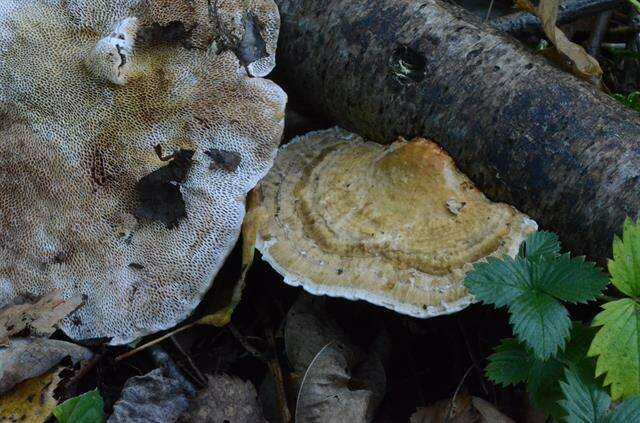
Daedaleopsis
Daedaleopsis is a genus of fungi in the family Polyporaceae. The name Daedaleopsis is a reference to Daedalus, the labyrinth-maker of myth. Similarly, the maze-like pattern of pores is taxonomically described as being daedaloid. DNA was recovered and sequenced from fragments of a nearly 7000-year-old fruit body of D. tricolor found in an early Neolithic village in Rome.
.JPG)
Bjerkandera
Bjerkandera is a genus of wood-rotting fungi in the family Phanerochaetaceae.
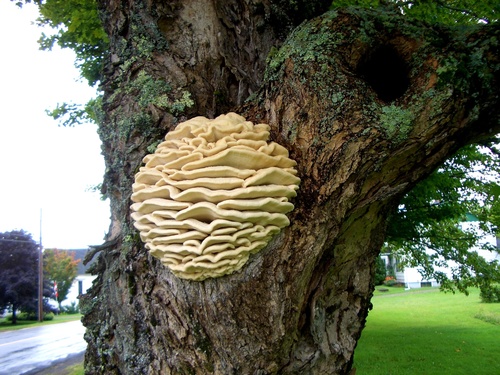
Climacodon
Climacodon is a widespread genus of tooth fungi in the family Phanerochaetaceae.

Panus
Panus is a genus of fungi in the family Polyporaceae.
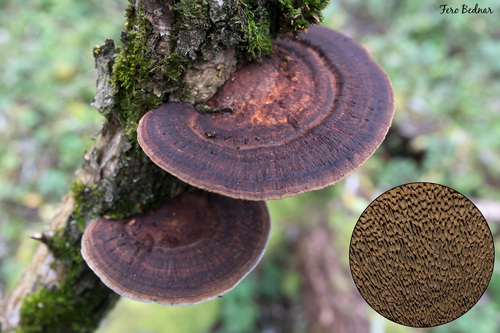
Daedalea
Daedalea is a genus of fungi in the family Fomitopsidaceae. The genus was circumscribed in 1801 by mycologist Christian Hendrik Persoon, based on the type D. quercina and four other species. The generic name is derived from the Ancient Greek ("curiously wrought").

Antrodia
Antrodia is a genus of fungi in the family Fomitopsidaceae. Antrodia species have fruit bodies that typically resupinate (i.e., lying flat or spread out on the growing surface), with the hymenium exposed to the outside; the edges may be turned so as to form narrow brackets. Most species are found in temperate and boreal forests, and cause brown rot.
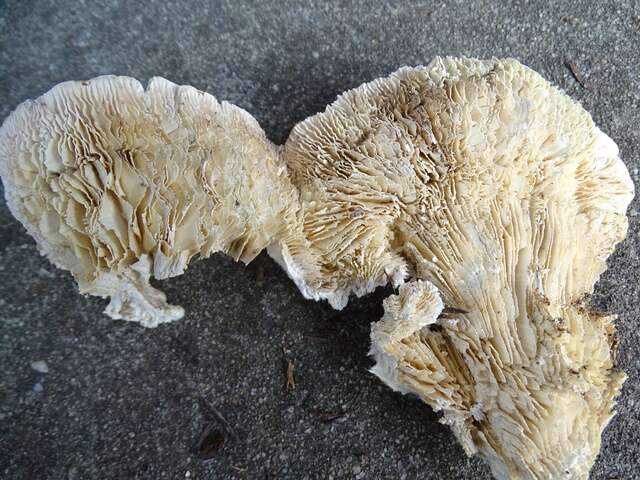
Lenzites
Lenzites is a widespread genus of wood-decay fungi in the family Polyporaceae. It was circumscribed by Elias Magnus Fries in 1835. The generic name honours German naturalist Harald Othmar Lenz (1798–1870).
.jpg)
Antrodiella
Antrodiella is a genus of fungi in the family Steccherinaceae of the order Polyporales.
%20J.%20Erikss%20201034.jpg)
Steccherinum
Steccherinum is a widely distributed genus of toothed crust fungi in the family Steccherinaceae.

Abortiporus
Abortiporus is a genus of fungi in the family Meruliaceae. The widely distributed genus contains three species. Species in the genus grow on the wood of hardwoods and conifers, either alone or around the stumps and living trees. It causes a white rot in dead wood and a white trunk rot in living wood. The genus was circumscribed in 1904 by William Alphonso Murrill. The generic name is derived from the Latin abortus (arrested development of any organ) and the Ancient Greek (pore).

Postia
Postia is a genus of brown rot fungi in the family Fomitopsidaceae.
.jpg)
Tyromyces
Tyromyces is a genus of poroid fungi in the family Polyporaceae. It was circumscribed by mycologist Petter Karsten in 1881. The type species is the widely distributed Tyromyces chioneus, commonly known as the white cheese polypore. The phylogenetic position of Tyromyces within the Polyporales is uncertain, but it appears that it does not belong to the "core polyporoid clade". Tyromyces is polyphyletic as it is currently circumscribed, and has been described as "a dumping place for monomitic white-rot species with thin-walled spores."

Cerrena
Cerrena is a genus of poroid fungi in the family Polyporaceae. The genus was circumscribed by Samuel Frederick Gray in 1821. Gray's type species, Cerrena cinerea, is now known as C. unicolor.
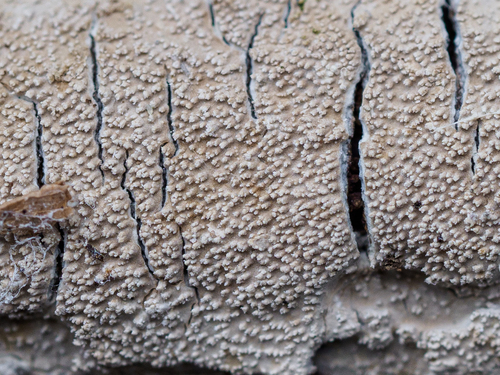
Crustomyces
Crustomyces is a genus of fungi in the family Cystostereaceae. The widespread genus contains three species.

Ceriporia
Ceriporia is a widely distributed genus of crust fungi.
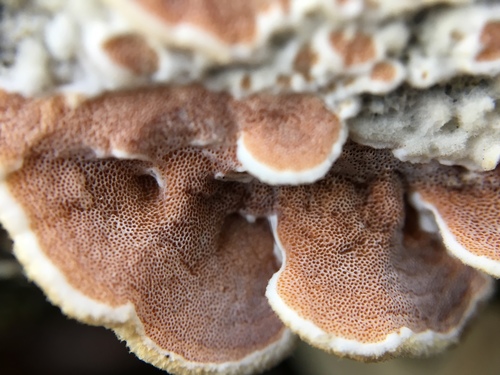
Gloeoporus
Gloeoporus is a genus of crust fungi in the family Irpicaceae. The genus has a widespread distribution.
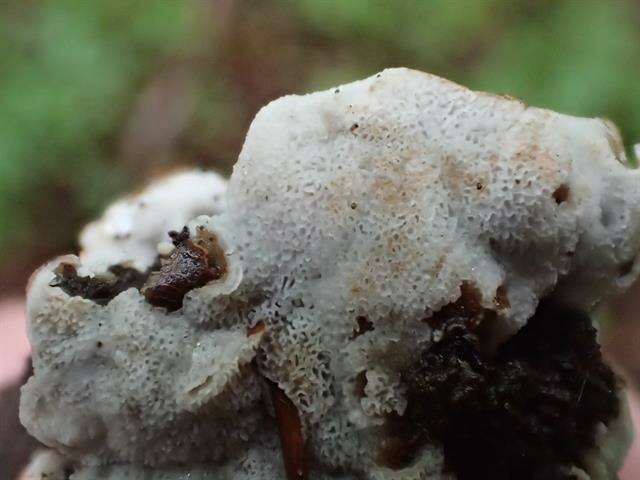
Rigidoporus
Rigidoporus is a genus of fungi in the family Meripilaceae. Many of the species in this genus are plant pathogens. The widespread genus, which contains about forty species, was originally circumscribed by American mycologist William Alphonso Murrill in 1905. The generic name combines the Latin word rigidus ("rigid") with the Ancient Greek word ("pore").

Perenniporia
Perenniporia is a cosmopolitan genus of bracket-forming or crust-like polypores in the family Polyporaceae. They are dimitic or trimitic with smooth, thick-walled basidiospores and cause a white rot in affected wood.

Cylindrobasidium
Cylindrobasidium is a genus of corticioid fungi in the family Physalacriaceae. circumscribed by the Swiss mycologist Walter Jülich in 1974. , Index Fungorum lists eight species in the genus.
Grifola
Grifola is a genus of fungi in the family Meripilaceae, which includes some edible fungi such as Grifola frondosa, commonly known as hen-of-the-woods (or maitake in Japan); not to be confused with Laetiporus sulphureus, known among English speakers as chicken of the woods. The genus was circumscribed by Samuel Frederick Gray in 1821.
Pycnoporus
Pycnoporus is a genus of fungi in the family Polyporaceae. This genus is distinguished from most other polypores because of its brilliant red-orange color. Modern mycology recognizes five distinct species of Pycnoporus: the type P. cinnabarinus, P. coccineus, P. palibini, P. puniceus, and P. sanguineus. These species are divided somewhat by morphology, biogeography, and DNA sequence.
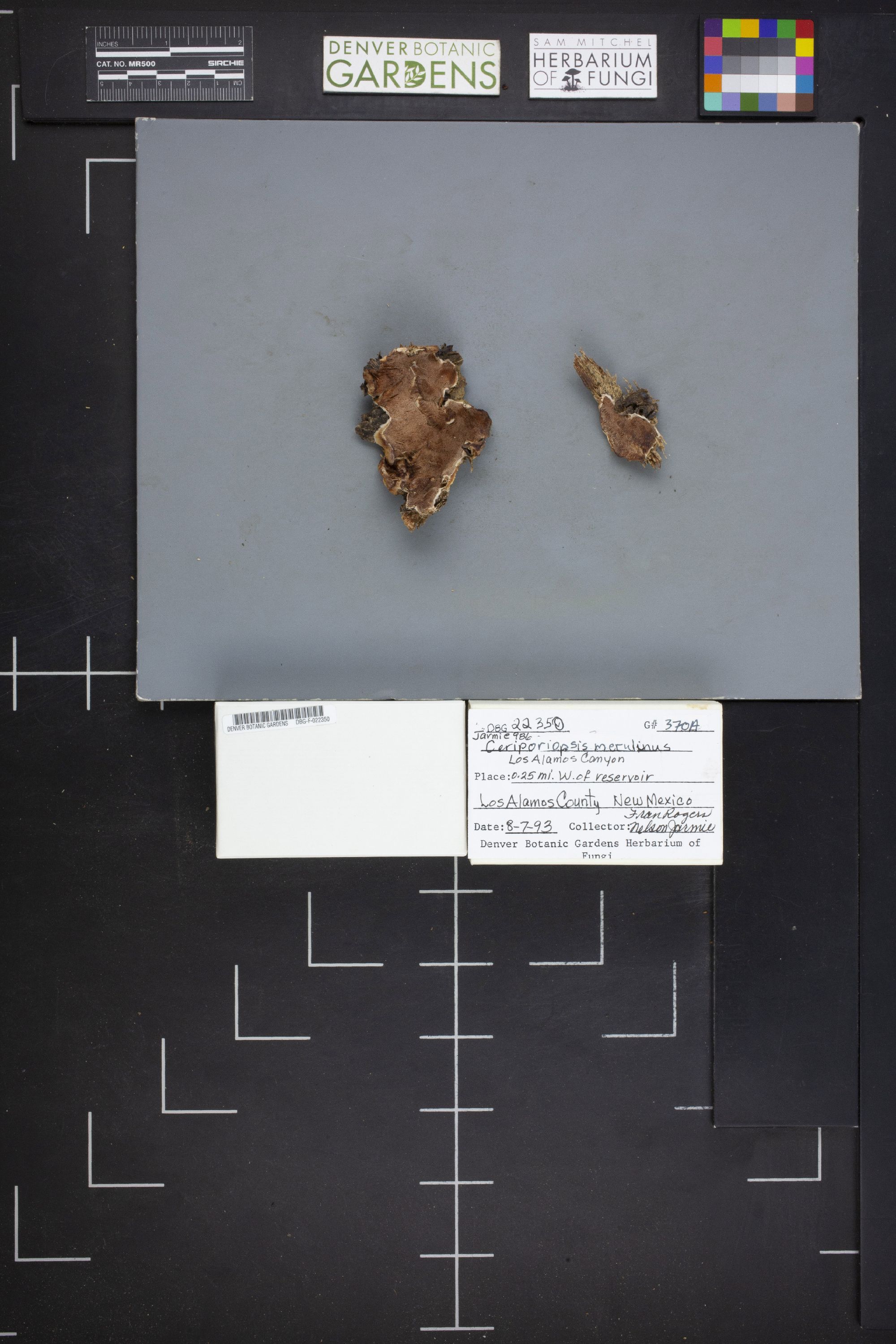
Ceriporiopsis
Ceriporiopsis is a genus of fungi in the family Phanerochaetaceae. The genus is widely distributed, and, according to a 2008 estimate, contains about 25 species. Ceriporiopsis was circumscribed in 1963 by Polish mycologist Stanislaw Domanski. The genus is a wastebasket taxon, containing "species that share common macroscopic and microscopic characteristics, but are not necessarily related." Ceriporiopsis species are crust fungi that cause a white rot. They have a monomitic hyphal system, containing only generative hyphae, and these hyphae have clamp connections.
Piptoporus
Piptoporus is a genus of bracket fungi in the family Fomitopsidaceae.

Amylocystis
Amylocystis is a genus of two species of fungi in the family Fomitopsidaceae. The genus was described in 1944 by mycologists Appollinaris Semenovich Bondartsev and Rolf Singer to contain the type, and at that time, sole species, A. lapponicus. A. unicolor was transferred to the genus (from Tyromyces) in 2003. The generic name Amylocystis is derived from the Ancient Greek words ("starch") and ("bladder").
Physisporinus
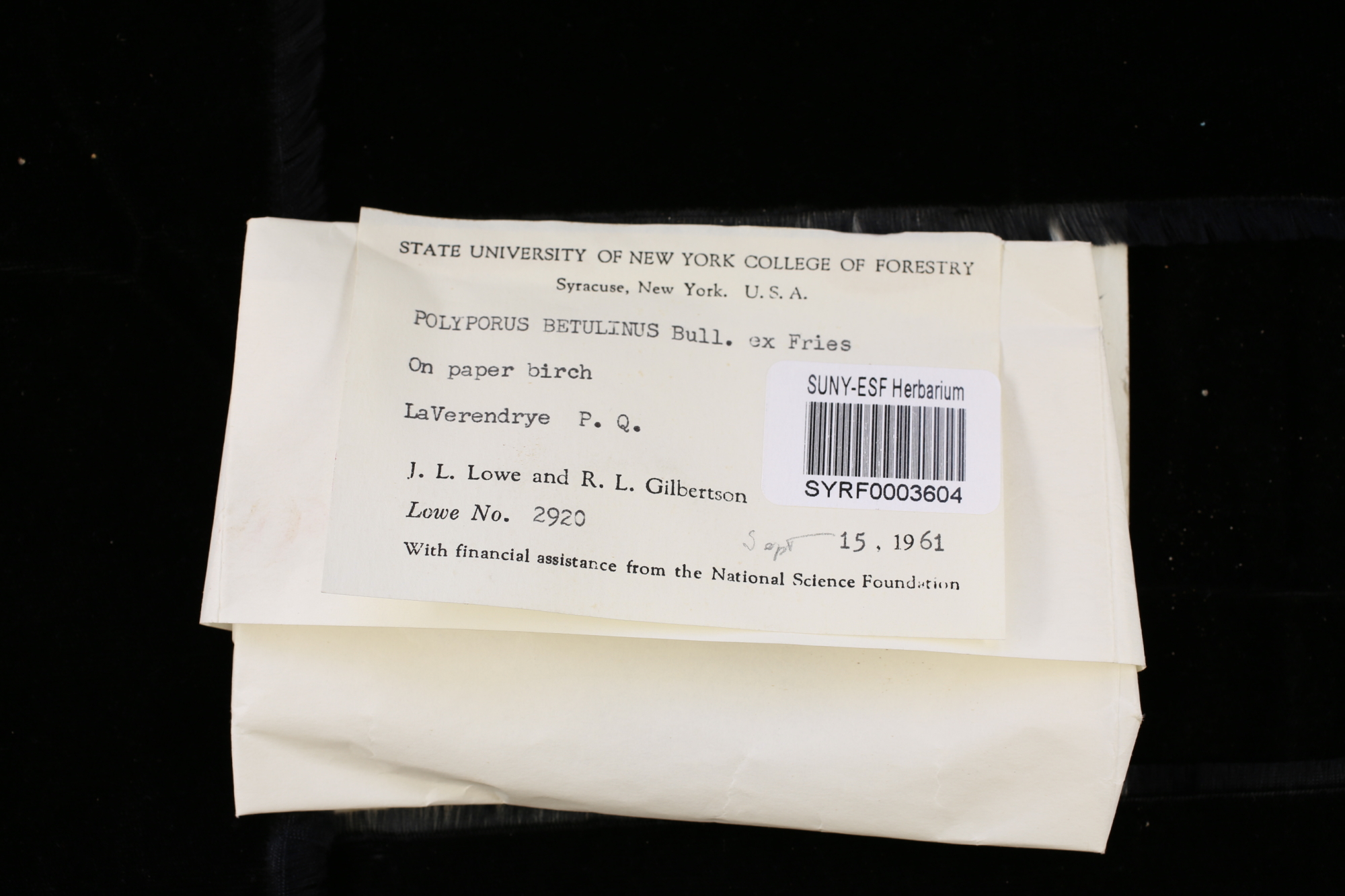
Physisporinus is a genus of fungi in the family Meripilaceae. The genus was circumscribed by Finish mycologist Petter Karsten in 1889.
Coriolopsis
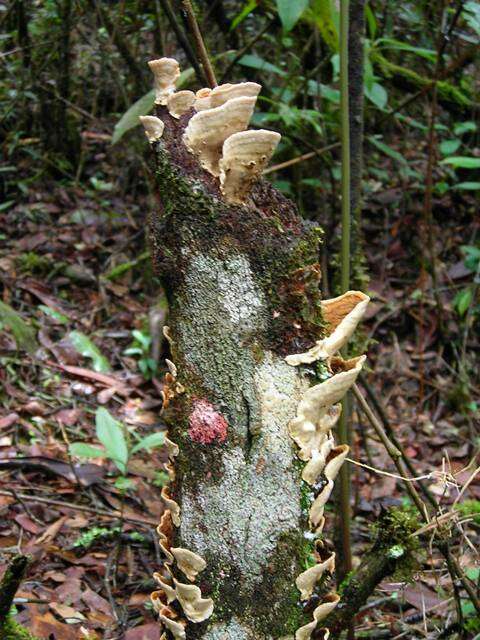
Coriolopsis is a genus of fungi in the family Polyporaceae. It was circumscribed by American mycologist William Alphonso Murrill in 1905. The genus is cosmopolitan, with most species in tropical areas. The generic name combines the name Coriolus with the Ancient Greek word ("appearance").
Mycoacia
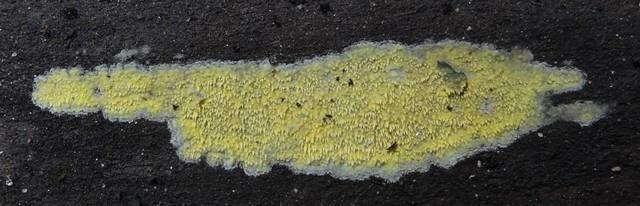
Mycoacia is a genus of toothed crust fungi in the family Meruliaceae. It was circumscribed by Dutch mycologist Marinus Anton Donk in 1931.
Diplomitoporus
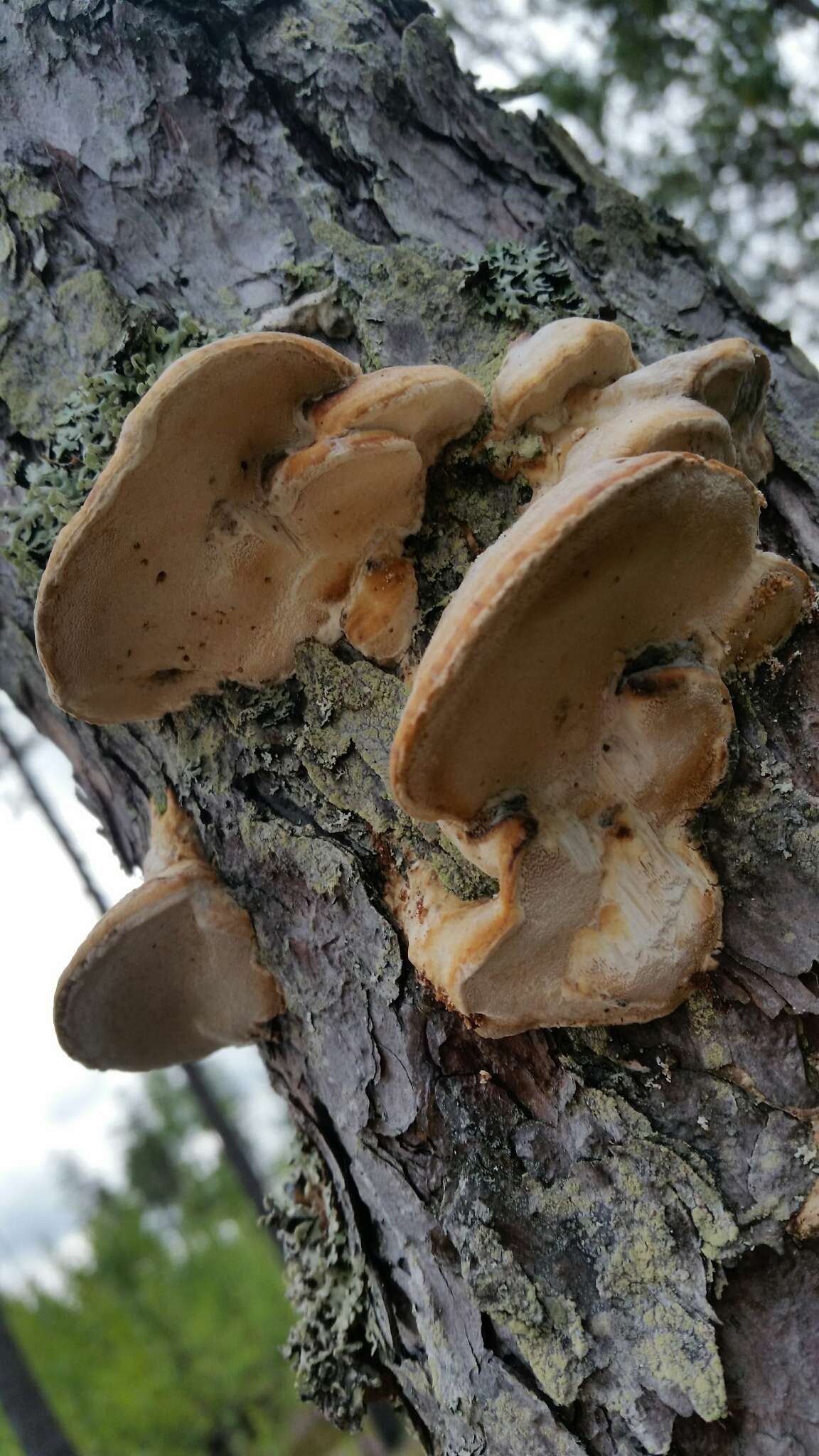
Diplomitoporus is a genus of fungi in the family Polyporaceae. The Dictionary of the Fungi (10th edition, 2008) estimated the widespread genus to contain 11 species; since then, the genus has grown with the additional of several newly described species, and some transfers from other genera. Diplomitoporus has been described as a wastebasket taxon, containing "species that share common macroscopic and microscopic characteristics, but are not necessarily related."
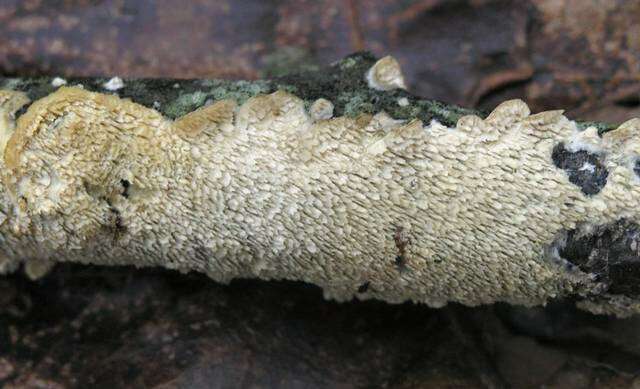
Irpex
Irpex is a genus of corticioid fungi in the order Polyporales. Species produce fruit bodies that grow as a crust on the surface of dead hardwoods. The crust features an irpicioid spore-bearing surface (for which the genus is named), meaning it has irregular and flattened teeth. Irpex is distinguished from the similar genera Junghuhnia and Steccherinum by the simple septa found in the generative hyphae.
Phlebia
Phlebia is a genus of mostly crust fungi in the family Meruliaceae. The genus has a widespread distribution. Phlebia species cause white rot.
.jpg)
Dichomitus
Dichomitus is a genus of poroid crust fungi in the family Polyporaceae. It was circumscribed by English mycologist Derek Reid in 1965.
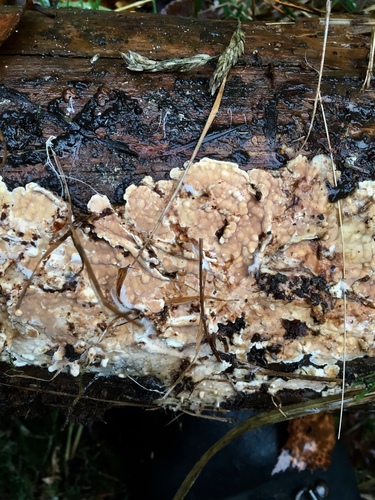
Dacryobolus
Dacryobolus is a genus of crust fungi in the family Fomitopsidaceae. Elias Fries circumscribed the genus in 1849 with Dacryobolus sudans (then known as Hydnum sudans Alb. & Schwein.) as the type species. Dacryobolus are wood-decay fungi that cause a brown rot.
Datronia
Datronia is a genus of poroid crust fungi in the family Polyporaceae. The genus was circumscribed by Marinus Anton Donk in 1966, with Datronia mollis as the type species. Datronia fungi cause a white rot in hardwoods. Datronia contains six species found in northern temperate areas. The most recent addition, Datronia ustulatiligna, was described in 2015 from Himachal Pradesh in India.

Merulius
Merulius is a genus of poroid fungi in the family Meruliaceae. , Index Fungorum accepts two species in Merulius: M. debriscola, and the type, M. tremellosus.

Oligoporus
250px|right
Oligoporus is a genus of fungi in the family Polyporaceae. The genus was circumscribed by German mycologist Julius Oscar Brefeld in 1888 with Oligoporus farinosus as the type. This species is currently known as Postia rennyi. The genus name combines the Ancient Greek words ("few") and ("pore").

Skeletocutis
Skeletocutis is a genus of about 40 species of poroid fungi in the family Polyporaceae. The genus has a cosmopolitan distribution, although most species are found in the Northern Hemisphere. It causes a white rot in a diverse array of woody substrates, and the fruit bodies grow as a crust on the surface of the decaying wood. Sometimes the edges of the crust are turned outward to form rudimentary bracket-like caps.

Aurantiporus
Aurantiporus is a genus of poroid fungi in the family Meruliaceae. Circumscribed by American mycologist William Alphonso Murrill in 1905, the genus contains five species found mostly in northern temperate regions. Molecular analysis of several Aurantiporus species suggests that the genus is not monophyletic, but some other related polypore species need to be sequenced and studied before appropriate taxonomic changes can be made. In 2018, Viktor Papp and Bálint Dima proposed a new genus Odoria to contain Aurantiporus alborubescens based on multigene phylogenetic analyses. The generic name is de

Ischnoderma
Ischnoderma is a genus of polypore fungi. Species in the genus have dark brown and tomentose fruit bodies that become darker brown to black and smooth when mature. The genus, widespread in temperate regions, contains an estimated 10 species.

Phaeolus
Phaeolus is a genus of polypore fungi in the family Fomitopsidaceae. The generic name is derived from the Ancient Greek word meaning "dark" or "obscure".
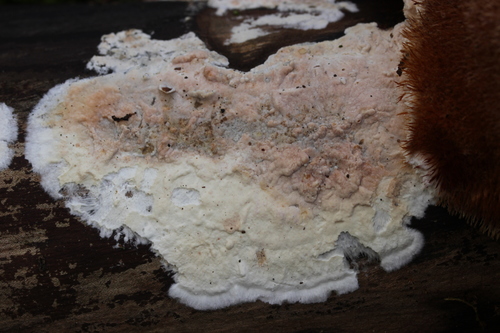
Hypochnicium
Hypochnicium is a genus of corticioid fungi in the family Meruliaceae. The genus was circumscribed by mycologist John Eriksson in 1958.

Flaviporus
Flaviporus is a genus of poroid fungi in the family Steccherinaceae.
Royoporus
Royoporus is a genus of fungi in the family Polyporaceae. It was circumscribed by mycologist Asit Baran De in 1996. The genus name honours Indian botanist Anjali Roy, (1930–2017), who worked at Visva-Bharati University in West Bengal. The genus is monotypic, being represented by the single species Royoporus spatulatus.
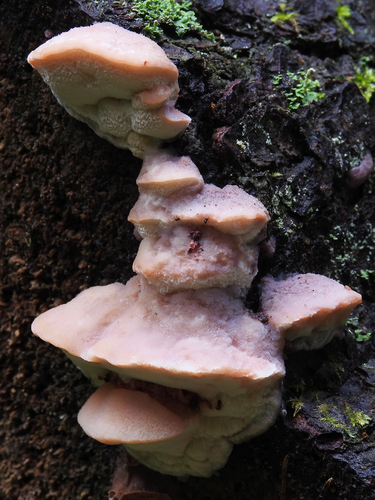
Leptoporus
Leptoporus is a genus of polypore fungi. The type species, Leptoporus mollis (or the soft bracket), is widespread throughout north temperate areas. The generic name is derived from the Ancient Greek words ("thin") and ("pore").
Cabalodontia
Cabalodontia is a genus of fungi in the family Steccherinaceae. The genus was circumscribed by Marcen Piątek in 2004 for five species formerly placed in Phlebia. It is named in honour of Polish phycologist Jolanta Cabała. The type species, C. queletii, has an odontoid hymenophore featuring toothlike projections.

Amauroderma
Amauroderma is a genus of polypore fungi in the family Ganodermataceae. The genus, widespread in tropical areas, contains about 70 species. Amauroderma fungi are wood-decay fungi that feed and fruit on decayed branches and trunks.

Pycnoporellus
Pycnoporellus is a genus of fungi in the family Fomitopsidaceae. The widespread genus, circumscribed by American mycologist William Alphonso Murrill in 1905, contains two species.
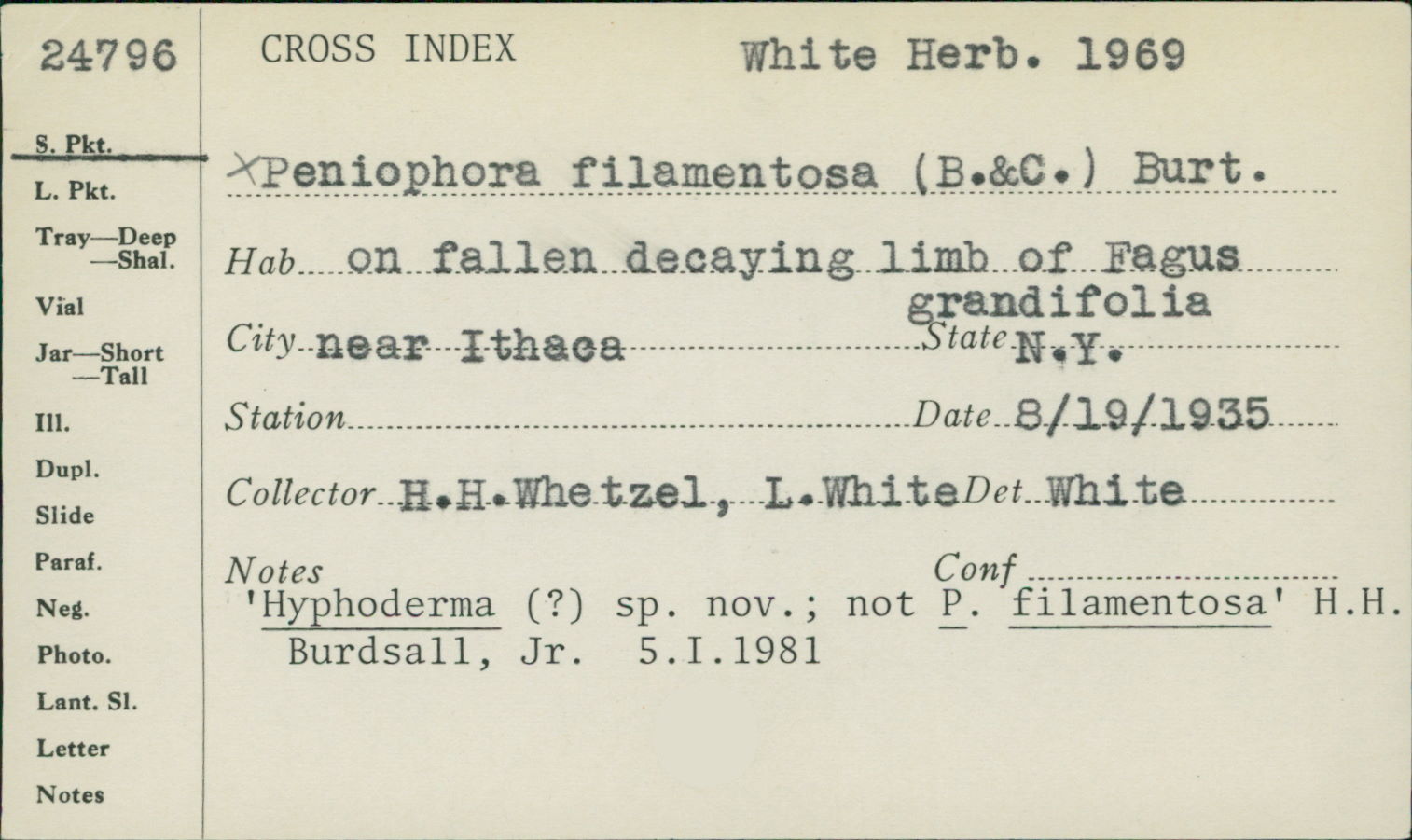
Hyphoderma
Hyphoderma is a genus of crust fungi in the family Hyphodermataceae. It was circumscribed by German botanist Karl Friedrich Wilhelm Wallroth in 1833.
Auriporia
Auriporia is a small genus of four species of poroid fungi in the family Fomitopsidaceae.
.jpg)
Phanerochaete
Phanerochaete is a genus of crust fungi in the family Phanerochaetaceae.
Byssomerulius
Byssomerulius is a widely distributed genus of crust fungi.
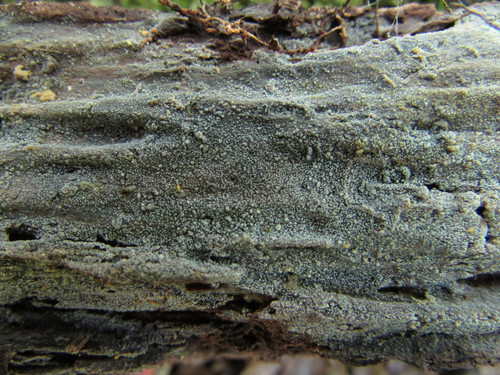
Scopuloides
Scopuloides is a genus of five species of crust fungi in the family Meruliaceae.