Category
page 1Poultry diseases
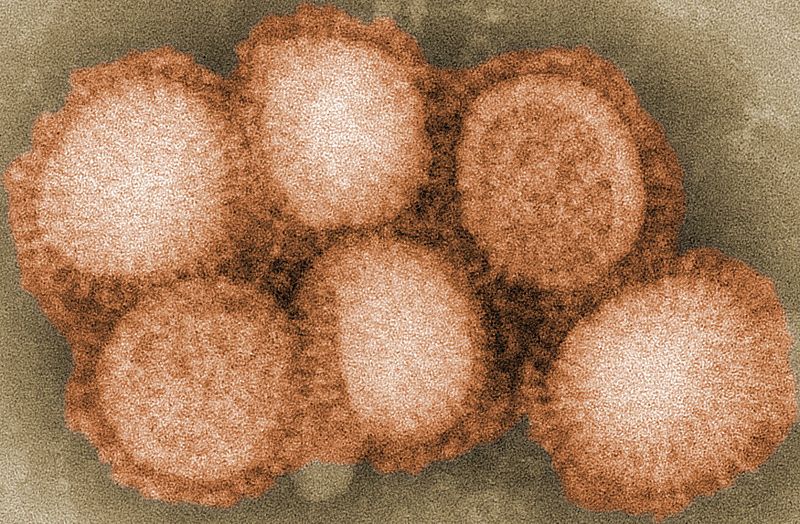
avian influenza
influenza caused by viruses adapted to birds

botulism
Botulism is a rare and potentially fatal illness caused by botulinum toxin, which is produced by the bacterium Clostridium botulinum. The disease begins with weakness, blurred vision, feeling tired, and trouble speaking. This may then be followed by weakness of the arms, chest muscles, and legs. Vomiting, swelling of the abdomen, and diarrhea may also occur. The disease does not usually affect consciousness or cause a fever.

toxoplasmosis

aspergillosis
Aspergillosis is a fungal infection of usually the lungs, caused by the genus Aspergillus, a common mold that is breathed in frequently from the air, but does not usually affect most people. It generally occurs in people with lung diseases such as asthma, cystic fibrosis or tuberculosis, or those who are immunocompromised such as those who have had a stem cell or organ transplant or those who take medications such as steroids and some cancer treatments which suppress the immune system. Rarely, it can affect skin.

ornithosis
Psittacosis, also known as parrot fever or ornithosis, is a zoonotic infectious disease caused by the bacterium Chlamydia psittaci. Birds are the main reservoir, and human infection usually follows inhalation of aerosolised dried droppings or respiratory secretions from infected birds. Although many human infections are mild, psittacosis can cause pneumonia and occasionally severe complications including endocarditis, hepatitis, and neurologic disease.
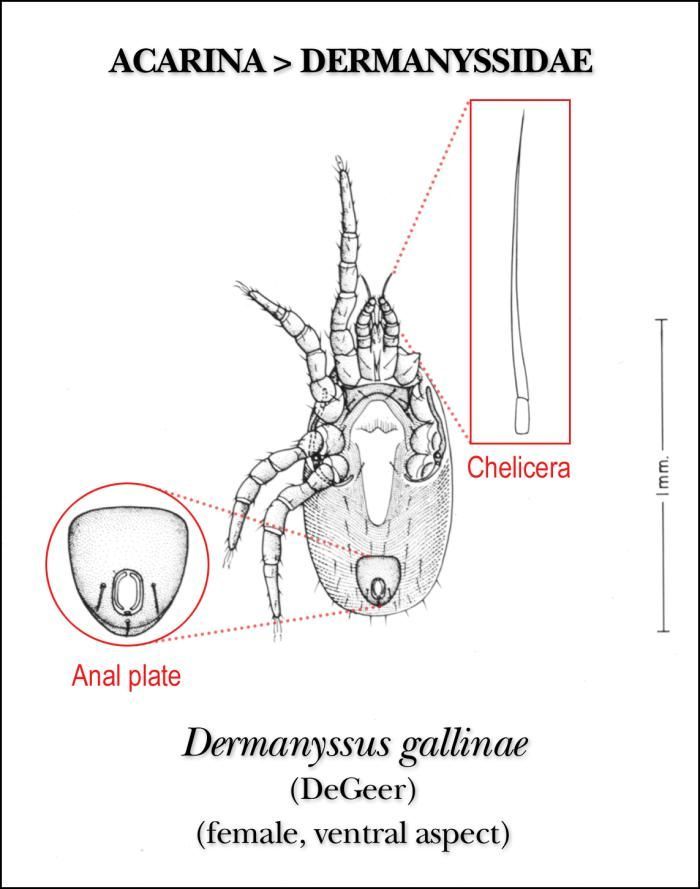
Dermanyssus gallinae
species of arthropods
coccidiosis
Coccidiosis is a parasitic disease of the intestinal tract of animals caused by coccidian protozoa. The disease spreads from one animal to another by contact with infected feces or ingestion of infected tissue. Diarrhea, which may become bloody in severe cases, is the primary symptom. Most animals infected with coccidia are asymptomatic, but young or immunocompromised animals may suffer severe symptoms and death.

Eimeria
Eimeria is a genus of apicomplexan parasites that includes various species capable of causing the disease coccidiosis in animals such as cattle, poultry and smaller ruminants including sheep and goats. Eimeria species are considered to be monoxenous because the life cycle is completed within a single host, and stenoxenous because they tend to be host specific, although a number of exceptions have been identified. Species of this genus infect a wide variety of hosts. Thirty-one species are known to occur in bats (Chiroptera), two in turtles, and 130 named species infect fish. Two species (E. ph

campylobacteriosis
Campylobacteriosis is among the most common infections caused by a bacterium in humans, often as a foodborne illness. It is caused by the Campylobacter bacterium, most commonly C. jejuni. It produces an inflammatory, sometimes bloody, diarrhea or dysentery syndrome, and usually cramps, fever and pain.
infectious bursal disease
viral disease

Avian coronavirus
species of virus
Marek's disease
highly contagious viral neoplastic disease in chickens

Fowlpox virus
Fowlpox is the worldwide disease of poultry caused by viruses of the family Poxviridae and the genus Avipoxvirus. The viruses causing fowlpox are distinct from one another but antigenically similar, possible hosts including chickens, turkeys, quail, canaries, pigeons, and many other species of birds. There are two forms of the disease. The first (dry form) is spread by biting insects (especially mosquitoes) and wound contamination, and causes lesions on the comb, wattles, and beak. Birds affected by this form usually recover within a few weeks. The second (wet form) is contracted by inhalation

Syngamus trachea
A gapeworm (Syngamus trachea), also known as a red worm and forked worm, is a parasitic nematode worm that infects the tracheas of certain birds. The resulting disease, known as "gape", occurs when the worms clog and obstruct the airway. The worms are also known as "red worms" or "forked worms" due to their red color and the permanent procreative conjunction of males and females. Gapeworms are common in young, domesticated chickens and turkeys.
ornidazole
Ornidazole is an antibiotic used to treat protozoan infections. A synthetic nitroimidazole, it is commercially obtained from an acid-catalyzed reaction between 2-methyl-5-nitroimidazole and epichlorohydrin. Ornidazole is nothing but chloro-secnidazole.
pullorum disease
disease in poultry caused by Salmonella pullorum

Ascaridia galli
species of a parasitic roundworm
histomoniasis
Histomoniasis is a commercially significant disease of poultry, particularly of chickens and turkeys, due to parasitic infection of a protozoan, Histomonas meleagridis. The protozoan is transmitted to the bird by the nematode parasite Heterakis gallinarum. H. meleagridis resides within the eggs of H. gallinarum, so birds ingest the parasites along with contaminated soil or food. Earthworms can also act as a paratenic host.
avian infectious bronchitis
disease of avian

Avian sarcoma leukosis virus
species of virus
virulent Newcastle disease
bird disease

Gallid herpesvirus 1
species of virus

Haemoproteus
Haemoproteus is a genus of alveolates that are parasitic in birds, reptiles, and amphibians. Its name is derived from Greek: haima 'blood' and Proteus, a sea god that had the power to assume various shapes. The name Haemoproteus was first used in the description of H. columbae in the blood of the pigeon Columba livia by Walther Kruse in 1890. This was also the first description of this genus. Two other genera—Halteridium and Simondia—are now considered to be synonyms of Haemoproteus.
Duck plague
viral infection in ducks

Leucocytozoon
Leucocytozoon (or Leukocytozoon) is a genus of parasitic alveolates belonging to the phylum Apicomplexa (which also includes the malaria parasites).
Avian adenovirus
genus of viruses
Chicken anaemia virus
species of virus
Tremovirus A
thumb|Chickens who died of avian encephalomyelitis
Tremovirus is a virus genus belonging to the Picornaviridae family. The genus has two species, including Avian encephalomyelitis virus. The first avian picornavirus to have its genome sequenced, it causes epidemic tremor in chickens.
Mardivirus
Mardivirus is a genus of viruses in the order Herpesvirales, in the family Herpesviridae, in the subfamily Alphaherpesvirinae. Chickens, turkeys, and quail serve as natural hosts. There are six species in this genus. Diseases associated with this genus include: Marek's disease, which causes asymmetric paralysis of one or more limbs, neurological symptoms, and development of multiple lymphomas that manifest as solid tumors. Gallid herpesvirus 2 (also known as Marek's disease virus) is the only one of these viruses known to be pathogenic and due to the antigenic similarity between the three viru
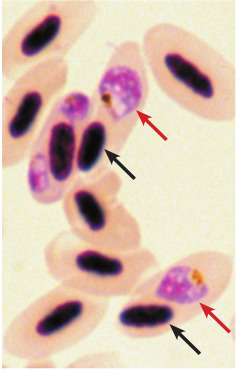
Plasmodium relictum
species of parasitic protists
Borrelia anserina
species of bacterium
egg drop syndrome
viral disease of poultry
Histomonas meleagridis
Histomonas meleagridis is a species of parasitic protozoan that infects a wide range of birds including chickens, turkeys, peafowl, quail and pheasants, causing infectious enterohepatitis, or histomoniasis (blackhead diseases). H. meleagridis can infect many birds, but it is most deadly in turkeys. It inhabits the lumen of cecum and parenchyma of liver, where it causes extensive necrosis. It is transmitted by another cecal parasite, the nematode Heterakis gallinarum.
poultry disease
disease that afflicts poultry

egg binding
medical condition in birds or other egg-laying animals, where the female is unable to pass an egg that has formed
Trichobilharzia regenti
species of worm
Duck hepatitis B virus
species of virus
Ornithonyssus sylviarum
species of Arachnida
Plasmodium gallinaceum
species of parasitic protist that can cause malaria