Category
page 1Pseudoscience

astrology

homeopathy
Homeopathy or homoeopathy is a pseudoscientific system of alternative medicine. It was conceived in 1796 by the German physician Samuel Hahnemann. Its practitioners, called homeopaths or homeopathic physicians, believe that a substance that causes symptoms of a disease in healthy people can cure similar symptoms in sick people; this doctrine is called similia similibus curentur, or "like cures like".

pseudoscience
thumb|upright=1.35|A typical 19th-century phrenology chart: during the 1820s, phrenologists claimed the mind was located in areas of the brain, and were attacked for doubting that mind came from the nonmaterial soul. Their idea of reading "bumps" in the skull to predict personality traits was later discredited. Phrenology was first termed a pseudoscience in 1843 and continues to be considered so.

Ayurveda
thumb|Dhanvantari, an avatar of [[Vishnu, is the Hindu god associated with ayurveda.]]

acupuncture
Acupuncture is a form of alternative medicine and a component of traditional Chinese medicine (TCM) in which thin needles are inserted into the body. Acupuncture is a pseudoscience; the theories and practices of TCM are not based on scientific knowledge, and it has been characterized as quackery.

Scientology
Scientology is a set of beliefs and practices created by the American author L. Ron Hubbard. Hubbard initially presented his ideas in 1950 as a form of talk therapy called Dianetics. He later expanded and reframed those ideas as a religion, which he named Scientology. In 1953, he founded the Church of Scientology, which, by one 2014 estimate, had around 30,000 members.
.%20Image%20from%20Wellcome%20Library.jpg)
eugenics
thumb|upright=1.5|1930s exhibit by the Eugenics Society. Some of the signs read "Healthy and Unhealthy Families", "[[Heredity as the Basis of Efficiency", and "Marry Wisely".]]

horoscope
A horoscope (or other commonly used names for the horoscope in English include natal chart, astrological chart, astro-chart, celestial map, sky-map, star-chart, cosmogram, vitasphere, radical chart, radix, chart wheel or simply chart) is an astrological chart or diagram representing the positions of the Sun, Moon, planets, astrological aspects and angles at the time of an event, such as the moment of a person's birth. The word horoscope is derived from the Greek words ōra and scopos meaning "time" and "observer" (horoskopos, pl. horoskopoi, or "marker(s) of the hour"). It is claimed by propone

occidental astrological sign
one of the twelve 30° sectors of the ecliptic, associated to their cultural symbols as defined by occidental astrology

Caucasian race
obsolete racial classification of humans

palmistry
thumb|upright=1.25|A fortune-telling|fortune-teller conducting a palm reading, with lines and mounts marked out on the person's left palm
thumb|Gold stamped front cover of The Psychonomy of the Hand

parapsychology
thumb|Spirit photography|Photographs that purportedly depicted [[ghosts or spirits were popular during the 19th century.]]

telepathy
thumb|right|The Ganzfeld experiments that aimed to demonstrate telepathy have been criticized for lack of replication and poor controls.

Falun Gong
religious movement originating in China

feng shui
Chinese system of harmonizing everyone with the surrounding environment

Mongoloid
Mongoloid () is an obsolete racial grouping of various peoples indigenous to large parts of Asia, the Americas, and some regions in Europe and Oceania. The term is derived from a now-disproven theory of biological race. In the past, other terms such as "Mongolian race", "yellow", "Asiatic" and "Oriental" have been used as synonyms.

Grokipedia
Grokipedia is an AI-generated online encyclopedia operated by the American company xAI. The site was launched on October 27, 2025. Some entries are generated by Grok, a large language model owned by the same company, while others were forked from Wikipedia, with some altered and some used nearly verbatim. Articles cannot be directly edited, though logged-in visitors to the encyclopedia can suggest corrections via a pop-up form, which are reviewed by Grok.

alternative medicine
form of non-scientific healing

telekinesis
thumb|right|An artist's conception of spontaneous telekinesis from a 1911 issue of the French magazine La Vie Mysterieuse

qi
In the Sinosphere and Chinese philosophy, qi ( ; ) is a vital force traditionally believed to be a part of all living entities. Literally meaning 'vapor', 'air', 'gas', or 'breath', the word qi is polysemous, often translated as 'vital energy', 'vital force', 'material energy', or simply 'energy'. Qi is also a concept in traditional Chinese medicine and in Chinese martial arts. The attempt to cultivate and balance qi is called qigong.

traditional Chinese medicine
alternative medical practice drawn from traditional medicine in China

Reiki
thumb|A reiki session in progress

Aryan race
hypothetical racial grouping
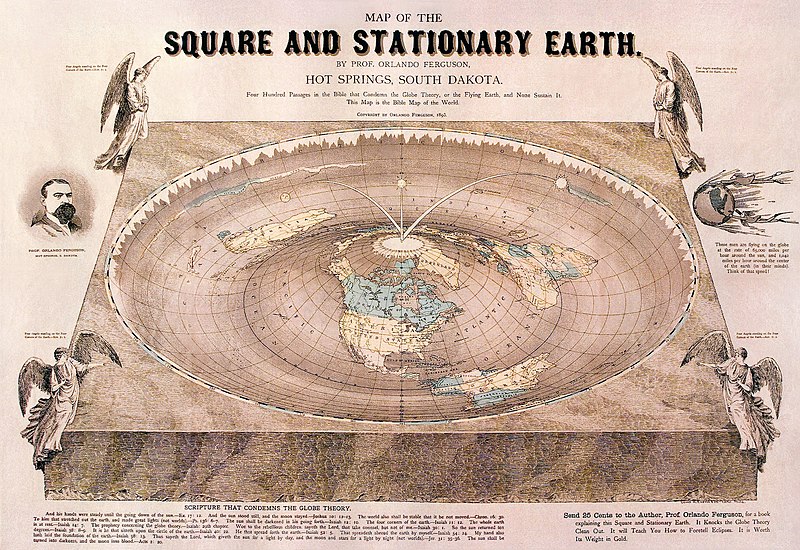
flat Earth
archaic conception of the Earth's shape
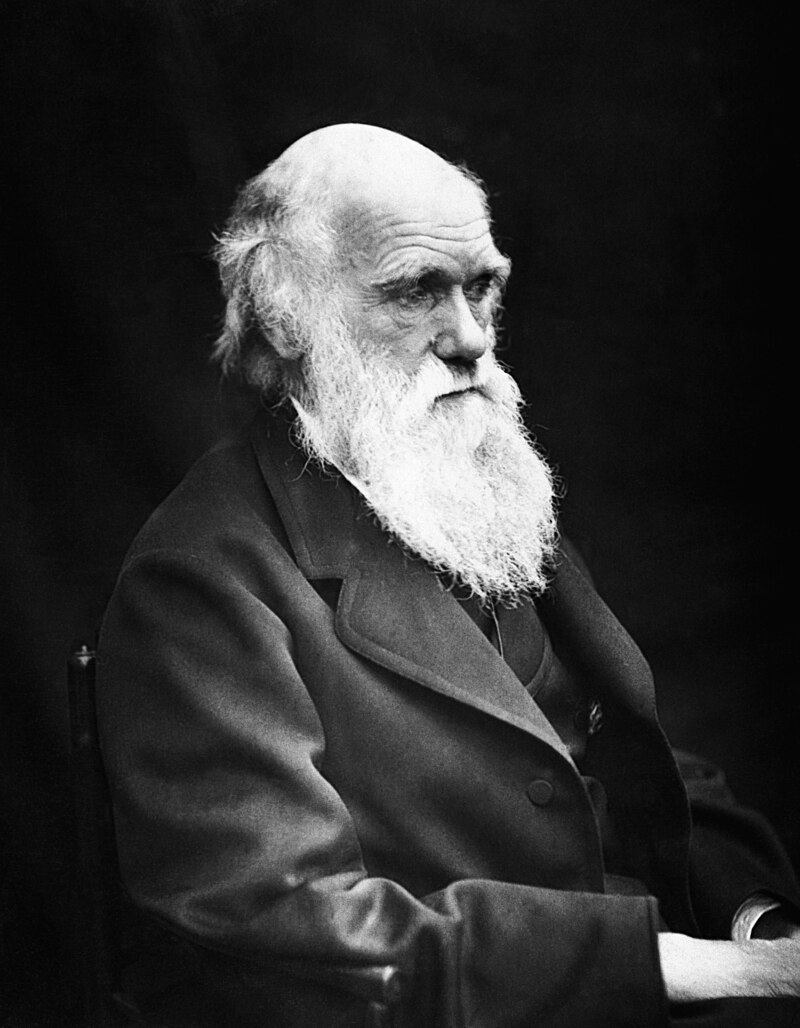
social Darwinism
biological concepts of natural selection & survival fitness re-imagined socio-politically

phrenology
thumb|Phrenological skull, European, 19th century. Wellcome Collection, London

cryptozoology
Cryptozoology is a pseudoscience and subculture that searches for and studies unknown, legendary, or extinct animals whose present existence is disputed or unsubstantiated, particularly those popular in folklore, such as Bigfoot, the Loch Ness Monster, Yeti, the chupacabra, the Jersey Devil, or the mokele-mbembe. Cryptozoologists refer to these entities as cryptids, a term coined by the subculture. Because it does not follow the scientific method, cryptozoology is considered a pseudoscience by mainstream science: it is a branch of neither zoology nor folklore studies. It was originally founded

perpetual motion
work continuously done without an external supply of energy

negroid
Negroid (less commonly called Congoid) is an obsolete racial grouping of various people indigenous to Africa south of the area which stretched from the southern Sahara desert in the west to the African Great Lakes in the southeast, but also to isolated parts of South and Southeast Asia (Negritos). The term is derived from now-disproven conceptions of race as a biological category.
%20(14781407362).jpg)
graphology
thumb|260x260px|A piece of handwriting used in graphological analysis, supposedly showing traits of "frivolity" and "triviality" in the writer

cryonics
thumb|Technicians preparing a body for cryopreservation in 1985

extrasensory perception
reception of information via extra senses

paranormal
Paranormal events are purported or imagined phenomena described in popular culture, folklore, and other non-scientific bodies of knowledge, whose existence within these contexts is described as being beyond the scope of normal scientific understanding. Notable paranormal beliefs include those that pertain to extrasensory perceptions (for example, telepathy), and the pseudosciences of ghost hunting, cryptozoology, and ufology.

naturopathy
Naturopathy, or naturopathic medicine, is a form of alternative medicine. A wide array of practices branded as "natural", "non-invasive", or promoting "self-healing" are employed by its practitioners, who are known as naturopaths. These treatments range from the pseudoscientific and thoroughly discredited, such as homeopathy, to the widely accepted, such as certain forms of psychotherapy. The ideology and methods of naturopathy are based on vitalism and folk medicine rather than evidence-based medicine, although practitioners may use techniques supported by evidence. The ethics of naturopathy

vitalism
Vitalism is an idea that living organisms are differentiated from the non-living by the presence of forces, properties or powers including those which may not be physical or chemical. Varied forms of vitalist theories were held in former times and they are now considered pseudoscientific concepts. Where vitalism explicitly invokes a vital principle, that element is often referred to as the "vital spark", "energy", "élan vital" (coined by vitalist Henri Bergson), "vital force", or "vis vitalis", which some equate with the soul. In the 18th and 19th centuries, vitalism was discussed among biolog

crop circle
pattern in a crop field

2012 phenomenon
eschatological beliefs surrounding 21 December 2012

technical analysis
financial security analysis methodology based on historical price patterns

neuro-linguistic programming
pseudo-scientific approach to communication, personal development, and psychotherapy

clairvoyance
thumb|300px|Diagram by the French esotericist Paul Sédir to explain clairvoyance

Myers-Briggs Type Indicator
model of personality types

polygraph
thumb|American inventor Leonarde Keeler testing his improved polygraph on [[Arthur Koehler, a former witness for the prosecution at the 1935 trial of Richard Hauptmann]]
A polygraph, often incorrectly referred to as a lie detector test, is a pseudoscientific device or procedure that measures and records several physiological indicators such as blood pressure, pulse, respiration, and skin conductivity while a person is asked and answers a series of questions. The belief underpinning the use of the polygraph is that deceptive answers will produce physiological responses that can be differentiate

physiognomy
thumb|Lithographic drawing illustrative of the relation between the human physiognomy and that of the brute creation, by Charles Le Brun (1619–1690)
thumb|Illustration in a 19th-century book about physiognomy
Physiognomy or face reading, sometimes known by the later term anthroposcopy, is the practice of assessing a person's character or personality from their outer appearance—especially the face. The term physiognomy can also refer to the general appearance of a person, object, or terrain without reference to its implied characteristics—as in the physiognomy of an individual plant (see plant
aura
parapsychological and spiritual concept

ancient astronauts
pseudoscientific claims of past alien contact

bloodletting
right|framed|Ancient Greek painting on a vase, showing a physician (iatros) bleeding a patient
Bloodletting (or blood-letting) is the deliberate withdrawal of blood from a patient to prevent or cure illness and disease. Bloodletting, whether by a physician or by leeches, was based on an ancient system of medicine in which blood and other bodily fluids were regarded as "humors" that had to remain in proper balance to maintain health. It was the most common medical practice performed by surgeons from antiquity until the late 19th century, a span of over 2,000 years. In Europe, the practice conti

COVID-19 misinformation
false information about the pandemic caused by coronavirus disease 2019
Baghdad Battery
set of three artifacts which were found together: a ceramic pot, a tube of one metal, and a rod of another
indigo children
children who are believed to possess special traits or abilities

cupping therapy
form of alternative medicine in which local suction is created on the skin

chemtrail
conspiracy theory about contrails

osteopathy
Osteopathy is a pseudoscientific system of alternative medicine that emphasizes physical manipulation of the body's muscle tissue and bones. In most countries, practitioners of osteopathy are not medically trained and are referred to as osteopaths. It is distinct from osteopathic medicine, which is a branch of the medical profession in the United States.

reflexology
right|thumb|An example of a reflexology chart, demonstrating the areas of the feet that practitioners believe correspond with organs in the "zones" of the body.
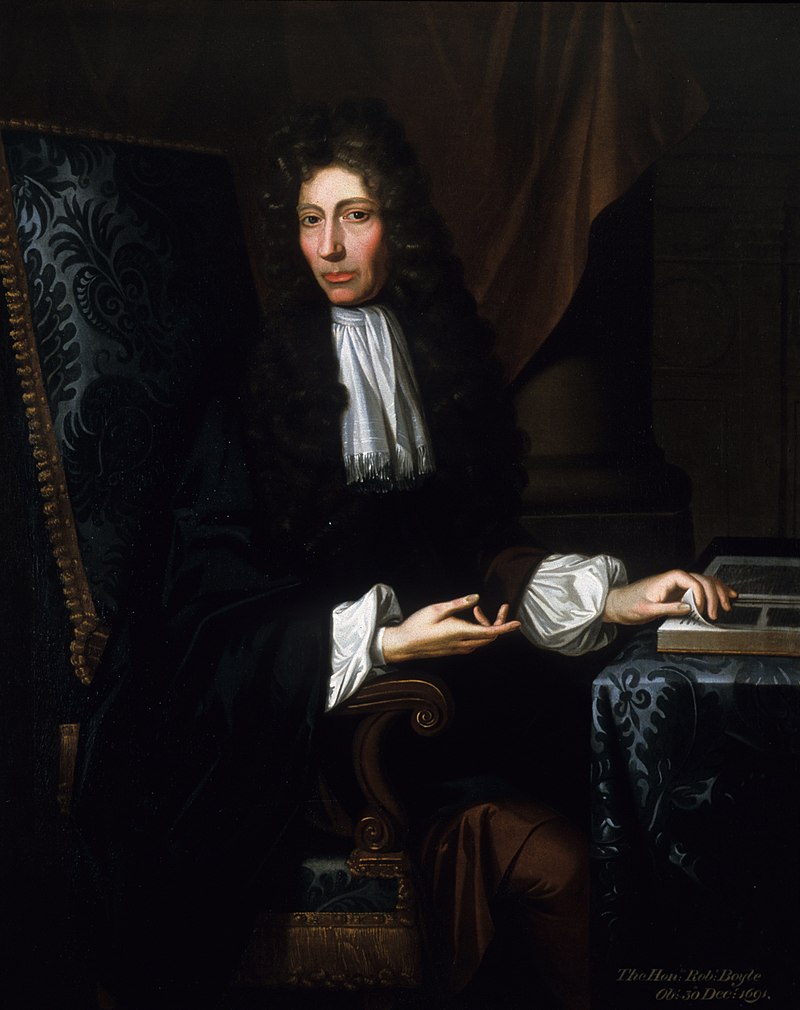
scientific racism
misuse of the scientific method to justify racism
Australoid race
Australo-Melanesians (also known as Australasians or the Australomelanesoid, Australoid or Australioid race) is an outdated historical grouping of various people indigenous to Melanesia and Australia. Controversially, some groups found in parts of Southeast Asia and South Asia were also sometimes included.
Hindu astrology
astrology originating from Ancient India

Socionics
In psychology and sociology, socionics is a pseudoscientific theory of information processing and personality types. It incorporates Carl Jung's work on Psychological Types with Antoni Kępiński's theory of information metabolism.
Enneagram of Personality
typology of human personality, based on the teachings of Oscar Ichazo and Claudio Naranjo and popularized in the 1970s in the U.S.
biodynamic agriculture
method of organic farming based on esoteric concepts of Rudolf Steiner
Himalayan salt
halite from Pakistan