Category
page 1Rhetoric theorists

Aristotle
Aristotle (; 384–322 BC) was an ancient Greek philosopher and polymath. His writings cover a broad range of subjects spanning the natural sciences, philosophy, linguistics, economics, politics, psychology, and the arts. As the founder of the Peripatetic school of philosophy in the Lyceum in Athens, he began the wider Aristotelian tradition that followed, which set the groundwork for the development of modern science.

Plato
Plato ( ; Greek: , ; born BC, died 348/347 BC) was an ancient Greek philosopher of Classical Athens who is most commonly considered the foundational thinker of the Western philosophical tradition. An innovator of the literary dialogue and dialectic forms, Plato influenced all the major areas of theoretical philosophy and practical philosophy, and was the founder of the Academy, a philosophical school in Athens where Plato taught the collection of philosophical theories that would later become known as Platonism.

Augustine of Hippo
Christian theologian, philosopher, and saint (354–430)

Benjamin Franklin
American polymath and statesman (1706–1790)
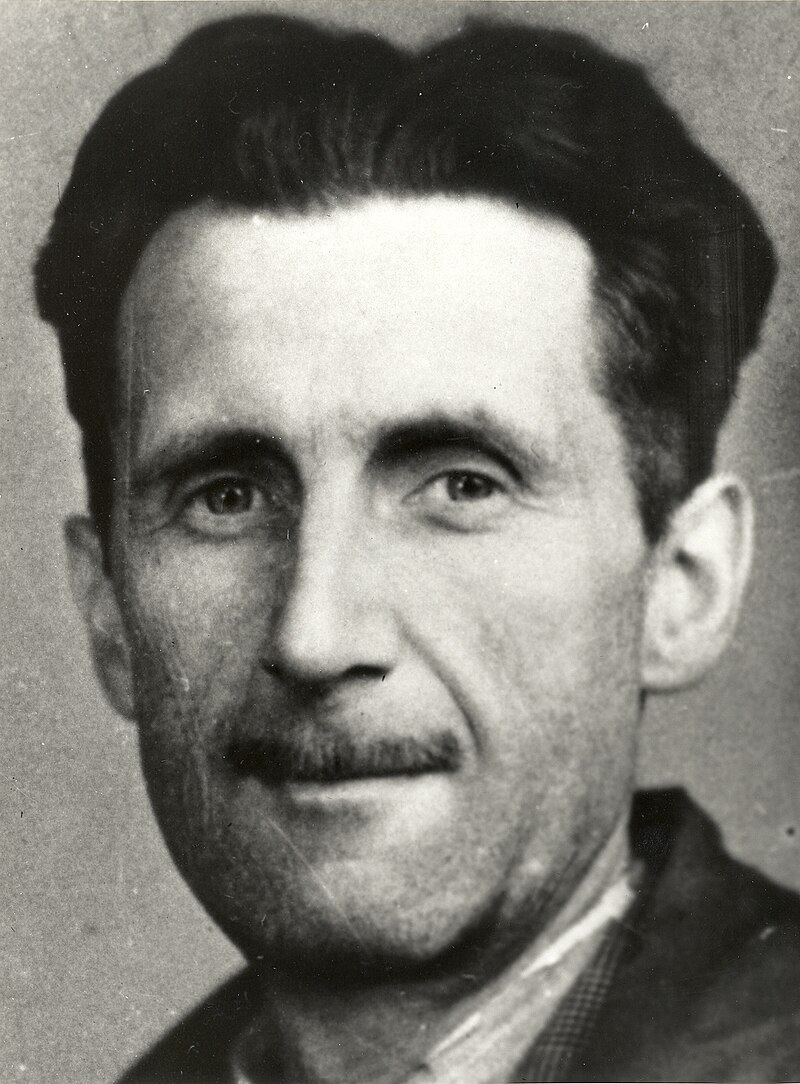
George Orwell
British writer and journalist (1903–1950)

Francis Bacon
English philosopher and statesman (1561–1626)

Thomas Hobbes
English philosopher (1588–1679)

John Milton
English poet and civil servant (1608–1674)

Michel Foucault
French philosopher (1926–1984)
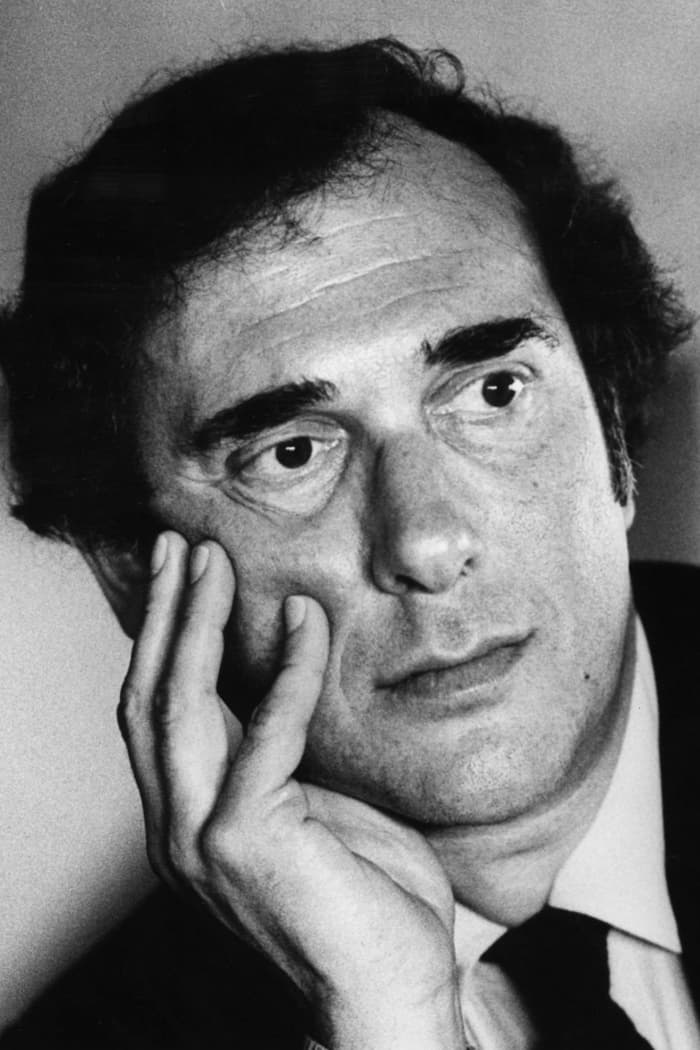
Harold Pinter
British playwright (1930–2008)

Protagoras
Protagoras ( ; ; ) was a pre-Socratic Greek philosopher and rhetorical theorist. He is numbered as one of the sophists by Plato. In his dialogue Protagoras, Plato credits him with inventing the role of the professional sophist.

Edward Gibbon
English historian and politician (1737–1794)
Jacques Derrida
French philosopher (1930–2004)

Marshall McLuhan
Canadian educator, philosopher, and scholar (1911–1980)

Gorgias
Gorgias ( ; ; – ) was an ancient Greek sophist, pre-Socratic philosopher, and rhetorician who was a native of Leontinoi in Sicily. Several doxographers report that he was a pupil of Empedocles, although he would only have been a few years younger. W. K. C. Guthrie writes that "Like other Sophists, he was an itinerant that practiced in various cities and giving public exhibitions of his skill at the great pan-Hellenic centers of Olympia and Delphi, and charged fees for his instruction and performances. A special feature of his displays was to ask miscellaneous questions from the audience and gi

Gore Vidal
American writer (1925–2012)

Philipp Melanchthon
German reformer (1497-1560)
%2C%20frontispiece.jpg)
Quintilian
Marcus Fabius Quintilianus (; – ) was a Roman educator and rhetorician born in Hispania, widely referred to in medieval schools of rhetoric and in Renaissance writing. In English translation, he is usually referred to as Quintilian ( ), although the alternate spellings of Quintillian and Quinctilian are occasionally seen, the latter in older texts.

Giambattista Vico
Italian philosopher, rhetorician, historian and jurist

Isocrates
Isocrates (; ; 436–338 BC) was an ancient Greek rhetorician, one of the ten Attic orators. Among the most influential Greek rhetoricians of his time, Isocrates made many contributions to rhetoric and education through his teaching and written works.

Dionysius of Halicarnassus
1st-century BC Greek historian and teacher

Juan Luis Vives
Spanish philosopher

Nikolaj Frederik Severin Grundtvig
Danish Lutheran pastor, theologian, hymn-writer and educator (1783-1872)

Petrus Ramus
French philosopher
Paul de Man
Belgian literary theorist (1919–1983)
Kenneth Burke
American philosopher and literary critic (1897–1993)
Chaïm Perelman
Belgian philosopher of law (1912-1984)
Hugh Blair
British philosopher
Barbara Cassin
French philologist and philosopher (1947-)
Bernard Lonergan
Canadian philosopher and theologian (1904–1984)
Charles-François Dupuis
French scholar, scientist and politician (1742-1809)
Hermogenes of Tarsus
2nd century Greek rhetorician
Carlo Michelstaedter
Italian philosopher (1887-1910)
Wayne C. Booth
American academic
John Neal
American writer (1793–1876)
Hermagoras of Temnos
ancient Greek rhetorician
Apsines
Apsines of Gadara (; fl. 3rd century AD) was a Greek rhetorician. He was a native of the Hellenised city of Gadara, whose ruins stand today at the border of Jordan with Syria and Israel. Apsines went on to study at Smyrna and taught at Athens, gaining such a reputation that he was raised to the consulship by the emperor Maximinus. He was a rival of Fronto of Emesa, and a friend of Philostratus, the author of the Lives of the Sophists, who praises his wonderful memory and accuracy.

Menander Rhetor
3rd or 4th century Greek rhetorician and commentator
Groupe µ
group of 20th-century Belgian semioticians
Georg Johannesen
Norwegian author (1931–2005)
Richard M. Weaver
American scholar (1910–1963)
Jan Blommaert
Belgian academic (1961–2021)
Bartholomaeus Keckermann
Prussian reformed theologian and philosopher
Epiphrase
thumb|"No, I swear, I'm not telling you this to flatter you, you have a true friend like no other. I will tell you that if you don't know it, you are the only one. Mme Verdurin was telling me this again on the last day ()", Marcel Proust, Du côté de chez Swann.
Guido Faba
Italian writer

Pedro Juan Perpiñá
Jesuit, Spanish professor and author
Hypotyposis

Robert T. Craig
American professor of communication
Mark Turner
American cognitive scientist
Nicolas Caussin
French Jesuit (1583-1651)
Eric McLuhan
Canadian writer
Sidney Morgenbesser
American philosopher (1921–2004)
Alexander Numenius
ancient Greek rhetorician
Robert Arp
Philosopher/ontologist/technical writer
Thomas Wilson
English diplomat, judge, and privy councillor in the government of Elizabeth I (1524-1581)
Lucie Olbrechts-Tyteca
Belgian academic (1899–1987)
Geoffrey of Vinsauf
13th-century English linguist and grammarian

Diane Davis
American philosopher
George Puttenham
English literary critic

Mark Johnson
American philosopher, born 1949