Category
page 1Russulales

Russulaceae
The Russulaceae are a diverse family of fungi in the order Russulales, with roughly 1,900 known species and a worldwide distribution. They comprise the brittlegills and the milk-caps, well-known mushroom-forming fungi that include some edible species. These gilled mushrooms are characterised by the brittle flesh of their fruitbodies.
Russulales
The Russulales are an order of the Agaricomycetes, (which include the agaric genera Russula and Lactarius and their polyporoid and corticioid relatives). Based on 2025 data, the order includes 12 families, 102 genera and approximately 3.400 species.

Hericium erinaceus
edible mushroom

Auriscalpium vulgare
species of fungus

Hericium coralloides
species of fungus

Albatrellus ovinus
species of fungus
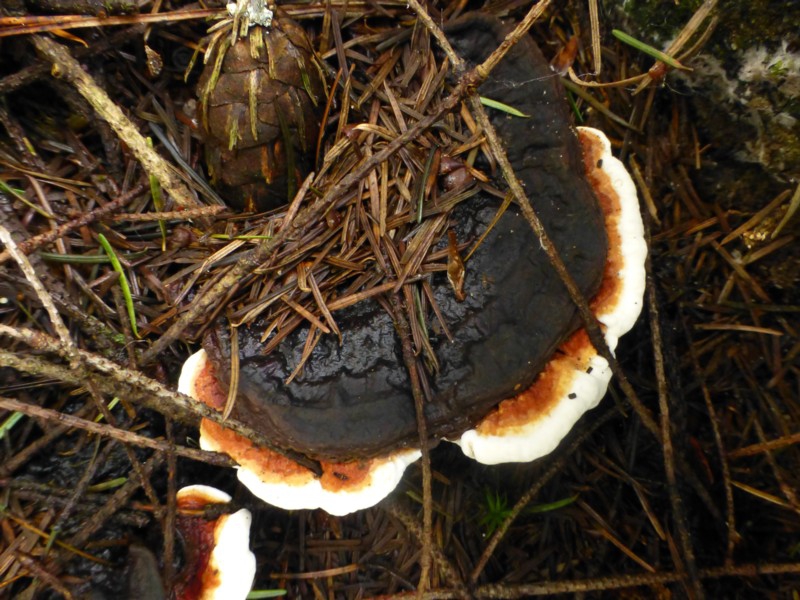
Heterobasidion annosum
species of fungus

Albatrellaceae
The Albatrellaceae are a family of fungi in the order Russulales. The family contains 9 genera and more than 45 species.

Albatrellus
Albatrellus is a genus of 19 species of mushroom-producing fungi in the family Albatrellaceae. Species are common in northern temperate forests, producing medium to large fleshy fruit bodies of various colors.

Hericium
thumb|Hericium at the Copernicus Science Centre in Warsaw
Bondarzewiaceae
The Bondarzewiaceae are a family of fungi in the order Russulales. The type species for both its genus and the family as a whole, Bondarzewia montana, closely resembles members of Polyporales (and was formerly placed there), but has ornamented spores like those of Lactarius or Russula. This characteristic suggested the relationship between physically dissimilar species that eventually led to the restructuring of Russulales (and other taxa) using molecular phylogeny. According to the Dictionary of the Fungi (10th edition, 2008), the family contains 8 genera and 48 species.

Auriscalpium
Auriscalpium is a genus of mushroom-forming fungi typifying the family Auriscalpiaceae.
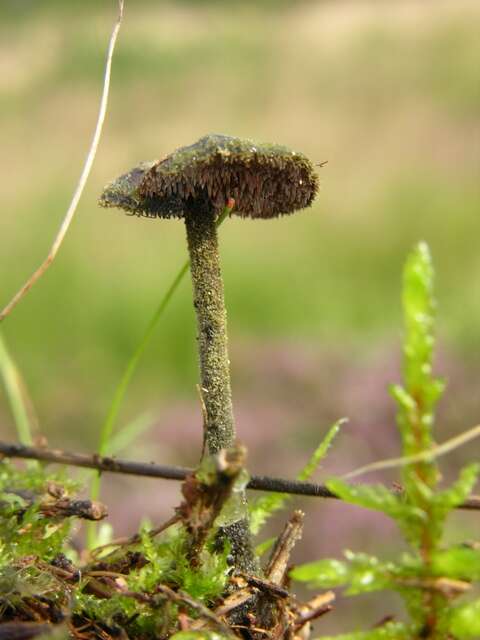
Auriscalpiaceae
The Auriscalpiaceae are a family of fungi in the order Russulales. Like much of the Russulales, it has been defined through molecular phylogeny, and includes physically dissimilar species, such as the tooth fungus Auriscalpium and the gilled, often shelf-like members of Lentinellus.
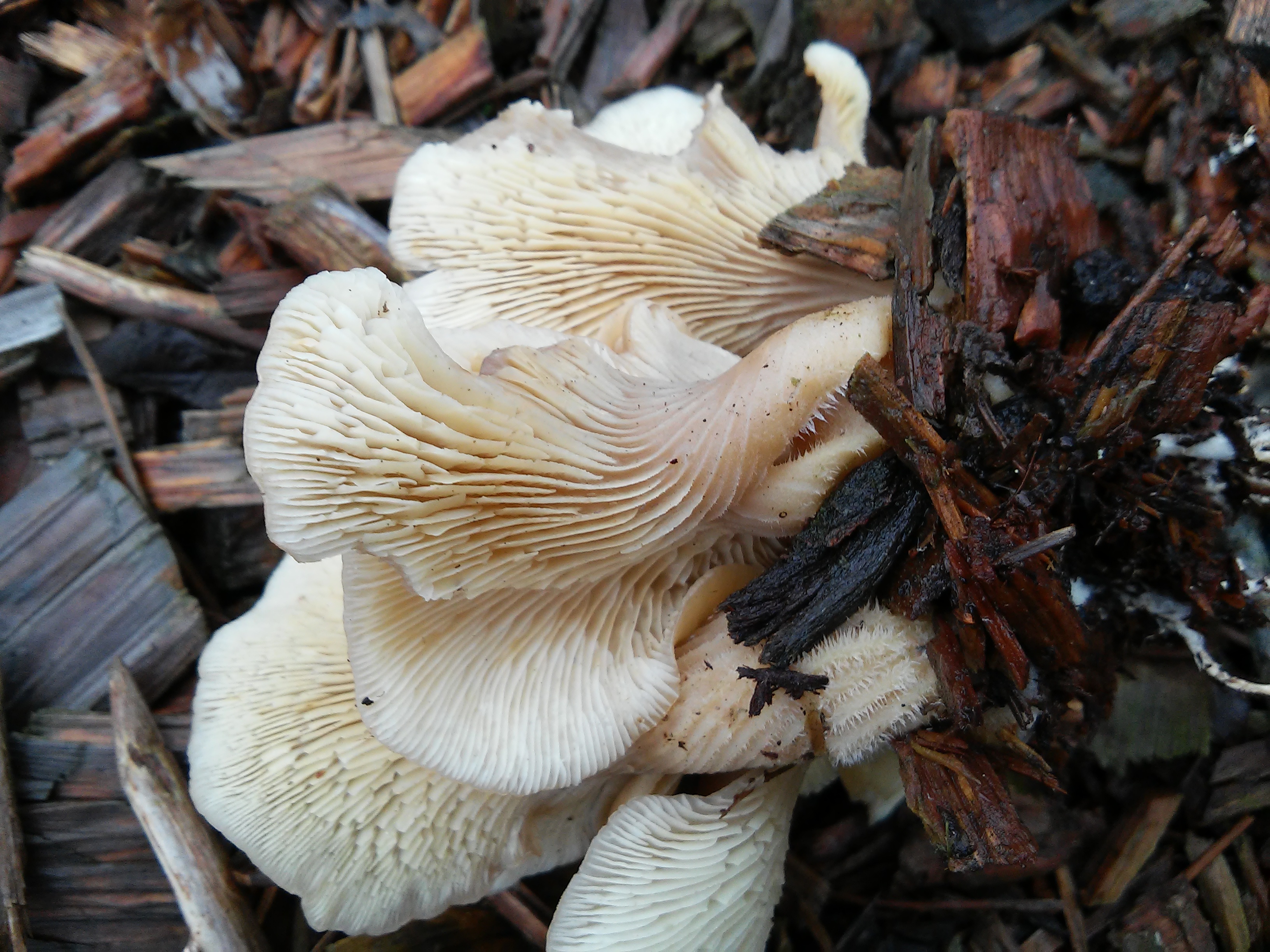
Lentinellus cochleatus
species of fungus
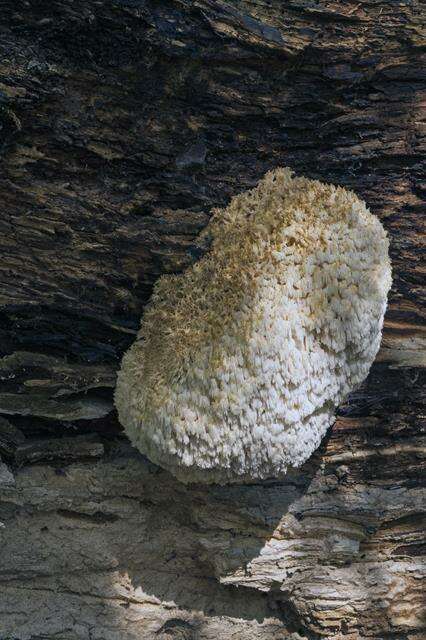
Hericiaceae
The Hericiaceae are a family of fungi in the order Russulales. The best known genus is Hericium, species of which are valued for their medicinal properties in Oriental medicine. Taxa are mainly known from north temperate regions, and are saprobic on rotting wood. Phylogenetic analysis suggests that Hericiaceae belongs to the russuloid clade of homobasidiomycetes, and morphological and molecular evidence links it with the families Auriscalpiaceae, Bondarzewiaceae and Echinodontiaceae. Originally proposed in 1961 by Taisiya Lvovna Nikolayeva as a subfamily of Hydnaceae, Hericiaceae was formally
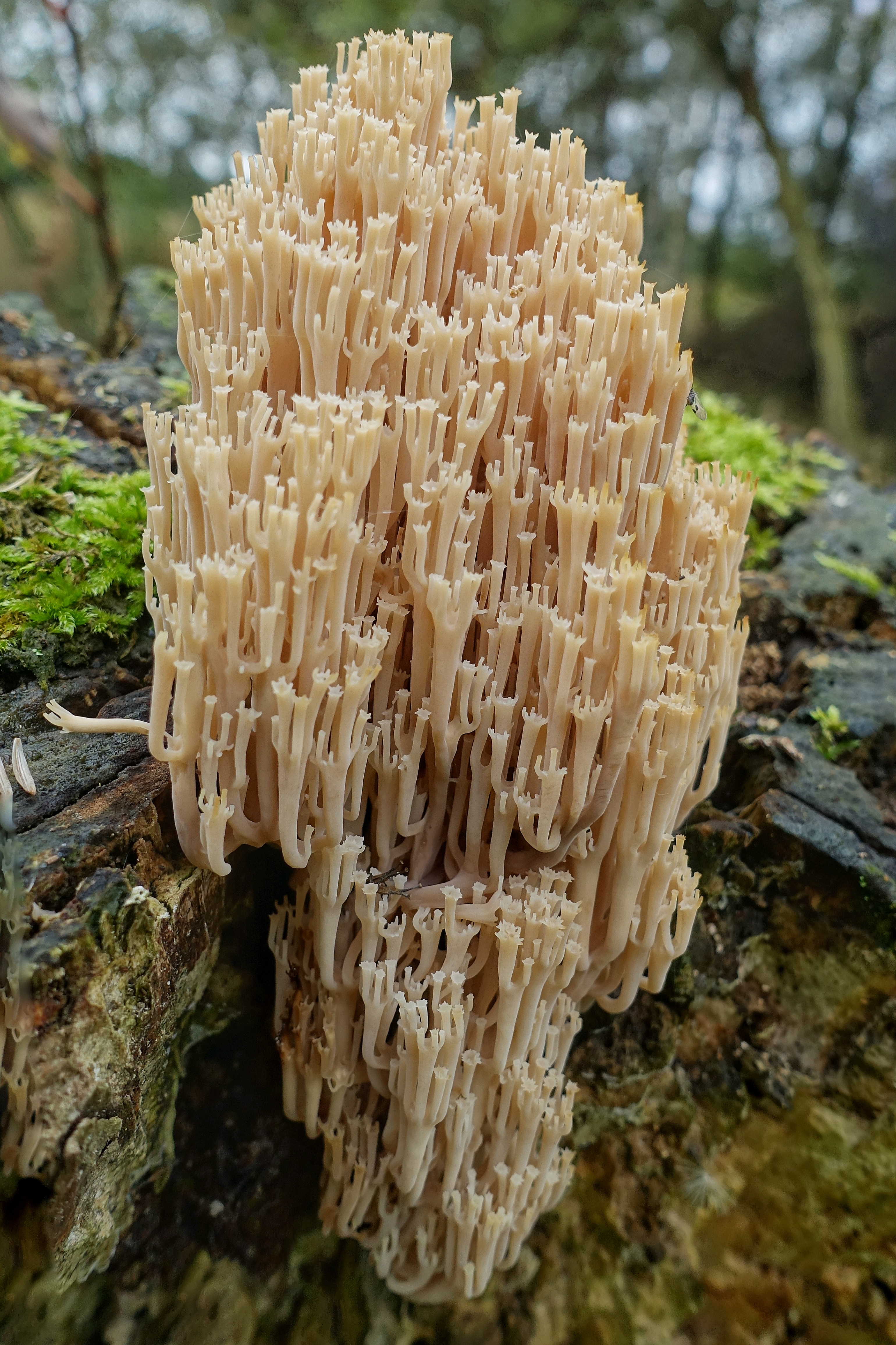
Artomyces pyxidatus
species of fungus

Hericium cirrhatum
species of fungus
Heterobasidion
Heterobasidion is a genus of basidiomycetes in the family of Bondarzewiaceae. Species in this genus include tree decay fungi that may be pathogenic and cause deterioration of tree health including mortality. Fungi in the genus produce shelf-like polyporous fruiting bodies that release spores from pores. Mating studies in the late twentieth century and genetic studies in the early twenty-first century have led to description of several new species and replacement of some of the original names. As a result, two former Heterobasidion species, H. annosum and H. insulare, are now recogniz
%20Boidin%20203093.jpg)
Amylostereum
Amylostereum is the single genus in the fungal family Amylostereaceae. The genus currently comprises four saprotrophic and parasitic species, which live off living or dead wood. The Amylostereaceae cause white rot in the wood by disintegrating the tissue component lignin. They produce crust-like, partially wavy fruit bodies on the surface of infested trees, which are similar to those produced by Stereum species.

Stereaceae
The Stereaceae are a family of corticioid fungi in the Russulales order. Species in the family have a widespread distribution, are lignicolous or terrestrial (in leaf litter), and typically saprobic. According to the Dictionary of the Fungi, the family contains 22 genera and 125 species.
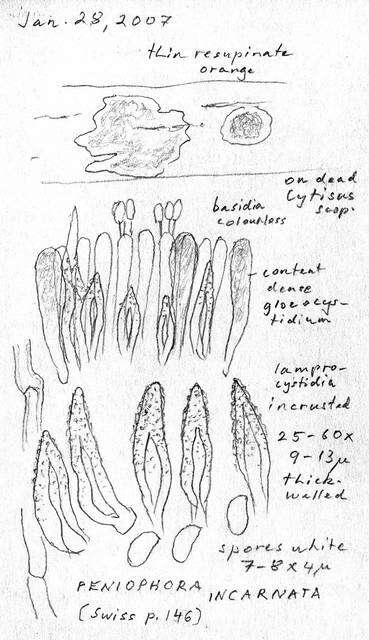
Peniophoraceae
The Peniophoraceae are a family of fungi in the order Russulales. Species of this family have a cosmopolitan distribution and are mostly saprobic, causing rots of standing and fallen wood. According to 2025 data the family contains 16 genera and 416 species.

Albatrellus subrubescens
species of fungus
Peniophora
Peniophora is a genus of fungi which are plant pathogens. Members of the genus belong to the class Agaricomycetes, order Russulales, and family Peniophoraceae. The genus is widespread, and contains 62 species. The species of Peniophora are resupinate, or crust-like, and are described as corticioid. A number of its members are parasitised by other fungi. For example, Tremella mesenterica is a parasite to several species of Peniophora.
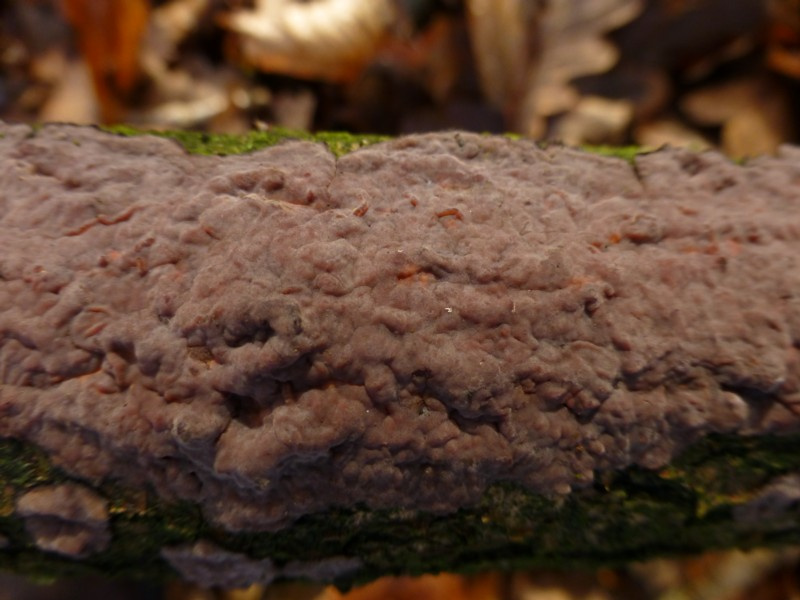
Peniophora quercina
species of fungus

Bondarzewia mesenterica
species of fungus
Amylostereum areolatum
species of fungus
Echinodontiaceae
The Echinodontiaceae are a family of crust fungi in the order Russulales. Species of this family, divided amongst two genera—Echinodontium and Laurilia—have a widespread distribution, although they are especially predominant in north temperate zones. They are parasitic or saprobic on wood, and may cause white rot of angiosperms and gymnosperms.
Lachnocladiaceae
The Lachnocladiaceae are a family of fungi in the order Russulales. Based on 2025 data, this family currently only includes a single genus and three species. Other genera that belonged in the family in the past have been moved to Peniophoraceae based on latest molecular phylogenetic studies.
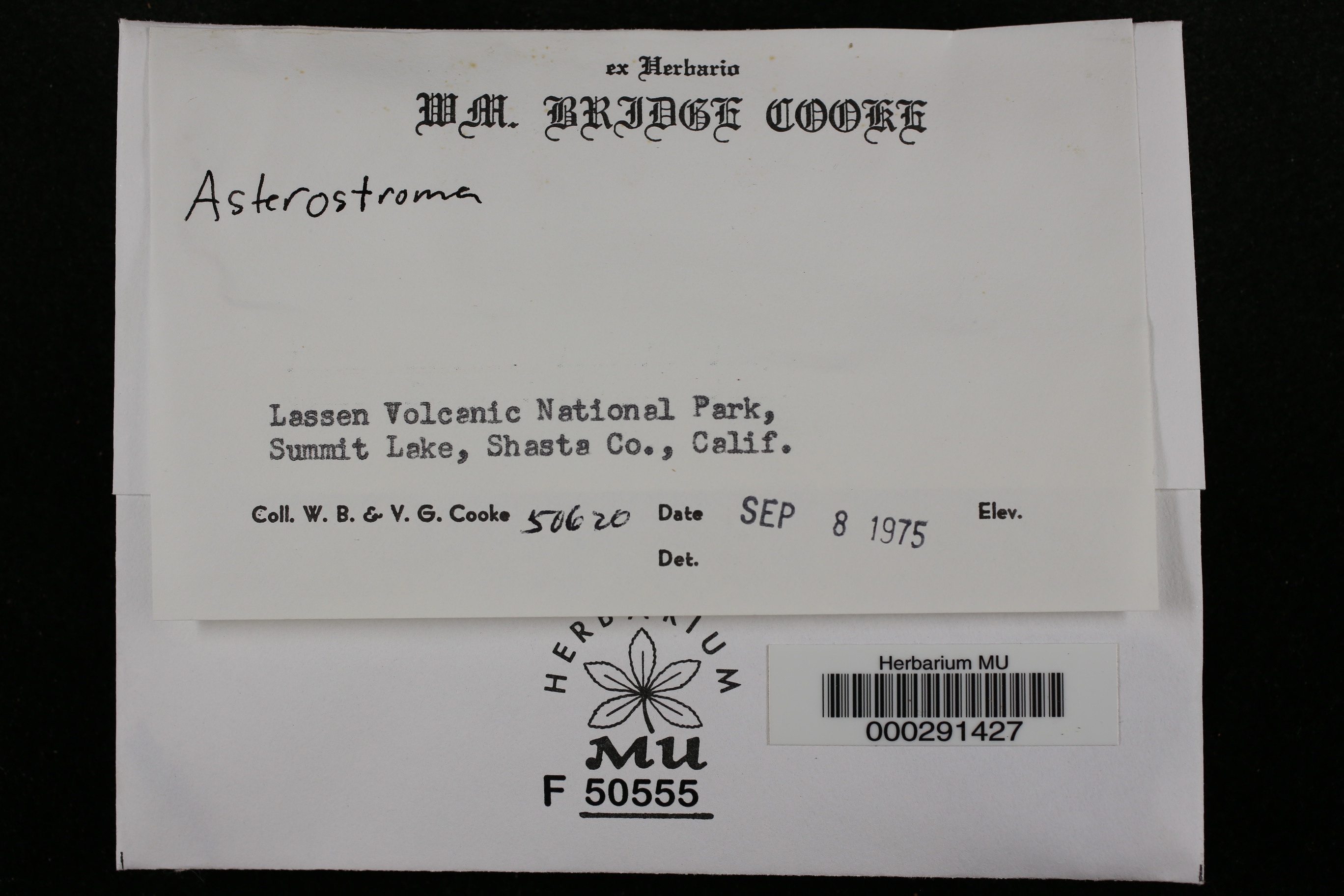
Asterostroma
Asterostroma is a genus of fungi in the Peniophoraceae family. The genus contains 26 species, which collectively have a widespread distribution.

Bondarzewia
Bondarzewia is a widely distributed genus of fungi in the family Bondarzewiaceae. The genus was circumscribed by mycologist Rolf Singer in 1940.
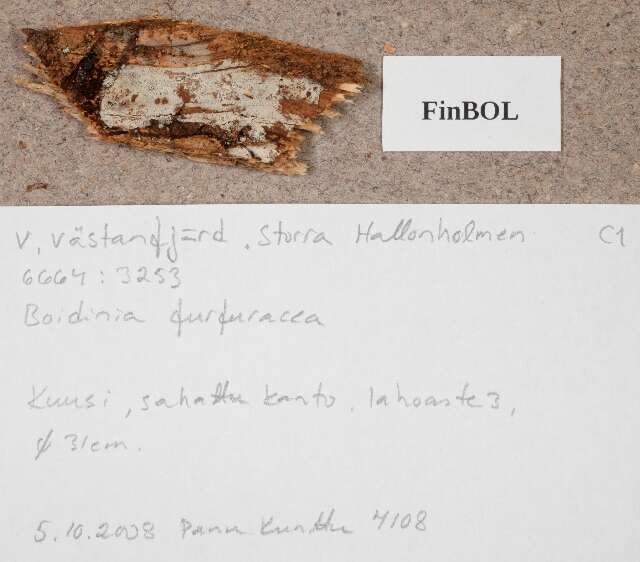
Boidinia
Boidinia is a genus of crust fungi in the family Russulaceae. The genus is widely distributed, and contains 10 species. Boidinia was described in 1982 with the type species Boidinia furfuracea (formerly placed in Gloeocystidiellum). It is named in honor of French mycologist Jacques Boidin.

Lentinellus
Lentinellus is a genus of white rot, wood decay, lamellate agaric in the family Auriscalpiaceae, further characterized in part by rough-walled, amyloid spores produced on lamellae with jagged edges. Typically, thick-walled hyphae in the fruit body are in part amyloid, and frequently the taste of the mushrooms is acrid (burning, spicy). The widespread genus has been estimated to contain 15 species. Mycologists Ronald Petersen and Karen Hughes considered 24 species in their 2004 world monograph of the genus.

Hericium flagellum
species in family Helotiaceae

Vararia
Vararia is a genus of corticioid fungi in the family Lachnocladiaceae. The genus contains over 50 species that collectively have a widespread distribution.

Gloiodon
Gloiodon is a genus of mushrooms in the family Bondarzewiaceae. It was first described by Finnish mycologist Petter Karsten in 1879.
Gloeocystidiellum
Gloeocystidiellum is a single genus of fungi in the monotypic Gloeocystidiellaceae family. Its species form crust-like, smooth fruitbodies. It is probably polyphyletic and may be restricted to the group around the type species G. porosum.

Lentinellus ursinus
species of fungus
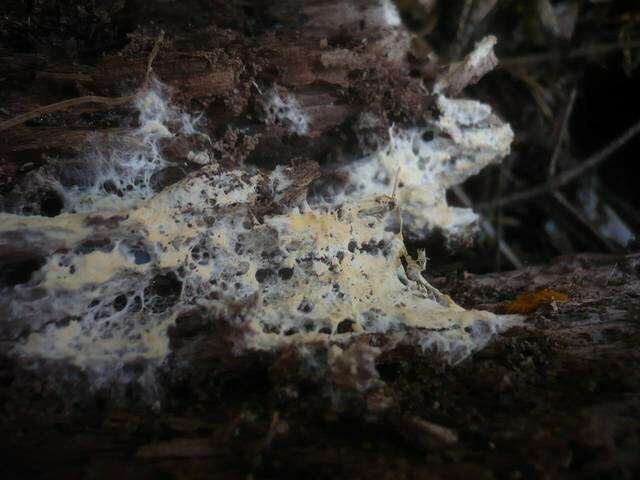
Gloiothele
Gloiothele is a genus of fungi in the Peniophoraceae family. The genus was circumscribed by mycologist Giacomo Bresadola in 1920.
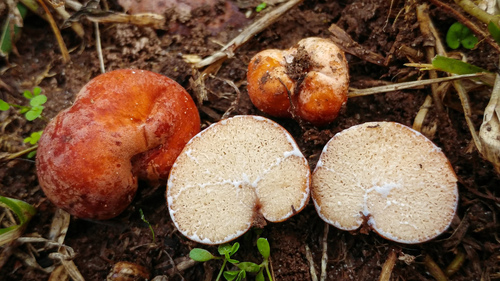
Zelleromyces
Zelleromyces is a genus of fungi in the family Russulaceae. It was first described by mycologists Rolf Singer and Alexander H. Smith in 1960 to contain hypogeous (underground) fungi with gasteroid fruit bodies that "bleed" latex when they are cut.
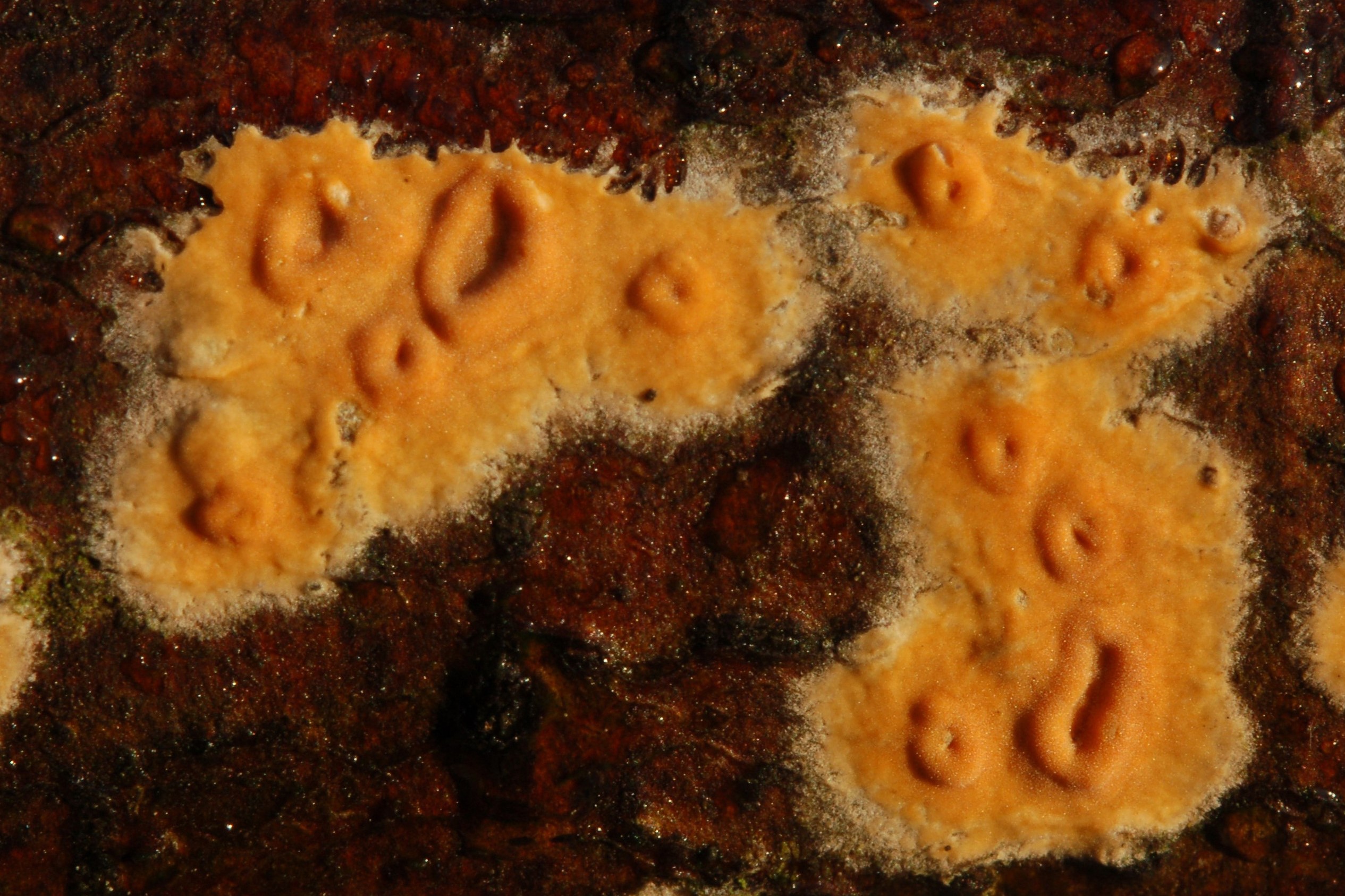
Peniophora incarnata
species of fungus

Amylostereum chailletii
species of fungus
%20Lentz%20142910.jpg)
Laxitextum
Laxitextum is a genus of fungi in the family Hericiaceae. The widespread genus contains three species. It was circumscribed by Paul Lewis Lentz in 1955. Species in the genus have fruit bodies that are effused (stretched out flat) to reflexed (with edges turned up) and a smooth hymenium. Molecular analysis shows that the genus groups in a clade with the genera Hericium and Dentipellis.
==Species==
{| class="wikitable"
|-
! Image !! Scientific name !! Distribution
|-
|120px|| Laxitextum bicolor||North America
|-
||| Laxitextum incrustatum||Kenya, Tanzania
|-
||| Laxitextum lutescens|| tropical
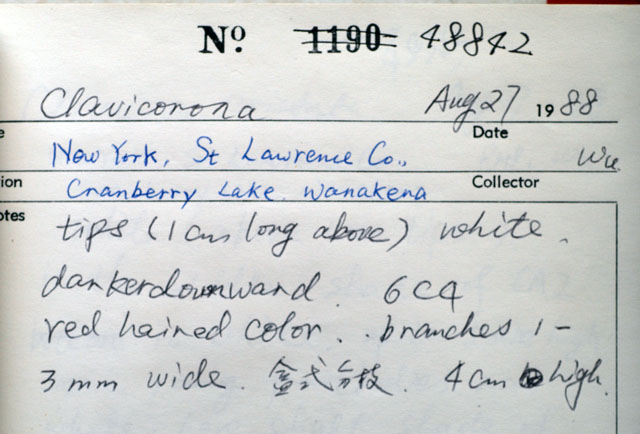
Artomyces
Artomyces is a genus of coral fungi in the family Auriscalpiaceae. It was circumscribed by Walter Jülich in 1982, who set Artomyces pyxidatus (formerly Clavaria pyxidata Pers. 1794) as the type species.
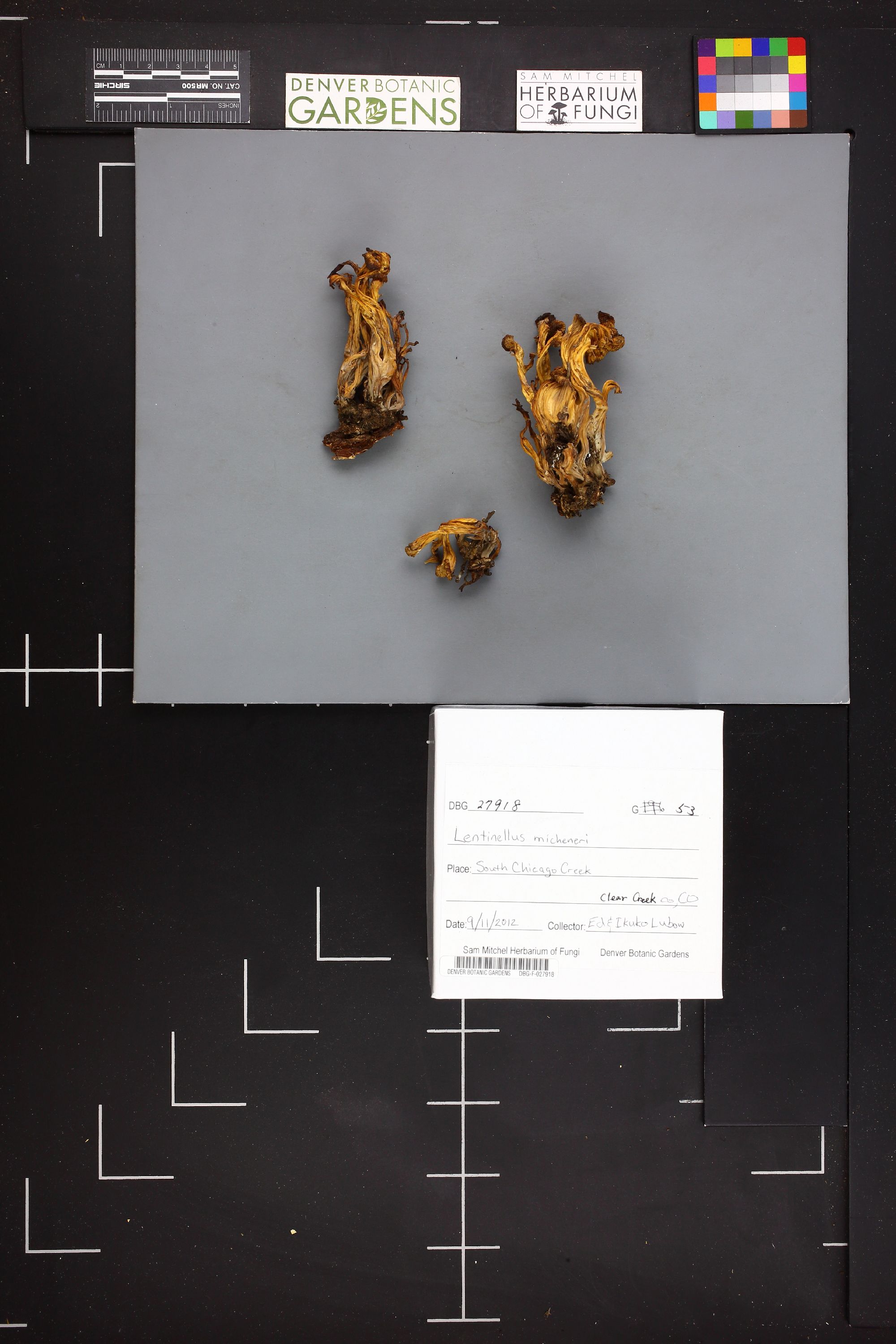
Lentinellus micheneri
species of fungus

Amylostereum laevigatum
species of fungus

Gloiodon strigosus
species of fungus
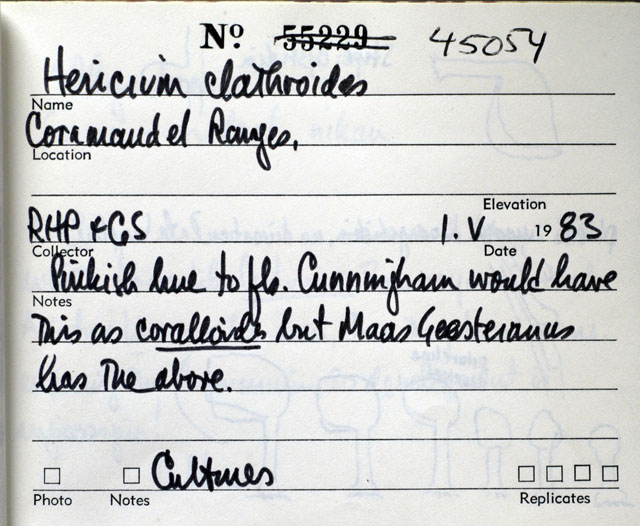
Hericium clathroides
species of fungus
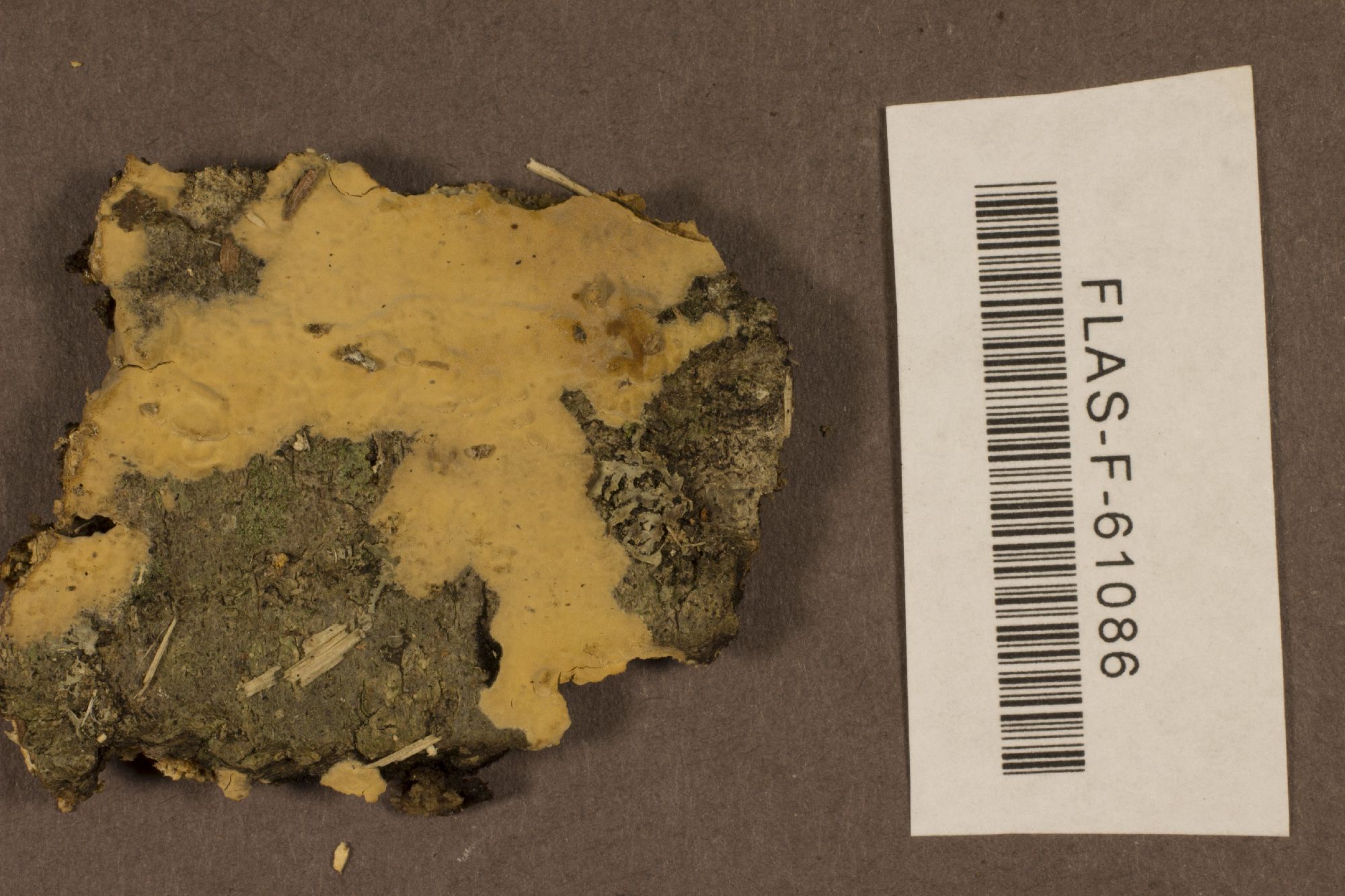
Dichostereum
Dichostereum is a genus of corticioid fungi in the Peniophoraceae family. Based on 2025 data, the genus contains 14 species that have a widespread distribution.
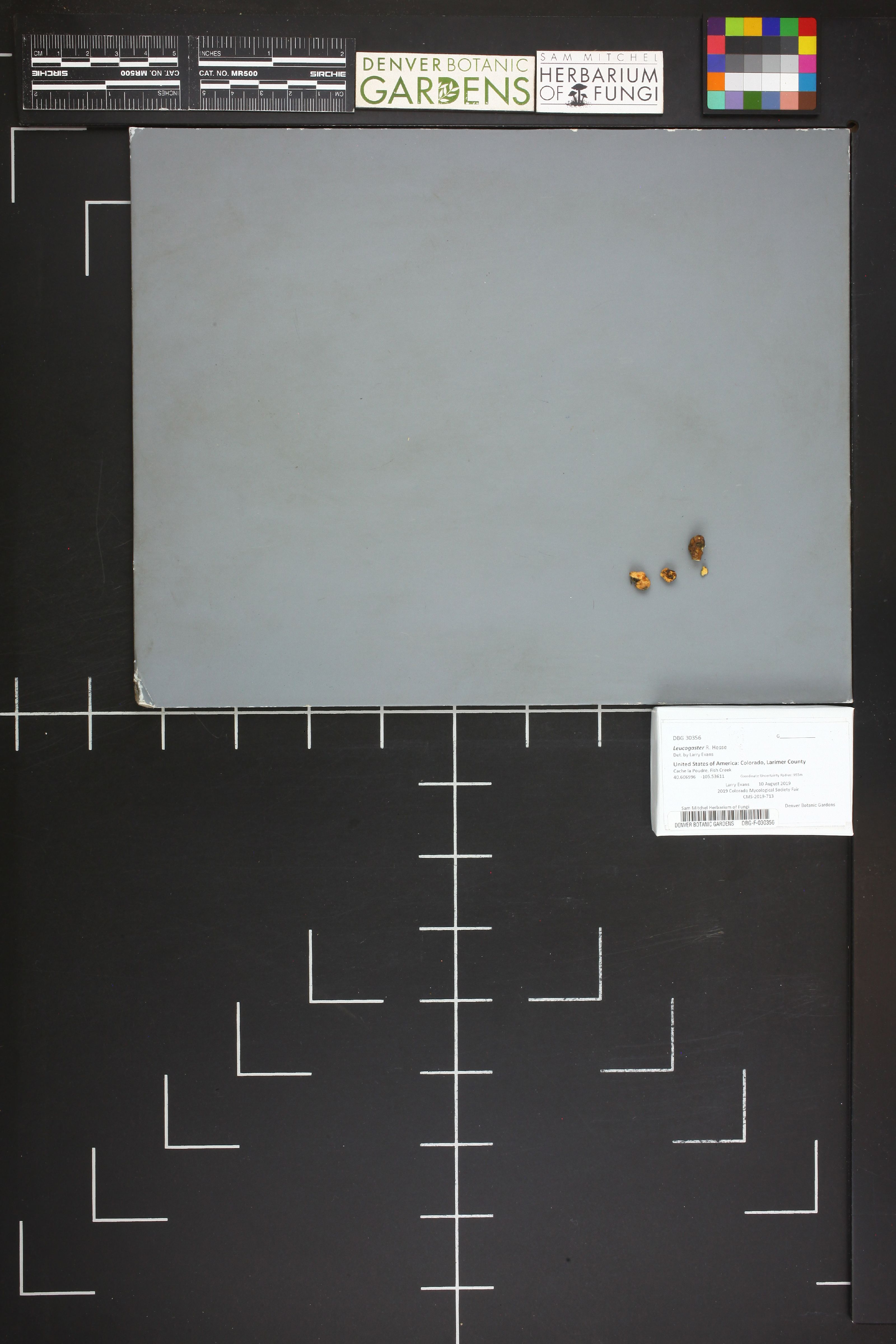
Leucogaster
Leucogaster is a fungal genus in the family Albatrellaceae. The genus, widespread in northern temperate regions, contains about 20 truffle-like species. Some, such as L. rubescens, are edible.
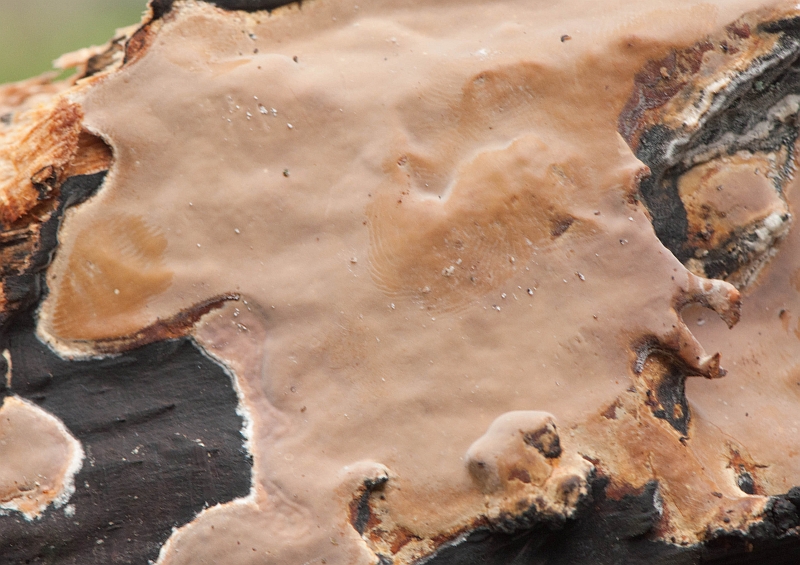
Scytinostroma hemidichophyticum
species of fungus
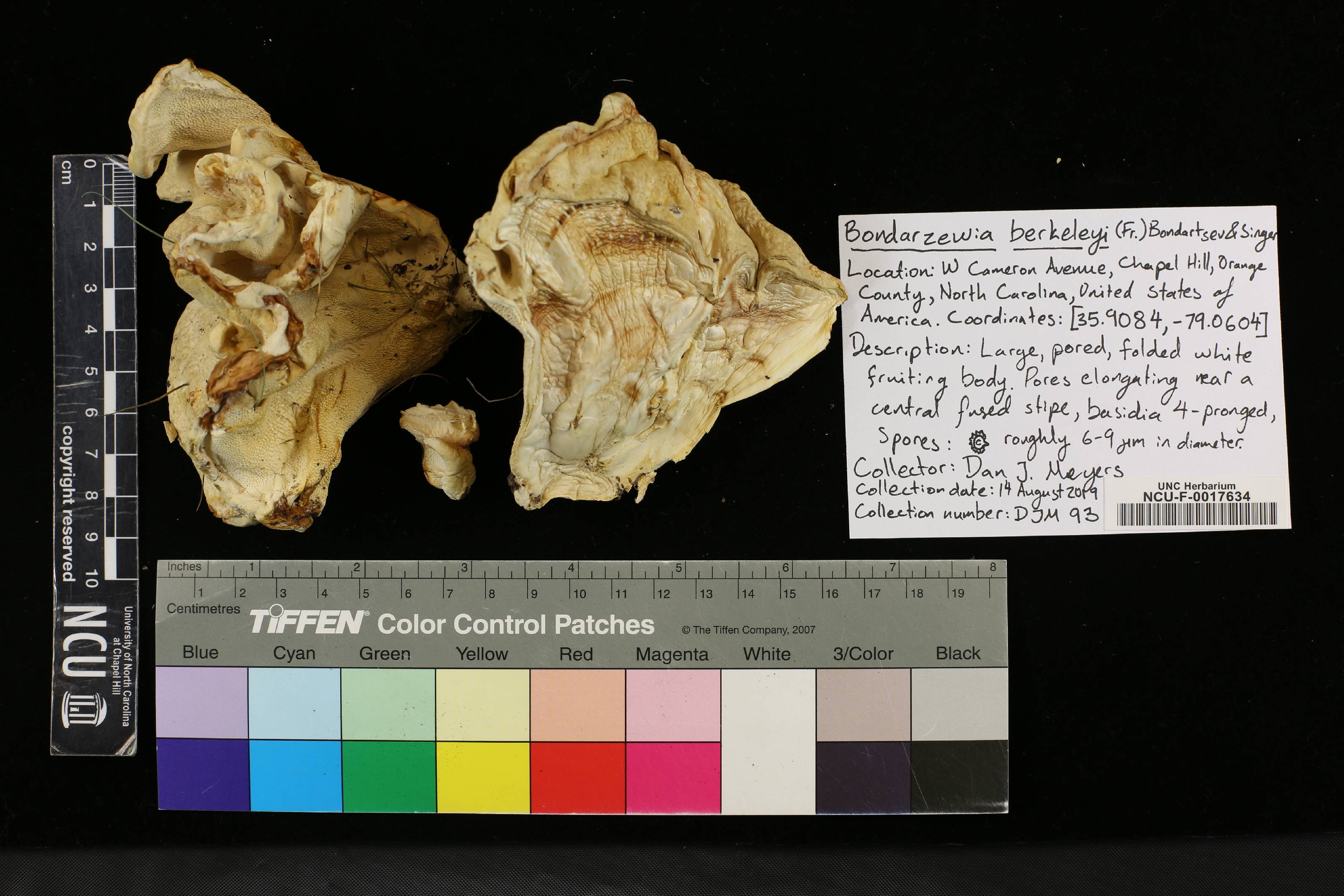
Bondarzewia berkeleyi
species of fungus

Laurilia
Laurilia is a monotypic genus of crust fungi in the family Echinodontiaceae. The genus was described in 1959 by Czech mycologist Zdeněk Pouzar, with Laurilia sulcata (originally Stereum sulcatum) as the type and only species. Pouzar then transferred Laurilia taxodii from Stereum to Laurilia in 1968, but Liu et al. erected the new genus Lauriliella for the latter species in 2017 on the basis of ribosomal DNA molecular phylogeny. Liu et al. also found the Echinodontiaceae as traditionally circumscribed to be paraphyletic and placed Laurilia and Lauriliella instead in the Bondarzewiaceae, though
Dentipellis
Dentipellis is a genus of fungi in the family Hericiaceae. It was circumscribed by Dutch mycologist Marinus Anton Donk in 1962. Species in the genus have membranous fruit bodies that are either completely resupinate or effuso-reflexed (stretched out flat on the substrate but turned up at the edges). The hymenium (spore-bearing surface) bears "teeth".
Aleurocystidiellum
Aleurocystidiellum is a fungal genus of uncertain familial placement in the order Russulales. The type species, Aleurocystidiellum subcruentatum is a crust fungus that was first described in 1860 by Miles Berkeley and Moses Ashley Curtis. Aleurocystidiellum was circumscribed by Paul Arenz Lemke in 1964.
thumb|left|Minimum Evolution Tree of Genus Aleurocystidiellum (ribosomal RNA gene, 5.8S (partial), ITS-2 28S (partial)) The evolutionary history was inferred using the Minimum Evolution method. The optimal tree with the sum of branch length = 0.32675511 is shown. The confidence probability (mul
Scytinostroma
Scytinostroma is a genus of fungi in the Lachnocladiaceae family. The genus contains 32 species that collectively have a widespread distribution. The genus was circumscribed by mycologist Marinus Anton Donk in 1956.
Laeticutis cristata
species of fungus

Gloeocystidiellum porosum
species of fungus
Lentinellus vulpinus
species of fungus
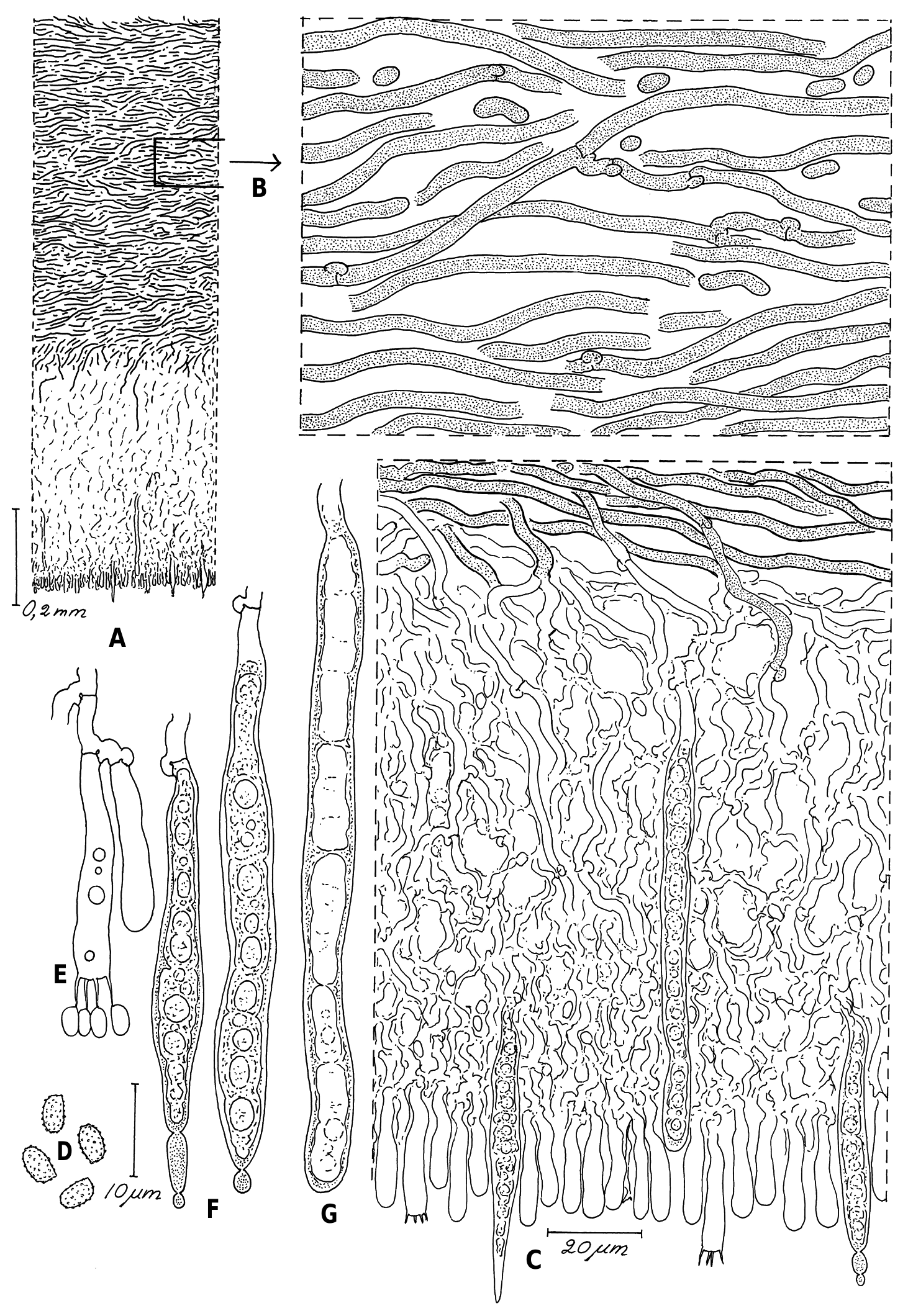
Laxitextum bicolor
species of fungus
Hybogasteraceae
The Hybogasteraceae are a family of fungi in the order Russulales. The family consists of a single genus, Hybogaster, only known from southern Chile, and associated with living Nothofagus trees.