Category
page 1Sleep disorders

insomnia
Insomnia, also known as sleeplessness, is a sleep disorder causing difficulty falling asleep or staying asleep for as long as desired. Insomnia is typically followed by daytime sleepiness, low energy, irritability, and a depressed mood. It may result in an increased risk of accidents as well as problems focusing and learning. Insomnia can be short-term, lasting for days or weeks, or long-term, lasting more than a month. The concept of the word insomnia has two distinct possibilities: insomnia disorder or insomnia symptoms.

African trypanosomiasis
parasitic disease
%2C%20The%20Nightmare%2C%201781.jpg)
nightmare
thumb|The Nightmare ([[Henry Fuseli, 1781), Detroit Institute of Arts]]
nocturnal emission
spontaneous sleep orgasm

sleepwalking
Sleepwalking, also known as somnambulism or noctambulism, is a phenomenon of combined sleep and wakefulness. It is classified as a sleep disorder belonging to the parasomnia family. It occurs during the slow wave stage of sleep, in a state of low consciousness, with performance of activities that are usually performed during a state of full consciousness. These activities can be as benign as talking, sitting up in bed, walking to a bathroom, consuming food, and cleaning, or as hazardous as cooking, driving a motor vehicle, violent gestures and grabbing at hallucinated objects.

sleep paralysis
phenomenon

snoring
Snoring (or stertor, ) is an abnormal breath sound caused by partially obstructed, turbulent airflow and vibration of tissues in the upper respiratory tract (e.g., uvula, soft palate, base of tongue) which occurs during sleep. It usually happens during inhalations (breathing in).

narcolepsy

myalgic encephalomyelitis/chronic fatigue syndrome
medical condition involving extreme fatigue and a wide range of other symptoms
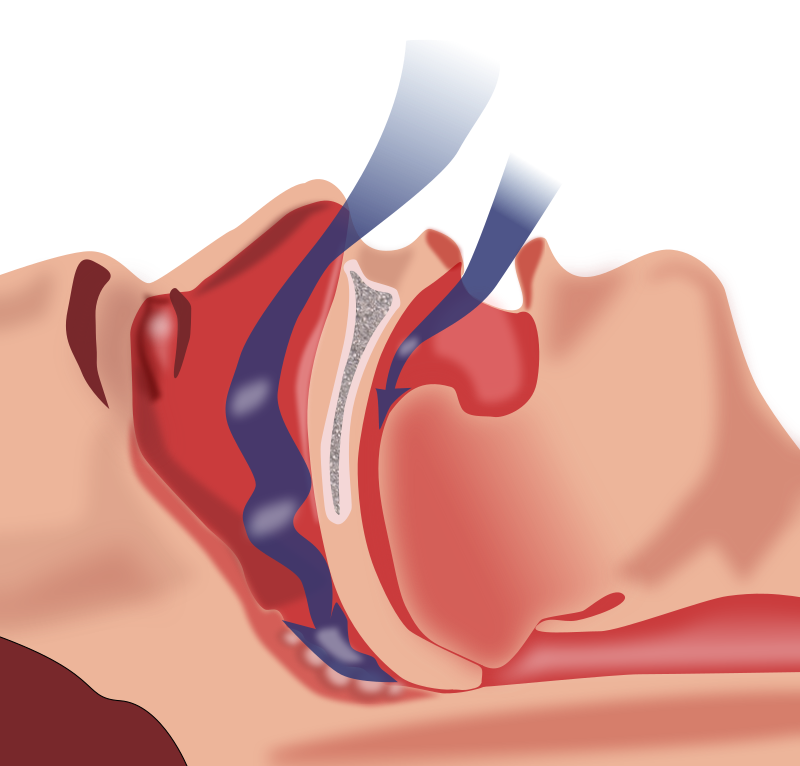
sleep apnea
sleep disorder characterized by repeated cessation and commencing of breathing that disrupts sleep

jet lag
physiological condition caused by travel across time zones

nocturnal enuresis
involuntary urination while asleep
sudden infant death syndrome
Sudden infant death syndrome (SIDS), sometimes known as cot death or crib death, is the sudden, unexplained death of a child of less than one year of age. Diagnosis requires that the death remain unexplained even after a thorough autopsy and detailed death scene investigation. SIDS usually occurs between the hours of midnight and 9:00 a.m., or when the baby is sleeping. There is usually no noise or evidence of struggle. SIDS remains one of the leading causes of infant mortality in Western countries, constituting almost 1/3 of all post-neonatal deaths.

restless legs syndrome
disabling neurological pathology characterized by the irresistible urge to move the legs
sleep disorder
disease of mental health that involves disruption of sleep patterns
hypersomnia
Hypersomnia is a neurological disorder of excessive time spent sleeping or excessive sleepiness. It can have many possible causes (such as seasonal affective disorder) and can cause distress and problems with functioning. In the fifth edition of the Diagnostic and Statistical Manual of Mental Disorders (DSM-5), hypersomnolence, of which there are several subtypes, appears under sleep-wake disorders.
fatal familial insomnia
Prion disease of the human brain

cataplexy
Cataplexy is a sudden and transient episode of muscle weakness accompanied by full conscious awareness, typically triggered by emotions such as laughing, crying, or terror. Cataplexy is the first symptom to appear in about 10% of cases of narcolepsy, caused by an autoimmune destruction of hypothalamic neurons that produce the neuropeptide hypocretin (also called orexin), which regulates arousal and has a role in stabilization of the transition between wake and sleep states. Cataplexy without narcolepsy is rare and the cause is unknown.

bruxism
Bruxism is excessive teeth grinding or jaw clenching. It is an oral parafunctional activity; i.e., it is unrelated to normal function such as eating or talking. Bruxism is a common behavior; the global prevalence of bruxism (both sleep and awake) is 22.22%. Several symptoms are commonly associated with bruxism, including aching jaw muscles, headaches, hypersensitive teeth, tooth wear, and damage to dental restorations (e.g. crowns and fillings). Symptoms may be minimal, without patient awareness of the condition. If nothing is done, after a while many teeth start wearing down until the whole t
night horror
disorder that causes feelings of anxiety, stress and dread
Kleine-Levin syndrome
recurrent hypersomnia that is characterized by recurring periods of excessive amounts of sleep and altered behavior
parasomnia
Parasomnias are a category of sleep disorders that involve abnormal movements, behaviors, emotions, perceptions, and dreams that occur while falling asleep, sleeping, between sleep stages, or during arousal from sleep. Parasomnias are dissociated sleep states which are partial arousals during the transitions between wakefulness, NREM sleep, and REM sleep, and their combinations.
exploding head syndrome
syndrome where people perceive loud imagined noises when falling asleep or waking up
Somniloquy
Somniloquy, commonly referred to as sleep-talking, is a parasomnia in which one speaks aloud while asleep. It can range from simple mumbling sounds to loud shouts or long, frequently inarticulate speeches. It can occur many times during a sleep cycle and during both NREM and REM sleep stages, though, as with sleepwalking and night terrors, it most commonly occurs during delta-wave NREM sleep or temporary arousals therefrom.
hypnagogia
Hypnagogia is the transitional state from wakefulness to sleep, also defined as the waning state of consciousness during the onset of sleep. Its corresponding state is sleep to wakefulness. Mental phenomena that may occur during this "threshold consciousness" include hallucinations, lucid dreaming, and sleep paralysis.
sleep sex
condition in which a person will engage in sexual activities while asleep
delayed sleep phase disorder
chronic mismatch between a person's normal daily rhythm, compared to other people and societal norms
hypnic jerk syndrome
involuntary twitches
circadian rhythm sleep disorder
family of sleep disorders which affect the timing of sleep
night owl
a person who tends to stay up until late at night
congenital central hypoventilation syndrome
Human disease
obesity hypoventilation syndrome
condition in which severely overweight people fail to breathe rapidly or deeply enough
obstructive sleep apnea
obstruction of the upper airway during sleep
hypopnea
Hypopnea is overly shallow breathing or an abnormally low respiratory rate. Hypopnea is typically defined by a decreased amount of air movement into the lungs and can cause hypoxemia (low levels of oxygen in the blood.) It commonly is due to partial obstruction of the upper airway, but can also have neurological origins in central sleep apnea. (Or if a person has sleep apnea caused by both causes, it is variously referred to by a number of names, such as mixed sleep apnea or complex sleep apnea.)
bedtime procrastination
psychological phenomenon

somnology
thumb|right|Pediatric [[polysomnography patient, Children's Hospital (Saint Louis), 2006]]
idiopathic hypersomnia
neurological disorder which is characterized primarily by excessive sleep and excessive daytime sleepiness
night sweats
occurrence of excessive sweating during sleep
REM sleep behavior disorder
sleep disorder that involves abnormal behavior including the acting out of violent or dramatic dreams during the sleep phase with rapid eye movement
International Classification of Sleep Disorders
medical condition classification system
non-24-hour sleep-wake disorder
term
dyssomnia
Dyssomnias are a broad classification of sleeping disorders involving difficulty getting to sleep, remaining asleep, or of excessive sleepiness.

sleep debt
cumulative effect of not getting enough sleep
catathrenia
Catathrenia or nocturnal groaning is a sleep-related breathing disorder, consisting of end-inspiratory apnea (breath holding) and expiratory groaning during sleep. It describes a rare condition characterized by monotonous, irregular groans while sleeping. Catathrenia begins with a deep inspiration. The person with catathrenia holds their breath against a closed glottis, similar to the Valsalva maneuver. Expiration can be slow and accompanied by sound caused by vibration of the vocal cords or a simple rapid exhalation. Despite a slower breathing rate, no oxygen desaturation usually occurs. The
periodic limb movement disorder
sleep disorder that involves involuntary limb movement during sleep
shift work sleep disorder
medical condition
advanced sleep phase syndrome
sleep disorder that involves an altered circadian rhythm resulting in falling asleep in early evening and awaking very early in the morning
excessive daytime sleepiness
symptom characterized by persistent sleepiness during daytime
clinophilia
In medicine, clinophilia is a sleep disorder described as the tendency of a patient to remain in bed in a reclined position without sleeping for prolonged periods of time.
sundowning
Sundowning, or sundown syndrome, prevalent among people with some form of dementia, is characterized by increased confusion and restlessness beginning in the late afternoon and early evening. The term sundowning was coined by nurse Lois K. Evans in 1987 due to the association between the person's increased confusion and the setting of the sun.
sleep phase chronotherapy
treatment for sleep disorder
upper airway resistance syndrome
sleep disorder
shallow breathing
the drawing of minimal breath into the lungs, usually by drawing air into the chest area using the intercostal muscles rather than throughout the lungs via the diaphragm; can result in or be symptomatic of rapid breathing and hypoventilation
nightmare disorder
sleep disorder
sleep diary
data sheet
hypnopompia
Hypnopompia (also known as hypnopompic state) is the state of consciousness leading out of sleep, a term coined by the psychical researcher Frederic Myers. Its mirror is the hypnagogic state at sleep onset; though often conflated, the two states are not identical and have a different phenomenological character. Hypnopompic and hypnagogic hallucinations are frequently accompanied by sleep paralysis, which is a state wherein one is consciously aware of one's surroundings but unable to move or speak.
Sleep hollow
medical condition
Morvan's syndrome
medical condition
Sleep onset latency
quantitative measure of the tendency to fall asleep
night hag
name given to a supernatural creature, used to explain the phenomenon of sleep paralysis