Category
page 1Snake genera

Python
genus of reptiles

Naja
Naja is a genus of venomous elapid snakes commonly known as cobras (or "true cobras"). Various species occur throughout Africa, Southwest Asia, South Asia, and Southeast Asia. Several other elapid species are often called "cobras", such as the king cobra and the rinkhals, but they are not "true cobras", in that they do not belong to the genus Naja.

Titanoboa
Titanoboa (; ) is a genus of extinct giant boid snake (being the biological family of all boas and anacondas) that lived during the middle and late Paleocene epoch. Titanoboa was first discovered in the early 2000s by members of the Smithsonian Tropical Research Institute, which–along with students from the University of Florida–recovered 186 fossils of Titanoboa from the Cerrejón coal mines in the La Guajira department of northeastern Colombia. It was named and described in 2009 as Titanoboa cerrejonensis, and lauded as the largest snake ever found at that time. The original type

Crotalus
Crotalus is a genus of pit vipers, commonly known as rattlesnakes or rattlers, in the family Viperidae. The genus is found only in the Americas from southern Canada to northern Argentina. The generic name Crotalus is derived from the Greek word krótalοn, which means "rattle" or "castanet", and refers to the rattle on the end of the tail, which makes this group (genera Crotalus and Sistrurus) so distinctive. As of July 2023, 44 to 53 species are recognized as valid.

vipers
Vipera (; commonly known as the palaearctic vipers and Eurasian vipers) is a genus of snakes in the subfamily Viperinae of the family Viperidae. The genus has a very wide range, being found from North Africa to just within the Arctic Circle, and from Great Britain to Pacific Asia. The Latin name vīpera is possibly derived from the Latin words vivus and pario, meaning "alive" and "bear" or "bring forth"; likely a reference to the fact that most vipers bear live young. 21 species are recognized as being valid. Like all other vipers, the members of this genus are venomous.
.jpg)
Natrix
Natrix is a genus of Old World snakes found mainly across Eurasia (although the range of Natrix tessellata extends into Egypt and those of N. astreptophora and N. maura into north-west Africa) in the subfamily Natricinae of the family Colubridae. They are commonly called grass snakes and water snakes, but some other snake species also known commonly as "grass snakes" and "water snakes" are not in the genus.
%20(8851310937).jpg)
Acrochordidae
The Acrochordidae, commonly known as wart snakes, Java wart snakes, file snakes, elephant trunk snakes, or dogface snakes are a monogeneric family of snakes. The sole genus Acrochordus are basal aquatic snakes found in Australia and tropical Asia, with three species recognized.

Lampropeltis
Kingsnakes are colubrid New World members of the genus Lampropeltis, which includes 26 species. Among these, about 45 subspecies are recognized. They are nonvenomous and ophiophagous in diet.

Echis
Echis (common names: saw-scaled vipers, carpet vipers) is a genus of vipers found in the dry regions of Africa, the Middle East, India, Sri Lanka and Pakistan. They have a characteristic threat display, rubbing sections of their body together to produce a "sizzling" warning sound. The name Echis is the Latin transliteration of the Greek word for "viper" (ἔχις). Like all vipers, they are venomous. Their common name is "saw-scaled vipers" and they include some of the species responsible for causing the most snakebite cases and deaths in the world. Twelve species are currently recognized.

Boiga
Boiga is a large genus of rear-fanged, mildly venomous snakes, known commonly as cat-eyed snakes or simply cat snakes, in the family Colubridae. Species of the genus Boiga are native to southeast Asia, India, and Australia, but due to their extremely hardy nature and adaptability, have spread to many other suitable habitats around the world. There are 38 recognized species in the genus. According to the study done by Jiří Smíd regarding Old World cat snakes, the ancestor of the cat snake originated in Africa, from where it diversified and expanded to other countries. Despite this diversity how

Elaphe
Elaphe is a genus of snakes in the family Colubridae. Elaphe is one of the main genera of the rat snakes, which are found in many regions of the northern hemisphere. Elaphe species are medium to large constrictors by nature.
Cylindrophis
The Cylindrophiidae are a monotypic family of secretive, semifossorial, non-venomous snakes containing the genus Cylindrophis found in southeastern Asia. These are burrowing snakes and most have a banded pattern on the belly. Currently, 14 species are recognized, all with no subspecies. Common names include Asian pipesnakes and Asian cylinder snakes.
%20(7796643322).jpg)
flying snake
Chrysopelea is a genus of snakes, commonly known as flying snakes or gliding snakes, that belong to the family Colubridae. Chrysopelea species are found in Southeast Asia, and are known for their ability to glide between trees. Flying snakes are mildly venomous, though the venom is dangerous only to their small prey. There are five species within the genus.

Bitis
Bitis is a genus of vipers found in Africa and the southern Arabian Peninsula. It includes the largest and the smallest vipers in the world. Members are known for their characteristic threat displays that involve inflating and deflating their bodies while hissing and puffing loudly. The type species for this genus is B. arietans, which is also the most widely distributed viper in Africa. Currently, 18 species are recognized.

Dasypeltis
Dasypeltis is a genus of snakes, also known commonly as egg-eating snakes or egg-eaters, in the subfamily Colubrinae of the family Colubridae. The genus is one of only two taxonomic groups of snakes known to have adapted to feed exclusively on eggs (the other being the genus Elachistodon). Dasypeltis are non-venomous and found throughout the continent of Africa, primarily in forested or wooded habitats that are also home to numerous species of birds.
.png)
Coronella
Coronella is a genus of harmless snakes in the family Colubridae. The genus is endemic to Europe, North Africa and West Asia. Two species are currently recognized as being valid.

Acanthophis
Acanthophis is a genus of elapid snakes commonly referred to as death adders. They are native to Australia, New Guinea and nearby islands, and are among the most venomous snakes in the world. Despite their common name and resemblance to many species of vipers, they belong to a different family, the Elapidae.
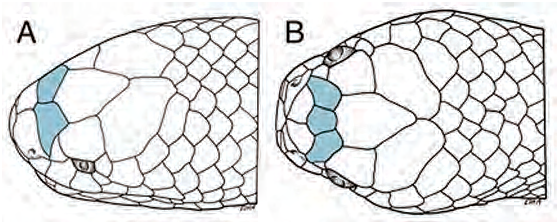
Laticauda
genus of reptiles

Bothrops
Bothrops is a genus of highly venomous pit vipers endemic to the Neotropics. The generic name, Bothrops, is derived from the Greek words , , meaning , and , , meaning or , together an allusion to the heat-sensitive loreal pit organs. Members of this genus are responsible for more human deaths in the Americas than any other group of venomous snakes. Currently, 48 species are recognized.
%20-%20Kaeng%20Krachan%20National%20Park%20(27493423545).jpg)
Trimeresurus
Trimeresurus is a genus of pit vipers native to Asia. They are found from the Indian subcontinent throughout Southeast Asia, China, and the Pacific Islands. The genus currently contains 44 recognized species. Common names include Asian palm pit vipers, Asian lanceheads, and green pit vipers.

Cerastes
genus of reptiles

Atheris
Atheris is a genus of vipers known as bush vipers. They are found only in tropical subsaharan Africa (excluding southern Africa) and many species have isolated and fragmented distributions due to their confinement to rain forests. Like all other vipers, they are venomous. In an example of convergent evolution, they show many similarities to the arboreal pit vipers of Asia and South America. Seventeen species are currently recognized.
.jpg)
Agkistrodon
Agkistrodon is a genus of pit vipers commonly known as American moccasins. The genus is endemic to North America, ranging from the northeastern United States to northern Costa Rica. Eight species are recognized as being valid, all of them monotypic and closely related. Common names include: cottonmouths, copperheads, and cantils.

Morelia
genus of reptiles

Ahaetulla
Ahaetulla, commonly referred to as Asian vine snakes or Asian whip snakes, is a genus of colubrid snakes distributed throughout tropical Asia. They are considered by some scientists to be mildly venomous and are what is commonly termed as 'rear-fanged' or more appropriately, opisthoglyphous, meaning their enlarged teeth or fangs, intended to aid in venom delivery, are located in the back of the upper jaw, instead of in the front as they are in vipers or cobras. As colubrids, Ahaetulla do not possess a true venom gland or a sophisticated venom delivery system. The Duvernoy's gland of this genus
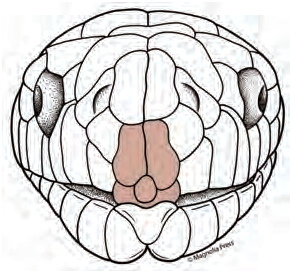
Hydrophis
Hydrophis is a genus of sea snakes, venomous snakes in the subfamily Hydrophiinae of the family Elapidae. Species in the genus Hydrophis are typically found in Indo-Australian and Southeast Asian waters. Currently, around 36 species are recognized as being valid.
Eryx
genus of snakes
Lachesis
genus of snakes

Boa
genus of reptiles

wolf snake
thumb|Lycodon subcinctus, Malayan banded wolfsnake, in [[Letefoho, East Timor]]

Corallus
Corallus, the neotropical tree boas, are a genus of boas found in Central America, South America and the West Indies. Nine extant species are recognized .
.jpg)
Liasis
Liasis is a genus of snakes in the family Pythonidae. Species of the genus Liasis are native to Indonesia, New Guinea and Australia. Currently, three extant species are recognized, and one giant fossil species L. dubudingala is estimated to have been around 10 m (33 ft) in length.

Micrurus
Micrurus is a genus of venomous coral snakes of the family Elapidae.

Candoia
Candoia is a genus of non-venomous boas found mostly in New Guinea, Melanesia, the Solomon Islands and the Maluku Islands in Indonesia. Common names include bevel-nosed boas and keel-scaled boas.

Bothriechis
Bothriechis is a genus of pit vipers, commonly called palm vipers or palm-pit vipers found predominantly in Mexico and Central America. All members are relatively slender and arboreal. The name Bothriechis is derived from the Greek words bothros and echis that mean "pit" and "viper" respectively. Ten species and no subspecies are currently generally recognized.

Pseudechis
thumb|Phylogenetic tree of species within Pseudechis. The NT dwarf form is an undescribed species. After Maddock et al. 2017.
Pseudechis is a genus of venomous snakes in the family Elapidae. It contains the group of elapid species commonly referred to as the black snakes. Species of Pseudechis are found in every Australian state with the exception of Tasmania, and some species are found in Papua New Guinea. They inhabit a variety of habitat types, from arid areas to swampland. All species are dangerous (Pseudechis signifying "like a viper", Greek echis) and can inflict a potentially lethal bit

Pseudonaja
Pseudonaja is a genus of highly venomous elapid snakes native to Australia. Species of this genus are known commonly as brown snakes and are considered to be some of the most dangerous snakes in the world; even young snakes are capable of delivering a fatal envenomation to a human.

Psammophis
Psammophis is a genus of snakes in the family Psammophiidae. The genus comprises 33 species, which are found in Africa and Asia. Psammophis are diurnal and prey on lizards and rodents which they actively hunt. All species in the genus are venomous, and the venom is considered mild and not dangerous to humans.

Ptyas
Ptyas is a genus of colubrid snakes. This genus is one of several colubrid genera colloquially called "rat snakes" or "ratsnakes".

Aspidites
Aspidites is a genus of pythons endemic to Australia. The name can be translated as "shield bearer" and pertains to the symmetrically shaped head scales. Currently, two species are recognized.

Sistrurus
Common names: ground rattlesnakes, pygmy rattlesnakes, massasaugas
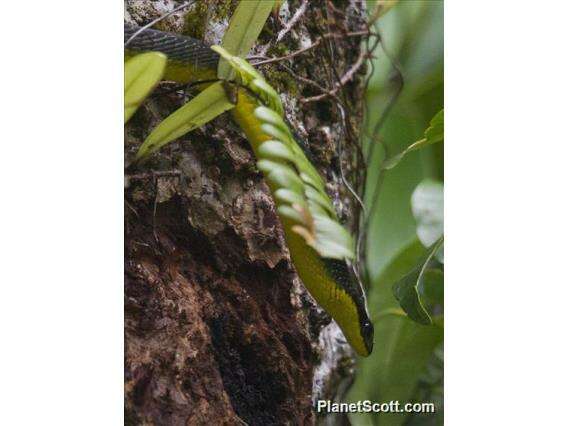
Dendrelaphis
Dendrelaphis is a genus of snakes in the subfamily Ahaetuliinae of the family Colubridae. Species of the genus Dendrelaphis are distributed from Pakistan, India and southern China to Indonesia, Timor-Leste, the Philippines, Australia, New Guinea and the Solomon Islands. There are over 50 described species. Asian species are known commonly as bronzebacks, while the Australo-Papuan species are simply called tree snakes. All are non-venomous and entirely harmless to humans.

Aspidelaps
Aspidelaps is a genus of venomous elapid snakes endemic to Africa. Species in the genus Aspidelaps are commonly called shield-nosed cobras, African coral snakes or coral cobras after their cobra hoods and enlarged rostral (nose) scales. However, the hood is not nearly as well developed in Aspidelaps as it is in the true cobras of the genus Naja.

Antaresia
Antaresia is a genus of pythons, nonvenomous snakes in the family Pythonidae. The genus is native to Australasia. The genus is known by the common name '''Children's pythons', the name of the type species, Antaresia childreni. John Edward Gray named A. childreni in honour of his mentor, John George Children, who was a curator of the zoological collection at the British Museum around that time. It contains the smallest members of the Pythonidae. Four species and two subspecies are recognized, although they were all considered part of the same species until recently. A newly described form calle

Epicrates
genus of snakes

Heterodon
Heterodon is a genus of harmless colubrid snakes endemic to North America. They are stout with upturned snouts and are perhaps best known for their characteristic threat displays. Three species are currently recognized. Members of the genus are commonly known as hognose snakes, hog-nosed snakes, North American hog-nosed snakes, and colloquially puff adders (though they should not be confused with the venomous African vipers of the genus Bitis).
Macrovipera
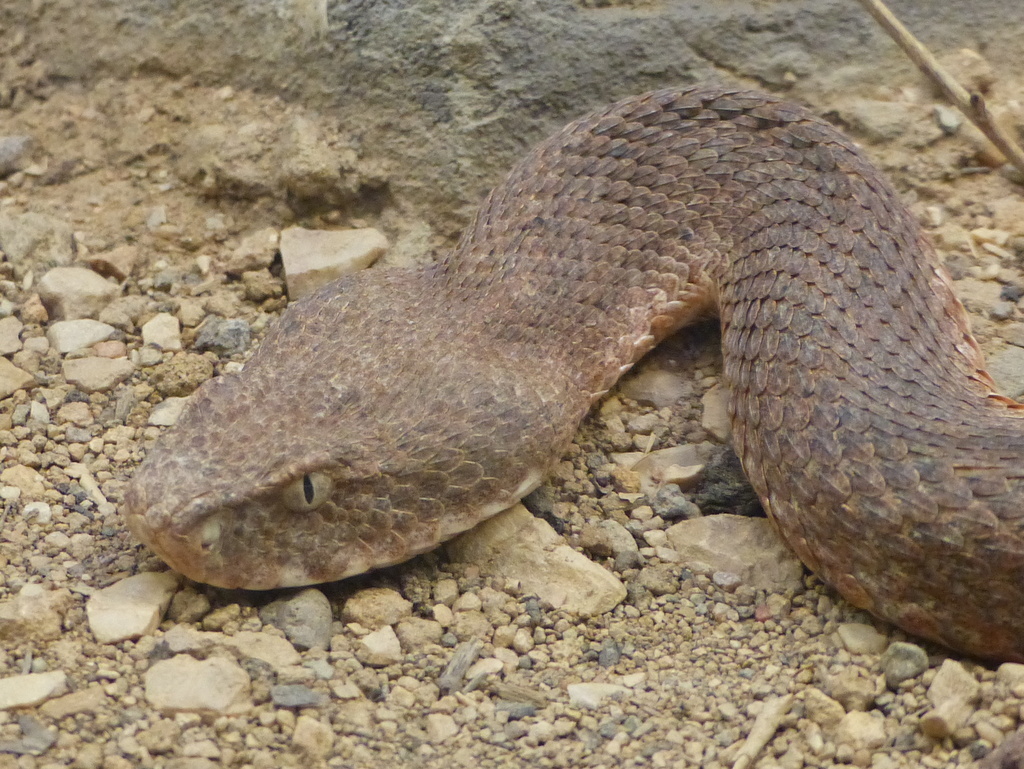
Macrovipera, known as the large Palearctic vipers, is a genus of vipers that inhabit the semideserts and steppes of North Africa, the Near and Middle East, and the Milos Archipelago in the Aegean Sea. Like all other vipers, they are venomous. These snakes are responsible for a number of bites in Africa and Western Asia every year. They have a reputation for being ill-tempered and can inject a lot of venom, which is why they should be considered as very dangerous. Two species are currently recognized.
Daboia
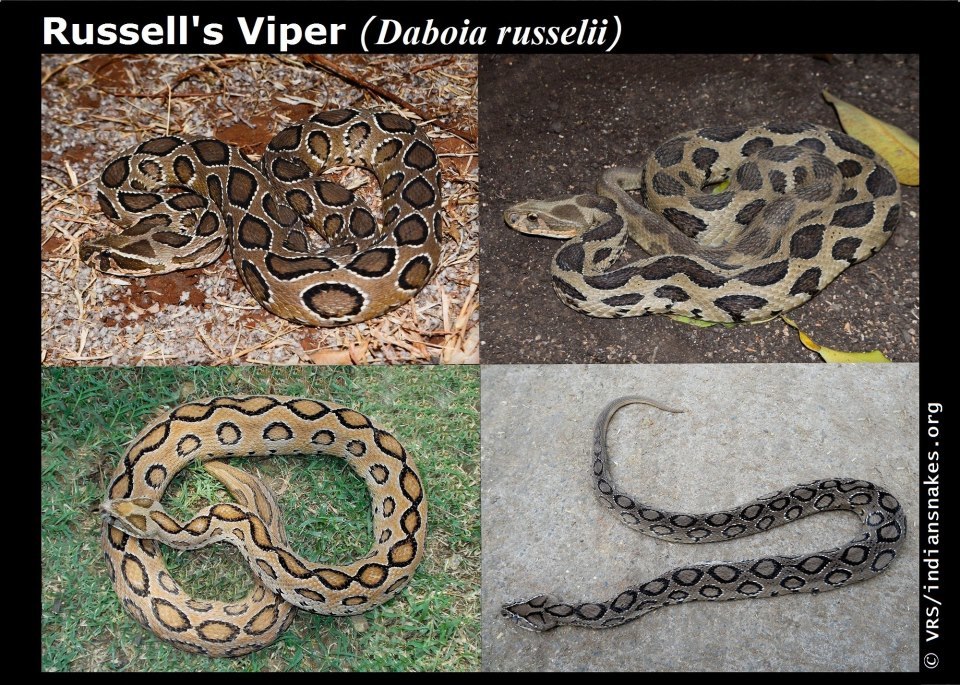
Daboia is a genus of vipers.
Calliophis
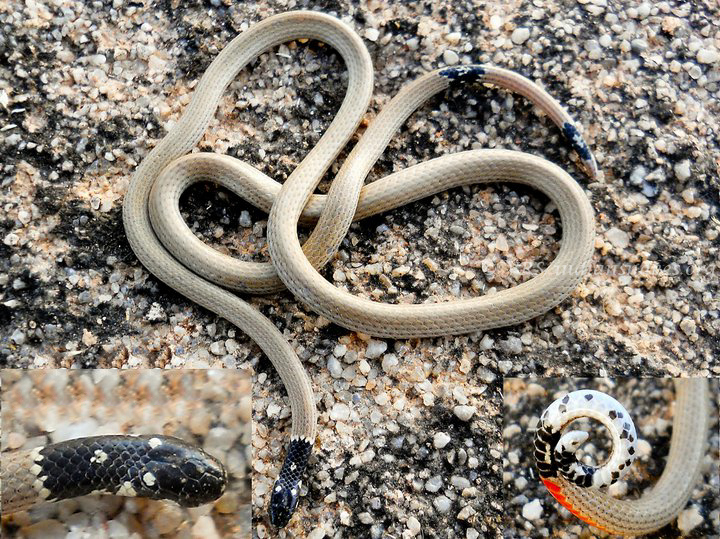
Calliophis is a genus of elapid snakes, one of several known commonly as oriental coral snakes or Asian coral snakes.
Pseudocerastes
Pseudocerastes is a genus of vipers endemic to the Middle East and Asia. It was originally created as a monotypic genus in 1896 by Boulenger for the species Pseudocerastes persicus, but three species are now recognised: the spider-tailed horned viper (P. urarachnoides); Persian horned viper (P. persicus) and Field's horned viper (P. fieldi). Like all other vipers, the members of this genus are venomous.
Rhabdophis
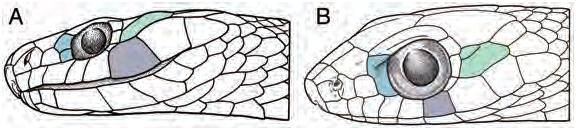
Rhabdophis is a genus of snakes in the subfamily Natricinae of the family Colubridae. Species in the genus Rhabdophis are generally called keelback snakes, and are found primarily in Southeast Asia. The best-known species is Rhabdophis tigrinus; few other species have been studied in detail.
%20Chambers%20Co.%2C%20TX%2C%2020%20April%202019.jpg)
Nerodia
thumb|Gulf saltmarsh watersnake (Nerodia clarkii clarkii), Chambers County, Texas, 20 April 2019
thumb|Concho Watersnake (Nerodia paucimaculata) from central Texas

Zamenis
Zamenis is a genus of Old World non-venomous snakes in the subfamily Colubrinae of the family Colubridae. Species of the genus Zamenis are native to Europe and the Middle East.

Oligodon
Oligodon is genus of colubrid snakes that was first described by Austrian zoologist Leopold Fitzinger in 1826. This genus is widespread throughout central and tropical Asia. The snakes of this genus are commonly known as kukri snakes.
Gloydius
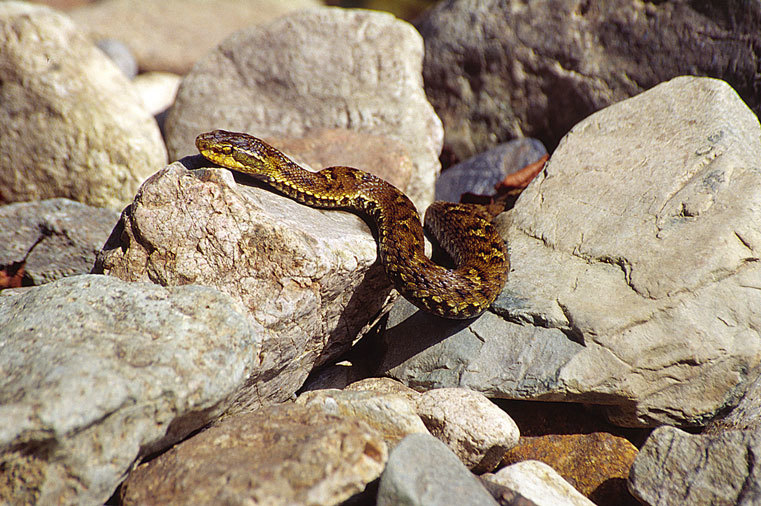
Gloydius is a genus of pit vipers endemic to Asia, also known as Asian moccasins or Asian ground pit vipers. Named after American herpetologist Howard K. Gloyd, this genus is very similar to the North American genus Agkistrodon. 24 species are currently recognized.

Causus
Causus is a genus of vipers found only in sub-Saharan Africa. It is a group considered to be among the most primitive members of the family Viperidae based on head scalation, oviparity, venom apparatus, and because they have round pupils. However, this is contradicted by recent molecular studies. Seven species are currently recognized as being valid. They are commonly known as night adders. Like all other vipers, they are venomous.

Pantherophis
Pantherophis is a genus of nonvenomous colubrid snakes endemic to central and eastern regions of North America. It consists of the North American ratsnakes, the foxsnakes, and the cornsnakes. The genus, which contains 10 recognized species, first appeared in the fossil record in the Middle Miocene around 16.3 million years ago. They are a large terrestrial snake genus that lack subocular scales. Originally classified in the genus Elaphe, phylogenetic studies have found this taxon to be closely related to Pituophis. As with all snakes Pantherophis is an obligate faunivore with a diet that consi

Lamprophis
Lamprophis is a genus of medium-sized, nonvenomous snakes commonly referred to as African house snakes, in the family Lamprophiidae.

Austrelaps
Austrelaps is a genus of venomous elapid snakes native to the relatively fertile, temperate, southern and eastern part of the Australian continent. Three species are currently recognized, with no subspecies. They are commonly called copperheads or Australian copperheads. They are not closely related to the American copperhead, Agkistrodon contortrix.
Eirenis
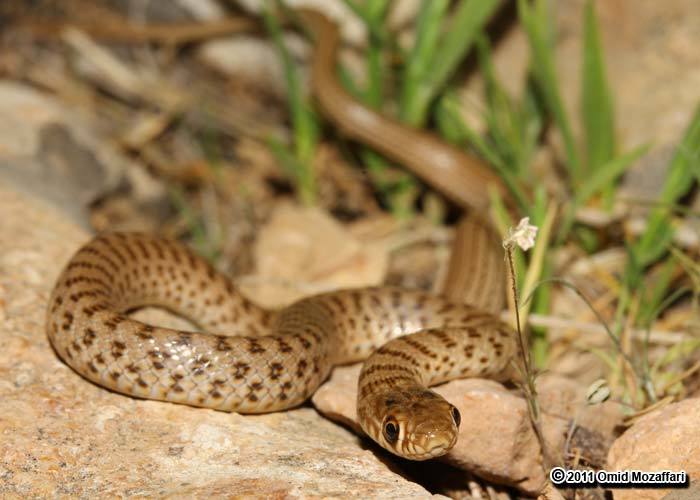
Eirenis is a genus of Old World snakes in the family Colubridae.