Category
page 1Sordariomycetes genera

Cordyceps
Cordyceps is a genus of ascomycete fungi (sac fungi) that includes over 260 species worldwide, many of which are parasitic. Diverse variants of cordyceps have had more than 1,500 years of use in Chinese medicine. Most Cordyceps species are endoparasitoids, parasitic mainly on insects and other arthropods (they are thus entomopathogenic fungi); a few are parasitic on other fungi.

Claviceps
Ergot (), or ergot fungi, is a group of fungi of the genus Claviceps.

Trichoderma
Trichoderma is a genus of fungi in the family Hypocreaceae that is present in all soils, where they are the most prevalent culturable fungi. Many species in this genus can be characterized as opportunistic avirulent plant symbionts. This refers to the ability of several Trichoderma species to form mutualistic endophytic relationships with several plant species. Trichoderma species are also responsible for green mold disease in mushroom cultivation. The genomes of several Trichoderma species have been sequenced and are publicly available from the JGI.

Xylaria
Xylaria is a genus of ascomycetous fungi commonly found growing on dead wood. The name comes from the Greek xýlon meaning wood (see xylem).
Colletotrichum
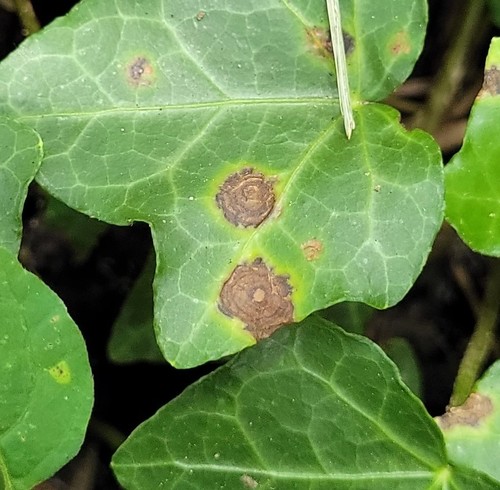
Colletotrichum (sexual stage: Glomerella) is a genus of fungi that are symbionts to plants as endophytes (living within the plant) or phytopathogens. Many of the species in this genus are plant pathogens, but some species may have a mutualistic relationship with hosts.
Acremonium
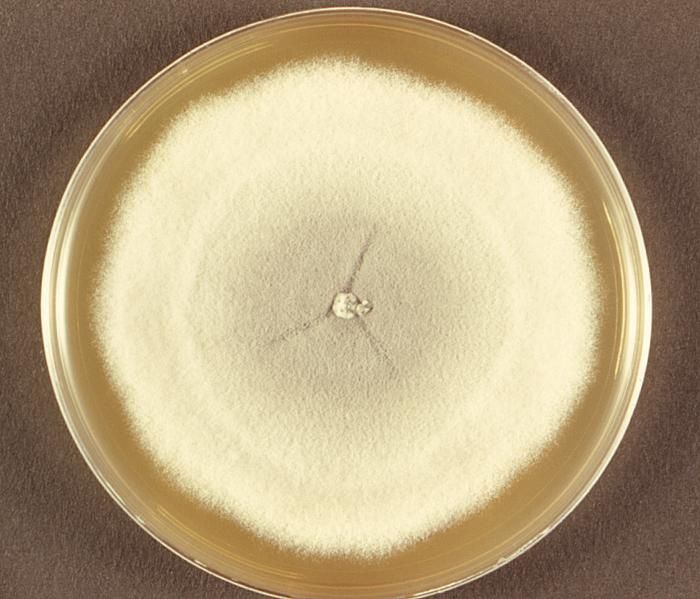
Acremonium is a genus of fungi in the family Hypocreaceae. It used to be known as Cephalosporium.

Hypomyces
Hypomyces is a genus of parasitic ascomycete fungi found in Europe, North America, Australia, and parts of China. The genus contains 53 species. Better known species include the lobster mushroom (Hypomyces lactifluorum) and the bolete eater (Hypomyces chrysospermus).

Beauveria
Beauveria is a genus of asexually-reproducing fungi allied with the ascomycete family Cordycipitaceae. Its several species are typically insect pathogens. The sexual states (teleomorphs) of Beauveria species, where known, are species of Cordyceps .
Hypoxylon
Hypoxylon is a genus of ascomycetes commonly found on dead wood, and usually one of the earliest species to colonise dead wood. A common European species is Hypoxylon fragiforme which is particularly common on dead trunks of beech.

Verticillium
Verticillium is a genus of fungi in the division Ascomycota, and are an anamorphic form of the family Plectosphaerellaceae. The genus used to include diverse groups comprising saprobes and parasites of higher plants, insects, nematodes, mollusc eggs, and other fungi, thus the genus used to have a wide-ranging group of taxa characterised by simple but ill-defined characters. The genus, currently thought to contain 51 species, may be broadly divided into three ecologically based groups - mycopathogens, entomopathogens, and plant pathogens and related saprotrophs. However, the genus has undergone
Diaporthe
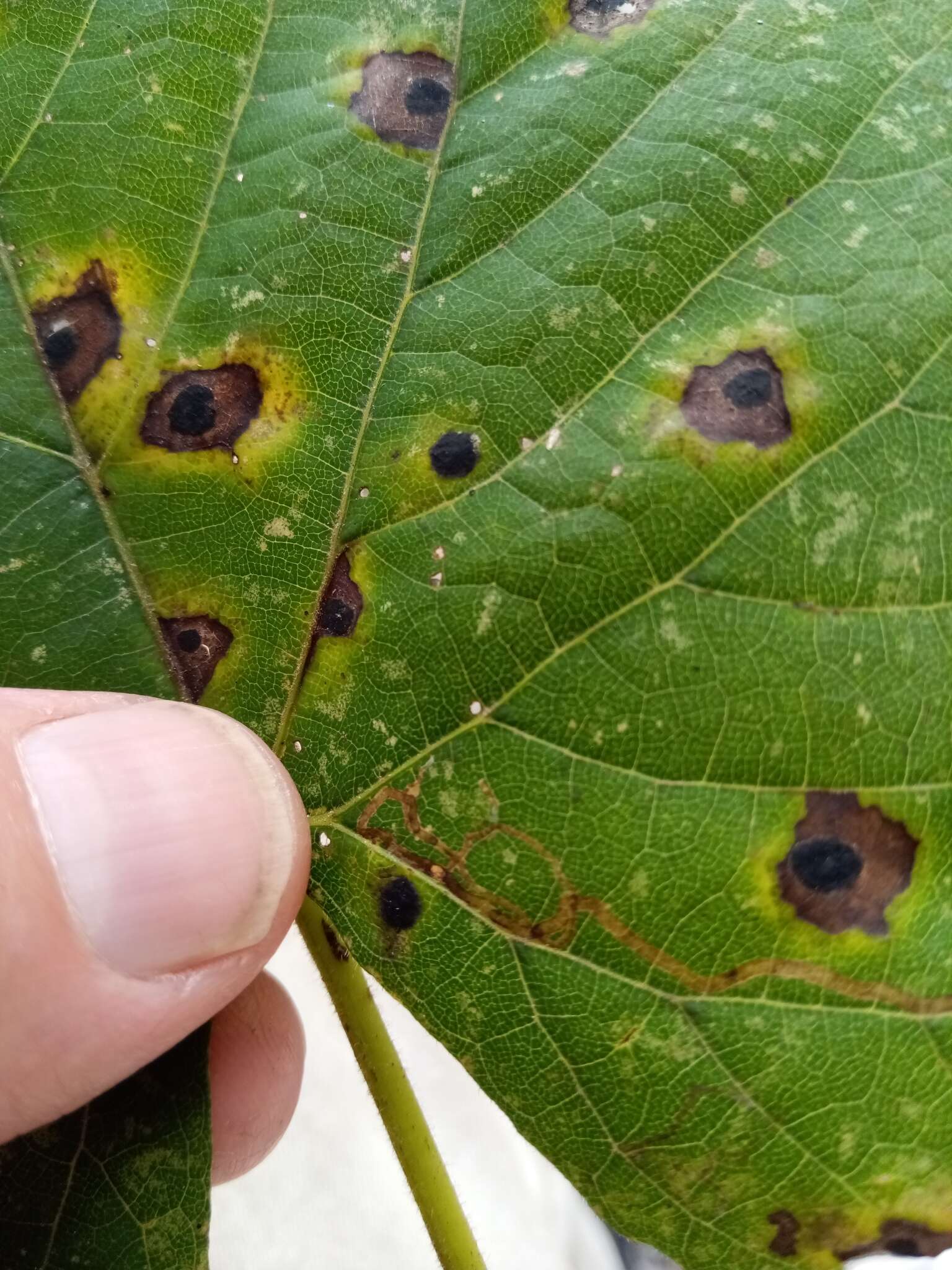
Diaporthe is a genus of endophytic filamentous fungal plant pathogens.

Neurospora
thumb|Oncom, made using [[Neurospora intermedia var. oncomensis]]

Ophiostoma
Ophiostoma is a genus of fungi within the family Ophiostomataceae. It was circumscribed in 1919 by mycologists Hans Sydow and Paul Sydow.
Metarhizium
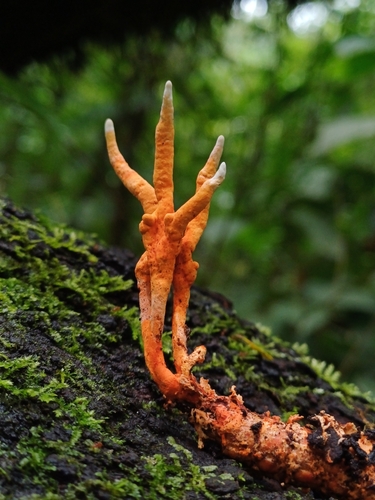
Metarhizium is a genus of entomopathogenic fungi in the family Clavicipitaceae. With the advent of genetic profiling, placing these fungi in proper taxa has now become possible. Most turn out to be the asexual forms (anamorphs) of fungi in the phylum Ascomycota, including Metacordyceps spp.
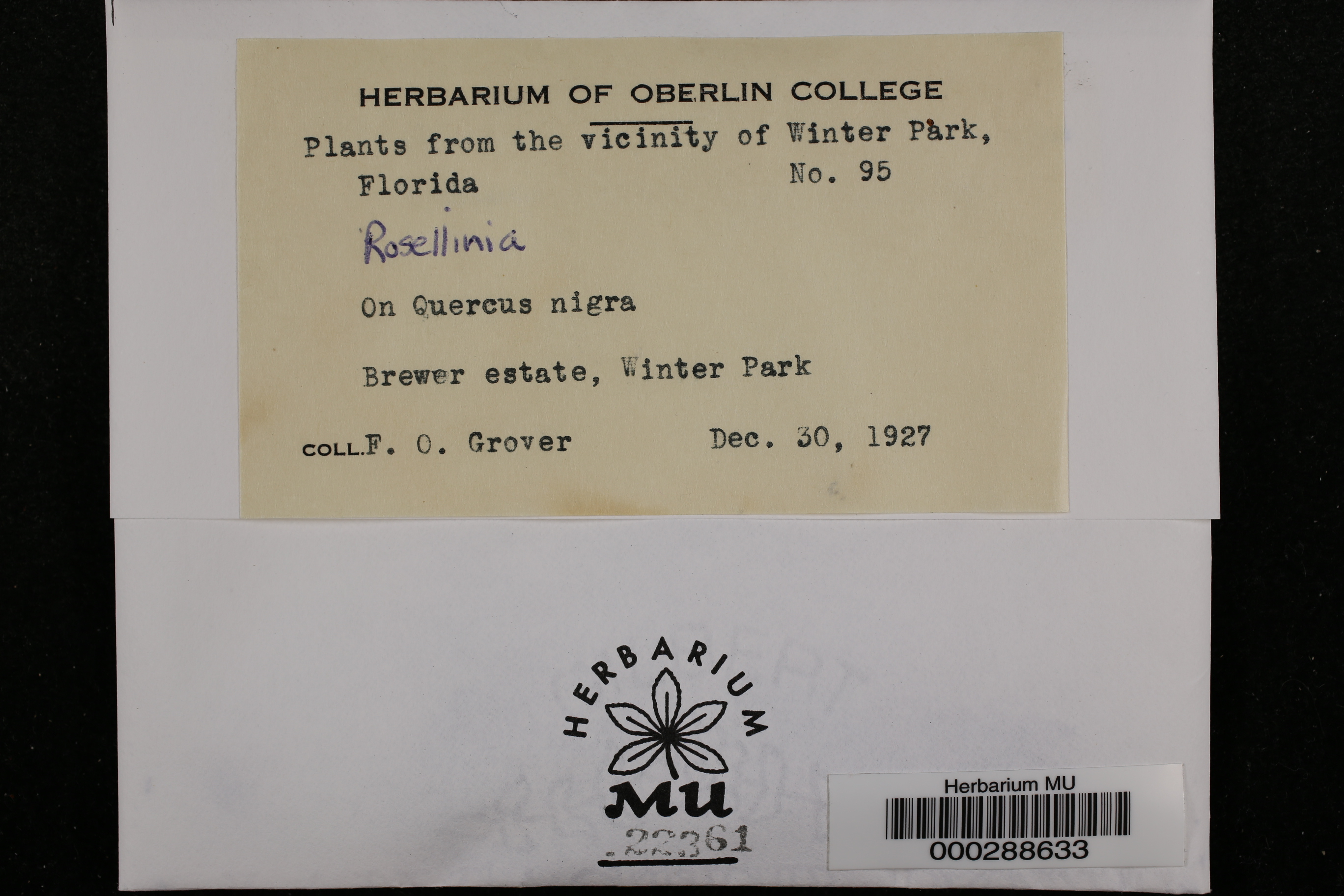
Rosellinia
Rosellinia is a genus of fungi in the family Xylariaceae consisting of over 90 species. Several of the species in this genus are plant pathogens. Fossils of Rosellinia have been found in 12 million year old rocks from central England.
%20ascospores%20160X%20(2).png)
Chaetomium
thumbnail|left|Chaetomium ascospores with their characteristic football shape
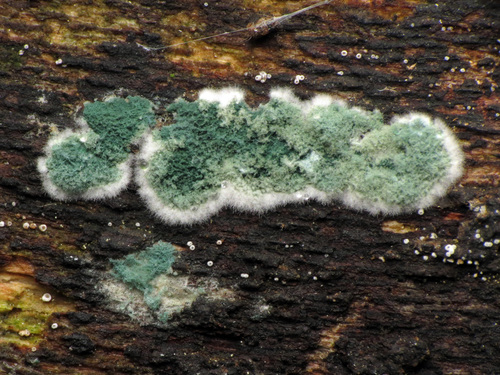
Hypocrea
Hypocrea is a genus of fungi in the family Hypocreaceae. The widespread genus is estimated to contain 171 species that grow on rotten wood, and are often associated with other fungi. Anamorphic genera associated with Hypocrea include Acremonium, Gliocladium, Trichoderma, and Verticillium. Hypocrea was circumscribed by mycologist Elias Fries in 1825. Due to changes within the code of nomenclature, the genus Trichoderma has been proposed for conservation over its teleomorph Hypocrea. This means that all species with both a Hypocrea and Trichoderma name will be officially known by their Trichoder

Phyllachora
Phyllachora is a genus of fungi in the family Phyllachoraceae. An Outline of Fungi in 2020 listed up to 1513 species.
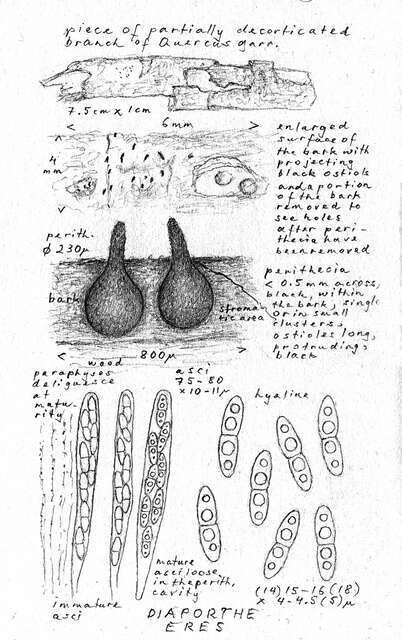
Phomopsis
Phomopsis is a genus of ascomycete fungi in the family Diaporthaceae. It was previously in the Valsaceae family.
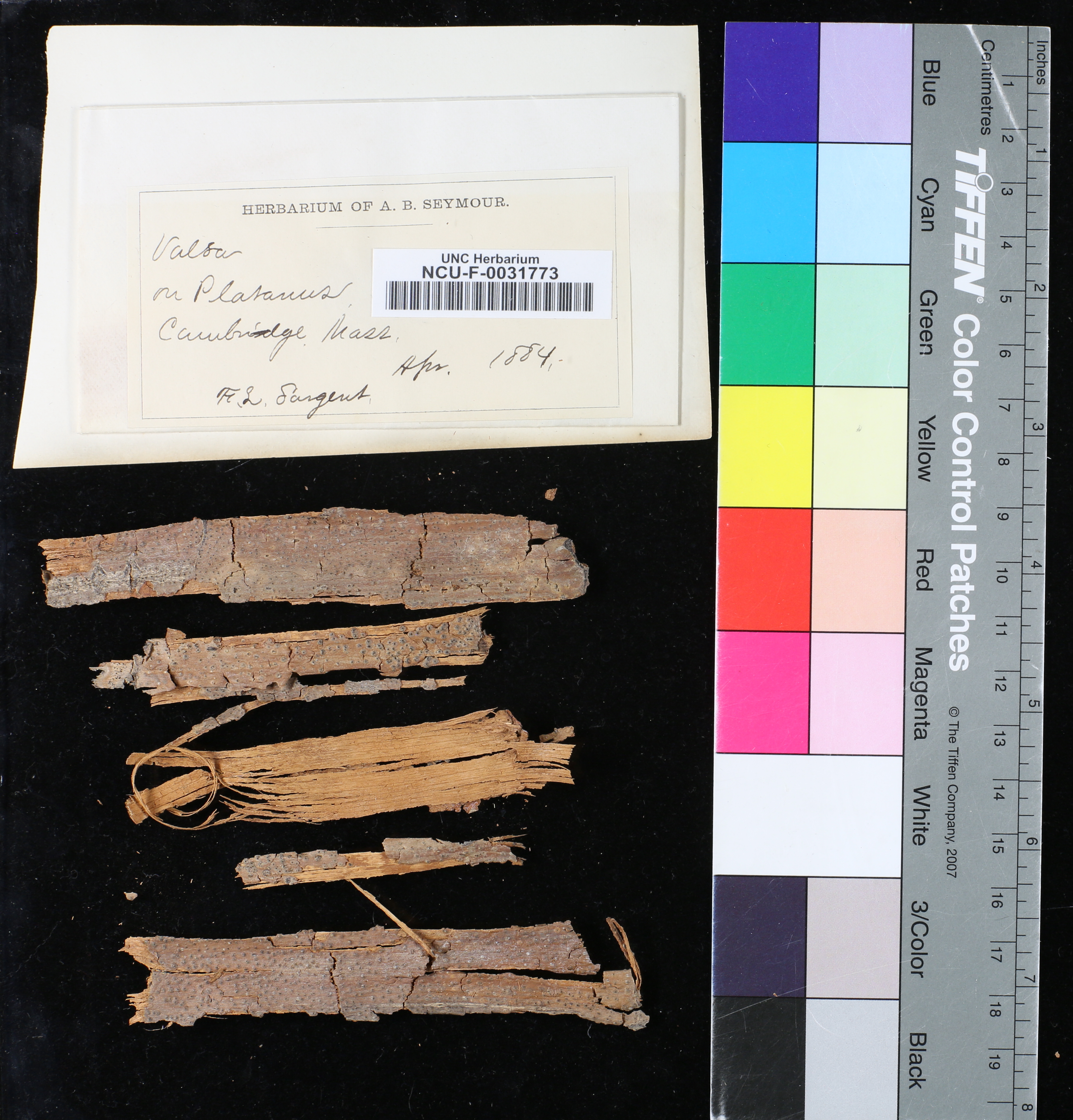
Valsa
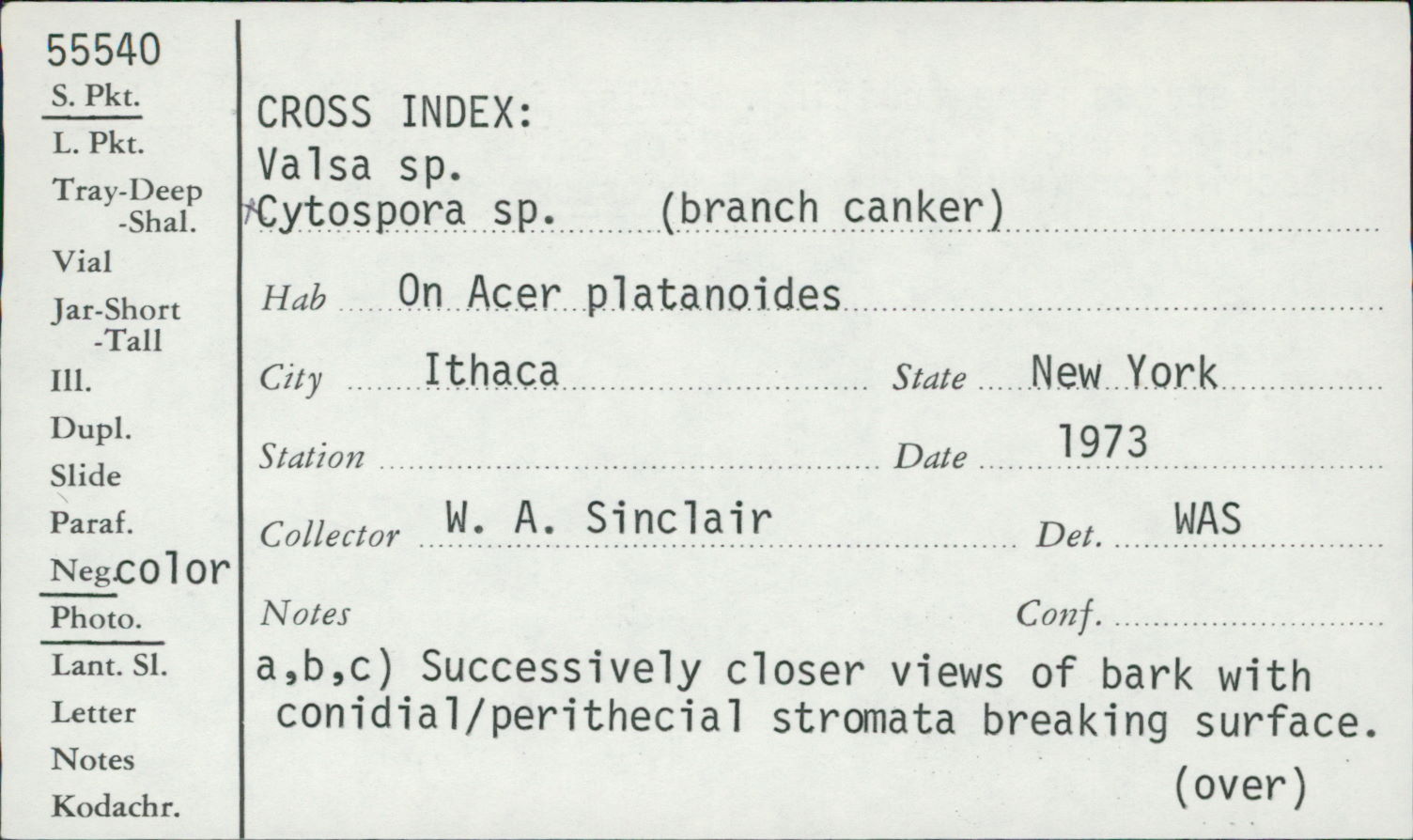
Valsa is a genus of fungi within the family Valsaceae. There are about 70 species in the widespread genus. Anamorphs are classified in the genus Cytospora.
Cytospora
Cytospora is a genus of ascomycete fungi. The genus was first described in 1818 by Christian Gottfried Ehrenberg. Cytospora species are known as plant pathogens.

Gnomonia
Gnomonia is a genus of fungi in the family Gnomoniaceae.

Kretzschmaria
Kretzschmaria is a genus of fungi in the family Xylariaceae. The genus, circumscribed by Swedish mycologist Elias Magnus Fries in 1849, contains about 30 species that collectively have a widespread distribution. Fossils of Kretzschmaria have been found in the 12 million year old rocks from central England.
Hirsutella
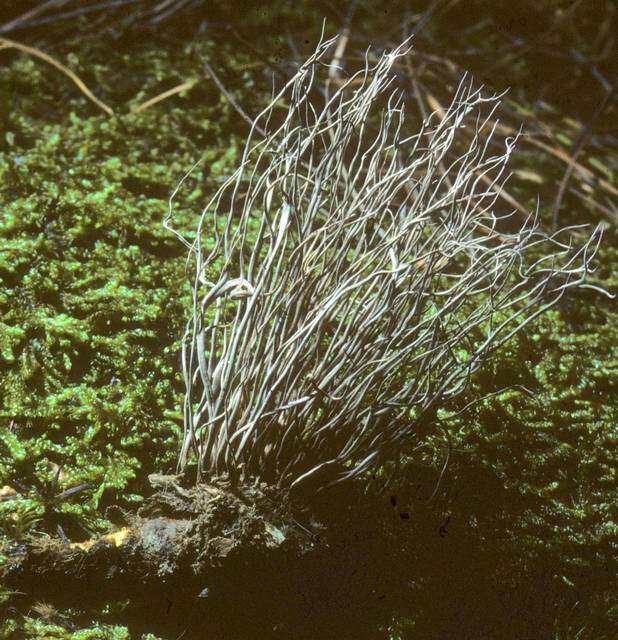
Hirsutella is a genus of asexually reproducing fungi in the Ophiocordycipitaceae family. Originally described by French mycologist Narcisse Théophile Patouillard in 1892, this genus includes species that are pathogens of insects, mites and nematodes; there is interest in the use of these fungi as biological controls of insect and nematode pests. The teleomorphs of Hirsutella species are thought to belong to the genus Ophiocordyceps.
Gaeumannomyces
Gaeumannomyces is a genus of fungi in the family Magnaporthaceae.

Akanthomyces
Akanthomyces is a genus of fungi belonging to the family Cordycipitaceae and consisting of parasites of spiders and Lepidoptera.
Annulohypoxylon
Annulohypoxylon, sometimes called cramp balls, is a genus of fungi in the family Xylariaceae. The 27 species in the genus have a collectively widespread distribution.

Lecanicillium
Lecanicillium is a genus of fungi in the order Hypocreales and is described as anamorphic Cordycipitaceae; 21 species are currently described. Some of these entomopathogenic fungus species were previously widely known as Verticillium lecanii (Zimmerman) Viegas. This genus was first named and introduced by Rasoul Zare (IRIPP) and Walter Gams (CBS).
Hypocreopsis
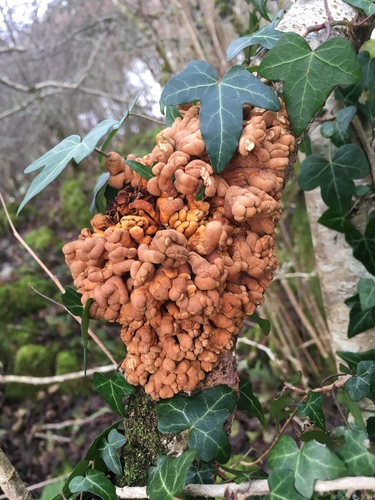
Hypocreopsis is a genus of ascomycete fungi that form ascomata on the stems of trees and shrubs. The ascomata are orange-brown and consist of radiating, perithecial lobes.
Eutypa
Eutypa is a genus of fungi in the family Diatrypaceae. The widespread genus was estimated to contain 32 species in 2008, and then 68 by 2023. Anamorphic forms include the genera Libertella and Cytosporina. The genus was circumscribed in 1863 by the French mycologists and brothers Louis and Charles Tulasne.
Sporothrix
Sporothrix is a ubiquitous genus of soil-dwelling fungus discovered by Schenck in 1898, and studied in more detail by Hektoen and Perkins. The first described and best known species is Sporothrix schenckii, the causative agent of rose handler's disease. New environmental, and pathogenic, species have been discovered with the potential for more to be found as molecular techniques advance.

Ceratocystis
Ceratocystis is a genus of fungi in the family Ceratocystidaceae. Several species are important plant pathogens, causing diseases such as oak wilt and pineapple black rot.
Polystigma
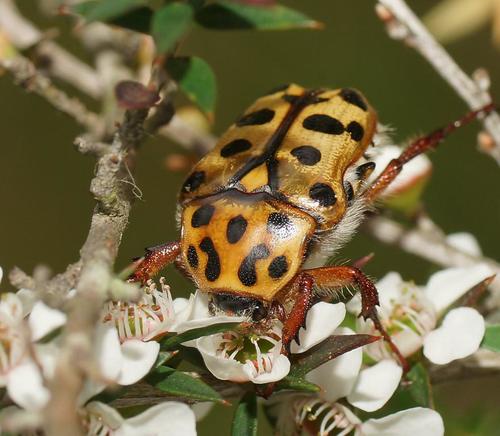
Polystigma is a genus of fungi in the family Phyllachoraceae.

Balansia
Balansia is a genus of fungi in the family Clavicipitaceae.

Chaetosphaeria
thumb | right | Chaetosphaeria phaeostromoides
Chaetosphaeria is a genus of fungi in the family Chaetosphaeriaceae.

Scopulariopsis
thumb | 220x124px | right | alt= Scopulariopsis brevicaulis | Scopulariopsis brevicaulis
Scopulariopsis is a genus of anamorphic fungi that are saprobic and pathogenic to animals. The widespread genus contains 22 species. Scopulariopsis belongs to the group Hyphomycetes. These species are commonly found in soil, decaying wood, and various other plant and animal products. In indoor environment Scopulariopsis is found on dry walls, cellulose board, wallpaper, wood, and mattress dust. Species of Scopulariopsis have also been isolated from carpets, hospital floors, swimming pools, wooden food pac

Apiognomonia
Apiognomonia is a genus of fungi in the family Gnomoniaceae. The genus contains 10 species.

Asteroma
Asteroma is a genus of pathogenic fungus in the family Gnomoniaceae, containing several species that cause leaf spot and canker on plants such as goldenrod, primrose, and Erythronium.

Eutypella
Eutypella is a genus of fungi in the family Diatrypaceae.
Physalospora
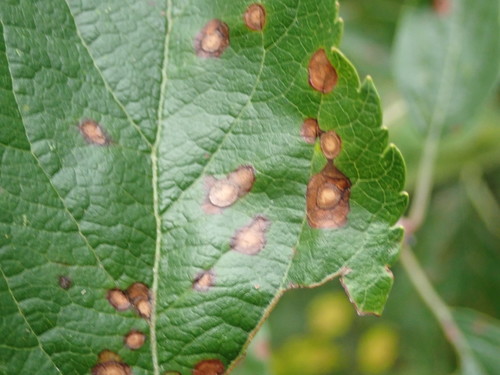
Physalospora is a genus of fungi in the family Hyponectriaceae. The genus is estimated to contain about 36 species that grow on dead leaves. Often confused with Botryosphaeria, Physalospora is probably polyphyletic.
Lasiosphaeria
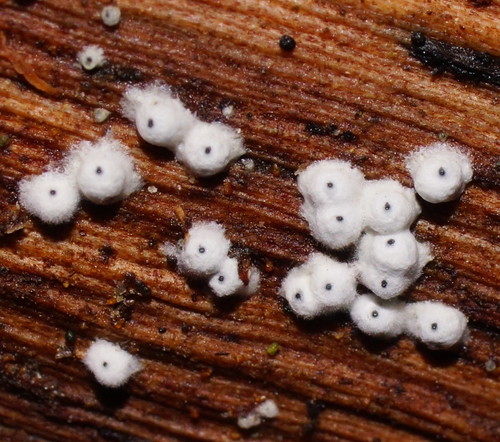
Lasiosphaeria is a genus of fungi in the family Lasiosphaeriaceae.

Gliocladium
Gliocladium is an asexual fungal genus in the Hypocreaceae. Certain other species including Gliocladium virens were recently transferred to the genus Trichoderma and G. roseum became Clonostachys rosea f. rosea in the Bionectriaceae. Gliocladium is a mitosporic, filamentous fungus. Species of Gliocladium rarely produce a sexual state. Most pathogenic, disease-causing fungi in humans are mitosporic like Gliocladium. Gliocladium is filamentous; it grows tubular, elongated, and thread-like. It can be considered a contaminant.

Coryneum
Coryneum is a genus of phytopathogenic fungi having more than 100 species, of which some cause tree cankers.

Nectriopsis
Nectriopsis is a genus of fungi in the class Sordariomycetes. The number of species in this genus varies between sources. The Dictionary of Fungi lists only 58 species, but the Catalogue of Life includes 72 species.
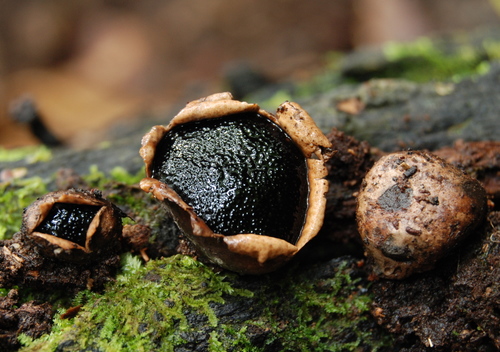
Camarops
Camarops is a genus of fungi within the Boliniaceae family. The widespread genus contains 19 species.

Podospora
Podospora is a genus of fungi in the family Podosporaceae. Fossils of Podospora have been reported from 12 million year old rocks from central England.

Thamnomyces
Thamnomyces is a genus of fungi in the family Xylariaceae. First described by German botanist Christian Gottfried Ehrenberg in 1820, as of 2008, the genus contains four or five species.
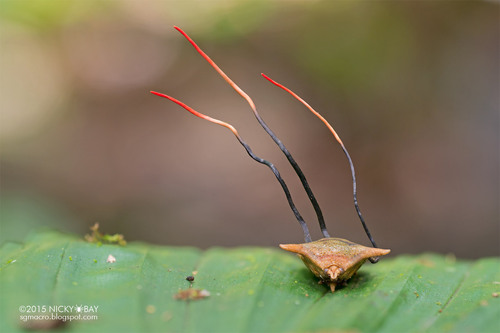
Hymenostilbe
Hymenostilbe is a genus of fungi in the Ophiocordycipitaceae family. All members are anamorph names of Ophiocordyceps.

Thielaviopsis
Thielaviopsis is a small genus of fungi in the order Microascales, and family Ceratocystidaceae. The genus includes several important agricultural pathogens. The most widespread is T. basicola, the causal agent in several root rot diseases of economically important crop species including cotton and a variety of vegetables. In cotton, Thielaviopsis causes root rot, also known as black root rot, which causes necrosis of the roots and stunting of the crop plants.

Endoxylina
Endoxylina is a genus of fungi within the class Sordariomycetes. The relationship of this taxon to other taxa within the class is unknown (incertae sedis).
Magnaporthe
Magnaporthe is a genus of ascomycete fungi. Several of the species are cereal pathogens. There are five species in the widespread genus.

Trichosphaerella
Trichosphaerella is a genus of lichenicolous fungi in the family Niessliaceae.
Metacordyceps
Metacordyceps is a genus of fungi in the family Clavicipitaceae. The anamorphs of Metacordyceps appear to include Metarhizium species.
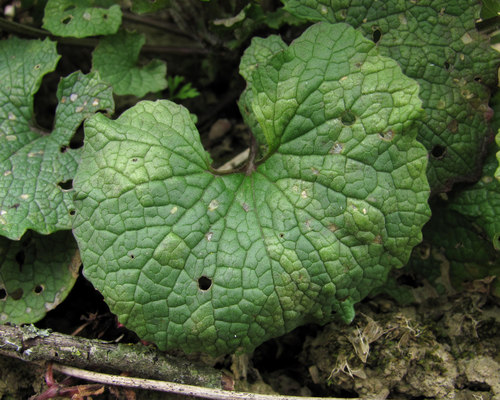
Niesslia
Niesslia is a genus of fungi in the family Niessliaceae. It was circumscribed by German mycologist Bernhard Auerswald in 1869, with Niesslia chaetomium assigned as the type species.
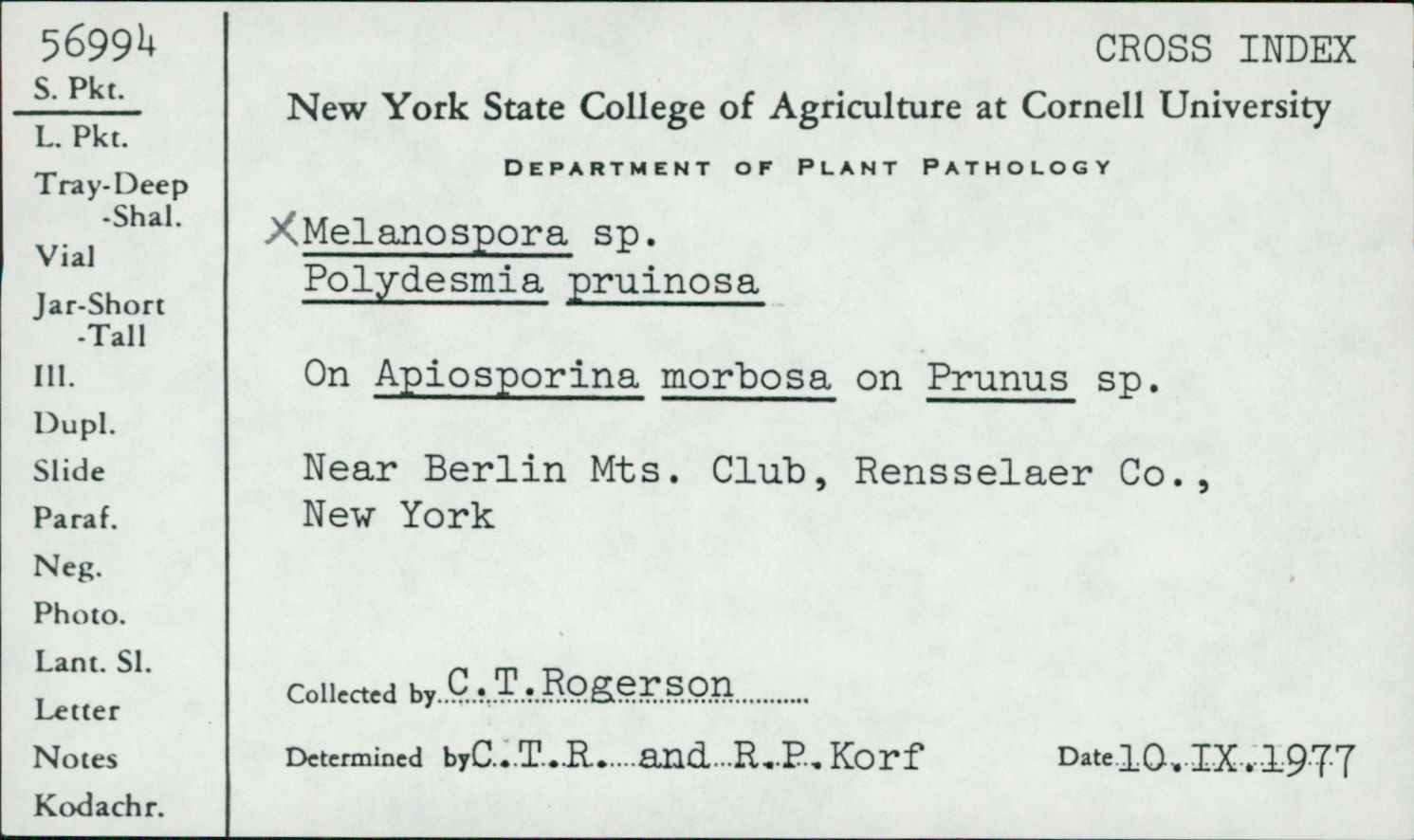
Melanospora
Melanospora is a genus of fungi within the Ceratostomataceae family.
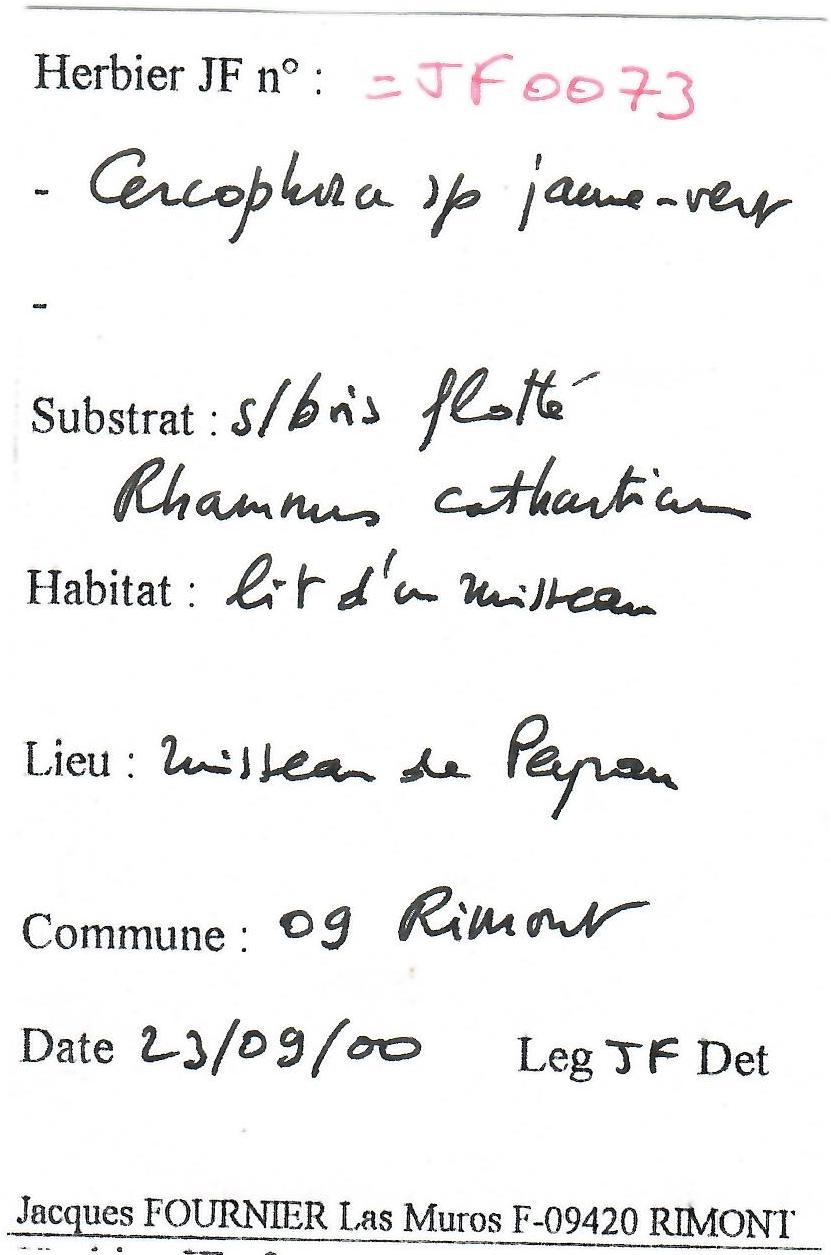
Cercophora
genus of fungi
Leucostoma
genus of fungi
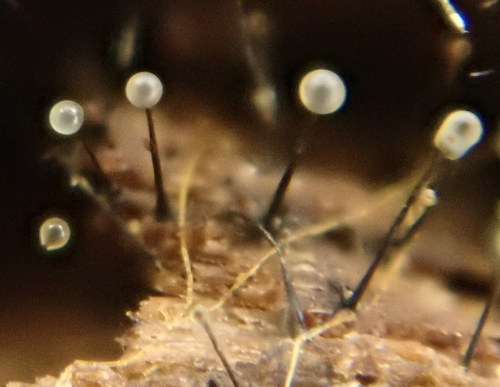
Ceratostomella
Ceratostomella is a genus of fungi in the Annulatascaceae family of the Ascomycota. The relationship of this taxon to other taxa within the Sordariomycetes class is unknown (incertae sedis), and it has not yet been placed with certainty into any order.

Stilbella
Stilbella is a genus of fungi in the order Hypocreales. The relationship of this taxon to other taxa within the order is unknown (incertae sedis), and it has not yet been placed with certainty into any family. It is sometimes placed in the family Bionectriaceae (order Hypocreales).
Trichocladium
Trichocladium is a genus of fungi within the Chaetomiaceae family.