Category
page 1Taxa described in 1794
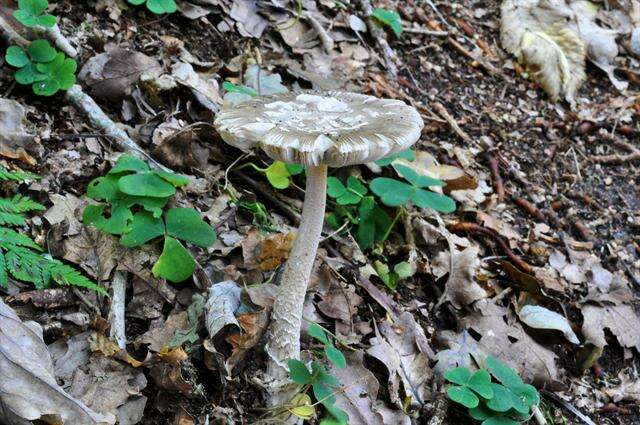
Amanita
The genus Amanita contains about 600 described species of agarics, including some of the most toxic known mushrooms found worldwide, as well as some well-regarded edible species (and many species of unknown edibility). The genus is responsible for 95% of fatalities resulting from mushroom poisoning, with the death cap accounting for 90% of fatalities every year. The most potent toxin synthesized by this genus is .

Botrytis
anamorphs of Botryotinia
Verrucaria
Verrucaria is a genus of lichenized (lichen-forming) fungi in the family Verrucariaceae. These lichens form crust-like growths on rocks, particularly limestone and other calcareous surfaces, though some species also grow on siliceous rock or occasionally on bark and soil. The genus includes both terrestrial species found in dry environments and marine species that can survive periodic flooding or permanent submersion in coastal and freshwater habitats. With about 150 accepted species worldwide, Verrucaria represents a challenging taxonomic group due to overlapping physical characteristics and

Crassocephalum
Crassocephalum is a genus the common names of whose members include ragleaf, thickhead, and bologi. Several species are raised as leaf vegetables and used for medicine, especially in West Africa. Similar to Senecio, but differing in never having ray florets. A calyculus of short bracts (c.1/4 to 1/5 of the length of the inner phyllaries) is present. The genus is typically thistle-like in appearance, but all parts are soft and not spiny.
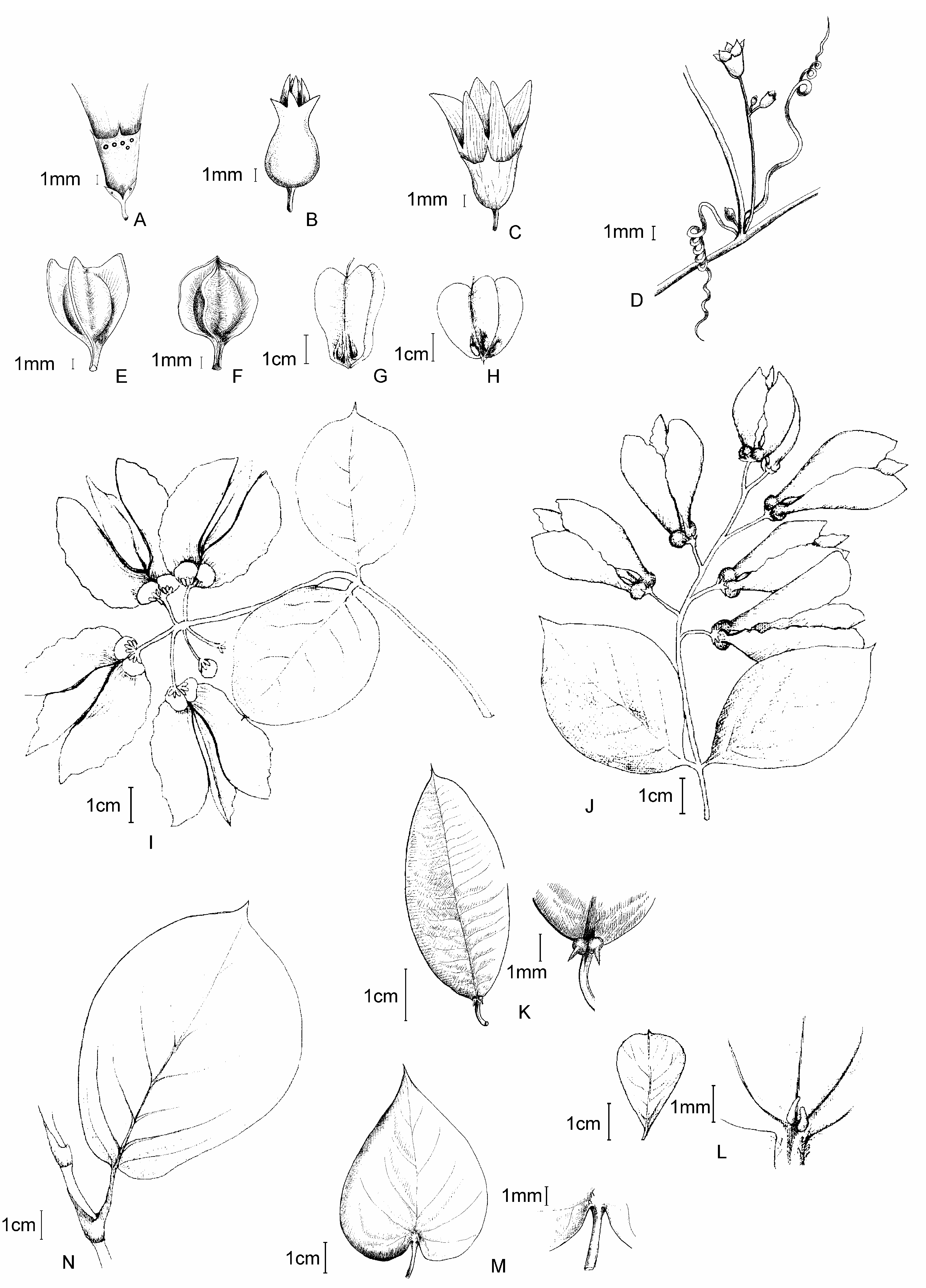
Moscharia
Moscharia is a genus of flowering plants in the family Asteraceae native to central Chile. It has two accepted species.
Moscharia pinnatifida Ruiz & Pav.
Moscharia solbrigii Crisci
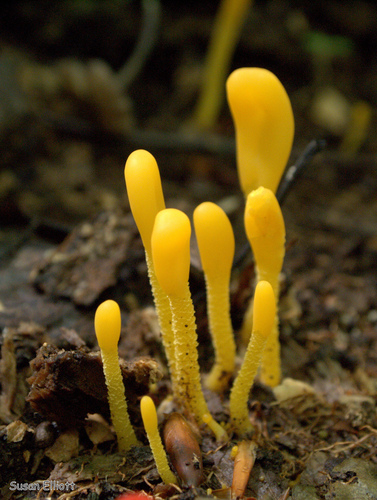
Geoglossum
Geoglossum is a genus of fungi in the family Geoglossaceae. They are commonly called earth tongues. The type species is Geoglossum glabrum. Geoglossum species are distinguished from the related genus Trichoglossum by the lack of setae on the spore bearing surface. Geoglossum species are characterized by dark, club-shaped, terrestrial ascocarps with a fertile hymenium continuing downward from the apex of the ascocarp along the stipe, eventually intergrading with a sterile stipe. The ascospores of Geoglossum range from translucent to dark brown, and are fusiform, and multiseptate. Identification
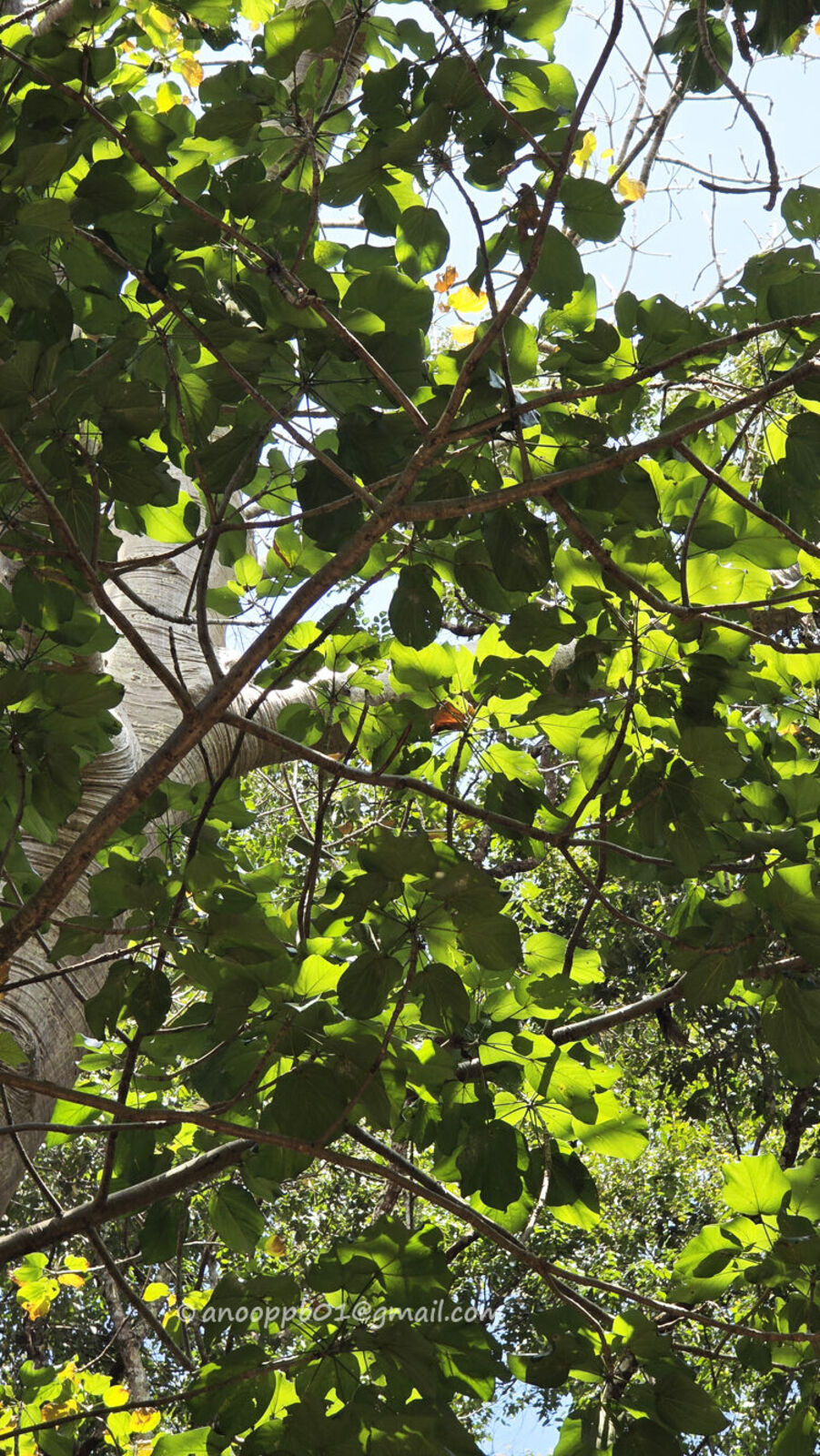
Cavanillesia
Cavanillesia is a genus of trees in the family Malvaceae. It is native to Panama and tropical South America.
Bowlesia
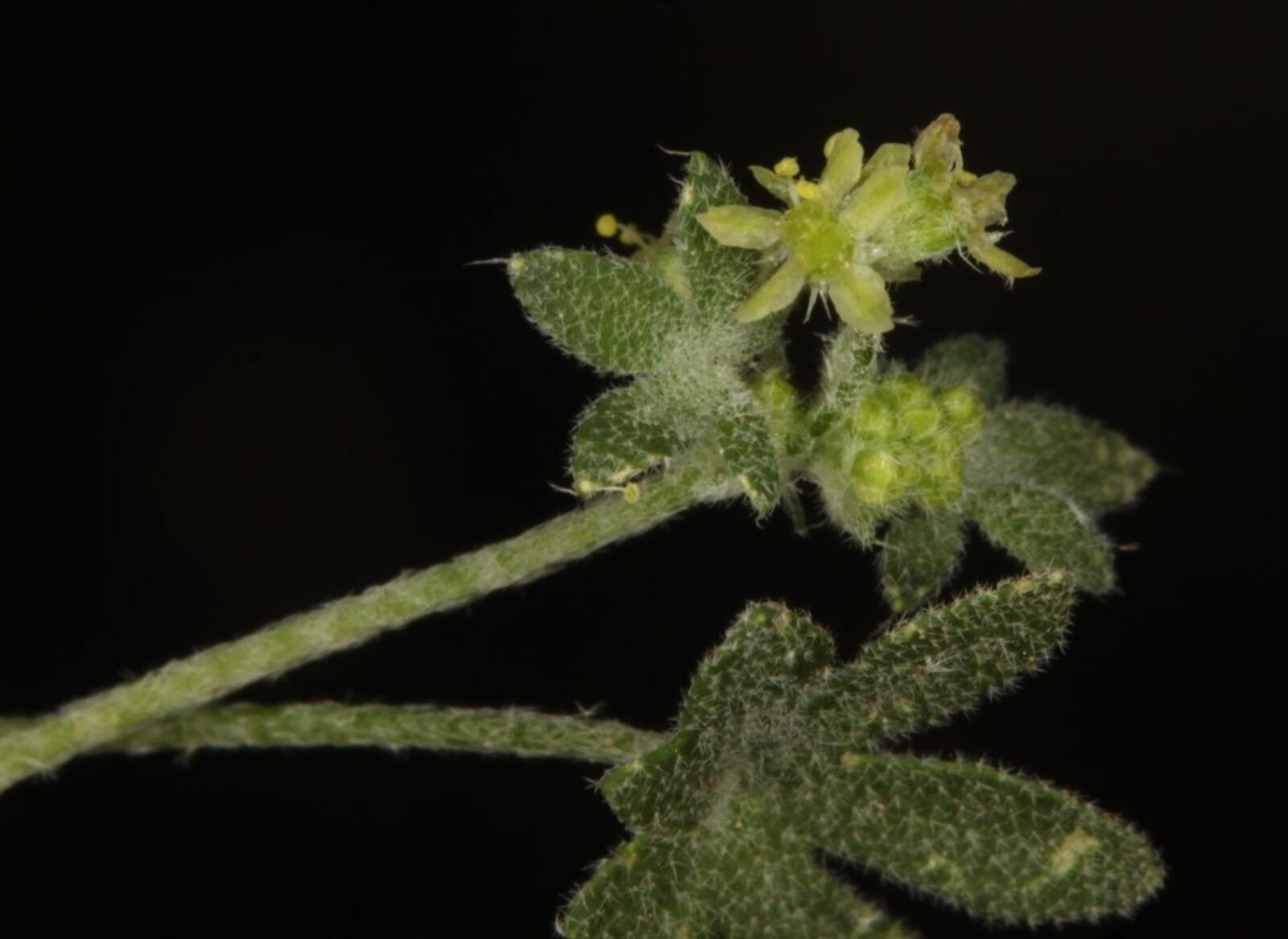
Bowlesia is a genus of flowering plant in the family Apiaceae. It includes 16 species native to the subtropical Americas, ranging from Oregon to Florida and southeastern Mexico in North America, and from Ecuador and southeastern Brazil to southern Argentina and southern Chile in South America.
Sphaerophorus
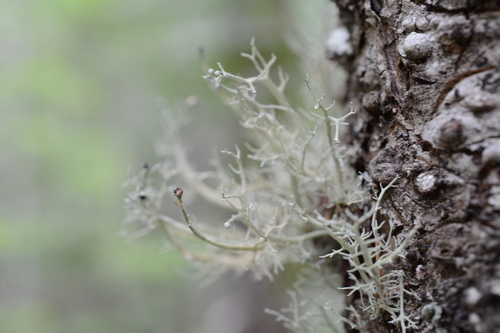
Sphaerophorus is a genus of lichenized fungi in the order Lecanorales.
Baeomyces
Baeomyces is a genus of lichen-forming fungi in the family Baeomycetaceae. Members of Baeomyces are commonly called beret lichens. These lichens are radily recognised by their distinctive "matchstick" appearance, with small brown fruiting bodies held up on short stalks above a crusty base. They typically grow in disturbed habitats such as roadsides, bare soil, and mining sites, where they act as pioneer colonisers of acidic ground.

Hirschfeldia
Hirschfeldia incana (formerly Brassica geniculata) is a species of flowering plant in the mustard family known by many common names, including shortpod mustard, buchanweed, hoary mustard and Mediterranean mustard. It is the only species in the monotypic genus Hirschfeldia, which is closely related to Brassica. The species is native to the Mediterranean Basin but it can be found in many parts of the world as an introduced species and often a very abundant noxious weed. This mustard is very similar in appearance to black mustard, but is generally shorter. It forms a wide basal rosette of lobed l

Calicium
Calicium is a genus of leprose lichens. It is in the family Caliciaceae, and has 40 species.
Diderma
Diderma is a genus of slime molds in the family Didymiaceae. The genus was first described by Christiaan Hendrik Persoon in 1794, and the type species is Diderma globosum.
Godoya
Godoya is a genus of trees in the family Ochnaceae. It is native to South America.
Chondrodendron
Chondrodendron is a genus of flowering plants belonging to the family Menispermaceae.
Sarmienta
Sarmienta scandens, the Chilean pitcher flower, is a species of flowering plant, and the sole member of its genus within the family Gesneriaceae. It is an epiphyte native to the cool temperate rainforest of southern and central Chile.
Neea
Neea is a genus of plants in family Nyctaginaceae from the Caribbean region, Central and South America. Members of the genus are commonly called Nia, Neea, or saltwood.
Miris
Miris is genus of true bugs belonging to the family Miridae, subfamily Mirinae. The genus was first described in 1794 by Johan Christian Fabricius.
Rhynchotheca
Rhynchotheca is a genus of flowering plants belonging to the family Francoaceae. It includes a single species, Rhynchotheca spinosa, a shrub native to Ecuador to Peru.