Category
page 1Taxa named by Edward Drinker Cope
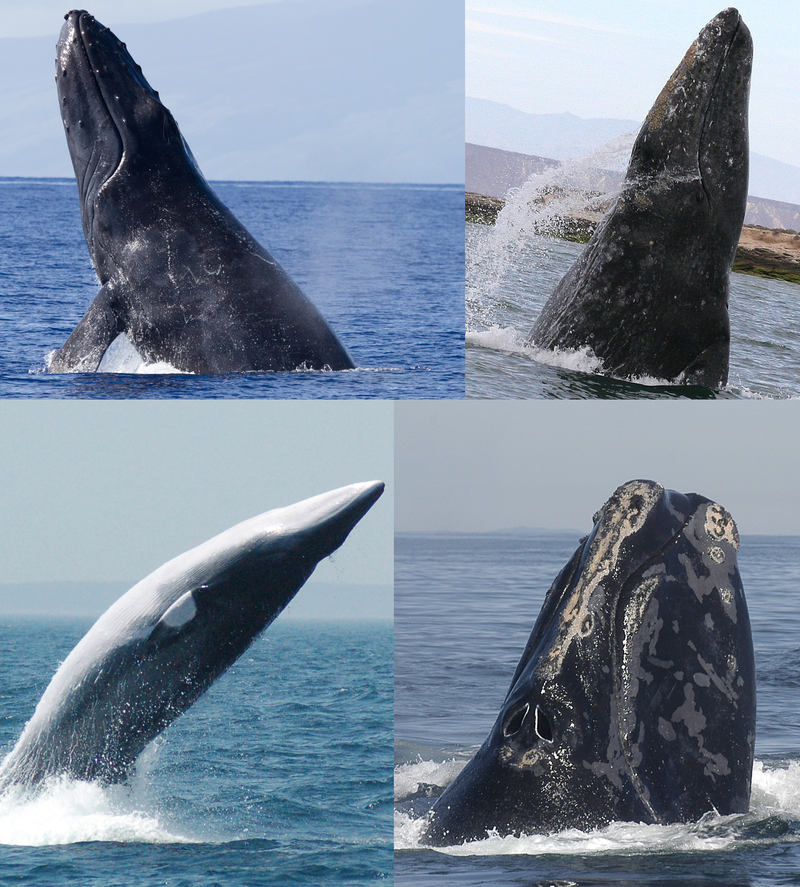
Mysticeti
parvorder of mammals

Agnatha
Agnatha (; ) or jawless fish is a paraphyletic infraphylum of animals in the subphylum Vertebrata of the phylum Chordata, characterized by the lack of jaws. The group consists of both living (cyclostomes such as hagfishes and lampreys) and extinct clades (e.g. conodonts and cephalaspidomorphs, among others). They are sister to vertebrates with jaws known as gnathostomes, who evolved from jawless ancestors during the early Silurian by developing folding articulations in the first pairs of gill arches.
%20(cropped).jpg)
Xenarthra
Xenarthra (; from Ancient Greek ξένος (xénos), meaning "strange, foreign", and ἄρθρον (árthron), meaning "joint") is a superorder and major clade of placental mammals native to the Americas. There are 31 living species: the anteaters, tree sloths, and armadillos. Extinct xenarthrans include the glyptodonts, pampatheres and ground sloths, with some glyptodonts and ground sloths reaching sizes of several tonnes, much larger than any living xenarthran. Xenarthrans originated in South America during the late Paleocene about 60 million years ago. They evolved and diversified extensively in Sou

archosaur
Archosauria or archosaurs () is a clade of diapsid sauropsid tetrapods, with birds and crocodilians being the only known extant representatives. Although broadly classified as reptiles, which traditionally exclude birds, the cladistic sense of the term includes all living and extinct relatives of birds and crocodilians such as non-avian dinosaurs, pterosaurs, phytosaurs, aetosaurs and rauisuchians as well as many Mesozoic marine reptiles. Modern paleontologists define Archosauria as a crown group that includes the most recent common ancestor of living birds and crocodilians, and all of its des

Gila monster
species of venomous lizard from the southwestern United States and northwestern Mexico

Coelacanthiformes
Coelacanths ( ) are an ancient group of lobe-finned fish (Sarcopterygii) in the class Actinistia. As sarcopterygians, they are more closely related to lungfish and tetrapods (the terrestrial vertebrates including living amphibians, reptiles, birds and mammals) than to ray-finned fish.
%20jaw%20-%20Redpath%20Museum%20-%20McGill%20University%20-%20Montreal%2C%20Canada%20-%20DSC08069.jpg)
Dimetrodon
Dimetrodon ( or ; ) is an extinct genus of sphenacodontid synapsid that lived during the Cisuralian (Early Permian) epoch of the Permian period, around 295–272 million years ago. With most species measuring long and weighing , the most prominent feature of Dimetrodon is the large neural spine sail on its back formed by elongated spines extending from the vertebrae. It was an obligate quadruped (it could walk only on four legs) and had a tall, curved skull with large teeth of different sizes set along the jaws. Most fossils have been found in the Southwestern United States, the majority of

Dendrobatidae
family of amphibians

red-eyed tree frog
species of amphibian

Coelophysis
Coelophysis (from Ancient Greek κοῖλος (koilos), "hollow", and φύσεις (fysis), "form") is an extinct genus of coelophysid theropod dinosaurs that lived approximately 215 to 201.4 million years ago during the late Triassic period from the middle Norian to Rhaetian age in what is now the southwestern United States. Megapnosaurus was once considered to be a species within this genus, but this interpretation has been challenged and the genus Megapnosaurus is now considered valid.

Dwarf crocodile
species of crocodile

Cryptodira
thumb|Skull of a cryptodiran turtle from the family Emydidae
thumb|Dorsal view of skull and [[cervical vertebrae of a cryptodiran turtle from the family Emydidae. Not all cervical vertebrae are featured due to the dissection cut.]]

Pelycosaur
Pelycosaur ( ) is an older term for basal or primitive Late Paleozoic synapsids, excluding the therapsids and their descendants. Previously, the term mammal-like reptile was used, and Pelycosauria was considered an order, but this is now thought to be incorrect and outdated. The terms stem mammals, protomammals, and basal or primitive synapsids are instead used where needed.

Camarasaurus
Camarasaurus ( ) is a genus of sauropod dinosaur that lived during the Late Jurassic in what is now the United States. Its fossils are primarily known from the Morrison Formation dating to the Kimmeridgian and Tithonian ages of the Jurassic, between 155 and 145 million years ago (mya). It was named by Edward Drinker Cope in 1877; it definitively contains three species, C. supremus, the type species, C. grandis, and C. lentus, while some researchers consider C. lewisi to be in its own genus, Cathetosaurus. The generic name means "chambered lizard", referring to the hollow chambers, known as ple
.JPG)
Pleurodira
The Pleurodira are one of the two living suborders of turtles, the other being the Cryptodira. The division between these two suborders represents a very deep evolutionary divide between two very different types of turtles. The physical differences between them, although anatomical and largely internal, are nonetheless significant, and the zoogeographic implications are substantial. The Pleurodira are known more commonly as the side-necked turtles and the name Pleurodira quite literally translates to side neck, whereas the Cryptodira are known as hidden-necked turtles. The Pleurodira turtles a

Creodonta
Creodonta ("meat teeth") is a former order of extinct carnivorous placental mammals that lived from the Early Paleocene (or Late Cretaceous) to the Late Miocene epochs in North America, Eurasia, and Africa. Originally thought to be a single group of animals ancestral to the modern Carnivora, this order is now usually considered a polyphyletic assemblage of two different groups, the oxyaenids and the hyaenodonts, not a natural group. Oxyaenids are first known from the early Paleocene of North America, while hyaenodonts hail from the late Paleocene, or Late Cretaceous, of Europe.
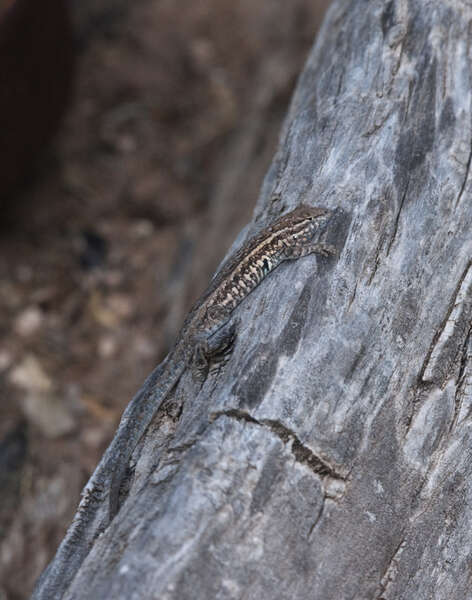
Iguania
Iguania is a suborder of squamate reptiles that includes iguanas, chameleons, agamids, and New World lizards. Using morphological features as a guide to evolutionary relationships, the Iguania are believed to form the sister group to the Squamata, which comprise nearly 11,000 named species, roughly 2000 of which are iguanians. However, molecular information has placed Iguania well within the Squamata as sister taxa to the Anguimorpha and closely related to snakes. The order has been under debate and revisions after being classified by Charles Lewis Camp in 1923 due to difficulties finding adeq

Elasmosaurus
Elasmosaurus () is a genus of plesiosaur that lived in North America during the Campanian stage of the Late Cretaceous period, at about 80.6 to 77million years ago. The first specimen was discovered in 1867 near Fort Wallace, Kansas, US, and was sent to the American paleontologist Edward Drinker Cope, who named it E.platyurus in 1868. The generic name means "thin-plate reptile", and the specific name means "flat-tailed". Cope originally reconstructed the skeleton of Elasmosaurus with the skull at the end of the tail, an error which was made light of by the paleontologist Othniel Charles Marsh,
Hynobiidae
family of amphibians
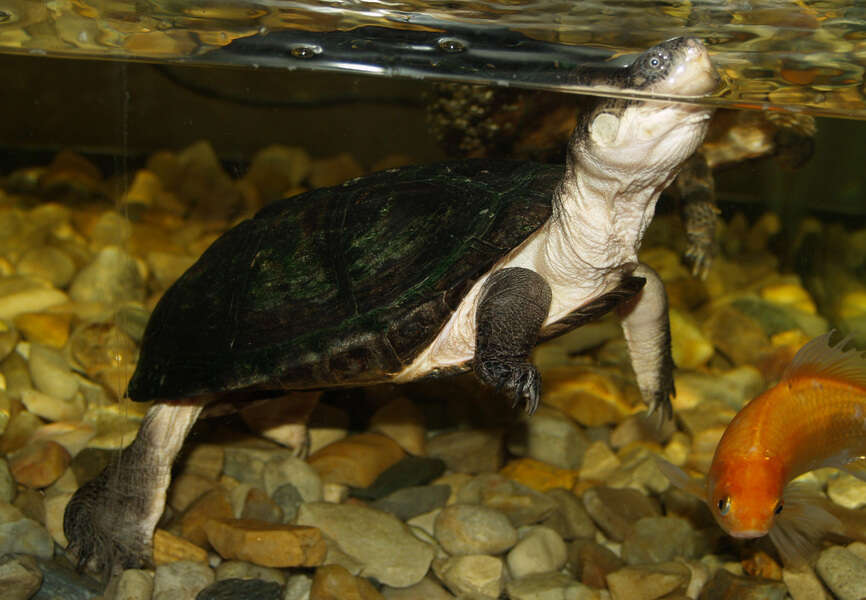
Pelomedusidae
Alternatively, "Pelomedusidae" may refer to the Pelomedusoidea. See below for details.

Amphicoelias
Amphicoelias (, meaning "biconcave", from the Greek ἀμφί, amphi: "on both sides", and κοῖλος, koilos: "hollow, concave") is a genus of herbivorous sauropod dinosaur that lived approximately 150 million years ago during the Tithonian (Late Jurassic Period) of what is now Colorado, United States. Amphicoelias was moderately sized at about in length and in body mass, shorter than its close relative Diplodocus. Its hindlimbs were very long and thin, and its forelimbs were proportionally longer than in relatives.

Pantanal cat
species of mammal
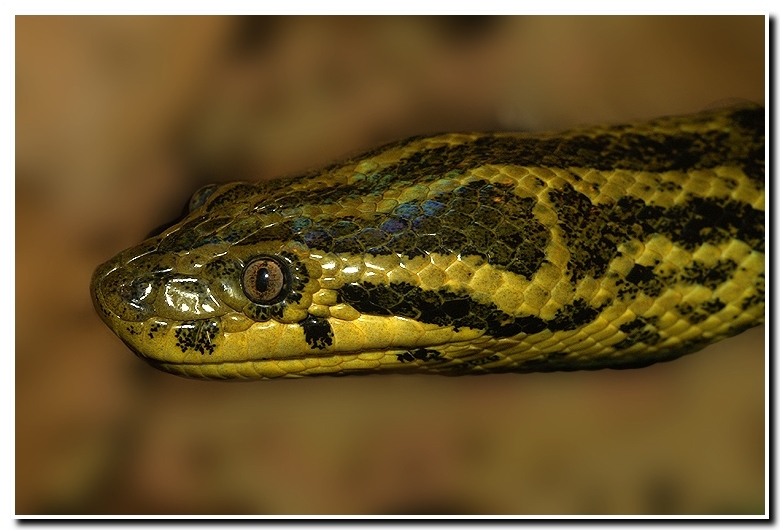
Yellow anaconda
species of reptile

Plumed basilisk
species of reptile

Lystrosaurus
Lystrosaurus (; 'shovel lizard'; from Ancient Greek lístron 'tool for leveling or smoothing, shovel, spade, hoe') is an extinct genus of herbivorous dicynodont therapsids from the late Permian and Early Triassic epochs (around 248 million years ago). It lived in what is now Antarctica, India, China, Mongolia, European Russia and South Africa. Four to six species are currently recognized, although from the 1930s to 1970s the number of species was thought to be much higher. They ranged in size from that of a small dog to 8 feet (2.5 meters) long.

Multituberculata
Multituberculata (commonly known as multituberculates, named for the multiple tubercles of their teeth) is an extinct order of rodent-like mammals with a fossil record spanning over 130 million years. They first appeared in the Middle Jurassic, and reached a peak diversity during the Late Cretaceous and Paleocene. They declined from the mid-Paleocene onwards, finally going extinct in the late Eocene. They are the most diverse order of Mesozoic mammals with more than 200 species known, ranging from mouse-sized to beaver-sized. These species occupied a diversity of ecological niches, ranging fro

Catostomidae
The Catostomidae are the suckers of the order Cypriniformes, with about 78 species in this family of freshwater fishes. The Catostomidae are almost exclusively native to North America. The only exceptions are Catostomus catostomus, found in both North America and Russia, and Myxocyprinus asiaticus found only in China. In the Ozarks they are a common food fish and a festival is held each year to celebrate them. The bigmouth buffalo, Ictiobus cyprinellus, can reach an age up to 127 years, making it the oldest known freshwater teleost by more than 50 years.
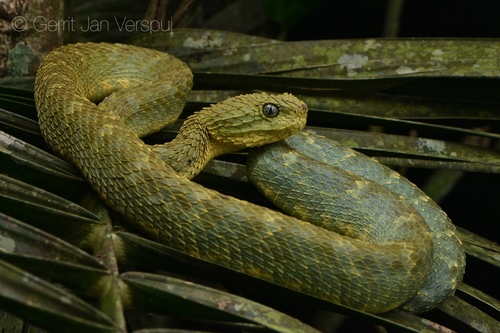
Atheris
Atheris is a genus of vipers known as bush vipers. They are found only in tropical subsaharan Africa (excluding southern Africa) and many species have isolated and fragmented distributions due to their confinement to rain forests. Like all other vipers, they are venomous. In an example of convergent evolution, they show many similarities to the arboreal pit vipers of Asia and South America. Seventeen species are currently recognized.

Scolecophidia
The Scolecophidia, commonly known as blind snakes or thread snakes, are an infraorder of snakes. They range in length from . All are fossorial (adapted for burrowing). Five families and 39 genera are recognized. The Scolecophidia infraorder is most-likely paraphyletic (with the family Anomalepididae recovered with strong support as sister clade to the 'typical snakes').
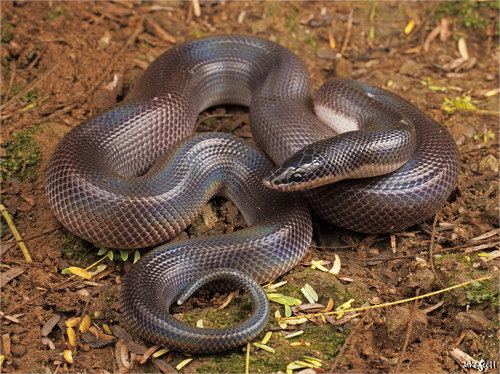
Loxocemus bicolor
species of reptile

Compsognathidae
Compsognathidae is a potentially polyphyletic family of coelurosaurian theropod dinosaurs. Compsognathids were small carnivores, generally conservative in form, hailing from the Jurassic and Cretaceous Periods. The bird-like features of these species, along with other dinosaurs such as Archaeopteryx inspired the idea for the connection between dinosaur reptiles and modern-day avian species. Compsognathid fossils preserve diverse integument — skin impressions are known from four genera commonly placed in the group, Compsognathus, Sinosauropteryx, Sinocalliopteryx and Juravenator. While the latt

American spadefoot toads
family of amphibians

Edaphosaurus
Edaphosaurus (, meaning "pavement lizard" for dense clusters of its teeth) is a genus of extinct edaphosaurid synapsids that lived in what is now North America and Europe around 303.4 to 272.5 million years ago, during the Late Carboniferous to Early Permian. The American paleontologist Edward Drinker Cope first described Edaphosaurus in 1882, naming it for the "dental pavement" on both the upper and lower jaws, from the Greek ' ("ground"; also "pavement") and (') ("lizard").

Podocnemididae
Podocnemididae is a family of pleurodire (side-necked) turtles, once widely distributed. Most of its 41 genera and 57 species are now extinct. Seven of its eight surviving species are native to South America: the genus Peltocephalus, with two species, only one of which is extant (P. dumerilianus, the Big-headed Amazon River turtle); and the genus Podocnemis, with six living species of South American side-necked river turtles and four extinct. There is also one genus native to Madagascar: Erymnochelys, the Madagascan big-headed turtle, whose single species E. madagascariensis.

Mexican mole lizard
species of reptile

Placodont
Placodonts ("tablet teeth") are an extinct order of marine reptiles that lived during the Triassic period, becoming extinct at the end of the period. They were part of Sauropterygia, the group that includes plesiosaurs. Placodonts were generally between in length, with some of the largest measuring long.
.jpg)
Nimravidae
Nimravidae is an extinct family of carnivorans, sometimes known as false saber-toothed cats, whose fossils are found in North America, Africa, and Eurasia. Not considered to belong to the true cats (family Felidae), the nimravids are generally considered closely related and classified as a distinct family in the suborder Feliformia. The family consisted of three subfamilies hoplophonines, nimravines, and barbourofelines. Barboroufelines were initially classified as a subfamily of the Nimravidae since 1991, however in 2004, they were reassigned to their own distinct family. Since 2020, the majo

Diplocaulus
Diplocaulus (meaning "double stalk") is an extinct genus of lepospondyl amphibians which lived from the Late Carboniferous to the Late Permian of North America and Africa. Diplocaulus is by far the largest and best-known of the lepospondyls, characterized by a distinctive boomerang-shaped skull. Remains attributed to Diplocaulus have been found from the Late Permian of Morocco and represent the youngest-known occurrence of a lepospondyl.

Agathaumas
Agathaumas (; "great wonder") is a dubious genus of a large ceratopsid dinosaur that lived in Wyoming during the Late Cretaceous (late Maastrichtian stage, 66 million years ago). The name comes from - 'much' and - 'wonder'. It was seen as the largest land animal known at the time of its discovery.

beauty rat snake
species of reptile
Xenosauridae
Xenosauridae is a family of anguimorph lizards whose only living representative is the genus Xenosaurus, which is native to Central America. Xenosauridae also includes the extinct genera Exostinus and Restes. Also known as knob-scaled lizards, they have rounded, bumpy scales and osteoderms. Most living species prefer humid, rocky habitats, although they are widespread within their native regions, with some inhabiting semi-arid scrub environments. They are carnivorous or insectivorous, and give birth to live young.

Narrow-bridged musk turtle
species of reptile

Monoclonius
Monoclonius (meaning "single sprout") is an extinct dubious genus of herbivorous ceratopsian dinosaur found in the Late Cretaceous layers of the Judith River Formation in Montana, United States, and the uppermost rock layers of the Dinosaur Park Formation in Alberta, Canada dated to between 75 and 74.6 million years ago.
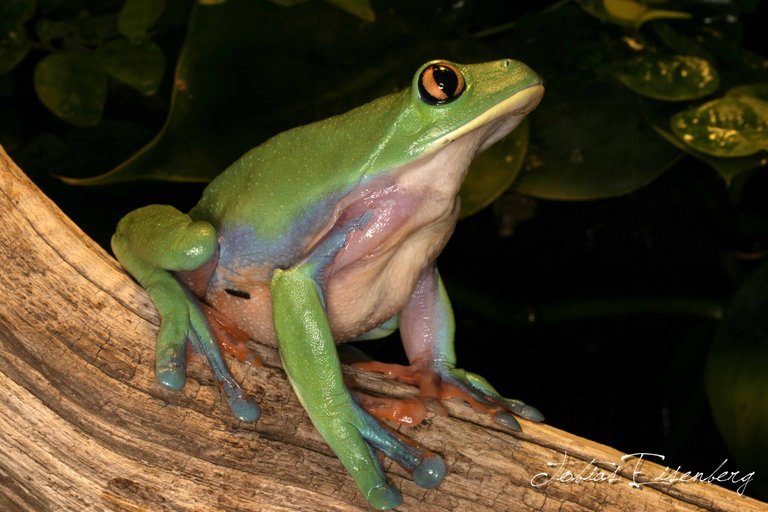
Agalychnis
Agalychnis is a genus of tree frogs native to forests in Mexico, Central America and northwestern South America. The genus consists of 14 species within the family Phyllomedusidae.
Otocinclus
Otocinclus is a genus of catfish in the family Loricariidae native to South America, commonly known as "dwarf suckers" or "otos". This genus, like other loricariids, is characterized by rows of armour plating covering the body, as well as the underslung suckermouth. They are generally small in size; O. tapirape is the smallest of the species (2.4 cm), while O. flexilis is the biggest (5.5 cm). These species have adaptations that allow them to breathe air. A duct forms at the junction between the esophagus and the stomach and expands into an enlarged, ring-like diverticulum, character

rosy boa
snake of the Boidae family

Neurergus
Neurergus is a genus of salamanders, more specifically newts, in the family Salamandridae. They are found in the Middle East (predominantly in Turkey and Iran), and are kept and bred in captivity for their bright colors. In nature, they inhabit streams and small rivers, and the surrounding forests or shrublands. All of the Neurergus are considered threatened species, primarily due to destruction of habitat and overcollection for the pet trade.

threestripe corydoras
species of catfish
Hyracodontidae
The Hyracodontidae are an extinct family of rhinocerotoids endemic to North America, Europe, and Asia during the Eocene through early Oligocene, living from 48.6 to 26.3 million years ago (Mya), existing about .

Daeodon
thumb|Daeodon shoshonensis life restoration
thumb|Daeodon (Dinohyus) hollandi, complete skeleton from the Agate Fossil Beds National Monument|Agate Springs Fossil Quarry in Nebraska. See text for nomenclature history
.jpg)
Actinopteri
Actinopteri () is the sister group of Cladistia (bichirs) in the class Actinopterygii (ray-finned fish).

Choristodera
Choristodera (from the Greek χωριστός chōristos + δέρη dérē, 'separated neck') is an extinct order of semiaquatic diapsid reptiles that ranged from the Middle Jurassic, or possibly Triassic, to the Miocene (168 to 20 or possibly 11.6 million years ago). Choristoderes are morphologically diverse, with the best known members being the crocodile-like neochoristoderes such as Champsosaurus. Other choristoderans had lizard-like or long necked morphologies. Choristoderes appear to have been confined to the Northern Hemisphere, having been found in North America, Asia, and Europe, and possibly also N
Amolops
Amolops (commonly known as cascade frogs or sucker frogs) is a genus of true frogs (family Ranidae) native mainly to eastern and south-eastern Asia. These frogs are closely related to such genera as Huia, Meristogenys, Odorrana, Pelophylax and Rana, but still form a distinct lineage among the core radiation of true frogs. They are commonly known as "torrent frogs" after their favorite habitat - small rapid-flowing mountain and hill streams - but this name is used for many similar-looking frogs regardless of whether they are loosely related.
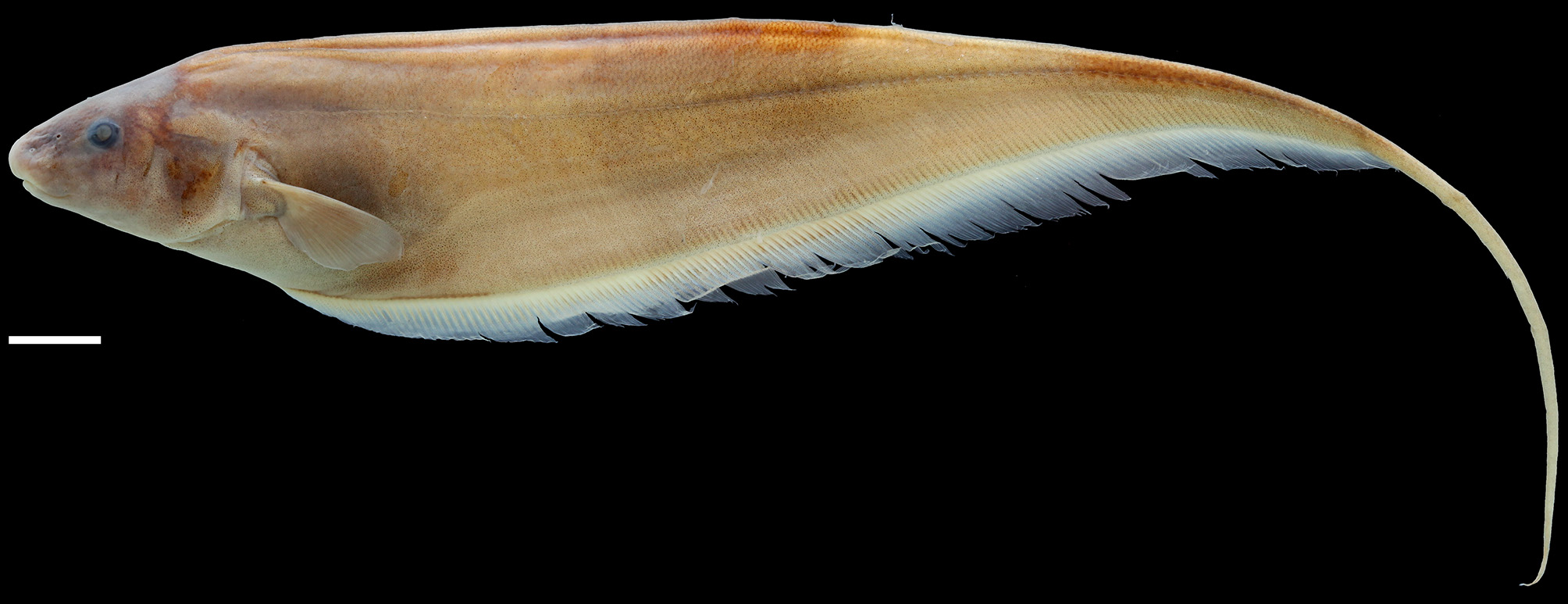
Sternopygidae
family of fishes

Elasmosauridae
Elasmosauridae, often called elasmosaurs or elasmosaurids, is an extinct family of plesiosaurs that lived from the Hauterivian stage of the Early Cretaceous to the Maastrichtian stage of the Late Cretaceous period (c. 130 to 66 mya). The taxon was initially erected in 1869 by Edward Drinker Cope to include the type genus Elasmosaurus with the related Cimoliasaurus, although he did not argue in detail why. Over the following years, many authors recognized this classification on the basis of predominantly postcranial features, becoming one of the three groups in which plesiosaurs were often clas

Q132156
Pantodonta is an extinct order (or, according to some, an suborder) of eutherian mammals. These herbivorous mammals were one of the first groups of large mammals to evolve (around 66 million years ago) after the end of the Cretaceous. The last pantodonts died out at the end of the Eocene (around 34 million years ago).
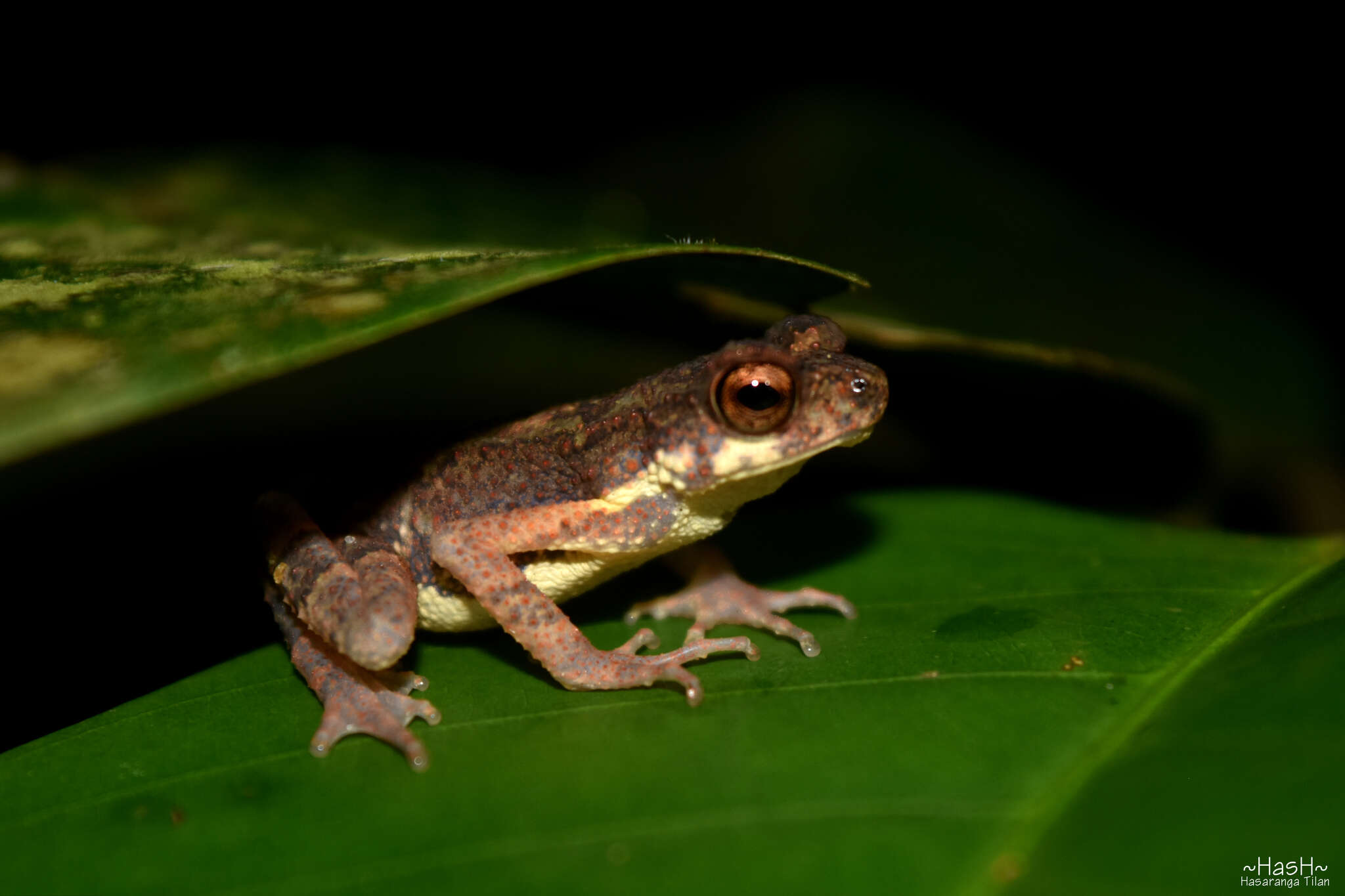
Adenomus
Adenomus is a small genus of true toads, with only two species, endemic to Sri Lanka. Adenomus kandianus was considered as extinct for 133 years, but was rediscovered in October 2009 in the Kandy area.

Argentine snake-necked turtle
species of reptile

Red diamond rattlesnake
species of North American snake
.jpg)
Miacidae
Miacidae ("small points") is a former paraphyletic family of extinct primitive placental mammals that lived in North America, Europe and Asia during the Paleocene and Eocene epochs, about 65–33.9 million years ago. These mammals were basal to order Carnivora, the crown-group within the Carnivoraformes.