Category
page 1Taxonbars on possible non-taxon pages
.png)
dog
The dog (Canis familiaris or Canis lupus familiaris) is a domesticated descendant of wolves. Also called the domestic dog, it was selectively bred during the Late Pleistocene by hunter-gatherers. Dogs and the modern gray wolf share a common ancestor. Dogs were the first species to be domesticated over 14,000 years ago, before the development of agriculture, though genetic studies suggest the domestication process may have begun over 25,000 years ago. Due to their long association with humans, dogs have gained the ability to thrive on a starch-rich diet that would be inadequate for other canids

Cat

human
Humans (Homo sapiens, meaning "thinking man" or "wise man") are the most common and widespread species of primate, and the only extant species of the genus Homo. They are great apes characterized by hairlessness, obligate bipedality, manual dexterity with opposable thumbs, precision grip, and high intelligence. Humans have large brains compared to body size (a high encephalization quotient), enabling more advanced cognitive skills that facilitate successful adaptation to varied environments, development of sophisticated tools, and formation of complex social structures and civilizations. Human

apple
An apple is the round, edible fruit of an apple tree (Malus spp.). Fruit trees of the orchard or domestic apple (Malus domestica), the most widely grown in the genus, are cultivated worldwide. The tree originated in Central Asia, where its wild ancestor, Malus sieversii, is still found. Apples have been grown for thousands of years in Eurasia before they were introduced to North America by European colonists. Apples have cultural significance in many mythologies (including Norse and Greek) and religions (such as Christianity in Europe).

snake
Snakes are elongated limbless reptiles of the suborder Serpentes. Cladistically squamates, snakes are ectothermic, amniote vertebrates covered in overlapping scales much like other members of the group. Many species of snakes have skulls with several more joints than their lizard ancestors and relatives, enabling them to swallow prey much larger than their heads (cranial kinesis). To accommodate their narrow bodies, snakes' paired organs (such as kidneys) appear one in front of the other instead of side by side, and most only have one functional lung. Some species retain a pelvic girdle with a

sheep
Sheep (: sheep) or domestic sheep (Ovis aries) are a domesticated, ruminant mammal typically kept as livestock. Although the term sheep can apply to other species in the genus Ovis, in everyday usage it almost always refers to domesticated sheep. Like all ruminants, sheep are members of the order Artiodactyla, the even-toed ungulates. There are around 1.2 billion domestic sheep as of 2019, making them easily the most common species of sheep. An adult female is referred to as a ewe ( ); an intact male as a ram, occasionally a tup; a castrated male as a wether; and a young sheep as a lamb.
%20(8231709397).jpg)
wheat
Wheat is a group of wild and domesticated grasses of the genus Triticum (). As cereals, they are cultivated for their grains, which are staple foods around the world. Well-known wheat species and hybrids include the most widely grown common wheat (T. aestivum), spelt, durum, emmer, einkorn, and Khorasan or Kamut. The archaeological record suggests that wheat was first cultivated in the regions of the Fertile Crescent around 9600 BC.
%20male%20in%20flight.jpg)
butterfly

carrot
The carrot (Daucus carota subsp. sativus) is a root vegetable, typically orange in colour, though heirloom variants including purple, black, red, white, and yellow cultivars exist, all of which are domesticated forms of the wild carrot, Daucus carota, native to Europe and Southwestern Asia. The plant probably originated in Iran and was originally cultivated for its leaves and seeds.
smallpox
Smallpox was an infectious disease caused by Variola virus (often called Smallpox virus), which belongs to the genus Orthopoxvirus. The last naturally occurring case was diagnosed in October 1977, and the World Health Organization (WHO) certified the global eradication of the disease in 1980, making smallpox the only human disease to have been eradicated.

HIV
Human immunodeficiency viruses (HIVs) are two species of Lentivirus (a subgroup of retrovirus) that infect humans. Over time, they cause acquired immunodeficiency syndrome (AIDS), a condition in which progressive failure of the immune system allows life-threatening opportunistic infections and cancers to thrive. Without treatment, the average survival time after infection with HIV is estimated to be 9 to 11 years, depending on the HIV subtype.
%20havaiana%20mini%2C%20em%20ambiente%20dom%C3%A9stico%2002.jpg)
fern
The ferns (Polypodiopsida or Polypodiophyta) are a group of vascular plants (land plants with vascular tissues such as xylem and phloem) that reproduce via spores and have neither seeds nor flowers. They differ from non-vascular plants (mosses, hornworts and liverworts) by having specialized transport bundles that conduct water and nutrients from and to the roots, as well as life cycles in which the branched sporophyte is the dominant phase.

mule
The mule is a domestic equine hybrid between a donkey and a horse. It is the offspring of a male donkey (a jack) and a female horse (a mare). The horse and the donkey are different species, with different numbers of chromosomes; of the two possible first-generation hybrids between them, the mule is easier to obtain and more common than the hinny, which is the offspring of a male horse (a stallion) and a female donkey (a jenny).

protozoa
right|thumb|upright=1.5|Clockwise from top left: Blepharisma japonicum, a [[ciliate; Giardia muris, a parasitic flagellate; Centropyxis aculeata, a testate (shelled) amoeba; Peridinium willei, a dinoflagellate; Chaos carolinense, a naked amoebozoan; Desmarella moniliformis, a choanoflagellate]]

coral
Corals are colonial marine invertebrates within the subphylum Anthozoa of the phylum Cnidaria. They typically form compact colonies of many identical individual polyps. Coral species include the important reef builders that inhabit tropical oceans and secrete calcium carbonate to form a hard skeleton.

hepatitis A
acute infectious disease of the liver
.jpg)
turnip
The turnip or white turnip (Brassica rapa subsp. rapa) is a root vegetable commonly grown in temperate climates worldwide for its white, fleshy taproot. Small, tender varieties are grown for human consumption, while larger varieties are grown as feed for livestock. The name turnip used in many regions may also be used to refer to rutabaga (or neep or swede), which is a different but related vegetable.

popcorn
Popcorn (also called popped corn, popcorns, or pop-corn) is a variety of corn kernel which expands and puffs up when heated. The term also refers to the snack food produced by the expansion. It is one of the oldest snacks, with evidence of popcorn dating back thousands of years in the Americas. It is commonly eaten salted, buttered, sweetened, or with artificial flavorings.
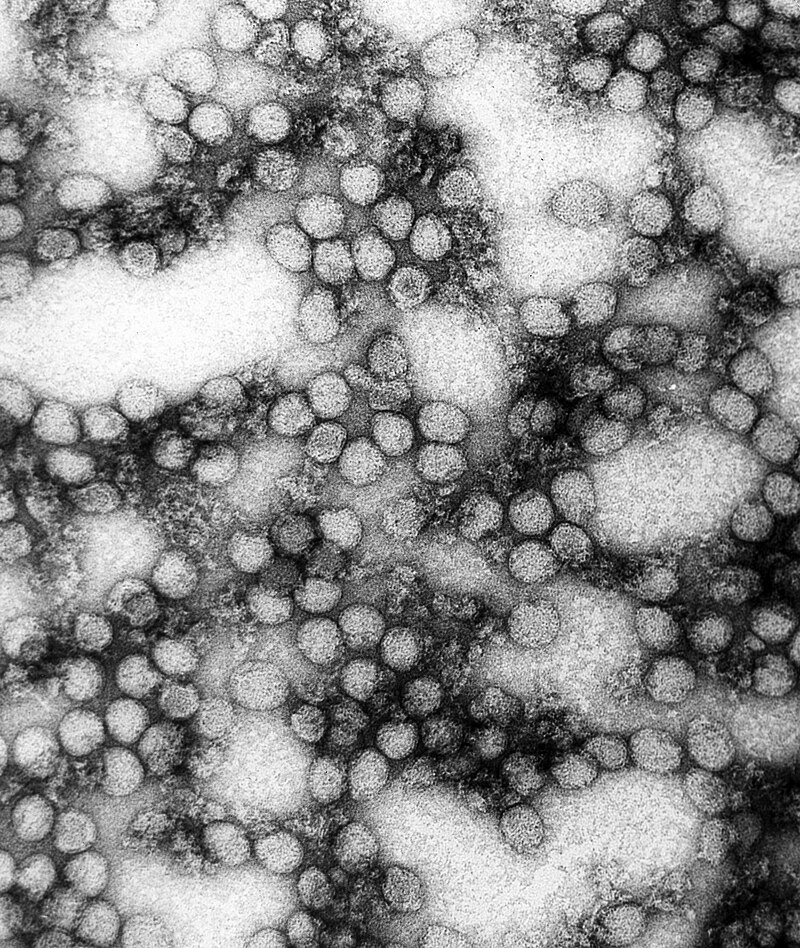
yellow fever
viral disease

Homo habilis
extinct species of the genus Homo

globe artichoke
The artichoke (Cynara cardunculus var. scolymus) is a variety of a species of thistle cultivated as food.

apricot
peafowl
Peafowl is a common name for two bird species of the genus Pavo and one species of the closely related genus Afropavo within the tribe Pavonini of the family Phasianidae (the pheasants and their allies). Male peafowl are referred to as peacocks, and female peafowl are referred to as peahens. Despite this, peacock is usually used to refer to both sexes, in common language.

chikungunya
Chikungunya is an infection caused by the chikungunya virus. The most common symptoms are fever and joint pain, typically occurring four to eight days after the bite of an infected mosquito. The pain has been described as "excruciating"; however some people may be infected without showing any symptoms. Other symptoms may include headache, muscle pain, joint swelling, and a rash. Symptoms usually improve within a week; however, occasionally the joint pain may last for months or years. The very young, old, and those with other health problems are at risk of more severe disease.

domestic goose
breed of domesticated bird (Aves)

domestic duck
farm animal

kale
Kale (), also called leaf cabbage, belongs to a group of cabbage (Brassica oleracea) cultivars primarily grown for their edible leaves, but it is also used as an ornamental plant. Its multiple different cultivars vary quite a bit in appearance; the leaves can be bumpy, curly, or flat, and the color ranges from purple to green.

Rift Valley fever
human disease

influenza A virus subtype H5N1
subtype of influenza A virus

influenza A virus subtype H1N1
subtype of the influenza A virus, with some strains that are swine flue, others avian flue

SARS-CoV-1
Severe acute respiratory syndrome coronavirus 1 (SARS-CoV-1), previously known as severe acute respiratory syndrome coronavirus (SARS-CoV), is a coronavirus that causes severe acute respiratory syndrome (SARS), the respiratory illness responsible for the 2002–2004 SARS outbreak. It is an enveloped, positive-sense, single-stranded RNA virus that infects the epithelial cells within the lungs. The virus enters the host cell by binding to
angiotensin-converting enzyme 2. It infects humans, bats, and palm civets. The SARS-CoV-1 outbreak was largely brought under control by simple public health meas
Japanese encephalitis
infection of the brain caused by the Japanese encephalitis virus

banyan
alt=The biggest tree|thumb|A banyan tree at the Naples, Florida Preserve

Crimean-Congo hemorrhagic fever
viral disease
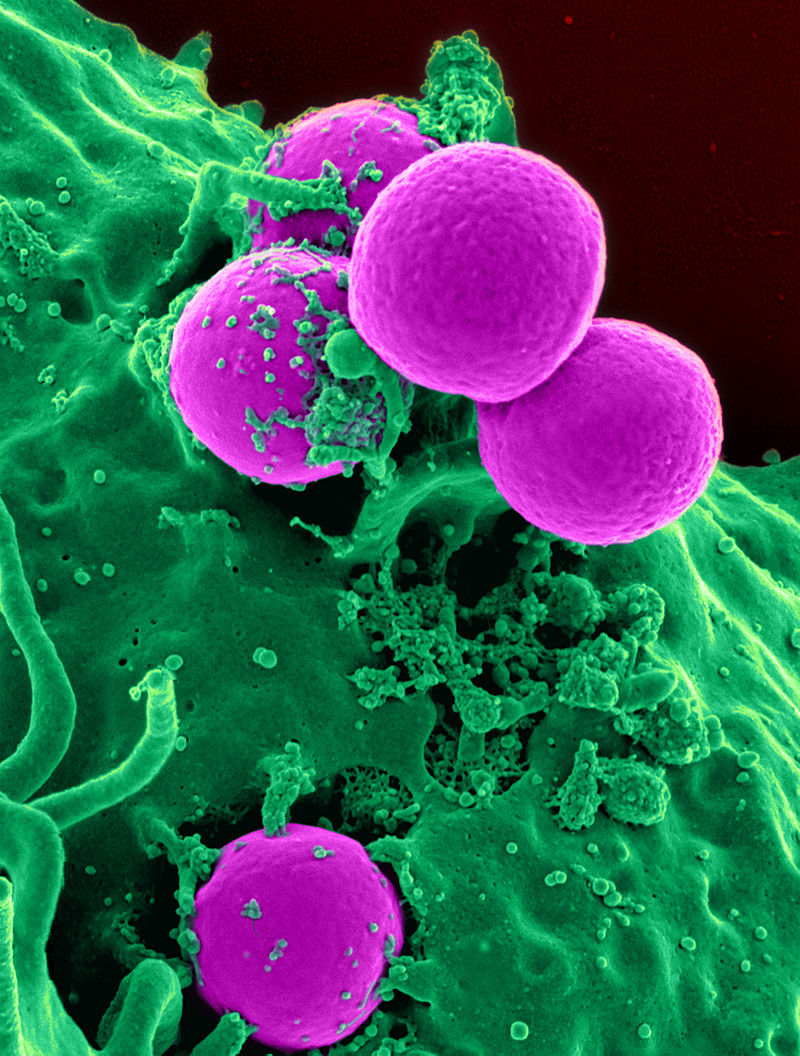
methicillin-resistant Staphylococcus aureus
bacterium responsible for difficult-to-treat infections in humans

GFAJ-1
GFAJ-1 is a strain of rod-shaped bacteria in the family Halomonadaceae. It is an extremophile that was isolated from the hypersaline and alkaline Mono Lake in eastern California by geobiologist Felisa Wolfe-Simon, a NASA research fellow in residence at the US Geological Survey. In a 2010 Science journal publication, the authors claimed that the microbe, when starved of phosphorus, is capable of substituting arsenic for a small percentage of its phosphorus to sustain its growth. Immediately after publication, other microbiologists and biochemists expressed doubt about this claim, which was robu

canine distemper
dog disease

rinderpest
Rinderpest (also cattle plague or steppe murrain) was an infectious viral disease of cattle, domestic water buffalo, and many other species of even-toed ungulates, including gaurs, buffalo, bison, antelope, deer, giraffes, wildebeests, and warthogs. The disease was characterized by fever, oral erosions, diarrhea, lymphoid necrosis, and high mortality. Death rates during outbreaks were usually extremely high, approaching 100% in immunologically naïve populations. Rinderpest was mainly transmitted by direct contact and by drinking contaminated water, although it could also be transmitted by air.

grasshopper
Grasshoppers are a group of insects belonging to the suborder Caelifera. They are amongst what are possibly the most ancient living groups of chewing herbivorous insects, dating back to the early Triassic, around 250 million years ago.
bluetongue disease
type of disease that afflicts ruminants

Chromalveolate
Chromalveolata was a eukaryote supergroup present in a major classification of 2005, then regarded as one of the six major groups within the eukaryotes. It was a refinement of the kingdom Chromista, first proposed by Thomas Cavalier-Smith in 1981. Chromalveolata was proposed to represent the organisms descended from a single secondary endosymbiosis involving a red alga and a bikont. The plastids in these organisms are those that contain chlorophyll c.
hepatitis D
Human disease

zebroid
A zebroid is the offspring of any cross between a zebra and any other equine to create a hybrid. In most cases, the sire is a zebra stallion but not every time. The offspring of a donkey sire and zebra dam, called a donkra, and the offspring of a horse sire and a zebra dam, called a hebra, do exist, but are rare and are usually sterile. Zebroids have been bred since the 19th century. Charles Darwin noted several zebra hybrids in his works.

wakame
Wakame (Undaria pinnatifida) is a species of kelp native to cold, temperate coasts of the northwest Pacific Ocean. As an edible seaweed, it has a subtly sweet, but distinctive and strong flavour and satiny texture. It is most often served in soups and salads.
Heliozoa
Heliozoa, commonly known as sun-animalcules, are microbial eukaryotes (protists) with stiff arms (axopodia) radiating from their spherical bodies, which are responsible for their common name. The axopodia are microtubule-supported projections from the amoeboid cell body, and are variously used for capturing food, sensation, movement, and attachment. They are similar to Radiolaria, but they are distinguished from them by lacking central capsules and other complex skeletal elements, although some produce simple scales and spines. They may be found in both freshwater and marine environments.
.png)
cowpox
Cowpox is an infectious disease caused by Cowpox virus (CPXV). It presents with large blisters in the skin, a fever and swollen glands, historically typically following contact with an infected cow, though in the last several decades more often (though overall rarely) from infected cats. The hands and face are most frequently affected and the spots are generally very painful.

myxomatosis
Myxomatosis is a disease caused by Myxoma virus, a poxvirus in the genus Leporipoxvirus. The natural hosts are tapeti (Sylvilagus brasiliensis) in South and Central America, and brush rabbits (Sylvilagus bachmani) in North America. The myxoma virus causes only a mild disease in these species, but causes a severe and usually fatal disease in European rabbits (Oryctolagus cuniculus), the species of rabbit commonly raised for companionship and as a food source.
Latonia nigriventer
species of amphibian
lactic acid bacteria
type of bacteria
Old World vulture
informal group of birds, use Q13428438 for the Aegypiinae
Stephanoberyciformes
The Stephanoberycoidei is a suborder of marine ray-finned fishes, consisting of about 68 species, the majority (61) of which belong to the ridgehead family (Melamphaidae). They were formerly placed as their own order, the Stephanoberyciformes. However, more recent taxonomic sources treat them as a suborder of the Beryciformes.
classical swine fever
animal disease
Rhipidistia
Rhipidistia, also known as Dipnotetrapodomorpha, is a clade of lobe-finned fishes which includes the tetrapods and lungfishes. Rhipidistia formerly referred to a subgroup of Sarcopterygii consisting of the Porolepiformes and Osteolepiformes, a definition that is now obsolete. However, as cladistic understanding of the vertebrates has improved over the last few decades, a monophyletic Rhipidistia is now understood to include the whole of Tetrapoda and the lungfishes.

toxocariasis
Toxocariasis is an illness of humans caused by the dog roundworm (Toxocara canis) and, less frequently, the cat roundworm (Toxocara cati). These are the most common intestinal roundworms of dogs, coyotes, wolves and foxes and domestic cats, respectively. Humans are among the many "accidental" or paratenic hosts of these roundworms.
Marburg virus
virus in the species Marburg marburgvirus
Ugli fruit
trademark for the Jamaican tangelo

pseudorabies
'''Aujeszky's disease, usually called pseudorabies in the United States, is a viral disease in swine that is endemic in most parts of the world. It is caused by pseudorabies virus (PRV'''). Aujeszky's disease is considered to be the most economically important viral disease of swine in areas where classical swine fever (hog cholera) has been eradicated. Other mammals, such as cattle, sheep, goats, cats, dogs, and raccoons, are also susceptible. The disease is usually fatal in these animal species.

Taxodiaceae
Taxodiaceae is a formerly recognized conifer family. It is today recognised as a paraphyletic grade of basal lineages within the Cupressaceae, with the exception of Sciadopitys verticillata, which has been reclassified into its own family, the Sciadopityaceae.

boysenberry
thumb|Boysenberry, June - Los Angeles, California
lumpy skin disease
bovine disease