Category
page 1Western Schism

Martin V
pope of the Catholic Church from 1417 to 1431

Gregory XII
pope of the Catholic Church from 1406 to 1415
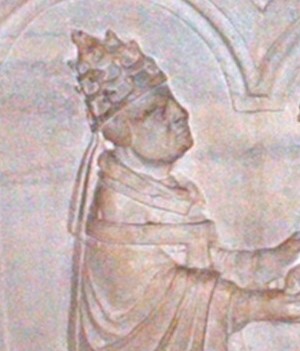
Urban VI
pope of the Catholic Church from 1378 to 1389 (1318–1389)

Boniface IX
pope of the Catholic Church from 1389 to 1404
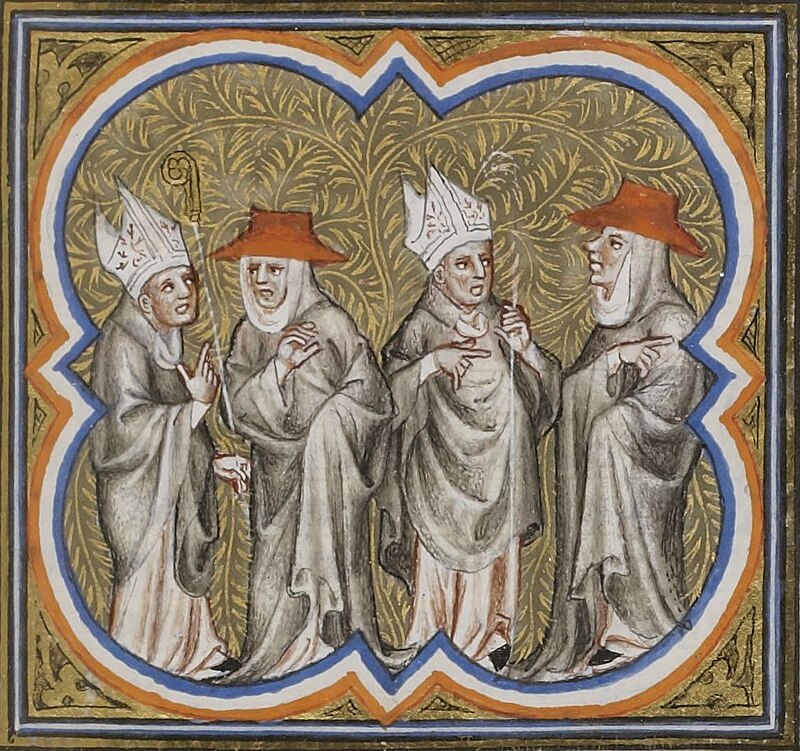
Western Schism
split within the Catholic Church from 1378 to 1417, in which bishops in Rome and Avignon both claimed to be the pope, joined by a third line of Pisan popes in 1409

Council of Constance
synod

Avignon Papacy
period during which the Pope lived in Avignon, France (1309–1376)

Alexander V
Catholic cardinal and antipope (1339-1410)

Benedict XIII
cardinal, antipope from 1394 to 1423 (1328-1423)

Clement VII
antipope from 1378 to 1394

Jean Gerson
French academic (1363/1369–1429)
Council of Pisa
synod
Template:Western Schism
Wikimedia template
Tomb of Antipope John XXIII
tomb monument of Baldassare Cossa created by Donatello and Michelozzo in the Baptistery, Florence, Italy
Raymond of Capua
Italian Dominican friar and venerated Christian
1378 papal conclave
conclave
Dietrich of Nieheim
Prince-bishop
1404 papal conclave
conclave
1406 papal conclave
election of Pope Gregory XII
pseudocardinal
A pseudocardinal (also quasi-cardinal or anticardinal) is a cardinal created by an antipope, that is, one whose appointed is not recognized as canonical by the Catholic Church.
Rinaldo Brancaccio
Catholic cardinal

Pierre de Murat de Cros
French monk and cardinal
Crusade of Tedelis
1398 religious war
Frequens
Frequens (Frequent) is the name for the decree passed at the Council of Constance on October 9, 1417; it was supposed to ensure that the Pope convened councils regularly. With this decree, the council participants determined that church meetings should be held "forever". The title is the incipit of the decree, the first sentence of which runs, ("Frequent celebration of general councils is the best method of cultivating the field of the Lord").
Haec sancta
1415 document regarding papal supremacy