asymmetric digital subscriber line
Also known as ADSL, Asymmetric Digital Subscriber Loop
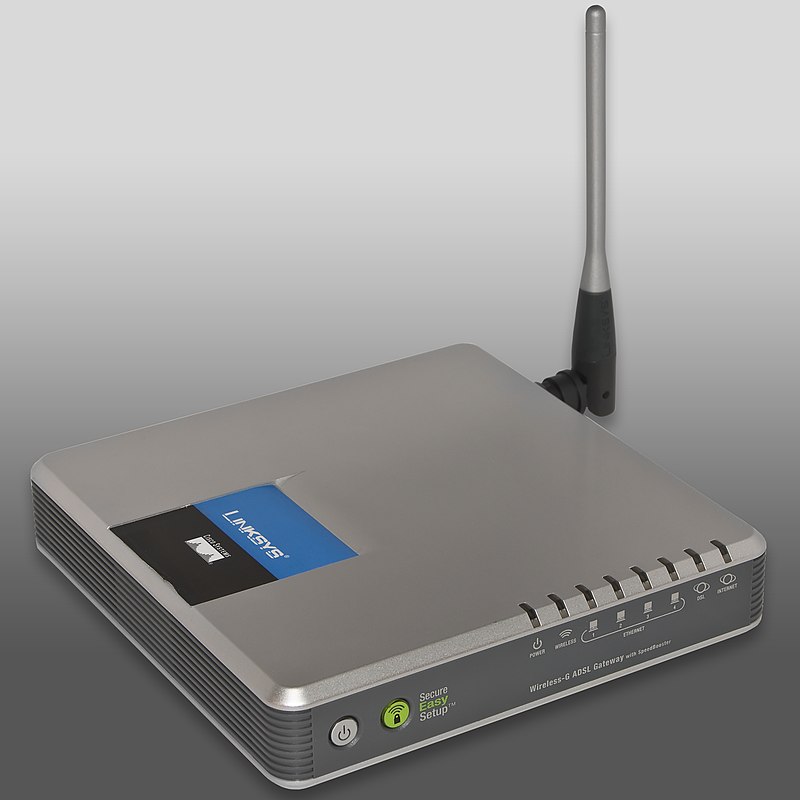
thumb|A residential gateway|gateway is commonly used to make an ADSL connection Asymmetric digital subscriber line (ADSL) is a type of digital subscriber line (DSL) technology, a data communications technology that enables faster data transmission over copper telephone lines than a conventional voiceband modem can provide. ADSL differs from the less common symmetric digital subscriber line (SDSL). In ADSL, bandwidth and bit rate are said to be asymmetric, meaning greater toward the customer premises (downstream) than the reverse (upstream). Providers usually market ADSL as an Internet access s
AI overview
ADSL is a technology that transmits data much faster than traditional modems over regular copper telephone lines, with faster speeds for downloading to your home than for uploading from it. It became a popular choice for home Internet access because it provided significantly quicker data transmission while using existing phone infrastructure.
AI-generated from the Wikipedia summary — may contain errors.
Wikidata facts
- Image
- ADSL router with Wi-Fi (802.11 b-g).jpg
Sources (3)
via Wikidata · CC0
Article
8 sectionsContents
- Overview
- Operation
- Interleaving and fastpath
- Transport protocols
- ADSL standards
- See also
- References
- External links
thumb|A residential gateway|gateway is commonly used to make an ADSL connection Asymmetric digital subscriber line (ADSL) is a type of digital subscriber line (DSL) technology, a data communications technology that enables faster data transmission over copper telephone lines than a conventional voiceband modem can provide. ADSL differs from the less common symmetric digital subscriber line (SDSL). In ADSL, bandwidth and bit rate are said to be asymmetric, meaning greater toward the customer premises (downstream) than the reverse (upstream). Providers usually market ADSL as an Internet access service primarily for downloading content from the Internet, but not for serving content accessed by others.
==Overview==