File:Epikouros_Met_11.90.jpg · Wikimedia Commons · See Wikimedia Commons
ataraxia
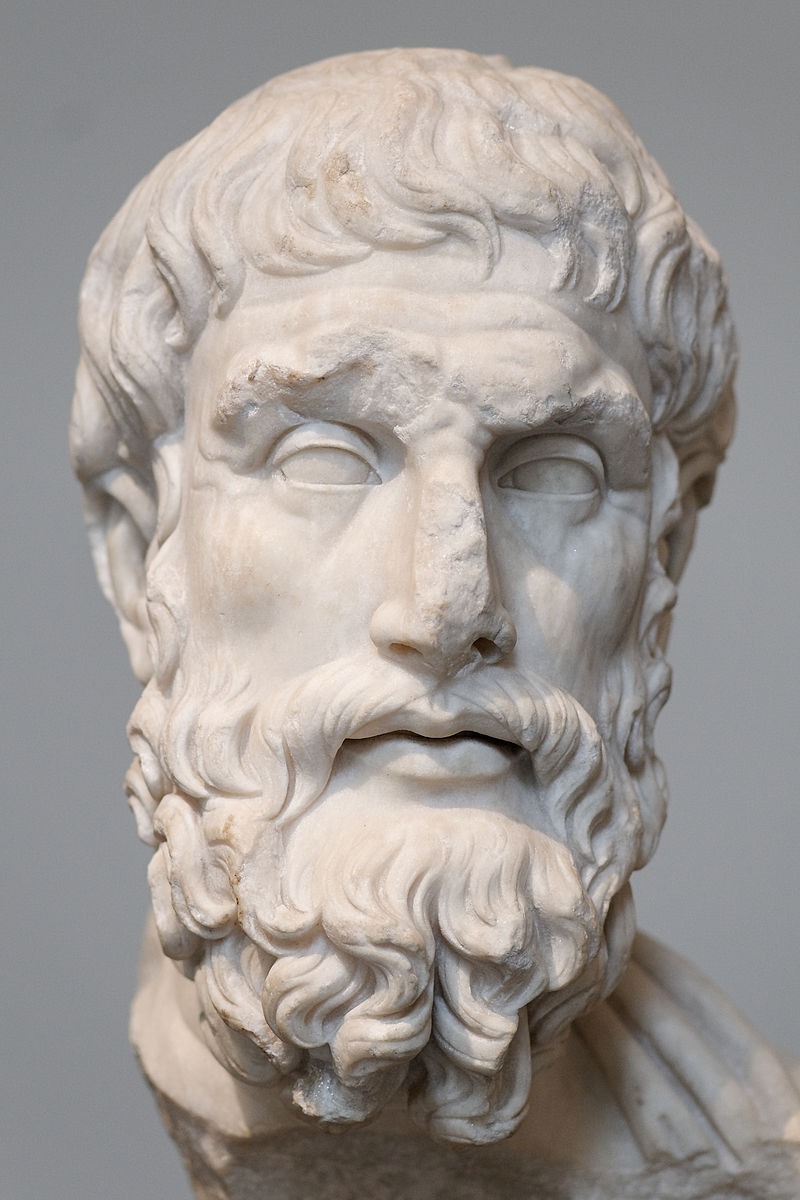
Sign in to savethumb|299x299px|Bust of Epicurus. Achieving is an important goal in Epicurean philosophy. In Ancient Greek philosophy, '''''' (, from indicating negation or absence and with the abstract noun suffix ), generally translated as , , , or , is a lucid state of robust equanimity characterized by ongoing freedom from distress and worry. In non-philosophical usage, was the ideal mental state for soldiers entering battle. Achieving is a common goal for Pyrrhonism, Epicureanism, and Stoicism, but the role and value of within each philosophy varies in accordance with their philosophical theories. The me
Wikidata facts
- Instance of
- philosophical concept
Show 2 more facts
- culture
- Ancient Greek culture
- described by source
- Granat Encyclopedic Dictionary
Sources (1)
via Wikidata · CC0
~3 min read
Encyclopedic overview
5 sectionsContents
- Pyrrhonism
- Epicureanism
- Stoicism
- See also
- References
thumb|299x299px|Bust of Epicurus. Achieving is an important goal in Epicurean philosophy. In Ancient Greek philosophy, '''''' (, from indicating negation or absence and with the abstract noun suffix ), generally translated as , , , or , is a lucid state of robust equanimity characterized by ongoing freedom from distress and worry. In non-philosophical usage, was the ideal mental state for soldiers entering battle. Achieving is a common goal for Pyrrhonism, Epicureanism, and Stoicism, but the role and value of within each philosophy varies in accordance with their philosophical theories. The mental disturbances that prevent one from achieving also vary among the philosophies, and each philosophy has a different understanding as to how to achieve .
== Pyrrhonism ==
Excerpted from Wikipedia’s “ataraxia” article, available under the CC BY-SA 4.0 licence.